
Is Shibu Onsen Worth It? Day-Trippers and Overnight Guests Get Two Different Trips
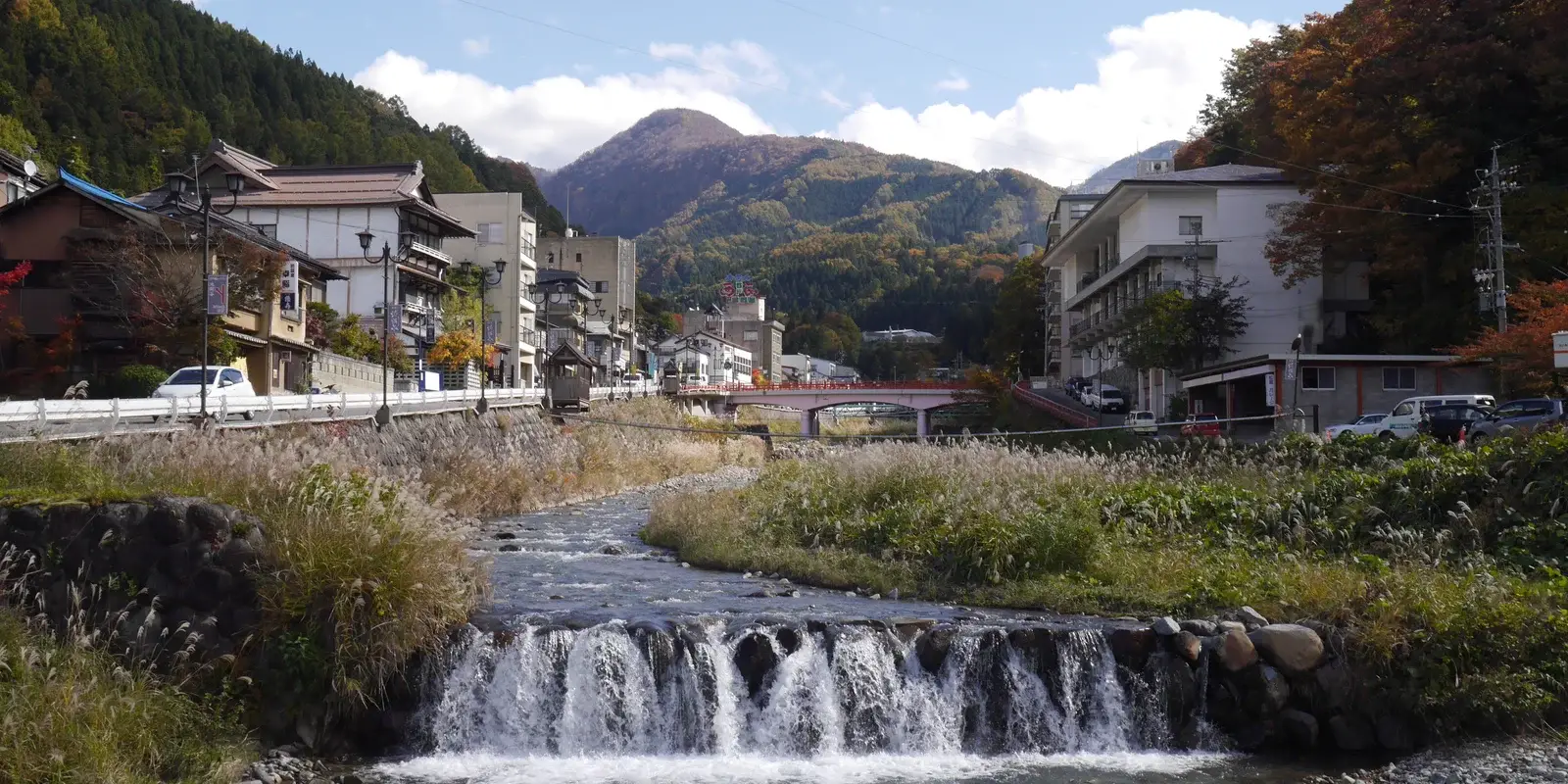
Shibu Onsen is a small hot spring town in Nagano with nine public baths strung along one stone-paved street. Eight of them are free, but only to guests who are sleeping in a Shibu Onsen ryokan that night. Before you plan a stop here, it is worth hearing from people who already made the trip, both from abroad and from Japan.
Is it worth it? (in visitors' own words)
We gathered 64 posts by visitors from abroad who have been to Shibu Onsen, from Google Maps reviews written in languages other than Japanese, Reddit, TripAdvisor and the japan-guide.com forum. We sorted them by how each writer felt after the visit.
Twelve of the 42 green posts say they stayed the night in Shibu, and they got the thing they came for; at least seven others came only for the day and were still glad they did. One visitor who stayed three nights called it "one of the most peaceful and memorable parts of my Japan trip," and described collecting a stamp at each bath while walking the street in a yukata as the snow came down. Another, on the japan-guide.com forum, had access to all nine baths from a ryokan stay and summed it up as "heck of a lot of fun," even though one bath was closed and one was "pretty grubby."
Ten of the 64 posts are red, and they split into two groups. Four are from people who tried to use the baths without a ryokan key. One bought a ticket for the single bath open to day visitors, found the door locked and the entrance hard to find, and warned, "IF YOU WANT TO VISIT THE BATHS, YOU SHOULD STAY IN TOWN." A second described paying, having staff refuse to let them back in after a bathroom break unless they paid again, and called it "the worst place ever." A third, writing in Spanish, summed up the same bath as "800 yenes la entrada para un baño de una única tina... Estafa es poco" (800 yen to get into a single-tub bath, and calling it a scam is an understatement). The other six red posts are about something else: a visitor writing in French, warning anyone whose hotel has no private onsen, called the advertised "Nine Onsen Road" (in French, "la route des 9 onsens") "une succession de bains publics en piteux état" (a string of run-down public baths), and others describe mold, closed shops and a town that felt out of season.
The 12 posts in the middle band lean the same way as the red ones, in miniature. Four are also about the day-visitor system. One who bought a ticket wrote plainly, "I'm not sure it is worth the hassle. Save your money for another onsen," after a broken shoe locker and a confusing unlock process. A TripAdvisor reviewer visiting on a Wednesday in February found that only one of the nine baths was open, and noted that only ryokan guests bathe for free while everyone else pays at the ryokan that looks after the bath. Among the other eight, the reservations are smaller: two found the water too hot, one found the baths worn, and one found the town small and charming but without a big impact.
What Japanese visitors say
The second gauge comes from reviews that Japanese visitors wrote in Japanese, on Google Maps and on jalan, a Japanese travel review site.
The single day-visitor bath that frustrates foreign guests frustrates Japanese day-trippers too. Of the 16 red reviews, 6 are about that one bath and its ticket system. One reviewer took the train from Nagano and back, close to two hours and more than 3,000 yen round trip, found every nearby shop closed when they tried to get the bath unlocked at lunchtime, and gave up without ever bathing: 「金と時間の無駄に終わったわー!!!!二度と行かねー」(It ended up a waste of money and time. Never going again). Another, who could not bathe because the information on Google was wrong, summed it up more quietly: 「グーグルの情報が間違っていた為、日帰り入浴出来ませんでしたね。縁が無かったと言う事ですね」(Google's information was wrong, so I couldn't bathe. I suppose it just wasn't meant to be). A third explained the process and added that the ticket counter "その窓口も昼休憩で12:00-14:00まで空いていません" (isn't open from 12:00 to 14:00 for a lunch break), which is when they happened to arrive. A fourth called the whole system "伊香保や草津とは比べ物にならないほど不便" (far more inconvenient than Ikaho or Kusatsu), two other well-known Japanese onsen towns.
Two of the 16 red reviews raise something else: that the balance of guests has shifted. One reviewer, after a stay where theirs was the only Japanese group at their inn, wrote that the innkeeper had sighed that Shibu Onsen 「もう、海外になってしまった」(has basically become "overseas" now). The reviewer's own advice to readers: come back for the nine-bath tour once the inbound crowds settle down. Another called the one-day-visitor bath's fee 「インバウンド価格」(inbound pricing) and wrote that a ryokan employee snapped that they should go ask the ryokan association instead. These are two reviews among 150, not a verdict on the town, and they sit alongside warmer notes on the same subject: one reviewer found the foreign guests on the bath tour well-mannered, three others wrote warmly about sharing a bath with visitors from abroad, and two were concerned for foreign visitors they saw stuck at a locked door.
What both sides run into
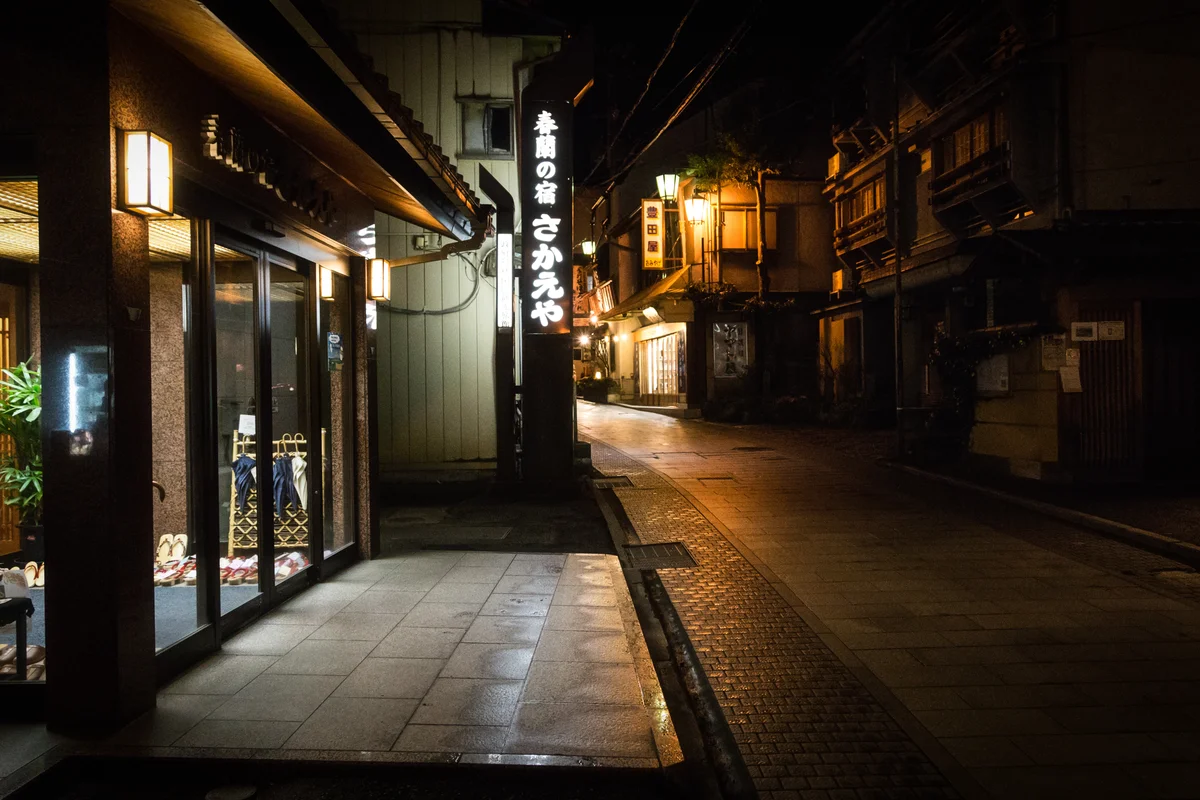
Set the ticket system aside, and the two gauges land close together on everything else. Heat is one example, described in close to the same words on both sides. One visitor from the United States wrote that the baths "were far too hot to even put your feet in." A Japanese reviewer who went at 6am wrote that even with an earlier bather running the cold tap, they still "なかなか熱くて入ることができませんでした" (couldn't get in for a while, it was so hot), though stepping back out into the air afterward felt wonderful. Another, trying the baths in reverse order from nine to one, gave up at bath five after finding some baths left too cool by earlier bathers and others still occupied by people washing their hair inside, against the rules.
The nine-bath tour itself, for guests who can do it, gets similar praise from both sides. "Had access to all 9 public baths... overall heck of a lot of fun," wrote one visitor from abroad. One Japanese reviewer, an overnight guest who set out on the bath tour right after checking in, could go no further than his ankles in baths three and two, and at bath nine, Oyu, chatted in broken English with American tourists, calling it 「旅の良い思い出」(a good memory from the trip). It is a small moment, but a useful one: when the system works, as it did for him and for the Americans beside him, it works the same way for everyone in the room.
What we wish you'd noticed
Shibu Onsen's hot spring is said to have been discovered 1,300 years ago by the priest Gyoki, according to the Shibu Onsen Ryokan Association, the group that represents the town's inns. The association's own history page also places Shibu among the hidden hot springs of the 16th-century warlord Takeda Shingen, and says wounded soldiers were sent there to recover during the Battle of Kawanakajima.
All nine baths run on 100% source water, piped in without added heat or dilution, and each one carries a different mineral mix and a different claimed benefit: the first bath is said to help the stomach and intestines, drawn at a source temperature of 65.0°C and used at around 56°C; the third is associated with cuts and acne, with the same 65.0°C source temperature, cooled to about 42°C for bathing; the ninth and last, Oyu, is listed at 50°C, carries a high iron content that tints the water brown, and is traditionally linked to neuralgia and rheumatism. Eight of the nine, numbers one through eight, are free, but the Ryokan Association's own site is direct about who can use them: "only those staying at Shibu Onsen." Each participating ryokan lends its guests a special key, and the baths are open from 6:00 to 22:00.
Oyu, the ninth bath, is the single exception, and the one most of the day visitors quoted above were trying to reach. The Ryokan Association lists its day-use hours as 10:00 to 17:00, with an adult admission of 800 yen and a child's admission of 500 yen (an earlier 500 yen adult rate shows up in reviews from before the increase). The process, by the association's own description, is two steps: buy a ticket at the tourist information center or at one of six named ryokans near the bath, then show that ticket at one of nine listed shops or inns so someone can unlock the door, since "staff may not always be present" at the unlocking location. The association's site also posts advance notices when Oyu will close, as it did for cleaning in July and September 2026 and for a repair to its steam bath later in September, with each notice posted between two days and two weeks ahead on the official news page.
The association frames the whole arrangement as what it calls responsible tourism, inviting guests to "join us as overnight residents" and share the town's own bathing manners, because the nine baths are communal baths that residents themselves clean and maintain for daily use. No bath has a shower, shampoo or soap.
Doing it well, the welcomed way
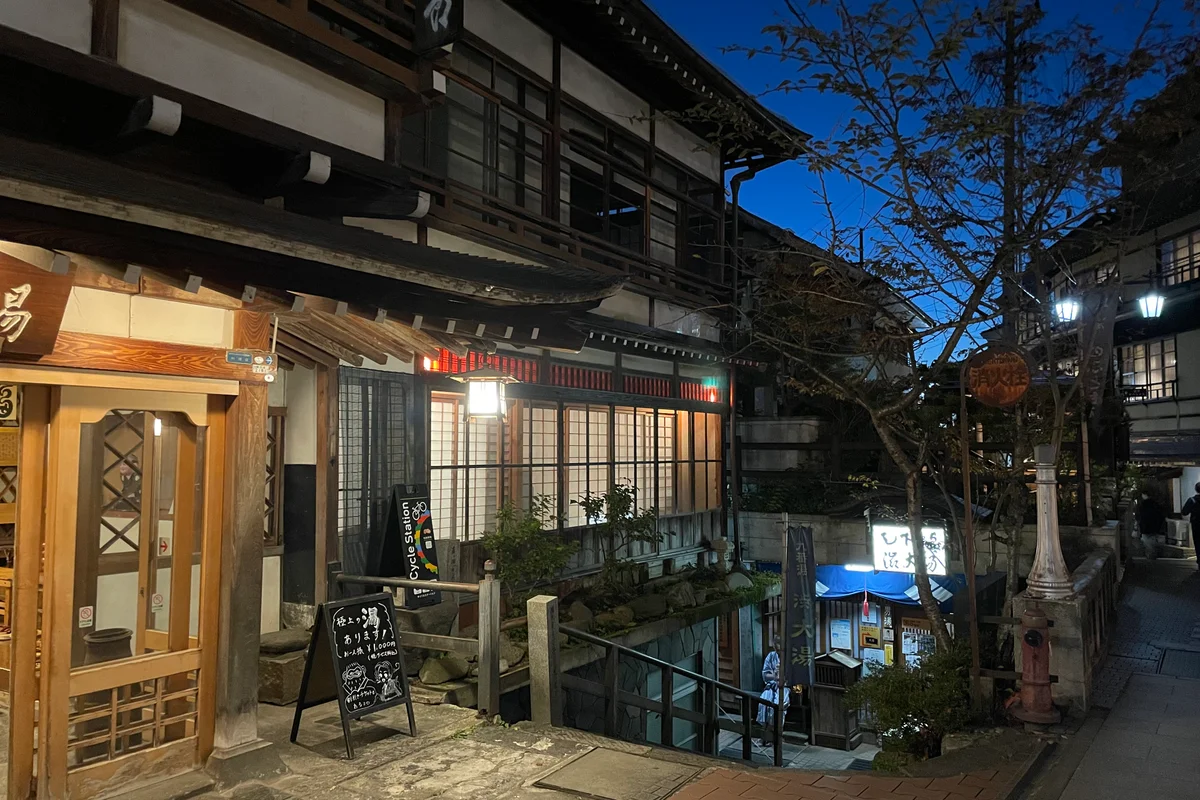
If the nine-bath tour is the reason you are coming, the surest way to have it is to book a night in one of the participating ryokans instead of planning a day trip around Oyu alone. Several of the happiest reviews on both sides came from guests who had a key waiting at check-in and no ticket to chase down.
If a day trip is what you have, three Japanese reviewers who arrived around midday had trouble finding anyone to sell a ticket or unlock the door, one of them because the tourist information center's counter was closed from 12:00 to 14:00 for lunch, so it is worth trying to buy your ticket before noon or after two. Before you leave, check the Ryokan Association's news page for a closure notice on your day, since Oyu does occasionally close for cleaning or repairs, with notices posted from two days to two weeks ahead.
Bring your own small towel, since none of the baths supply one. Rinse and wash your body sitting down before you get in, the way the association's own guide asks, and save shampoo for your ryokan, since none of the baths has one. If a bath feels scalding, run the cold tap as several reviewers did, and then turn it fully off again once the water is comfortable, so the next person does not find it lukewarm. A few reviewers on both sides recommend a quieter hour: early in the morning, early in the afternoon, or at night. One Japanese guest found the small baths crowded from check-in at 15:00 until dinner, so a visit timed away from those hours is worth considering if your schedule allows it.
Looking at a different onsen town, or planning the walk over to see the snow monkeys nearby? We count visitor posts and Japanese reviews the same way for Kusatsu Onsen, Gero Onsen and Arima Onsen, the Jigokudani Monkey Park guide covers the walk from Kanbayashi, and every gauge we have made is listed in what actually matters in Japan.
Sources
- Shibu Onsen Ryokan Association, About Shibu Onsen (Official): the hot spring discovered 1,300 years ago, one of Takeda Shingen's hidden hot springs, soldiers sent to recover there during the Battle of Kawanakajima, all nine baths and every ryokan running on 100% source water with no added heat or dilution, and the "responsible tourism" framing of guests as "overnight residents"
- Shibu Onsen Ryokan Association, Nine Public Bath (Official): baths one through eight open from 6:00 to 22:00, free but for "only those staying at Shibu Onsen," with a special key lent by each ryokan; day visitors can only use the ninth bath, Oyu
- Shibu Onsen Ryokan Association, Bath introduction (Official): source and usage temperatures and claimed benefits for each of the nine baths, including the first bath (65.0°C source, used near 56°C, for stomach and intestinal ailments), the third bath (65.0°C source, used near 42°C, for cuts and acne), and Oyu, the ninth bath (listed at 50°C, iron-rich brown water, for neuralgia and rheumatism)
- Shibu Onsen Ryokan Association, How to enter the public bath (Official): washing the body sitting down before bathing, no showers, shampoo or soap in the public baths, and the request to turn off the cold tap once the water reaches a comfortable temperature
- Shibu Onsen Ryokan Association, Day-use onsen (Official, Japanese): Oyu's day-use hours of 10:00 to 17:00, admission of 800 yen for adults and 500 yen for children, the two-step ticket-then-unlock process, and the named ticket counters and unlocking locations
- Shibu Onsen Ryokan Association, News (Official, Japanese): advance notices for Oyu closures, including cleaning on 2026-07-15 and 2026-09-09 (10:00 to 14:00) and a steam-bath repair on 2026-09-18 (all day), posted 14, 3 and 2 days ahead
- Shibu Onsen Ryokan Association, Access (Official): access to Shibu Onsen by Nagano Electric Railway and bus, and the paid parking lot across the Shibuyu Bridge
- Voice-reported, not independently confirmed on the official site: a Nagano Dentetsu round trip of more than 3,000 yen, and the tourist information center not open from 12:00 to 14:00 for a lunch break, as described by reviewers quoted above
Last verified: 2026-10
WMJS is written in Japan, in English, with AI help. We check every page, but English is not our first language. If a sentence reads oddly, tell us. One sentence is enough.
Thank you. A person reads every note.
How well do you know Japan?
Built from 635 public posts by Japanese people
Want to know more? Ask Japanese people
Have a follow-up question about this topic? We'll ask real Japanese people.
Voice Box →