
Is Yanaka Worth Visiting? What Foreign and Japanese Visitors Actually Say
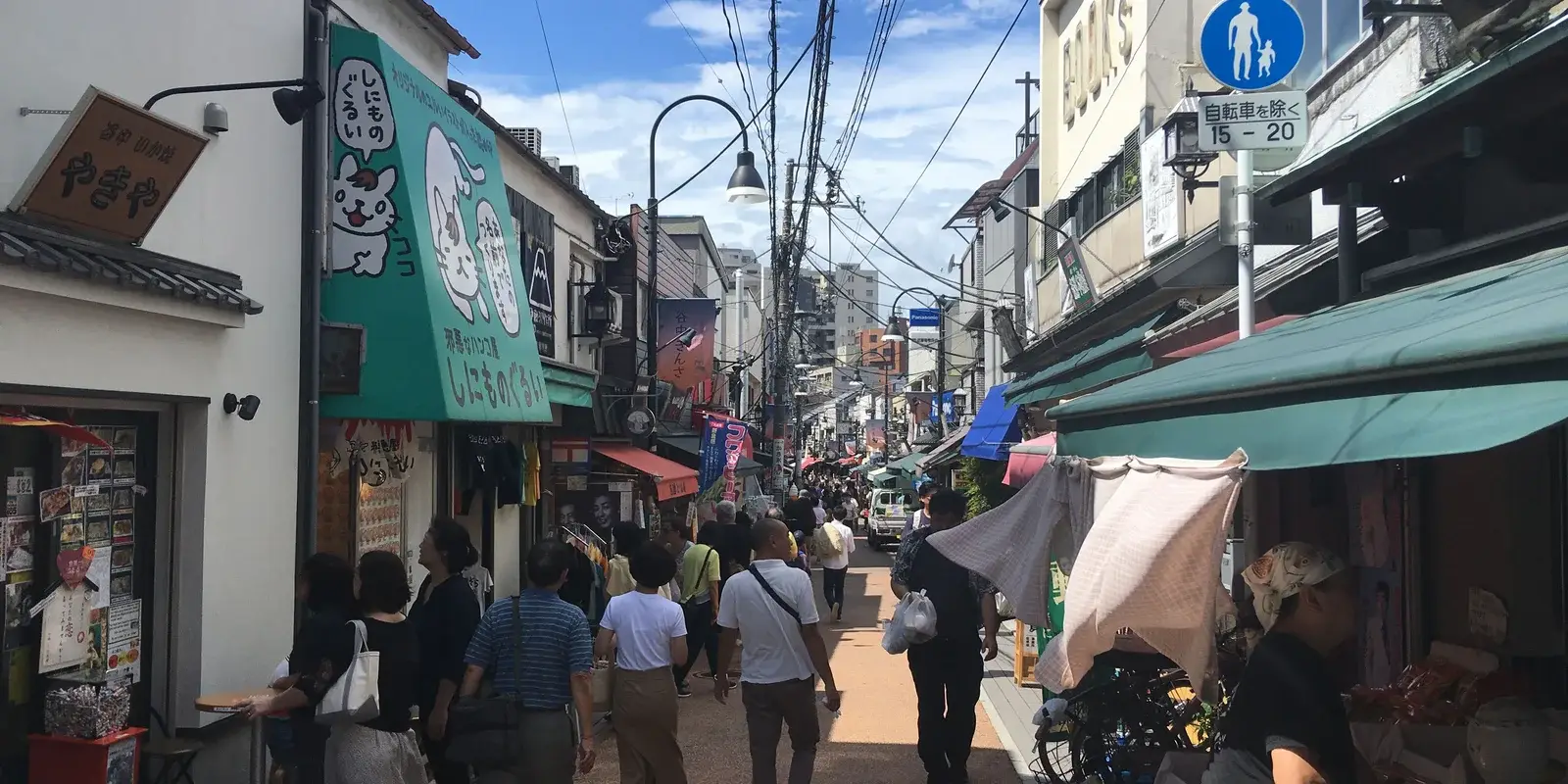
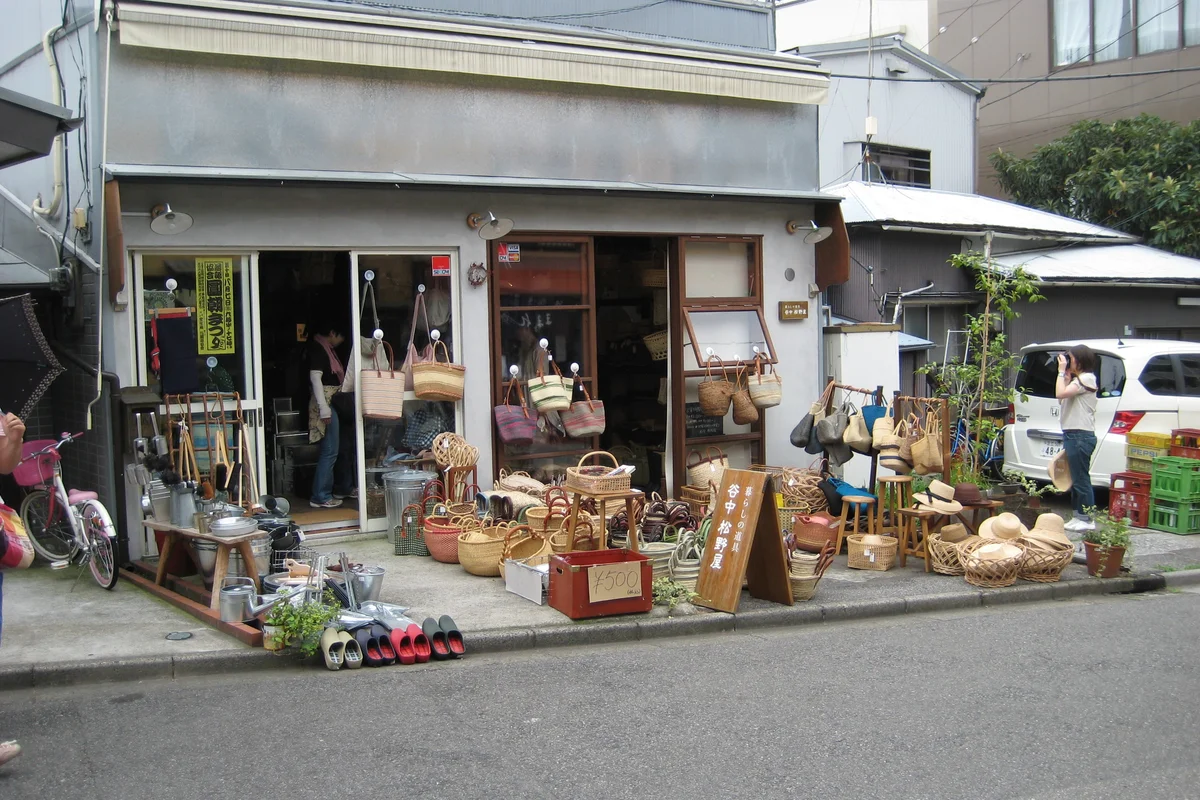
The postcard version of Yanaka is a steep flight of concrete steps, a sunset over a crooked little shopping street, and a cat silhouette painted on a banner overhead. People call it Tokyo's "Cat Town." So visitors climb down from Nippori Station expecting feline mascots on every corner, maybe a stray dozing in a doorway, and find instead a short lane of croquette shops, basket weavers, and a lot of other people with the same idea.
According to the voices gathered below: worth a visit, just don't expect the cats the nickname is built around.
Is it worth it? (in visitors' own words)
We gathered the voices of international travelers who have actually walked Yanaka Ginza, on Reddit, TripAdvisor, and Google Maps, and asked, in effect, was it worth it? Here is how they fell:
Most people who go come away satisfied. "This is easily my favorite place in Tokyo," one traveler wrote. "Shopping Yanaka Ginza is worth it no matter what," said another, who picked up a lacquered tray from a bamboo craftsman working in one of the stalls. Someone weighing it against Kyoto and Takayama put the appeal in honest terms: "Old timey Tokyo is just different, culturally. Is it 'worth a visit'? That depends on you."
The red bar here runs larger than the one for Japanese visitors you'll see next, which is worth sitting with for a moment. Reading through the ten disappointed voices, the reasons split roughly three ways. A few simply found a plain, unremarkable lane: "There were nothing much to see and look, half an hour and that's it," read one review titled "It's Okay to Miss This Place." A few came expecting the cat theme and didn't find it, the single most common specific complaint across all the foreign voices. And a few ran into a sharp reception at one particular shop, which turns out to have a second side to it; both get a closer look further down.
How Japanese visitors feel about it
The pattern flips here from what a first-time visitor might expect: these reviews run even warmer than the foreign ones. One reviewer has been coming for almost twenty years, for a reason that has nothing to do with sightseeing: a clinic visit in the next neighborhood takes him past it on foot, and he describes a lane with "no car traffic, plenty of good food along the way, and nothing missing for daily life, with shrines and temples nearby for a slow walk." One recalls walking an old shopping street in Sumida as a child with a grandmother who has since passed away; others simply say the retro atmosphere never gets old.
Most of the harder notes in this gauge aren't about rude or dismissive treatment of tourists, something a first-time foreign visitor might brace for. One reviewer from Osaka noticed more newer shops aimed at visitors than older, long-established ones. A Tokyo-based reviewer, after finding the croquettes there cost about twice what the same thing runs at a neighborhood butcher, called the street "a bit of a hot topic" now and said this particular visit would be the last. A third reviewer put her finger on what stings about that shift, while still enjoying the walk: "Buying anything there feels a little off now, like it's tuned for inbound visitors. People who remember how it used to be still enjoy the walk, though."
What we wish you'd noticed
A fried-food stall selling croquettes accounts for most of the sharpest complaints in the foreign reviews. Across several years, foreign visitors describe the same kind of run-in there: a sharp word, little explanation, the visit soured in an instant. "A man who could well be the shop owner was talking very loudly in Japanese," wrote a Singapore-based reviewer in 2019, describing a group of six, after there was only one other customer in the shop at the time. A few months later, another visitor noted the same rudeness had already come up in other people's reviews before writing one of their own. Years later, it was still happening: one reviewer, on more than six trips to Japan, titled the review "worst experience in Japan" after being scolded for using a translation app, and wrote that it made the place feel unwelcoming to foreigners. Separately, a Japanese reviewer watching a prepared-foods counter turn away a foreign customer with repeated curt refusals wrote that it caught her off guard a little and titled her own review "No Foreigners?" Three of these accounts describe the same kind of fried-food stall; the fourth, at a prepared-foods counter, doesn't say whether it is the same shop, but points at the same thing: one vendor with a reputation, not a pattern spread across the street.
The street is smaller than people expect, and a few reviewers land on nearly the same description independently. "This is a small short street leading to another main street," wrote one. A jalan reviewer, having only ever seen it on a screen, wrote that it wasn't as wide as she had pictured, before adding that the croquettes were worth the wait in a sizeable line anyway. The twenty-year regular quoted above points to the shrines, temples, and parks around it for a slow walk, and other reviewers pair it with Yanaka Cemetery or Nezu Shrine, a habit any visitor can borrow for a single afternoon.
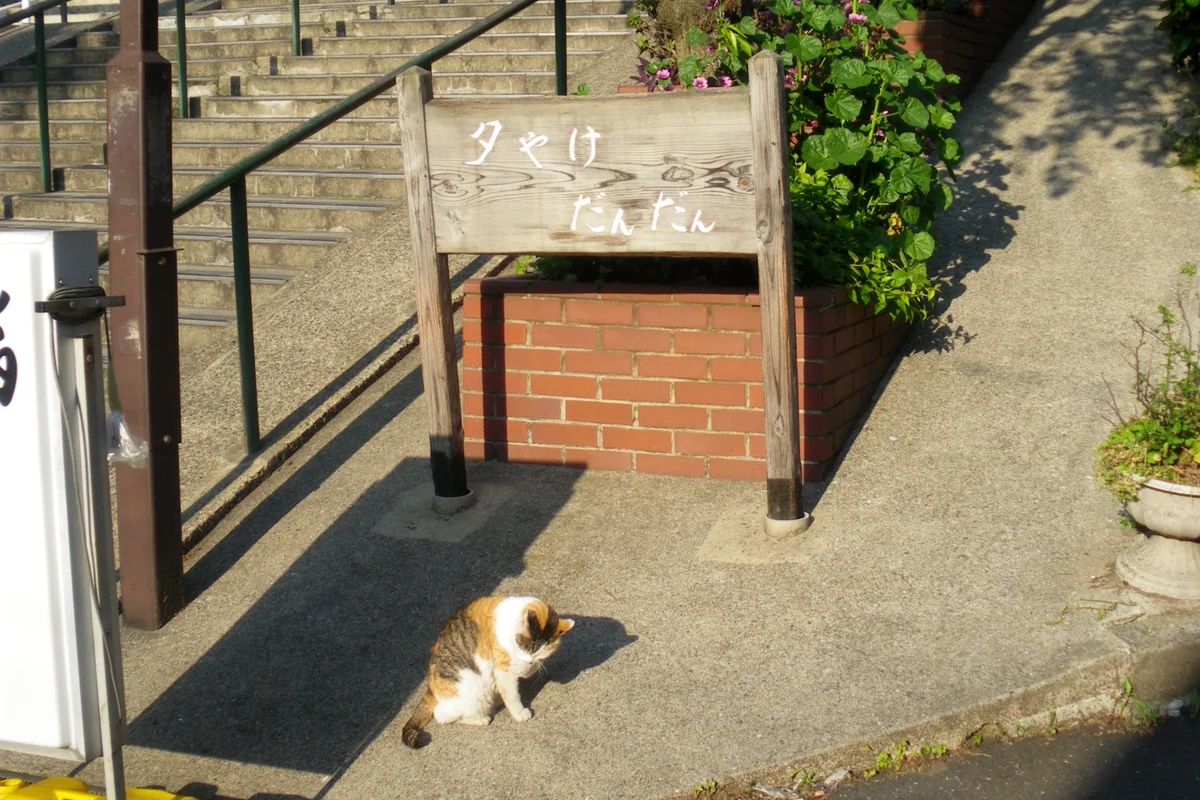
Live cats are rarer than the "Cat Town" nickname suggests, and this is the single most repeated specific disappointment among foreign reviewers: "Oddly enough I didn't see a single live cat that day," read one Reddit comment. A TripAdvisor reviewer who isn't even a cat person, passing through after a calligraphy class next door, noticed the same: "There aren't live cats here for the record, at least we haven't seen a single one, and all the stuff on the roofs is just fake cats/sculptures." A few Japanese reviews mention cats too. One worried she wouldn't meet one with so many people around, then described a patched cat minding a cat-goods shop. Another wrote that the street was "full of cats," then added, in parentheses, that the ones she meant were the motionless kind, and recommended the walk to anyone who likes cats regardless. The shops lean into the theme hard, with cat goods, cat-themed sweets, and cat figures on the rooflines, and the shopping street put up its own carved wooden cats in 2008, years before most of these reviews were written. It isn't a complete myth: one older photograph near the foot of the steps does show a real calico cat sitting by the stairway sign, so it does happen, just not reliably.
Doing it well, the welcomed way
Treat Yanaka Ginza as a short stretch inside a longer walk, and you'll likely dodge most of what trips up disappointed visitors.
Come hungry. Menchi-katsu stands, fried croquettes, and small sweets are what both sets of reviewers actually praise, by name, over and over; a cat sighting is a nice bonus on top. Pair the shopping street with Yanaka Cemetery, the quieter temple lanes nearby, and Nezu Shrine a little further on, the kind of loop several reviewers describe. Go on a weekday if your schedule allows it; one longtime visitor notes it stays calm then and fills up with sightseers on weekends. If a counter is curt with you, don't take it personally; step to the next stall instead. It's most likely the one vendor reviewers warn each other about, nothing specific to you. And if the famous staircase is packed when you arrive, circle back near sunset. Yuyake Dandan means, loosely, "sunset steps," and the view it was named for is worth timing for.
None of this makes Yanaka a must-see on the level of a temple or a castle. What the voices describe, warts and all, is a short, well-worn stretch of old Tokyo that a majority on both sides of the language divide are glad they walked.
Still deciding which famous places actually earn a slot on a short trip? Start with what actually matters in Japan. For more of Tokyo's old downtown mood within easy reach, pair Yanaka with a visit to Senso-ji in Asakusa, a few stops away by train.
Sources
- Japan National Tourism Organization, "Yanaka - A small-town experience in the middle of Tokyo": official background on Yanaka Cemetery (one of Tokyo's largest, more than 7,000 tombstones), the Edo-period relocation of temples to the area to curb fires in the crowded capital, and the old-fashioned pedestrian shopping street nicknamed Yanaka Ginza.
- Yanaka Ginza Shopping Street Promotion Association, "About Yanaka Ginza" (Japanese): about 60 shops along a short street of roughly 170 metres, the carved wooden cats the shopping street put up in 2008, and the Yuyake Dandan steps above the street as a known spot for sunsets.
WMJS is written in Japan, in English, with AI help. We check every page, but English is not our first language. If a sentence reads oddly, tell us. One sentence is enough.
Thank you. A person reads every note.
How well do you know Japan?
Built from 635 public posts by Japanese people
Want to know more? Ask Japanese people
Have a follow-up question about this topic? We'll ask real Japanese people.
Voice Box →