
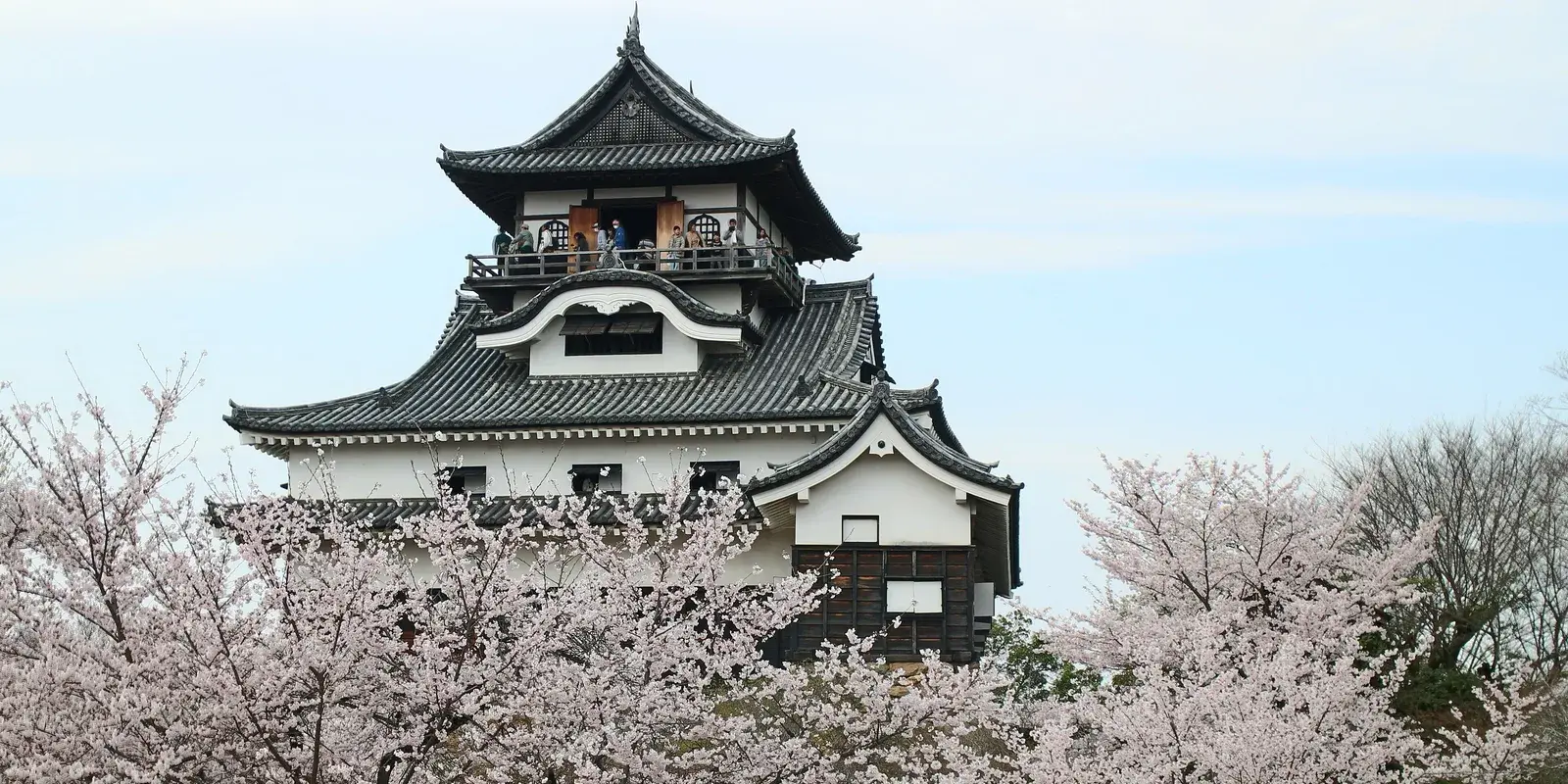
Is Inuyama Castle Worth It? The Small Keep That Keeps Winning the "Which Castle" Argument
Inuyama sits a half hour north of Nagoya, off most first-trip routes, and its keep is famously small. So it is the castle people expect to cut when the days run short. Then you read the threads where travelers argue over which castle to actually keep, and the same name keeps surfacing. One person, asked to choose between Inuyama and nearby Kiyosu, answered in two words: "Inuyama, 1000%."
Here is the honest version, and everything below just fills it in. The doubt about Inuyama is almost never whether the castle is good. It is whether a small keep earns a slot, which one to pick, and whether your legs are up for the stairs. On the first question the visitors are close to unanimous. On the rest, they and the locals tell you exactly how to plan around it.
Is it worth the slot? (in visitors' own words)
We gathered the voices of international travelers who have actually climbed Inuyama, from English travel boards and from Taiwanese travel forums, and read them for one question: was it worth it? Weighted by how strongly each opinion landed with other readers, here is how they fell.
What makes this gauge unusual is where the green comes from. It rests on a decision people keep making the same way, more than on awe. Travelers deciding between Inuyama and the reconstructed keeps around it land on Inuyama because it is real: "It's one of the very few original-construction castles left in Japan," one wrote. Taiwanese visitors weighing Inuyama against nearby Gifu reach the same place, several noting that Gifu's keep is a concrete rebuild while Inuyama's is the genuine wooden one.
The neutral band is where the useful planning lives. The recurring worry is the climb, and it comes in two parts. One traveler laid out both honestly: "Inuyama Castle will be tough on your parents. Just walking up to it will likely be a challenge... Once inside, the stairs are very steep and narrow. However, down below the castle is Inuyama-jokamachi," the old castle town, flat and full of shops. Others simply plan around it: "we might skip going up because of the stairs, but we're still hoping to explore the town itself." The red sliver is thin and specific. The keep is small, and on a holiday the line can be long; Taiwanese visitors who came during peak weeks describe queuing the better part of an hour to reach the top floor.
How the people who grew up with it feel
Here is the layer the guidebooks skip: what Japanese visitors say in their own reviews about the same small keep. The warmth runs higher, and so does the candor about the two things that actually cost you.
Put the two gauges side by side and the interesting gap opens up. The foreigners hesitate a little more than the locals do, and their hesitation is really a planning question about how to fit the place in. The Japanese reviews answer that question from the inside. One visitor caught the whole shape of a good day and a bad one in a single review: "Extremely crowded. We went during Golden Week. There was a long line just to enter, then another line to get inside the castle, and once we finally got in, there was a line all the way to the top floor. The stairs are steep, so it might be tough for people with bad legs. After waiting a long time, the view from the top of the castle was exceptional." Everything foreigners worry about is in there, and so is the payoff.
The candor is the valuable part. A local castle-goer wrote the sentence most guides would edit out: as a castle it is "small in scale," and, after a hard climb up narrow stairs, they "didn't find it all that interesting." That voice is real and it belongs on the page. But it sits next to a much larger group who name the same small size and steep stairs and reach the opposite conclusion, like the reviewer who called it "the oldest and the smallest" of the five National Treasure keeps and meant every word as praise. The crowds cut both ways, too: the same castle that queues out the door on Golden Week is the one an early visitor describes as having almost no one around first thing in the morning.
What actually makes it worth the climb
It is one of the last real ones. Only twelve original wooden keeps survived into the modern age, and only five of those were raised to National Treasure. Inuyama is one of the five, and it is the one most often called the oldest of them all, its founding traditionally dated to 1537. When a reviewer calls it small, they are not wrong. That is what an early keep actually was. You are looking at the thing itself, not a postwar concrete replica with an elevator.
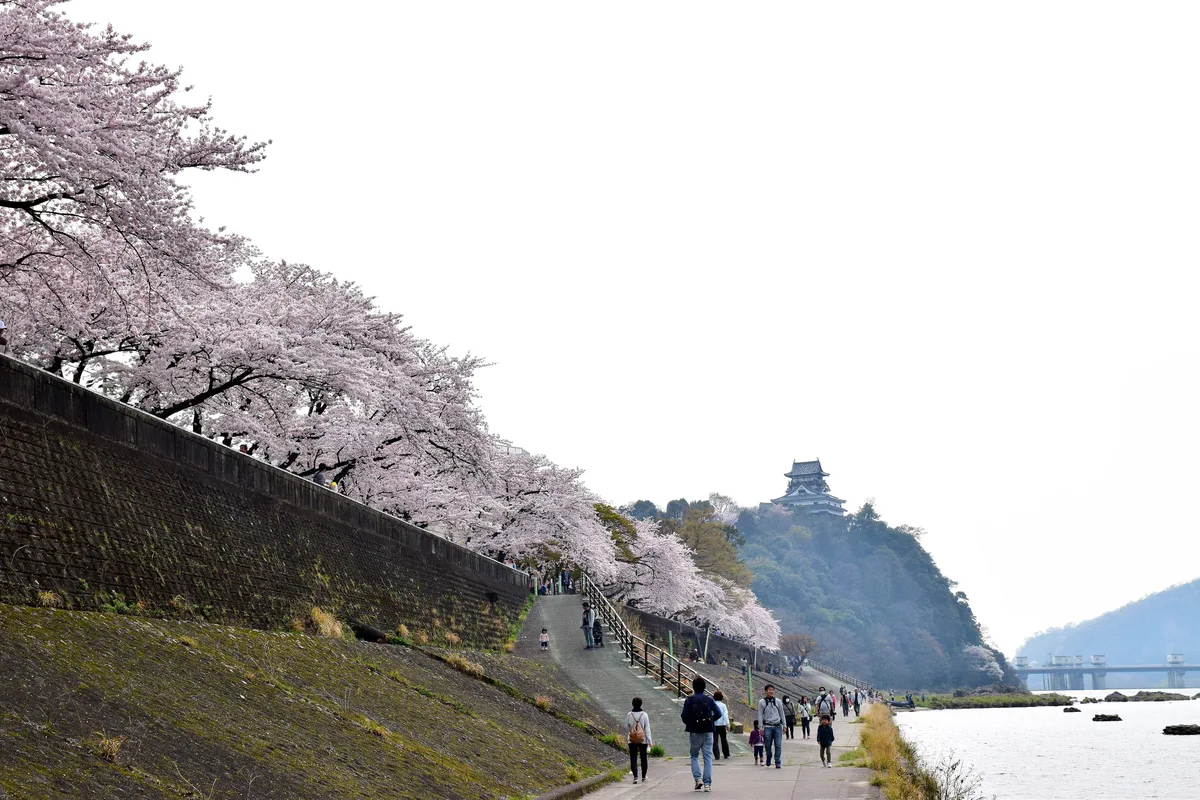
You climb the original, and then you step outside. The stairs are steep and narrow because they always were, and climbing them is half the point. At the top the keep does something almost no other castle lets you do freely. A wooden balcony, the mawari-en, runs right around the outside of the top floor, and you can walk out onto it. Below you the Kiso River bends past the hill the scholar Ogyu Sorai once compared to the Chinese fortress of White Emperor City, which is why locals still call Inuyama by its old nickname, Hakutei-jo. Reviewers reach for the same word for that view, again and again: the best part.
Its story is stranger than the guidebook says. For most of its modern life Inuyama was not public property at all. After the 1891 Nobi earthquake the keep was handed to the Naruse family, and it stayed in private hands until 2004, the last privately owned castle in Japan, before passing to the foundation that cares for it today. Several Japanese reviewers say the same thing when they learn this: genuine surprise. It is a small fact that resets how you see the place.
Doing it well: the welcomed way
Everything above turns into a short, forgiving plan.
- Give it a half day, and pick your hour. Morning is the quiet window, and the lines tend to build toward an early afternoon, especially on a holiday. On the busiest weeks the castle limits how many people it lets in at once, so a queue at peak time is simply what a holiday there looks like. Come early and the same keep is calm.
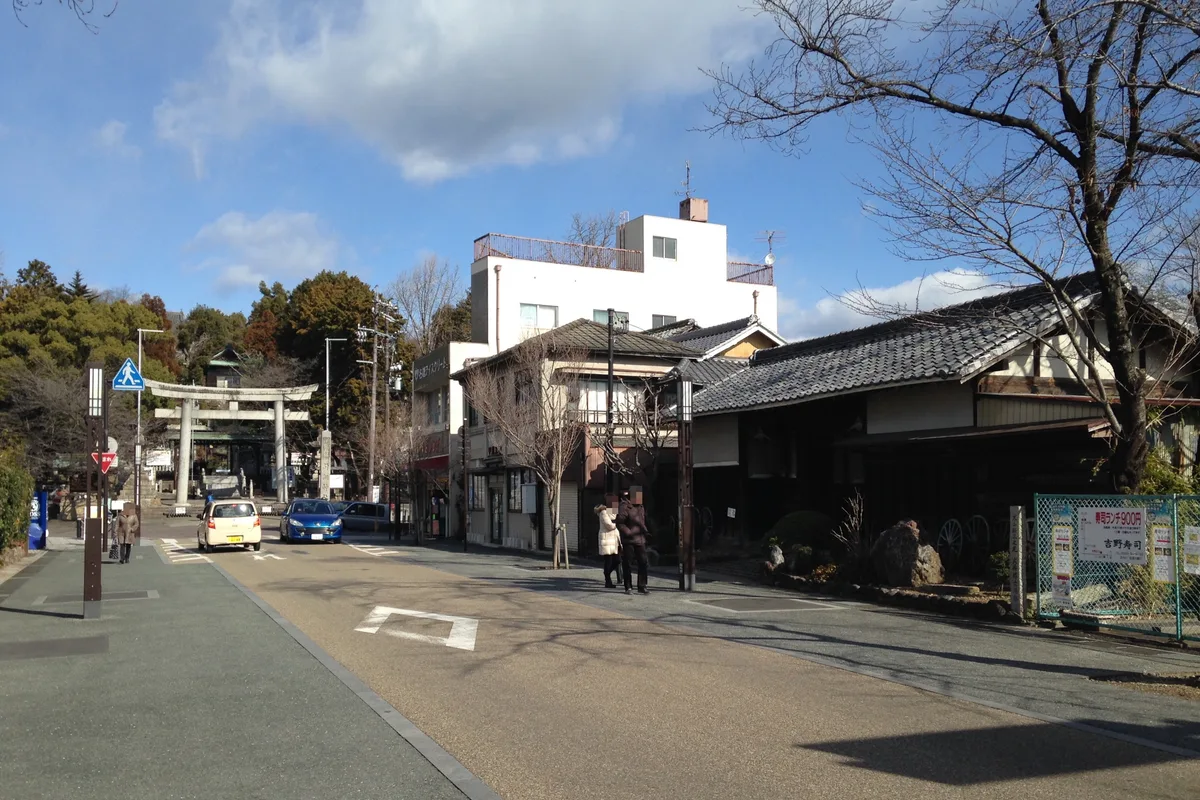
- Decide up front whether you are climbing. If steep, narrow stairs are hard on your knees or your kids, that is fine: the reward downhill is the castle town, a flat old street of shops and food that visitors rate as a real experience on its own. Plenty of people love the day and never go up.
- If you do climb, aim for the balcony. The steep stairs are the toll, and the wrap-around mawari-en and the view over the Kiso River are what you pay them for. Take your time on the way up; the top floor is worth the legs.
- When you can only pick one castle, this is the one travelers keep choosing. Those deciding between Inuyama and the reconstructed keeps nearby land here again and again, because it is original. Pair it with the castle town for a satisfying half day, and let a bigger name have your other slot.
So, is it worth it? It is small, the stairs are steep, and on a holiday you may wait. And still, in argument after argument about which castle to keep, this is the one people refuse to cut, because you climb the real thing and walk out onto a four-century-old balcony above the river. A quiet morning and an unhurried climb are all it asks in return.
Still working out which famous places actually earn a place on a short trip? Start with what actually matters in Japan.
Sources
- Inuyama Castle official site: Visitor guide (観覧案内). National Treasure keep; admission adult ¥1,000, elementary and junior-high ¥200; open 9:00 to 17:00 (last entry 16:30); entry may be limited when the castle is crowded.
- Inuyama City: Visiting Inuyama Castle (見学のご案内). Opening hours and closed days (December 29 to 31); the keep as a surviving original.
- Inuyama-jo Hakutei Bunko Foundation: About us (犬山城白帝文庫). The foundation established on April 1, 2004 to preserve and open the castle, which had remained in private (Naruse family) ownership until then.
WMJS is written in Japan, in English, with AI help. We check every page, but English is not our first language. If a sentence reads oddly, tell us. One sentence is enough.
Thank you. A person reads every note.
How well do you know Japan?
Built from 635 public posts by Japanese people
Want to know more? Ask Japanese people
Have a follow-up question about this topic? We'll ask real Japanese people.
Voice Box →