
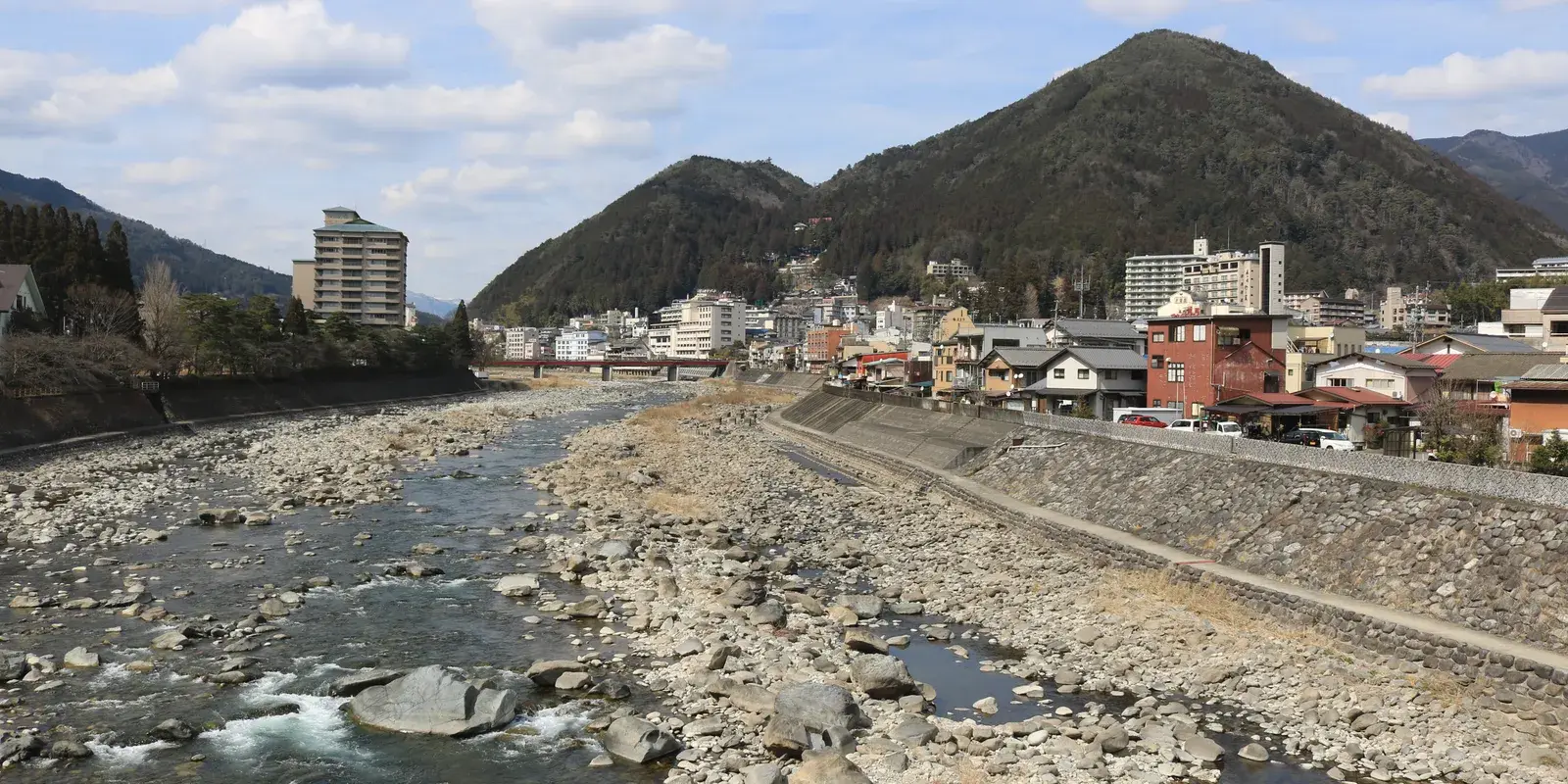
Is Gero Onsen Worth It? Foreign and Japanese Visitors Agree on What's Missing
Gero gets called one of Japan's three great hot springs in the same breath as Kusatsu and Arima, and that line alone is why people add it to an itinerary between Nagoya and Takayama. Then they check in around four in the afternoon, the shopping street is already closing for the night, and they're left wondering if "great hot spring" was ever supposed to mean "great town."
Yes, say most of the people who've actually bathed here, and the useful part is what foreign and Japanese reviewers agree on even though they arrive at Gero from opposite directions: the water is the real draw, and the street around it is the part people go back and forth on.
What foreign visitors say
We gathered the voices of foreign travelers who have been to Gero Onsen, debating it on Reddit, reviewing it on TripAdvisor, asking about it on the japan-guide.com forum, and comparing it to other onsen towns on a Taiwanese travel forum. Here is how they fell:
The complaints are almost never about the bath. One traveler, weighing Gero against a nearby alternative, put it bluntly: "more scenic than Gero (cause yeah, gero is pretty ugly)." Another, after a long review of their own visit, called it a place to consider on a trip to Nagoya, "but not especially recommended." A third worked in Gero for several months and settled it from the inside: "輕鬆走走不錯,但真的沒什麼好逛" (a relaxed stroll is fine, but there genuinely isn't much to browse). On the Taiwanese forum, someone comparing Gero and its fellow "great spring" Arima against Kusatsu called them both filler by comparison.
Thirty-one of the 62 voices land in the opposite place, for reasons that read like the complaints in reverse. "Gero is excellent," one visitor wrote, calling it "peaceful and not touristy (yet)." A longtime resident who'd lived there four years wrote that they'd "do damn near anything" to move back. One traveler who stayed over on an extra day, with Takayama and Shirakawa-go already on the itinerary, called it "a pleasant, quiet town with lots of onsen & footbaths" and "worth a visit if u have the time to spare." A voice from the middle of the gauge, answering a traveler worried by a guidebook's warning about over-development, agreed the warning was fair and still called it "a pretty good time" with "excellent" baths. Underwhelmed and won over turn out to be describing the same street. They just weigh the water differently.
What Japanese visitors say
Japanese reviewers arrive knowing Gero by its title, one of Japan's three great hot springs, and that title is about the water. That makes their complaint land differently.
Twelve percent of the Japanese voices land on the honest letdown, a few points under the foreign side's sixteen, but they're pointing at the same target. One visitor who'd driven past the station before checking in wrote that they felt disappointed: "下呂温泉街を歩いてみたい場所もなく、むしろ何もない印象" (there wasn't anywhere in the onsen street I actually wanted to walk to, more a feeling that there was nothing there). Another, rating the water highly, added a line of regret: "お湯が良いので、温泉街等が今一つなのが、勿体ないと思いました" (the water is so good that it's a shame the town itself falls short). A reviewer who'd researched the trip beforehand and still came away flat put it plainly: "本当に見れる観光地はありませんでした 温泉は良かっただけに残念でした" (there really wasn't anywhere worth seeing; the water being good just made it more disappointing). At least five of the Japanese voices we gathered name the same practical detail behind that letdown: most shops in the street close somewhere between four and six in the evening.
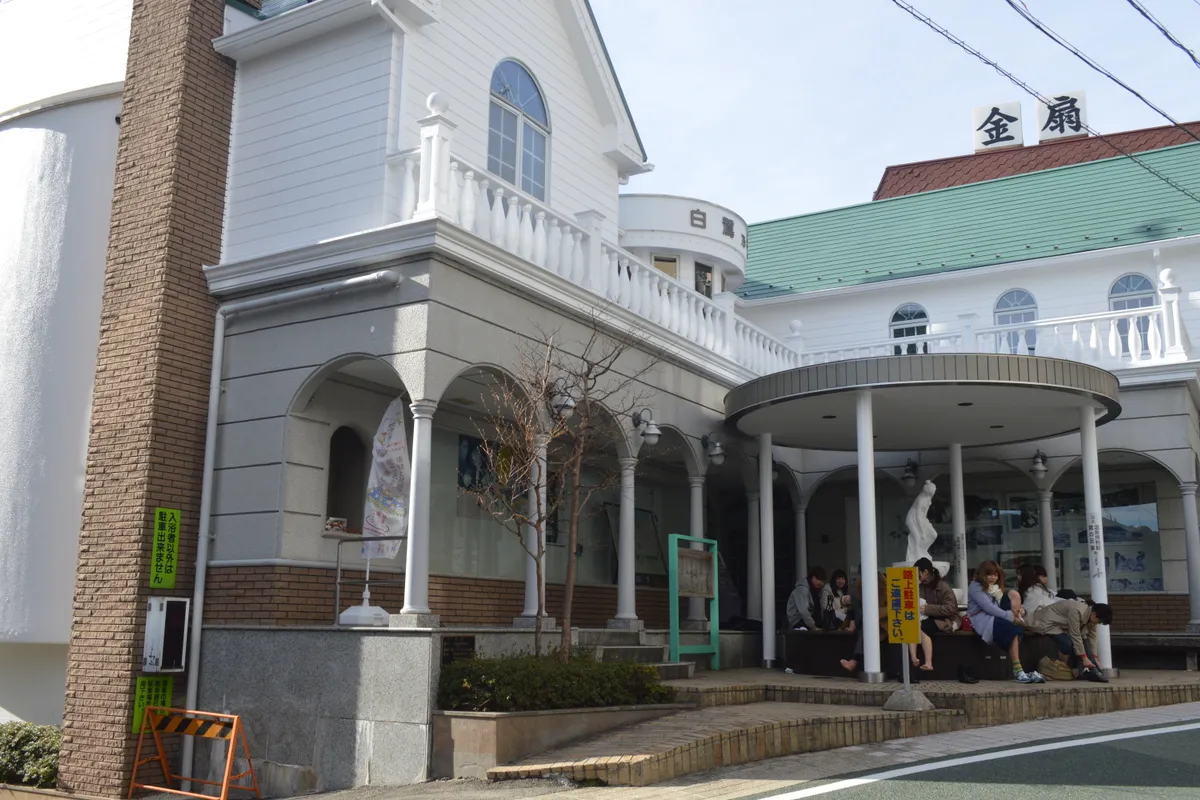
Most reviewers still land on green, and for a specific, repeated reason: the alkaline water itself. Visitors call Gero the bijin-no-yu, the beauty-skin spring, and describe their skin turning smooth within one soak. One visitor who'd known about Gero for forty years but kept passing it by on every trip finally stopped, and wrote that he wished he'd come sooner: "温泉街を歩く人も老若男女バランスが良く、また景観も温泉もとても良い" (a good mix of ages out walking the street, and the scenery and the water both very good). Several repeat visitors who remembered an emptier, quieter Gero from years past described real change since then: new shops, more variety, a street with more going on than they recalled. One, who hadn't been back since a stretch when the town felt a little run-down, wrote that she was startled to find it "復活している姿" (looking revived). Not everyone agrees the revival is complete. A few reviewers, writing just as recently, still describe the street as quieter than they remember it, so the honest picture is a town partway back rather than one that's fully bounced.
What's worth noticing
The water is only the start of an honest answer. A handful of specific things recur often enough across the voices to be worth knowing about in advance.
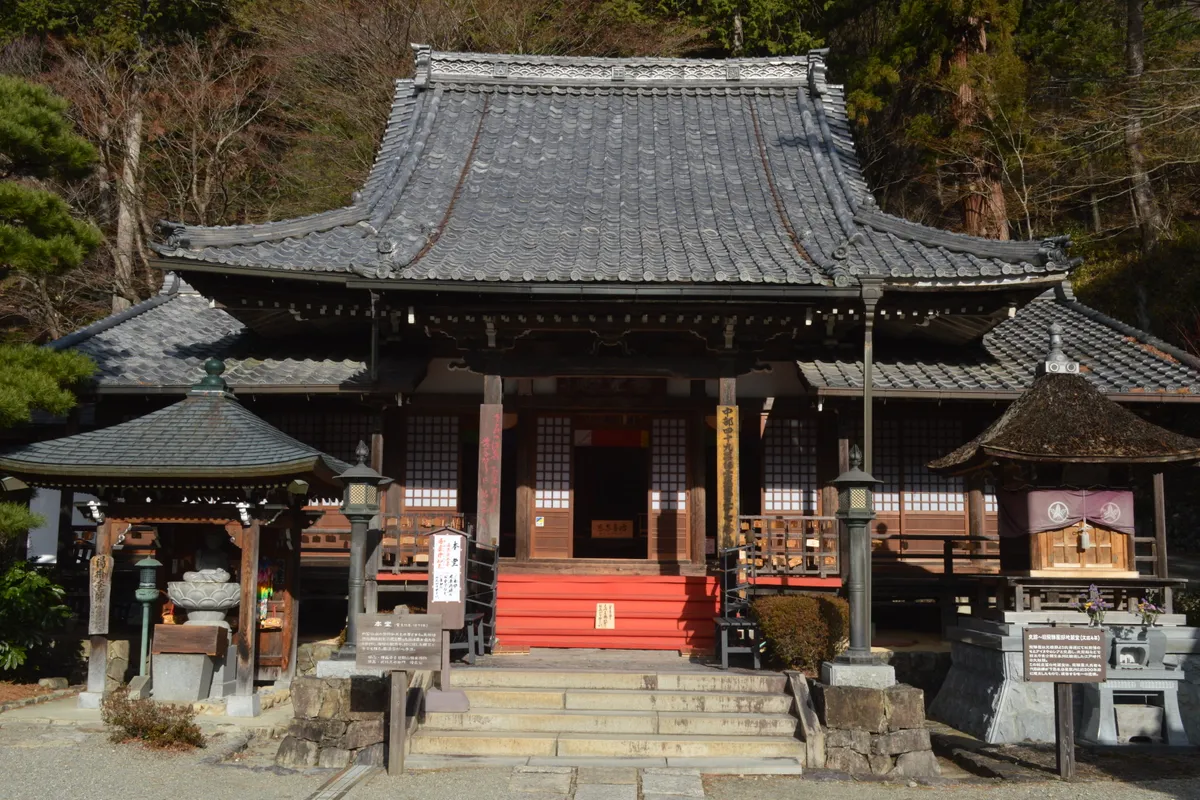
Climb to Onsenji Temple. Three Japanese visitors mention the long stone stairway up to it, and one who found it hard going still says it's worth the climb. Another describes the payoff at the top: the whole bathing town in a single view. The same visitor added that if you time an early morning right, you can catch a sea of clouds as well.
The yu-meguri tegata, the onsen-hopping pass sold by the Gero Onsen Ryokan Cooperative at participating inns, souvenir shops, and convenience stores, is worth knowing about before you check in. As of the Gero city government's most recent update to its page, in October 2025, it costs 2,500 yen, comes with a towel and a drawstring bag, is good for three baths at member ryokan, and stays valid for six months, so you don't have to use all three on the same trip. Hours and blackout dates vary by ryokan, especially around holidays, so it's worth a quick check before you go. A reviewer on each side made the same point about the water itself, independently of one another: most ryokan draw from the same centrally managed source, so the pass is less about finding a dramatically different mineral profile and more about comparing how each inn's own bath feels.
The free footbaths are a smaller thing, but they're the detail that comes up warmest. Thirty of the 189 voices we gathered, foreign and Japanese alike, mention them specifically, usually with real affection. They're scattered along the main street and the riverbank, and if the shops are shut for the night, the footbaths usually aren't.
If you want more than the street itself, Gassho-mura, the relocated thatched-roof village a short bus ride from the station, has a folk museum and a long metal slide down the hillside. One traveler on the Taiwanese forum called the slide exciting enough to recommend outright. Another came away with scraped skin and a clear warning not to bother. Worth trying, in other words, but hold on properly on the way down.
Doing it well, the welcomed way
The hours matter here more than the map does. Most of the town's shops close somewhere between four and six in the evening, and that single fact sits behind a few of the negative voices in each gauge. Check in before the shopping street starts shutting down, so your first walk through it happens while it's actually open.
An evening at Gero tends to mean a bath and a meal more than a browsing session, and that's fine once you expect it. Once the shops close, the footbaths, the riverside walk, and your ryokan's own bath are what's left, and reviewers who went in knowing that tend to describe the evening as calm rather than empty.
Climb to Onsenji Temple in the morning, before the heat, and pick up the yu-meguri pass on arrival so the slower afternoon hours go toward a second or third bath instead of just your own ryokan's.
If a full day of sightseeing matters more to you than a full day of bathing, pair Gero with Takayama or with Gassho-mura rather than asking the onsen street to carry the whole day by itself. One commenter on the Taiwanese forum settled on exactly that split, Takayama for the daylight hours and Gero for the night, and two others drew the same line by purpose: Gero for the bath, Takayama for sightseeing and browsing.
Come prepared for a bathing town's clock instead of a sightseeing town's, and the evening tends to go the way the warmer voices describe it: quiet, a little steamy, your feet in free hot water somewhere along the river while the shops behind you are already dark.
Deciding whether an onsen town deserves a spot on your route? What actually matters in Japan has the honest numbers for more of them.
Sources
- Gero City, Yumeijin Yu-meguri Tegata Set (湯名人 湯めぐり手形セット), updated 2025-10-01: official current price (2,500 yen, tax included), towel and drawstring bag included, valid for three baths across member ryokan, six-month validity from purchase, availability varies by ryokan and around holiday periods.
- Gero Onsen Tourist Association, Yu-meguri Tegata listing: participating-ryokan pass details, access times, and Gero's self-description as one of Japan's three great hot springs (日本三名泉).
WMJS is written in Japan, in English, with AI help. We check every page, but English is not our first language. If a sentence reads oddly, tell us. One sentence is enough.
Thank you. A person reads every note.
How well do you know Japan?
Built from 635 public posts by Japanese people
Want to know more? Ask Japanese people
Have a follow-up question about this topic? We'll ask real Japanese people.
Voice Box →