
Is Nijo Castle Worth It? What 256 Visitor Voices Actually Say
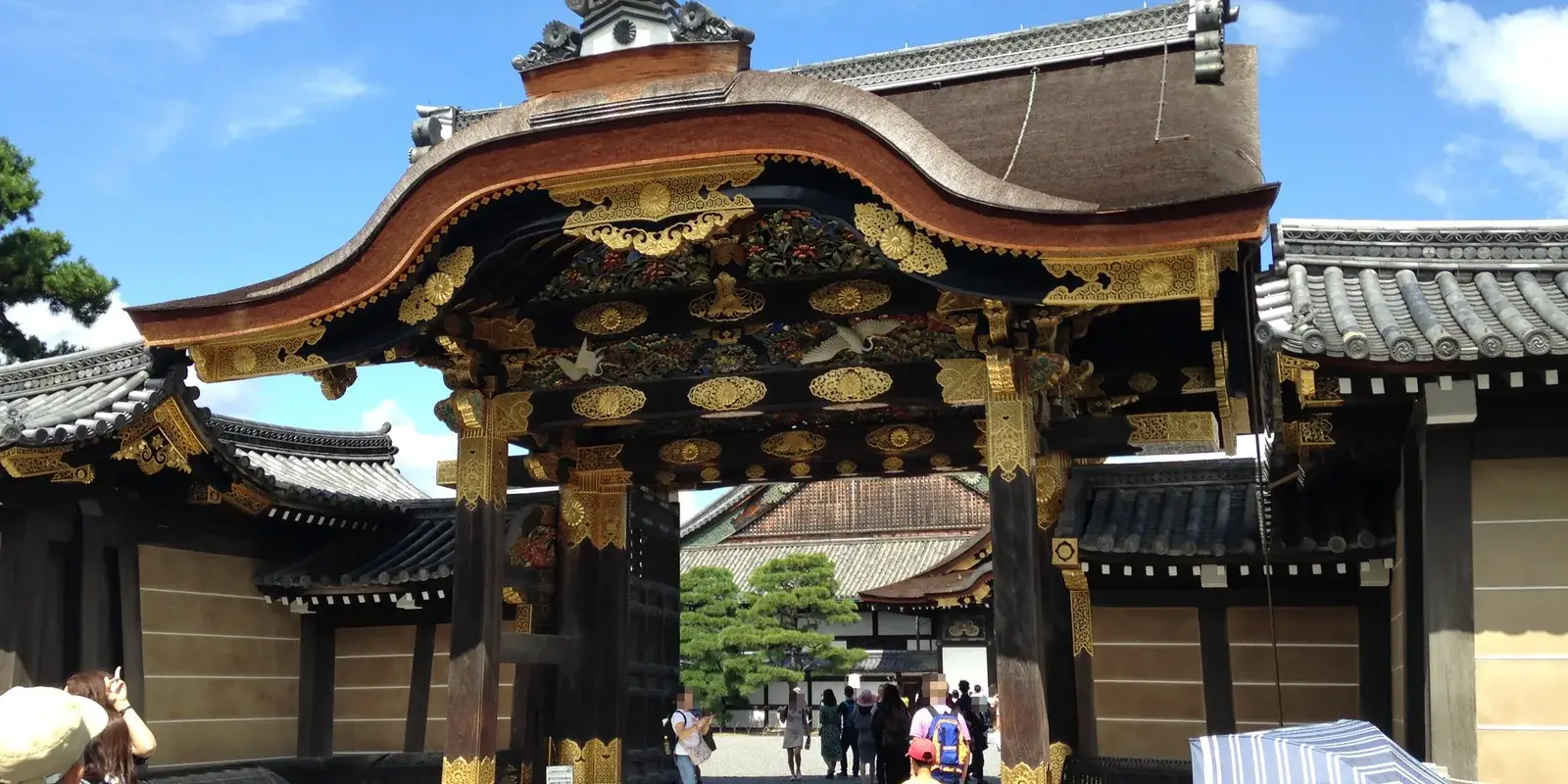
Kyoto's temple circuit blurs together after a while, and Nijo Castle can get lumped in with the rest: another ticket, another "no photos inside" sign, another UNESCO plaque. Then you walk through the Karamon Gate, its brilliantly colored carvings of cranes, pine, bamboo, and plum blossoms crowded over the doorway, and the castle stops feeling like a line on an itinerary.
Yes, it's worth it. The foreign visitors who made the trip and the Japanese visitors reviewing it in their own language land on almost the exact same number, and that match is the most useful thing we found.
Is it worth it? (in visitors' own words)
We collected 161 posts by international visitors who have been to Nijo Castle, on TripAdvisor, Google Maps, Reddit, and the japan-guide.com forum.
What people remember reading back are specifics, not star ratings. One visitor, after describing the room where the shogunate formally ended, said the life-sized mannequins there made the history feel real: "making you feel like you are actually witnessing history." Another, after touring the Ninomaru Palace's interior, put it simply: "it is definitely worth the charge." A third, more clipped: "The inside is 100% worth it."
The small red slice has nameable causes. One visitor called the staff "overbearing and aggressive" at the entrance. One felt the extra Honmaru Palace fee and its no-photography rule weren't worth it, adding that they'd understand the rule better if the paintings inside were originals rather than reproductions. A second raised the reproductions point about the castle more generally. One called the entrance fee a rip-off. One felt, without elaborating, "Not well prepared for tourists." One simply found it "a bit disappointing."
How Japanese visitors feel about it
We also gathered 95 reviews written by Japanese visitors themselves, on TripAdvisor Japan, Google Maps, and 4travel.
84% and 83%, independently arrived at. Visitors from Kumamoto and Tokyo write about the same rooms the overseas reviewers do. One, from Kumamoto, touring the palace where Tokugawa Yoshinobu announced the return of power to the emperor, imagined the same formal choreography playing out between a modern governor and a modern prime minister, waiting rooms and all, and concluded the pattern hasn't really changed since. One from Tokyo called the squeaking corridor charming and the gold-leafed tiger and pine wall paintings inside a genuine spectacle.
The red bar's reasons are mostly practical. One visitor, writing about a trip before the Honmaru Palace's 2024 reopening, found it closed for restoration and the Ninomaru Palace's wooden corridors cold enough that their legs ached, and separately described several frustrated visits to the lost-property office over a misplaced bus pass that staff first denied having. A second found the Honmaru Palace uninteresting, the introductory video dull, and the staff's repeated warnings about stepping on tatami edges tiresome enough to call that part of the visit a waste of time and money, while still calling the Ninomaru Palace worth seeing. A third, at a ticketed night event with projection mapping, called the show underwhelming for the price. A fourth found the front-desk attendant's manner unpleasant, and came away unimpressed by a pre-printed commemorative stamp.
Before you go
What visitors answered
Buy tickets in advance?
108 people answered on Google Maps (September 25 – October 19, 2026)
- Yes33
- No55
- Not sure20
How long they waited to get in
116 people answered on Google Maps (September 25 – October 19, 2026)
- No wait79
- Up to 10 min30
- 10–30 min6
- 30–60 min0
- 1 hr or more1
These are answers to the questions Google Maps asks alongside a review, counted from the newest reviews of this place in every language. They are counts of answers, not a survey, and waits change with the day and the season.
What we wish you'd noticed
The Ninomaru Palace's corridors are built on "nightingale floors": wooden flooring where metal clamps rub against the nails driven into the beams underneath, producing a chirp with every step. Kyoto's official travel guide, and seven reviewers in our own corpus (five foreign, two Japanese), describe this as an early-warning system meant to foil intruders. The castle's own official page for the Ninomaru Palace calls that explanation a mistaken belief, without offering an alternative story. Whatever the real reason, visitors on both sides keep bringing it up, and you'll notice the pitch change with your own footsteps.
Many of the gold paintings on the walls of the Ninomaru Palace are reproductions made to replace the originals, and that's worth knowing before it disappoints you. The palace holds over 3,600 wall and sliding-door paintings, 1,016 of them Important Cultural Properties, many from the Kan'ei era (1624 to 1644). The originals are kept separately and shown on rotation in the on-site Painting Gallery. It costs 100 yen on top of your main ticket, and two reviewers in our corpus, one foreign and one Japanese, independently recommended paying it.
"Worth it" assumes you've budgeted for the right tickets. The castle admission ticket (800 yen) gets you the grounds and gardens. The Ninomaru Palace, the room with the paintings and the floors, needs the combined ticket (1,300 yen) and no reservation. The Honmaru Palace is the one that catches people out: a separate 1,000-yen ticket (on top of castle admission) that must be booked online in advance, with only a small same-day allotment at the information desk. A few visitors who hadn't booked it ended up seeing just the grounds and the Ninomaru Palace, and still called the day worthwhile.
Doing it well, the welcomed way
Book the Honmaru Palace ticket online if seeing it matters to you, ideally before you fly. Reservations open 30 days ahead and the walk-up allotment is small, so arriving without one can mean the Ninomaru-only visit instead.
Set aside more time than the photos suggest you'll need. The castle's own guidance is 1 to 1.5 hours for the Ninomaru Palace and its garden, closer to 2.5 to 3 hours with the Honmaru Palace added in.
Check the closure calendar before you buy. The Ninomaru Palace is closed every Tuesday in July, August, December, and January; the Honmaru Palace closes the third Monday of each month and the day after; both close December 26 through January 3.
Wear socks you're comfortable walking in, not just slip-on shoes. Both palaces require shoes off at the door, and multiple Japanese reviewers mention the wooden floors being cold enough to notice.
Plan your photos around the gate, the gardens, and the Painting Gallery. The palaces themselves don't allow photography, officially because the corridors are narrow and the paintings need protecting, but the Gallery does.
A brusque staff member turns up in four of the 10 negative reviews we gathered, one foreign and three Japanese, over things like tatami-edge rules or a lost-item counter. It's not the norm, but it's common enough that a cold reception isn't a reflection on you.
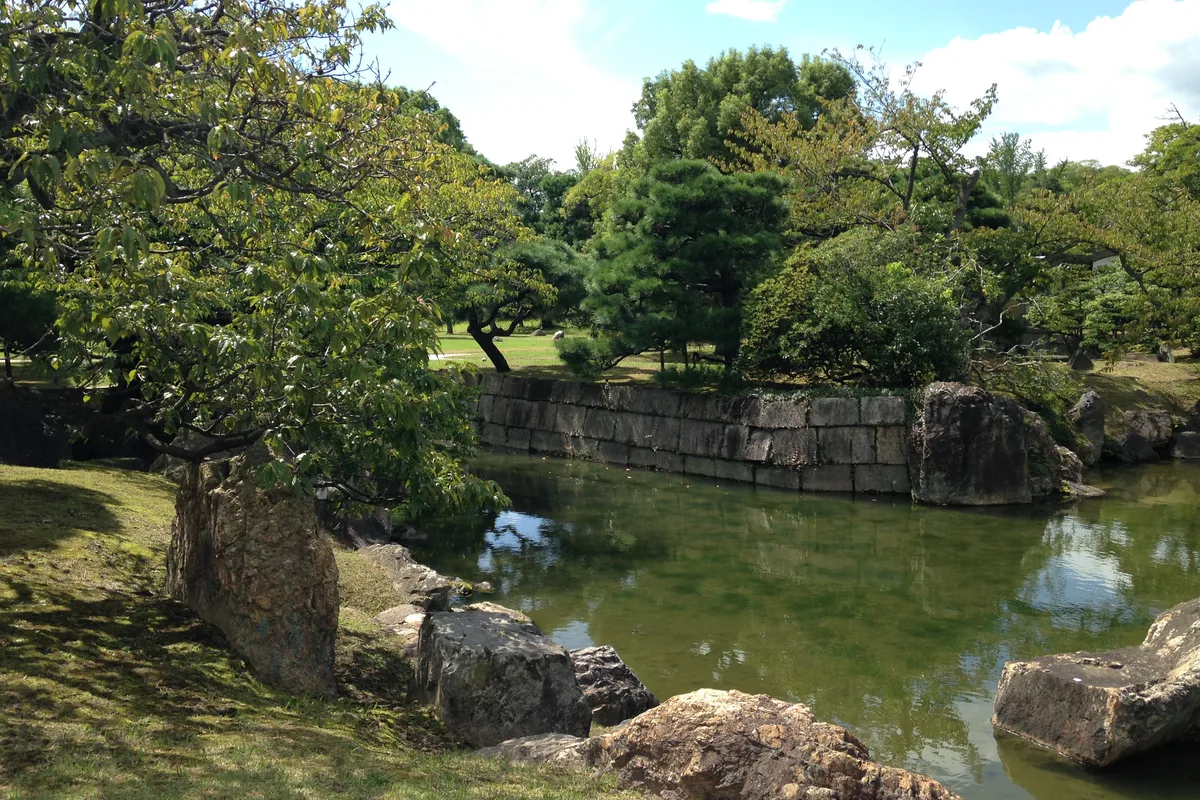
Budget the time and the right tickets, and you end up seeing what both groups of reviewers saw: a gate worth stopping for, a floor that sings underfoot, a garden to slow down in, and the hall where over 260 years of shogunate rule formally came to an end. Whichever language people wrote their review in, they tended to leave agreeing with each other.
Planning the rest of central Kyoto? Nishiki Market is a walk southeast of the castle, and for how the rest of the famous stops stack up, start with what actually matters in Japan.
Sources
- World Heritage Site Former Imperial Villa Nijo-jo Castle, Tickets (official, City of Kyoto): castle admission (800 yen) and the combined castle-admission-plus-Ninomaru-goten-Palace ticket (1,300 yen); advance-reservation requirement for the Honmaru-goten Palace; the Ninomaru-goten Palace closed every Tuesday in July, August, December, and January, and the Honmaru-goten Palace closed for the third Monday of each month and the day after, both also closed December 26 through January 3.
- World Heritage Site Former Imperial Villa Nijo-jo Castle, Fees (official, City of Kyoto): the 100-yen Painting Gallery ticket, purchased separately from castle admission; the Honmaru-goten Palace ticket requiring a separate castle admission ticket.
- World Heritage Site Former Imperial Villa Nijo-jo Castle, FAQ (official, City of Kyoto): suggested visit duration (1 to 1.5 hours for the Ninomaru-goten Palace and garden, 2.5 to 3 hours including the Honmaru-goten Palace); photography permitted in the Painting Gallery but prohibited inside both palaces, due to narrow corridors and the protection of cultural properties.
- World Heritage Site Former Imperial Villa Nijo-jo Castle, Ninomaru-goten Palace / Garden (official, City of Kyoto): the nightingale corridor's construction (clamps against nails) and the castle's own statement that the intruder-alarm explanation is a mistaken belief; the palace's 3,600-plus wall paintings, 1,016 of them Important Cultural Properties, many from the Kan'ei era (1624 to 1644) by the Kano school.
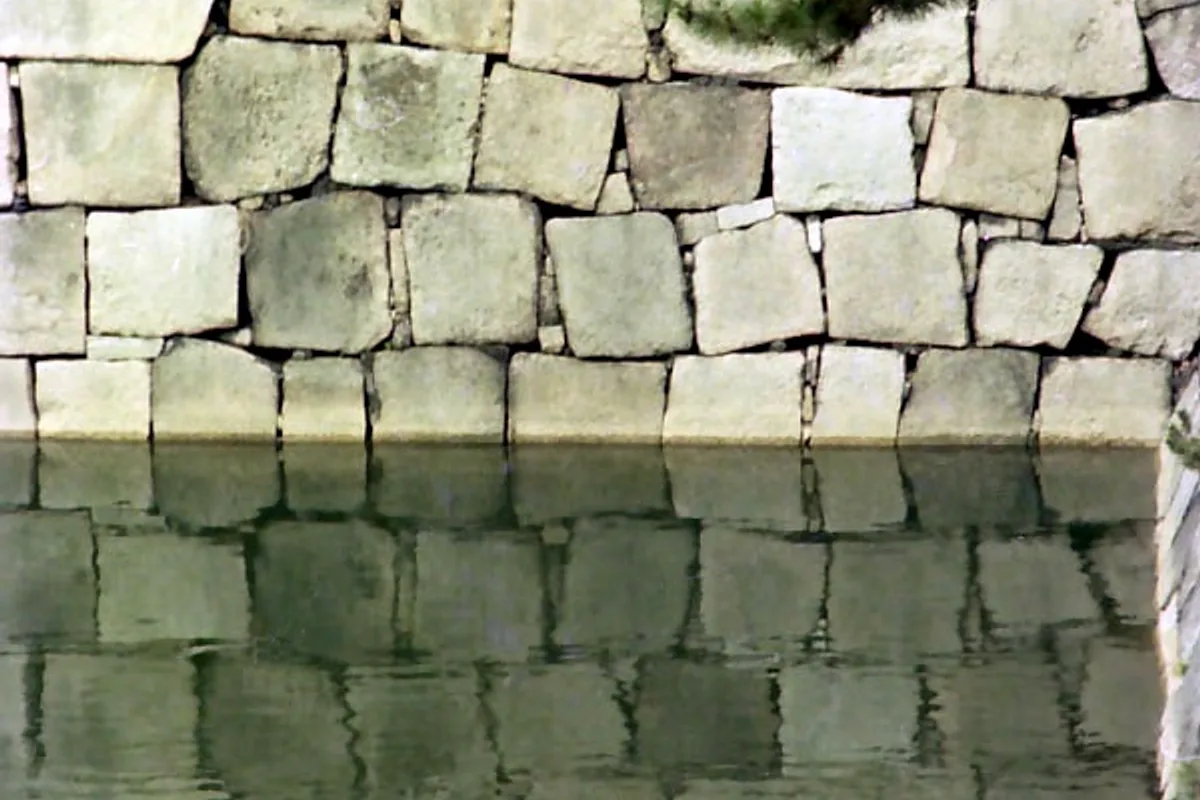
- World Heritage Site Former Imperial Villa Nijo-jo Castle, Cultural assets and facilities within the castle (official, City of Kyoto): the castle keep's stone base, destroyed by lightning in 1750 and never rebuilt; the Painting Gallery's rotating exhibits.
- World Heritage Site Former Imperial Villa Nijo-jo Castle, Nijo-jo Castle Painting Gallery (official, City of Kyoto): the gallery built to preserve and display the original Ninomaru-goten Palace paintings, shown in changing exhibitions; the ongoing project of making reproductions to replace the originals inside the palace; the 100-yen admission, on top of castle admission.
- World Heritage Site Former Imperial Villa Nijo-jo Castle, Honmaru-goten Palace (official, City of Kyoto): full-scale repairs completing in March 2024 and the Honmaru-goten Palace opening to the public for the first time in 18 years from September 1, 2024.
- World Heritage Site Former Imperial Villa Nijo-jo Castle, Summary (official, City of Kyoto): the castle completed in 1603 for Tokugawa Ieyasu; the 15th shogun, Tokugawa Yoshinobu, announcing the end of Tokugawa rule and the return of political power to the Emperor in the Ohiroma of the Ninomaru-goten Palace in 1867.
- Kyoto Travel (DMO Kyoto / City of Kyoto Official Guide), Nijo-jo Castle: history of the castle as the Kyoto residence of the Tokugawa shoguns, who ruled Japan for over 260 years from 1603 to 1868; the nightingale floors described as designed to alert guards to intruders.
WMJS is written in Japan, in English, with AI help. We check every page, but English is not our first language. If a sentence reads oddly, tell us. One sentence is enough.
Thank you. A person reads every note.
How well do you know Japan?
Built from 635 public posts by Japanese people
Want to know more? Ask Japanese people
Have a follow-up question about this topic? We'll ask real Japanese people.
Voice Box →