

Is the Nintendo Museum Worth It? The Difference Is Whether You Can Go Back
Is the Nintendo Museum worth it? Most of the voices we gathered say yes: 52 of 83 posts from international visitors and 59 of 73 Japanese reviews and Q&A answers. The letdowns point in different directions, though. Of the 16 international posts in the red band, 10 say the museum itself fell short once they'd gotten past a hard-won ticket, 4 are about the ticket process alone, and 2 say the trip from Tokyo wasn't worth the round-trip cost. Of the 3 Japanese posts in the red band, none criticizes the exhibits. Two are about getting in the door at all, and the third is a complaint about how the gift shop repackages its blind-box merchandise.
The ticket is the first thing anyone learns about this place. You enter a lottery through a free Nintendo Account about three months before your date, find out whether you were chosen, and if not, you can watch the ticketing site for cancellations, which the museum's guidance says may open up to two months ahead. Visitors who live in Japan can enter that lottery month after month, and some of the Japanese reviewers we read did, for eight months or a year, before winning; a visitor flying in for one trip gets only the drawings that fall before it. That difference turns out to explain more about who comes away happy than the lottery itself does.
Is it worth it? (in visitors' own words)
We gathered 83 posts from international visitors, on Reddit threads, including one asking exactly this question, in TripAdvisor reviews, on a TripAdvisor forum thread about last-minute tickets, and in English-language Google Maps reviews.
In the green band, the praise clusters around the same few things. "The atmosphere, the hanafuda workshop, the burger restaurant, the exposition and of course the 10 coins you get to play some games," one visitor called it, naming the museum a must-stop for any Nintendo fan. Another, who had just gone through the Legend of Zelda 40th-anniversary section, wrote that it was "more than I could have ever hoped for," and added something worth noticing: "I just wish you had more than 10 coins to play games with but I understand why they have it this way, otherwise the lines would be too long." That visitor still called the day "definitely worth your time."
The 16 red-band posts split three ways. Four are strictly about the ticket process, like the visitor who gave one star "because the ordering process to buy tickets is so complex and difficult. It takes a miracle just to secure a single ticket!" Two more say the museum wasn't worth a dedicated round trip from Tokyo specifically, while allowing it might make sense as one stop on a wider Kansai trip. The largest group, 10 posts, is about the museum itself, written by people who did make it in. One called it "not a museum," just "an archive of Nintendo Products with no additional information provided about them." Another, who had gone in with high hopes after winning the lottery, wrote a long post concluding that the exhibits were "filled with old consoles, games, and memorabilia, often presented with surprisingly little context or meaningful storytelling," and that the trip wasn't worth the complicated lottery for that alone. A third, who had also visited the Osaka Aquarium and the Ghibli Museum on the same trip, ranked Nintendo the weakest of the three, writing that "the place feels less whimsical and more clinical," though this visitor added it might be "because I'm not the target audience."
The middle band is where fandom does the most explaining. "The interactive portion was fun, the museum portion was meh," wrote one visitor, neither praising nor condemning the place outright. Another, visiting with family and describing all of them as neither Nintendo diehards nor console historians, found "the gaming area was fun, the lines were manageable," even while admitting "some of the games made little sense to me." A third arrived early and still ended up waiting: "A cool experience, but we expected more. We were on-site about 20 minutes before our time slot and had to wait in a separate line." That visitor found the ground-floor arcade more exciting than the exhibits and couldn't recommend the restaurant, but still called the museum "very cool and nostalgic." None of these three is unhappy. They are simply telling you the ceiling on their enjoyment, which had more to do with how much Nintendo history means to them, and how much of the day went to queueing, than with anything the museum did or didn't do.
What Japanese visitors say
The second gauge comes mostly from Google Maps reviews written in Japanese, plus firsthand answers on a Japanese Q&A site from people who had actually been.
Unlike in the foreign-visitor gauge, none of the three Japanese letdown posts criticizes the exhibits. One answerer, writing twelve days after the museum opened in October 2024, guessed that calm, no-drawing-required tickets might be "10年以上先の話になる可能性が、有ります" (could realistically be ten years or more away). A second pointed out that, unlike Disneyland, there's no way to enjoy the Nintendo Museum from outside the gate: the single entrance leads straight to a reservation check, and the surrounding streets are an ordinary residential neighborhood with nothing to see from the sidewalk. The third, giving the museum one star, spent most of a long and otherwise practical review on logistics, and saved the complaint for the shop's blind-box merchandise, where leftover stock from different boxes gets mixed back together before resale, meaning a group that buys a full box of nine might still end up with duplicates.
That first prediction turned out to be pessimistic. One visitor waited eight months for a first ticket to finally come through in May 2026, and was delighted once inside: the second-floor history displays, that visitor wrote, are "懐かしいものも一杯並んでいて見ごたえたっぷり" (full of nostalgic items and well worth seeing), and even the 10-coin limit on the interactive floor felt like "絶妙な匙加減" (a perfectly judged balance) rather than a restriction. The same visitor entered a second drawing a month later, in June, and this time it came through fast enough to prompt a question in their next post: "最近は当たりやすくなってきてるんですかね" (does it seem to be getting easier to win lately?). The official guidance describes a second way in as well: once a drawing closes, any tickets freed up by cancellations go on sale first-come, first-served, for dates up to two months out.
What the reviews come back to, more than any single complaint, is how many times some of them have already been. One Q&A answerer described going back 11 times in the museum's first 14 months, with every part of the museum workable solo except the two-player Love Tester. The same answerer, asked a different question about a year earlier, mentioned a friend who had gone five times in a single October. This reads less like obsession than a simple fact about distance: Japanese reviewers put the train ride from Kyoto Station at about 20 to 25 minutes, so for someone who lives in the Kansai area, "worth it" isn't a once-in-a-lifetime calculation. It's closer to a question about a hobby.
Before you go
What visitors answered
How long they waited to get in
97 people answered on Google Maps (September 21 – October 19, 2026)
- No wait33
- Up to 10 min32
- 10–30 min29
- 30–60 min2
- 1 hr or more1
These are answers to the questions Google Maps asks alongside a review, counted from the newest reviews of this place in every language. They are counts of answers, not a survey, and waits change with the day and the season.
What we wish you'd noticed
The thinness some visitors complained about on the second floor turns out to be a choice, not an oversight. Nintendo's own description of the exhibition says the products on the 2nd floor "are shared with little explanation," inviting visitors to "form your own unique thoughts" and share them with others, and adding that no special knowledge of video games is needed. The museum opened on October 2, 2024, inside the former Nintendo Uji Ogura plant, a factory the company once used before converting it. The quiet, grey exterior reads differently once you know what it used to be.
Photography rules trip up a lot of first-time visitors, and the rule is narrower than "upstairs versus downstairs." Inside the main building, the museum's own guidelines draw the line between the interactive exhibits area on the first floor, where photography is allowed, and the exhibition area, where it isn't, which takes in the whole second-floor exhibition hall. Two Japanese visitors who list the off-limits spots add some first-floor spaces too: the entrance to the exhibition rooms, and the corner on the history of Nintendo's products on the way to the exit.
One detail hides in plain sight: an indirect light fixture mounted near the restroom, shaped, on a second look, exactly like the Triforce from The Legend of Zelda. A visitor posted about it on X, where the post picked up tens of thousands of views, and it was collected on a Japanese site that gathers posts from X. The visitor who first spotted it wrote simply that they were glad other people got to see it too, since the museum itself does nothing to point it out.
The coin system has one detail that applies more narrowly than it first appears. Each visitor's play ticket carries 10 digital coins, with no way to buy more once inside. Preschoolers aged 3 to 5 get a separate experience card instead of a ticket, and if a parent joins them on a ride just to help, it's the parent's own coins that get spent, not an extra allowance for the child. Children 6 and up carry their own 10 coins like everyone else.
Identification is checked strictly, and the rule is specific enough to matter for anyone flying in: Nintendo's official guidance states that a passport is the only accepted form of identification for non-Japanese nationals, full stop, with no substitute. Seven of the voices we gathered, from abroad and from Japan, compare the check directly to an airport security line, and Nintendo has had to issue a separate public statement warning that resold or transferred tickets are invalid and that anyone caught reselling may have all of their tickets canceled without refund.
Doing it well, the welcomed way
Enter the drawing through the official ticketing site about three months ahead, using a free Nintendo Account. If you aren't selected, don't give up: Nintendo's own guidance confirms that tickets freed up by cancellations go on sale first-come, first-served for dates up to two months out, and more than one visitor in this gauge, from abroad and from Japan, got in exactly that way after losing the initial drawing.
Once you're in, 4 of the voices we gathered recommend the same small sequence: visit the shop before the exhibits rather than after, since popular merchandise can sell out over the course of a single day. Decide what you want to do with your 10 coins before you start, since there's no way to add more once you're inside. The shooting gallery comes up by name in 11 of the posts we read and the oversized two-player controllers in 16, more than any other single interactive exhibit, so they're worth planning around if either sounds like your kind of fun.
If a quiet visit matters more to you than seeing everything, Japanese reviewers who arrived right when the doors opened describe short or nonexistent lines, with the crowd building steadily from mid-morning on as new entry windows let more people in. Bring the right identification either way: a passport is the only ID Nintendo accepts from visitors who aren't Japanese nationals, checked against the exact name on your ticket. Losing the first drawing is common, not a dead end; several of the voices we gathered got in through a cancellation on a later try, including one international visitor who was on the train to the museum within a month of first trying.
Deciding how to spend a Kyoto day beyond the famous shrines? Uji is a short train ride from the museum, and if you're weighing another lottery-ticket museum against this one, the Ghibli Museum runs on a similar system. Every worth-it gauge on the site is listed together in what actually matters in Japan.
Sources
- Nintendo Museum, Ticket Prices and Hours of Operation (official): adult admission of 3,300 yen including tax, hours of 10:00 to 20:00, closure on Tuesdays, the prohibition on reselling or transferring tickets, and the photography rule in Exhibition Building 1 (allowed in the interactive exhibits area but not in the exhibition area)
- Nintendo Museum, From Ticket Reservation to Arrival at the Museum (official): the drawing opening three months before a visit, first-come first-served cancellation sales for dates up to two months out, and the requirement that a passport is the only accepted form of identification for non-Japanese nationals
- Nintendo Museum, Guidance: Enjoying the Interactive Exhibits (official): 10 digital coins loaded per ticket with no option to purchase more, the separate experience card issued to preschoolers aged 3 to 5, and the rule that a guardian's own coins are spent when accompanying a child on an exhibit
- Nintendo Museum, Ticket Resale, Payment Processing, and Misleading Websites or Services (official): the prohibition on resale or transfer of tickets and cancellation of tickets obtained through unauthorized channels without prior notice or refund
- Nintendo Museum, Exhibits (official): the 2nd-floor product exhibits presented "with little explanation" by design, inviting visitors to form their own thoughts without special knowledge of video games
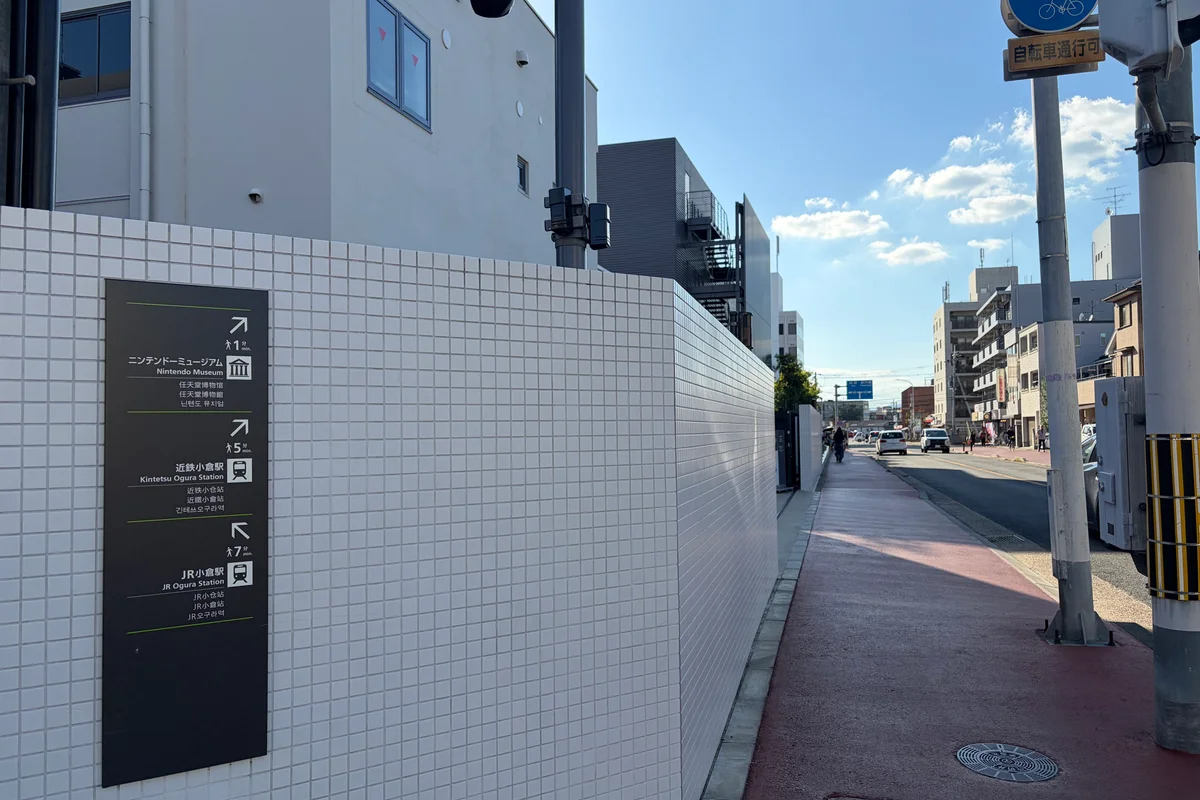
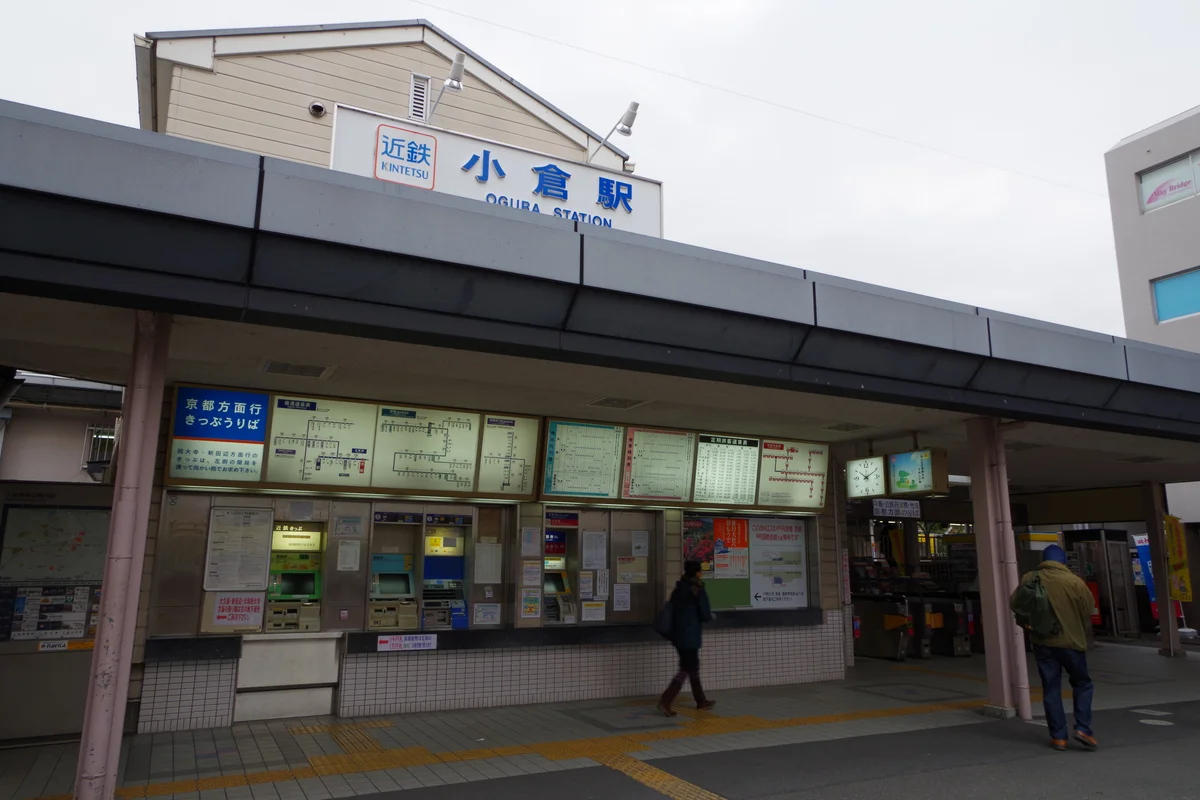
- Nintendo Museum, official homepage (official): the museum's address and access directions from Kintetsu and JR Ogura stations, and its site as the former Nintendo Uji Ogura plant
- Nintendo, Nintendo Direct 2024.8.20 announcement (official): the Nintendo Museum's opening date of October 2, 2024
Last verified: 2026-10
WMJS is written in Japan, in English, with AI help. We check every page, but English is not our first language. If a sentence reads oddly, tell us. One sentence is enough.
Thank you. A person reads every note.
How well do you know Japan?
Built from 635 public posts by Japanese people
Want to know more? Ask Japanese people
Have a follow-up question about this topic? We'll ask real Japanese people.
Voice Box →