
Is the Kyoto Railway Museum Worth It? What 177 Visitor Voices Actually Say
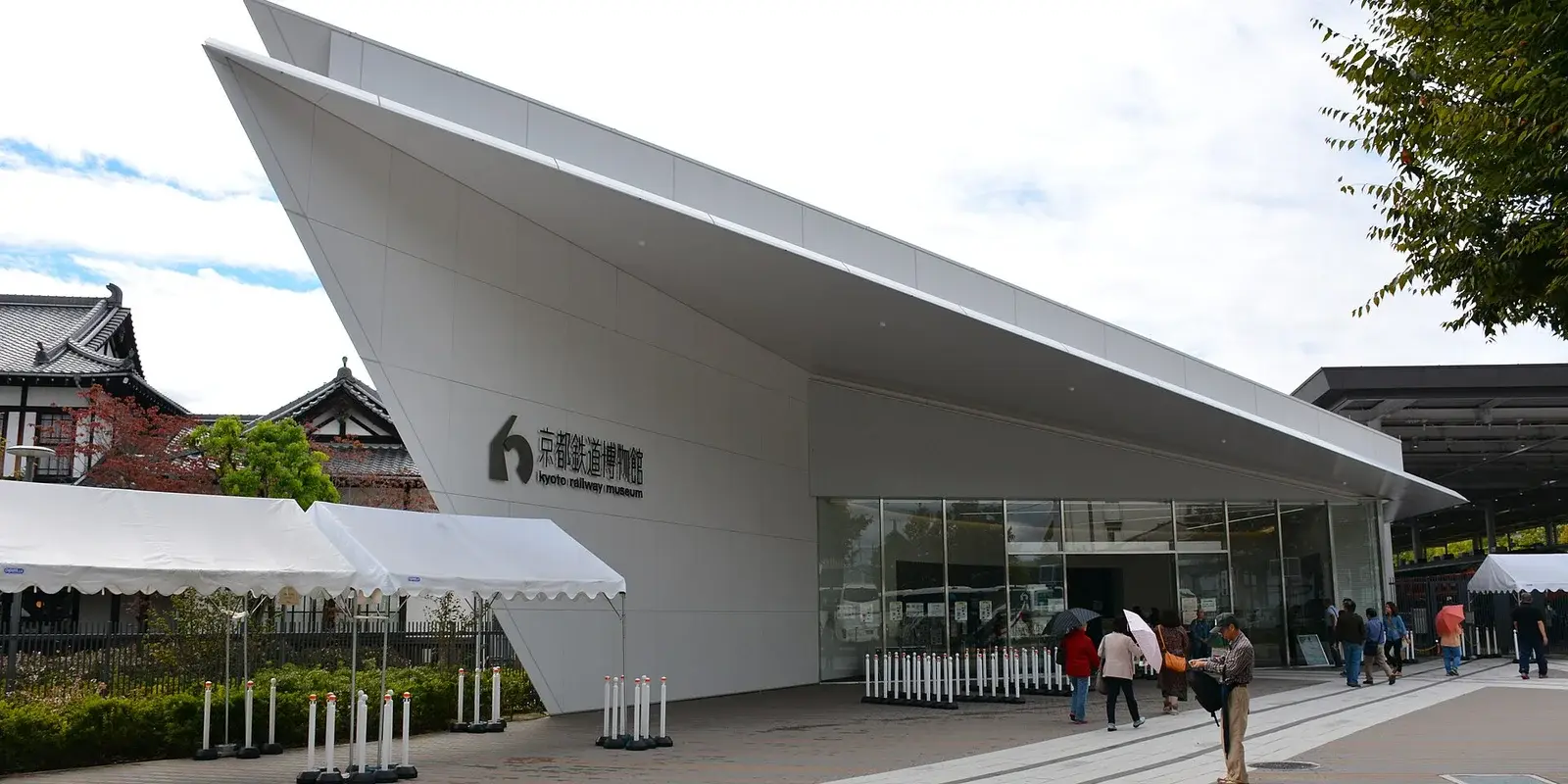
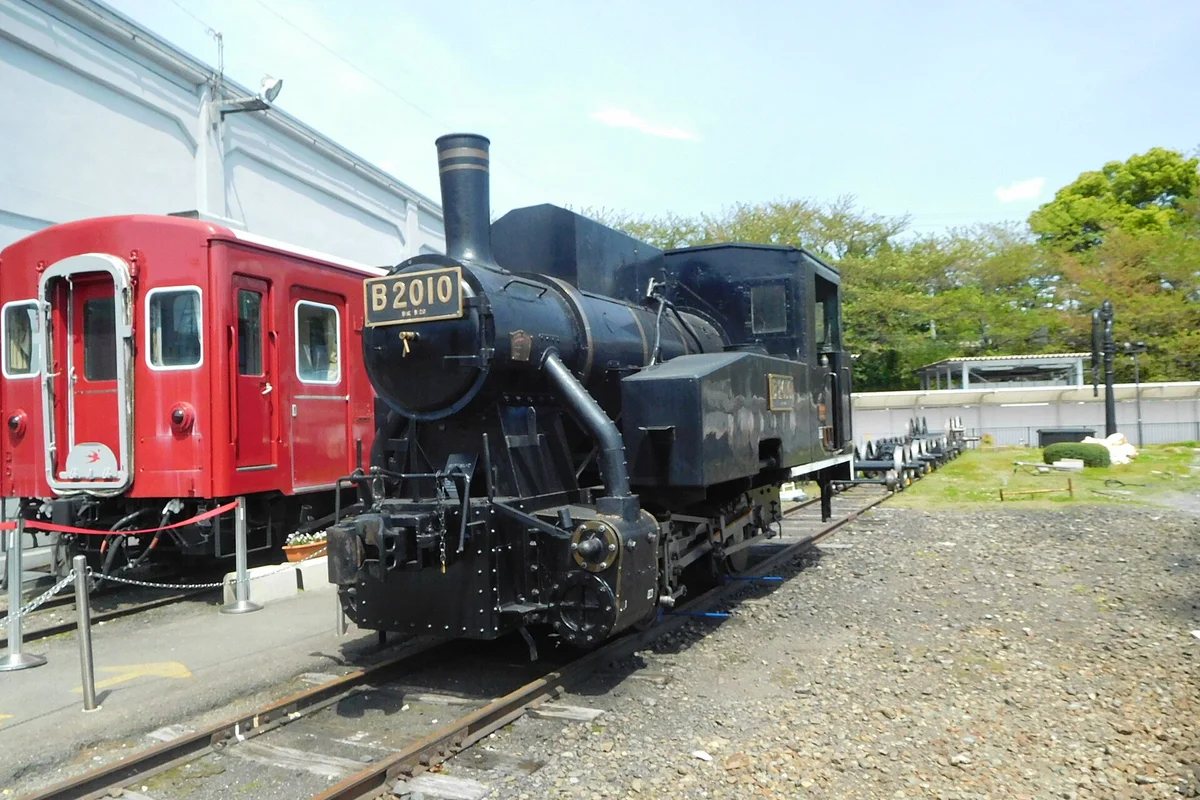
Kyoto's must-see list runs to temples, shrines, and a bamboo grove, so a railway museum sounds like the stop you make for a kid who loves trains, not something you'd choose for yourself. Then you stand under the sweeping white roof at the entrance, or watch a soot-black steam locomotive ease out of a roundhouse built decades ago, and the "just for train fans" assumption gets harder to hold onto.
Yes, it's worth it, and not only for people who already like trains. Foreign visitors and Japanese visitors reviewing it in their own language land on almost the same verdict, even though what trips each group up is almost nothing in common.
Is it worth it? (in visitors' own words)
We collected 71 posts by international visitors who have been to the Kyoto Railway Museum, on Reddit, TripAdvisor, and a Taiwanese travel forum.
People who doubted they'd enjoy it changed their minds once they were inside: five foreign visitors say up front that they expected little or don't much care for trains, and all five came away glad they went. One visitor admitted, "I thought this would be a bit of a ho-hum collection of trains and train-spotters. How wrong I was... you don't need to be a train fanatic to enjoy this one." Another, who had also toured the rail museum in Saitama, said the Kyoto museum worked better for non-enthusiasts specifically because of its hands-on exhibits, which did a better job of introducing the different sides of railway operations. A visitor on a family trip to Japan with kids put it simply: "If you like trains, this place is fantastic - don't bother with the temples!"
The two negative reviews we found from foreign visitors describe unrelated problems, not one shared complaint. One visitor arrived on a day the website listed as open, found the museum closed with no explanation posted anywhere, and told other travelers to avoid the place. The other found the entry-ticket process hard to follow without Japanese and described children let loose through the exhibits by parents nearby, far from the quiet, orderly visit they'd pictured beforehand. Both are genuine accounts, but at 2 of 71 voices, neither describes a typical visit.
Nine of the seventeen neutral voices raise a narrower point about language: some signage isn't translated, though many exhibits carry a QR code linking to English text once you spot it.
How Japanese visitors feel about it
We also gathered 106 reviews written by Japanese visitors themselves, on jalan.net, 4travel.jp, and TripAdvisor.
73% on each side, reached independently. One visitor wrote that he had "underestimated" the place, expecting a stop for children and railway otaku only, and ended up wanting to spend even more time there, moved by the steam locomotives rotating back into the roundhouse at dusk. Another, on a trip that wasn't really about trains at all, called it worth seeing "even if you're not a railway nut."
The museum's own logistics, not its content, explain most of that 11% red bar, a far bigger share than the foreign side's 3%. Two reviewers describe a lunch box or dining-car meal selling out before they could buy it, one at a special event despite arriving first thing in the morning, the other in the dining car, where the reviewer's husband also pushed back when a staff member wouldn't let them hold a table before ordering food. Another, visiting several years ago, describes a numbered ticket, handed out first thing in the morning with no posted explanation, that was needed just to get into the souvenir shop; visitors were confused, and this reviewer gave up on souvenirs. A smaller number describe something close to the overseas complaint above: a railway fan, trying to film a departing steam locomotive, found a family right behind them cheering loudly enough to ruin the recording, and summed up the day bluntly as "a disappointing facility for a railway fan."
Before you go
What visitors answered
Buy tickets in advance?
70 people answered on Google Maps (September 18 – October 19, 2026)
- Yes23
- No30
- Not sure17
How long they waited to get in
71 people answered on Google Maps (September 18 – October 19, 2026)
- No wait55
- Up to 10 min5
- 10–30 min7
- 30–60 min2
- 1 hr or more2
These are answers to the questions Google Maps asks alongside a review, counted from the newest reviews of this place in every language. They are counts of answers, not a survey, and waits change with the day and the season.
What we wish you'd noticed
The driving simulator and the steam locomotive ride run on two separate ticket systems. The simulator has to be bought in advance, either as an electronic ticket (credit card only) or at a 7-Eleven store, and the museum's own ticket page says the start time or console assignment can only be changed up to 10:20 a.m. on the day of your visit, with Seven Ticket purchases not changeable at all. The steam locomotive ride works differently: a same-day ticket, 300 yen for general admission and 100 yen for ages 3 through junior high school, sold from a machine on the platform once the museum opens, no reservation and no app required.
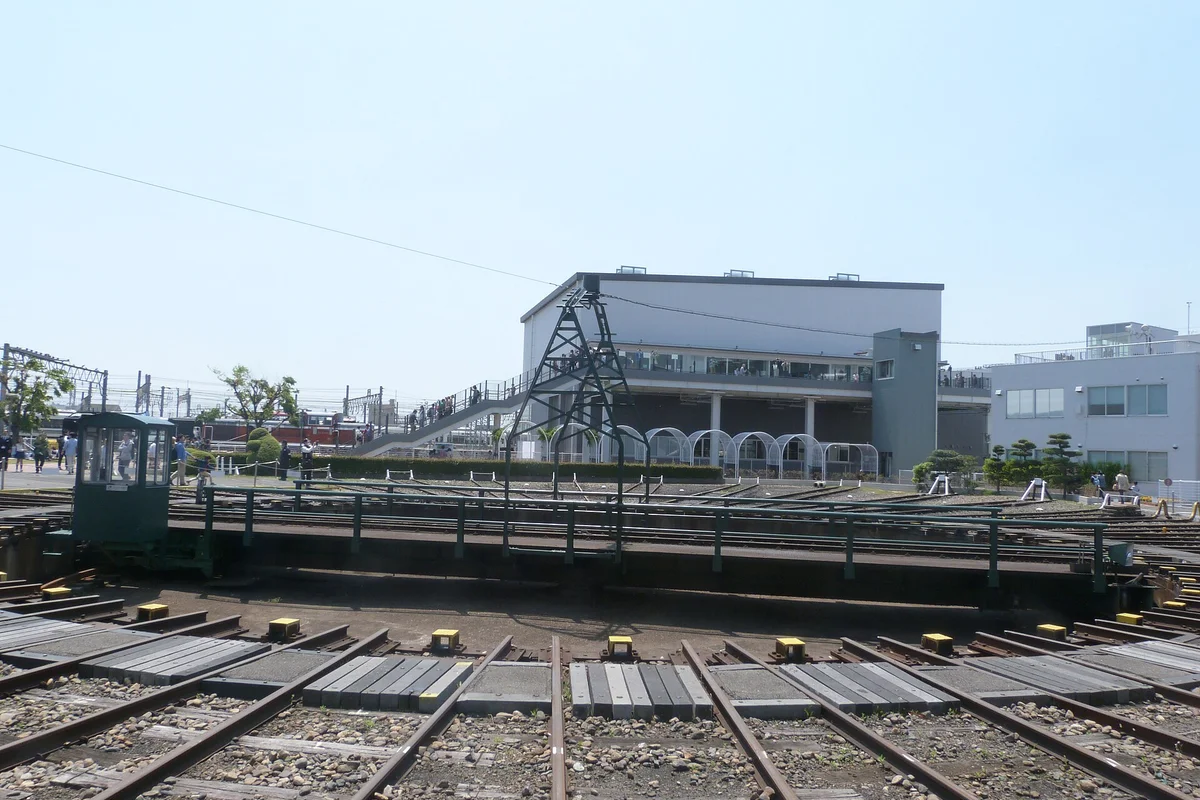
The museum opened on April 29, 2016, as the expanded and renovated Umekoji Steam Locomotive Museum, which had closed the previous August. A handful of reviewers on each side, enough to notice but not a majority, single out the roundhouse and the turntable at its center, where the steam locomotive turns around after the day's last ride, as a highlight of their visit.
Food is the other recurring surprise, and it's almost entirely a Japanese-side complaint: four reviewers mention lunch boxes or restaurant dishes selling out, against zero mentions of the same problem from foreign visitors. The museum's original lunch boxes are sold from a dedicated counter, with seating available in a dining car once used on an overnight Blue Train service. Buying lunch right after you enter, rather than after touring the museum, is the advice two Japanese reviewers give.
Doing it well, the welcomed way
Decide which ride matters more to you before you arrive. The simulator rewards planning: buy the electronic ticket ahead of time, or pick one up at a 7-Eleven if that's easier, and treat the 10:20 a.m. day-of deadline as firm. The steam locomotive ride rewards showing up: there's no reservation to study, just a ticket machine on the platform once the doors open.
If a kid's appetite is part of your day, don't save lunch for later. Buy a lunch box right after you enter, instead of after the diorama and the roundhouse, though even that isn't a guarantee: on a special-event day, one family found the event lunch box sold out despite arriving first thing in the morning.
Give it more time than a "quick stop between temples" framing suggests. Visitors who called it a half-day trip usually meant it, between the promenade, the main hall, the roundhouse, and the ride itself.
None of this requires fluent Japanese. Many exhibits carry English text, the museum's own FAQ says the QR codes in its exhibition rooms bring up free explanations in English, Chinese, and Korean on your own internet-connected phone, and one visitor in our research found staff willing to help with the simulator, which also comes with English instructions.
If a quiet, close look at the rolling stock is what you want, come on a weekday rather than a weekend or holiday. About half of the complaints we found, foreign and Japanese alike, trace back to busy days when young families fill the same halls a dedicated railway fan wants to linger in.
Check the calendar before a Wednesday visit. It's the museum's one regular weekly closure, alongside the New Year holiday period and other dates marked on the museum's calendar, though it stays open through school breaks and public holidays that happen to land on a Wednesday.
None of this is really about trains. Who else is visiting that day, which ticket needs a reservation, when the food counter runs out: these specifics are what separate a stressful morning here from the kind of day most reviewers, foreign and Japanese alike, came away glad they'd spent.
Exploring more of Kyoto Station's side of the city? Nishiki Market is a short ride north, and for how the rest of Kyoto's famous stops compare, start with what actually matters in Japan.
Sources
- Kyoto Railway Museum, Tickets (official): general admission (1,500 yen for 18 and over, 1,300 yen for university and high school students, 500 yen for junior high and elementary school students, 200 yen for children 3 and over); museum hours (10:00 a.m. to 5:00 p.m., no admission after 4:30 p.m.); weekly closure on Wednesdays and the year-end to New Year period (December 30 to January 1), plus other dates on the museum calendar, with the museum open on holidays and school breaks; the driving simulator's ticket options (electronic ticket, credit card only, or a Seven Ticket from a 7-Eleven store), not sold inside the museum, 100 yen per roughly 10-minute session, with start time and console changes possible only until 10:20 a.m. on the day of the visit and no changes at all for Seven Tickets.
- Kyoto Railway Museum, Experience (official): the steam locomotive ride's same-day ticket sold from machines at the Steam Locomotive platform once the museum opens, priced at 300 yen for general admission and 100 yen for ages 3 through junior high school.
- Kyoto Railway Museum, Eat/Buy (official): original lunch boxes sold from a dedicated dining car and lunch-box counter, with seating available in a dining car formerly used on a Blue Train sleeper service.
- Kyoto Railway Museum, About Us (official): the museum's grand opening on April 29, 2016, as the expanded and renovated Umekoji Steam Locomotive Museum (closed August 30, 2015) and the successor to the earlier Modern Transportation Museum (closed April 6, 2014).
- Kyoto Railway Museum, Enjoying the Museum: See (official, in Japanese): the roundhouse and its steam locomotives seen from the deck on the main building's second floor; after the SL Steam's last run of the day, the locomotive turning around on the turntable at the center of the roundhouse; the Sky Terrace on the main building's third floor.
- Kyoto Railway Museum, FAQ (official, in Japanese): QR codes in the exhibition rooms bringing up free explanations in English, traditional and simplified Chinese, and Korean on visitors' own internet-connected devices; about two hours for the main building and the outdoor exhibits together, depending on crowds.
WMJS is written in Japan, in English, with AI help. We check every page, but English is not our first language. If a sentence reads oddly, tell us. One sentence is enough.
Thank you. A person reads every note.
How well do you know Japan?
Built from 635 public posts by Japanese people
Want to know more? Ask Japanese people
Have a follow-up question about this topic? We'll ask real Japanese people.
Voice Box →