
ญี่ปุ่นทำงานอย่างไร
This page is also available in English.Read in English →
このページは日本語でも読めます。日本語で読む →
이 페이지는 한국어로도 읽을 수 있습니다.한국어로 읽기 →
這個頁面也有繁體中文版。閱讀繁體中文版 →
这个页面也有简体中文版。阅读简体中文版 →
Trang này cũng có bản tiếng Việt.Đọc bằng tiếng Việt →
Halaman ini juga tersedia dalam Bahasa Indonesia.Baca dalam Bahasa Indonesia →
Cette page existe aussi en français.Lire en français →
Diese Seite gibt es auch auf Deutsch.Auf Deutsch lesen →
Esta página también está disponible en español.Leer en español →
Questa pagina è disponibile anche in italiano.Leggi in italiano →
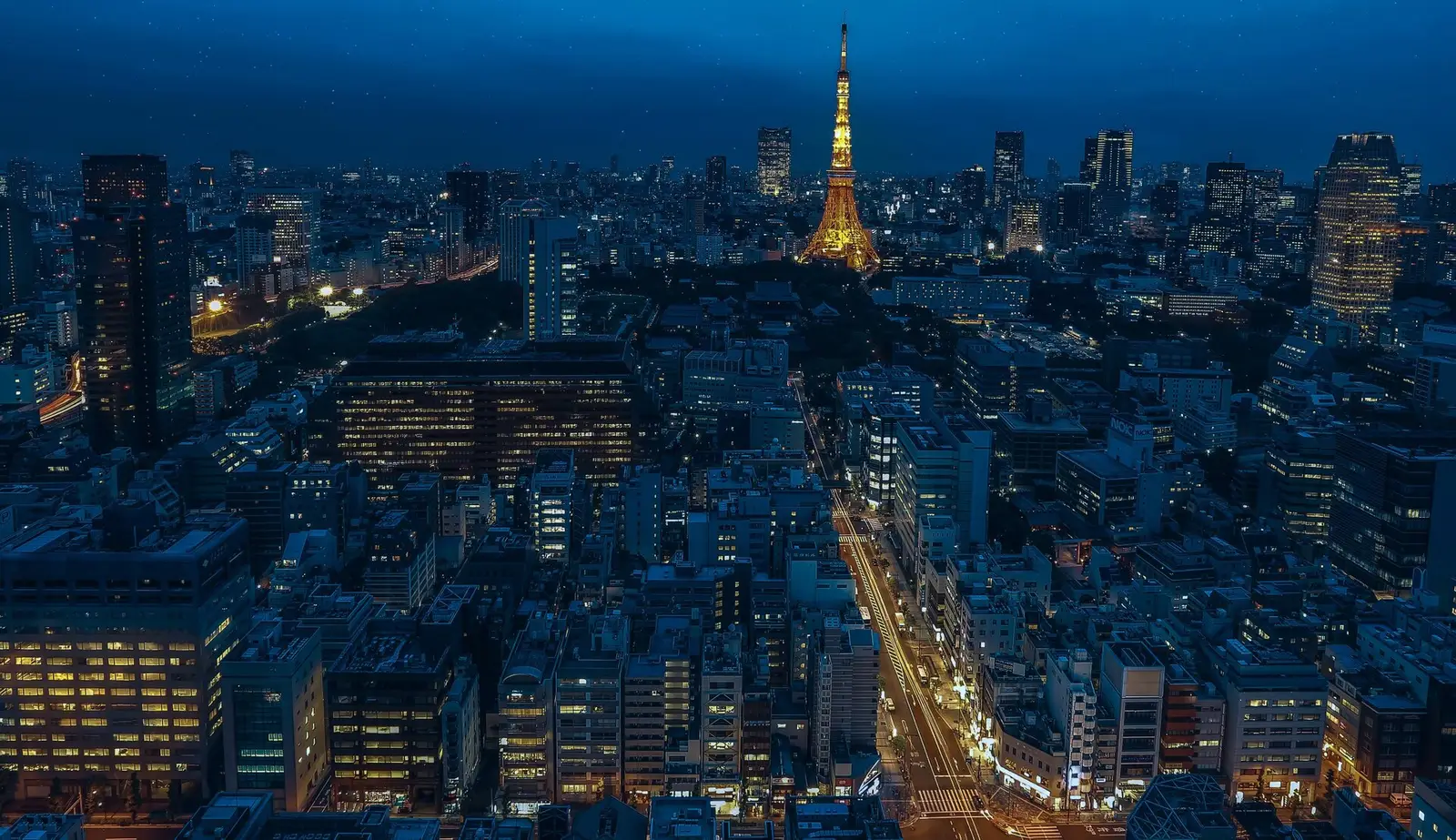
เมืองหลวงและวันเดย์ทริป — โตเกียวเมืองเก่า, Kamakura ริมทะเล, Nikko บนภูเขา — ในจังหวะที่สบายๆ
ตรวจสอบล่าสุด: 2026-06-10
แผนนี้เหมาะกับใคร
Good all year; spring blossom and autumn colour are the prettiest, and clear winter days give the best Mt Fuji views.
โตเกียวอาจฟังดูน่าหวั่นใจ — มันคือเมืองที่ใหญ่ที่สุดเท่าที่คนส่วนใหญ่จะได้ยืนอยู่ — แต่สิ่งที่คุณตั้งใจมาสัมผัสจริงๆ นั้นอยู่ในวงรถไฟสายเดียว กับทริปวันเดย์ทริปง่ายๆ อีกไม่กี่ที่ ผมอยากให้มองสิ่งนี้เป็นกรอบสี่วันแบบหลวมๆ มากกว่าจะเป็นเช็กลิสต์: สองวันในตัวโตเกียวเอง วันหนึ่งไปเมืองเก่าฝั่งตะวันออกที่ราบต่ำ อีกวันไปหัวใจสีเขียวและเปี่ยมพลังหนุ่มสาวของเมือง แล้วอีกสองวันออกไปข้างนอก — สู่ทะเลและวัดวาอารามของ Kamakura และศาลเจ้าบนภูเขาของ Nikko คนส่วนใหญ่ลงเครื่องที่ Haneda หรือ Narita หรือมาถึงด้วยชินคันเซ็นเข้าสถานี Tokyo หรือ Shinagawa จากประตูใดก็ตามเหล่านี้ วงรถไฟด้านล่างนี้ก็เป็นของคุณ และทุกอย่างวนกลับสู่ฐานที่พักเดียวได้ด้วยการแตะบัตรใบเดียวเพียงครั้งเดียว
สิ่งที่ทำให้โตเกียวรู้สึกอบอุ่นแทนที่จะน่าอึดอัด คือวิธีที่เมืองนี้จัดระเบียบตัวเองอย่างเงียบๆ รอบแนวคิดของการไม่เบียดเสียดกัน — ตู้รถไฟที่เงียบสงบ แถวที่เป็นระเบียบบนชานชาลา ช่องทางที่ทุกคนเว้นว่างไว้บนบันไดเลื่อน คุณไม่ต้องไปศึกษาอะไรทั้งนั้น เพียงแค่ปล่อยตัวเข้าจังหวะ แล้วเมืองก็จะอ่อนโยนลงรอบตัวคุณ ดังนั้นผมจะไม่ยึดติดกับแผนมากนัก ถ้าวันไหนยาวเกินไป ก็ย่อให้สั้นลง ถ้าตรอกเล็กๆ สักซอยใน Asakusa หรือเนินเขาสักลูกใน Kamakura ตรึงใจคุณ ก็อยู่ตรงนั้นต่อไป ผมจะเล่าให้ฟังว่าผมจะเดินทางอย่างไรและจะพักที่ไหน แล้วคุณค่อยหยิบชิ้นส่วนเหล่านั้นมาแยกและประกอบใหม่ตามที่ทริปของคุณอยากให้เป็น
ผมจะปักหลักที่โตเกียวตลอดทริป แล้วให้รถไฟทำหน้าที่พาเดินทาง — ทุกวันเดย์ทริปที่นี่ไปเช้าเย็นกลับได้ในวันเดียว และวงรถไฟของเมืองเองอย่างสาย JR Yamanote ก็ร้อยสิ่งที่คุณอยากไปส่วนใหญ่ไว้ด้วยกัน เหมือนที่ Kyoto คำถามที่แท้จริงไม่ใช่ ย่านไหน มากเท่ากับ คุณนอนใกล้สถานีไหน เพราะสายรถไฟที่ใกล้ที่สุดเป็นตัวกำหนดว่าเช้าของคุณจะสบายแค่ไหน
ถ้าผมอยากให้ทุกอย่างง่ายแบบแตะเดียวจบ ผมจะปักหลักแถว Shinjuku หรือสถานี Tokyo ทั้งสองที่เป็นชุมทางเปลี่ยนสายขนาดใหญ่ที่วง Yamanote มาบรรจบกับสายที่วิ่งออกนอกเมือง — Shinjuku คือจุดออกตัวของ Odakyu Romancecar ไป Hakone และรถไฟไปทาง Mt Fuji ส่วนสถานี Tokyo เป็นที่ที่ชินคันเซ็นและสาย Yokosuka ลงไป Kamakura เริ่มต้น ข้อแลกเปลี่ยนคือบรรยากาศ ทั้งสองที่เป็นย่านธุรกิจที่คึกคักมากกว่าจะเป็นโตเกียวเก่า
ถ้าผมอยากตื่นขึ้นมาในโตเกียวเก่า ผมจะเลือก Asakusa คุณจะเดินไปถึง Senso-ji และตรอกเมืองที่ราบต่ำได้ และ Asakusa ยังเป็นจุดออกตัวของรถไฟด่วนพิเศษ Tobu ที่วิ่งตรงไป Nikko ด้วย — ฝั่งวัดวาของทริปนี้จึงอยู่หน้าประตูบ้านคุณเลย ที่นี่เงียบกว่าและให้ความรู้สึกเก่าแก่กว่า ข้อแลกเปลี่ยนคือสถานที่ทางฝั่งตะวันตกจะต้องนั่งรถข้ามเมืองนานกว่า
ถ้าผมอยากได้ใจกลางที่หนุ่มสาวและเขียวขจี ผมจะพักแถว Shibuya หรือฝั่งใต้ของ Shinjuku — เดินสั้นๆ หรือนั่งแค่สถานีเดียวจาก Meiji Jingu และ Harajuku โดยมีวง Yamanote วิ่งวนเมืองทั้งสองทาง ที่นี่ครบเครื่องสำหรับการนั่งดูผู้คนและมื้อค่ำดึกๆ
มีเกร็ดหนึ่งที่ควรรู้ไม่ว่าคุณจะปักหลักที่ไหน: สาย JR Yamanote เป็นวงกลม Tokyo, Shinjuku, Shibuya, Harajuku, Akihabara และ Ueno ล้วนเป็นลูกปัดบนวงเดียวกัน ดังนั้นไม่ว่าคุณนอนอยู่ตรงจุดไหนบนวงนี้ ที่อื่นๆ ก็อยู่ห่างเพียงนั่งรถครั้งเดียวไปทางใดทางหนึ่ง นั่นแหละคือสิ่งที่ทำให้ฐานที่พักเดียวใช้เที่ยวได้ทั้งเมือง
สิ่งแรกที่ผมจะจัดการคือ บัตร IC แล้วหลังจากนั้นคุณแทบจะเลิกคิดเรื่องตั๋วได้เลย มันคือบัตรอัจฉริยะแบบเติมเงินได้: แตะตอนเข้าสถานีและแตะอีกครั้งตอนออก แล้วค่าโดยสารก็จะคำนวณเองและหักออกให้อัตโนมัติ บัตรประจำถิ่นของโตเกียวคือ Suica (ของ JR East) แต่คุณไม่จำเป็นต้องใช้ใบไหนเป็นพิเศษ — PASMO จากรถไฟเอกชนของโตเกียว, ICOCA ที่พกขึ้นมาจากคันไซ หรือบัตรประจำภูมิภาคอื่นๆ ก็ใช้ที่นี่ได้เช่นกัน เพราะมันใช้ข้ามกันได้ทั่วประเทศ
บัตรนี้ใช้แตะกับอะไรได้บ้างในทริปนี้: สาย JR (รวมถึงวง Yamanote), รถไฟใต้ดิน Tokyo Metro และ Toei, รถไฟเอกชนที่คุณจะนั่งออกไปเที่ยววันเดย์ทริป, รถเมล์ในเมือง และการซื้อของเกือบทั้งหมดตามร้านสะดวกซื้อและตู้กดอัตโนมัติ — ทุกที่ที่คุณเห็นสัญลักษณ์ IC
การซื้อบัตร: Suica ปกติจะมีค่ามัดจำเล็กน้อยที่คืนได้ ถ้าคุณมาเที่ยวระยะสั้นก็มี Welcome Suica ที่ทำมาสำหรับนักท่องเที่ยวต่างชาติโดยไม่มีค่ามัดจำ (เพียงแต่คุณจะไม่ได้เงินคงเหลือคืน) และยังมีเวอร์ชันบนมือถือที่โหลดลงโทรศัพท์ได้ ผมใส่รายละเอียดค่ามัดจำไว้ในกล่องข้อมูลแล้ว และจากประสบการณ์ของผม วิธีที่ง่ายที่สุดคือเติมเงินด้วยเงินสดที่ตู้ในสถานี ดังนั้นเตรียมเหรียญและธนบัตรไว้บ้างก็สะดวกดี
สองอย่างที่บัตร IC ทำไม่ได้: มันแตะขึ้น ชินคันเซ็น แบบบัตรเปล่าๆ ไม่ได้ (คุณต้องลงทะเบียนกับ Smart-EX หรือซื้อตั๋วแยก) และคุณนั่งข้าม สองเขตพื้นที่บัตร IC ที่แยกกันด้วยการแตะครั้งเดียวไม่ได้ ทั้งสองข้อไม่มีผลกับโตเกียวและวันเดย์ทริป — จะเจอก็ต่อเมื่อคุณต่อทริปออกไปทางตะวันตกเท่านั้น
คุณจำเป็นต้องซื้อพาสไหม? สำหรับทริปที่ปักหลักในโตเกียว มักไม่จำเป็น — แตะบัตร IC ทีละเที่ยวง่ายดี และจ่ายเฉพาะเท่าที่นั่งจริง แต่ก็มีพาสไม่กี่ใบที่คุ้มค่าในวันที่เหมาะสม:
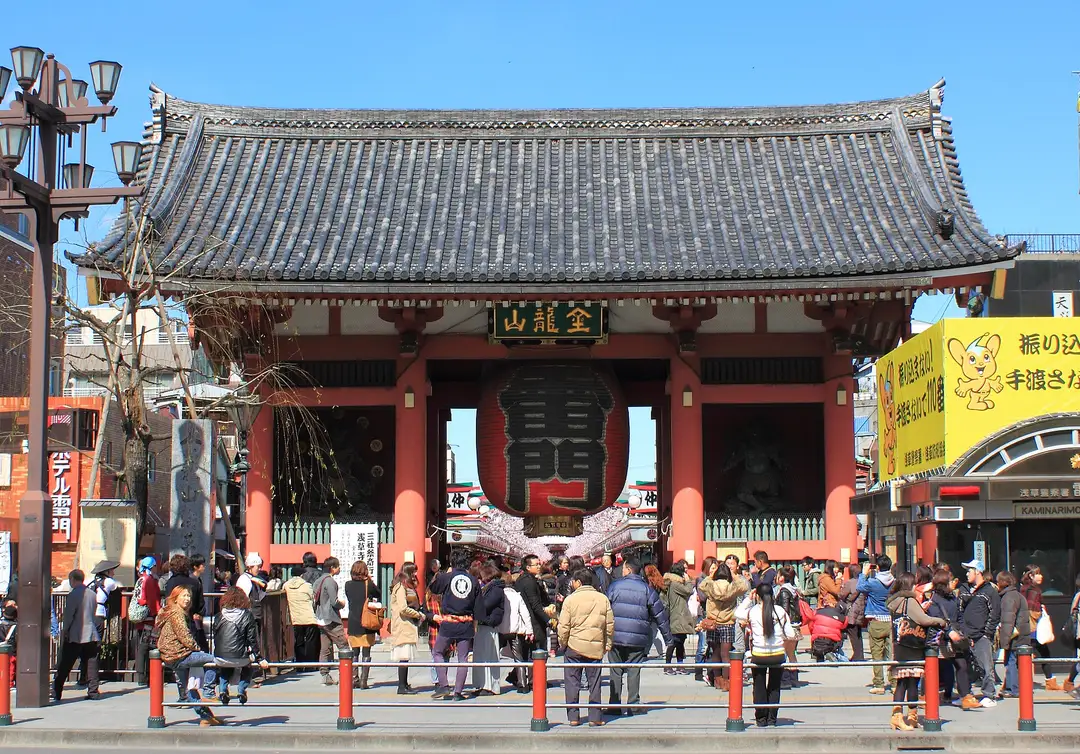
ผมจะยกวันแรกให้เมืองที่ราบต่ำ — ชิตะมาจิ (shitamachi) ย่านเก่าฝั่งตะวันออกที่โตเกียวรู้สึกน้อยลงว่าเป็นมหานคร และเหมือนสายของย่านเล็กๆ ต่อกันมากกว่า หัวใจของมันคือ Senso-ji วัดที่เก่าแก่ที่สุดของเมือง ที่เดินเข้าไปผ่านประตูใหญ่ Kaminarimon และทางเดินร้านค้าเล็กๆ ยาวเหยียดที่ขายขนมและเครื่องรางให้ผู้แสวงบุญมานานหลายศตวรรษ ผมจะไปแต่เช้า ก่อนทางเดินร้านค้าจะแน่น ตอนที่ควันธูปยังคงจับตัวอยู่และเจ้าของร้านกำลังม้วนบานประตูขึ้น จากตรงนั้นวันนี้อาจไหลไปทาง Akihabara — ย่านไฟฟ้าของโตเกียว ที่ดังและสว่างไสว และทุ่มเทให้กับสิ่งที่ผู้คนรักโดยไม่ต้องขอโทษใคร มีเรื่องอ่อนโยนหนึ่งอย่างให้ระลึกไว้ตลอดเช้า: ที่วัด ผู้คนกำลังสวดภาวนา ไม่ได้มาโพสท่า — โค้งคำนับเบาๆ ที่ประตูและเก็บโทรศัพท์ให้เงียบ แล้วคุณก็จะกลมกลืนเข้าไปได้พอดี
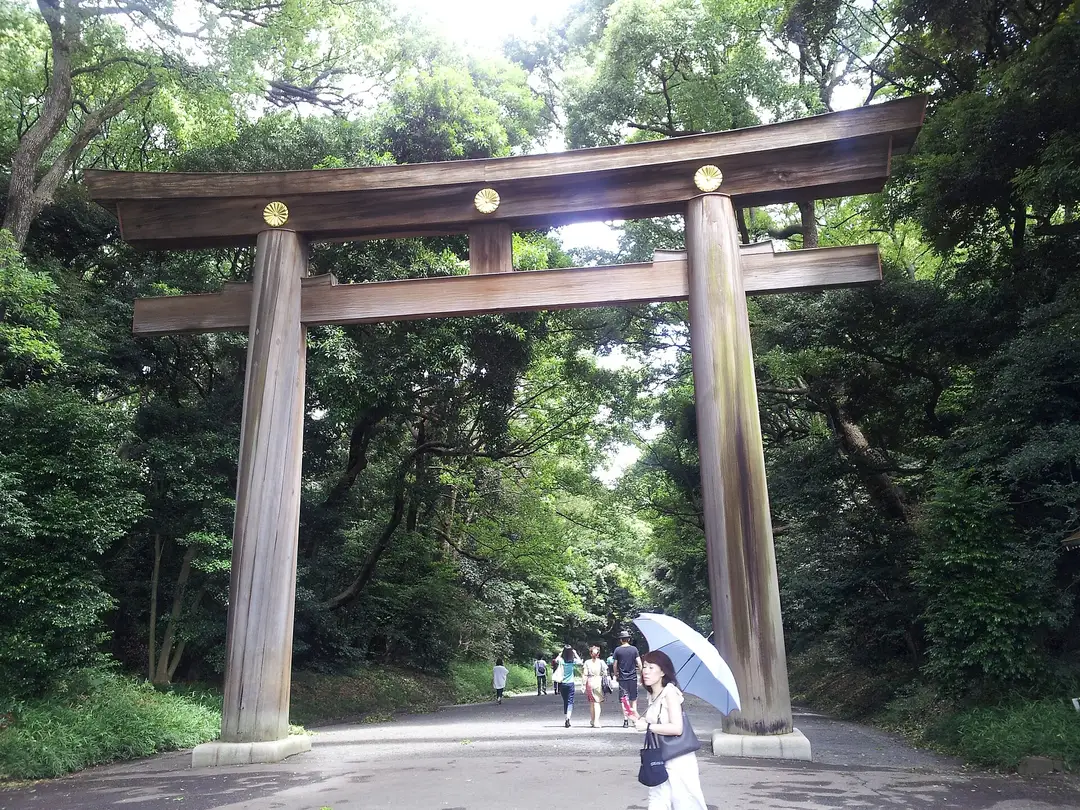
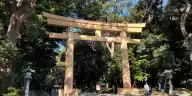
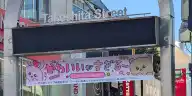
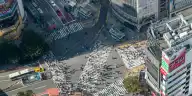
วันที่สองผมจะพลิกไปยังหัวใจฝั่งตะวันตกที่เขียวขจีกว่าของเมือง แล้วปล่อยให้มันค่อยๆ ก่อตัวขึ้นสู่พลังสดใสทันสมัยของโตเกียว Meiji Jingu เป็นศาลเจ้าในป่ากลางเมือง — คุณเดินลอดประตูไม้ขนาดใหญ่ แล้วเสียงจราจรก็หายไปเฉยๆ แทนที่ด้วยเสียงกรวดใต้ฝ่าเท้าและต้นไม้สูงใหญ่ ก้าวออกอีกฝั่งหนึ่ง คุณก็อยู่ใน Harajuku ที่ตัวตนที่อ่อนเยาว์และขี้เล่นที่สุดของเมืองไหลบ่าลงถนน Takeshita จากตรงนั้นวันนี้จะไหลลงเนินไปตามถนนร่มรื่น Omotesando เข้าสู่ Shibuya — ทางม้าลายสแครมเบิลที่ทั้งเมืองดูเหมือนเคลื่อนไหวพร้อมกัน ภาพที่หลายคนนึกถึงเวลานึกถึงโตเกียว ศาลเจ้าในป่าเรียกร้องความนิ่งสงบ ส่วนทางม้าลายเรียกร้องความอัศจรรย์อีกแบบหนึ่ง — และโตเกียวโอบรับทั้งสองอย่างไว้ได้โดยไม่กระพริบตา
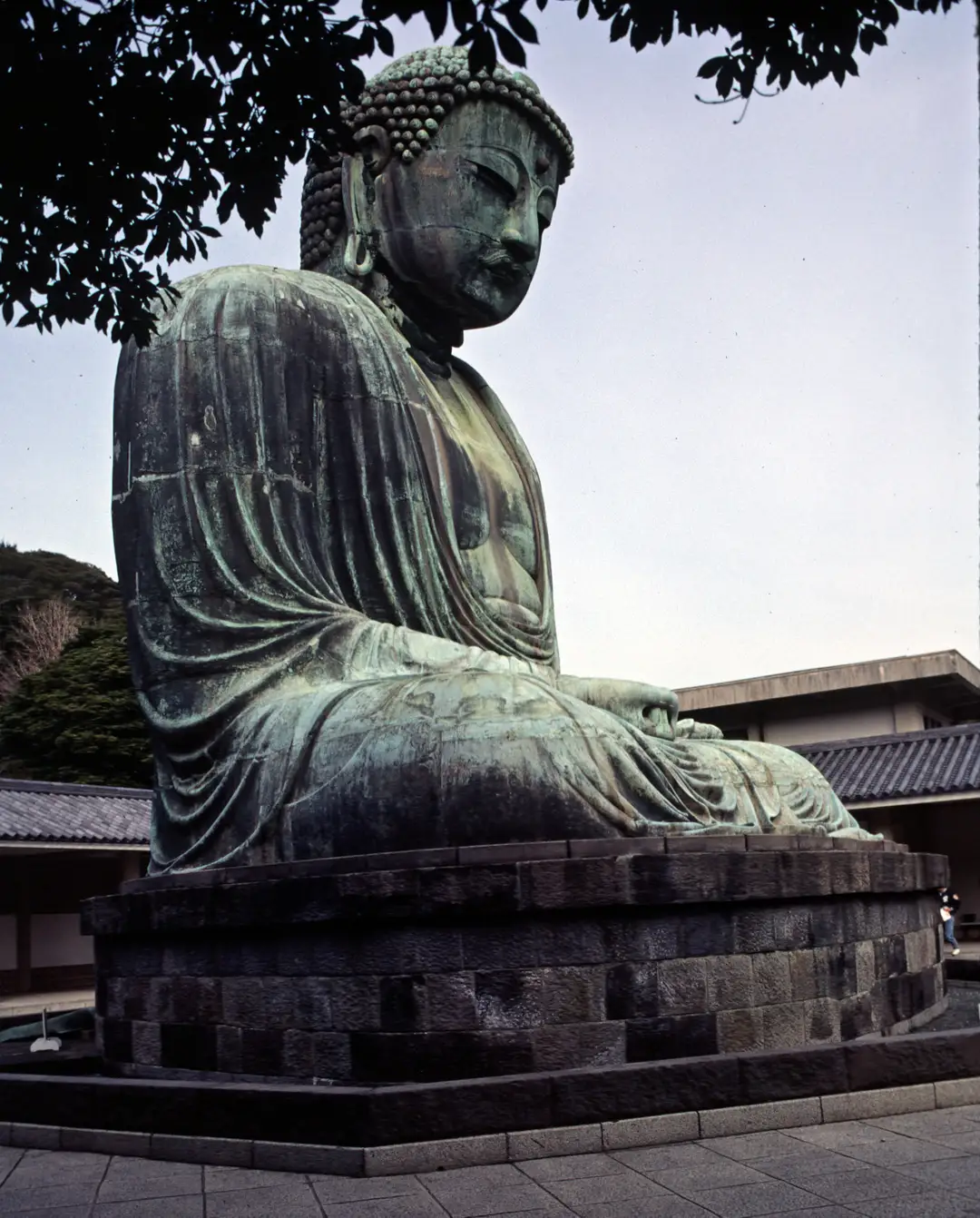
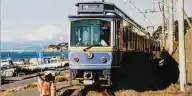
Kamakura คือวันเดย์ทริปง่ายๆ ทางใต้ — เมืองริมทะเลเล็กๆ ที่ครั้งหนึ่งเคยเป็นที่ตั้งของรัฐบาลซามูไรแห่งแรกของญี่ปุ่น ตอนนี้เต็มไปด้วยวัดที่ซุกตัวอยู่ในเนินเขาเขียวขจีโดยมีมหาสมุทรแปซิฟิกอยู่ปลายถนน หัวใจของมันสำหรับคนส่วนใหญ่คือ พระใหญ่ (Great Buddha) ที่ Kotoku-in: องค์พระสำริดที่ประทับกลางแจ้งมานานหลายศตวรรษ นับตั้งแต่วิหารที่สร้างครอบไว้ถูกน้ำซัดพังไป — มีบางสิ่งที่ทำให้ใจสงบและสะเทือนใจในองค์พระใหญ่ที่เพียงแค่ผ่านฤดูกาลต่างๆ ไปใต้ผืนฟ้า ผมจะนั่ง Enoden รถรางเล็กๆ ระหว่างจุดชมต่างๆ มันแล่นกระเทือนไปตามชายฝั่งใกล้บ้านเรือนจนแทบเอื้อมแตะได้ และทะเลจะเปิดออกระหว่างสถานี เป็นคู่ตรงข้ามที่เนิบช้าและมีกลิ่นไอทะเลของเมืองใหญ่
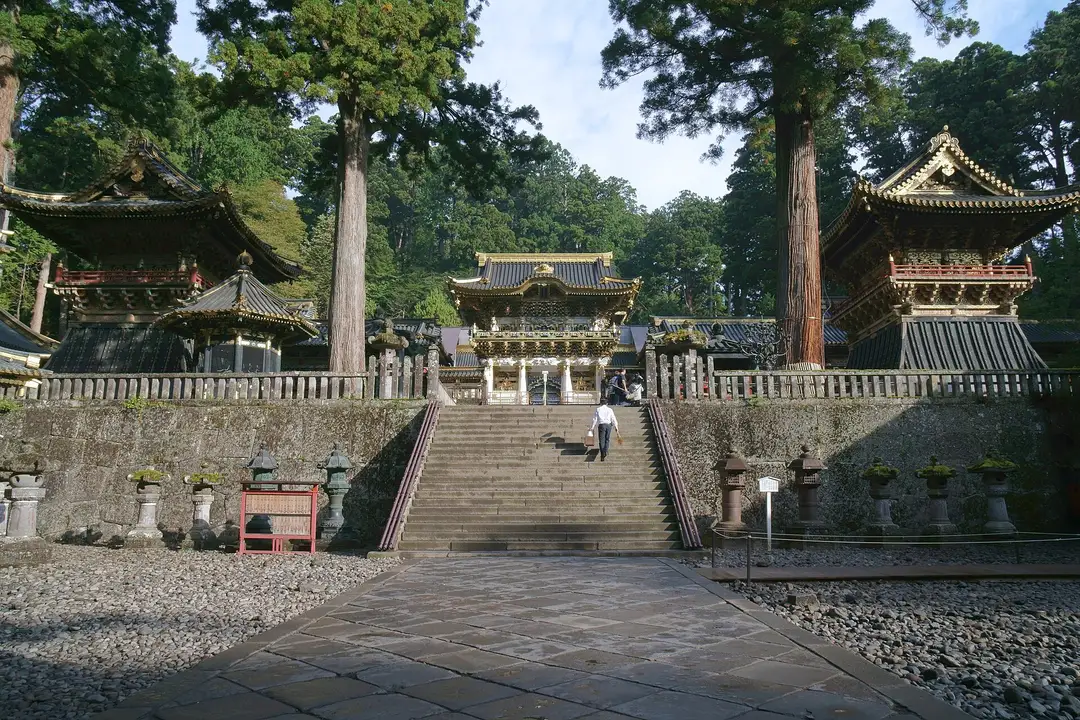
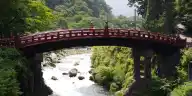
Nikko คือวันเดย์ทริปทางเหนือ ขึ้นไปบนภูเขา และเป็นการเปลี่ยนบรรยากาศอย่างสิ้นเชิงจากตัวเมือง — ป่าสนซีดาร์ น้ำตก และหนึ่งในหมู่ศาลเจ้าที่ตกแต่งวิจิตรบรรจงที่สุดในญี่ปุ่น Nikko Toshogu คือสุสานของโชกุนผู้รวมประเทศเป็นหนึ่ง และต่างจากความสำรวมที่คุณจะได้สัมผัสจากศาลเจ้าอื่นๆ ที่นี่แกะสลักและปิดทองอย่างงดงามตระการตาราวกับท้าทาย — ทองคำเปลว สัตว์ที่ทาสี และลิงสามตัวอันโด่งดังอยู่ในนั้นด้วย มีคำกล่าวเก่าแก่ว่า Nikko คือที่ที่คำว่า 'งามตระการ' (magnificent) ในภาษาญี่ปุ่นได้รับการพิสูจน์ และเมื่อยืนอยู่ใต้ประตู Yomeimon คุณจะรู้สึกได้ว่ามันมาจากไหน นอกจากศาลเจ้าแล้ว ถนนสายต้นซีดาร์และอากาศบนภูเขาก็ทำให้การนั่งรถออกมาไกลนั้นคุ้มค่า
ถ้าคุณมีเวลาเพิ่มอีกหนึ่งวัน ผมจะเสนอสองทิศทางที่ต่างกันมาก และไม่มีทางไหน 'ถูกต้อง' — มันแค่เหมาะกับอารมณ์คนละแบบ
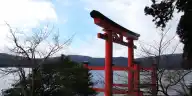
ออกไป Hakone เพื่อน้ำพุร้อน และในวันฟ้าใส ก็ได้เห็น Mt Fuji Hakone คือที่หลบภัยออนเซ็นบนภูเขาทางตะวันตกเฉียงใต้ของเมือง ไปถึงได้ด้วย Odakyu Romancecar จาก Shinjuku ส่วนที่น่ารักคือวงรอบ: รถไฟภูเขาเล็กๆ วิ่งสลับฟันปลาขึ้นไปสู่เคเบิลคาร์ แล้วกระเช้าลอยฟ้าลอยเหนือหุบเขา Owakudani ที่พ่นไอน้ำ จากนั้นเรือข้ามทะเลสาบ Ashi ที่ซึ่ง Fuji ผุดขึ้นเหนือฝั่งไกลเมื่อฟ้าเป็นใจ — และ Hakone Freepass ใบเดียวครอบคลุมวงรอบทั้งหมด วิธีที่จะสัมผัสมันอย่างเต็มที่คือค้างหนึ่งคืนในเรียวกังแล้วแช่ออนเซ็น (Mt Fuji มีไกด์ WMJS ของตัวเองอยู่ในภูมิภาค Chubu ส่วน Fuji Five Lakes ไปถึงได้ด้วยสายรถไฟคนละสาย ไม่ใช่วงรอบ Hakone)
หรือใช้เวลาริมอ่าวโตเกียวอย่างเนิบช้า เริ่มก่อนฟ้าสางที่ Toyosu Market — ตลาดค้าปลาส่งที่ทำงานจริงซึ่งรับช่วงต่อจาก Tsukiji เก่า ที่ซึ่งมีการประมูลปลาทูน่าอยู่ด้านล่างและอาหารเช้าก็สดใหม่จริงๆ — แล้วใช้เวลาบ่ายในที่ที่อยู่ห่างไปไม่กี่นาทีภายใน teamLab Planets ที่ Toyosu นี่คือตัวเลือกที่นุ่มนวลกว่า หากการใช้อีกวันในโตเกียวน่าสนใจกว่าการเดินทางออกไป
ถ้าคุณมีเวลาน้อย ทริปนี้ย่อลงได้โดยไม่เสียหัวใจของมัน ผมจะ เก็บวันเดย์ทริปไว้หนึ่งแทนที่จะเป็นสอง — Kamakura ง่ายกว่าและสั้นกว่า ส่วน Nikko ตื่นตาตื่นใจกว่าแต่เดินทางไกลกว่า — แล้วให้เวลาสองวันในโตเกียวมีที่หายใจมากขึ้นสักหน่อย หรือผมจะ ทำครึ่งโตเกียวให้เป็นวันเดียวที่เนิบช้ากว่า โดยเลือกเอาระหว่างฝั่งตะวันออกเมืองเก่ากับใจกลางสีเขียว แทนที่จะเอาทั้งสอง สิ่งที่ผมจะไม่ทำคือพยายามยัดทุกอย่างลงในเวลาที่น้อยลง เพราะโตเกียวให้รางวัลกับการเดินผ่านช้าๆ มากกว่าการเดินให้ครบมากนัก เลือกสองหรือสามที่ที่ดึงดูดใจคุณมากที่สุด แล้วปล่อยให้มันได้หายใจ
บล็อกนี้ส่งต่อได้อย่างราบรื่นในสองทิศทาง ทางตะวันตก Tokaido Shinkansen วิ่งจาก Tokyo หรือ Shinagawa ไปทาง Kyoto และ Osaka ในเวลาเพียงกว่าสองชั่วโมง — ส่งต่ออย่างลื่นไหลสู่ บล็อก Kansai หัวใจเก่าแก่กว่าของญี่ปุ่น ทางเดินสายเดียวกันนี้ผ่าน Odawara (ประตูสู่ Hakone) และเชิง Mt Fuji ดังนั้นค่ำคืนออนเซ็นจึงเสียบเข้ากับจุดเริ่มต้นของการเดินทางไปทางตะวันตกได้อย่างเป็นธรรมชาติ มีสิ่งหนึ่งที่ต้องจำ: บัตร IC เปล่าๆ แตะขึ้นชินคันเซ็นไม่ได้ — คุณต้องลงทะเบียนกับ Smart-EX หรือซื้อตั๋วแยกสำหรับเที่ยวระยะไกลเหล่านั้น
WMJS เขียนขึ้นในญี่ปุ่นโดยคนญี่ปุ่นคนหนึ่งที่อยากให้คุณรู้จักญี่ปุ่นมากขึ้นอีกนิด และแปลเป็นภาษาไทยโดยมี AI ช่วย เราตรวจทุกหน้า แต่เราไม่ใช่เจ้าของภาษาไทย ถ้าประโยคไหนอ่านแล้วแปลก ๆ บอกเราได้เลย แค่ประโยคเดียวก็พอ
ขอบคุณ ทุกข้อความมีคนอ่านจริง ๆ
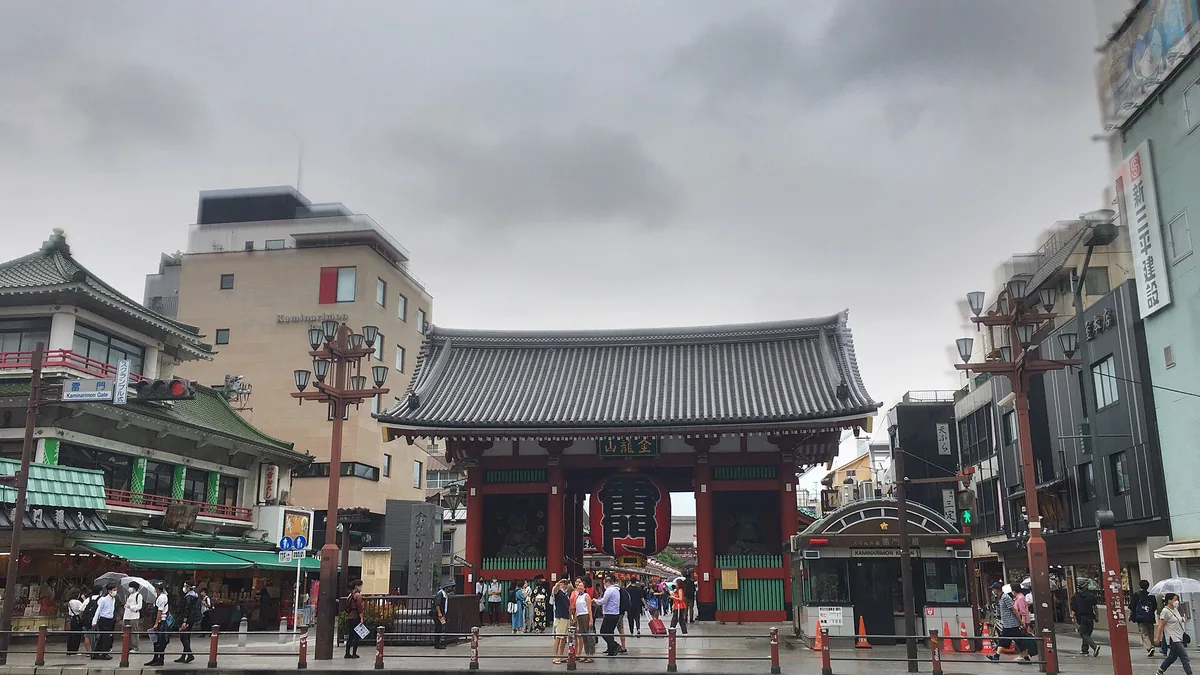
วัดเซนโซจิคุ้มค่ากับการไปเยือนไหม? เราถ่วงน้ำหนักเสียงนักเดินทาง 125 เสียง: 54% บอกว่าคุ้มค่าอย่างชัดเจน พร้อมเวลาเปิด ค่าเข้าชมฟรี เวลาที่ควรเผื่อ และเหตุผลที่ฝูงชนเป็นส่วนหนึ่งของการสวดมนต์มาตลอด รวมถึงไกด์เสียง
Senso-ji Temple
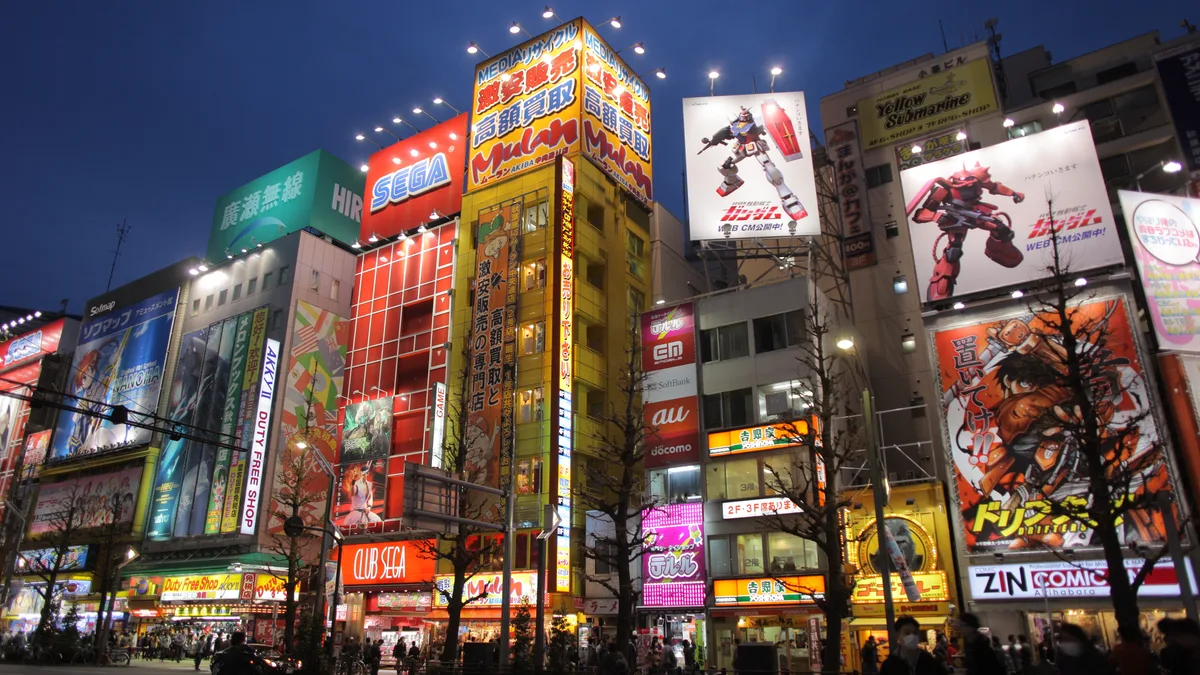
อากิฮาบาระคุ้มไปไหม? จากความเห็นนักเดินทาง 149 คนที่ถ่วงน้ำหนักแล้ว 29% บอกว่าคุ้มแน่นอน 44% บอกว่าคุ้มถ้าชอบอนิเมะ เกม หรือเครื่องใช้ไฟฟ้า ส่วนคนญี่ปุ่น 69% ชื่นชอบที่นี่ พร้อมผังย่าน วิธีเดินทาง ที่นี่เหมาะกับใคร และไกด์เสียง
Akihabara (Electric Town)
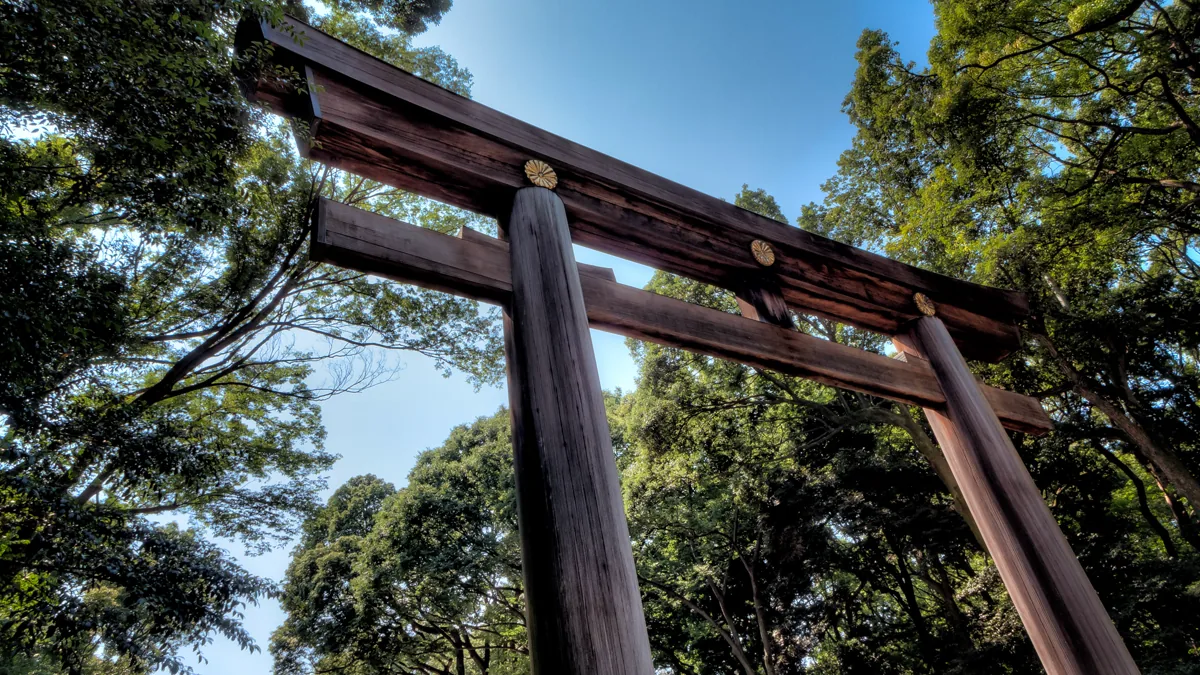
เมจิจิงงูคุ้มค่ากับการไปเยือนไหม? เราถ่วงน้ำหนักเสียงนักเดินทาง 70 เสียง: 75% บอกว่าคุ้มค่า และคนญี่ปุ่นให้คะแนนอุ่นกว่าที่ 82% เข้าชมฟรี เป็นป่าขนาด 70 เฮกตาร์ที่ปลูกด้วยมือทั้งหมดเมื่อปี 1920 มีโทริอิใหญ่และบ่อน้ำเคียวมาสะในสวนชั้นใน พร้อมไกด์เสียง
Meiji Jingu
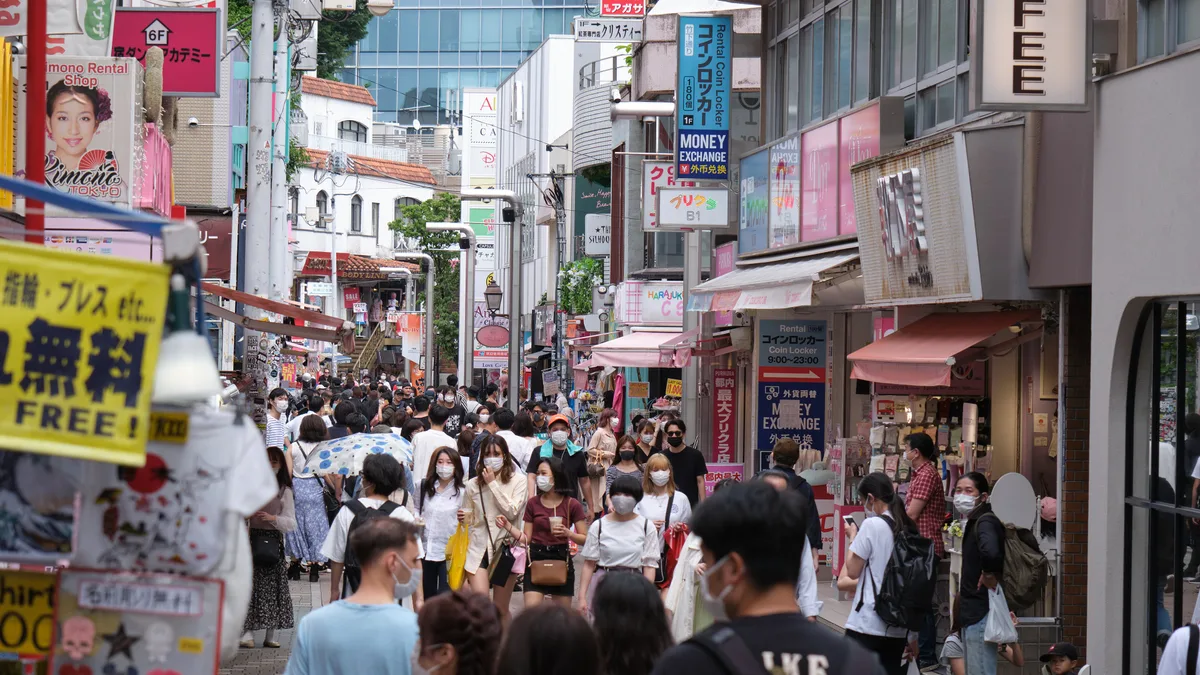
ฮาราจูกุคุ้มค่ากับการไปเยือนไหม? จากเสียงนักเดินทาง 99 เสียงที่นับเสียงละหนึ่ง 64% บอกว่าคุ้ม ถ้าเลี่ยงถนนทาเคชิตะช่วงคนแน่นไปเดินแคตสตรีทและโอโมเตซันโด พร้อมเรื่องเครป แฟชั่น kawaii วิธีเดินทาง และไกด์เสียง
Harajuku
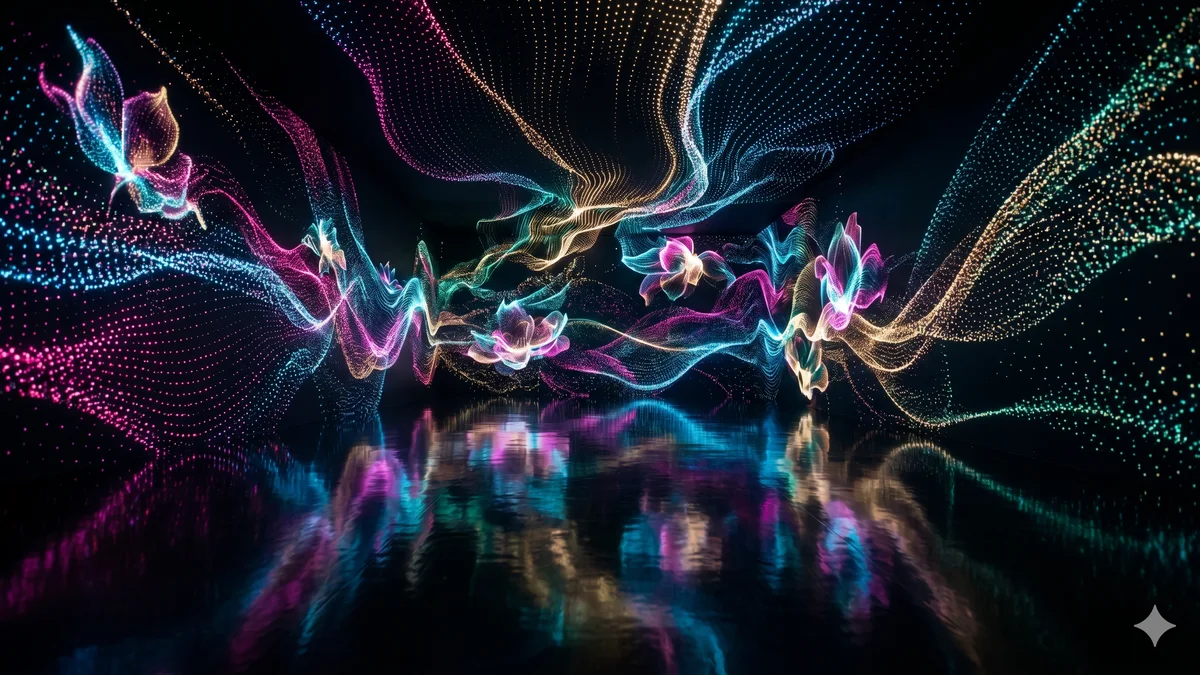
teamLab โตเกียวคุ้มไหม? เราถ่วงน้ำหนักเสียงนักเดินทาง 79 เสียง: 57% บอกว่าคุ้มค่า ส่วนนักรีวิวชาวญี่ปุ่นให้ 75% ที่อุ่นกว่า พร้อมวิธีเลือกระหว่าง Borderless กับ Planets การจอง การแต่งกาย รวมถึงไกด์เสียง
teamLab Tokyo
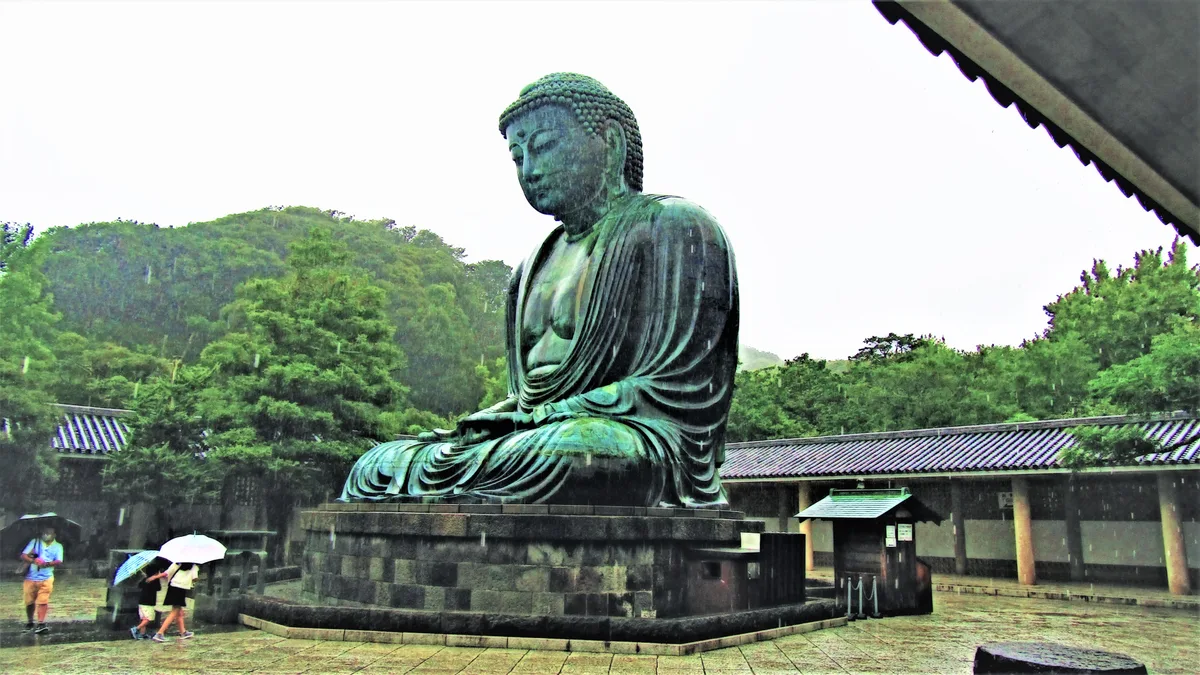
คามาคุระคุ้มไหม? เรานับเสียงนักท่องเที่ยว 177 เสียง เสียงละครั้ง: 73% บอกว่าคุ้ม มีเพียง 5% ที่ผิดหวัง พบพระใหญ่ที่ประทับกลางแจ้งมาตั้งแต่วิหารถูกพัดหายไป ศาลเจ้าของเมืองหลวงซามูไรแห่งแรกของญี่ปุ่น และรถไฟสายเล็กเอโนเด็นที่พาไปถึงทะเล พร้อมไกด์เสียง
Kamakura
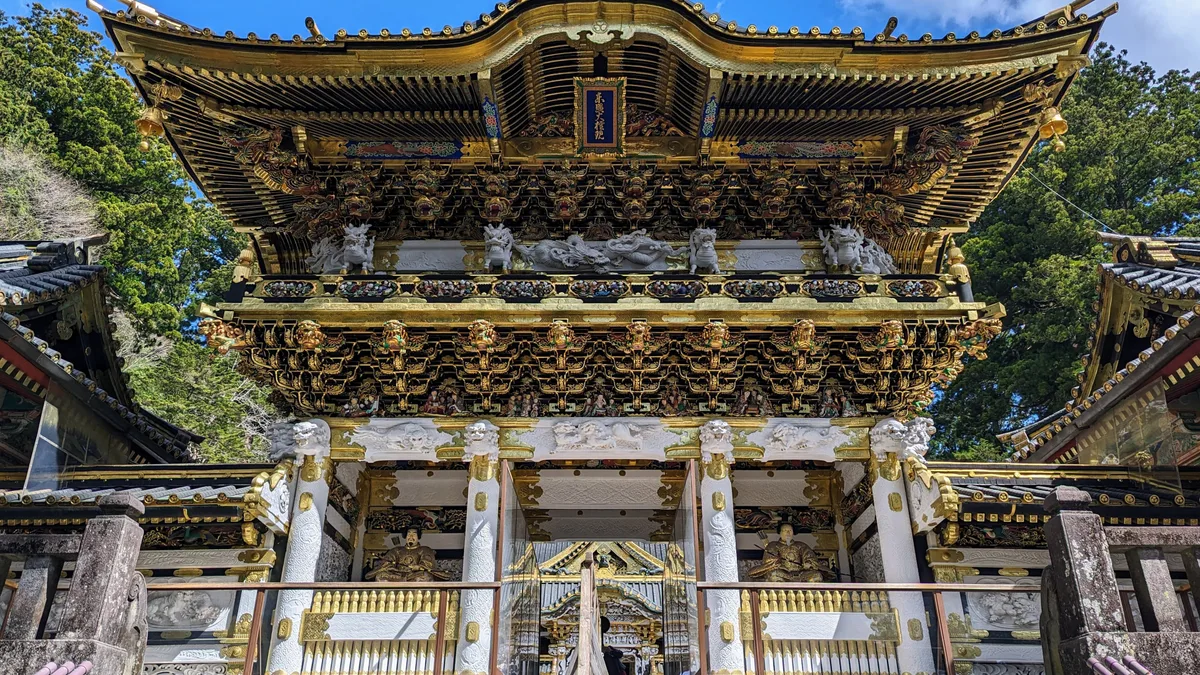
ไกด์เสียงเชิงวัฒนธรรมสู่นิกโกโทโชกุ โชกุนผู้กลายเป็นเทพ ลิงสามตัว ตรวจสอบกับแหล่งข้อมูลทางการ พร้อมวิธีเดินทางและเข้าชม
Nikko Toshogu
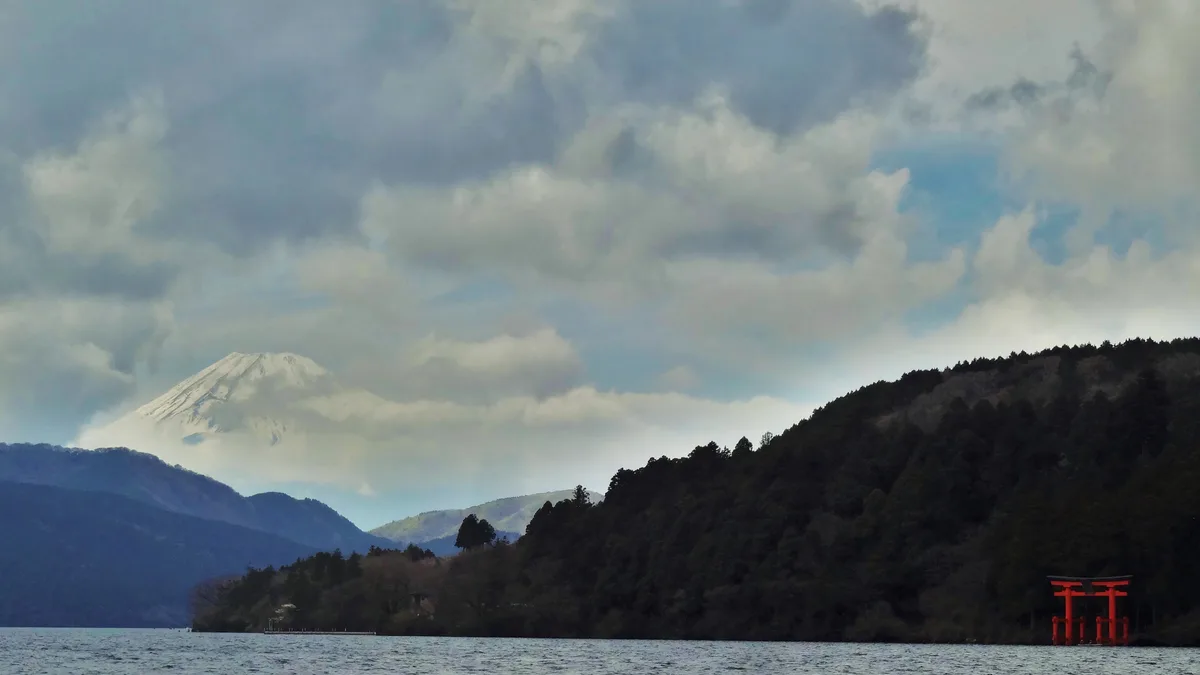
ไปฮาโกเน่คุ้มไหม? จากความเห็นนักท่องเที่ยว 186 คนที่ถ่วงน้ำหนักแล้ว 59% บอกว่าคุ้ม มีเพียง 15% ที่ผิดหวัง รู้จักเส้นทางวนรอบภูเขาด้วยรถไฟภูเขา เคเบิลคาร์ กระเช้าลอยฟ้า และเรือ ที่มีออนเซ็นเป็นหัวใจ พร้อมข้อมูลพาส ช่วงเวลาที่ควรไป และไกด์เสียง
Hakone (Lake Ashinoko)
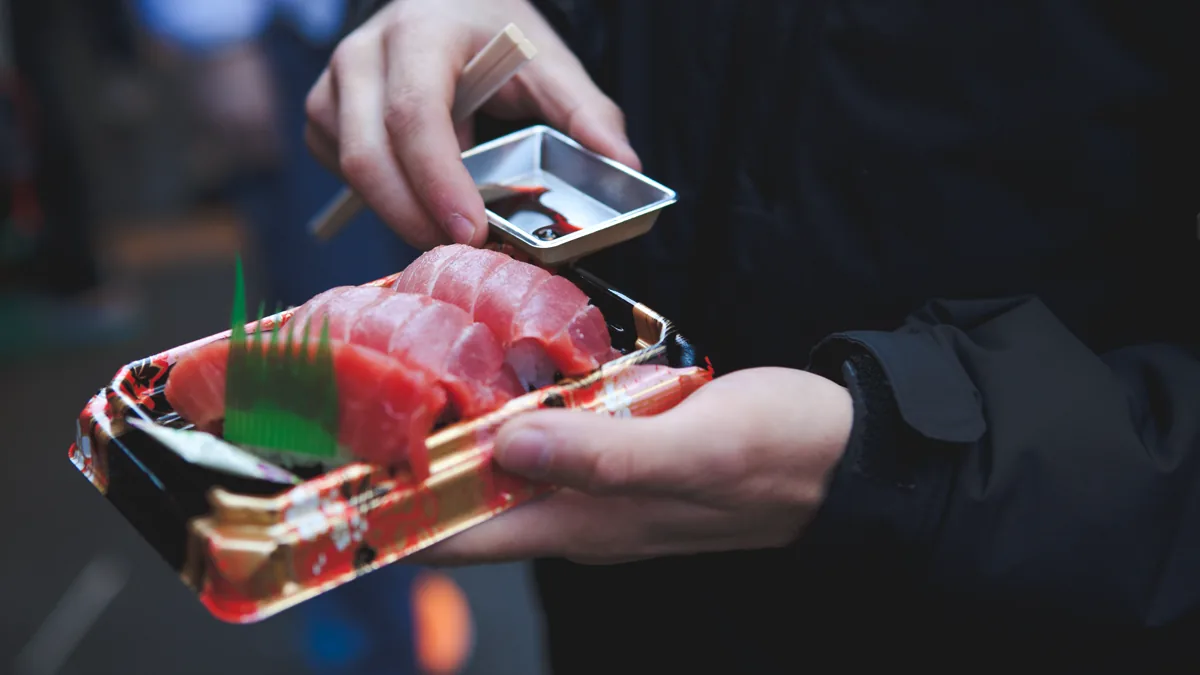
รู้จัก Toyosu (ตลาดประมูลปลาทูน่า) กับ Tsukiji (ถนนของกินในตำนาน) ฉบับเข้าใจง่าย พร้อมเวลา การเดินทาง และมารยาทเล็กๆ ให้คุณเที่ยวสบายใจ
Toyosu Market & Tsukiji Outer Market

หัวใจเก่าแก่ของญี่ปุ่น — เกียวโต นารา โอซาก้า — ในจังหวะที่สบายๆ
ภูเขาและเมืองเก่า — มัตสึโมโตะ ทาคายามะ ชิราคาวาโกะ คานาซาว่า — ในจังหวะที่ต้องจองล่วงหน้า
ดินแดนชายแดนทางเหนือของญี่ปุ่น Sapporo และ Otaru, เนินลาเวนเดอร์หรือหิมะ, หุบเขาออนเซ็นที่พ่นไอน้ำ และ Hakodate ด้วยจังหวะที่ไม่เร่งรีบและนำโดยฤดูกาล
คนรักปราสาทเที่ยวกันจริงๆ อย่างไร: เส้นทางจาริกจาก Osaka ไปทางตะวันตกจนถึง Shikoku ที่ช่วยให้คุณดูปราสาทเป็น
เส้นทางโกลเด้นรูตจากโตเกียวสู่เกียวโตที่เที่ยวตามซากุระ พร้อมวิธีติดตามแนวซากุระบานแบบคนท้องถิ่น ให้การที่กำหนดวันล่วงหน้าไม่ได้กลายเป็นส่วนที่สนุกที่สุดของทริป
เกียวโตในช่วงเมเปิลพีค และวิธีดูว่าใบไม้แต่ละที่เปลี่ยนสีเมื่อไร เพื่อให้ไปถึงตอนที่ใบไม้สวยพอดี
พักที่โตเกียวที่เดียว วันละหนึ่งกิจกรรมหลัก เที่ยวญี่ปุ่นที่พร้อมรองรับครอบครัว ตามจังหวะของเจ้าตัวเล็ก