
ญี่ปุ่นทำงานอย่างไร
This page is also available in English.Read in English →
このページは日本語でも読めます。日本語で読む →
이 페이지는 한국어로도 읽을 수 있습니다.한국어로 읽기 →
這個頁面也有繁體中文版。閱讀繁體中文版 →
这个页面也有简体中文版。阅读简体中文版 →
Trang này cũng có bản tiếng Việt.Đọc bằng tiếng Việt →
Halaman ini juga tersedia dalam Bahasa Indonesia.Baca dalam Bahasa Indonesia →
Cette page existe aussi en français.Lire en français →
Diese Seite gibt es auch auf Deutsch.Auf Deutsch lesen →
Esta página también está disponible en español.Leer en español →
Questa pagina è disponibile anche in italiano.Leggi in italiano →
ดินแดนชายแดนทางเหนือของญี่ปุ่น Sapporo และ Otaru, เนินลาเวนเดอร์หรือหิมะ, หุบเขาออนเซ็นที่พ่นไอน้ำ และ Hakodate ด้วยจังหวะที่ไม่เร่งรีบและนำโดยฤดูกาล
ตรวจสอบล่าสุด: 2026-07-21
แผนนี้เหมาะกับใคร
Two seasons define the trip: summer lavender hills, or winter snow and the Sapporo Snow Festival in early February.
ฮอกไกโดให้ความรู้สึกเหมือนเป็นญี่ปุ่นอีกแบบหนึ่ง และในบางแง่มันก็เป็นเช่นนั้นจริงๆ ส่วนอื่นของประเทศมีประวัติศาสตร์นับพันปีทับซ้อนกันอยู่ในเมืองหลวงเก่าแก่ ส่วนฮอกไกโดเพิ่งมีผู้คนเข้าไปตั้งถิ่นฐานอย่างจริงจังในยุคเมจินี่เอง เมืองต่างๆ จึงยังใหม่และถูกวางผังอย่างตั้งใจ ผืนดินกว้างใหญ่และเปิดโล่งในแบบที่ไม่มีที่ใดบนเกาะฮนชูเป็นได้ และฤดูกาลก็แกว่งไปสุดขั้วจนกำหนดรูปแบบของทริปได้อย่างแท้จริง สิ่งแรกที่ต้องตัดสินใจไม่ใช่ ที่ไหน แต่เป็น เมื่อไหร่ มาช่วงเดือนกรกฎาคมแล้วทริปนี้จะเป็นเรื่องของเนินลาเวนเดอร์และค่ำคืนอันเย็นสบายยาวนาน มาช่วงเดือนกุมภาพันธ์แล้วมันจะเป็นเรื่องของเทศกาลหิมะและหิมะผงเบานุ่มจนนักสกีบินข้ามโลกมาเพื่อมันโดยเฉพาะ ฤดูใบไม้ผลิและฤดูใบไม้ร่วงคือช่วงรอยต่อที่เงียบสงบและงดงามอยู่ตรงกลาง ฉันจึงอยากให้มองสิ่งนี้เป็นโครงห้าวันแบบหลวมๆ เอนไปทางยาวสักหน่อย เพราะฮอกไกโดกว้างใหญ่ และฉันอยากให้เวลากับมันมากกว่าจะเร่งรีบ
รูปทรงของมันง่ายกว่าที่ขนาดชวนให้คิด เกือบทุกอย่างเริ่มต้นที่ Sapporo ซึ่งเป็นศูนย์กลางของเกาะ และจากที่นั่นฮอกไกโดจะดึงคุณไปสองทาง คือ ทางตะวันออกเฉียงเหนือ สู่เนินเขา Furano และ Biei ที่ลาดเลื่อน และ ทางใต้ ลงไปตามแนวหุบเขาออนเซ็นที่พ่นไอน้ำ ไปสู่ Hakodate ท่าเรือเก่าที่เคยเป็นประตูทางเหนือของญี่ปุ่นสู่โลก ทริปแบบกระชับจะเลือกแขนข้างเดียว ส่วนทริปที่ยาวกว่าทำได้ทั้งสองข้าง รถไฟทำงานส่วนใหญ่แทนคุณ คุณต้องการรถยนต์จริงๆ ก็เพียงแค่ตอนไปเนินเขา Biei เท่านั้น และฉันจะวางให้ดูว่าฉันจะเคลื่อนตัวอย่างไร จะนอนที่ไหน และจุดแลกเปลี่ยนที่ต้องยอมรับตามจริงอยู่ตรงไหน เพื่อให้คุณแยกชิ้นส่วนออกมาแล้วประกอบใหม่รอบฤดูกาลและจังหวะของคุณเอง
การเลือกที่นอนในฮอกไกโดแท้จริงแล้วคือคำถามว่าคุณจะแบ่งระยะทางอย่างไร เพราะเกาะนี้ใหญ่เกินกว่าจะไปเช้าเย็นกลับทั้งเกาะจากฐานเดียว ข่าวดีคือภูมิศาสตร์ของมันมีจุดกลางที่ชัดเจนและจุดจบที่ชัดเจน
Sapporo คือศูนย์กลาง และเป็นที่ที่ฉันจะเริ่มต้น มันคือหัวใจการคมนาคมของฮอกไกโด สาย JR ไป Otaru ทางตะวันออกเฉียงเหนือและทางใต้ล้วนออกจาก Sapporo Station และใจกลางเมืองถูกสร้างมาเพื่อฤดูหนาวของมันอย่างแท้จริง ทางเดินใต้ดินเชื่อม Sapporo Station, Odori และ Susukino ไว้ในระเบียงอบอุ่นเรียงรายด้วยร้านค้าเดียวกัน ดังนั้นไม่ว่าคุณจะพักที่ไหนในสามแห่งนี้ คุณก็อยู่ห่างจากรถไฟและอาหารเพียงไม่กี่นาทีอันอบอุ่น ฉันจะปักหลักที่นี่สองคืนแรกและใช้มันเที่ยวเมืองและไปเช้าเย็นกลับที่ Otaru
แล้วก็มาถึงส่วนที่ต้องพูดกันตามจริง จาก Sapporo เกาะนี้ดึงคุณไปสองทางตรงข้ามกัน เนินเขา Furano และ Biei อยู่ทางตะวันออกเฉียงเหนือ หุบเขาออนเซ็นและ Hakodate อยู่ทางใต้ คุณไม่สามารถนอนขึ้นไปบน Furano แล้ว ไถลลงไป Hakodate ได้โดยไม่ต้องย้อนกลับข้ามทั้งเกาะ ทริปที่ยาวกว่าจึงถือ Furano เป็นทริปไปเช้าเย็นกลับจาก Sapporo แล้วค่อย หันลงใต้ ส่วนทริปที่สั้นกว่าก็เพียงเลือกแขนข้างเดียว ฉันจะสร้างช่วงขาลงใต้รอบ หนึ่งคืนออนเซ็น ที่ Noboribetsu หรือ Lake Toya ซึ่งเปลี่ยนการเดินทางอันโหดร้ายจาก Sapporo ไป Hakodate ให้กลายเป็นครึ่งวันที่อ่อนโยนสองช่วงโดยมีบ่อน้ำพุร้อนอยู่ตรงกลาง
คืนสุดท้ายเป็นของ Hakodate ลงไปที่ปลายสุดทางใต้ของเกาะ เพราะที่นั่นคือจุดที่ทริปจบลงอย่างเป็นธรรมชาติ ไม่ว่าจะบินออกในเช้าถัดไป หรือเดินทางต่อลงใต้ใต้ท้องทะเลด้วย Shinkansen (ไม่มีจุดแวะเหล่านี้ยกเว้น Hakodate ที่มีไกด์ WMJS แล้ว ฉันจึงเอ่ยชื่อ Sapporo, Otaru, Furano และเมืองออนเซ็นตามตรงมากกว่าจะใส่ลิงก์)
ฮอกไกโดขับเคลื่อนด้วย JR และสำหรับทริปนี้รถไฟคือกระดูกสันหลัง รถด่วนพิเศษลงใต้สู่หุบเขาออนเซ็นและ Hakodate (สาย Hokuto และ Suzuran) และขึ้นตะวันออกเฉียงเหนือสู่เนินเขา (สาย Lilac และ Kamui) โดยมีสายท้องถิ่นเติมเต็มรอบ Sapporo และออกไปยังชนบท Furano-Biei
สิ่งหนึ่งที่ต้องเข้าใจก่อนแตะบัตร บัตร IC อย่าง Suica ของคุณ หรือ Kitaca ท้องถิ่น ใช้ได้เพียงสองพื้นที่ของฮอกไกโดเท่านั้น คือพื้นที่ Sapporo-Asahikawa และพื้นที่ Hakodate และแม้ในนั้นก็จ่ายเพียง ค่าโดยสารพื้นฐานเท่านั้น รถด่วนพิเศษทุกขบวนต้องซื้อตั๋วด่วนพิเศษ (และตั๋วที่นั่งจอง) แยกต่างหาก และคุณไม่สามารถใช้บัตรนั่งทะลุผ่านระหว่างสองพื้นที่ได้ ดังนั้นสำหรับการเดินทางไกลอย่าง Sapporo ไป Hakodate ให้ซื้อตั๋วกระดาษที่เคาน์เตอร์หรือตู้จำหน่าย มันไม่ยากเลย เพียงแต่ไม่ใช่การแตะแล้วผ่านอย่างในโตเกียว และการรู้ไว้ช่วยให้ไม่งงที่ประตูทางเข้า รายละเอียดอยู่ในกล่องข้อมูล
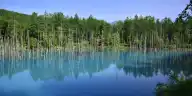
รถยนต์เป็นทางเลือก และฉันจะเช่ามาเพียงเพื่อเนินเขา Biei เท่านั้น ที่ซึ่งทุ่งนาลายผ้าและบ่อน้ำสีฟ้าอันโด่งดังกระจายตัวอยู่ตามถนนชนบทที่มีรถบัสน้อย ที่นั่นรถยนต์ (หรือจักรยานเช่าในฤดูร้อน) เปลี่ยนวันที่น่าหงุดหงิดให้กลายเป็นวันที่น่ารื่นรมย์ ที่อื่นทั้งหมดรถไฟง่ายกว่า หากคุณจะขับรถ ให้จัดการเอกสารก่อนบิน ญี่ปุ่นต้องการใบอนุญาตขับขี่สากลแบบ สมุดเล่ม และใบขับขี่ของบางประเทศต้องมีคำแปลภาษาญี่ปุ่นอย่างเป็นทางการแทน (กล่องข้อมูลด้านล่าง)
นิสัยน่ารักอย่างหนึ่งของฮอกไกโดที่คุณจะรู้สึกได้มากกว่าจะเห็น ที่นี่เป็นดินแดนที่สร้างขึ้นรอบหิมะและระยะทาง สิ่งต่างๆ จึงดำเนินไปช้าลงนิดและอบอุ่นขึ้นหน่อย รถไฟทางไกลที่มีหน้าต่างกว้าง เมืองที่ยื่นบ่อน้ำพุร้อนให้คุณเมื่อสิ้นสุดวันเดินทาง ราเมนมิโสะหรือซุปแกงกะหรี่หนึ่งถ้วยที่รออยู่ตอนปลายค่ำคืนอันหนาวเย็น จังหวะช้าๆ นั่นแหละ คือหัวใจ
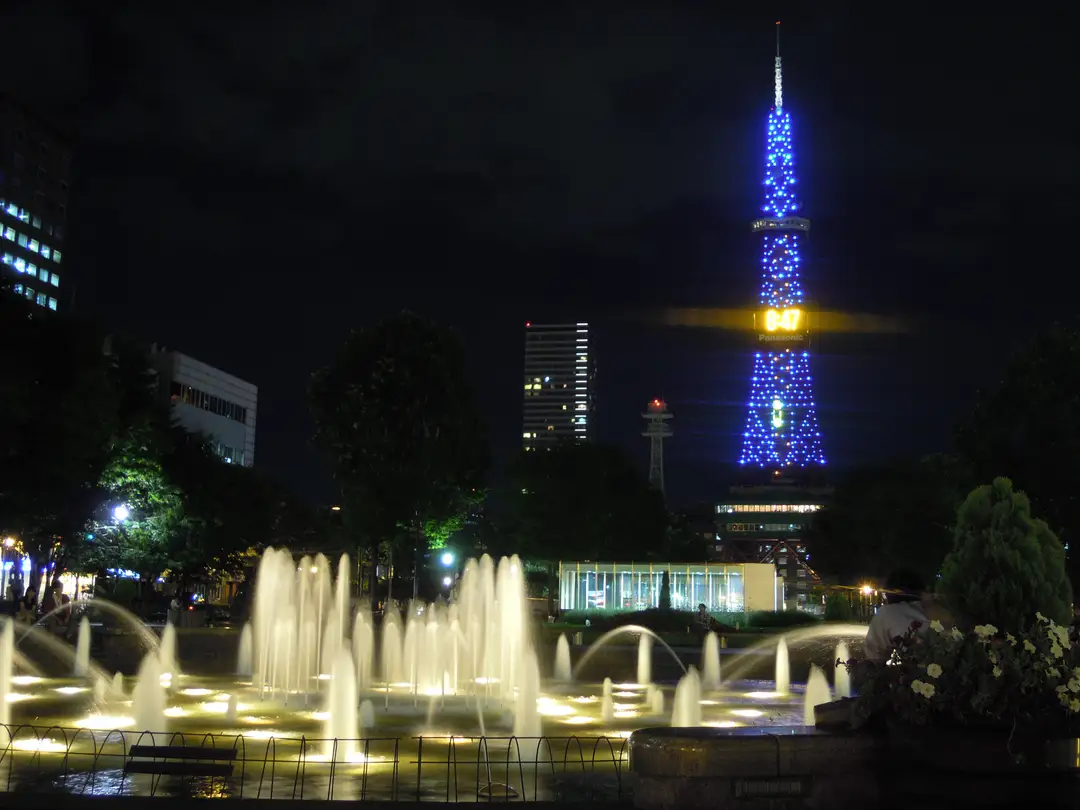
ฉันจะให้วันแรกกับ Sapporo และกับความประหลาดใจเล็กๆ ของมัน นี่คือเมืองที่ยังใหม่ ถูกวางผังอย่างตั้งใจ สร้างขึ้นจากแทบไม่มีอะไรในยุคชายแดนเมจิ ต่างจากเกียวโตหรือนาราตรงที่มันอ่านออกมาเหมือนตารางกริดที่มีแนวสีเขียวพาดกลาง แนวนั้นคือ Odori Park ที่ถูกตัดผ่านเมืองในปี 1871 เพื่อเป็นแนวกันไฟ และตอนนี้กลายเป็นสนามหญ้าและน้ำพุยาวสิบสามบล็อก (และในเดือนกุมภาพันธ์ก็เป็นประติมากรรมหิมะ) ฉันจะเดินมันจากปลายจรดปลาย ชมอาคารราชการเก่าอิฐแดงและหอนาฬิกาใกล้ๆ แล้วปล่อยให้ค่ำคืนเป็นเรื่องของอาหาร เพราะความอบอุ่นของ Sapporo คือครัวของมันโดยแท้จริง ที่นี่ไม่มีอะไรที่คุณจำเป็นต้องขีดออกจากรายการ ความเพลิดเพลินอยู่ที่ว่าใจกลางเมืองเดินได้ง่ายและไม่เร่งรีบเพียงใดหลังจากเมืองใหญ่ทางใต้
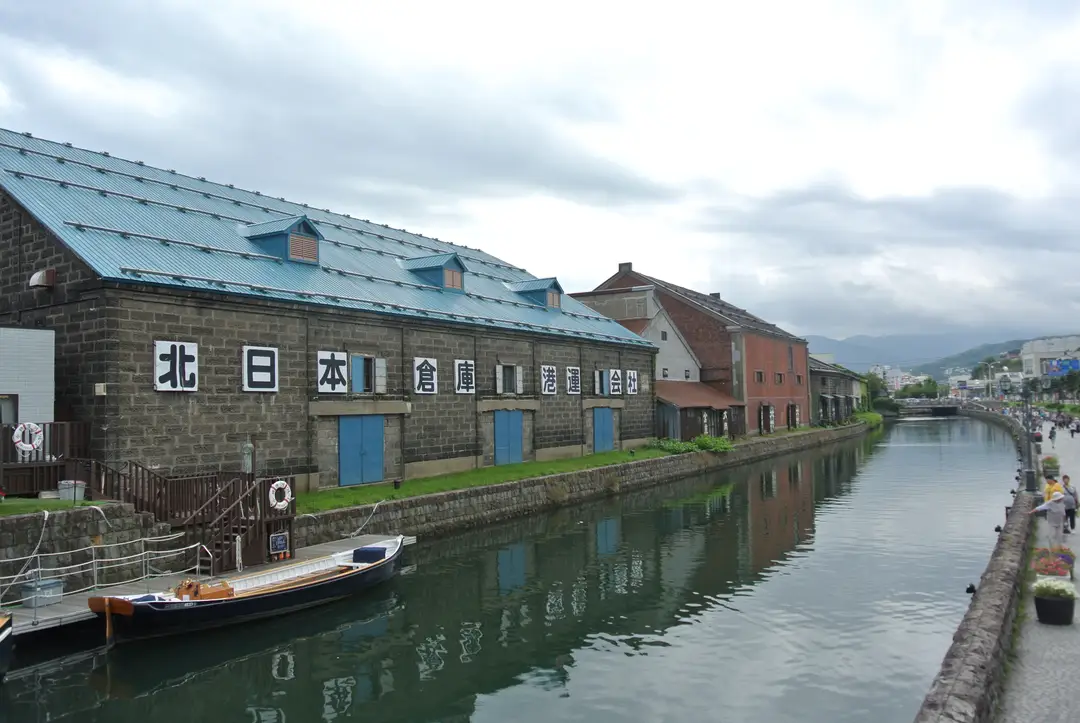
วันนี้ฉันจะนั่งรถระยะสั้นขึ้นตะวันตกเฉียงเหนือไปยัง Otaru เมืองท่าริมทะเลที่สวยและเงียบสงบกว่าที่ขนาดของมันชวนให้คิด และสิ่งที่งดงามที่สุดของมันก็เป็นบทเรียนเล็กๆ ว่าญี่ปุ่นหวงแหนอะไร เมื่อร้อยปีก่อน Otaru เป็นท่าเรือพาณิชย์ที่คึกคักที่สุดในภาคเหนือของญี่ปุ่น และคลองหินของมันคือเส้นเลือดหลักของการค้านั้น เมื่อการค้าเคลื่อนย้ายไป คลองก็ถูกทิ้งร้าง และในปี 1966 เมืองเสนอให้ถมมันเพื่อทำถนน ชาวเมืองรณรงค์เพื่อรักษามันไว้ ทางประนีประนอมที่ตกลงกันได้ในทศวรรษ 1980 เก็บผืนน้ำไว้เกือบทั้งหมดและเรียงรายทางเดินด้วยโคมแก๊สที่บูรณะขึ้นใหม่ ดังนั้นคลองที่คุณเดินเล่นในวันนี้อยู่ที่นั่นเพราะเมืองตัดสินใจว่าความทรงจำมีค่ามากกว่าถนนสายหนึ่ง ซึ่งเป็นความภูมิใจแบบฮอกไกโดมากๆ ฉันจะเดินชมโกดัง โรงงานแก้ว และถนนพ่อค้า แล้วกลับ Sapporo เพื่อค้างคืน
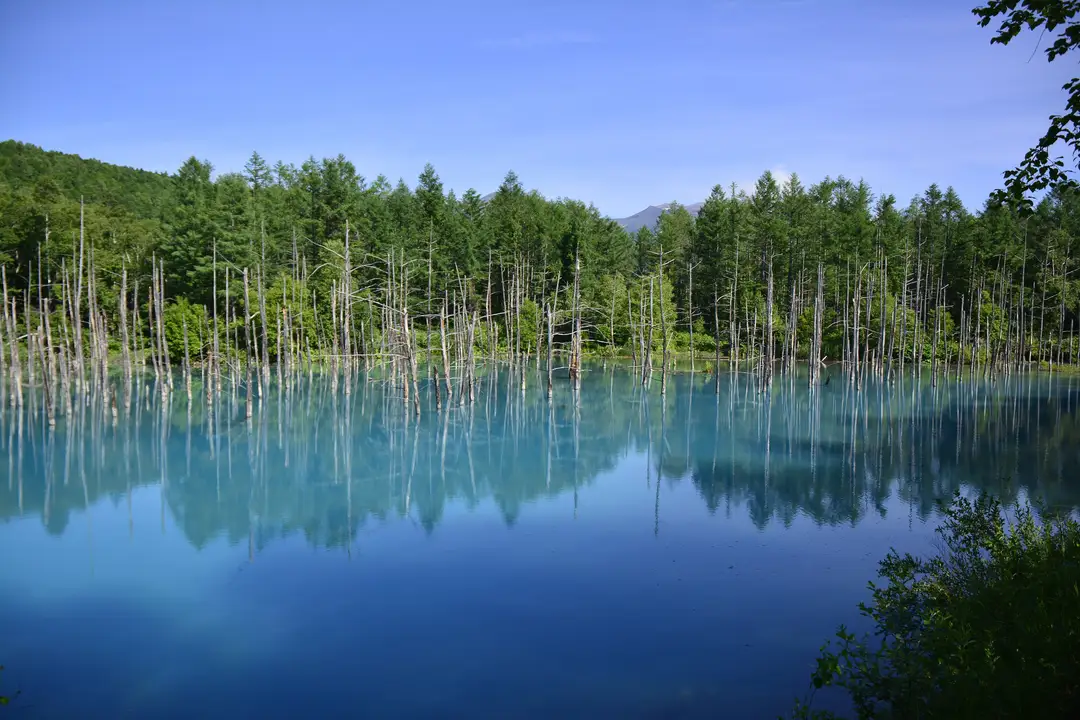
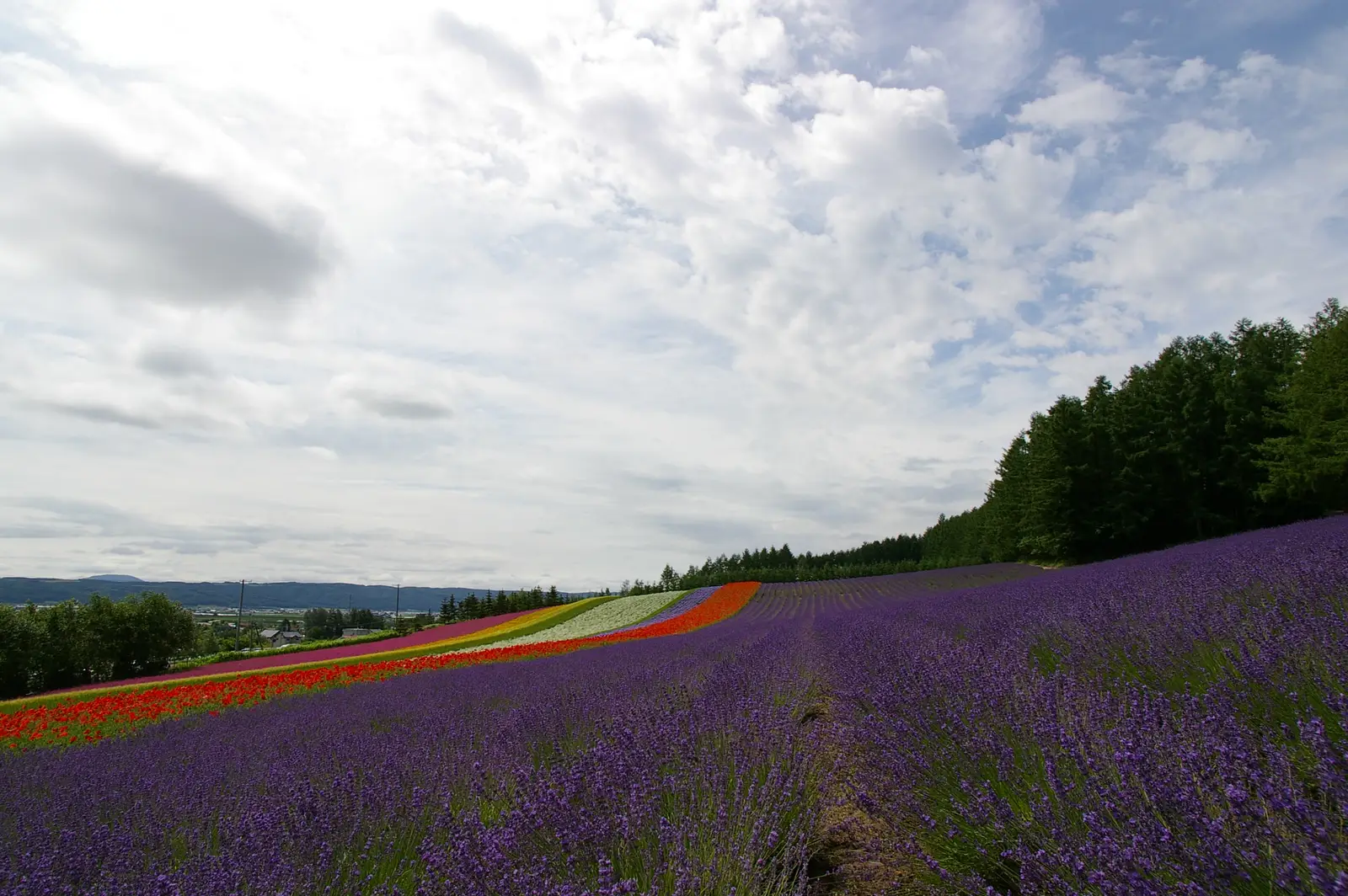
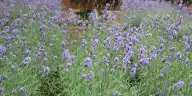
นี่คือวันที่เปลี่ยนไปทั้งหมดตามปฏิทิน และเป็นเหตุผลที่ฉันพูดอยู่เรื่อยๆ ว่าฮอกไกโดแท้จริงแล้วคือสองทริป ใน ฤดูร้อน ทางตะวันออกเฉียงเหนือเรียกหา เนินลาเวนเดอร์และทุ่งลายผ้ารอบ Furano และ Biei ห่างออกไปราวชั่วโมงครึ่งไปทาง Asahikawa จุดสูงสุดของสีม่วงคือเดือนกรกฎาคม ใน ฤดูหนาว คุณจะอยู่ใกล้ๆ และเอนเข้าหาความหนาว Sapporo Snow Festival ทำให้ Odori เต็มไปด้วยปราสาทน้ำแข็งแกะสลักในต้นเดือนกุมภาพันธ์ และ Niseko ทางตะวันตกเฉียงใต้ของเมือง มีหิมะผงที่ดึงดูดนักสกีจากทุกที่ ในช่วงฤดูรอยต่อ คุณก็เพียงให้วันนั้นกับอะไรที่อ่อนโยนกว่า เช่น Asahiyama Zoo, Otaru เพิ่มเติม หรือช่วงบ่ายในออนเซ็น ไม่มีเวอร์ชันไหนที่ 'ถูกต้อง' มันคือเวอร์ชันที่ฤดูกาลยื่นให้ และฉันจะวางทริปรอบเวอร์ชันที่คุณมาเพื่อมัน
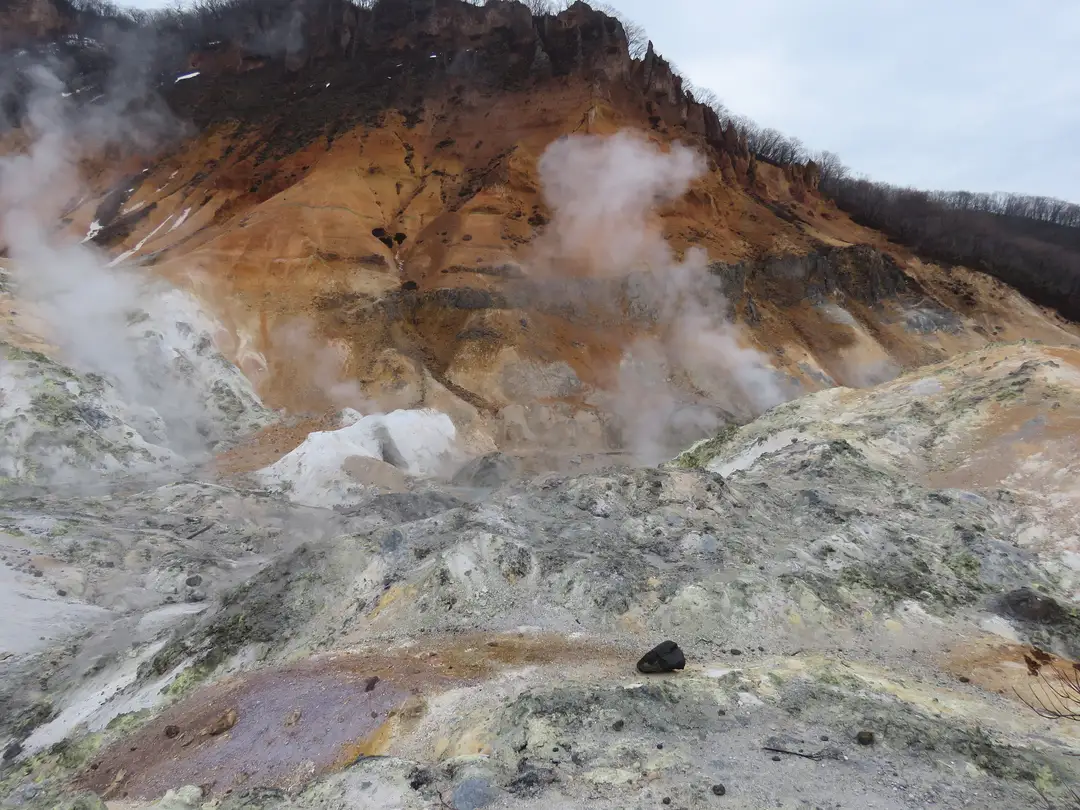
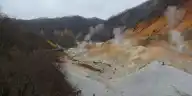
ตอนนี้ทริปหันลงใต้และลงเนินไปทาง Hakodate และวิธีที่อ่อนโยนในการทำเช่นนั้นคือแบ่งการเดินทางด้วยหนึ่งคืนในบ่อน้ำพุร้อน ซึ่งเป็นสิ่งที่ภูมิศาสตร์ยื่นให้พอดี รถด่วนพิเศษลงใต้จาก Sapporo ผ่านแนวภูเขาไฟที่ยังคุกรุ่น และเมืองออนเซ็นชั้นเยี่ยมสองแห่งของญี่ปุ่นตั้งอยู่บนเส้นทางนี้พอดี Noboribetsu สร้างขึ้นใต้ Jigokudani ของมันโดยตรง 'หุบเขานรก' ปล่องภูเขาไฟที่ดิบและพ่นไอน้ำ เต็มไปด้วยปล่องและกำมะถัน ซึ่งไม่น่ากลัวเลยเมื่อคุณเข้าใจมัน น้ำร้อนมากกว่าหนึ่งหมื่นตันต่อวันไหลออกจากหุบเขานั้นตรงเข้าสู่บ่อของเมือง ดังนั้น 'นรก' จริงๆ แล้วคือระบบท่อของความสบายทั้งหมดนั้น เลยไปอีกหน่อยคือ Lake Toya ทะเลสาบปากปล่องภูเขาไฟอันสงบเงียบที่ล้อมรอบด้วยออนเซ็น มีภูเขาไฟที่ยังคุกรุ่นอยู่บนชายฝั่งและพลุเหนือผืนน้ำเกือบทุกคืนตลอดฤดูอบอุ่น ฉันจะเลือกสักแห่ง มาถึงช่วงบ่าย แล้วปล่อยให้การแช่นานๆ ล้างวันเดินทางออกไป
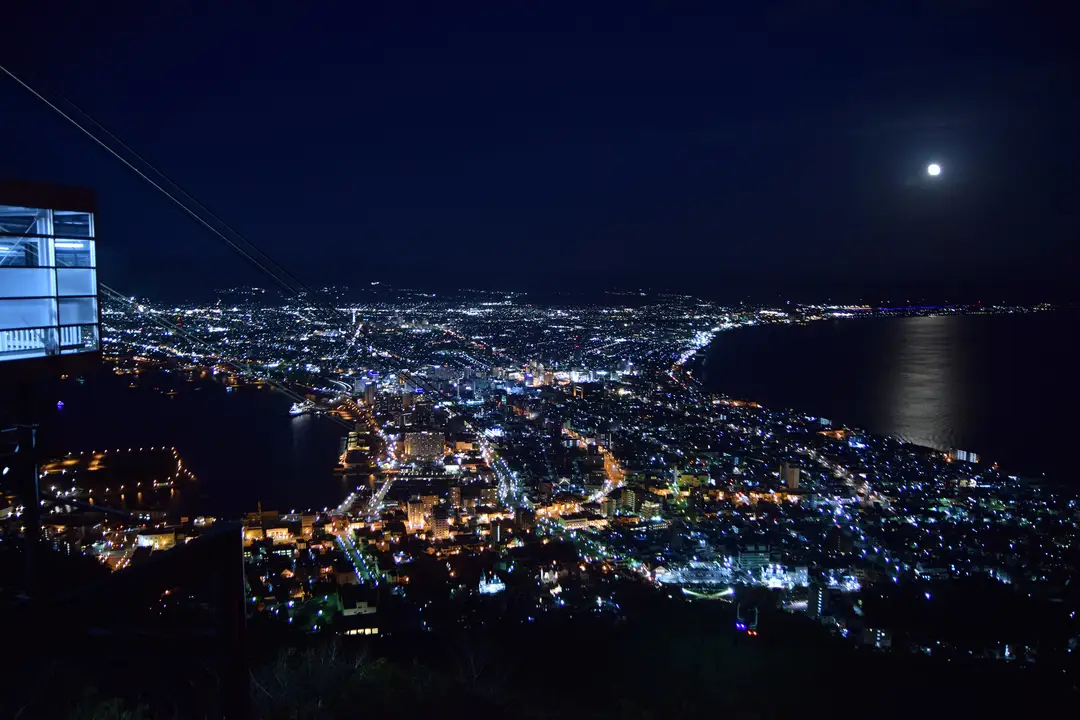
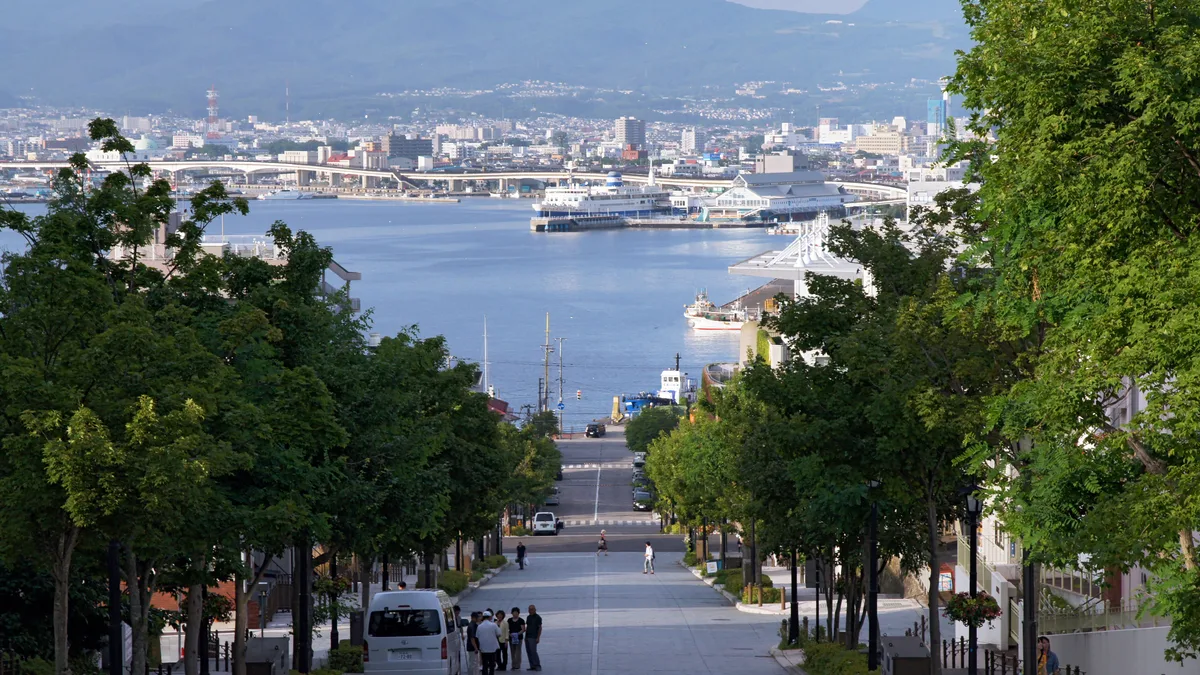
ทริปจบลงที่ Hakodate ท่าเรือเก่าที่ปลายสุดทางใต้ของฮอกไกโด และนี่คือจุดแวะเดียวที่มีไกด์ WMJS เต็มรูปแบบ ฉันจึงจะพูดสั้นๆ ที่นี่และส่งคุณไปที่นั่นเพื่อความลึก Hakodate เป็นหนึ่งในท่าเรือแรกๆ ที่ญี่ปุ่นเปิดสู่โลกในทศวรรษ 1850 และประวัติศาสตร์นั้นถูกเขียนไว้ทั่วเมือง เนินเขาใน Motomachi ที่โบสถ์ของหลายศาสนายืนเรียงเคียงกัน ริมอ่าวโกดังอิฐ ป้อมตะวันตกรูปดาวที่ Goryokaku ตลาดอาหารทะเลยามเช้าตรู่ข้างสถานี และวิวกลางคืนจาก Mt Hakodate ที่ผืนดินเองปั้นให้เป็นนาฬิกาทรายแห่งแสง จากที่นี่ทริปไม่จำเป็นต้องหยุด Shinkansen ตอนนี้วิ่งลงใต้ใต้ท้องทะเล Hakodate จึงเป็นบานพับสู่ส่วนอื่นของญี่ปุ่นด้วย
ฮอกไกโดตอบแทนวันที่เพิ่มขึ้นมากกว่าเกือบทุกที่ เพราะระยะทางเป็นเรื่องจริง และการยั่วให้เร่งรีบคือศัตรูเดียว หากมีวันว่างเพิ่ม ฉันจะเสนอไม่กี่ทิศทาง ไม่มีทิศไหนที่ 'ถูกต้อง'
ลึกเข้าไปทางตะวันออกเฉียงเหนือ หากวัน Furano-Biei ทำให้คุณอยากได้อีก Asahikawa เป็นฐานที่ดีสำหรับ Asahiyama Zoo และสำหรับ Daisetsuzan อุทยานแห่งชาติที่ใหญ่ที่สุดของฮอกไกโดและหลังคาของเกาะ อากาศบนภูเขาสูง บ่อน้ำพุร้อน และยอดเขาสูงสุดของฮอกไกโดคือ Asahidake วันภูเขาแท้ๆ
ชายฝั่ง Shakotan เลย Otaru ไป คาบสมุทร Shakotan และ Cape Kamui มอบทะเลสี 'Shakotan blue' อันน่าทึ่งภายในอุทยานแห่งชาติ ห่างจาก Sapporo ราวสองชั่วโมงและง่ายที่สุดด้วยรถยนต์
ออนเซ็นมากขึ้น เดินทางน้อยลง หรือเพียงให้ทางใต้สองคืนแทนที่จะเป็นหนึ่ง หนึ่งวันเต็มที่ Lake Toya หรือใน Noboribetsu เดินเส้นทางภูเขาไฟและอาบน้ำวันละสองครั้ง เป็นวิธีที่น่ารักในการชะลอทริปเกาะใหญ่ให้ช้าลงจริงๆ
หากคุณมีเวลาน้อย สิ่งที่อ่อนโยนคือ เลือกแขนของเกาะเพียงข้างเดียว ไม่ใช่ทั้งสอง วิธีที่พบบ่อยที่สุดในการทำให้ทริปฮอกไกโดเหนื่อยล้าคือพยายามทำทั้งเนินเขาตะวันออกเฉียงเหนือ และ การลงใต้ในวันที่น้อยเกินไป ซึ่งเปลี่ยนวันหยุดให้กลายเป็นสายของการนั่งรถไฟยาวๆ ฉันจึงจะเก็บแกน Sapporo และ Otaru ไว้ (สองวันสบายๆ อยู่ใกล้กันหมด) แล้วเลือก: มุ่ง ตะวันออกเฉียงเหนือ ไปเนินเขา Furano-Biei (ในฤดูร้อน) หรือหิมะ (ในฤดูหนาว) แล้วบินกลับบ้านจาก Sapporo หรือ หัน ลงใต้ ไปหนึ่งคืนออนเซ็นและ Hakodate แล้วออกทางนั้น สามหรือสี่วันทำครึ่งใดครึ่งหนึ่งได้อย่างงดงาม ครึ่งหนึ่งของฮอกไกโดแบบช้าๆ อบอุ่นกว่าทั้งเกาะแบบรีบเร่ง เกาะนี้ไม่ได้ไปไหน
ฮอกไกโดคือหน้าสุดท้ายทางเหนือของทริปญี่ปุ่น และมันเชื่อมต่อได้ทั้งสองปลาย คุณมักจะ มาถึง ทางอากาศเข้า New Chitose (ราวชั่วโมงครึ่งจากโตเกียวด้วยเครื่องบิน หนึ่งในเส้นทางบินที่คึกคักที่สุดของประเทศ) ซึ่งทำให้ต่อเข้ากับช่วงแผ่นดินใหญ่ใดๆ ได้ง่ายด้วยการบินเข้าหรือออก และคุณสามารถ ออก ทางบก: นับตั้งแต่ Shinkansen มาถึงฮอกไกโด Hakodate ผ่านลงใต้ใต้ช่องแคบ Tsugaru เข้าสู่เส้นทาง Tohoku (Aomori, Hiraizumi, Sendai) หรือตรงต่อไปยังช่วง Kanto ในโตเกียว (กล่องข้อมูล) ฉันจะถือฮอกไกโดเป็นทริปที่คุณบินเข้าไปเพื่อฤดูกาลของมันและนั่งกลับบ้าน จากเหนือลงใต้ ทางยาวลงมาตามญี่ปุ่น
WMJS เขียนขึ้นในญี่ปุ่นโดยคนญี่ปุ่นคนหนึ่งที่อยากให้คุณรู้จักญี่ปุ่นมากขึ้นอีกนิด และแปลเป็นภาษาไทยโดยมี AI ช่วย เราตรวจทุกหน้า แต่เราไม่ใช่เจ้าของภาษาไทย ถ้าประโยคไหนอ่านแล้วแปลก ๆ บอกเราได้เลย แค่ประโยคเดียวก็พอ
ขอบคุณ ทุกข้อความมีคนอ่านจริง ๆ
เที่ยวฮาโกดาเตะ เมืองท่าที่ญี่ปุ่นเปิดประเทศ ชมวิวกลางคืนจากยอดเขา ตลาดเช้าอาหารทะเล เนินโบสถ์โมโตมาจิ และป้อมดาวโกเรียวคาคุ
Hakodate
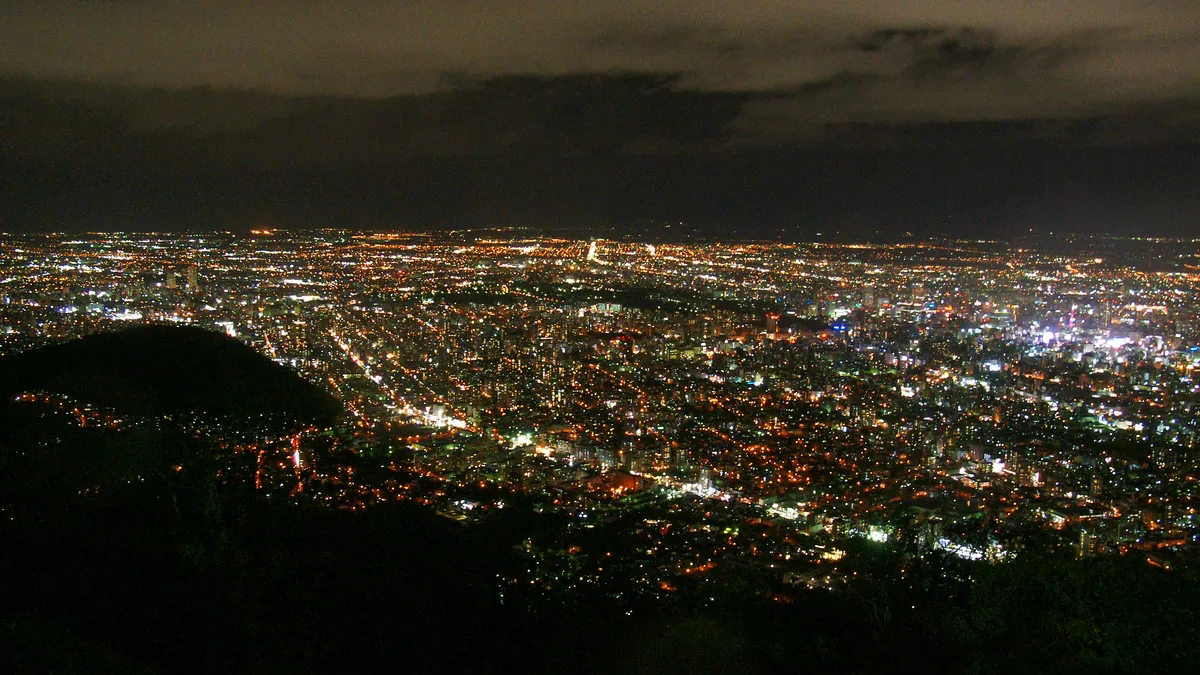
ซัปโปโร เมืองเดียวในญี่ปุ่นที่วางผังเป็นตารางบนที่ราบว่างเปล่าในปี 1869 อ่านที่อยู่จากพิกัด ชมหอนาฬิกา สวนโอโดริ เบียร์ที่เกิดจากความหนาว และวิวกลางคืนบนภูเขาโมอิวะ
Sapporo
เมืองหลวงและวันเดย์ทริป — โตเกียวเมืองเก่า, Kamakura ริมทะเล, Nikko บนภูเขา — ในจังหวะที่สบายๆ
ดินแดนเหนืออันเงียบสงบของญี่ปุ่น อ่านในแบบที่ Bashō อ่านมัน Sendai และอ่าวที่ทำให้เขาเงียบงัน วัดบนภูเขาและค่ำคืนออนเซ็นแบบไทโช ซากปรักหักพังสีทองของ Hiraizumi และดินแดนปราสาทเหนือสุด อย่างช้าๆ และตามฤดูกาล
รถไฟสายเดียวที่มุ่งไปทางตะวันตก จากฟ้าใสของ Tokyo ขึ้นสู่เขตหิมะ แล้วลงไปยัง Kyoto ที่เงียบสงบ เที่ยวฤดูหนาวแบบคนที่รักฤดูหนาวของญี่ปุ่น ซึ่งมองว่าความหนาวคือเสน่ห์ที่สุดของฤดูนี้
ฮาโกดาเตะ โกเบ และนางาซากิ สามเมืองท่าที่เปิดสู่โลกภายนอก และวิวยามค่ำคืนที่เนินเขาของพวกเขามอบให้