
Wie Japan funktioniert
This page is also available in English.Read in English →
このページは日本語でも読めます。日本語で読む →
이 페이지는 한국어로도 읽을 수 있습니다.한국어로 읽기 →
這個頁面也有繁體中文版。閱讀繁體中文版 →
这个页面也有简体中文版。阅读简体中文版 →
หน้านี้มีภาษาไทยด้วยอ่านภาษาไทย →
Trang này cũng có bản tiếng Việt.Đọc bằng tiếng Việt →
Halaman ini juga tersedia dalam Bahasa Indonesia.Baca dalam Bahasa Indonesia →
Cette page existe aussi en français.Lire en français →
Esta página también está disponible en español.Leer en español →
Questa pagina è disponibile anche in italiano.Leggi in italiano →
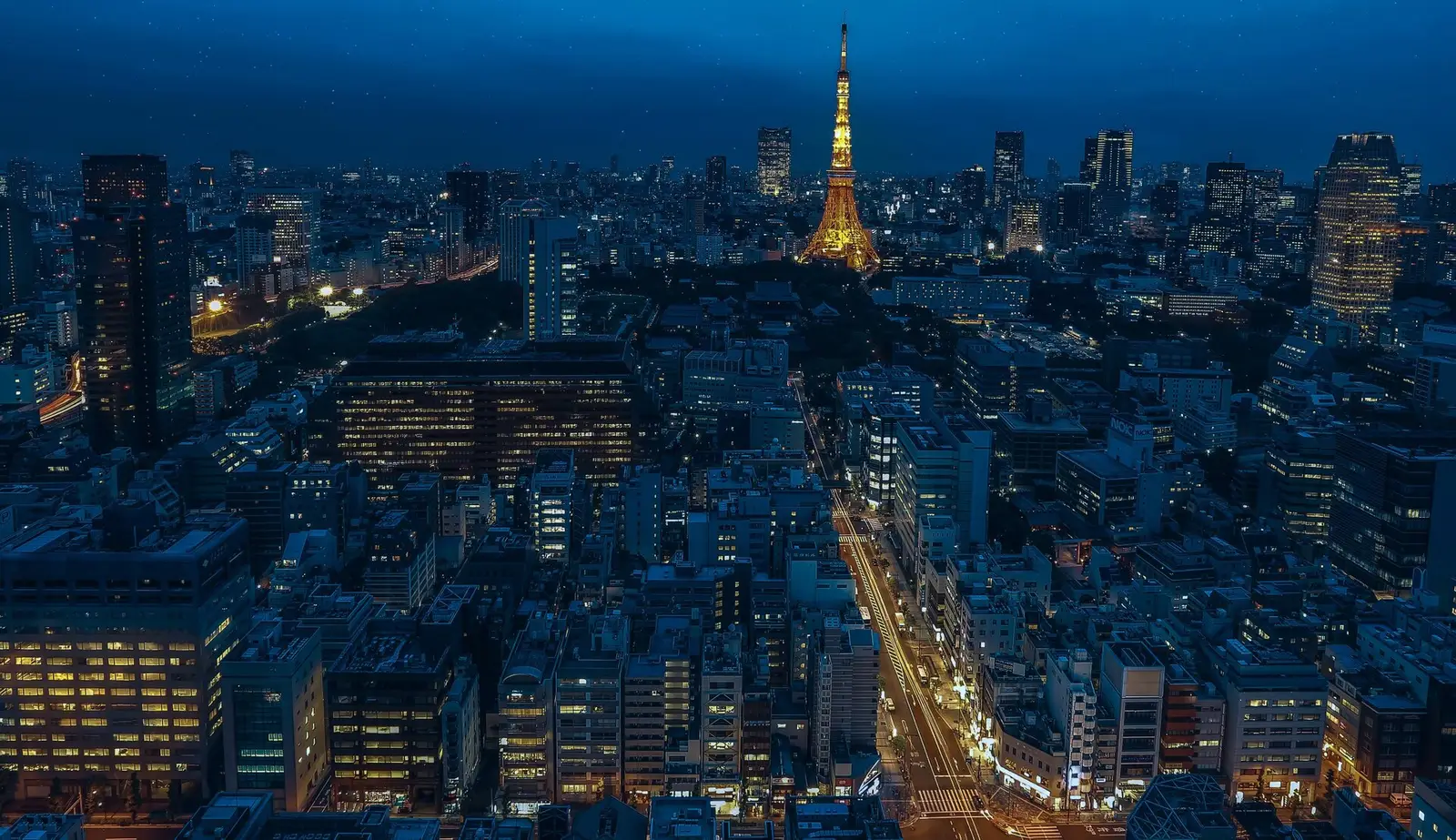
Die Hauptstadt und ihre Tagesausflüge — das alte Tokio, das Küstenstädtchen Kamakura, das Bergstädtchen Nikko — in gemütlichem Tempo
Zuletzt überprüft: 2026-06-10
Für wen sich dieser Plan eignet
Good all year; spring blossom and autumn colour are the prettiest, and clear winter days give the best Mt Fuji views.
Tokio kann überwältigend klingen — es ist die größte Stadt, in der die meisten Menschen je stehen werden — doch das, worauf Sie sich gefreut haben, liegt in einer einzigen Bahnschleife und ein paar entspannten Tagesausflügen. Ich würde das als lockeren Vier-Tage-Rahmen begreifen, nicht als Checkliste: zwei Tage in Tokio selbst, an einem der alte, tief gelegene Osten und am anderen das grüne, junge Herz der Stadt, dann zwei Tage hinaus — zum Meer und den Tempeln von Kamakura und zu den Bergschreinen von Nikko. Die meisten landen in Haneda oder Narita oder kommen mit dem Shinkansen am Bahnhof Tokio oder Shinagawa an; von jeder dieser Türen aus gehört die Schleife unten Ihnen, und alles führt mit einem einzigen Tippen einer einzigen Karte zu einem festen Ausgangspunkt zurück.
Was Tokio warm statt riesig wirken lässt, ist, wie leise es darum herum organisiert ist, sich gegenseitig nicht zu drängen — das gedämpfte Abteil, die ordentliche Schlange auf dem Bahnsteig, die Spur, die alle auf der Rolltreppe frei lassen. Sie müssen nichts davon studieren; Sie fallen einfach in den Rhythmus, und die Stadt wird sanft um Sie herum. Ich wäre also nicht zu streng mit dem Plan. Wenn ein Tag lang wird, machen Sie ihn kürzer. Wenn eine Seitengasse in Asakusa oder ein Hang in Kamakura Sie festhält, bleiben Sie dort. Ich lege dar, wie ich mich bewegen und wo ich schlafen würde, und Sie können die Teile auseinandernehmen und so wieder zusammensetzen, wie Ihre Reise es möchte.
Ich würde für die gesamte Reise Tokio als Ausgangspunkt nehmen und die Züge das Pendeln übernehmen lassen — jeder Tagesausflug hier ist eine Hin- und Rückfahrt an einem Tag, und die stadteigene Schleife, die JR-Yamanote-Linie, fädelt das meiste zusammen, was Sie sehen wollen. Wie in Kyoto ist die eigentliche Frage weniger welches Viertel als in welchem Bahnhof Sie schlafen, denn die nächste Linie entscheidet, wie leicht sich Ihre Morgen anfühlen.
Wenn ich möchte, dass alles mit einem Tippen einfach wirkt, würde ich mich rund um Shinjuku oder den Bahnhof Tokio niederlassen. Beide sind riesige Umsteigeknoten, an denen die Yamanote-Schleife auf die Linien aus der Stadt trifft — Shinjuku ist der Startpunkt für den Odakyu Romancecar nach Hakone und die Züge Richtung Fuji, während am Bahnhof Tokio der Shinkansen und die Yokosuka-Linie hinunter nach Kamakura beginnen. Der Kompromiss ist die Atmosphäre: beide sind geschäftig und betriebsam statt Alt-Tokio.
Wenn ich im alten Tokio aufwachen möchte, würde ich Asakusa wählen. Sie wären zu Fuß bei Senso-ji und den Gassen der Unterstadt, und Asakusa ist zugleich der Ausgangspunkt für den Tobu-Schnellzug direkt nach Nikko — die Tempelseite dieser Reise liegt also direkt vor Ihrer Tür. Es ist ruhiger und wirkt älter; der Kompromiss ist, dass die Sehenswürdigkeiten im Westen eine längere Fahrt quer durch die Stadt bedeuten.
Wenn ich das junge, grüne Zentrum möchte, würde ich rund um Shibuya oder die Südseite von Shinjuku bleiben — ein kurzer Spaziergang oder eine Station von Meiji Jingu und Harajuku entfernt, mit der Yamanote-Schleife, die in beide Richtungen um die Stadt läuft. Es ist der Allrounder fürs Leutebeobachten und späte Abendessen.
Eine Eigenheit, die es wert ist, überall dort zu kennen, wo Sie sich niederlassen: die JR-Yamanote-Linie ist eine Schleife. Tokio, Shinjuku, Shibuya, Harajuku, Akihabara und Ueno sind alle Perlen auf demselben Kreis, sodass die anderen, egal wo Sie darauf schlafen, in der einen oder anderen Richtung eine einzige Fahrt entfernt sind. Genau das macht einen einzigen Ausgangspunkt für die ganze Stadt möglich.
Das Erste, was ich regeln würde, ist eine IC-Karte, und danach können Sie meist aufhören, an Fahrkarten zu denken. Es ist eine aufladbare Prepaid-Chipkarte: Sie tippen sie beim Betreten eines Bahnhofs an und beim Verlassen erneut, und der Fahrpreis rechnet sich von selbst aus und wird automatisch abgebucht. Tokios Heimatkarte ist Suica (von JR East), aber Sie brauchen keine bestimmte — eine PASMO von den Tokioter Privatbahnen, eine aus Kansai mitgebrachte ICOCA oder jede der anderen Regionalkarten funktionieren hier ebenfalls, denn sie sind landesweit gegenseitig kompatibel.
Wofür sie auf dieser Reise funktioniert: JR-Linien (einschließlich der Yamanote-Schleife), die Tokyo Metro und die Toei-U-Bahnen, die Privatbahnen, mit denen Sie zu den Tagesausflügen fahren, Stadtbusse und die meisten Einkäufe im Convenience Store und am Automaten — überall, wo Sie das IC-Zeichen sehen.
Der Kauf: eine reguläre Suica hat ein kleines rückerstattbares Pfand; wenn Sie kurzfristig zu Besuch sind, gibt es auch eine Welcome Suica für Gäste aus dem Ausland ohne Pfand (Sie bekommen nur das Restguthaben nicht zurück), dazu eine mobile Version, die Sie aufs Handy laden können. Die Pfanddetails habe ich in die Infobox gesetzt, und meiner Erfahrung nach lädt es sich am einfachsten mit Bargeld an den Bahnhofsautomaten auf, ein paar Münzen und Scheine sind also praktisch.
Zwei Dinge, die eine IC-Karte nicht kann: sie bringt Sie nicht als bloße Karte in den Shinkansen (Sie registrieren sie bei Smart-EX oder kaufen eine separate Fahrkarte), und Sie können nicht über zwei getrennte IC-Karten-Gebiete hinweg mit einem Tippen fahren. Für Tokio und seine Tagesausflüge spielt beides keine Rolle — beides kommt erst zum Tragen, wenn Sie nach Westen weiterreisen.
Brauchen Sie einen Pass? Für eine Reise mit Tokio als Basis oft nicht — eine IC-Karte Etappe für Etappe anzutippen ist einfach, und Sie zahlen nur, was Sie fahren. Aber ein paar Pässe verdienen sich am richtigen Tag ihr Geld:
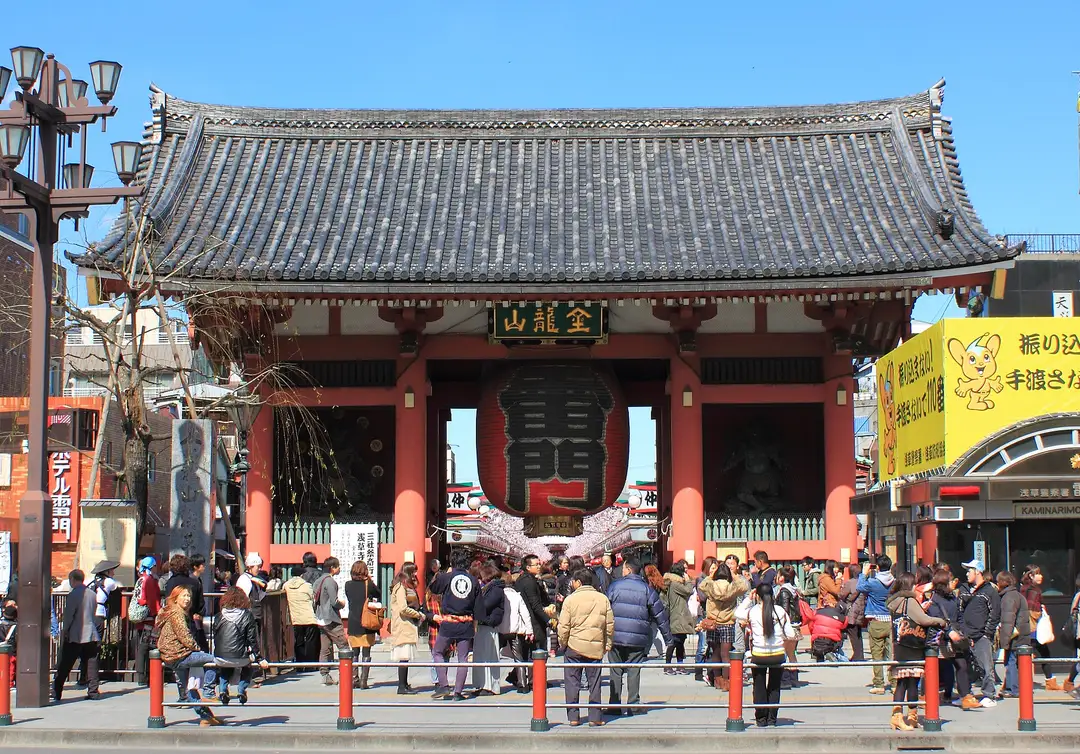
Den ersten Tag würde ich der Unterstadt widmen — Shitamachi, den alten östlichen Vierteln, in denen sich Tokio weniger wie eine Metropole und mehr wie eine Aneinanderreihung von Nachbarschaften anfühlt. Das Herz davon ist Senso-ji, der älteste Tempel der Stadt, erreichbar durch das große Kaminarimon-Tor und eine lange Arkade winziger Läden, die seit Jahrhunderten Snacks und Glücksbringer an Pilger verkaufen. Ich würde früh gehen, bevor sich die Arkade füllt, wenn der Weihrauch sich noch legt und die Ladenbesitzer ihre Rollläden hochziehen. Von dort kann der Tag Richtung Akihabara treiben — Tokios Elektrostadt, laut und grell und hingegeben an das, was die Menschen ohne jede Entschuldigung lieben. Eine sanfte Sache, die man den ganzen Morgen mitnehmen sollte: im Tempel beten die Menschen, sie posieren nicht — eine kleine Verbeugung am Tor und ein leises Handy, und Sie fügen sich gleich ein.
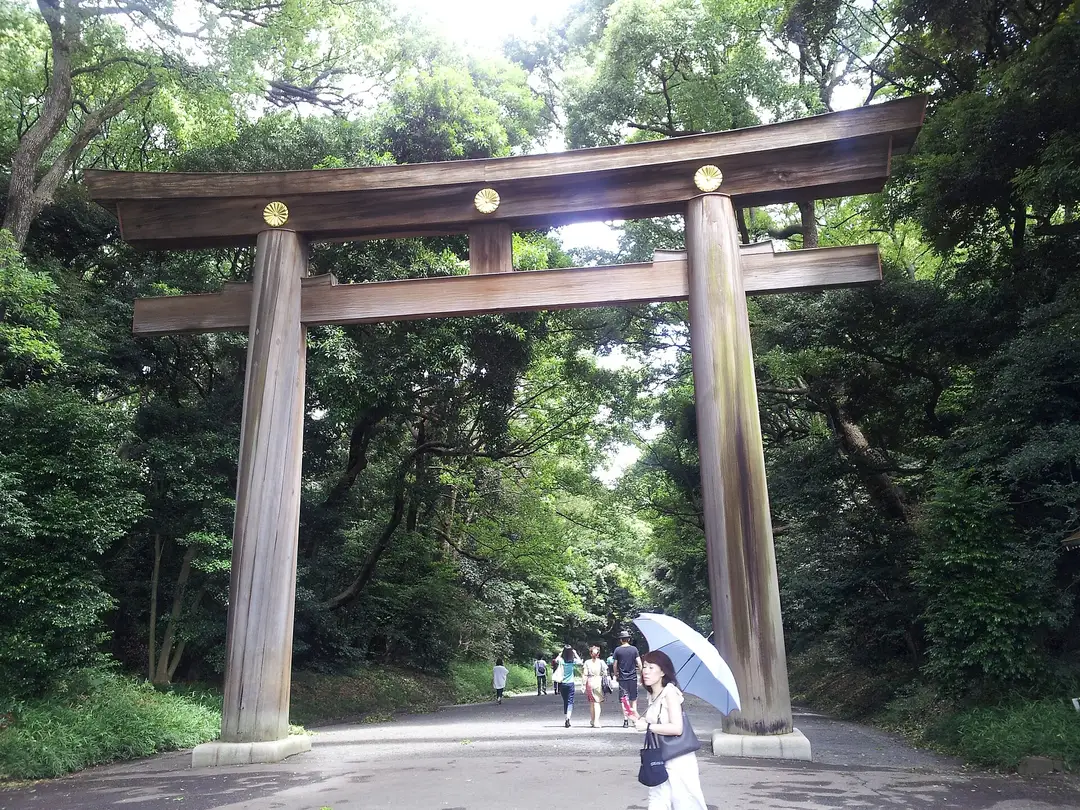
Am zweiten Tag würde ich zum westlichen, grüneren Herzen der Stadt wechseln und es dann in Tokios helle, moderne Energie übergehen lassen. Meiji Jingu ist ein Waldschrein mitten in der Stadt — Sie treten unter ein großes hölzernes Tor, und der Verkehrslärm hört einfach auf, ersetzt durch Kies unter den Füßen und hohe Bäume. Treten Sie auf der anderen Seite hinaus, und Sie sind in Harajuku, wo sich das jüngste, verspielteste Ich der Stadt die Takeshita-Straße hinunterergießt. Von dort fließt der Tag bergab entlang des baumbestandenen Boulevards Omotesando nach Shibuya — die Kreuzung, an der sich die ganze Stadt auf einmal zu bewegen scheint, das Bild, das viele vor Augen haben, wenn sie an Tokio denken. Der Waldschrein verlangt nach Stille, die Kreuzung nach einem anderen Staunen — und Tokio hält beides, ohne mit der Wimper zu zucken.
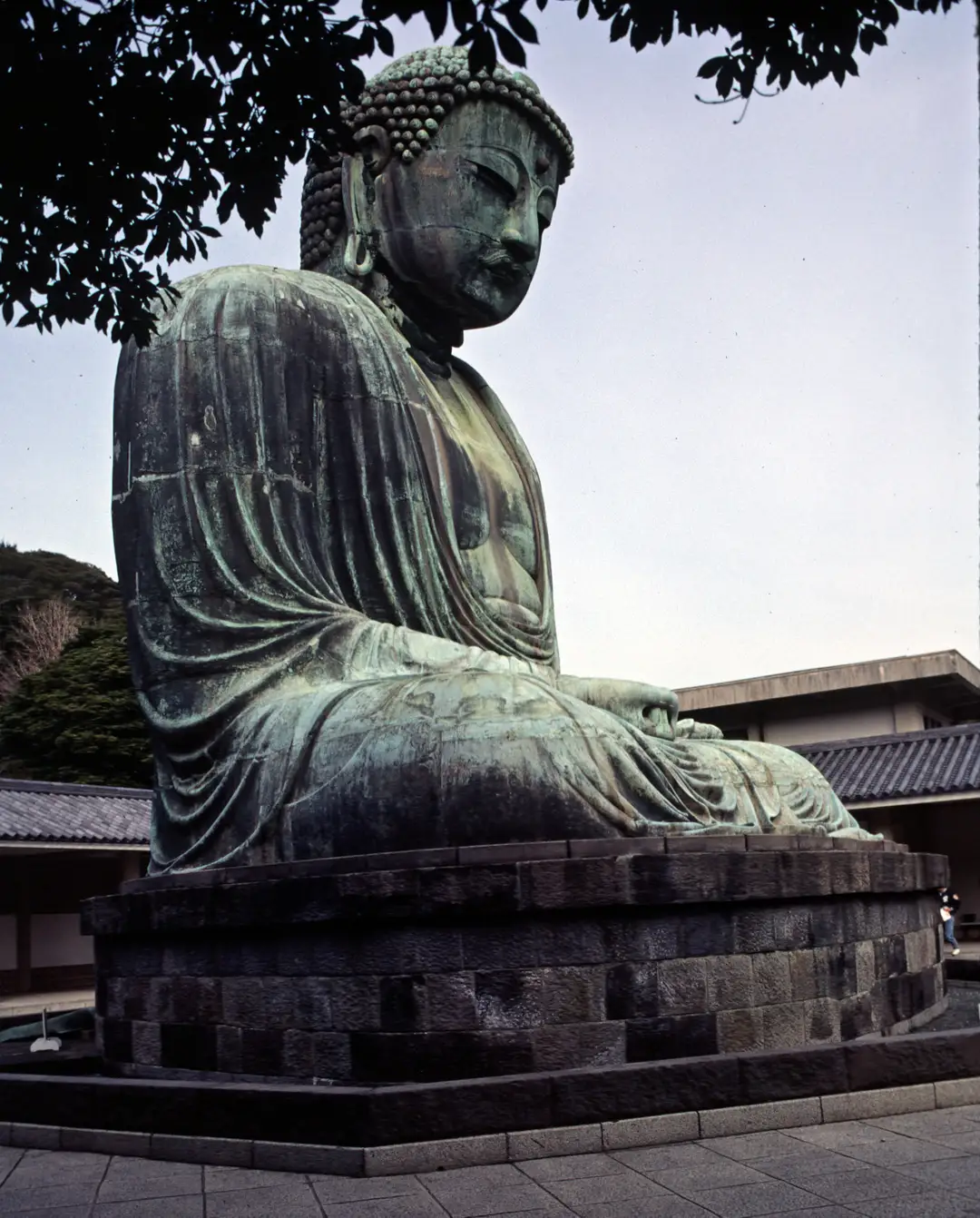
Kamakura ist der entspannte Tagesausflug nach Süden — eine kleine Küstenstadt, die einst Sitz von Japans erster Samurai-Regierung war, heute voller Tempel, die sich in grüne Hügel schmiegen, mit dem Pazifik am Ende der Straßen. Das Herz davon ist für die meisten der Große Buddha in Kotoku-in: eine Bronzefigur, die seit Jahrhunderten im Freien sitzt, seit die über ihr errichtete Halle fortgespült wurde — es hat etwas leise Bewegendes, ein riesiger Buddha, der die Jahreszeiten schlicht unter dem Himmel übersteht. Ich würde die kleine Enoden-Bahn zwischen den Sehenswürdigkeiten fahren; sie rattert die Küste entlang, fast nah genug, um die Häuser zu berühren, und zwischen den Haltestellen öffnet sich das Meer. Ein langsamer Gegenpol aus salziger Luft zur Stadt.
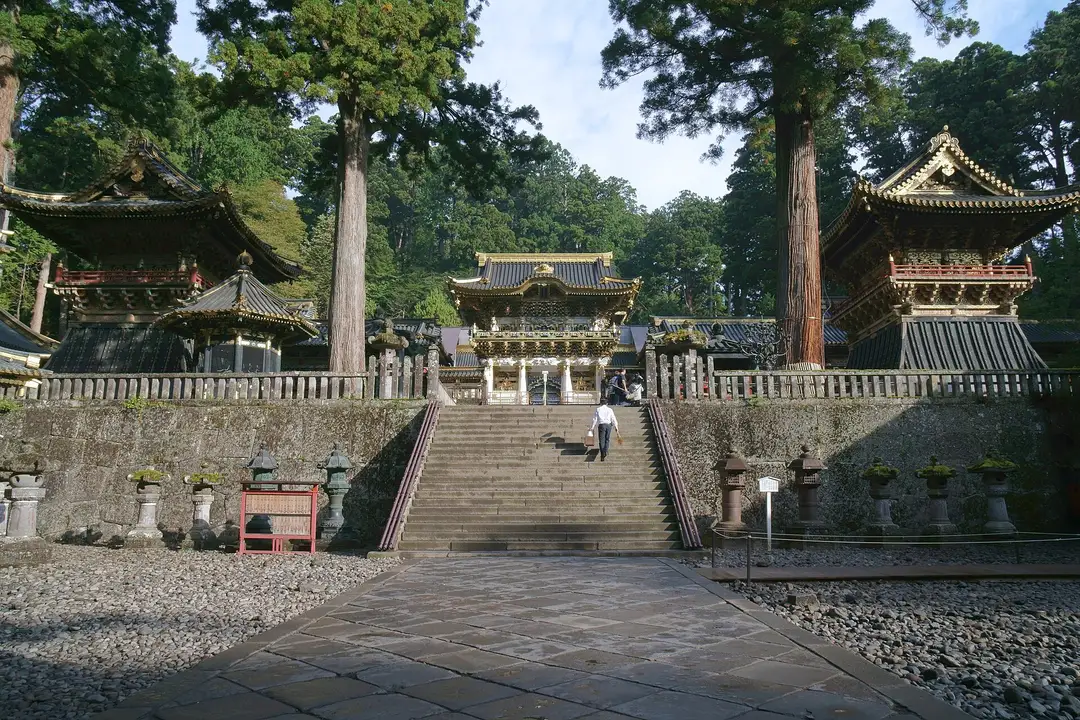
Nikko ist der Tagesausflug nach Norden, hinauf in die Berge, und es ist ein völliger Wechsel des Tonfalls gegenüber der Stadt — Zedernwälder, Wasserfälle und einer der am reichsten verzierten Schreinkomplexe Japans. Nikko Toshogu ist das Mausoleum des Shoguns, der das Land einte, und anders als die Zurückhaltung, die Sie an anderen Schreinen gespürt haben, ist es prachtvoll, ja fast trotzig geschnitzt und vergoldet — Blattgold, bemalte Fabelwesen und darunter die berühmten drei Affen. Es gibt eine alte Redensart, dass in Nikko das japanische Wort für „prächtig“ verdient wurde, und wenn man unter dem Yomeimon-Tor steht, spürt man, woher es kommt. Jenseits der Schreine machen die Kryptomerien-Alleen und die Bergluft die lange Anreise lohnend.
Wenn Sie einen zusätzlichen Tag haben, würde ich zwei sehr unterschiedliche Richtungen anbieten, und keine ist die „richtige“ — sie passen einfach zu verschiedenen Stimmungen.
Hinaus nach Hakone für heiße Quellen und, an einem klaren Tag, den Fuji. Hakone ist die Bergquellen-Auszeit südwestlich der Stadt, erreichbar mit dem Odakyu Romancecar von Shinjuku. Das Schöne daran ist die Schleife: eine kleine Bergbahn fährt in Spitzkehren hinauf zu einer Standseilbahn, dann schwebt eine Seilbahn über das dampfende Owakudani-Tal, dann überquert ein Boot den Ashi-See, wo sich der Fuji über dem fernen Ufer erhebt, wenn das Wetter gnädig ist — und ein einziger Hakone Freepass deckt die ganze Runde ab. Um ihr gerecht zu werden, sollte man eine Nacht in einem Ryokan bleiben und baden. (Der Fuji hat unter der Region Chubu seinen eigenen WMJS-Guide; die Fuji-Fünf-Seen erreicht man über eine separate Linie, nicht über die Hakone-Schleife.)
Oder ein langsamerer Buchttag in Tokio. Beginnen Sie vor Sonnenaufgang am Toyosu-Markt — dem arbeitenden Fisch-Großmarkt, der das alte Tsukiji ablöste, wo unten die Thunfisch-Auktion läuft und das Frühstück wirklich so frisch ist — und verbringen Sie dann den Nachmittag ein paar Minuten entfernt in teamLab Planets in Toyosu. Es ist die sanftere Wahl, wenn ein zweiter Tokio-Tag mehr lockt als eine Reise hinaus.
Wenn Ihnen die Zeit knapp ist, faltet sich die Reise zusammen, ohne ihr Herz zu verlieren. Ich würde einen Tagesausflug statt zwei behalten — Kamakura ist der einfachere und kürzere der beiden, Nikko der dramatischere, aber die längere Fahrt — und den beiden Tokio-Tagen etwas mehr Raum geben. Oder ich würde die Tokio-Hälfte zu einem einzigen, langsameren Tag machen und entweder den alten Osten oder das grüne Zentrum wählen statt beides. Wovon ich abraten würde, ist der Versuch, alles in weniger Zeit hineinzuquetschen; Tokio belohnt einen langsameren Durchgang weit mehr als einen vollständigen. Wählen Sie die zwei oder drei Orte, die Sie am meisten angezogen haben, und lassen Sie sie atmen.
Dieser Block schließt sauber in zwei Richtungen an. Nach Westen fährt der Tokaido-Shinkansen von Tokio oder Shinagawa in etwas über zwei Stunden Richtung Kyoto und Osaka — ein sauberer Übergang zum Kansai-Block, dem älteren Herzen Japans. Derselbe Korridor führt an Odawara (dem Tor nach Hakone) und dem Fuß des Fuji vorbei, sodass sich eine Onsen-Nacht ganz natürlich an den Beginn einer Reise nach Westen fügt. Eines sollten Sie sich merken: eine bloße IC-Karte bringt Sie nicht in den Shinkansen — Sie registrieren sie bei Smart-EX oder kaufen für diese längeren Etappen eine separate Fahrkarte.
WMJS wird in Japan von einem Japaner geschrieben, der Ihnen sein Land ein wenig näherbringen möchte, und mit KI-Hilfe ins Deutsche übertragen. Wir prüfen jede Seite, aber Deutsch ist nicht unsere Muttersprache. Wenn ein Satz seltsam klingt, sagen Sie es uns. Ein Satz genügt.
Danke. Jede Nachricht wird von einem Menschen gelesen.
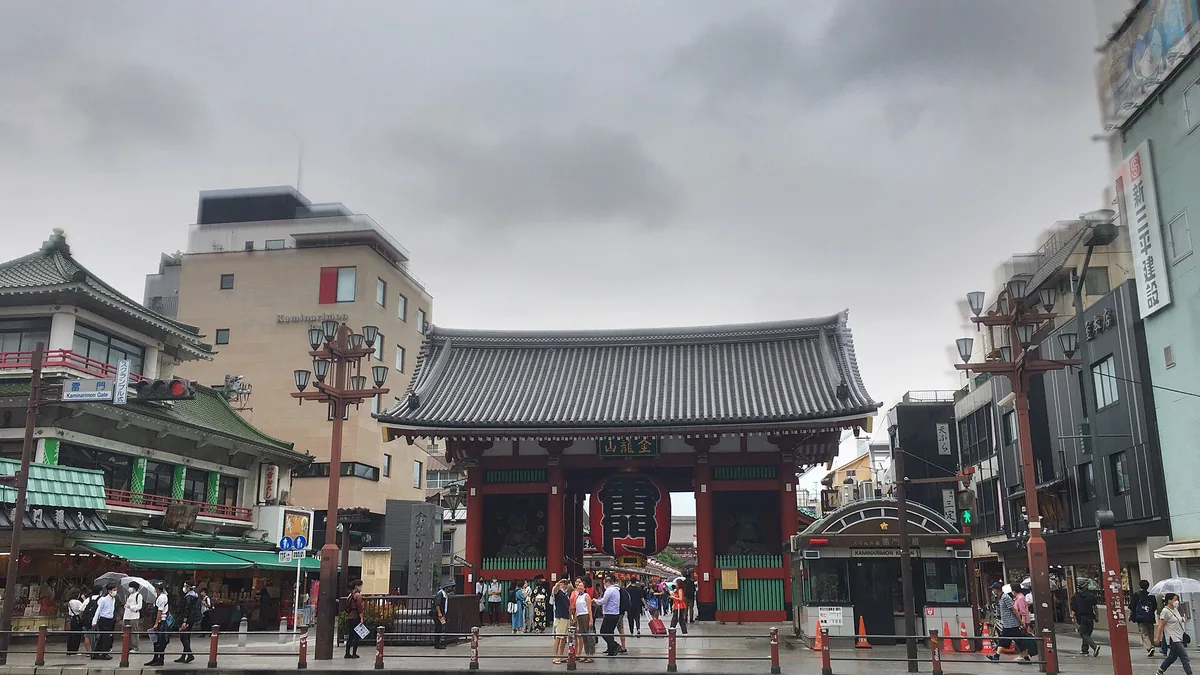
Lohnt sich der Senso-ji? Wir haben 125 Reisestimmen gewichtet: 54% sagen eindeutig ja. Öffnungszeiten, kostenloser Eintritt, wie viel Zeit du brauchst und warum die Menschenmenge schon immer Teil des Gebets war, mit Audioguide.
Senso-ji Temple
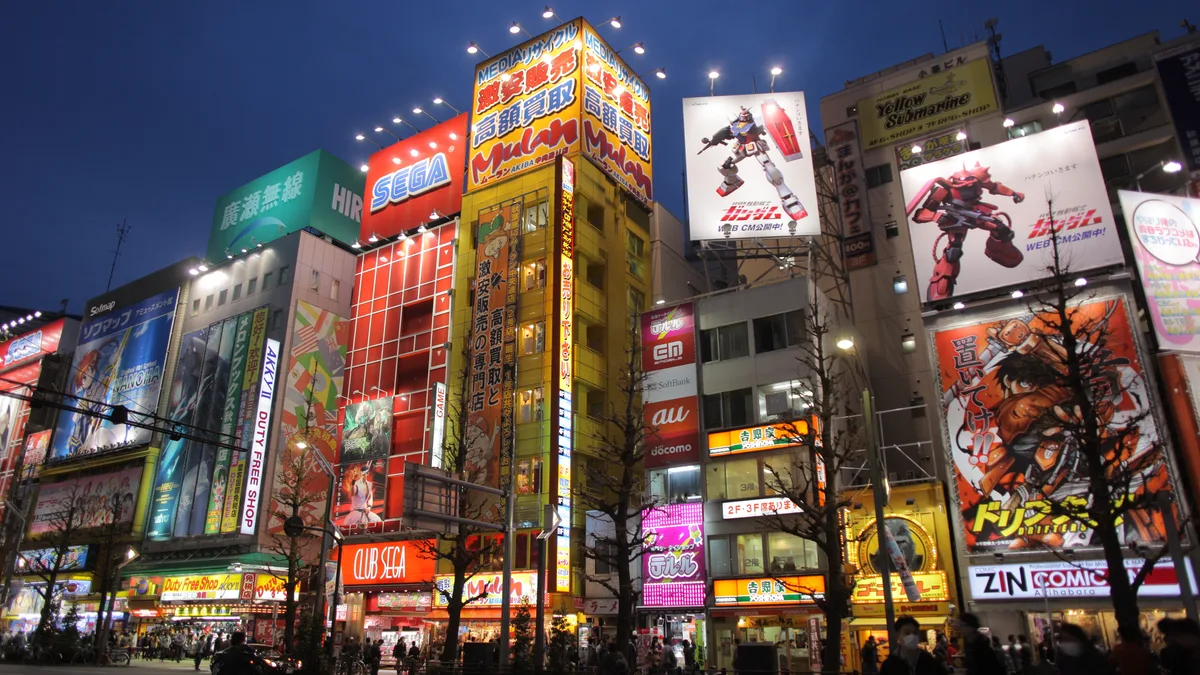
Lohnt sich Akihabara? Wir haben 149 Reisestimmen gewichtet: 29% sagen sofort ja, 44% sagen, es kommt darauf an, ob man Anime, Spiele oder Elektronik mag, japanische Bewertungen fallen mit 69% wärmer aus. Wie das Viertel aufgebaut ist, wie man hinkommt und für wen es sich lohnt, mit Audioguide.
Akihabara (Electric Town)
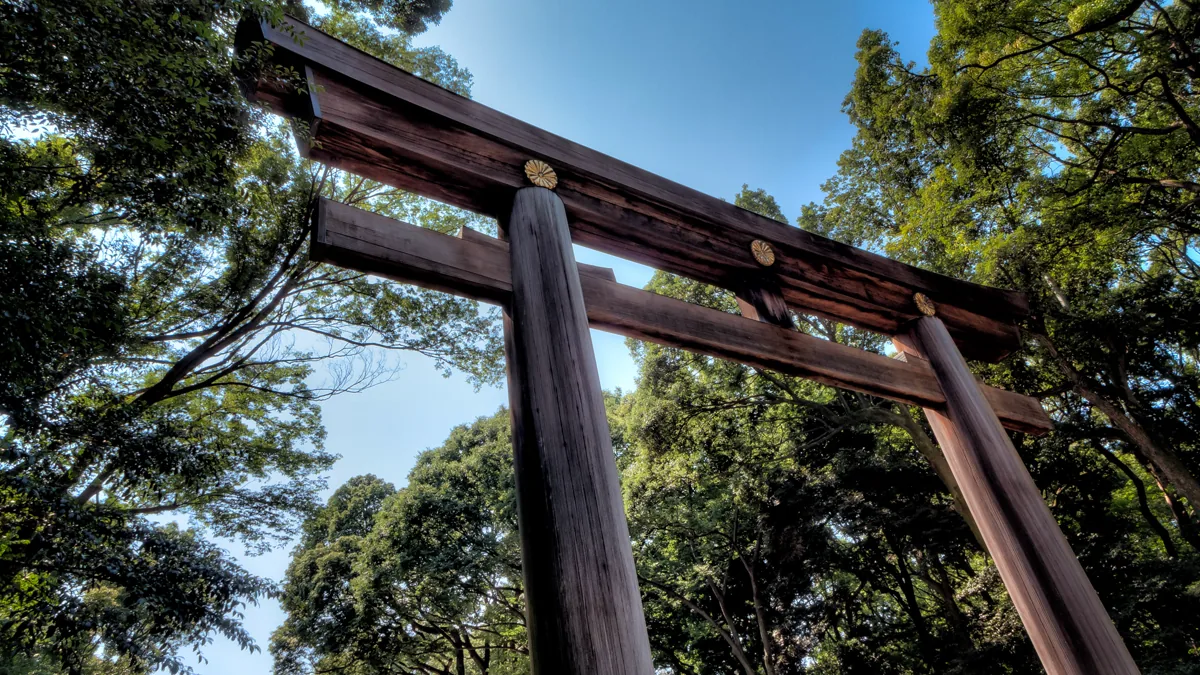
Lohnt sich der Meiji Jingu? Wir haben 70 Reisestimmen gewichtet: 75% sagen ja, und japanische Bewertungen fallen mit 82% noch wärmer aus. Kostenloser Eintritt, ein 70 Hektar großer Wald, 1920 vollständig von Hand gepflanzt, mit dem Großen Torii und Kiyomasas Brunnen im Inneren Garten, mit Audioguide.
Meiji Jingu
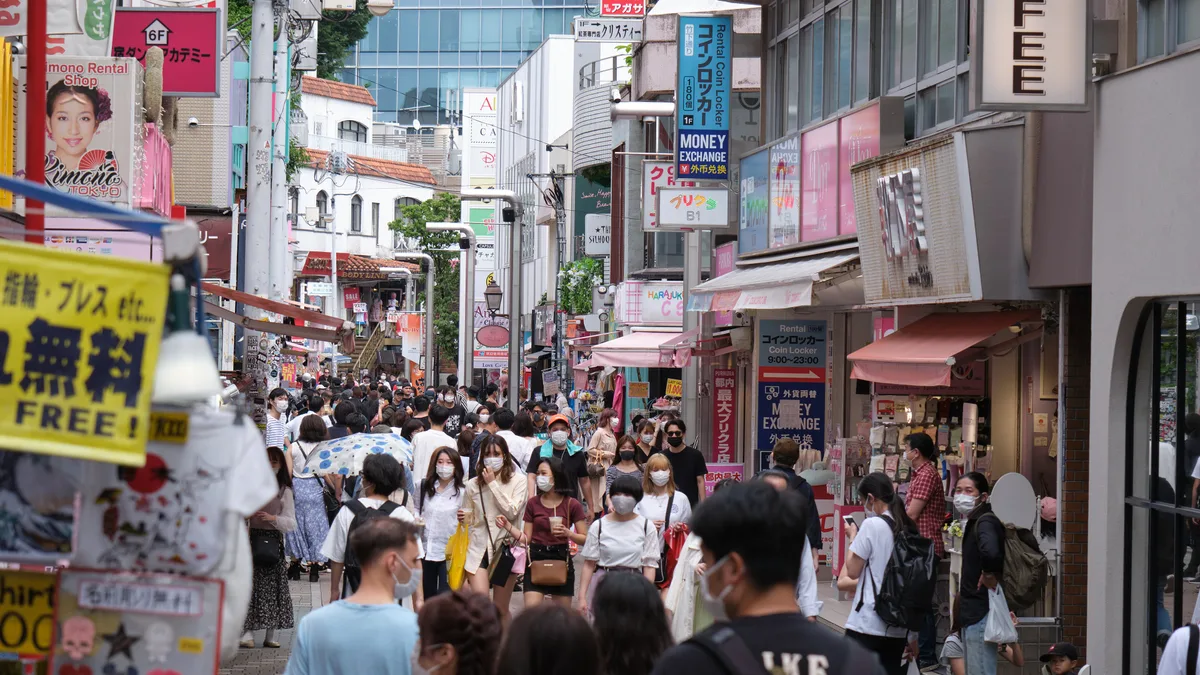
Lohnt sich Harajuku? Wir haben 99 Stimmen von Reisenden gezählt: 64% sagen ja, wenn man das Gedränge der Takeshita Street hinter sich lässt und zur Cat Street und nach Omotesando weitergeht. Crêpes, Kawaii-Mode, Anreise und Rundgang, mit Audioguide.
Harajuku
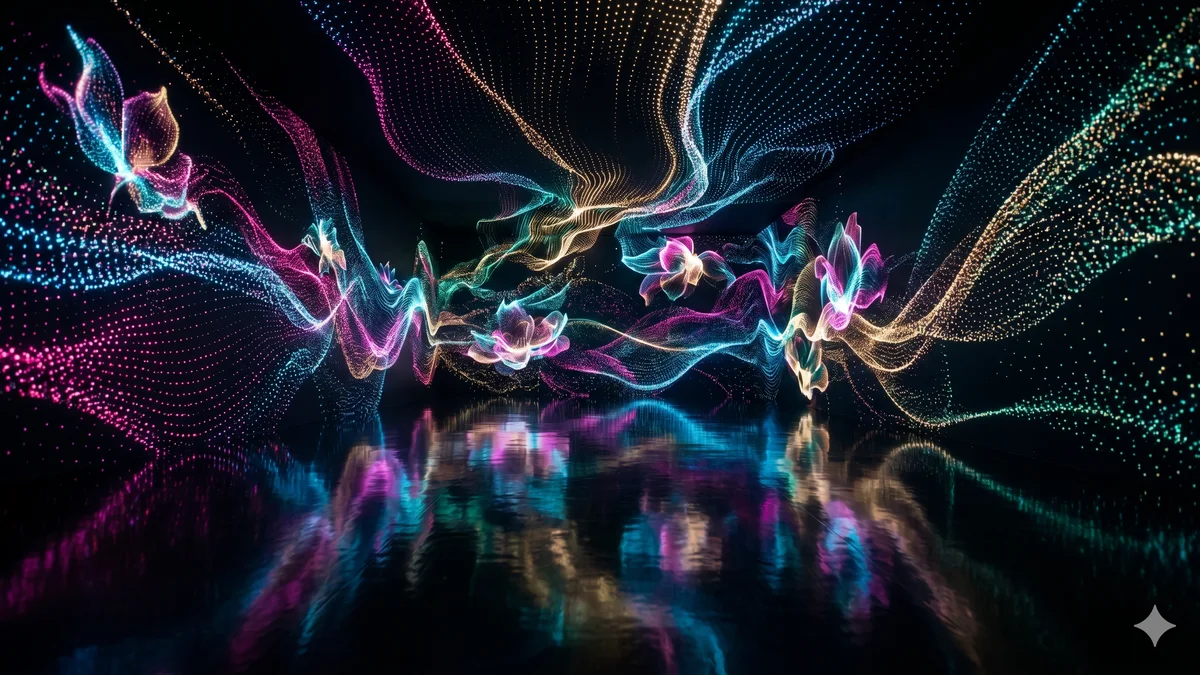
Lohnt sich teamLab Tokio? Wir haben 79 Reisestimmen gewichtet: 57% sagen ja, japanische Bewertungen fallen mit 75% noch wärmer aus. Borderless oder Planets wählen, Tickets, Kleidung, mit Audioguide.
teamLab Tokyo
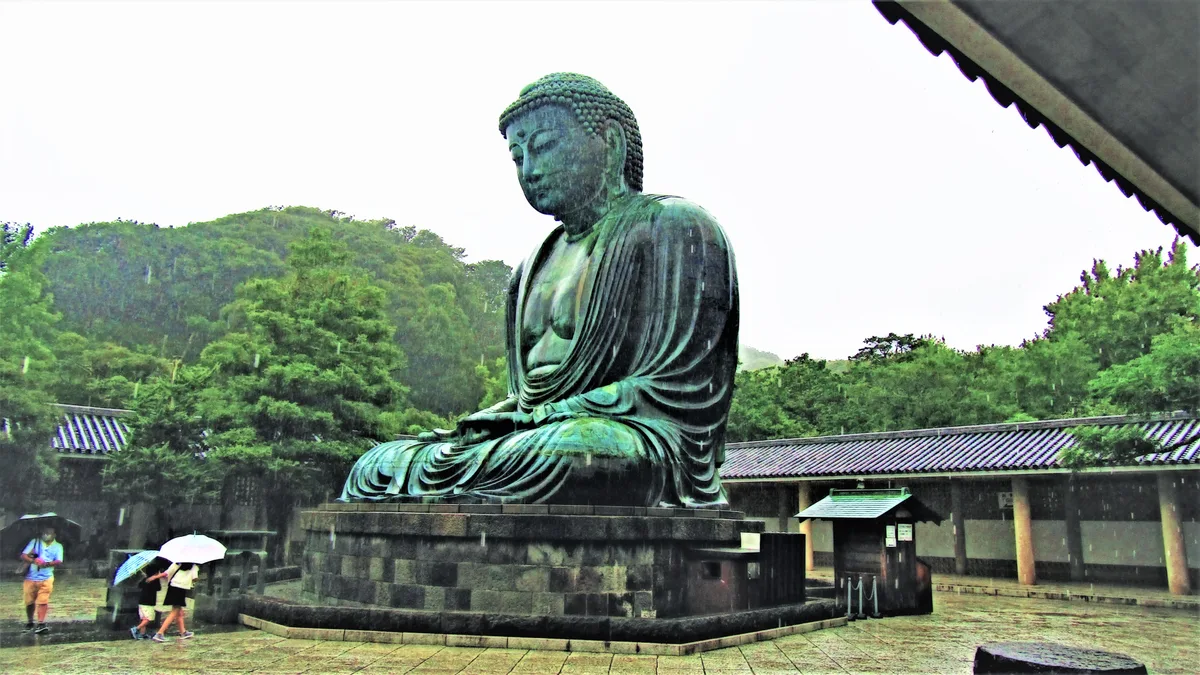
Lohnt sich Kamakura? Wir haben 177 Stimmen von Reisenden gezählt: 73% sagen ja, nur 5% waren enttäuscht. Der Große Buddha unter freiem Himmel, dessen Halle seit Jahrhunderten fehlt, der Schrein von Japans erster Samurai-Hauptstadt und die kleine Enoden-Bahn ans Meer, mit Audioguide.
Kamakura
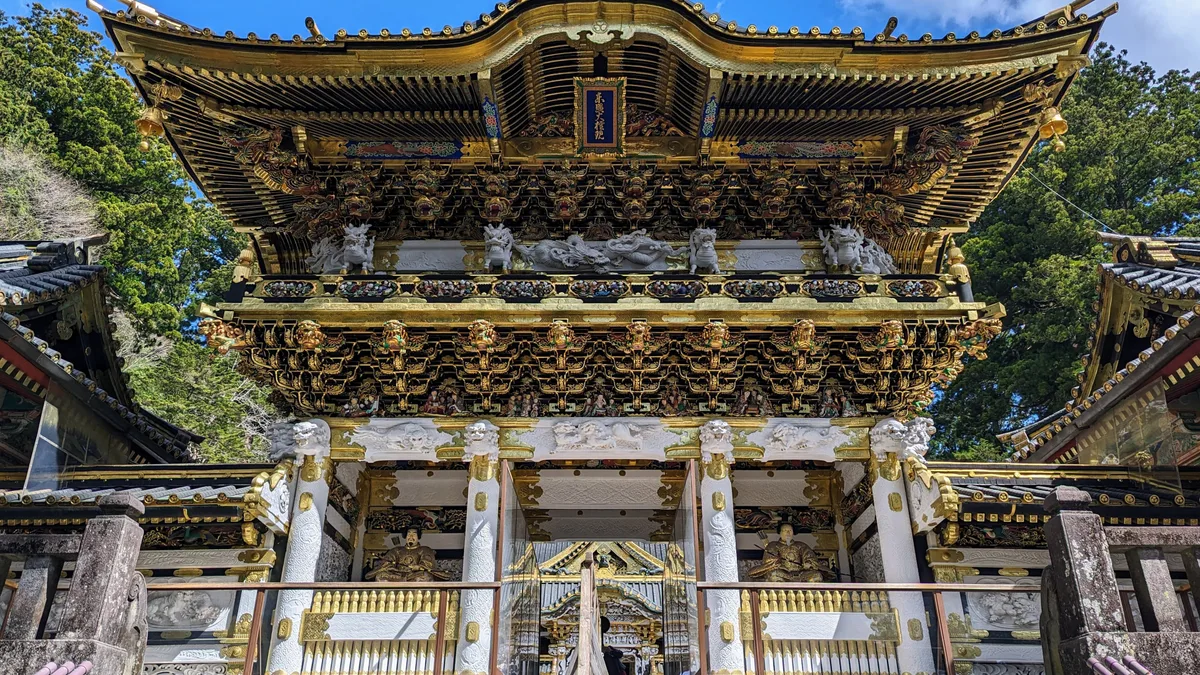
Kultureller Audioguide zu Nikko Toshogu: der Shogun, der zum Gott wurde, die drei Affen, gegen offizielle Quellen geprüft, mit Tipps zum Besuch.
Nikko Toshogu
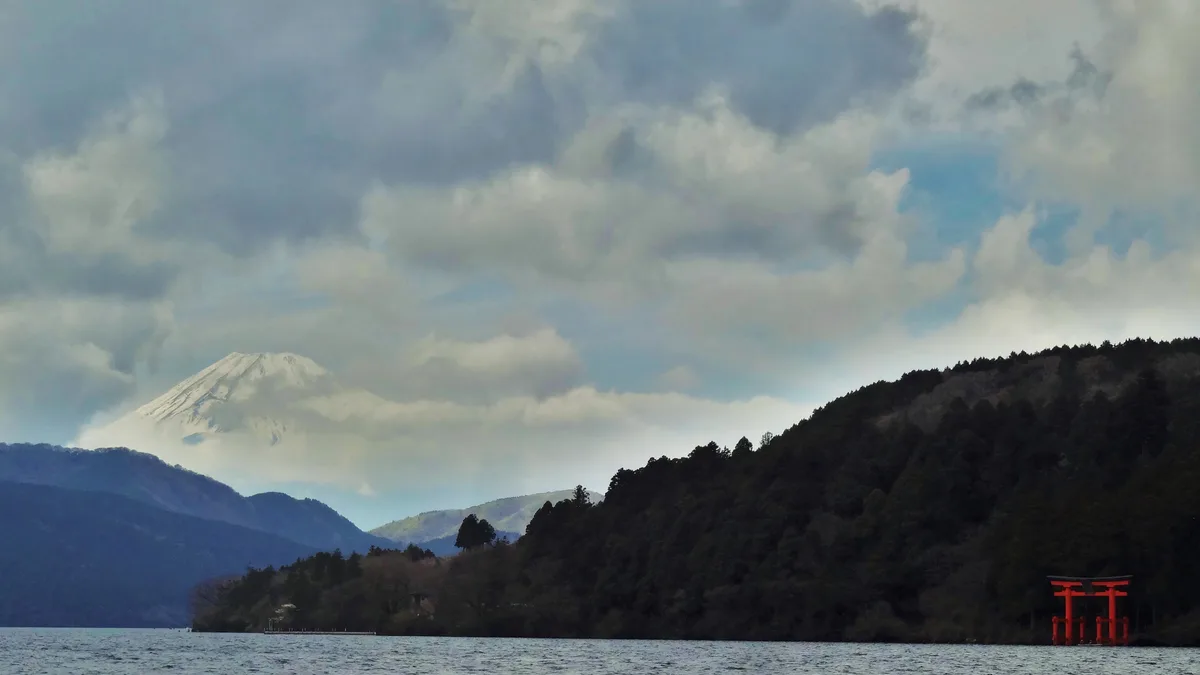
Lohnt sich Hakone? Wir haben 186 Reisestimmen gewichtet: 59% sagen ja, nur 15% waren enttäuscht. Die Rundfahrt mit Bergzug, Standseilbahn, Seilbahn und Boot rund um die alte Thermalkur, mit Tickets, bester Reisezeit und Audioguide.
Hakone (Lake Ashinoko)
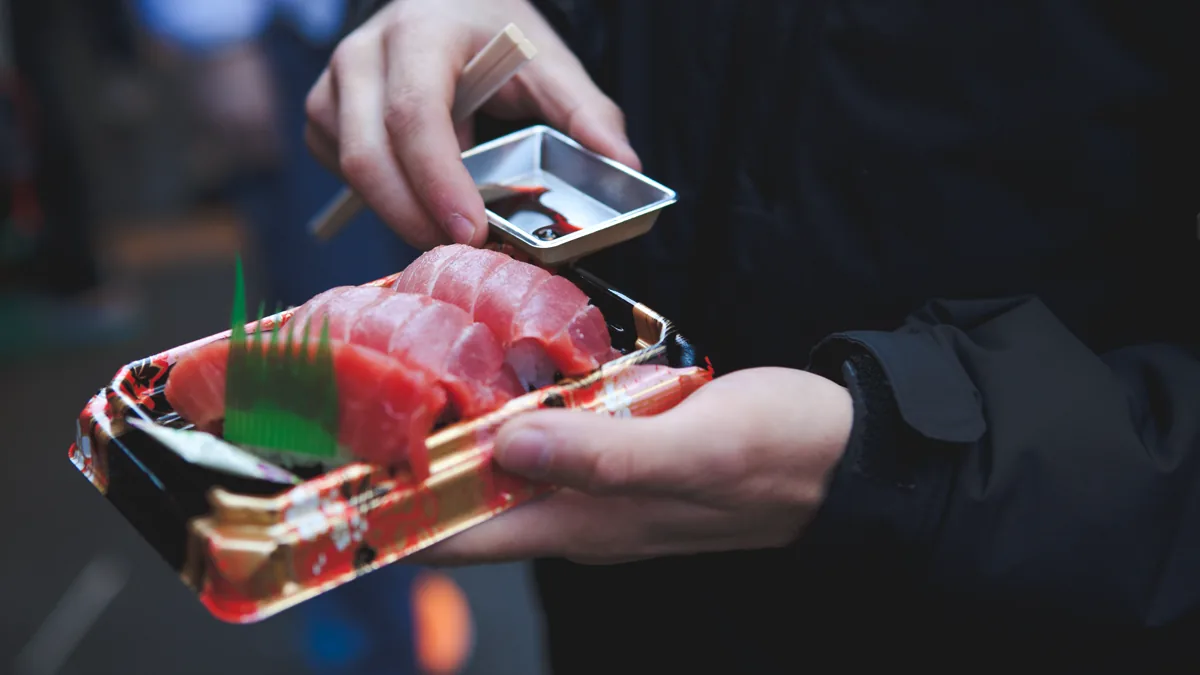
Toyosu und Tsukiji entspannt erleben: Thunfisch-Auktion, Sushi-Frühstück und die Gassen des Außenmarkts — ein freundlicher Wegweiser für Ihren Besuch.
Toyosu Market & Tsukiji Outer Market



Das ältere Herz Japans — Kyoto, Nara, Osaka — in gemütlichem Tempo
Berge und alte Städte — Matsumoto, Takayama, Shirakawa-go, Kanazawa — im Tempo des Vorausreservierens
Japans Pioniernorden: Sapporo und Otaru, die Lavendelhügel oder der Schnee, die dampfenden Onsen-Täler und Hakodate, in einem unhektischen, von der Jahreszeit geführten Tempo
Wie Burgenliebhaber wirklich reisen: eine Pilgerfahrt von Osaka nach Westen bis Shikoku, auf der du lernst, eine Burg zu lesen
Die Golden Route von Tokio nach Kyoto im Rhythmus der Kirschblüte, und wie du die wandernde Blütenfront verfolgst wie die Einheimischen, sodass ein Datum, das du nicht buchen kannst, zum schönsten Teil der Reise wird
Kyoto zum Ahorn-Höhepunkt: und wie du die Uhr liest, nach der die Farbe läuft, damit du in ihr stehst, statt ihr nachzujagen
Ein Ausgangspunkt in Tokio, eine große Sache pro Tag und ein Land, das still und leise für Familien gebaut ist, im Tempo, das deine Kleinen vorgeben