
Is Shiretoko Worth It? What International Visitors and Japanese Visitors Both Found
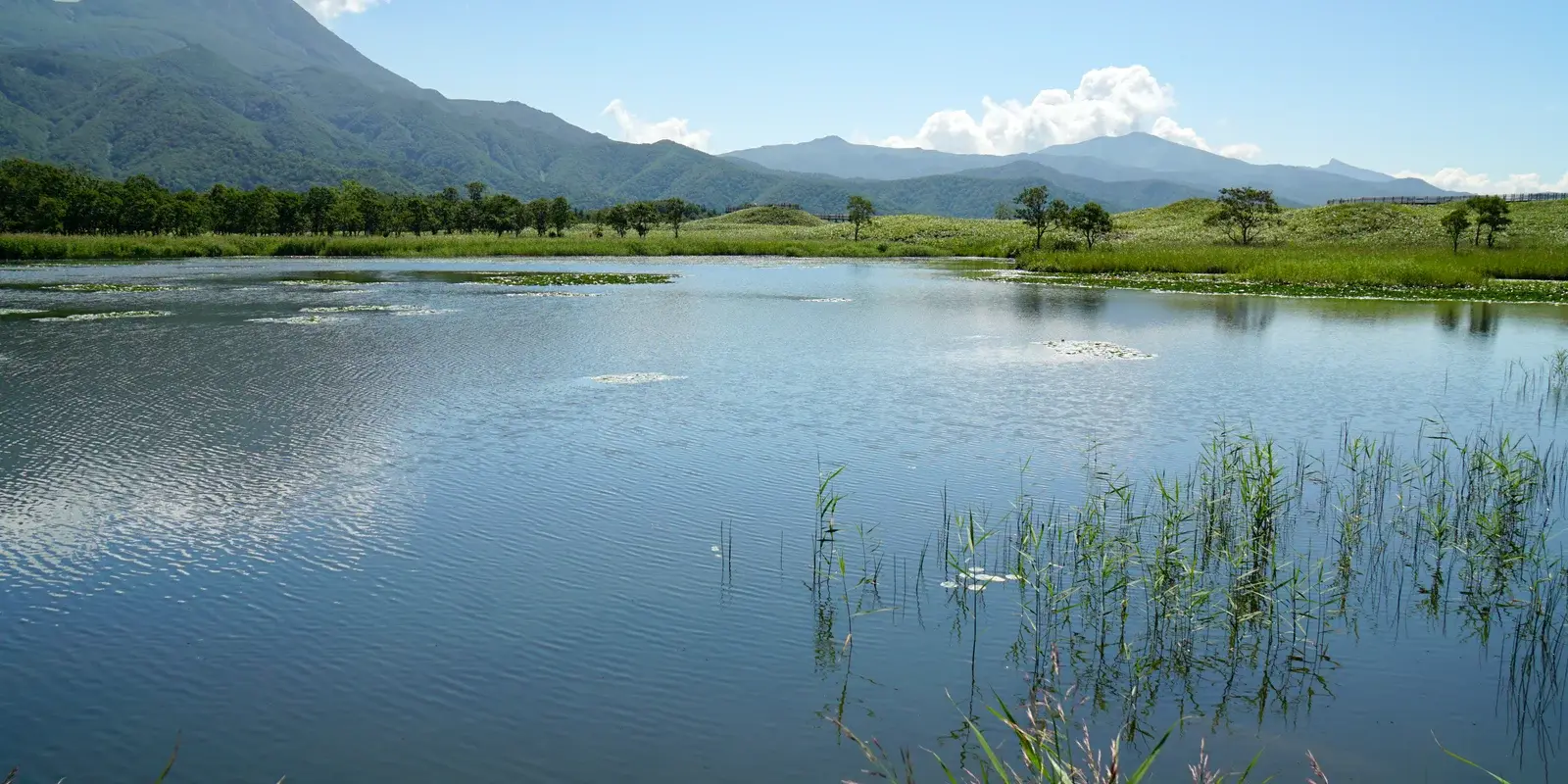
Shiretoko sits at the far northeastern tip of Hokkaido, a UNESCO World Natural Heritage peninsula with one of Japan's highest concentrations of wild brown bears. Before you book the long drive out from Sapporo or Kushiro, the questions pile up fast. Do you need a guide? What does that guide cost? Will a bear sighting close the trail the day you show up? Is a walk to look at five lakes worth the trip this far from everything else?
Is it worth the trip? (in international visitors' own words)
We gathered 74 voices from international travelers describing a trip they had actually completed, posted on Reddit, Google Maps, and TripAdvisor reviews of Shiretoko Five Lakes. Here is how their verdicts fell.
Of the seven negative reviews, three turn on the price of the guided tour. One reviewer took the three-hour guided walk and found the lakes ordinary: "The lakes are nothing extraordinary... the 5 lakes looked almost identical to each other... we left disappointed." The other two judged the tour too expensive, stayed on the free boardwalk, and came away unimpressed by the one lake it reaches. One visited in the off-season, in December, and found the town and its restaurants shut down entirely. One minded the mandatory noise-making more than anything about the lakes themselves: "There goes the tranquility of the nature park with everyone calling the bears out." One hired a guide specifically to avoid bears and found the same noise kept wildlife away during the walk. And one simply didn't find the stop compelling: "I don't see the appeal... it's massively overrated."
The positive majority tends to describe the same facts without the same disappointment. "The grand loop is only done with a guide and lasts 3 hours; the cost is a bit high (7000¥ per person), but it is worth the investment as it is the only opportunity to see the 5 lakes," one reviewer wrote. One visitor whose tour was delayed half an hour by a bear sighting near the largest lake still came away calling the view that followed an awesome sunset sight. And a traveler who had visited in three different seasons: "I love Shiretoko... a very scenic place with fantastic hiking and great boat tours."
What Japanese visitors say
Japanese visitors review the same lakes constantly, in jalan.net trip reports and their own Google Maps and TripAdvisor reviews, and their register reads differently from the international one above.
None of the 103 Japanese reviews we gathered landed in the red bar, even though several describe the same closures, one-lake-only days, and parking waits that frustrated some international visitors. "To see all of Shiretoko Five Lakes in July, it seems you have to pay around 6,000 yen to join a tour. If you just want to see the first lake, you only need to pay for parking," one reviewer explained, stating the choice rather than objecting to it. One reviewer who'd gone quiet mid-walk from fear, after days of bear sightings in the area, still closed their review warmly: at the Five Lakes field house, they were told there had never been an accident on the trail, and called it a good experience to see the lakes' nature up close.
What we wish you'd noticed before you booked
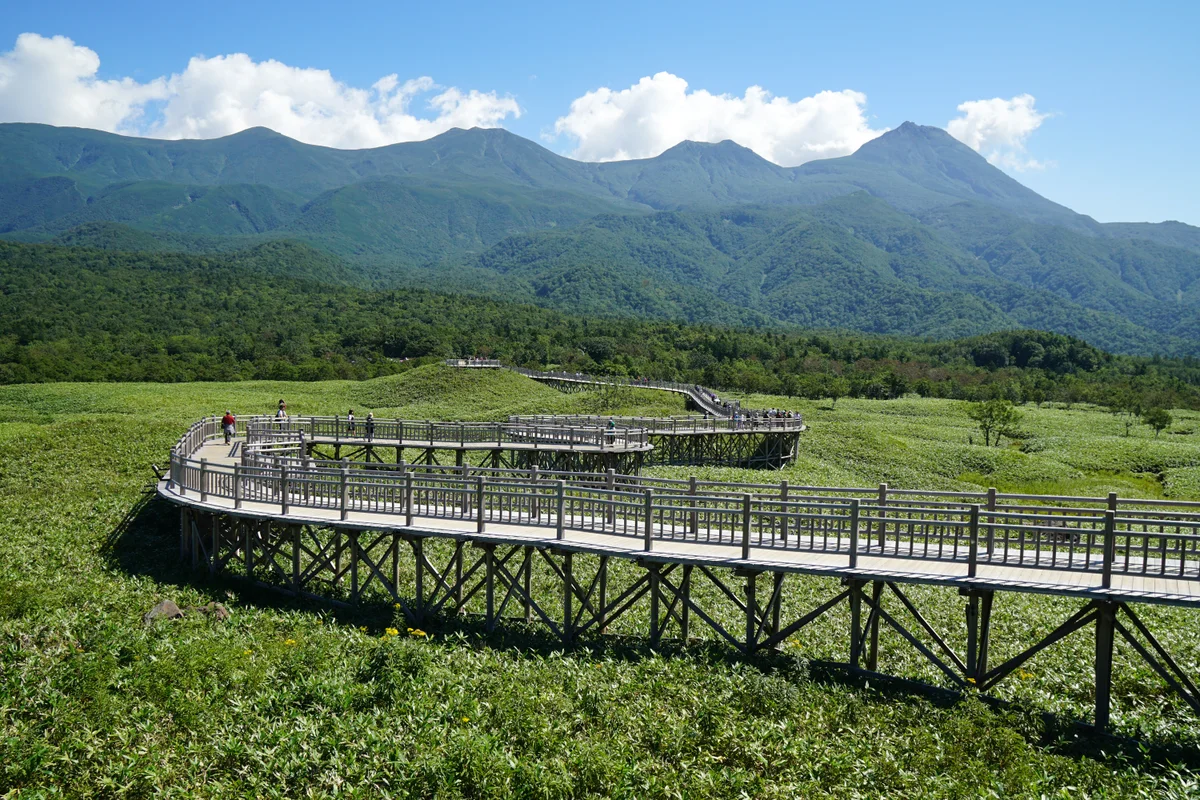
There are two completely different walks at Shiretoko Five Lakes, and three of the seven complaints above turn on the difference between them. The elevated wooden boardwalk is free all season, needs no lecture or reservation, and takes about 40 minutes to cover its 1.6 km round trip to the first lake. The ground trail is the one that reaches all five lakes, and it runs through three seasons with different rules. Outside bear season, it requires a short safety lecture and a fee of 450 yen for an adult, 200 yen for a child, under a schedule that took effect in 2026. Each year during the brown bear activity period, from May 10 to July 31, the ground trail can only be walked by joining a tour with a certified registered guide, which is why reviewers who booked that window report prices in the 5,000 to 7,000 yen range. Read a review of "Shiretoko Five Lakes" without checking which of the two walks it describes, and the price and the payoff can look mismatched for no reason at all.
The guide requirement during bear season exists because of what used to happen without one. Before Japan's Ministry of the Environment introduced the current permit system in 2011, the ground trail faced two separate problems: vegetation eroding under unmanaged foot traffic, and bear sightings that triggered so many closures the full route was open for only 98.5 days in 2007. The lecture's limit of 50 people at a time is there to keep crowding from eroding the vegetation, and the mandatory guide in peak bear season belongs to the same system.
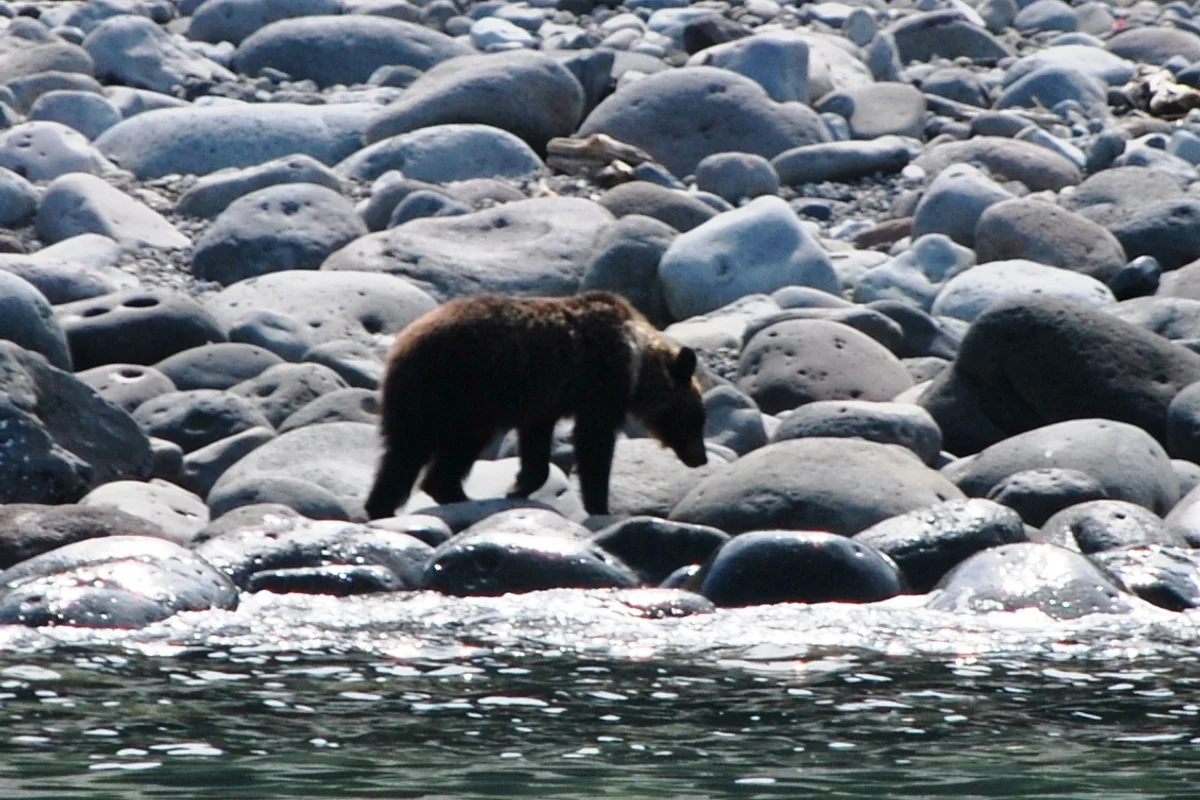
The bears are the reason for nearly every rule here, not an afterthought to the scenery. Shiretoko is known for an exceptionally high brown bear population, roughly 500 bears across the 70 km peninsula, while about 1.5 million people visit the area annually. A sighting anywhere near the trail triggers a real-time closure, which the field house tracks and shares online. Shiretoko was registered as a UNESCO World Natural Heritage site in July 2005, for the unbroken link between the marine ecosystem fed by drift ice and a forest that has stayed largely untouched, and for habitat that rare species, including the Blakiston's fish owl, depend on. You are paying, briefly and carefully, to walk through a wild habitat on its own terms.
Doing the five lakes without the surprises
Decide which of the two walks you actually want before you leave your hotel, because that choice is hard to change once you've shown up. If seeing one lake and the mountain reflection is enough for you, the free boardwalk needs no lecture and no reservation, and the Japanese reviewers who stopped there rarely described regret. If you want all five lakes and you're traveling between May 10 and July 31, budget for a certified guide and arrange it before you go, since price was the most common complaint among the seven negative reviews, and two reviewers found no places left on a guided tour the day they went.
Check the field house's real-time bear sighting board before you commit to the drive, especially from Utoro, since a closure that morning can turn a ground-trail booking into a boardwalk-only day no matter how early you leave. Try to arrive close to opening. The car park holds only about 100 vehicles, and reviewers who arrived around mid-morning described waits of thirty minutes to an hour for a spot.
Bring proper footwear if you can. Rubber boots can be rented at the Shiretoko Nature Center, about 9 km from the lakes, so if you're joining a guided tour and counting on a rental, check with the guide operator in advance. If a guide asks your group to talk, clap, or call out on the ground trail, that request comes from safety guidance, not inconvenience; bears generally avoid people they can hear coming. And if you're visiting in deep winter, this whole system doesn't apply. The lakes run as a separate guided snowshoe program then, booked through one of those winter tour operators directly.
Across both gauges, only a few reviewers called the lakes themselves unremarkable, among them one international visitor who had walked all five with a guide. Most of the others, whichever walk they'd paid for, wrote about the scenery itself and about walking through a corner of Hokkaido that still belongs mostly to the bears.
Shiretoko is one stop in a much bigger trip across eastern and northern Hokkaido. For the rest of what belongs on a Hokkaido itinerary, the Sapporo and Hakodate guides cover the cities most visitors base themselves in before or after the peninsula.
Sources
- Shiretoko Goko (Ministry of the Environment, Utoro Nature Conservation Office), top page: current fee notice (450 yen adult / 200 yen child, effective 2026), real-time trail status, and the free, no-procedure elevated boardwalk versus the ground trail distinction.
- Shiretoko Goko, Ground Pathway rules: the three usage periods (spring vegetation-protection, May 10-July 31 bear-activity period requiring a registered guide tour, summer/autumn vegetation-protection), lecture capacity of 50, the 2011 start of the current permit system, the fee schedule, and rubber boot rental at the Shiretoko Nature Center, about 9 km from the lakes. Guide tour fees during the bear-activity period are set by each independent registered guide business rather than fixed by the government; the voices we gathered report prices from 5,000 to 7,000 yen per person (see this article's research data).
- Shiretoko Goko, system overview: the Utilization Adjustment Area System under the Natural Parks Act, introduced to address both vegetation erosion from unmanaged foot traffic and repeated bear-sighting closures, and the pre-system figure that the full ground trail was open just 98.5 days in 2007.
- Shiretoko Goko, access and facilities: parking capacity (about 100 vehicles), field house and park service center hours by season, and driving distance from Utoro (about 14 km, 20 minutes).
- Shiretoko Goko, FAQ: talking or clapping as you walk, taught in the pre-walk lecture, so that bears know people are coming and encounters are avoided; registered guides handling encounter avoidance in the bear-activity period; guided tours of up to 10 people each.
- Shiretoko World Heritage Conservation Center (Ministry of the Environment): July 17, 2005 UNESCO World Natural Heritage registration and the official reasons for inscription, including the drift-ice marine ecosystem link and rare-species habitat such as the Blakiston's fish owl.
- Japan Forward, "As Bear Attacks Rise, Hokkaido Struggles to Balance Safety and Coexistence" (2025-09-24): Shiretoko's brown bear population (around 500) and annual visitor numbers (about 1.5 million) for the peninsula.
WMJS is written in Japan, in English, with AI help. We check every page, but English is not our first language. If a sentence reads oddly, tell us. One sentence is enough.
Thank you. A person reads every note.
How well do you know Japan?
Built from 635 public posts by Japanese people
Want to know more? Ask Japanese people
Have a follow-up question about this topic? We'll ask real Japanese people.
Voice Box →