

このページは日本語でも読めます。日本語で読む →
이 페이지는 한국어로도 읽을 수 있습니다.한국어로 읽기 →
這個頁面也有繁體中文版。閱讀繁體中文版 →
这个页面也有简体中文版。阅读简体中文版 →
หน้านี้มีภาษาไทยด้วยอ่านภาษาไทย →
Trang này cũng có bản tiếng Việt.Đọc bằng tiếng Việt →
Halaman ini juga tersedia dalam Bahasa Indonesia.Baca dalam Bahasa Indonesia →
Cette page existe aussi en français.Lire en français →
Diese Seite gibt es auch auf Deutsch.Auf Deutsch lesen →
Esta página también está disponible en español.Leer en español →
Questa pagina è disponibile anche in italiano.Leggi in italiano →
Who you're traveling as
Solo in Japan, your first trip
The Tokyo-to-Kyoto golden route at a solo pace — in the one country built for a party of one long before anyone called it solo travel
Last verified: 2026-06-23
Days
5 — a few days in Tokyo, the Shinkansen south, then Kyoto, with an easy day out to Nara, all at a solo pace
Best season
Year-round. Spring blossom and autumn colour are the loveliest and the most crowded; the winter and early-summer shoulders trade a little scenery for quieter dawn shrines and counters
Base yourself
Two easy bases — Tokyo first (Asakusa for calm, Shinjuku for energy and transit), then Kyoto — joined by one Shinkansen ride
Getting around
One IC card taps trains, subways and buses across the whole country, and Google Maps tells you the train and the platform — so moving alone is low-stress from day one
Who this plan suits
- First tripGreat fit
- Been beforeWorks well
- With kidsNot the focus
- SoloGreat fit
- As a coupleWorks well
- Gentle paceWorks well
When to goYear-round
Good all year. Spring blossom and autumn colour are the most beautiful and the most crowded; the winter and early-summer shoulders trade a little scenery for quieter dawn shrines, shorter queues and easier solo tables. The New Year stretch (roughly Dec 29-Jan 3) is the one time many restaurants and shops close, so plan meals ahead.
Is Japan good for solo travelers? We asked 396 Japanese people directly: 62% say eating alone is completely normal, 81% view solo drinking positively, and 78% would help a lost foreigner, many walking them all the way to their destination. The five days below turn that welcome into a first itinerary, counter seats and all; the full picture of what those voices said, including the one nighttime caveat worth knowing, is in what 396 Japanese people told us about being alone.
If this is your first time travelling alone, the worry I'd most like to lift off your shoulders is the quiet one: that you'll feel conspicuous — the lone diner, the person with no one to ask, the empty seat across the table. Here's the thing almost nobody tells you before they go. Japan is the one country that was, in a quiet way, built for a party of one. Long before 'solo travel' became a movement with a hashtag, this was a place of counter seats facing the chef, ramen ordered from a machine without a single word, single-serving everything at the corner store, even rooms and karaoke booths made for one. There's a word for being alone here — ohitorisama, roughly 'honourably alone' — and it lands as a compliment, not a consolation. None of it was retrofitted for tourists. It was always for the office worker on a late shift, the student, the woman on her lunch break. On this trip, you simply get to borrow it.
So I'd take the classic first route — a few days in Tokyo, the Shinkansen south, then Kyoto, with an easy day out to Nara — and walk it at a solo pace, which is the best pace there is: dawn at a shrine because no one's negotiating a lie-in, a two-hour detour down an alley that smells of grilled fish, dinner exactly when you're hungry. Below is how I'd move, where I'd sleep, and where I'd lean into being alone or, on the evenings you'd rather not be, find a counter to share. Pull it apart and rebuild it however your trip wants to go — that freedom is the whole point.
Where to base yourself
Travelling alone, the room is a bigger part of the trip than it is in a group — it's where you decompress after a day of new everything — so I'd choose it for comfort and ease rather than for the address. The good news is Japan has three solo-shaped options, all of them safe, clean and simple to book.
Business hotels are the workhorse: a compact single room with your own little bathroom, near a station, in every city — nothing fancy, everything that matters. Capsule hotels are the cheap and surprisingly restful option — a tidy, bed-sized pod you close off with a door or curtain, smart lockers, a big shared bath; floors are separated by gender, and there are women-only floors and entirely women-only capsule hotels if you'd prefer one (the fact box has the shape of it). And hostels and guesthouses are the move if you'd like company on tap — a private or dorm room plus a common lounge where solo travellers fall into conversation, and female-only dorms are common.
In Tokyo I'd base around Asakusa for a gentler, older-Tokyo landing — flat streets, an early-opening temple, several train lines starting nearby so you tend to get a seat — or around Shinjuku if you want energy and the most connected station in the city under your feet. In Kyoto, sleeping near Kyoto Station makes the day trips and the airport run effortless, while downtown (Karasuma or Kawaramachi) and the Higashiyama slopes put you within walking distance of the old lanes. Wherever you land, aim for a station with a lift and a convenience store on the corner; both are everywhere.
Tokyo (first base)
~2h15 ShinkansenKyoto (second base)
~45 minNara (easy day out)
Getting around & tickets
Sort an IC card first — a Suica or an ICOCA, it doesn't matter which — and you can mostly stop thinking about tickets. It's a prepaid tap card: touch in, touch out, the fare is worked out for you, and because Japan's cards are interoperable nationwide, the one you buy in Tokyo works on Kyoto's subway and buses too. You can also tap it to pay at convenience stores, which is handy. The one thing it does not do is get you onto the Shinkansen on its own — for the Tokyo-to-Kyoto ride you'll register the card to a Smart-EX reservation or simply buy a ticket (details in the boxes); I'd reserve a single seat so you're guaranteed a window.
Moving alone here is genuinely low-stress, and Google Maps is the reason. Type in where you're going and it gives you the train, the platform, often the exact carriage to board for the fastest exit, and the fare — so the fear of 'getting lost with no one to ask' mostly evaporates. When you do want to ask, the small neighbourhood police boxes — koban — on so many corners exist partly for that, directions included.
A few things worth knowing as a solo traveller, and especially as a woman travelling alone — offered as comfort, not caution. Many train lines run one 'women-only' car during the weekday morning rush: a slightly calmer, less-crowded option marked with pink signs on the platform, which you're welcome to use if you'd like (outside rush hour, and on some lines such as the Kyoto subway, every car is for everyone). If you'd rather skip the densest morning crush altogether, a solo trip easily can — your dawn-shrine mornings put you on near-empty trains anyway. For cash, the ATMs inside convenience stores and at the post office take foreign cards when some bank machines won't, so you'll never be stuck. And the small, real comfort that surprises people: drop your wallet here and there's a genuine chance it finds its way back to you (the fact box explains the lost-and-found culture). Japan is, in the national tourism body's own words, very safe — the ordinary awareness you'd carry anywhere is enough.
Tokyo — and the first solo dinner (the only nervous one)
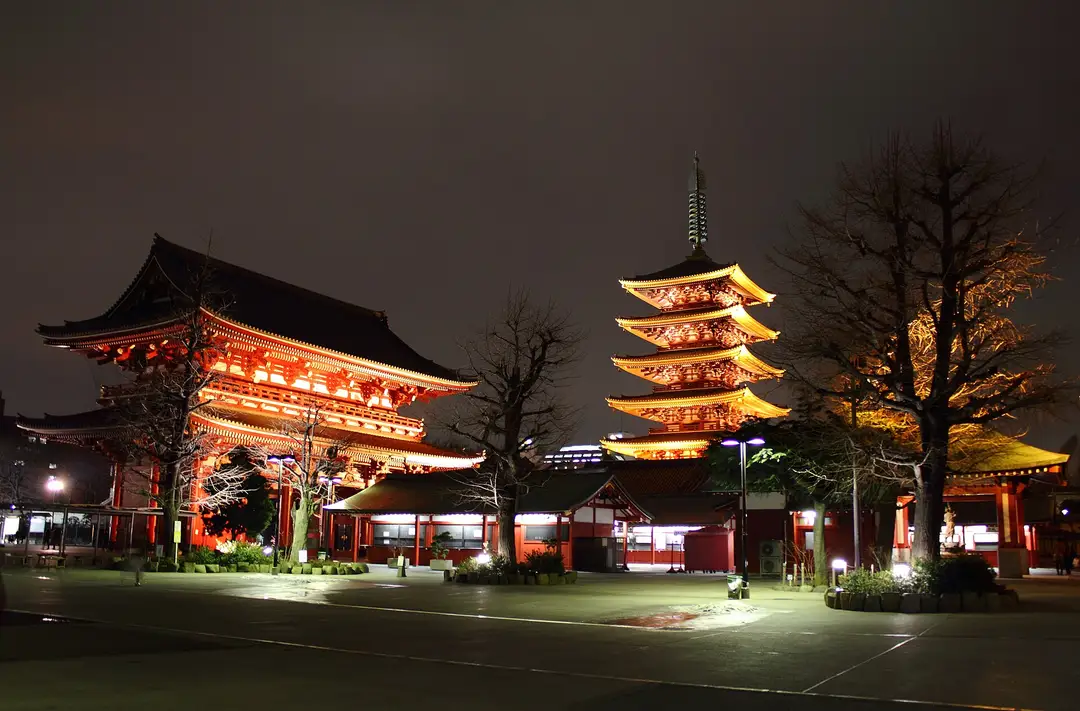
I'd keep the first day deliberately small. You'll likely land jet-lagged, so I'd draw some cash at a convenience-store ATM, drop the bag, and spend the afternoon close to base — and then do the one thing that quietly unlocks the whole trip: have dinner alone, the easy way. Here's the reassurance to carry in. The 'table for one?' moment that can feel so loud back home simply doesn't happen here. At a great many places you order from a machine by the door, take a counter seat facing the cooks, and eat — no negotiation, no second place setting to clear away, no one looking up. The office worker on the next stool is doing exactly what you're doing. The first solo dinner is the only nervous one; after that, the counter starts to feel like the best seat in the house. Senso-ji, lit and open into the evening, is a gentle place to walk first.
- AfternoonLand, cash, and settle inFrom Haneda the Tokyo Monorail, or from Narita the all-reserved N'EX, brings you in to a hub like Tokyo Station or Shinjuku (times and fares in the boxes); from there it's a short subway or Yamanote-line hop to an Asakusa base. Draw cash at a convenience-store or post-office ATM — they take foreign cards — and check in before anything else, so the day has a soft floor under it.
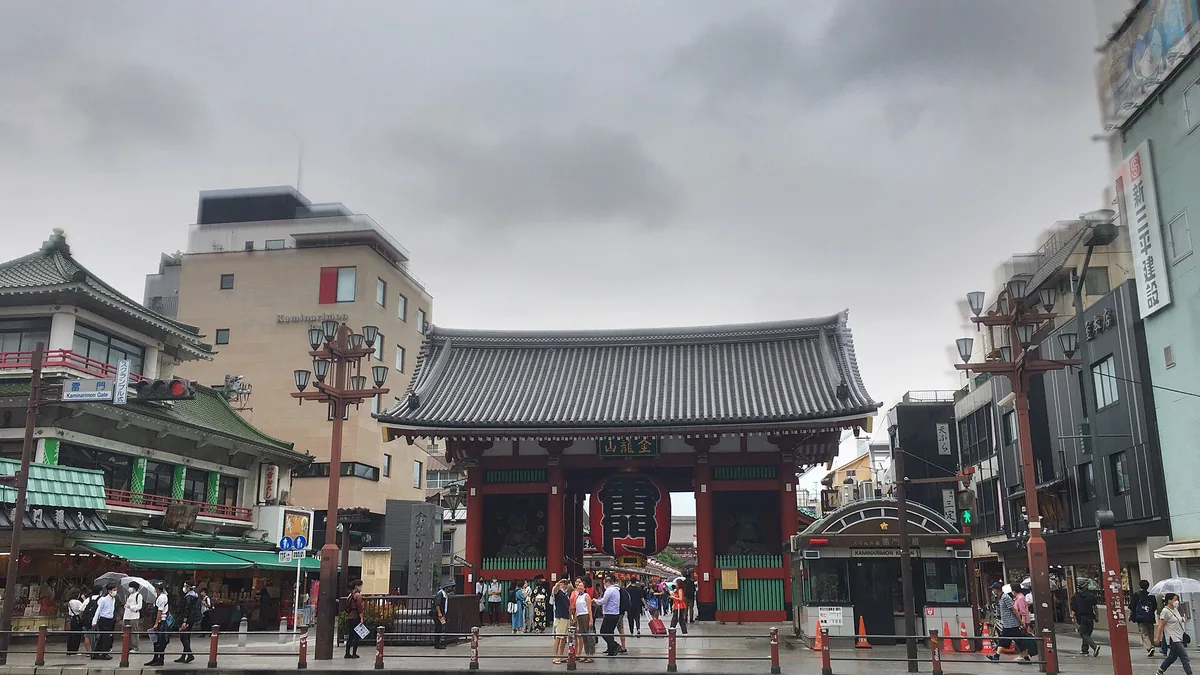
- Early eveningSenso-ji, unhurriedA few minutes on foot from Asakusa Station, the great red Kaminarimon lantern and the Nakamise lane lead up to Tokyo's oldest temple. The grounds stay open and lit after the day-trippers thin out — a calm, almost private first walk. Linked guide: Senso-ji.
- DinnerYour first counter mealFind a ramen or standing-sushi shop with a ticket machine out front (photos and an English button make it easy). Buy your ticket, take a counter stool, hand it over — that's the whole transaction, a perfect bowl and not a word required. This is the moment the trip turns from daunting to yours.
- NightcapThe konbini ritualOn the way back, the convenience store is a solo traveller's friend: a late snack, a hot or cold drink, tomorrow's breakfast, all for a few coins. It becomes a small nightly habit you'll quietly miss when you get home.
Tokyo — a day that answers to no one
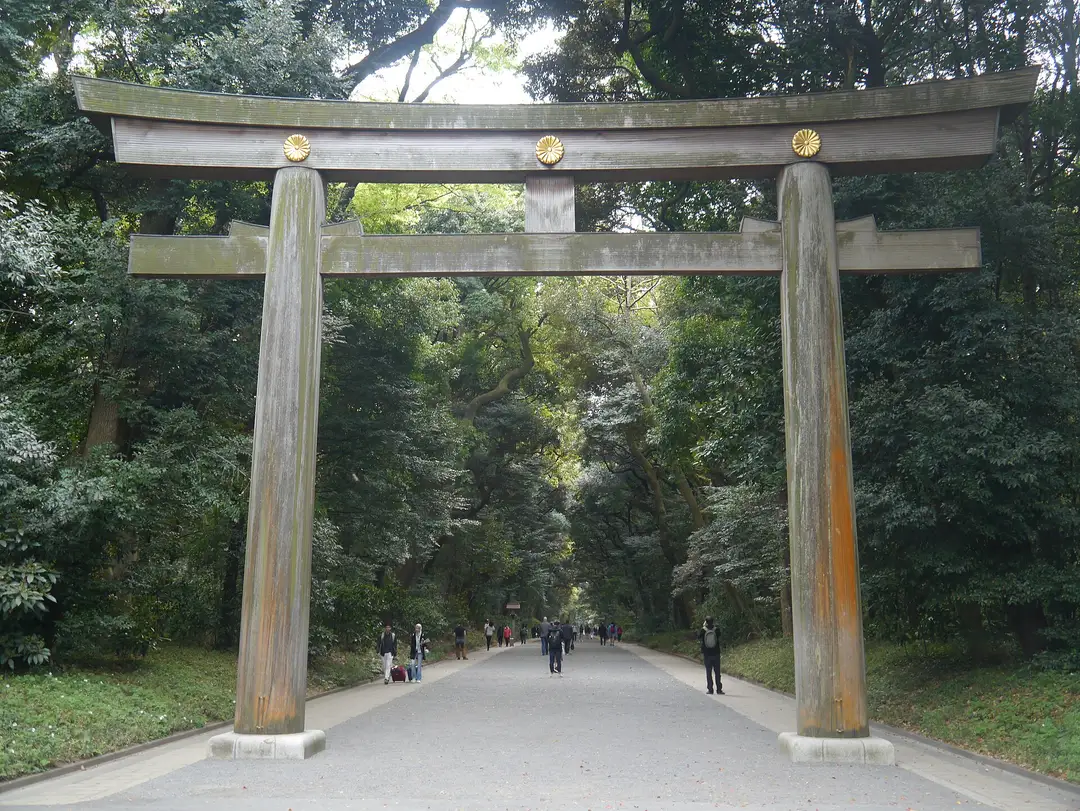
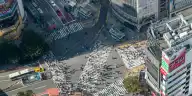
Today is the freedom day, and it's proof of what solo does best. With nobody to caucus with over breakfast, you can start where you like and change your mind at noon. I'd open in the green hush of Meiji Jingu, a forest shrine that opens at sunrise, then step straight out into the colour and crowds of Harajuku and Omotesando, and drift down to the Shibuya scramble to watch the city move. (Shibuya and Shinjuku are marquee Tokyo in their own right; I don't have a dedicated WMJS guide for them yet, so I'll just point and let you wander.) And because the one thing solo doesn't hand you automatically is company, I'd end somewhere it's easy to find — if you want it. An izakaya counter, or a tiny lane of stand-up bars, is the warmest room in Japan for one: order a few small plates and, more often than not, the person on the next stool says hello, especially once the drinks arrive. If you'd rather keep your own company, that's just as ordinary. Both are completely fine here.
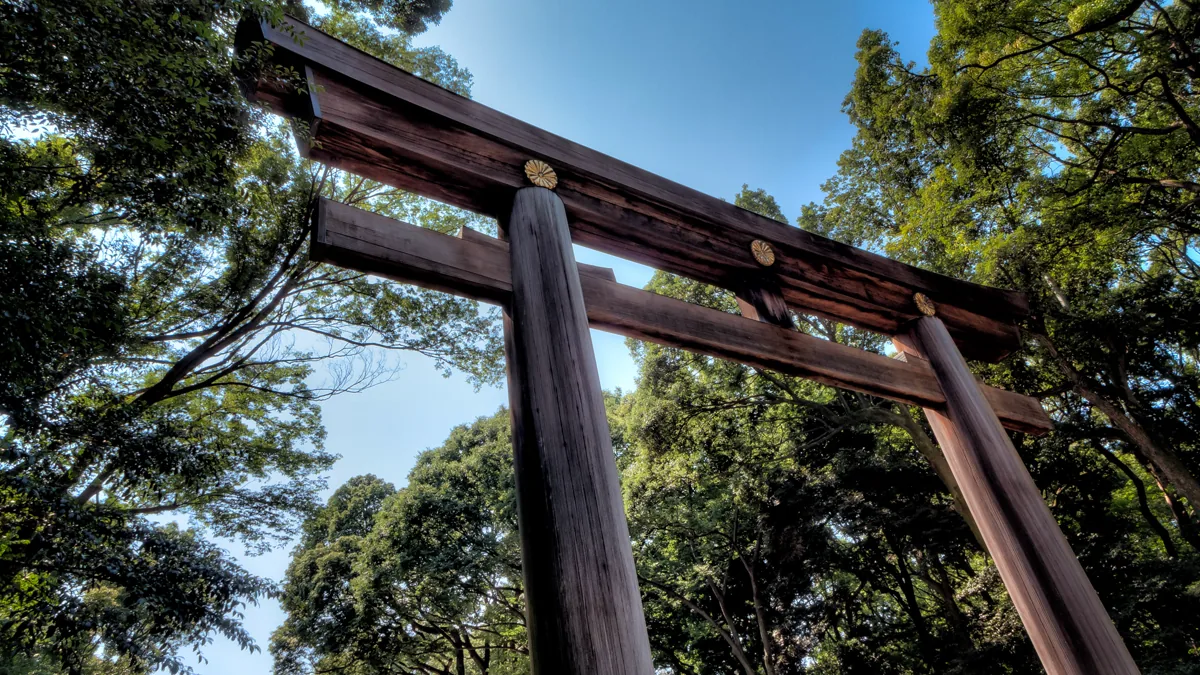
- MorningMeiji Jingu, at your own paceFrom Harajuku Station it's a step into the tall forest that wraps the shrine — gravel paths, a great wooden torii, a calm you can take as slowly as you like. Free to enter, open sunrise to sunset. Linked guide: Meiji Jingu.
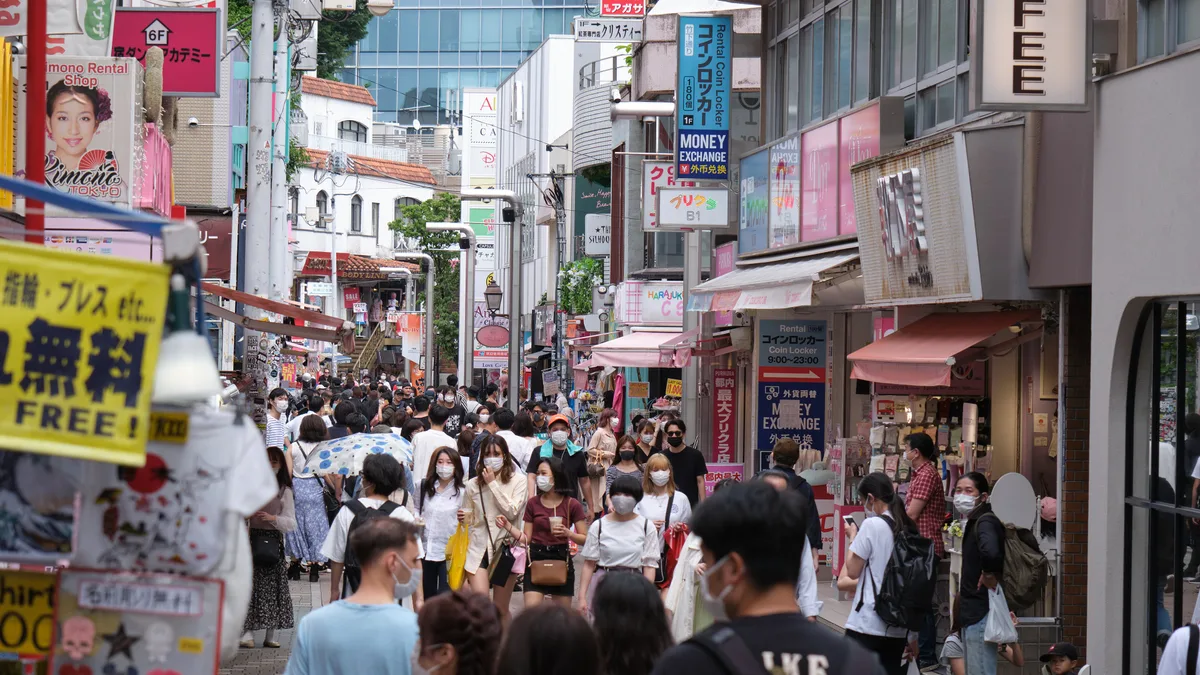
- Late morningHarajuku & OmotesandoOut of the trees and straight into Takeshita Street's pop colour and the tree-lined boutiques of Omotesando — a fun, fast contrast a few minutes apart on foot. Linked guide: Harajuku.
- AfternoonShibuya, the famous crossingA short hop to Shibuya, where the scramble crossing sends a sea of people across from every direction at once — oddly mesmerising to watch alone from a window above. Then wander as the whim takes you; this is your day to follow your feet.
- EveningA counter, if you'd like companyThe yokocho lanes — clusters of tiny stand-up bars and izakaya — are made for one or two. Take a counter seat, order as you go, and let conversation happen or not; the warmth here surprises people who expected a reserved Japan. Prefer a quiet night? A konbini dinner in your room is its own small pleasure.
South by Shinkansen, into old Kyoto
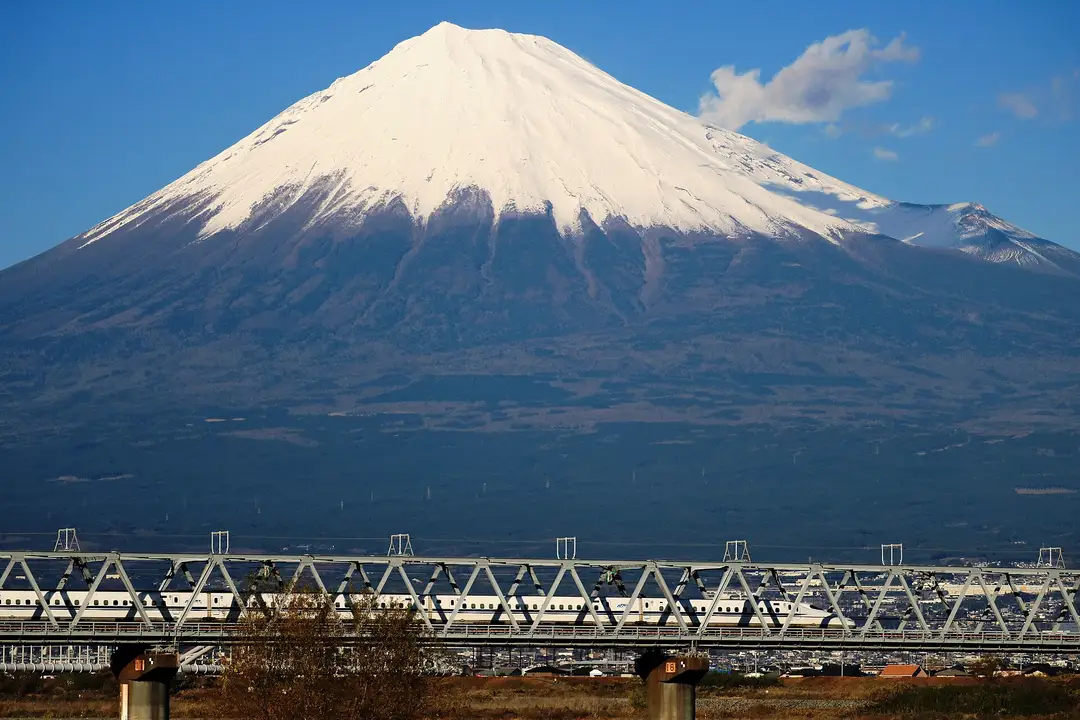
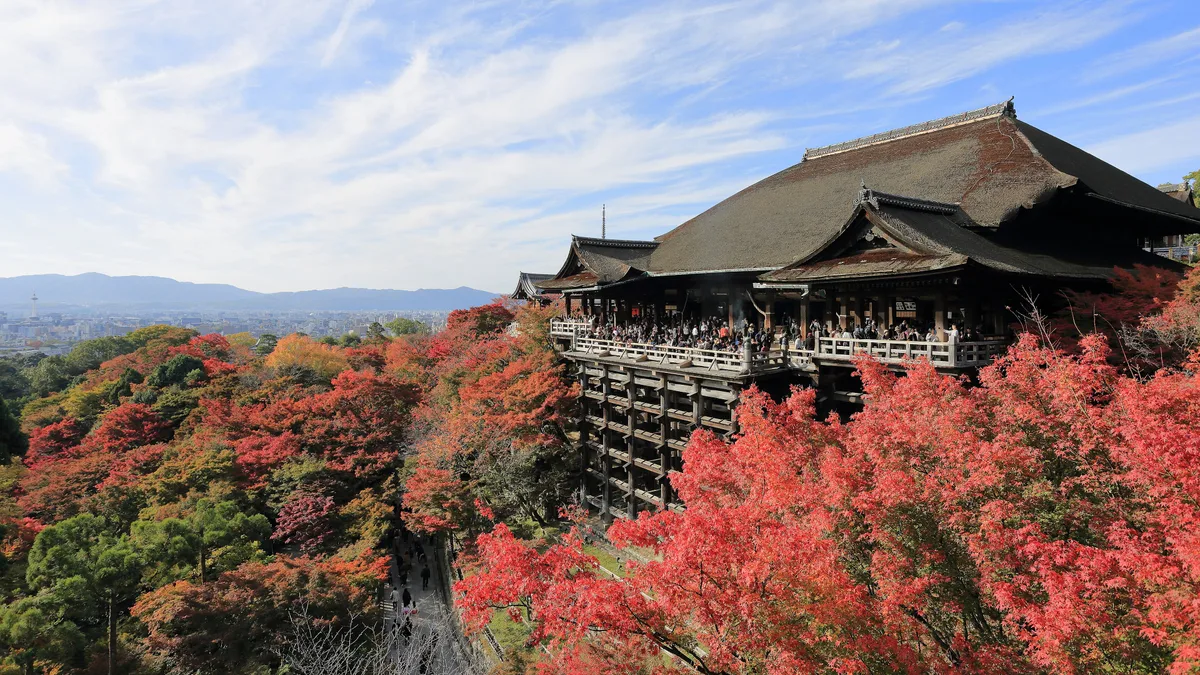
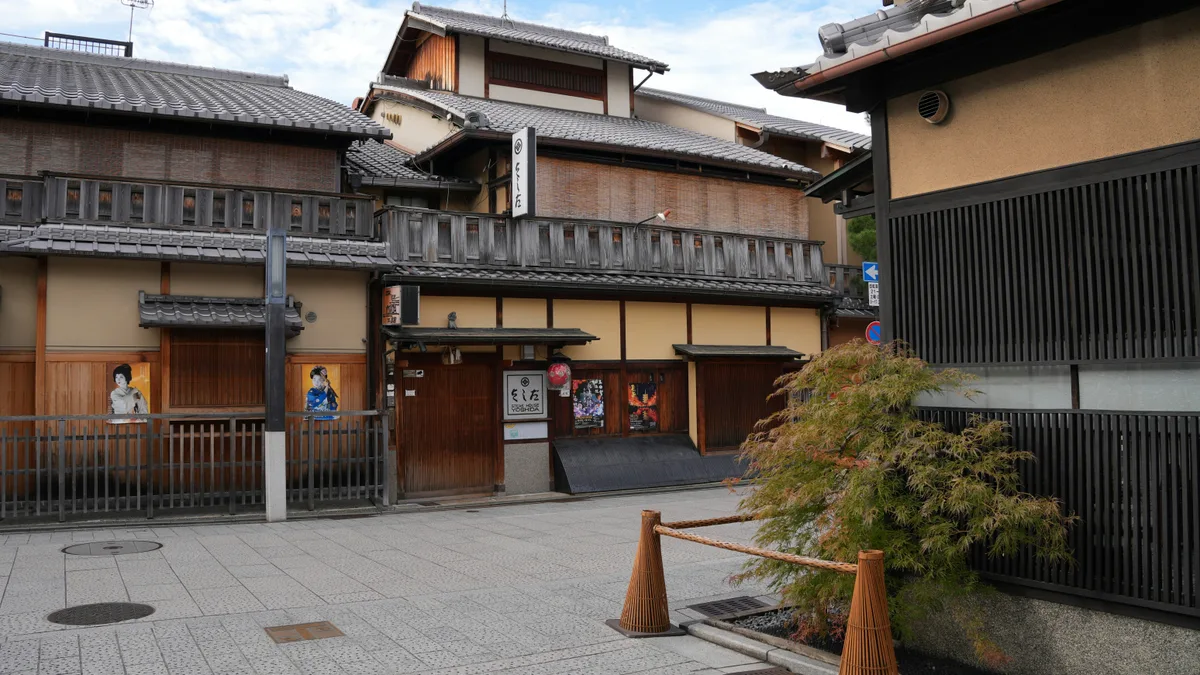
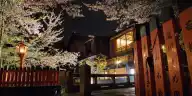
Moving alone scales up beautifully. There's a particular pleasure in the Shinkansen for one: a single reserved seat by the window, a station lunchbox — an ekiben — bought for the ride, and Mount Fuji sliding past on the right a while after you leave Tokyo, if the sky is clear. A couple of hours later you step out into Kyoto. I'd drop the bag and spend the afternoon on the eastern slopes, where old Kyoto is most itself — Kiyomizu-dera's great wooden stage, the stone lanes of Sannenzaka and Ninenzaka falling away beneath it, and Gion as the lanterns come on. This is where being on your own quietly earns its keep: you can let the tour groups stream off toward their waiting buses while you linger on the stone lanes as they empty into the blue hour, and at dinner slip onto a single counter stool in a tiny Gion spot that could never seat a group. A gentle reminder for Gion: people live and work in these lanes, so walk softly and keep to the public streets, and you'll be welcome.
- MorningTokyo to KyotoReserve a single Ordinary-car seat on a Tokaido Shinkansen from Tokyo Station (a window seat for Fuji). A plain IC card won't tap you through the Shinkansen gate, so book through Smart-EX or buy a ticket first — details in the boxes. Grab an ekiben at the station to eat on board.
- AfternoonKiyomizu-dera up the slopesFrom Kyoto Station a city bus climbs toward the Gojozaka / Kiyomizu-michi stops, then a short uphill walk through souvenir lanes to the temple's cliff stage. Opens early; small admission (in the box). Linked guide: Kiyomizu-dera.
- Late afternoonThe Higashiyama lanes, on footFrom Kiyomizu, the stone-paved slopes of Sannenzaka and Ninenzaka drop down past old townhouses — no transit needed, just follow the hill, passing the Yasaka pagoda standing over the rooftops.
- EveningGion at lantern timeDrift into Gion as the lights come on, gently and on the public streets — a quietly atmospheric close to the day, and a lovely one to have entirely at your own pace. Linked guide: Gion.
Kyoto — the morning you'll have to yourself
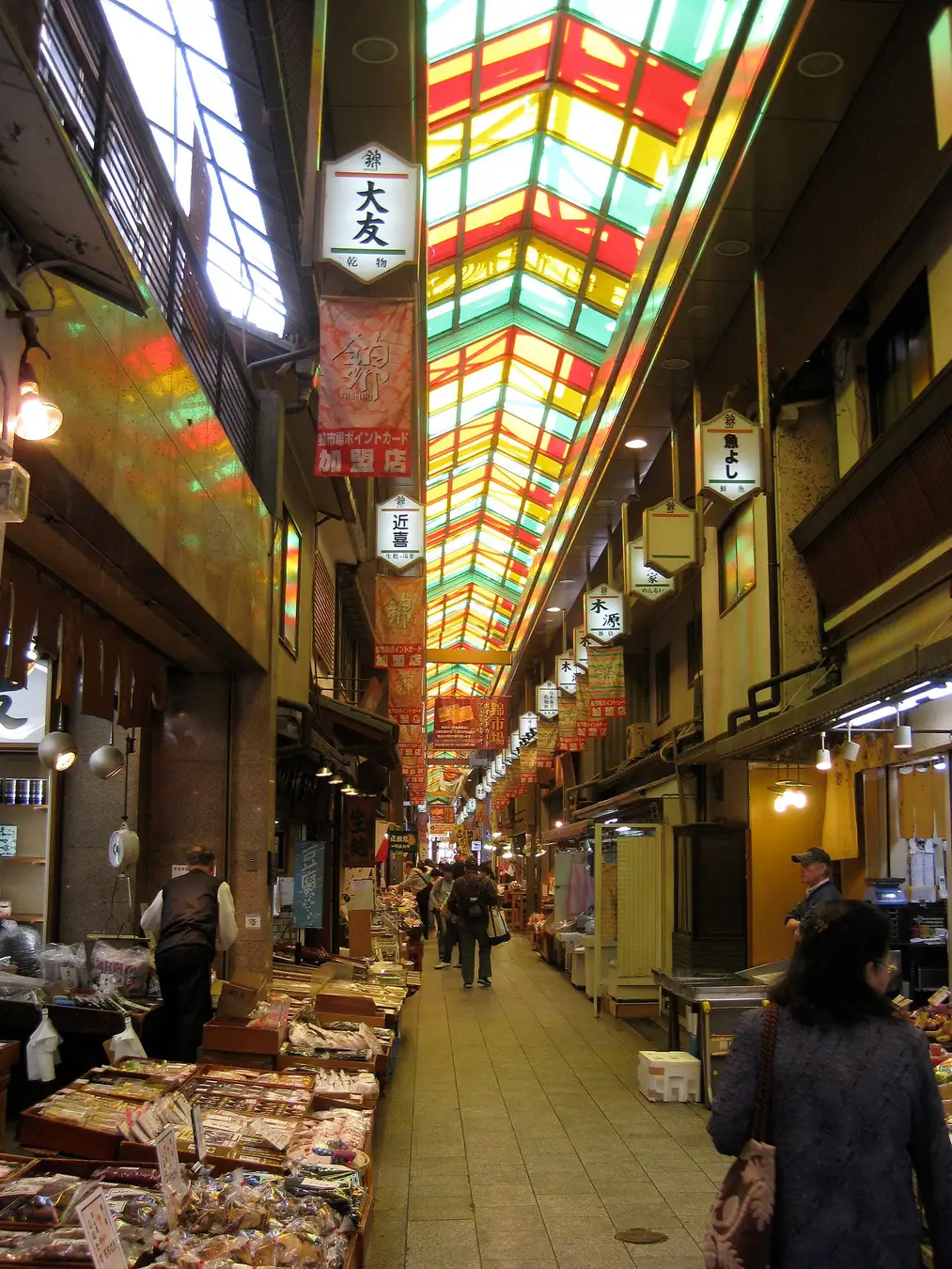
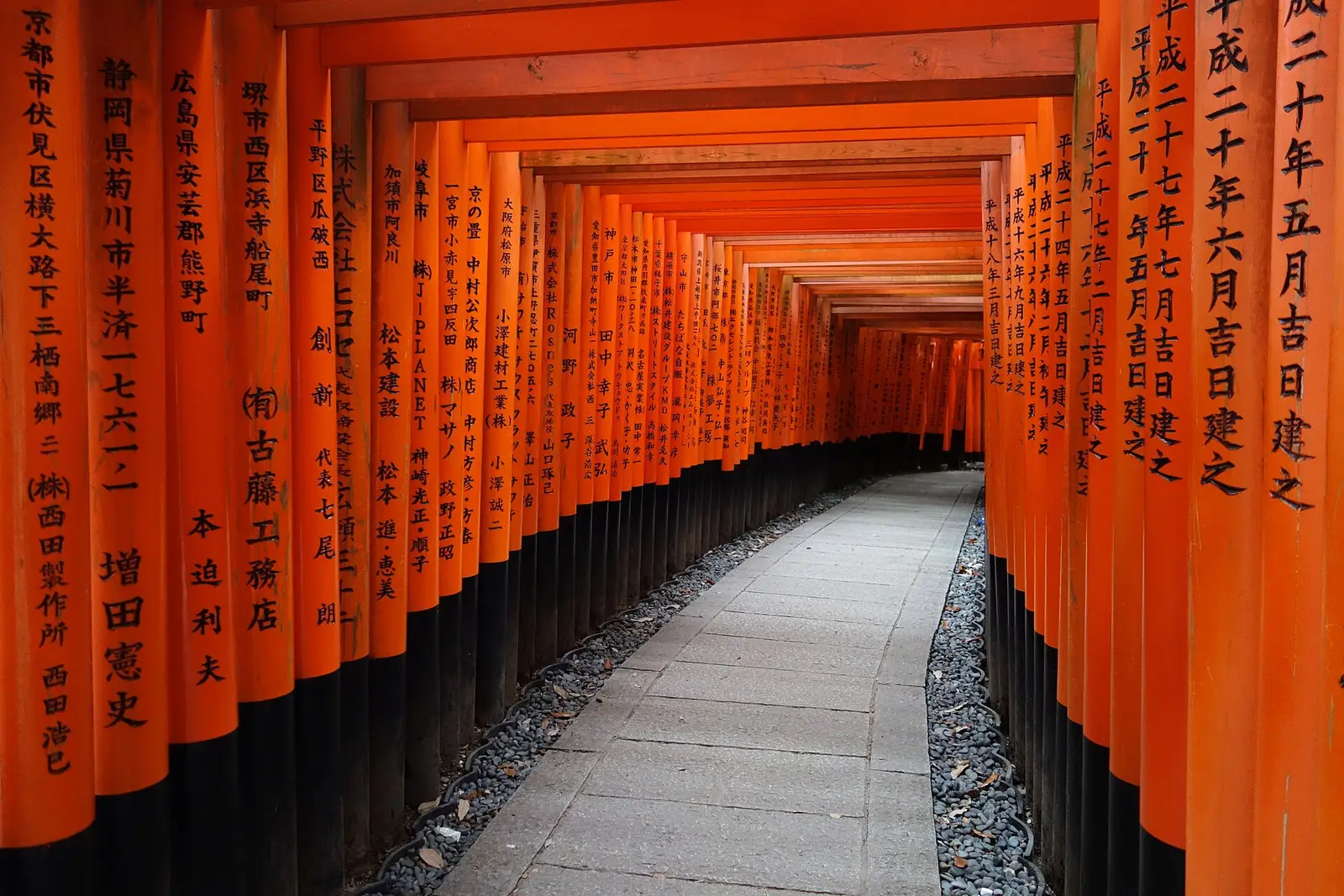
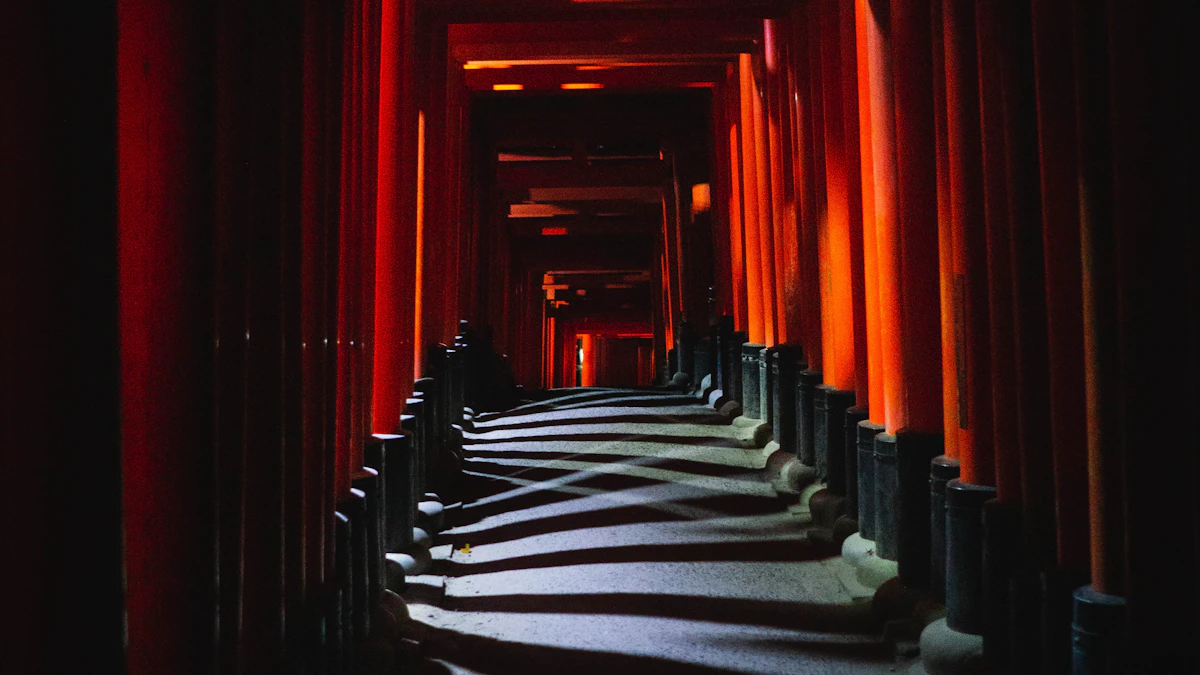
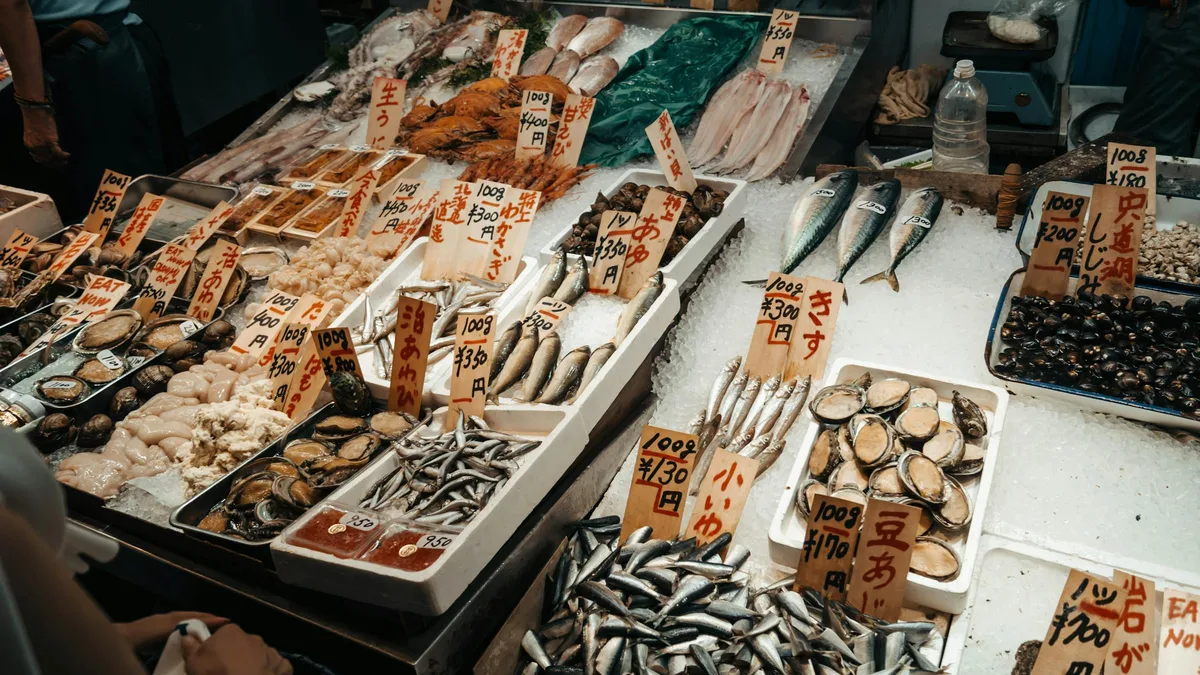
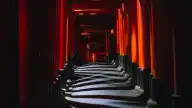
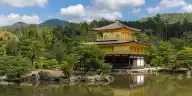
This is where solo pays its biggest dividend. Because no one's voting on the alarm, you can be standing inside the vermilion gate-tunnels of Fushimi Inari at first light, when the corridor is nearly empty and your own footsteps are the loudest thing on the mountain — it's open around the clock, and dawn is when it becomes the place in the photographs. From there the day is yours to shape: graze Nishiki Market the local way (buy a bite, eat it right at the stall), and spend the afternoon on whatever pulled at you — the bamboo of Arashiyama early, the gold of Kinkaku-ji, or simply a slow temple and a long coffee. I'd cap it with the most ohitorisama dinner there is: a seat at a small sushi or set-meal counter, or, if you're game, a solo karaoke booth — singing alone in a soundproof room for one is a genuinely Japanese pleasure, and nobody thinks it odd.
- DawnFushimi Inari, before the crowdsFrom Kyoto Station, a Local train on the JR Nara Line reaches Inari in a few minutes (the Rapid skips it); the gates begin right outside. Climb as far up the tunnels as you like — the higher and earlier you go, the more it's yours alone. It's free and open around the clock, so dawn is yours for the taking. Linked guide: Fushimi Inari.
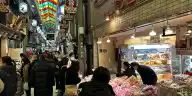
- Mid-morningNishiki Market, the local wayBack into the centre (the Karasuma subway, or Hankyu to Kyoto-Kawaramachi). Down the narrow covered arcade, the rhythm is to buy a small thing and pause right there to eat it, rather than walk and snack — easy and delicious for one. Linked guide: Nishiki Market.
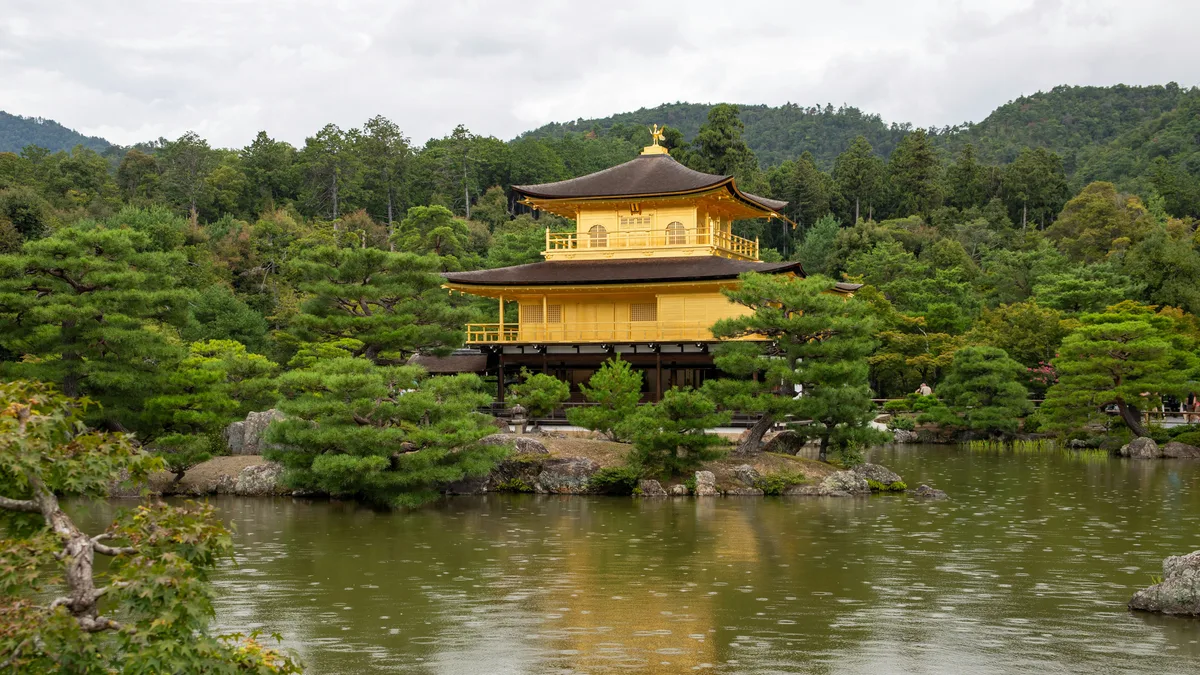
- AfternoonYour choiceFollow the morning's mood — though a heads-up: Arashiyama (far west) and Kinkaku-ji (far north-west) sit on opposite edges of the city, so I'd pick just one rather than chase both. Arashiyama's bamboo grove is best early for the hush; Kinkaku-ji's golden pavilion mirrors on its pond; or stay central with a quieter temple and an unhurried hour with a book. The luxury of solo is that you choose for no one but yourself.
- EveningDinner for one, properlyA counter sushi or a small set-meal restaurant is the natural solo dinner; or book a solo karaoke booth and sing where no one can hear. Being alone here isn't the backup plan — it's the design.
Nara — an easy day out, and proof of how far you've come

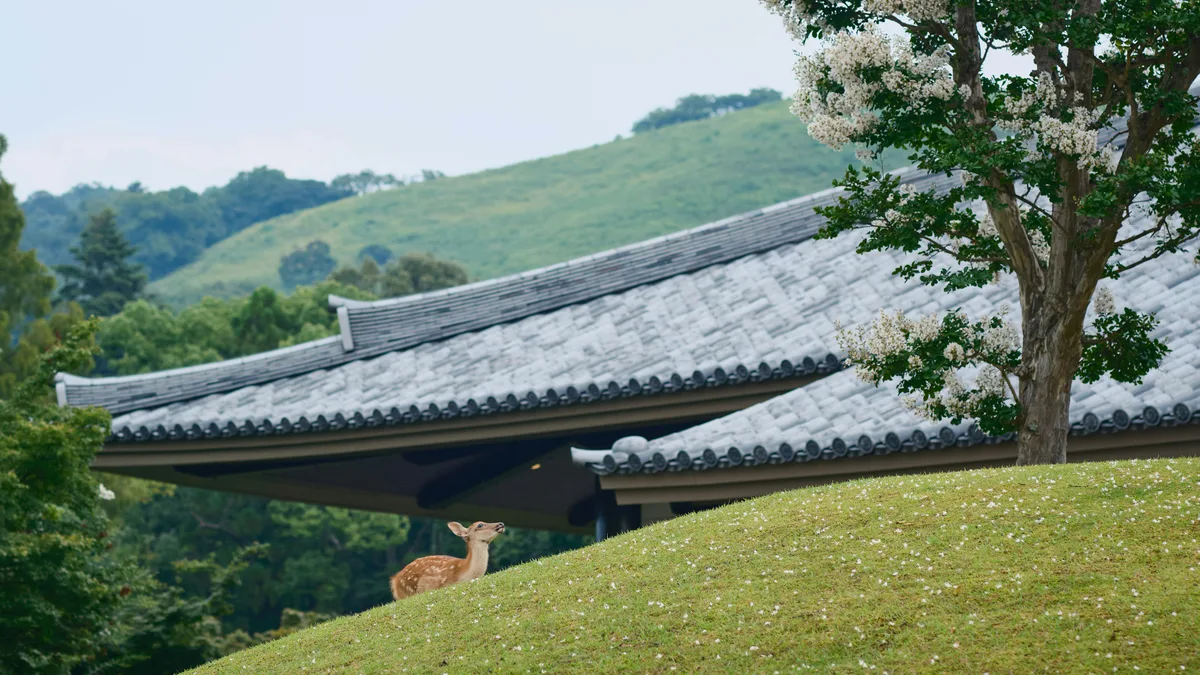
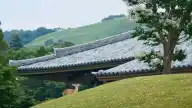
I'd close with the gentlest day: an easy train out to Nara, where the trip's stakes drop to zero and you can simply be. The deer are the heart of it — free-roaming and treated as sacred messengers, they'll bow for a cracker and, once the official biscuits run out, fold their legs on the grass as the park goes quiet. Beyond them, Todai-ji shelters a Great Buddha under one of the world's largest wooden roofs, and lantern-lined paths lead on through the trees. But the thing you're really carrying home isn't a sight. Somewhere in these five days the part of you that was nervous — about eating alone, getting lost, having no one to ask — has gone quiet, and what's left is the surprise solo travellers all describe: you can be a little scared and completely capable at the same time. Japan is a very kind place to find that out.
- MorningOut to NaraFrom Kyoto, the JR Nara Line or the Kintetsu line reaches Nara in around three-quarters of an hour (Kintetsu drops you closest to the park; times and fares in the boxes). An easy, low-stakes ride to end on.
- Late morningThe deer and Todai-jiBuy the official shika-senbei crackers from a park stall (the only food meant for the deer), bow, hand one over, then show open palms when they're gone. Walk on through the park to Todai-ji and the Great Buddha in its vast hall. Linked guide: Nara Park.
- AfternoonLantern paths, then backFollow the wooded, lantern-lined paths toward Kasuga Taisha, then ride back to Kyoto by evening — or, if the trip continues, you're already pointed at the rest of Kansai (see below).
If you have one more day
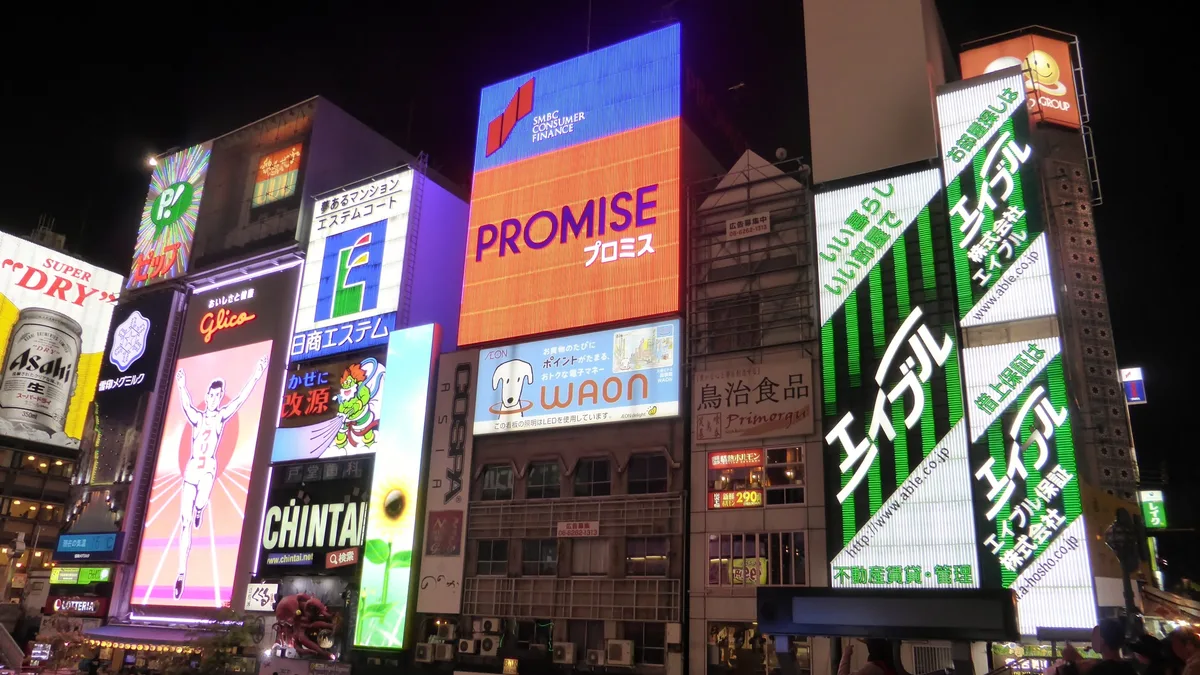
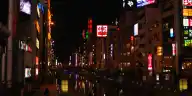
+1 dayWith an extra day I'd do one of two things, and they suit different moods. If you'd like more people in your trip, this is the day to plan a little company — a half-day food or cycling tour, or a night in a sociable guesthouse. It's worth saying plainly: solo Japan is famously safe and easy, but travellers who recharge around others sometimes find the quiet creeps up on them mid-trip, and the simple fix is to book one shared thing rather than hope it happens. Day tours here are full of other solo travellers; no one will be surprised to see you. If you'd rather go deeper into the calm, add a slow Kyoto morning — a single temple, the Arashiyama grove at opening, a long walk — or ride down to Osaka for a louder solo night around the canal and neon of Dotonbori, where eating on the move is half the fun.
If you're short a day
−1 dayShort on time? The trip folds down without losing its heart. I'd keep it Tokyo and Kyoto only and drop the Nara day, or even hold each city to a day and a half and let one cluster go. The instinct when you're nervous is to cram, but with solo travel the opposite serves you: fewer places, held slowly, give you the dawn shrine and the long counter dinner that make the trip feel like yours. Pick the two or three things that pulled at you most and give them room.
Extend from here
OnwardThis route is the spine of a longer trip in both directions. Westward, Kyoto hands straight off to the rest of Kansai — Nara in full, Osaka, the white keep of Himeji — and to one experience made for a solo traveller seeking quiet: a night in a temple lodging on Koyasan, with the monks' vegetarian meal and the dawn service, then the lantern-lined paths of the Okunoin. Eastward, Tokyo opens onto the rest of Kanto. And if your dates land on the bloom or the blaze, the same backbone re-led by the season becomes its own kind of trip. Whatever you add, carry the two solo habits that served you here: book one bit of company in each new place if you're someone who wants it, and leave enough white space that the trip can still surprise you.
WMJS is written in Japan, in English, with AI help. We check every page, but English is not our first language. If a sentence reads oddly, tell us. One sentence is enough.
Thank you. A person reads every note.
Good to know — fares & times
Tokyo to Kyoto by Shinkansen
Tokaido Shinkansen from Tokyo Station, about 2 hours 15 minutes on the fastest Nozomi (Hikari a little longer). The simplest solo move is one reserved Ordinary-car seat, ideally a window for Mt Fuji. Note: a plain Suica or ICOCA will NOT tap you onto the Shinkansen — register the card to a Smart-EX reservation, or buy a paper or QR ticket first.
IC card (Suica / ICOCA) — one card, nationwide
A prepaid tap card: touch in and out and the fare is deducted automatically on JR, subways, private rail and buses. Under the nationwide mutual-use system, a Suica bought in Tokyo works on Kyoto's subway and city buses too, so you need only one. It also pays as e-money at convenience stores.
Haneda Airport to central Tokyo
The Tokyo Monorail reaches Hamamatsucho in about 13 minutes (departing roughly every 5 minutes), where you transfer to the JR Yamanote Line for the rest of the city. IC cards (Suica/ICOCA) tap straight through.
Tokyo Monorail — Haneda-Tokyo access (official)as of 2026-06
Narita Airport to central Tokyo
The all-reserved Narita Express (N'EX) reaches Tokyo Station in roughly 53-60 minutes and Shinjuku in about 80; reserve a seat. From either hub it's a short hop on to your base.
JR-East — Narita Express (N'EX, official)as of 2026-06
Women-only train cars — a comfort option
Many lines designate one 'Women Only' car during the weekday morning rush — a quieter, less-crowded choice marked with pink signs on the platform, which women are welcome to use (small children and disabled passengers with their carers may board too). Outside rush hour, and on some lines such as the Kyoto subway, every car is for everyone. It is an option, never a requirement.
Where to sleep, solo
Three easy, safe types. Business hotels: a compact single room with a private bath, near a station. Capsule hotels: a bed-sized pod you close off, with gender-separated floors — and women-only floors, or whole women-only capsule hotels, exist. Hostels and guesthouses: private or dorm rooms with a shared lounge, good for meeting people, with female-only dorms common.
Safe, and how to get help
Japan's national tourism body states plainly that Japan is very safe and its crime rate is quite low; the everyday advice is simply to be aware of your surroundings, as anywhere. For directions or help, step into a koban (the small neighbourhood police boxes on many corners). The Japan Visitor Hotline runs 24 hours in English, Chinese, Korean and Japanese on 050-3816-2787.
JNTO — Staying Safe in Japan (official)as of 2026-06
If you lose something
Japan runs a coordinated lost-and-found system: items are handed in at a koban, station or shop and forwarded to a central centre, held about three months and searchable via a police database. By the Tokyo government's own account, of cash handed in (around ¥4.5 billion in the year cited) roughly 72% was returned to its owners. File a report in person at any police box; bring photo ID to collect.
Built for one (the demographic root)
Japan's design for solo life isn't a tourist add-on. In the 2020 national census, one-person households were the most common household type in the country — about 38% of all households. That is the structural reason counter seats, single servings and solo-built formats are everywhere you look.
Ekiben on the Shinkansen
Eating on board the Shinkansen is part of the ride (unlike on short local trains). Ekiben — regional station lunchboxes — are made for exactly this, and Tokyo Station gathers them from all over Japan. A small, authentic pleasure for the journey south.
JNTO / Travel Japan — Ekiben culture (official)as of 2026-06
Senso-ji (Asakusa)
About 5 minutes' walk from Asakusa Station (Tokyo Metro Ginza, Toei Asakusa, Tobu and Tsukuba Express lines). Grounds open and lit into the night; the main hall roughly 6:00-17:00; admission free.
JNTO / Japan.travel; GO TOKYO (official)as of 2026-06
Meiji Jingu
About a minute from Harajuku Station (JR Yamanote) or Meiji-jingumae (Tokyo Metro Chiyoda / Fukutoshin). Open every day from sunrise to sunset (the exact hours shift month to month); the main shrine grounds are free.
Meiji Jingu (official)as of 2026-06
Fushimi Inari (dawn)
JR Nara Line Local to Inari, a few minutes from Kyoto Station (the Rapid does not stop there); the gates are right outside the station. Open 24 hours and free, so a dawn or pre-9am visit beats the crowds.
Fushimi Inari Taisha (official)as of 2026-06
Nishiki Market
About 3 minutes' walk from Shijo Station (Subway Karasuma Line), Karasuma or Kyoto-Kawaramachi (Hankyu). A covered arcade of stalls, most open roughly 9:00-17:30 (many close one day a week); the local norm is to eat what you buy right at the stall.
Kiyomizu-dera
From Kyoto Station, Kyoto City Bus #206 or #100 to Gojozaka, or #207 to Kiyomizu-michi, then a ~10-minute uphill walk; or Keihan to Kiyomizu-Gojo. Opens 6:00; closing is seasonal; admission about ¥400.
Kiyomizu-dera Temple (official)as of 2026-06
Getting around Kyoto
Kyoto City Bus is a flat fare of about ¥230 (tap an IC card or pay cash); two subway lines form the fast spine. On a temple-heavy day, the Subway & Bus 1-Day Pass (about ¥1,100 adult) can pay for itself in a few rides.
Kyoto to Nara (day trip)
JR Nara Line (Miyakoji Rapid, roughly every 30 min to JR Nara, a 15-20 min walk from the park) or Kintetsu from Kyoto (a quicker Limited Express with a seat surcharge, or a direct Express, to Kintetsu Nara right by the park). About three-quarters of an hour either way. IC card OK.
JR-West — route & fare search (official)as of 2026-06
Nara Park deer
Around 1,300-1,500 free-roaming wild sika deer, protected as Natural Monuments and revered as sacred messengers. The only food allowed is the official shika-senbei crackers sold by park stalls; bow, feed, then show empty hands. They nudge when excited, so mind small bags.
Visit Nara — Official Nara Travel Guideas of 2026-06
Go deeper
9 min· 6 ch
Before you goWhile you walk
Visiting Senso-ji, Tokyo's Oldest Temple
Is Senso-ji worth visiting? We weighed 125 traveler voices: 54% say worth it outright. Hours, free admission, how long you need, and why the crowd has always been part of the prayer, with an audio guide.
Senso-ji Temple
8 min· 5 ch
Before you goWhile you walk
Visiting Meiji Jingu, Where 100,000 Trees Were Planted to Make a Forest That Tends Itself
Is Meiji Jingu worth visiting? We weighed 70 traveler voices: 75% say worth it, and Japanese locals rate it even higher at 82%. Free, a 70-hectare forest planted entirely by hand in 1920, home to the Great Torii and Kiyomasa's Well in the Inner Garden, with an audio guide.
Meiji Jingu
8 min· 6 ch
Before you goWhile you walk
Visiting Harajuku, Where You Can Wear Anything and No One Turns to Look
Is Harajuku worth it? We counted 99 traveler voices: 64% say yes once you skip Takeshita Street's crush for Cat Street and Omotesando. Crepes, kawaii fashion, getting there, and how to walk it well, with an audio guide.
Harajuku
8 min· 5 ch
Before you goWhile you walk
Kiyomizu-dera: Why People Climb a Hill to Stand on a Cliff and Make a Wish
Is Kiyomizu-dera worth it? Yes, say 48% of 55 international voices and 76% of 111 Japanese voices, if you time it right. Covers the 6 a.m. opening.
Kiyomizu-dera Temple
6 min· 5 ch
Before you goWhile you walk
Gion — Walking Kyoto's Flower District, a Town That Is Still Lived In
An audio guide to Kyoto's Gion flower district: what geiko and maiko really are, the walk from Yasaka Shrine through Hanamikoji to the Shirakawa canal, when to go, and how to enjoy a town still lived in.
Gion
8 min· 5 ch
Before you goWhile you walk
Fushimi Inari Taisha: Ten Thousand Gates, Each One a Thank-You
The ten thousand vermilion gates at Fushimi Inari are thank-you notes you can walk through. A cultural audio guide verified against official sources: why the foxes are messengers not gods, why the summit has no view, and how to walk past the crowds.
Fushimi Inari Taisha
10 min· 6 ch
Before you goWhile you walk
Nishiki Market — Kyoto's Kitchen, One Bite at a Time
An audio guide to Nishiki Market, Kyoto's 400-year-old food street: what to eat and buy, when to go, and why the kindest way to enjoy it is to stop and taste.
Nishiki Market
12 min· 5 ch
Before you goWhile you walk
Visiting Nara Park, Where Japan's Sacred Deer Have Bowed for a Thousand Years
Is Nara Park worth visiting? We weighed 100 traveler voices: 65% say worth it, and Japanese locals rate it even higher at 80%. Free, open day and night, home to 1,400+ sacred deer, plus the Great Buddha at Todai-ji and the lantern path to Kasuga Taisha, with an audio guide.
Nara Park
13 min· 6 ch
Before you goWhile you walk
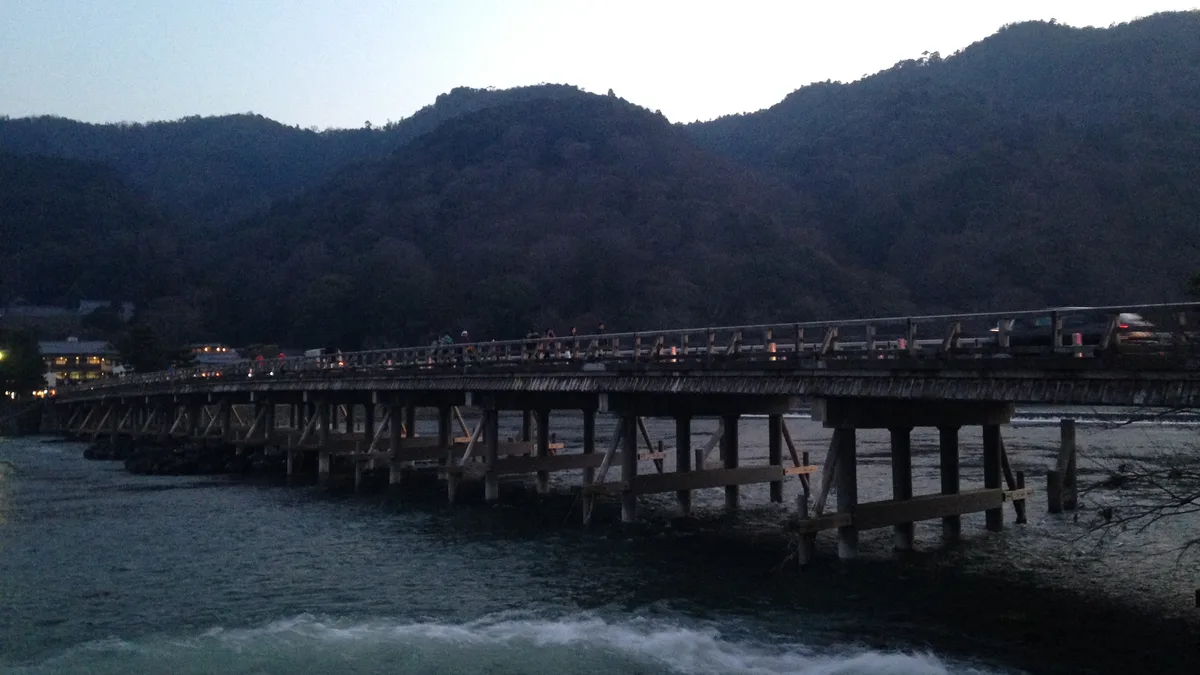
Arashiyama — Why Japan Lists This Bamboo Grove Among the Sounds Worth Saving
An audio cultural guide to Arashiyama in Kyoto, verified against official sources. Understand why Japan lists the bamboo of Sagano among the sounds it wants to keep, how the Moon-Crossing Bridge earned its name, and how to walk the river, the grove, and Tenryu-ji's borrowed-mountain garden away from the crowds.
Arashiyama
7 min· 6 ch
Before you goWhile you walk
Kinkaku-ji — Why Everyone Stops at the Same Spot to Photograph the Golden Pavilion
An audio cultural guide to Kinkaku-ji, Kyoto's Golden Pavilion, verified against official temple sources. Why you view it from across the pond, what the gold really means, plus hours, admission, and access from Kyoto Station.
Kinkaku-ji (Rokuon-ji)
11 min· 6 ch
Before you goWhile you walk
Visiting Dotonbori, Osaka's Neon Canal Built for Appetite
Is Dotonbori worth visiting? We weighed 200 traveler voices: 37% say the neon is worth it outright, another 36% call it worth a quick look, and Osaka's own locals rate it warmer at 62%. The Glico sign, takoyaki, the shared-sauce rule, and the quiet lane one street back, with an audio guide.
Dotonbori
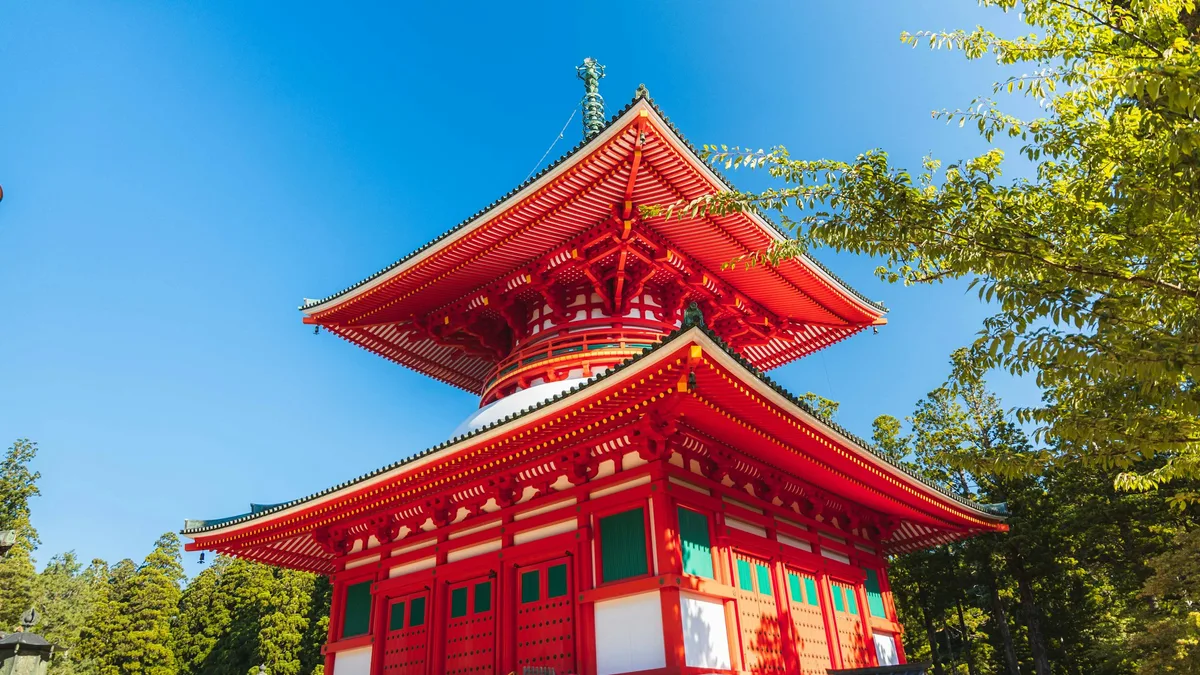
10 min· 6 ch
Before you goWhile you walk
Visiting Koyasan, The Mountain Where a Thousand-Year Prayer Has Never Stopped
Is Koyasan worth visiting? We weighed 83 traveler voices: 53% say worth the trip, and Japanese reviews rate the mountain even warmer at 79%. A sacred mountain founded in 816 by the monk Kukai, reached from Osaka by train, cable car and bus, where a night in a shukubo temple lodging makes the biggest difference, with an audio guide.
Koyasan (Mount Koya)
Read before you go

How Japan Works
Is Japan Safe? What Japanese People Want You to Know

How Japan Works
Is Harajuku Worth It? It Depends Which Harajuku You Mean

Combine with another plan
Tokyo & around, an easy few days
The capital and its day trips — old-city Tokyo, seaside Kamakura, mountain Nikko — at a comfortable pace
Kansai, an easy few days
Japan's older heart — Kyoto, Nara, Osaka — at a comfortable pace
Cherry blossom, a trip timed to the bloom
The Tokyo-to-Kyoto golden route led by the blossom — and how to read the moving front the way locals do, so a date you can't book becomes the best part of the trip
Autumn leaves, a trip timed to the colour
Kyoto at peak maple — and how to read the clock the colour runs on, so you stand in it instead of chasing it
Sources
- JR-Central — Kyoto by Shinkansen
- Smart-EX — boarding with an IC card (JR-Central / JR-West)
- JR-East — Suica (what it is)
- JR-West — ICOCA usage area & nationwide mutual use
- Tokyo Monorail — Haneda-Tokyo access
- JR-East — Narita Express (N'EX)
- Toei Transportation — Passenger Conduct (women-only cars)
- JR-East — Use of Women-Only Cars
- GO TOKYO — A guide to capsule hotels in Japan
- JNTO — Staying Safe in Japan
- Tokyo Metropolitan Government — Lost & Found Property System
- Japan Statistics Bureau — 2020 Population Census (summary)
- JNTO / Travel Japan — Ekiben culture
- JNTO / Japan.travel — Senso-ji
- GO TOKYO — Senso-ji
- Meiji Jingu — official access & visit
- Fushimi Inari Taisha — official access
- Kyoto Nishiki Market Promotion Association — official access
- Kiyomizu-dera Temple — official visit
- Kyoto City Transportation Bureau — Subway & Bus 1-Day Pass
- JR-West — route & fare search
- Kintetsu Railway — route/fare search
- Visit Nara — Official Nara Travel Guide (deer)