

This page is also available in English.Read in English →
このページは日本語でも読めます。日本語で読む →
이 페이지는 한국어로도 읽을 수 있습니다.한국어로 읽기 →
這個頁面也有繁體中文版。閱讀繁體中文版 →
这个页面也有简体中文版。阅读简体中文版 →
หน้านี้มีภาษาไทยด้วยอ่านภาษาไทย →
Trang này cũng có bản tiếng Việt.Đọc bằng tiếng Việt →
Halaman ini juga tersedia dalam Bahasa Indonesia.Baca dalam Bahasa Indonesia →
Cette page existe aussi en français.Lire en français →
Diese Seite gibt es auch auf Deutsch.Auf Deutsch lesen →
Esta página también está disponible en español.Leer en español →
In che veste viaggi
Da solo in Giappone, il tuo primo viaggio
La rotta d'oro da Tokyo a Kyoto a ritmo da solitari, nell'unico paese costruito per chi viaggia da solo molto prima che qualcuno lo chiamasse viaggio in solitaria
Ultima verifica: 2026-06-23
Giorni
5: qualche giorno a Tokyo, lo Shinkansen verso sud, poi Kyoto, con una tranquilla gita a Nara, tutto a ritmo da solitari
Stagione ideale
Tutto l'anno. La fioritura primaverile e i colori autunnali sono i più belli e i più affollati; in inverno e a inizio estate il paesaggio è un po' meno spettacolare, ma i santuari all'alba e i banconi sono più tranquilli
Base
Due basi comode, prima Tokyo (Asakusa per la calma, Shinjuku per l'energia e i trasporti), poi Kyoto, unite da un solo viaggio in Shinkansen
Spostamenti
Una sola carta IC vale per treni, metropolitane e autobus in tutto il paese, e Google Maps ti dice il treno e il binario, così muoverti da solo è facile e senza stress fin dal primo giorno
A chi è adatto questo piano
- Prima voltaIdeale
- Di ritornoFunziona bene
- Con bambiniNon in primo piano
- In solitariaIdeale
- In coppiaFunziona bene
- Ritmo lentoFunziona bene
Quando andareYear-round
Good all year. Spring blossom and autumn colour are the most beautiful and the most crowded; the winter and early-summer shoulders trade a little scenery for quieter dawn shrines, shorter queues and easier solo tables. The New Year stretch (roughly Dec 29-Jan 3) is the one time many restaurants and shops close, so plan meals ahead.
Il Giappone è adatto a chi viaggia da solo? Lo abbiamo chiesto direttamente a 396 giapponesi: il 62% dice che mangiare da soli è del tutto normale, l'81% vede di buon occhio bere da soli e il 78% aiuterebbe uno straniero che si è perso; molti lo accompagnerebbero addirittura fino a destinazione. I cinque giorni qui sotto partono da questa accoglienza per costruire un primo itinerario, pasti al bancone compresi. Tutto ciò che hanno detto quelle 396 voci, compresa l'unica avvertenza per la sera, è in cosa pensano i giapponesi dello stare da soli.
Se è la prima volta che viaggi da solo, la preoccupazione che più vorrei toglierti è quella che si confessa di rado: il timore di farti notare come la persona che cena da sola, quella che non ha nessuno a cui chiedere, quella con il posto vuoto di fronte. Eppure il Giappone è l'unico paese che da tempo si è organizzato per chi è solo. Molto prima che il «viaggio in solitaria» diventasse una moda da hashtag, qui c'erano già posti al bancone davanti allo chef, ramen ordinato da una macchinetta senza dire una parola, porzioni singole di tutto al minimarket e persino stanze e cabine karaoke pensate per una persona. Esiste perfino una parola per questo, ohitorisama (più o meno «onorevolmente soli»), e suona più come un complimento che come una consolazione. Niente di tutto ciò è stato aggiunto per i turisti: c'è sempre stato per l'impiegato che stacca tardi, per lo studente, per la donna in pausa pranzo. In questo viaggio ne approfitti semplicemente anche tu.
Io quindi seguirei l'itinerario classico del primo viaggio (qualche giorno a Tokyo, lo Shinkansen verso sud, poi Kyoto con una tranquilla gita a Nara) e lo percorrerei con i miei tempi, i migliori che ci siano: l'alba a un santuario perché nessuno insiste per dormire fino a tardi, una deviazione di due ore lungo un vicolo che profuma di pesce alla griglia, la cena esattamente quando hai fame. Qui sotto trovi come mi muoverei, dove dormirei, quando goderti la solitudine e, nelle sere in cui hai voglia di compagnia, dove trovare un bancone da condividere. Smontalo e rimontalo come preferisci: il bello di viaggiare da soli è proprio questa libertà.
Dove fare base
Quando viaggi da solo, la stanza conta più che in un gruppo: è lì che ti rilassi dopo una giornata in cui tutto è nuovo, quindi la sceglierei per comodità e semplicità più che per il prestigio della zona. La buona notizia è che il Giappone offre tre soluzioni su misura per chi è solo, tutte sicure, pulite e semplici da prenotare.
I business hotel sono la scelta pratica: una camera singola compatta con un piccolo bagno privato, vicino a una stazione, in ogni città, niente di lussuoso ma tutto ciò che conta. I capsule hotel sono l'opzione economica e sorprendentemente riposante: una capsula pulita, grande quanto un letto, che si chiude con una porta o una tenda, armadietti ben pensati, un grande bagno comune; i piani sono separati per genere, e ci sono piani riservati alle donne e persino interi capsule hotel solo per donne, se preferisci (il riquadro riassume l'essenziale). E gli ostelli e le guesthouse sono la scelta giusta se ti fa piacere avere compagnia quando ne hai voglia: una stanza privata o in dormitorio più un salottino comune dove i viaggiatori solitari attaccano bottone, e i dormitori solo per donne sono diffusi.
A Tokyo mi sistemerei ad Asakusa per atterrare con calma nella Tokyo di una volta: strade in piano, un tempio che apre presto e diverse linee ferroviarie che partono lì vicino, così di solito trovi posto a sedere; oppure a Shinjuku se cerchi movimento e vuoi avere a due passi la stazione meglio collegata della città. A Kyoto, dormire vicino alla Kyoto Station rende le gite giornaliere e il trasferimento in aeroporto un gioco da ragazzi, mentre il centro (Karasuma o Kawaramachi) e le pendici di Higashiyama ti mettono a distanza di passeggiata dai vicoli antichi. Ovunque alloggi, cerca una stazione con ascensore e un minimarket all'angolo; si trovano dappertutto.
Tokyo (prima base)
~2h15 in ShinkansenKyoto (seconda base)
~45 minNara (gita facile)
Spostamenti e biglietti
Per prima cosa procurati una carta IC, una Suica o una ICOCA, non importa quale, e potrai quasi smettere di pensare ai biglietti. È una carta prepagata contactless: la avvicini al lettore all'entrata e all'uscita, la tariffa viene calcolata per te, e poiché le carte giapponesi sono interoperabili in tutto il paese, quella che compri a Tokyo funziona anche sulla metropolitana e sugli autobus di Kyoto. Comodissimo: puoi usarla anche per pagare ai minimarket. L'unica cosa che non fa da sola è farti salire sullo Shinkansen: per il tragitto da Tokyo a Kyoto collegherai la carta a una prenotazione Smart-EX oppure comprerai semplicemente un biglietto (i dettagli nei riquadri); io prenoterei il posto, così hai il finestrino garantito.
Se muoversi da soli qui è così facile, il merito è di Google Maps. Digita dove stai andando e ti dà il treno, il binario, spesso anche la carrozza esatta su cui salire per l'uscita più rapida, e la tariffa, così la paura di «perdersi senza nessuno a cui chiedere» quasi svanisce. E quando vuoi chiedere, i koban, i piccoli posti di polizia di quartiere che trovi a tanti angoli, servono anche a questo, indicazioni stradali comprese.
Un paio di cose che vale la pena sapere se viaggi da solo, e soprattutto se sei una donna che viaggia sola, per rassicurarti, non per allarmarti. Molte linee ferroviarie hanno una carrozza «riservata alle donne» durante l'ora di punta del mattino nei giorni feriali: un'opzione un po' più tranquilla e meno affollata, segnalata con cartelli rosa sul binario, che puoi usare se vuoi (fuori dall'ora di punta, e su alcune linee come la metropolitana di Kyoto, tutte le carrozze sono aperte a tutti). E se preferisci evitare del tutto la calca del mattino, viaggiando da solo è facile: se vai ai santuari all'alba, prenderai comunque treni quasi vuoti. Per i contanti, gli sportelli ATM dentro i minimarket e alla posta accettano le carte straniere anche quando alcuni bancomat delle banche non lo fanno, così non resterai mai a piedi. E un dettaglio rassicurante che sorprende molti: se qui perdi il portafoglio, hai buone probabilità di riaverlo (il riquadro dei dati spiega la cultura degli oggetti smarriti). Il Giappone è, per usare le parole dell'ente nazionale del turismo, molto sicuro: basta la normale attenzione che avresti ovunque.
Tokyo e la prima cena da solo (l'unica che mette un po' d'ansia)
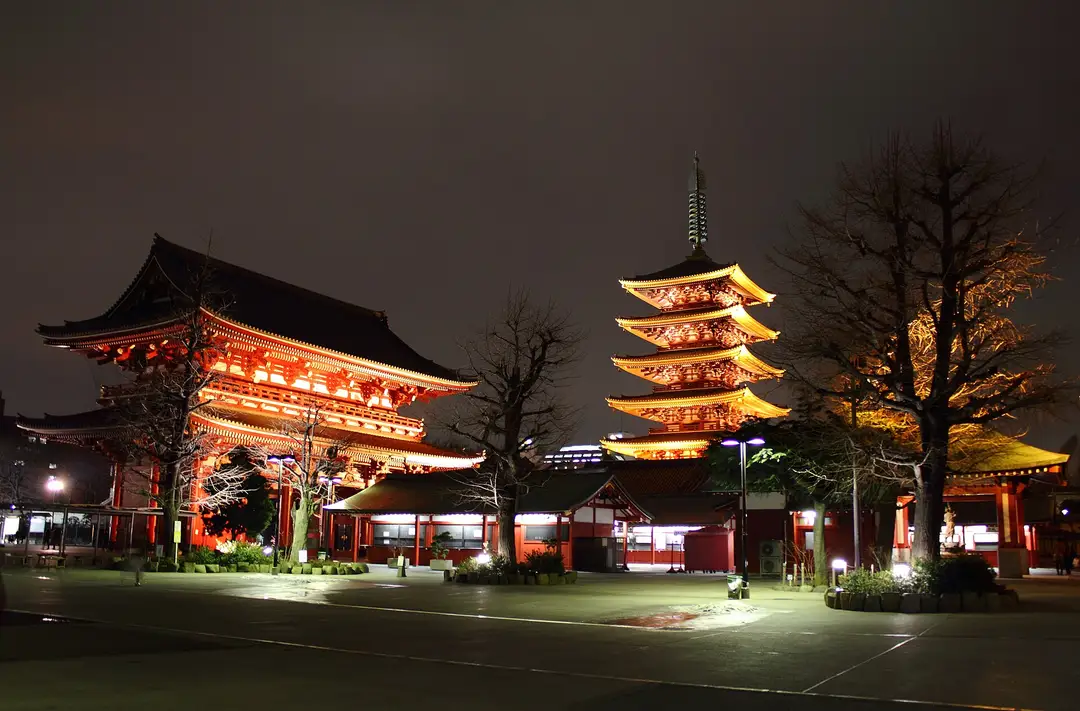
Terrei il primo giorno volutamente leggero. Probabilmente arriverai con il jet lag, quindi io preleverei un po' di contanti a un ATM di un minimarket, lascerei la borsa e passerei il pomeriggio vicino all'alloggio, per poi fare la cosa che rende più facile tutto il resto del viaggio: cenare da solo, senza complicazioni. Per rassicurarti: il momento imbarazzante del «tavolo per uno?», che a casa può pesare tanto, qui praticamente non esiste. In moltissimi locali ordini da una macchinetta all'ingresso, prendi un posto al bancone rivolto verso i cuochi e mangi, senza spiegazioni, senza un secondo coperto da sparecchiare, senza che nessuno alzi lo sguardo. L'impiegato sullo sgabello accanto sta facendo esattamente quello che fai tu. La prima cena da solo è l'unica che mette un po' d'ansia; dopo, il bancone diventa in fretta il tuo posto preferito. Il Senso-ji, illuminato e aperto fino a sera, è perfetto per una prima passeggiata tranquilla.
- PomeriggioArrivo, contanti e sistemazioneDa Haneda il Tokyo Monorail, o da Narita il N'EX interamente su prenotazione, ti porta a una grande stazione come Tokyo Station o Shinjuku (orari e tariffe nei riquadri); da lì è un breve tratto di metropolitana o della linea Yamanote fino a una base ad Asakusa. Preleva contanti a un ATM di un minimarket o della posta (accettano le carte straniere) e fai il check-in prima di ogni altra cosa, così affronti il resto della giornata in tranquillità.
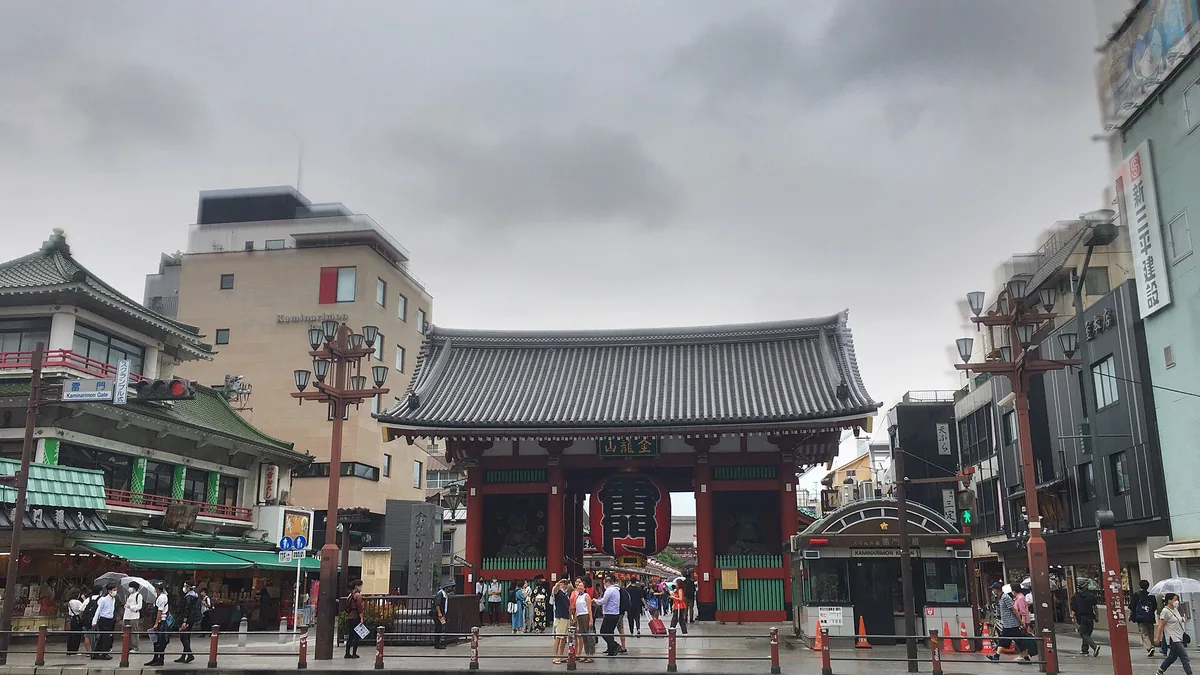
- Sera prestoSenso-ji, senza frettaA pochi minuti a piedi dalla Asakusa Station, la grande lanterna rossa Kaminarimon e la via Nakamise conducono al tempio più antico di Tokyo. Il complesso resta aperto e illuminato anche quando i visitatori di giornata se ne sono andati: una prima passeggiata calma, quasi intima. Guida collegata: Senso-ji.
- CenaIl tuo primo pasto al banconeTrova un locale di ramen o un sushi in piedi con una macchinetta dei biglietti davanti (foto e un tasto in inglese la rendono facile). Compra il biglietto, prendi uno sgabello al bancone, consegnalo: tutto qui: una ciotola perfetta senza dover dire una parola. È il momento in cui il viaggio smette di intimidire e comincia a essere tuo.
- Ultimo bicchiereSosta al konbiniSulla via del ritorno, il minimarket è l'amico di chi viaggia da solo: uno spuntino serale, una bevanda calda o fredda, la colazione di domani, tutto per pochi spiccioli. Diventa presto una piccola abitudine serale che ti mancherà, una volta tornato a casa.
Tokyo: una giornata che non rende conto a nessuno
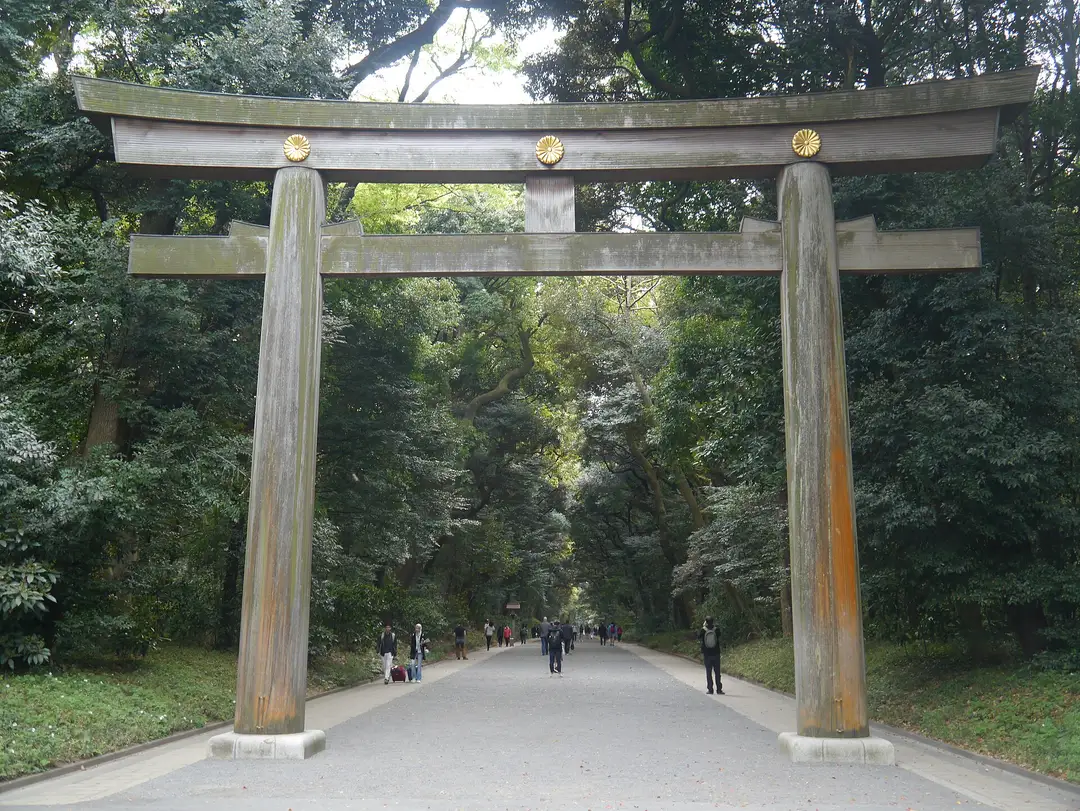
Oggi è la tua giornata libera, e mostra il meglio del viaggiare da soli. Visto che a colazione non devi metterti d'accordo con nessuno, puoi iniziare dove vuoi e cambiare idea a mezzogiorno. Io comincerei dalla calma del bosco del Meiji Jingu, un santuario che apre all'alba, per poi tuffarmi nei colori e nella folla di Harajuku e Omotesando e scendere fino all'incrocio di Shibuya a guardare la città in movimento. (Shibuya e Shinjuku meritano una visita di per sé; girale semplicemente come ti va.) E visto che viaggiando da soli la compagnia non è garantita, chiuderei la giornata in un posto dove è facile trovarla, se ne hai voglia. Il bancone di un izakaya, o un vicoletto di bar dove si beve in piedi, è il posto più accogliente del Giappone per chi è solo: ordina qualche piattino e, il più delle volte, la persona sullo sgabello accanto ti saluta, soprattutto una volta che arrivano i bicchieri. Se invece preferisci startene per conto tuo, è altrettanto normale: qui entrambe le cose sono del tutto naturali.
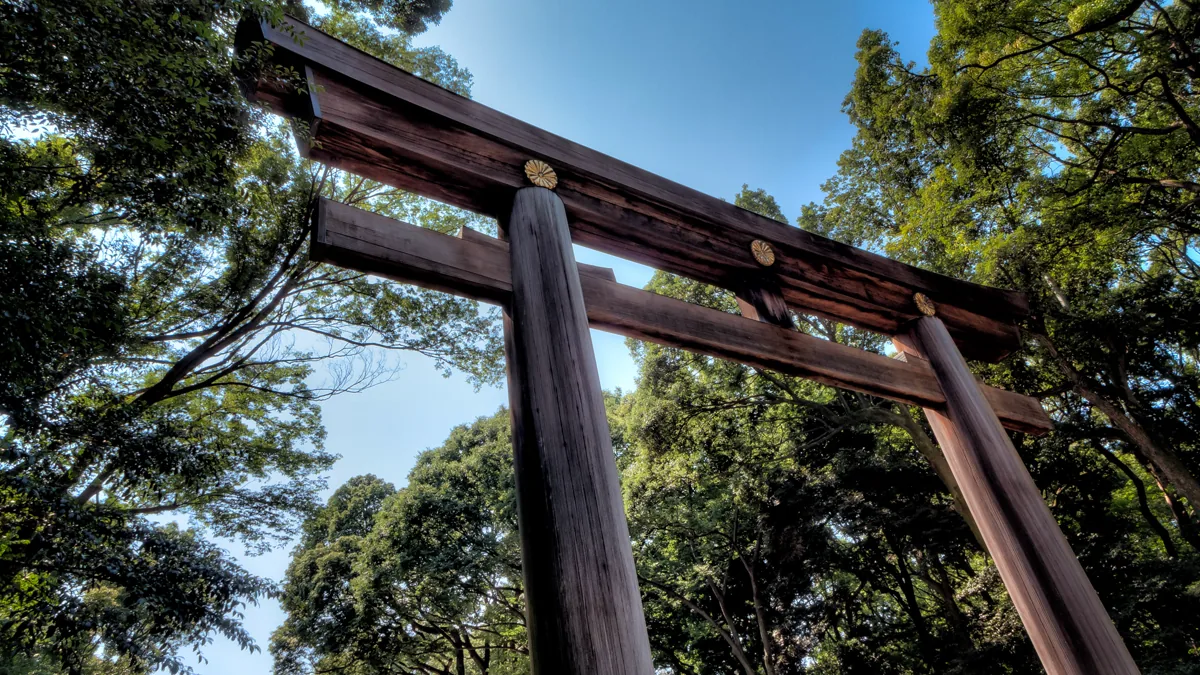
- MattinaMeiji Jingu, al tuo ritmoDalla Harajuku Station bastano pochi passi per entrare nell'alto bosco che circonda il santuario: sentieri di ghiaia, un grande torii di legno e una calma da gustare con tutta la lentezza che vuoi. Ingresso gratuito, aperto dall'alba al tramonto. Guida collegata: Meiji Jingu.
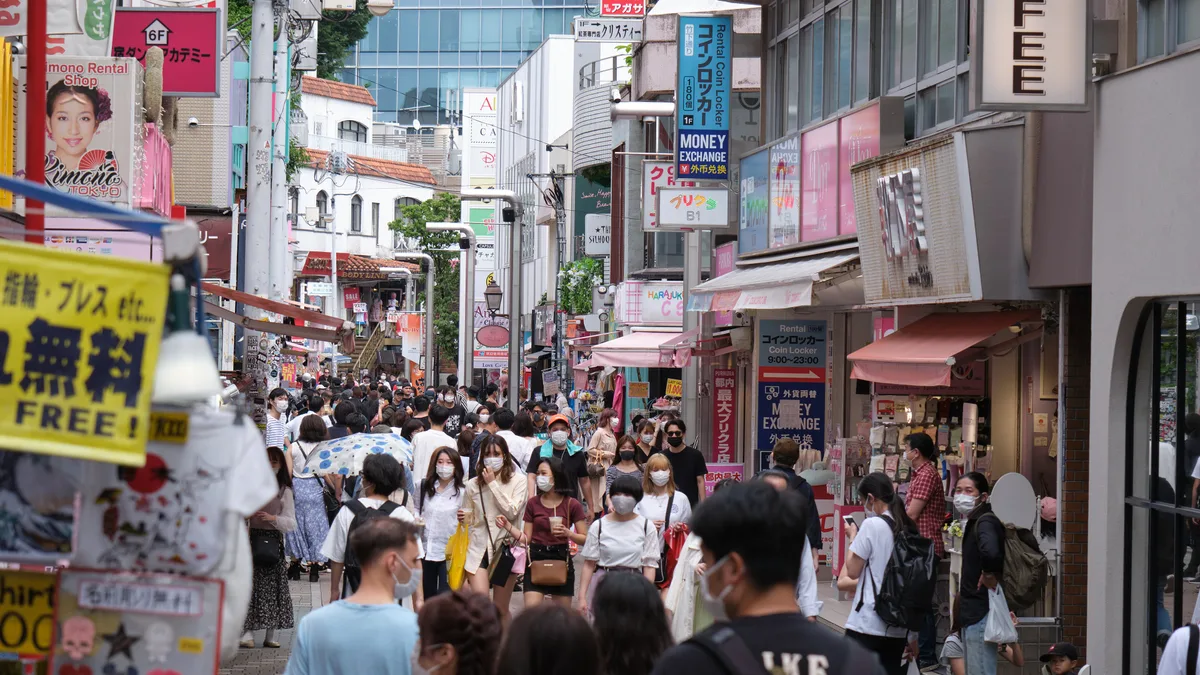
- Tarda mattinataHarajuku e OmotesandoUscito dal bosco, ti ritrovi subito tra i colori pop di Takeshita Street e le boutique del viale alberato di Omotesando: un contrasto divertente, a pochi minuti a piedi. Guida collegata: Harajuku.
- PomeriggioShibuya, il famoso incrocioUn breve tragitto fino a Shibuya, dove un mare di persone attraversa l'incrocio da ogni direzione nello stesso momento: uno spettacolo stranamente ipnotico da guardare in solitaria da una finestra in alto. Poi gironzola come ti va; oggi segui solo il tuo istinto.
- SeraUn bancone, se hai voglia di compagniaI vicoli yokocho, grappoli di minuscoli bar in piedi e izakaya, sono fatti per una o due persone. Prendi un posto al bancone, ordina man mano, e lascia che la conversazione nasca oppure no; il calore che si trova qui sorprende chi si aspettava un Giappone riservato. Preferisci una serata tranquilla? Anche cenare in camera con qualcosa preso al konbini ha il suo fascino.
Verso sud in Shinkansen, dentro la vecchia Kyoto
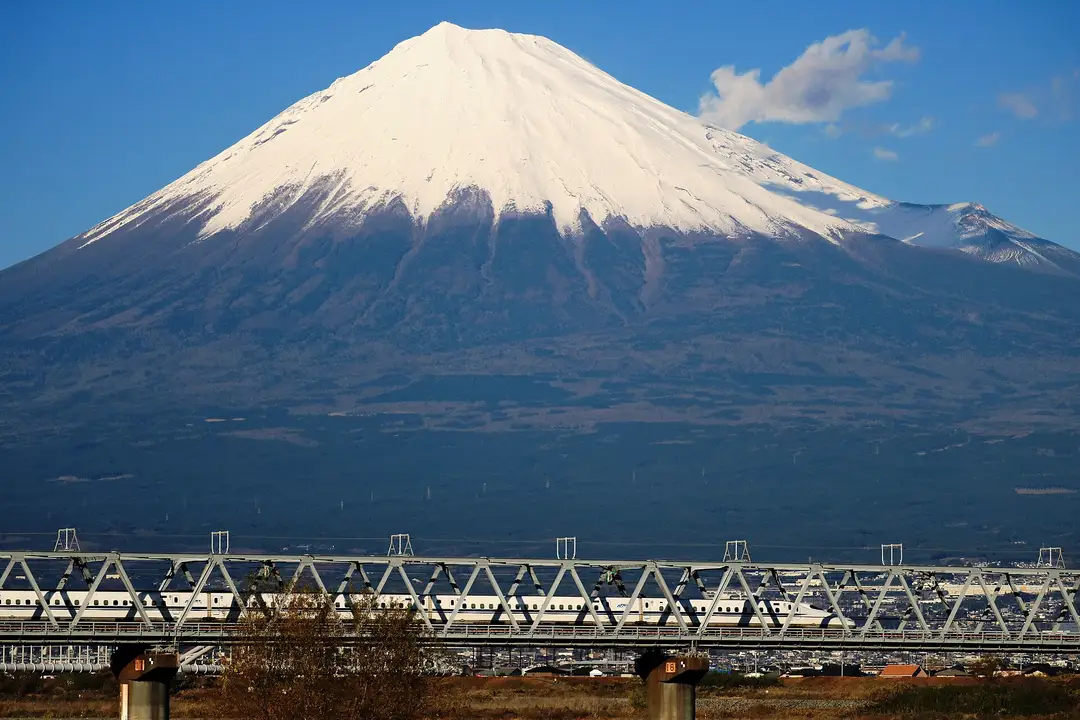
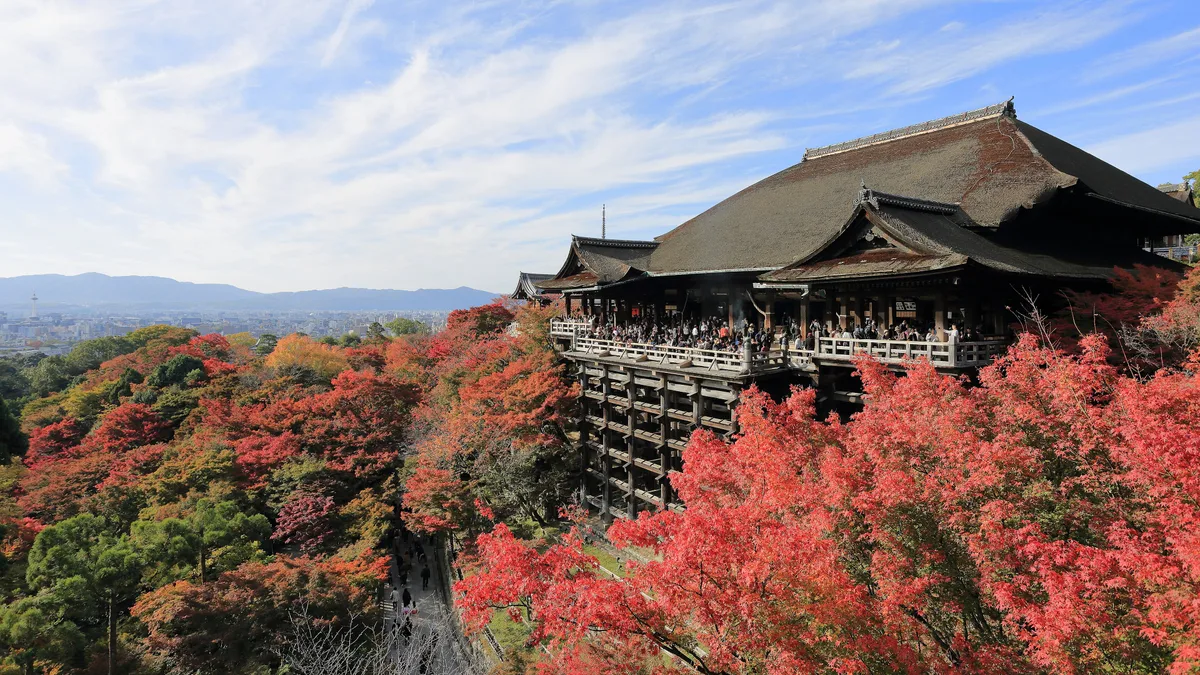
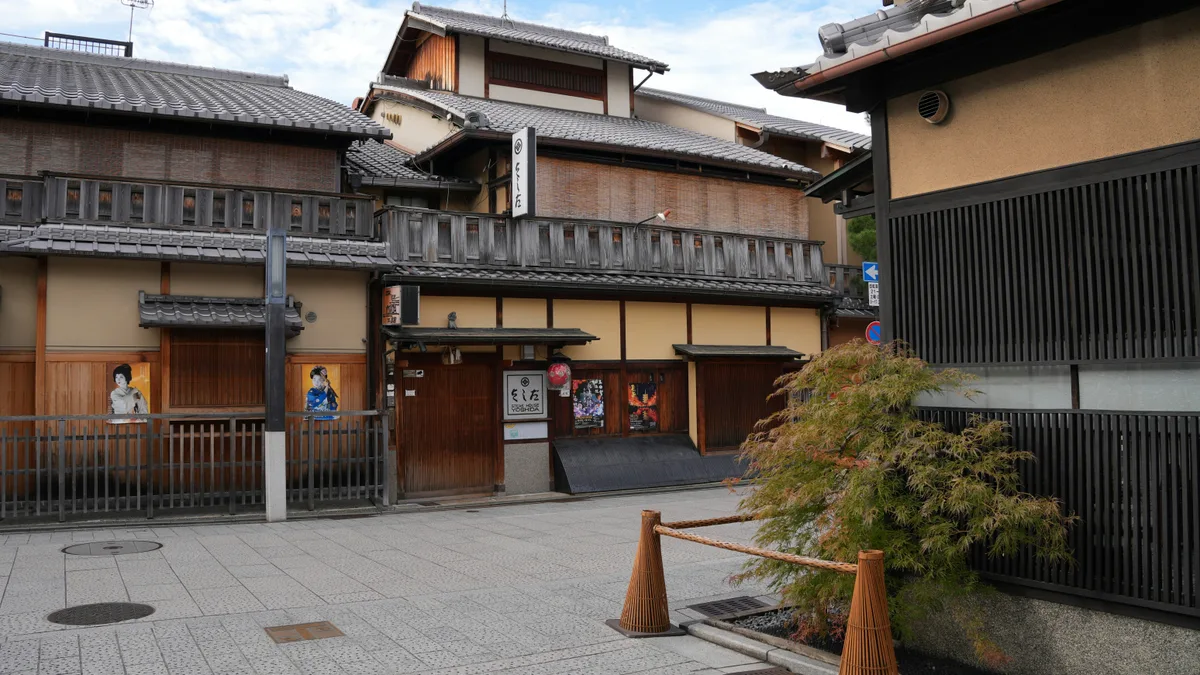
Anche i lunghi spostamenti si fanno benissimo da soli. Viaggiare da soli in Shinkansen ha un fascino particolare: un posto prenotato al finestrino, un ekiben (il pranzo al sacco venduto in stazione) comprato per il viaggio e il Monte Fuji che scorre a destra un po' dopo la partenza da Tokyo, se il cielo è limpido. Un paio d'ore più tardi scendi a Kyoto. Io lascerei la borsa e passerei il pomeriggio sulle pendici orientali, dove la vecchia Kyoto conserva meglio il suo carattere: il grande palco di legno del Kiyomizu-dera, i vicoli in pietra di Sannenzaka e Ninenzaka che scendono ai suoi piedi, e Gion mentre si accendono le lanterne. È qui che essere da soli diventa un vero vantaggio: i gruppi organizzati tornano ai loro pullman mentre tu ti attardi nei vicoli in pietra che si svuotano all'ora blu, e a cena puoi sederti al bancone di un minuscolo locale di Gion dove un gruppo non entrerebbe mai. Un piccolo promemoria su Gion: in questi vicoli la gente vive e lavora, quindi cammina senza fare rumore e resta sulle strade pubbliche; così sarai accolto volentieri.
- MattinaDa Tokyo a KyotoPrenota un posto in carrozza Ordinaria su uno Shinkansen della linea Tokaido dalla Tokyo Station (un posto al finestrino per il Fuji). Una semplice carta IC non ti farà passare il varco dello Shinkansen, quindi prenota tramite Smart-EX o compra prima un biglietto: dettagli nei riquadri. Prendi un ekiben in stazione da mangiare a bordo.
- PomeriggioSalita al Kiyomizu-deraDalla Kyoto Station un autobus urbano sale verso le fermate Gojozaka / Kiyomizu-michi, poi una breve salita a piedi tra vicoli pieni di negozi di souvenir fino alla grande terrazza di legno del tempio, a strapiombo. Apre presto; ingresso economico (prezzo nel riquadro). Guida collegata: Kiyomizu-dera.
- Tardo pomeriggioI vicoli di Higashiyama, a piediDal Kiyomizu, le pendici lastricate di Sannenzaka e Ninenzaka scendono tra vecchie case tradizionali: niente mezzi, basta seguire la discesa, passando accanto alla pagoda di Yasaka che si erge sopra i tetti.
- SeraGion all'ora delle lanternePasseggia per Gion mentre si accendono le luci, con calma e restando sulle strade pubbliche: una chiusura di giornata piena di atmosfera, bellissima da vivere del tutto con i tuoi tempi. Guida collegata: Gion.
Kyoto: la mattina che avrai tutta per te
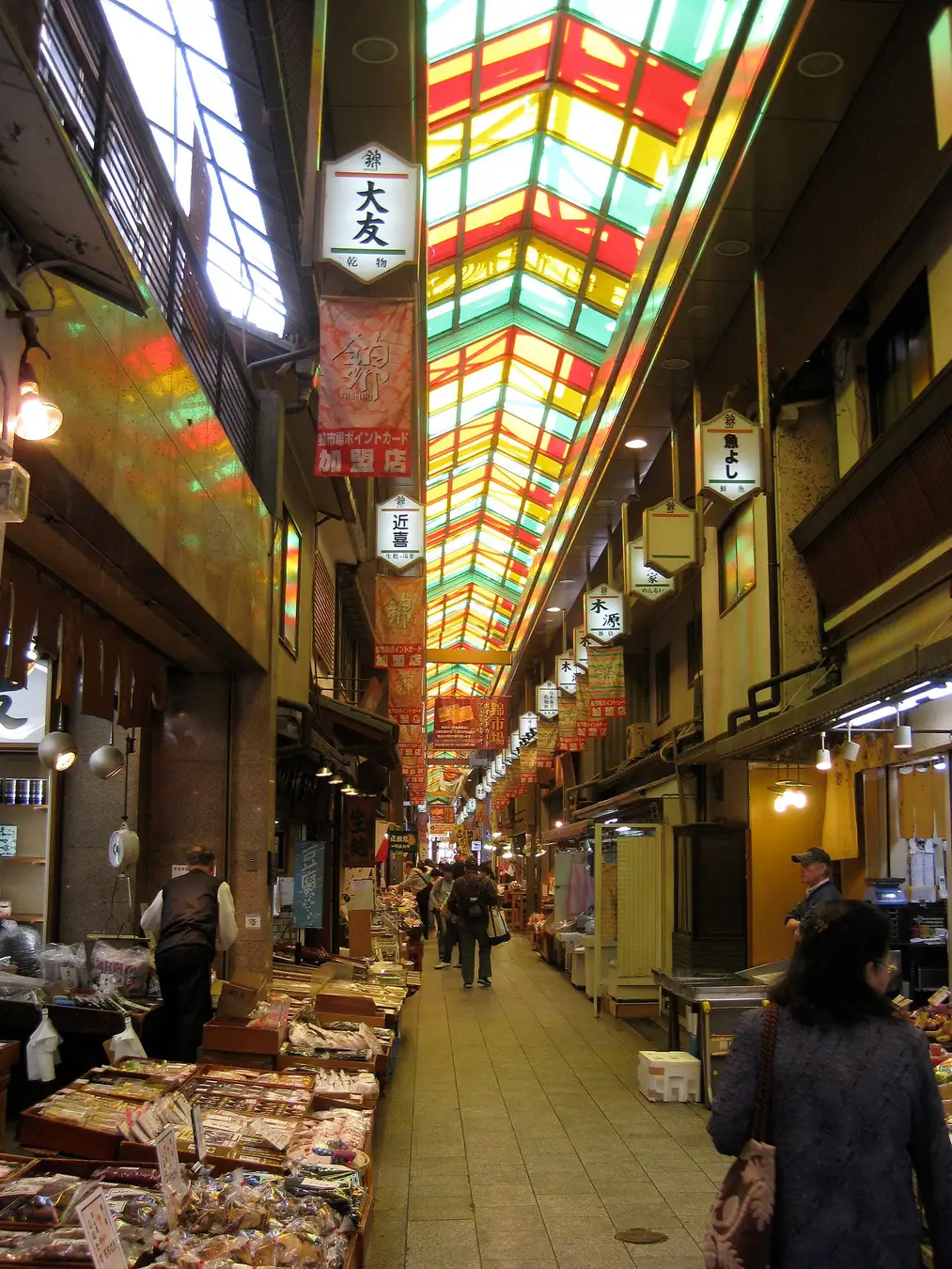
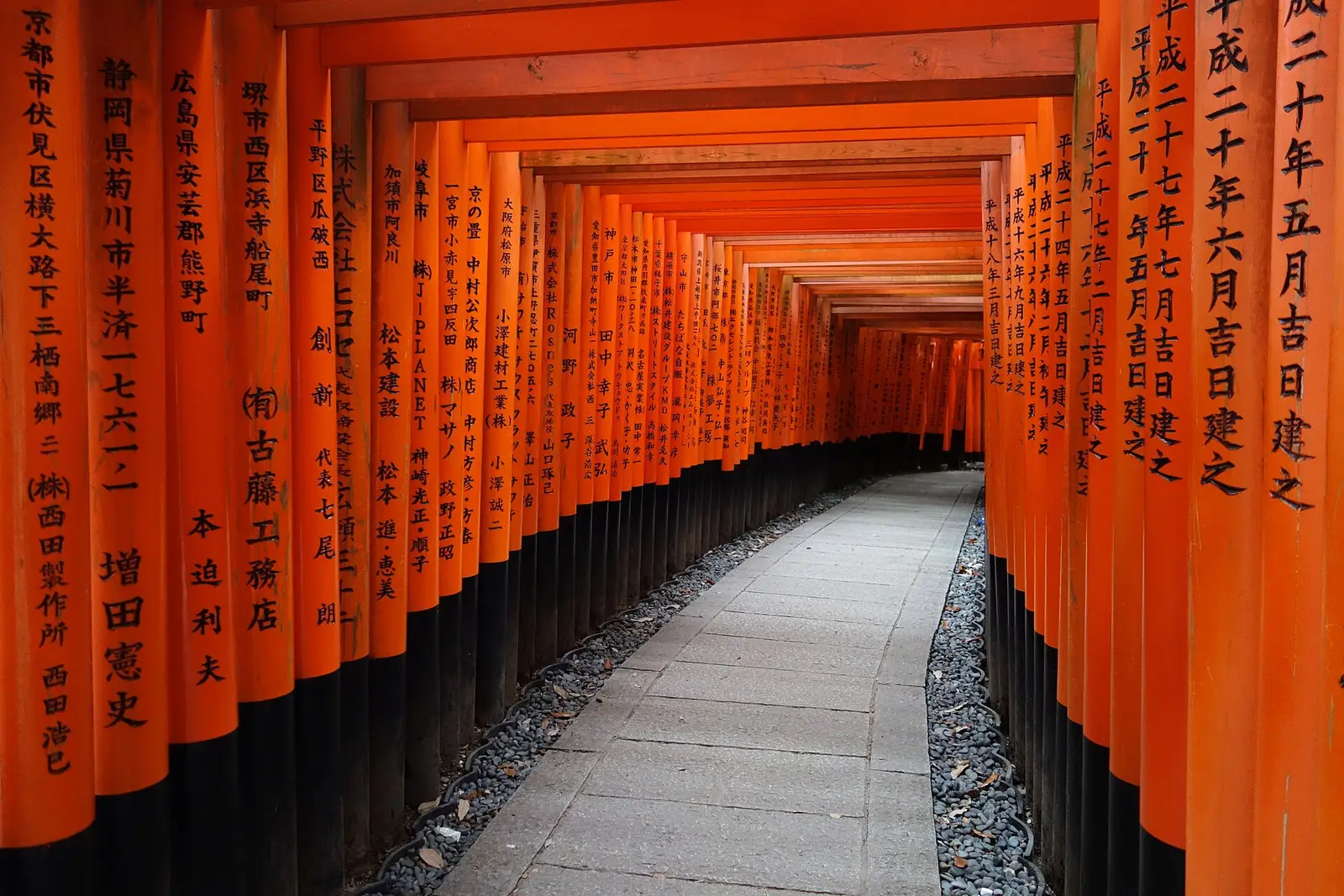
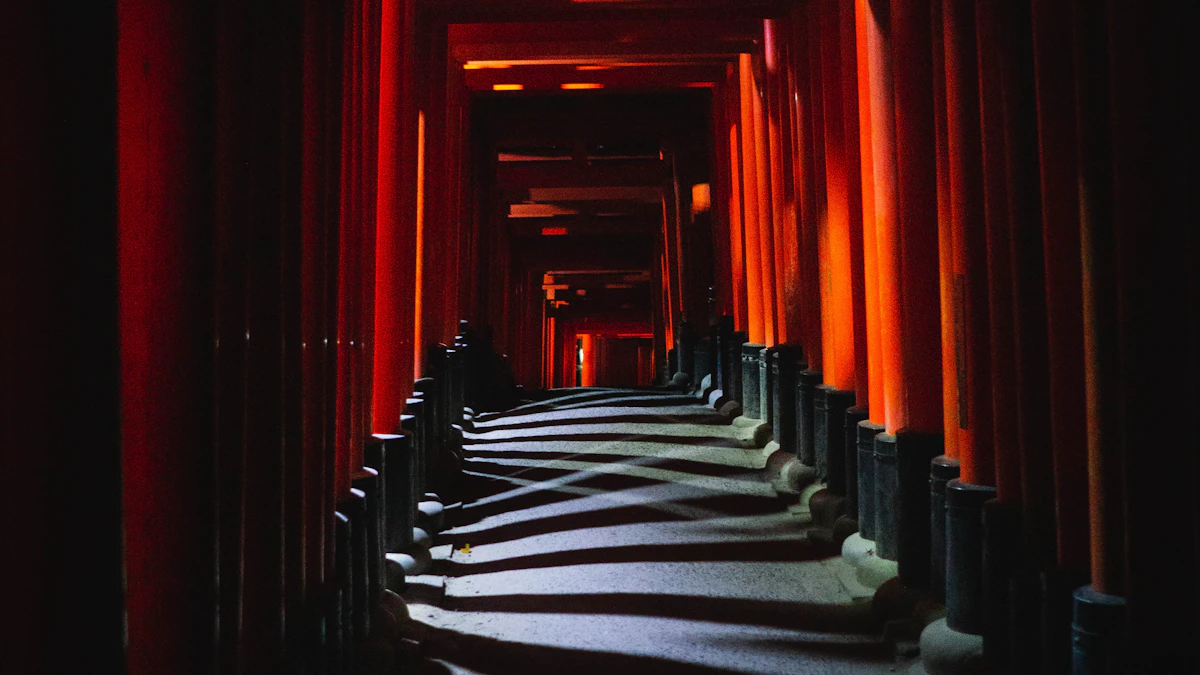
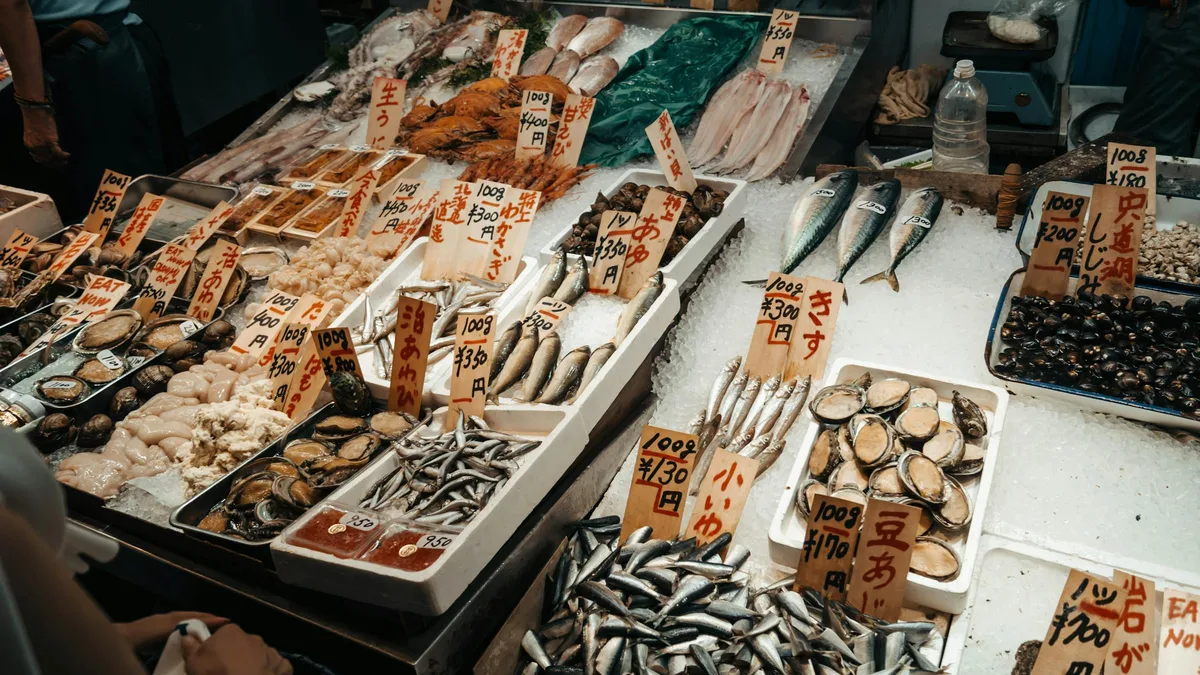
Oggi il vantaggio di viaggiare da soli si sente più che mai. Visto che nessuno discute sull'ora della sveglia, puoi trovarti nelle gallerie di torii vermigli di Fushimi Inari alle prime luci, quando il percorso è quasi vuoto e su tutta la montagna si sentono solo i tuoi passi. È aperto ventiquattr'ore su ventiquattro, e all'alba assomiglia finalmente a quello delle foto. Poi la giornata la organizzi come vuoi: assaggia al Nishiki Market alla maniera locale (compra un boccone e mangialo proprio lì alla bancarella), e dedica il pomeriggio a ciò che ti attira di più: il bambù di Arashiyama di prima mattina, il padiglione dorato del Kinkaku-ji, o semplicemente un tempio senza fretta e un lungo caffè. Io chiuderei con la cena più ohitorisama che esista: un posto a un piccolo bancone di sushi o di menù fisso, oppure, se te la senti, una cabina di karaoke in solitaria: cantare da soli in una stanza insonorizzata per una persona è un piacere tipicamente giapponese, e nessuno lo trova strano.
- AlbaFushimi Inari, prima della follaDalla Kyoto Station, un treno Local sulla linea JR Nara raggiunge Inari in pochi minuti (il Rapid non ferma qui); i torii cominciano proprio all'uscita. Sali lungo le gallerie fin dove vuoi: più in alto e più presto vai, meno gente incontri. È gratuito e aperto ventiquattr'ore su ventiquattro, quindi niente ti impedisce di andarci all'alba. Guida collegata: Fushimi Inari.
- Metà mattinaNishiki Market, alla maniera localeTorna verso il centro (la metropolitana Karasuma, o l'Hankyu fino a Kyoto-Kawaramachi). Lungo lo stretto passaggio coperto, si usa comprare qualcosa di piccolo e mangiarlo subito lì, invece di sgranocchiare camminando: facile e delizioso anche da soli. Guida collegata: Nishiki Market.
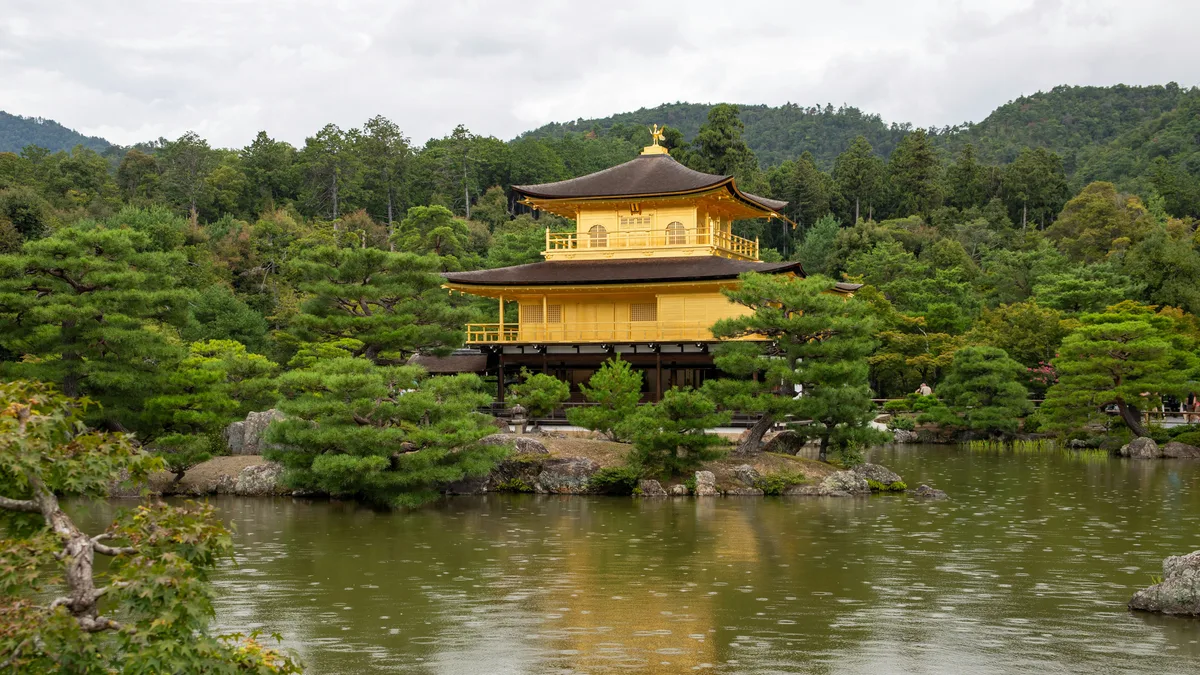
- PomeriggioA tua sceltaLasciati guidare dall'umore, ma attenzione: Arashiyama (estremo ovest) e Kinkaku-ji (estremo nord-ovest) si trovano ai bordi opposti della città, quindi io ne sceglierei solo uno invece di rincorrerli entrambi. Il bosco di bambù di Arashiyama dà il meglio di prima mattina, quando regna il silenzio; il padiglione dorato del Kinkaku-ji si specchia sul suo laghetto; oppure resta in centro con un tempio più tranquillo e un'ora senza fretta con un libro. Il lusso di viaggiare da soli è che scegli solo per te.
- SeraCena per uno, come si deveUn sushi al bancone o un piccolo ristorante di menù fisso sono la scelta più naturale per cenare da soli; oppure prenota una cabina di karaoke e canta dove nessuno può sentirti. Qui tutto è pensato per chi è solo.
Nara: una gita facile per misurare quanta strada hai fatto

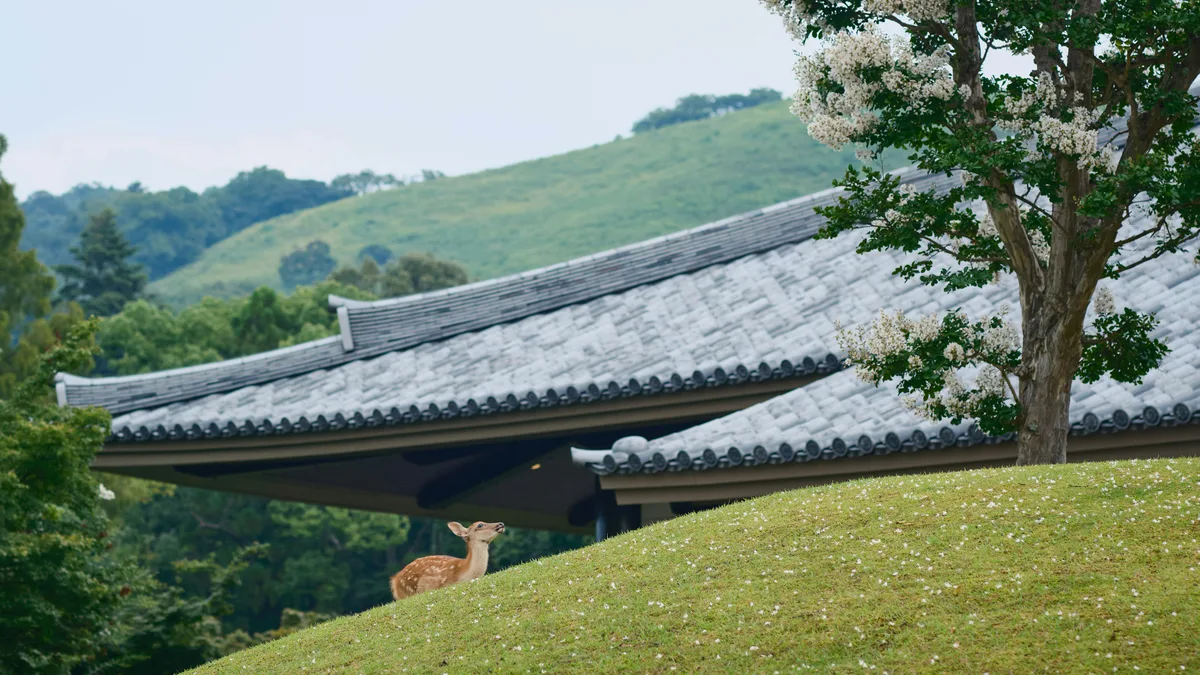
Io chiuderei con la giornata più dolce: un tranquillo viaggio in treno fino a Nara, una giornata senza alcuna pressione in cui non devi far altro che goderti il momento. I cervi sono i protagonisti: liberi di vagare e trattati come messaggeri sacri, s'inchinano per un biscotto e, una volta finiti i biscotti ufficiali, piegano le zampe sull'erba mentre il parco torna quieto. Poco più in là, il Todai-ji custodisce un Grande Buddha sotto uno dei più vasti tetti di legno del mondo, e sentieri fiancheggiati da lanterne proseguono tra gli alberi. Ma il ricordo più vero che riporti a casa non è un monumento. A un certo punto di questi cinque giorni l'ansia dell'inizio (mangiare da solo, perderti, non avere nessuno a cui chiedere) si è sciolta, e resta ciò che tutti i viaggiatori solitari raccontano con stupore: puoi avere un po' di paura e cavartela benissimo allo stesso tempo. Il Giappone è un posto molto gentile in cui scoprirlo.
- MattinaIn gita a NaraDa Kyoto, la linea JR Nara o la linea Kintetsu raggiunge Nara in circa tre quarti d'ora (la Kintetsu ti lascia più vicino al parco; orari e tariffe nei riquadri). Un tragitto facile e senza stress per chiudere il viaggio.
- Tarda mattinataI cervi e il Todai-jiCompra i biscotti ufficiali shika-senbei a una bancarella del parco (l'unico cibo destinato ai cervi), inchinati, porgigliene uno, poi mostra i palmi aperti quando sono finiti. Attraversa il parco fino al Todai-ji e al Grande Buddha nel suo immenso salone. Guida collegata: Nara Park.
- PomeriggioSentieri di lanterne, poi ritornoSegui i sentieri boscosi fiancheggiati da lanterne verso il Kasuga Taisha, poi torna a Kyoto in serata; se invece il viaggio continua, sei già nella posizione giusta per proseguire nel resto del Kansai (vedi sotto).
Se hai un giorno in più
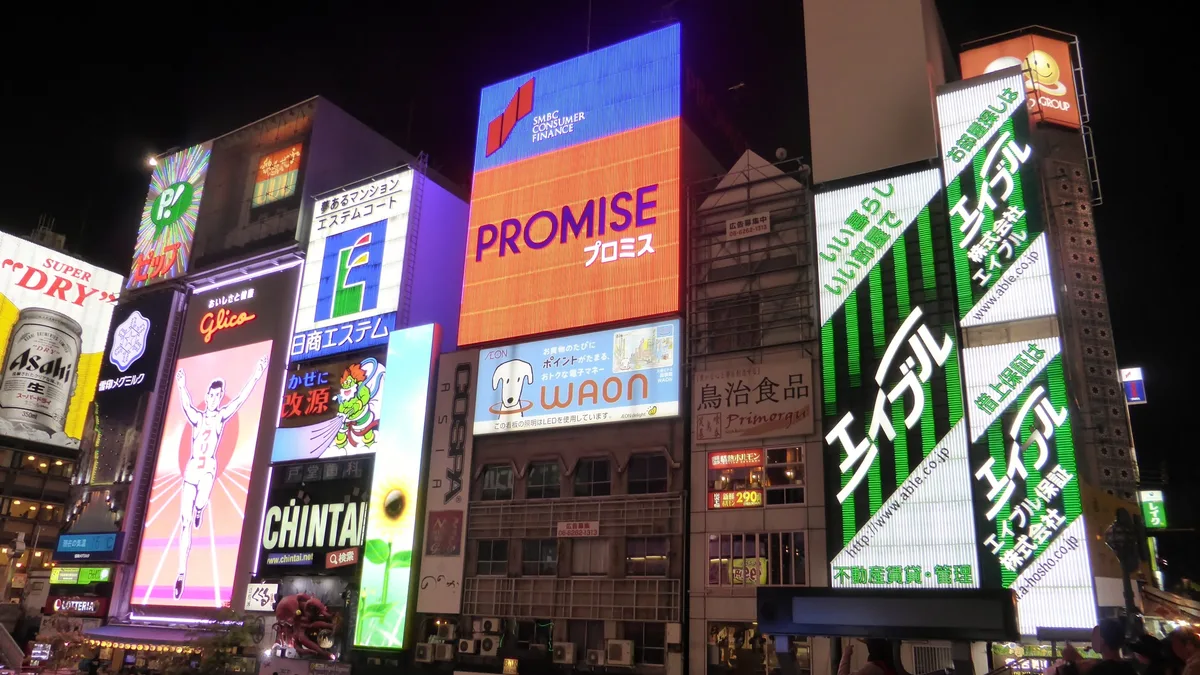
+1 giornoCon un giorno in più sceglierei tra due idee, a seconda dell'umore. Se hai voglia di un po' di compagnia, questo è il giorno per organizzare qualcosa con altre persone: un tour gastronomico o in bicicletta di mezza giornata, o una notte in una guesthouse socievole. Meglio dirlo chiaramente: viaggiare da soli in Giappone è notoriamente sicuro e facile, ma chi si ricarica stando in mezzo agli altri a volte si sente solo a metà viaggio, e la soluzione più semplice è prenotare un'attività di gruppo invece di sperare che capiti. I tour giornalieri qui sono pieni di altri viaggiatori solitari; nessuno si stupirà di vederti. Se invece preferisci immergerti più a fondo nella calma, aggiungi una mattina tranquilla a Kyoto (un solo tempio, il bosco di Arashiyama all'apertura, una lunga passeggiata) oppure scendi a Osaka per una serata in solitaria più chiassosa tra il canale e i neon di Dotonbori, dove mangiare camminando è metà del divertimento.
Se hai un giorno in meno
−1 giornoPoco tempo? L'itinerario si accorcia facilmente senza perdere l'essenziale. Io mi limiterei a Tokyo e Kyoto, rinunciando al giorno a Nara, o addirittura limiterei ciascuna città a un giorno e mezzo rinunciando a una delle zone. Quando sei nervoso l'istinto è stipare tutto, ma con il viaggio in solitaria ti conviene il contrario: meno luoghi, vissuti con lentezza, ti lasciano il tempo per il santuario all'alba e la lunga cena al bancone, cioè quello che rende il viaggio davvero tuo. Scegli le due o tre cose che ti attirano di più e dedica loro il tempo che meritano.
Prosegui da qui
OltreQuesto itinerario può fare da base a un viaggio più lungo in entrambe le direzioni. Verso ovest, da Kyoto si raggiunge subito il resto del Kansai (Nara con più calma, Osaka, il candido mastio di Himeji) e un'esperienza fatta apposta per chi viaggia da solo in cerca di quiete: una notte in un alloggio del tempio sul Koyasan, con il pasto vegetariano dei monaci e la funzione dell'alba, poi i sentieri fiancheggiati da lanterne dell'Okunoin. Verso est, da Tokyo puoi esplorare il resto del Kanto. E se le tue date coincidono con la fioritura dei ciliegi o con i colori dell'autunno, lo stesso itinerario, adattato alla stagione, diventa un viaggio tutto diverso. Qualunque cosa tu aggiunga, mantieni le due abitudini che qui hanno funzionato: se ti piace la compagnia, prenota un'attività con altre persone in ogni nuova tappa, e lascia abbastanza tempo libero perché il viaggio possa ancora sorprenderti.
WMJS è scritto in Giappone da un giapponese che vorrebbe farti conoscere un po' meglio il suo paese, e portato in italiano con l'aiuto dell'IA. Rileggiamo ogni pagina, ma l'italiano non è la nostra lingua madre. Se una frase suona strana, diccelo. Basta una frase.
Grazie. Ogni messaggio viene letto da una persona.
Buono a sapersi — tariffe e tempi
Da Tokyo a Kyoto in Shinkansen
Shinkansen della linea Tokaido dalla Tokyo Station, circa 2 ore e 15 minuti sul Nozomi più rapido (l'Hikari un po' di più). Per chi è solo, la cosa più semplice è prenotare un posto in carrozza Ordinaria, idealmente al finestrino per vedere il Monte Fuji. Nota: una semplice Suica o ICOCA NON ti farà passare al varco dello Shinkansen; registra la carta a una prenotazione Smart-EX, oppure compra prima un biglietto cartaceo o con QR.
Carta IC (Suica / ICOCA): una sola carta per tutto il paese
Una carta prepagata contactless: la avvicini al lettore all'entrata e all'uscita e la tariffa viene detratta automaticamente su JR, metropolitane, ferrovie private e autobus. Grazie al sistema nazionale di uso reciproco, una Suica comprata a Tokyo funziona anche sulla metropolitana e sugli autobus urbani di Kyoto, quindi te ne basta una sola. Serve anche come moneta elettronica ai minimarket.
Dall'aeroporto di Haneda al centro di Tokyo
Il Tokyo Monorail raggiunge Hamamatsucho in circa 13 minuti (con partenze all'incirca ogni 5 minuti), dove cambi con la linea JR Yamanote per il resto della città. Si può usare direttamente la carta IC (Suica/ICOCA).
Dall'aeroporto di Narita al centro di Tokyo
Il Narita Express (N'EX), interamente su prenotazione, raggiunge la Tokyo Station in circa 53-60 minuti e Shinjuku in circa 80; prenota un posto. Da entrambe le stazioni basta un breve tragitto per arrivare al tuo alloggio.
Carrozze riservate alle donne: un'opzione per viaggiare più comode
Molte linee hanno una carrozza «riservata alle donne» durante l'ora di punta del mattino nei giorni feriali: una scelta più tranquilla e meno affollata, segnalata con cartelli rosa sul binario, che le donne possono usare se lo desiderano (possono salire anche i bambini piccoli e i passeggeri con disabilità insieme a chi li accompagna). Fuori dall'ora di punta, e su alcune linee come la metropolitana di Kyoto, tutte le carrozze sono aperte a tutti. È un'opzione, mai un obbligo.
Dove dormire se viaggi da solo
Tre tipologie facili e sicure. Business hotel: una camera singola compatta con bagno privato, vicino a una stazione. Capsule hotel: una capsula grande quanto un letto che si chiude, con piani separati per genere, ed esistono piani solo per donne, o interi capsule hotel solo per donne. Ostelli e guesthouse: camere private o in dormitorio con un salottino comune, ottimi per conoscere gente; i dormitori solo per donne sono diffusi.
Sicurezza e come chiedere aiuto
L'ente nazionale del turismo giapponese afferma chiaramente che il Giappone è molto sicuro e che il suo tasso di criminalità è piuttosto basso; nella vita di tutti i giorni basta fare attenzione a ciò che ti circonda, come ovunque. Per indicazioni o aiuto, entra in un koban (i piccoli posti di polizia di quartiere che si trovano a tanti angoli di strada). La Japan Visitor Hotline è attiva 24 ore su 24 in inglese, cinese, coreano e giapponese al numero 050-3816-2787.
Se perdi qualcosa
Il Giappone gestisce un sistema coordinato di oggetti smarriti: gli oggetti vengono consegnati a un koban, a una stazione o a un negozio e inoltrati a un ufficio centrale, custoditi per circa tre mesi e ricercabili tramite un database della polizia. Secondo i dati del Governo Metropolitano di Tokyo, del denaro consegnato (circa 4,5 miliardi di ¥ nell'anno citato) circa il 72% è stato restituito ai proprietari. Fai la denuncia di persona in un qualsiasi posto di polizia; per ritirare l'oggetto porta un documento con foto.
Pensato per chi vive da solo (l'origine demografica)
Il fatto che il Giappone sia così attrezzato per chi vive da solo non nasce per i turisti. Nel censimento nazionale del 2020, le famiglie unipersonali erano il tipo di nucleo più diffuso nel paese, circa il 38% di tutte le famiglie. Ecco perché posti al bancone, porzioni singole e formati pensati per chi è solo si trovano ovunque.
Ekiben sullo Shinkansen
Mangiare a bordo dello Shinkansen fa parte del viaggio (a differenza dei brevi treni locali). Gli ekiben, i pranzi al sacco regionali venduti in stazione, sono fatti esattamente per questo, e la Tokyo Station li raccoglie da tutto il Giappone. Un piccolo piacere tipicamente giapponese per il viaggio verso sud.
Senso-ji (Asakusa)
A circa 5 minuti a piedi dalla Asakusa Station (linee Tokyo Metro Ginza, Toei Asakusa, Tobu e Tsukuba Express). Il complesso è aperto e illuminato fino a notte; la sala principale all'incirca 6:00-17:00; ingresso gratuito.
Meiji Jingu
A circa un minuto dalla Harajuku Station (JR Yamanote) o da Meiji-jingumae (Tokyo Metro Chiyoda / Fukutoshin). Aperto ogni giorno dall'alba al tramonto (gli orari esatti variano di mese in mese); il recinto principale del santuario è gratuito.
Meiji Jingu (ufficiale)al 2026-06
Fushimi Inari (all'alba)
Treno Local della linea JR Nara fino a Inari, a pochi minuti dalla Kyoto Station (il Rapid non ferma lì); i torii sono proprio all'uscita della stazione. Aperto 24 ore su 24 e gratuito, quindi una visita all'alba o prima delle 9 ti fa evitare la folla.
Fushimi Inari Taisha (ufficiale)al 2026-06
Nishiki Market
A circa 3 minuti a piedi dalla Shijo Station (metropolitana linea Karasuma), da Karasuma o da Kyoto-Kawaramachi (Hankyu). Un passaggio coperto pieno di bancarelle, la maggior parte aperte all'incirca 9:00-17:30 (molte chiudono un giorno a settimana); qui si usa mangiare ciò che compri direttamente alla bancarella.
Kiyomizu-dera
Dalla Kyoto Station, autobus urbano di Kyoto n. 206 o n. 100 fino a Gojozaka, oppure n. 207 fino a Kiyomizu-michi, poi una salita a piedi di circa 10 minuti; oppure Keihan fino a Kiyomizu-Gojo. Apre alle 6:00; la chiusura è stagionale; ingresso circa ¥400.
Tempio Kiyomizu-dera (ufficiale)al 2026-06
Spostarsi a Kyoto
L'autobus urbano di Kyoto ha una tariffa unica di circa ¥230 (appoggia una carta IC o paga in contanti); per spostarsi in fretta ci sono due linee di metropolitana. In una giornata ricca di templi, il Subway & Bus 1-Day Pass (circa ¥1.100 per un adulto) può ripagarsi in poche corse.
Da Kyoto a Nara (gita giornaliera)
Linea JR Nara (Miyakoji Rapid, all'incirca ogni 30 min fino a JR Nara, a 15-20 min a piedi dal parco) o Kintetsu da Kyoto (un Limited Express più rapido con supplemento posto, oppure un Express diretto, fino a Kintetsu Nara proprio accanto al parco). Circa tre quarti d'ora in entrambi i casi. Carta IC accettata.
I cervi del Nara Park
Circa 1.300-1.500 cervi sika selvatici liberi di vagare, protetti come Monumenti Naturali e venerati come messaggeri sacri. L'unico cibo permesso sono i biscotti ufficiali shika-senbei venduti alle bancarelle del parco; inchinati, dai loro da mangiare, poi mostra le mani vuote. Quando sono impazienti danno qualche colpetto col muso, quindi attenzione alle borse piccole.
Approfondisci
9 min· 6 cap.
Prima di partireLungo il cammino
Visitare il Senso-ji, il tempio più antico di Tokyo
Vale la pena visitare il Senso-ji? Abbiamo pesato 125 voci di viaggiatori: il 54% dice chiaramente di sì. Orari, ingresso gratuito, quanto tempo serve e perché la folla è sempre stata parte della preghiera, con un'audioguida.
Senso-ji Temple
8 min· 5 cap.
Prima di partireLungo il cammino
Meiji Jingu, perché 100.000 alberi furono piantati per creare una foresta che si prende cura di sé
Vale la pena visitare il Meiji Jingu? Abbiamo pesato 70 voci di viaggiatori: il 75% dice che ne vale la pena, e le recensioni giapponesi lo giudicano ancora più caloroso, all'82%. Gratuito, una foresta di 70 ettari piantata interamente a mano nel 1920, con il Grande Torii e il pozzo di Kiyomasa nel giardino interno, con audioguida.
Meiji Jingu
8 min· 6 cap.
Prima di partireLungo il cammino
Visitare Harajuku, dove puoi vestirti come vuoi e nessuno si volta a guardarti
Vale la pena visitare Harajuku? Abbiamo contato 99 opinioni di viaggiatori: per il 64% sì, se si lascia la calca di Takeshita Street e si prosegue verso Cat Street e Omotesando. Crêpe, moda kawaii, come arrivare e che giro fare, con audioguida.
Harajuku
8 min· 5 cap.
Prima di partireLungo il cammino
Kiyomizu-dera: perché si sale su una collina per restare su una scogliera ed esprimere un desiderio
Vale la pena visitare il Kiyomizu-dera? Il 48% di 55 voci internazionali e il 76% di 111 voci giapponesi dicono di sì, se scegli l'orario giusto. Guida audio con l'apertura alle 6, le illuminazioni notturne e consigli pratici.
Kiyomizu-dera Temple
6 min· 5 cap.
Prima di partireLungo il cammino
Gion — A spasso per il quartiere dei fiori di Kyoto, una città ancora viva
Gion non è un'attrazione ma un hanamachi vivo di Kyoto: scopri Hanamikoji, il canale Shirakawa, il Santuario Yasaka e geiko e maiko, con rispetto e gentilezza.
Gion
9 min· 5 cap.
Prima di partireLungo il cammino
Fushimi Inari Taisha: diecimila portali, ognuno un grazie
I diecimila portali vermigli di Fushimi Inari sono biglietti di ringraziamento che si possono attraversare a piedi. Guida culturale audio verificata su fonti ufficiali: perché le volpi sono messaggere e non divinità, perché la vetta non offre panorami, e come evitare la folla.
Fushimi Inari Taisha
10 min· 6 cap.
Prima di partireLungo il cammino
Mercato di Nishiki — la cucina di Kyoto, un boccone alla volta
Audioguida al Mercato di Nishiki, la strada gastronomica di Kyoto da 400 anni: cosa assaggiare e comprare, quando andare e il modo gentile di goderne.
Nishiki Market
12 min· 5 cap.
Prima di partireLungo il cammino
Visitare il Parco di Nara, dove i cervi sacri del Giappone si inchinano da mille anni
Vale la pena visitare il Parco di Nara? Su 100 opinioni di viaggiatori pesate, il 65% dice di sì, e le recensioni giapponesi sono ancora più favorevoli, con l'80%. Gratuito, aperto giorno e notte, con oltre 1.400 cervi sacri, vicino al Grande Buddha del Tōdai-ji e al sentiero delle lanterne del Kasuga Taisha, con audioguida.
Nara Park
13 min· 6 cap.
Prima di partireLungo il cammino
Arashiyama: perché il Giappone include questo bosco di bambù tra i suoni da custodire
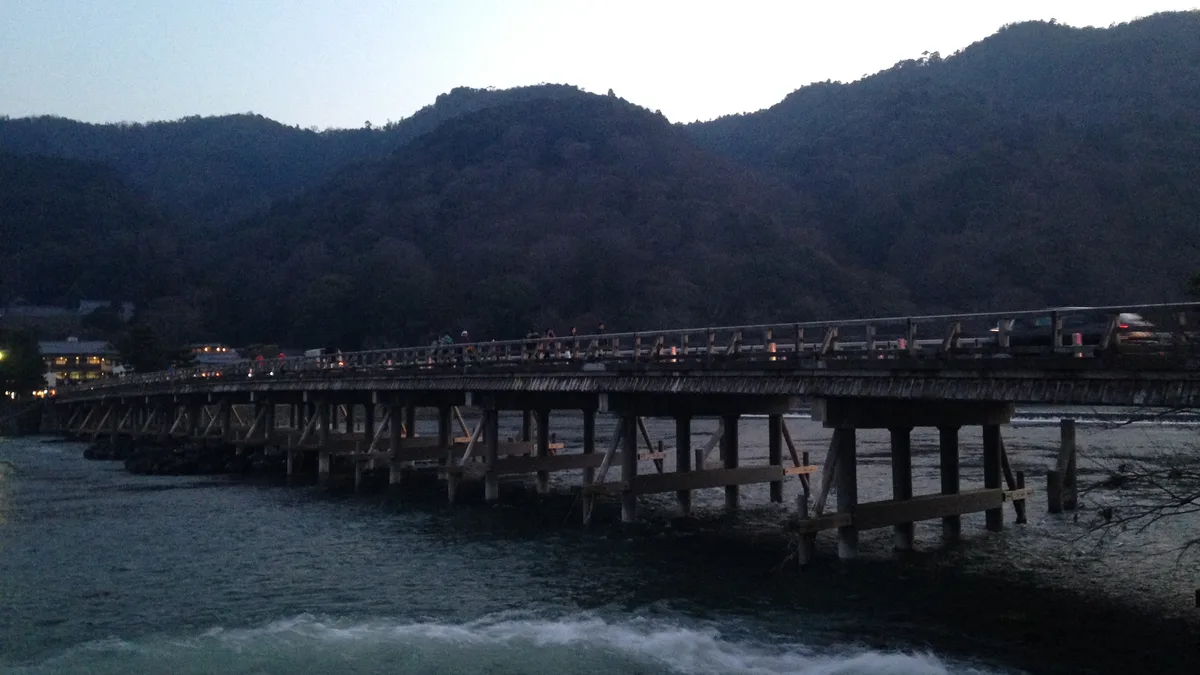
Guida audio ad Arashiyama: il bambù di Sagano, tra i 100 paesaggi sonori che il Giappone ha scelto di custodire. Attraversa il Togetsukyo, il Ponte della Luna, scopri il giardino del Tenryu-ji che prende in prestito la montagna e impara a camminare un po’ più in là della folla.
Arashiyama
7 min· 6 cap.
Prima di partireLungo il cammino
Kinkaku-ji — Perché tutti si fermano nello stesso punto a fotografare il Padiglione d'Oro
Kinkaku-ji, il Padiglione d'Oro di Kyoto: guida audio per ammirarlo dall'altra sponda dello stagno. Orari 9:00–17:00, biglietto (offerta), come arrivare e quando andare.
Kinkaku-ji (Rokuon-ji)
11 min· 6 cap.
Prima di partireLungo il cammino
Visitare Dotonbori, il canale al neon dove vive lo spirito kuidaore di Osaka
Vale la pena visitare Dotonbori? Abbiamo pesato 200 voci di viaggiatori: il 37% dice di sì senza dubbio, il 36% che basta un'occhiata, e i visitatori giapponesi ne parlano ancora meglio, con il 62%. L'insegna Glico, il takoyaki, la regola della salsa condivisa e il vicolo silenzioso lì dietro, con audioguida.
Dotonbori
10 min· 6 cap.
Prima di partireLungo il cammino
Visitare Koyasan, la montagna dove una preghiera lunga mille anni non si è mai fermata
Vale la pena visitare Koyasan? Abbiamo pesato 83 voci di viaggiatori: il 53% dice che ne vale la pena, e le recensioni giapponesi lo giudicano ancora più caloroso, al 79%. Una montagna sacra fondata dal monaco Kukai nell'816, raggiungibile da Osaka con treno, funicolare e autobus, dove trascorrere una notte in un tempio (shukubo) fa la differenza più grande, con un'audioguida.
Koyasan (Mount Koya)
Da leggere prima di partire

Come funziona il Giappone
Il Giappone è sicuro? — Quello che i giapponesi vogliono che tu sappia
Come funziona il Giappone
Vale la pena visitare il Senso-ji? Cosa dicono davvero i visitatori e gli abitanti di Tokyo

Come funziona il Giappone
Vale la pena visitare Harajuku? Dipende da quale Harajuku: la via affollata o il quartiere intorno
Come funziona il Giappone
Vale la pena visitare il Kiyomizu-dera? Dipende quasi interamente da quando ci vai
Come funziona il Giappone
Gion vale la pena? Ci sono due Gion — e i delusi hanno incontrato quella sbagliata

Come funziona il Giappone
Vale la pena visitare Fushimi Inari? Cosa ne dicono i visitatori e chi ci viene a pregare
Come funziona il Giappone
I cervi di Nara valgono la visita? Cosa vorrebbero farti sapere i visitatori (e i cervi)

Come funziona il Giappone
Vale la pena visitare il Kinkaku-ji? Cosa ha deluso le persone — e cosa vedono invece i giapponesi

Come funziona il Giappone
Vale la pena visitare Dotonbori? Cosa ne pensano davvero i visitatori e gli abitanti di Osaka
Come funziona il Giappone
Vale la pena visitare il Koyasan? Cosa dicono davvero i visitatori — e chi vi trascorre la notte
Come funziona il Giappone
Vale la pena vedere lo Shibuya Crossing? La risposta dipende da dove ti trovi
Combina con un altro piano
Tokyo e dintorni, qualche giorno senza fretta
La capitale e le sue gite in giornata — la vecchia Tokyo, Kamakura sul mare, Nikko di montagna — a un ritmo comodo
Kansai, qualche giorno in tutta tranquillità
L'antico cuore del Giappone — Kyoto, Nara, Osaka — a un ritmo comodo
Fiori di ciliegio, un viaggio calibrato sulla fioritura
La Golden Route da Tokyo a Kyoto al ritmo dei ciliegi, e come seguire l'avanzata della fioritura come fa la gente del posto, così una data che non puoi prenotare diventa la parte più bella del viaggio
Foliage autunnale, un viaggio sincronizzato con il colore
Kyoto al picco degli aceri: come leggere l'orologio su cui corre il colore, così da starci dentro invece di rincorrerlo
Fonti
- JR-Central: Kyoto in Shinkansen
- Smart-EX: salita a bordo con una carta IC (JR-Central / JR-West)
- JR-East: Suica (che cos'è)
- JR-West: area di utilizzo della ICOCA e uso reciproco nazionale
- Tokyo Monorail: collegamento Haneda-Tokyo
- JR-East: Narita Express (N'EX)
- Toei Transportation: Norme di condotta dei passeggeri (carrozze riservate alle donne)
- JR-East: Uso delle carrozze riservate alle donne
- GO TOKYO: Una guida ai capsule hotel in Giappone
- JNTO: Muoversi sicuri in Giappone
- Governo Metropolitano di Tokyo: Sistema oggetti smarriti
- Ufficio di Statistica del Giappone: Censimento della popolazione 2020 (sintesi)
- JNTO / Travel Japan: Cultura dell'ekiben
- JNTO / Japan.travel: Senso-ji
- GO TOKYO: Senso-ji
- Meiji Jingu: accesso e visita ufficiali
- Fushimi Inari Taisha: accesso ufficiale
- Associazione per la Promozione del Mercato Nishiki di Kyoto: accesso ufficiale
- Tempio Kiyomizu-dera: visita ufficiale
- Ufficio dei Trasporti della Città di Kyoto: Subway & Bus 1-Day Pass
- JR-West: ricerca percorsi e tariffe
- Kintetsu Railway: ricerca percorsi/tariffe
- Visit Nara: Guida turistica ufficiale di Nara (cervi)