

This page is also available in English.Read in English →
このページは日本語でも読めます。日本語で読む →
이 페이지는 한국어로도 읽을 수 있습니다.한국어로 읽기 →
这个页面也有简体中文版。阅读简体中文版 →
หน้านี้มีภาษาไทยด้วยอ่านภาษาไทย →
Trang này cũng có bản tiếng Việt.Đọc bằng tiếng Việt →
Halaman ini juga tersedia dalam Bahasa Indonesia.Baca dalam Bahasa Indonesia →
Cette page existe aussi en français.Lire en français →
Diese Seite gibt es auch auf Deutsch.Auf Deutsch lesen →
Esta página también está disponible en español.Leer en español →
Questa pagina è disponibile anche in italiano.Leggi in italiano →
天數
5 天:在東京待幾天,搭新幹線到京都,再輕鬆安排一天去奈良,全程照自己的步調走
最佳季節
全年皆宜。春天的櫻花與秋天的紅葉最美,人潮也最多;冬天與初夏景色稍遜,但清晨的神社與吧檯都清靜得多
住宿據點
兩個輕鬆的據點:先住東京(淺草求安靜、新宿求熱鬧與交通便利),再到京都,兩地用一趟新幹線串起
交通方式
一張 IC 卡就能刷遍全國的電車、地鐵和公車,Google 地圖還會告訴你搭哪班車、在哪個月台,所以從第一天起,一個人移動就很不費心
這份行程適合誰
- 初次造訪非常適合
- 再次造訪也很適合
- 親子同遊並非主軸
- 獨自旅行非常適合
- 兩人同遊也很適合
- 悠閒步調也很適合
何時前往Year-round
Good all year. Spring blossom and autumn colour are the most beautiful and the most crowded; the winter and early-summer shoulders trade a little scenery for quieter dawn shrines, shorter queues and easier solo tables. The New Year stretch (roughly Dec 29-Jan 3) is the one time many restaurants and shops close, so plan meals ahead.
日本適合一個人旅行嗎? 我們直接問了396位日本人:62%說一個人吃飯完全正常,81%對一個人喝酒持正面看法,78%會幫助迷路的外國人,很多人甚至會陪你走到目的地。下面的5天行程就是照著這種氛圍排出的第一次旅行路線,吧檯座位也排進去了。396人的完整回答,連同走夜路時要留意的一點,都整理在日本人怎麼看一個人這件事裡。
如果這是你第一次獨自旅行,我最想幫你放下的,其實是那種說不出口的擔心:怕自己太顯眼,一個人吃飯、沒有人可以問路、對面那張空著的椅子。其實日本這個國家,早就處處替「一個人」做好了安排。早在「獨旅」成為社群上的熱門標籤之前,這裡就有面對廚師的吧檯座、用售票機點餐一句話都不必說的拉麵店、做成一人份的便利商店食品,還有單人房和一人 KTV 包廂。日文裡還有個詞叫ohitorisama(お一人様),是對「一位客人」的敬稱,聽起來帶著尊重,沒有同情的意味。這些都不是為觀光客後來加上的,本來就是為加班到很晚的上班族、學生和午休時一個人吃飯的女性準備的。這趟旅行,你直接用上就好。
所以我推薦第一次來日本的經典路線:在東京待幾天,搭新幹線到京都,再輕鬆安排一天去奈良,全程照自己的步調走。一個人的步調最自在:不用跟誰商量要不要賴床,清晨就能去神社;聞到烤魚香就拐進小巷繞上兩個小時;肚子餓了隨時去吃晚餐。下面寫了怎麼移動、住哪裡、在哪裡好好享受一個人,以及不想獨處的晚上可以去哪個吧檯跟人坐在一起。這份行程可以隨意拆開重排,能這樣自由安排,正是一個人旅行的好處。
據點選在哪裡
一個人旅行時,住處比結伴出遊時更重要,因為那是你面對一整天新鮮事之後好好放鬆的地方。所以我挑住宿看的是舒適與方便,而不是地段。日本有三種很適合一個人住的選擇,全都安全、乾淨,訂房也簡單。
商務旅館最常用:小巧的單人房附獨立小浴室,就在車站附近,每座城市都有,不花俏,但該有的都有。膠囊旅館則是便宜又出乎意料好睡的選擇,一個像床一樣大的艙位,用門或簾子把自己隔開,加上智慧置物櫃和寬敞的大浴場;樓層依性別分開,如果你想要,也有女性專用樓層,甚至有整間女性專用的膠囊旅館(概況請見下方「先知道更安心」)。青年旅館與民宿適合想有人作伴的時候:有個人房和通鋪,還有公共交誼廳,一個人來的旅客常在那裡聊起來,女性專用通鋪也很常見。
在東京,我會住在淺草一帶,這裡步調舒緩、老東京的味道濃:街道平坦,寺廟一早就開,附近有好幾條路線的起站,通常都有位子坐。想要熱鬧、想住在全市轉乘最方便的車站旁,就選新宿。在京都,住京都車站附近,一日遊和往返機場都方便;住市中心(烏丸或河原町)或東山坡道一帶,走路就能逛到老巷弄。不管住哪裡,都盡量選有電梯的車站、轉角有便利商店的地方;這兩樣在日本都很好找。
東京(第一個據點)
新幹線約 2 小時 15 分京都(第二個據點)
約 45 分鐘奈良(輕鬆的一日小旅行)
交通與票券
先辦一張 IC 卡,Suica 或 ICOCA 都可以,之後大致不用再操心車票。這是儲值式交通卡,進出站各刷一下,車資自動扣款;而且全國通用,在東京買的卡,在京都的地鐵和公車一樣能刷。在便利商店也能感應付款。只有一件事它辦不到:光靠這張卡搭不了新幹線。東京到京都這段,要把卡片綁定 Smart-EX 的訂位,或直接買票(細節請見下方「先知道更安心」);我會事先訂位,確保坐到靠窗的位子。
在日本一個人移動很輕鬆,很大一部分要歸功於 Google 地圖。輸入你要去的地方,它會告訴你搭哪班車、在哪個月台,常常還會告訴你搭哪節車廂出站最快,以及車資,所以「迷路了又沒人可問」的擔心,大致可以放下。真的想找人問路時,可以去街角常見的社區派出所交番,幫人指路也是他們的日常工作之一。
下面幾件事,一個人旅行的人,尤其是獨自旅行的女性,先知道會更安心。很多路線在平日早上尖峰時段會設一節「女性專用」車廂,月台上有粉紅色標示,車廂裡比較安靜、不那麼擠,想搭的話可以放心使用(尖峰時段以外,以及京都地鐵等部分路線,所有車廂任何人都能搭)。想完全避開早上的尖峰,一個人旅行也很好安排:清晨去神社的那幾天,搭的本來就是幾乎沒人的電車。現金方面,有些銀行的 ATM 不接受外國卡,但便利商店和郵局的 ATM 可以用,不必擔心領不到錢。還有一件事常讓人意外:在日本弄丟錢包,很有機會找得回來(失物招領制度請見下方「先知道更安心」)。用日本國家旅遊局(JNTO)的話來說,日本非常安全,只要保持在任何地方都會有的基本警覺就夠了。
東京:第一次一個人吃晚餐(只有這一頓會緊張)
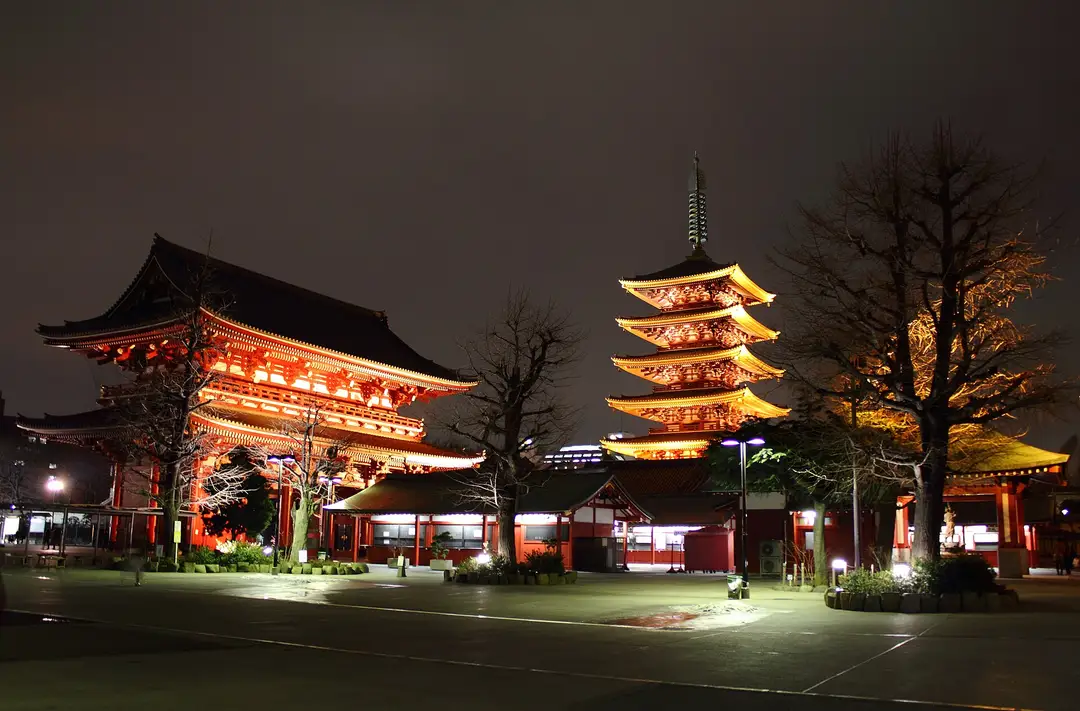
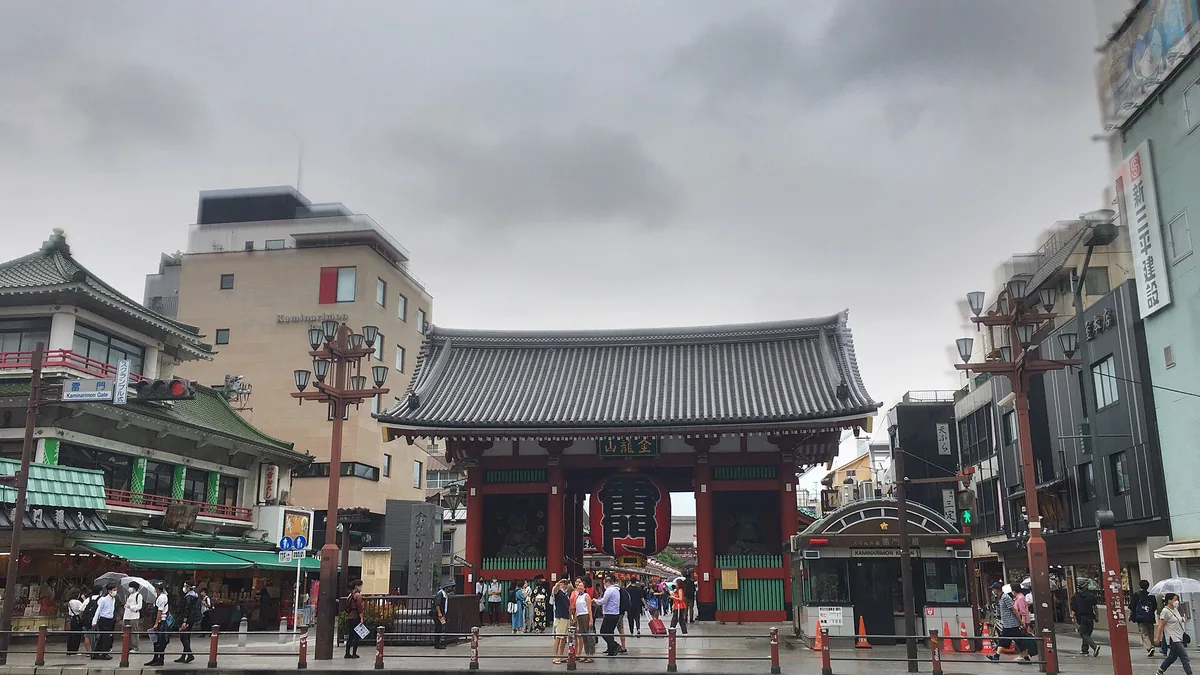
第一天我會刻意安排得輕鬆一點。剛下飛機多半還有時差,所以先在便利商店 ATM 領點現金、放下行李,下午就在住處附近晃晃;然後做一件事:用最簡單的方式一個人吃頓晚餐。跨過這一步,後面的旅程就順了。可以放心:在家鄉被問「幾位?」時的那點尷尬,在這裡根本不會出現。很多店都是在門口的售票機點餐,坐上面對廚師的吧檯座就開動,不用跟店員商量座位,不用收掉對面多餘的餐具,也沒人會抬頭打量你。隔壁的上班族也是一個人在吃。只有第一頓會緊張,之後你會覺得吧檯才是店裡最好的位子。淺草寺入夜後仍點著燈、開放參觀,很適合當作第一次散步的地方。
- 下午抵達、領現金、安頓下來從羽田搭東京單軌電車,或從成田搭全車指定席的 N'EX,都能到東京車站或新宿這類大站(時間與車資請見下方「先知道更安心」);再轉一小段地鐵或山手線就到淺草。在便利商店或郵局的 ATM 領現金(可用外國卡),然後先辦入住,有了落腳處,第一天就踏實了。
- 傍晚從容地逛淺草寺從淺草站步行幾分鐘,穿過掛著巨大紅燈籠的雷門和仲見世商店街,就是東京最古老的寺廟。白天的遊客散去後,寺境仍點著燈、開放參觀,人少又安靜,很適合第一次散步。相關指南:淺草寺。
- 晚餐第一頓吧檯餐找一家門口擺著售票機的拉麵店或立食壽司店(有照片和英文按鈕,很好操作)。買好票、坐上吧檯凳、把票交給店員,就這麼簡單,一句話不說也能吃到一碗好麵。吃完這一頓,原本有點怯步的旅程,就開始變成你自己的了。
- 睡前小酌睡前逛便利商店回住處的路上去一趟便利商店,一個人旅行時特別好用:宵夜、熱飲或冷飲、隔天的早餐,幾個銅板就能買齊。每晚逛一逛成了習慣,回國後還會想念。
東京:不用遷就任何人的一天
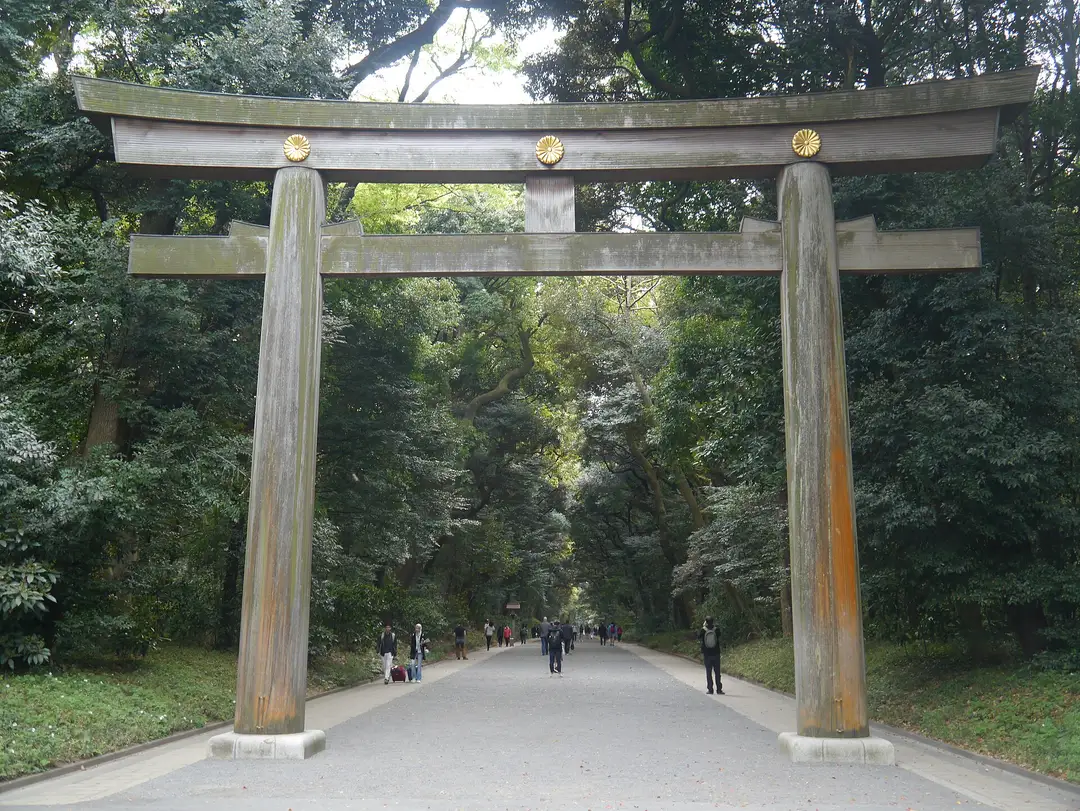
第二天完全自由,最能體會一個人旅行的好處。早餐時不用跟誰商量,想從哪裡開始就從哪裡開始,中午改變主意也沒關係。我會從日出就開門的森林神社明治神宮開始,先在安靜的林蔭裡走走,再直接去熱鬧繽紛的原宿和表參道,然後晃到澀谷十字路口,看人潮來來往往。(澀谷和新宿本身也是東京的代表街區,隨意逛逛就好。)一個人旅行唯一不會自動有的就是同伴,所以晚上我會去一個想找人聊天時很容易遇到人的地方。居酒屋的吧檯,或擠滿立飲小店的小巷,是一個人在日本最容易跟人熱絡起來的地方:點幾道小菜,隔壁的人常會主動跟你打招呼,酒過一巡後更是如此。想一個人安靜待著也很平常。在這裡,兩種都沒問題。
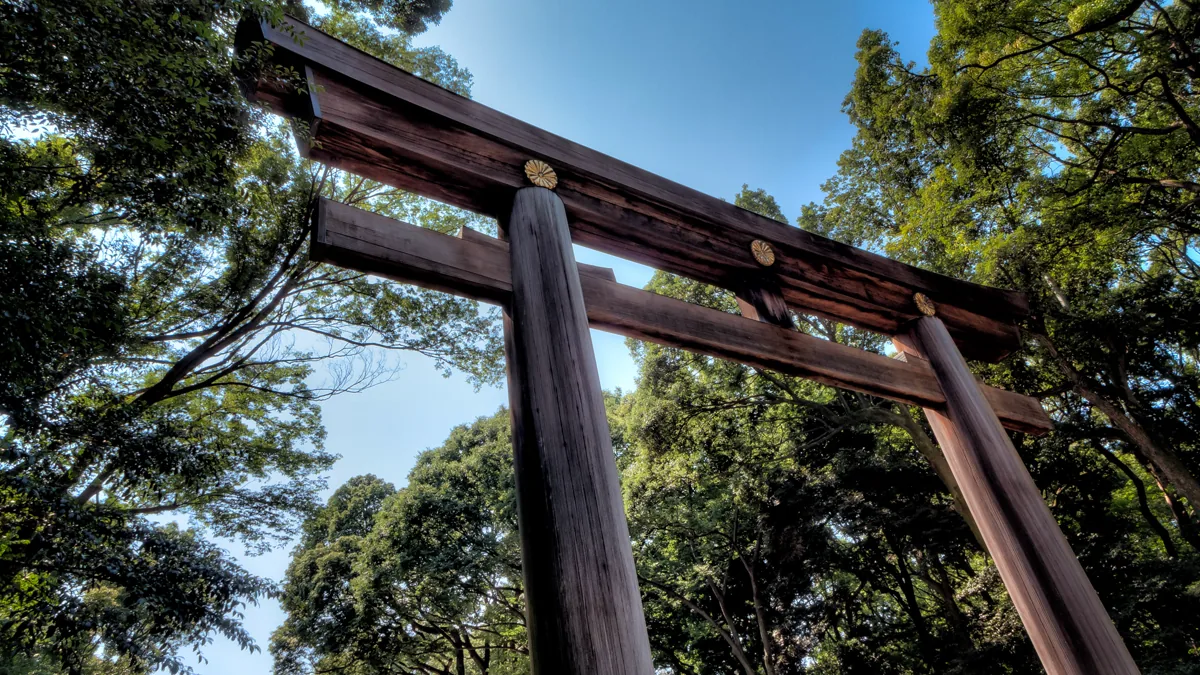
- 早上照自己的步調逛明治神宮出了原宿站,就是環抱神宮的高大森林:走在碎石步道上,穿過巨大的木造鳥居,在安靜的林間想走多慢就走多慢。免費入場,日出到日落開放。相關指南:明治神宮。
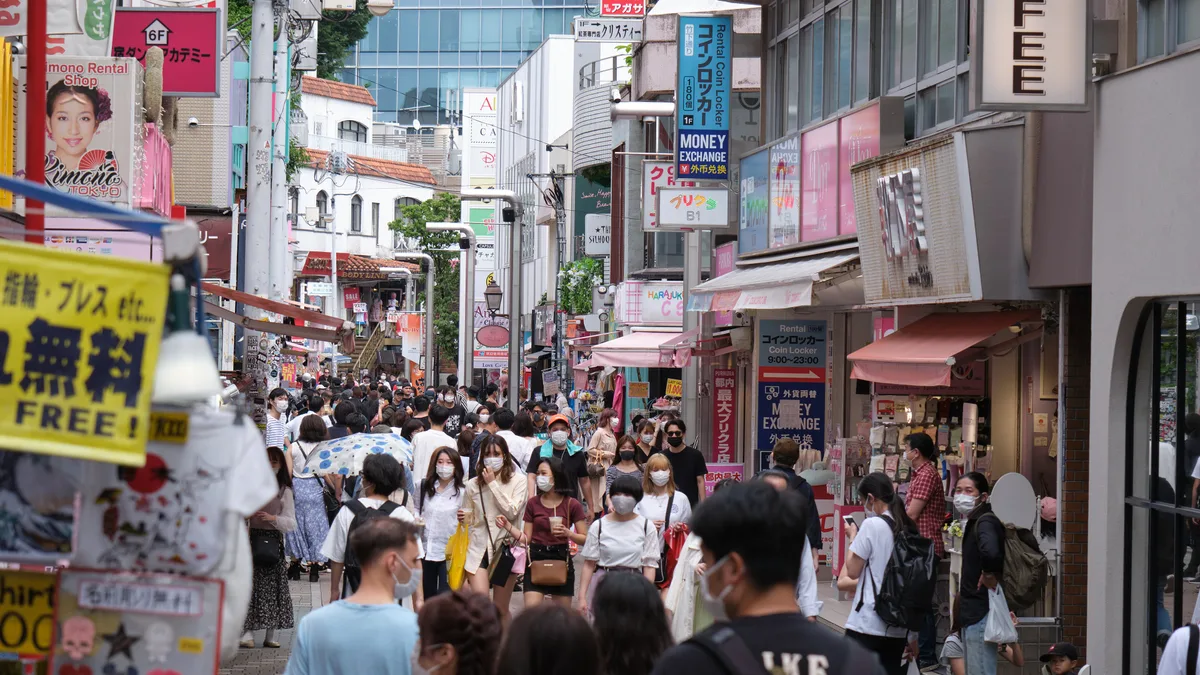
- 接近中午原宿與表參道走出森林,馬上就是繽紛熱鬧的竹下通,和林蔭夾道、精品店林立的表參道。走個幾分鐘,氣氛就完全不同,很有意思。相關指南:原宿。
- 下午澀谷,那個知名的十字路口搭一小段車就到澀谷,這裡的十字路口一變燈,人潮就從四面八方同時過馬路,一個人從樓上窗邊往下看,會不知不覺看得入神。之後隨興逛逛就好,今天想去哪就去哪。
- 傍晚想找人聊天,就去吧檯橫丁小巷裡擠滿小小的立飲店和居酒屋,本來就適合一兩個人去。坐上吧檯,想吃什麼隨時點,有人聊就聊,沒人聊也無妨;以為日本人都很拘謹的人,常會被這裡的熱情嚇一跳。想要一個安靜的夜晚?在房間裡吃一頓便利商店晚餐,本身就是一種小小的享受。
搭新幹線前往古都京都
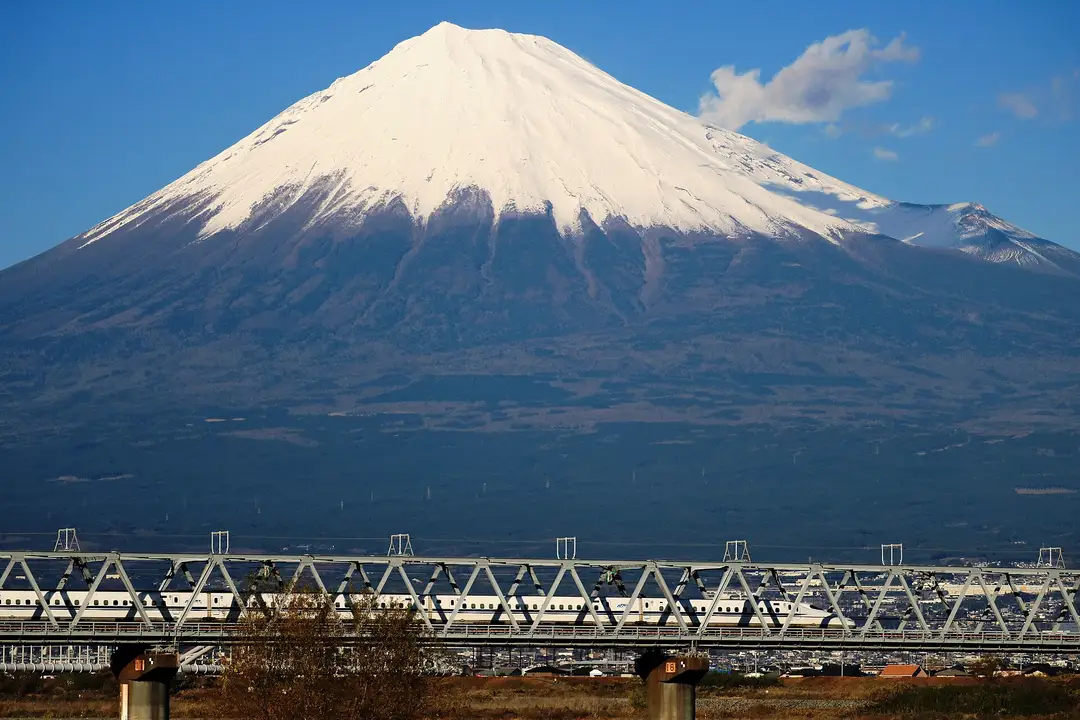
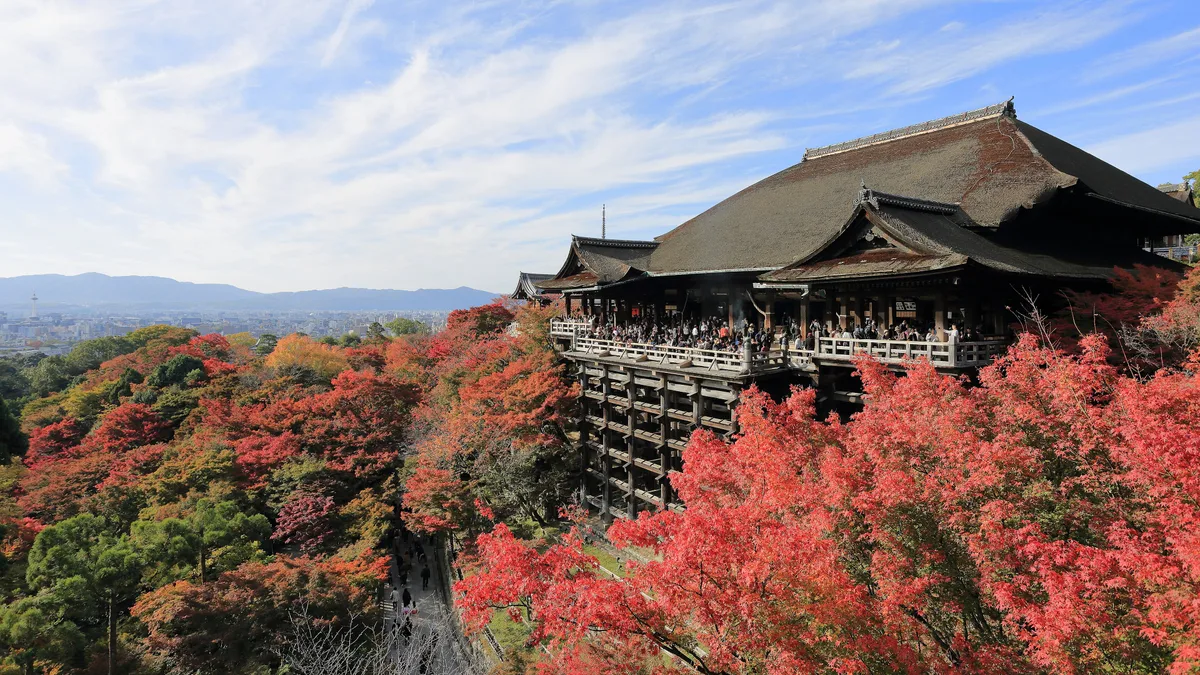
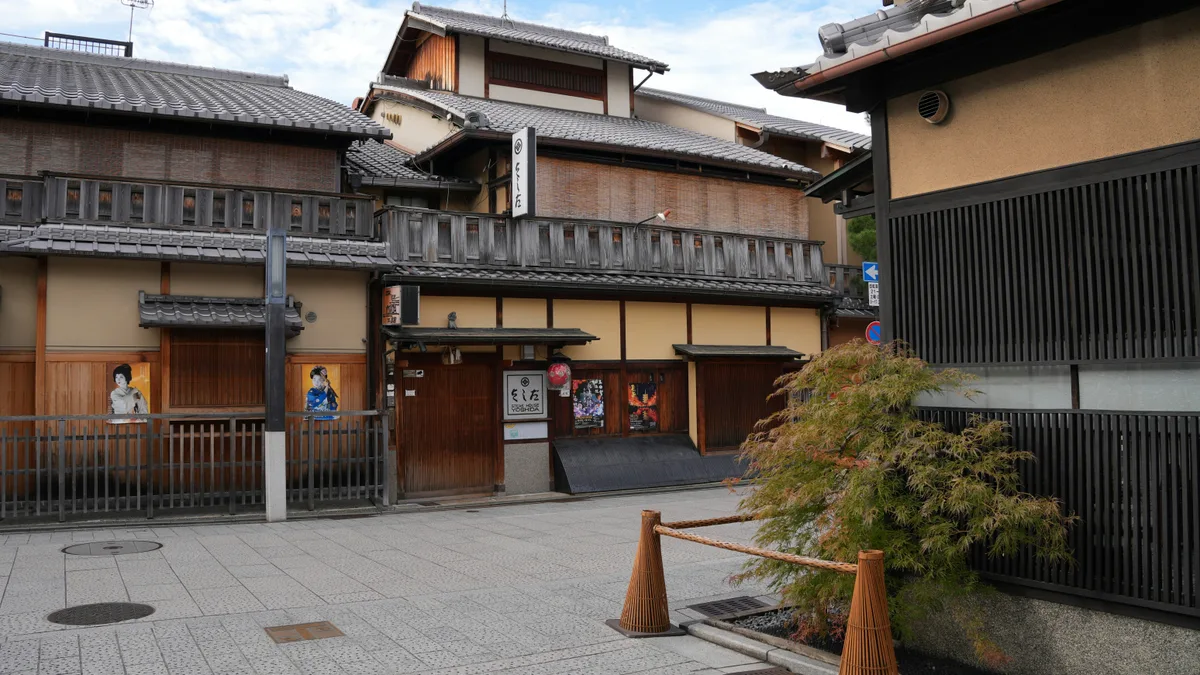
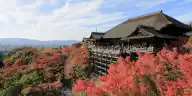
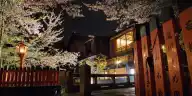
長途移動,一個人也很自在。一個人搭新幹線別有樂趣:坐在靠窗的指定席,打開在車站買的駅弁(車站便當),天氣好的話,離開東京不久,右邊窗外就看得到富士山。兩個多小時後就到京都了。我會先放下行李,下午去東山一帶的坡道,那裡最有老京都的味道:清水寺巨大的木造舞台、從舞台下方蜿蜒而下的三年坂與二年坂石板路,還有燈籠亮起時的祇園。一個人的好處在這裡也很明顯:旅行團趕回巴士時,你可以繼續在石板路上閒逛,看著暮色裡的街道慢慢冷清;晚餐時,還能坐進祇園小店的吧檯,那種店本來就坐不下一整團人。去祇園時請留意一點:這些巷弄裡有人生活、有人工作,請放輕腳步,只走公共道路。
- 早上東京到京都預訂從東京車站出發的東海道新幹線普通車廂指定席(想看富士山就選靠窗)。光靠普通 IC 卡刷不過新幹線閘門,要先透過 Smart-EX 訂位或買好車票(細節請見下方「先知道更安心」)。在車站買個駅弁,上車後享用。
- 下午沿著坡道上清水寺從京都車站搭市區公車到五条坂或清水道站,再沿著滿是伴手禮店的坡道往上走一小段,就到了建在懸崖上的清水舞台。很早就開門,門票不貴(請見下方「先知道更安心」)。相關指南:清水寺。
- 傍晚時分步行走東山的小巷從清水寺出來,沿三年坂、二年坂的石板坡道一路往下,兩旁是老町家。不用搭車,順著坡走就好,途中會經過高出一片屋頂的八坂之塔。
- 傍晚燈籠亮起時的祇園燈火亮起時,沿著公共道路輕輕走進祇園,在靜謐的氣氛裡結束這一天,而且完全可以照自己的步調來。相關指南:祇園。
京都:獨享清晨的一天
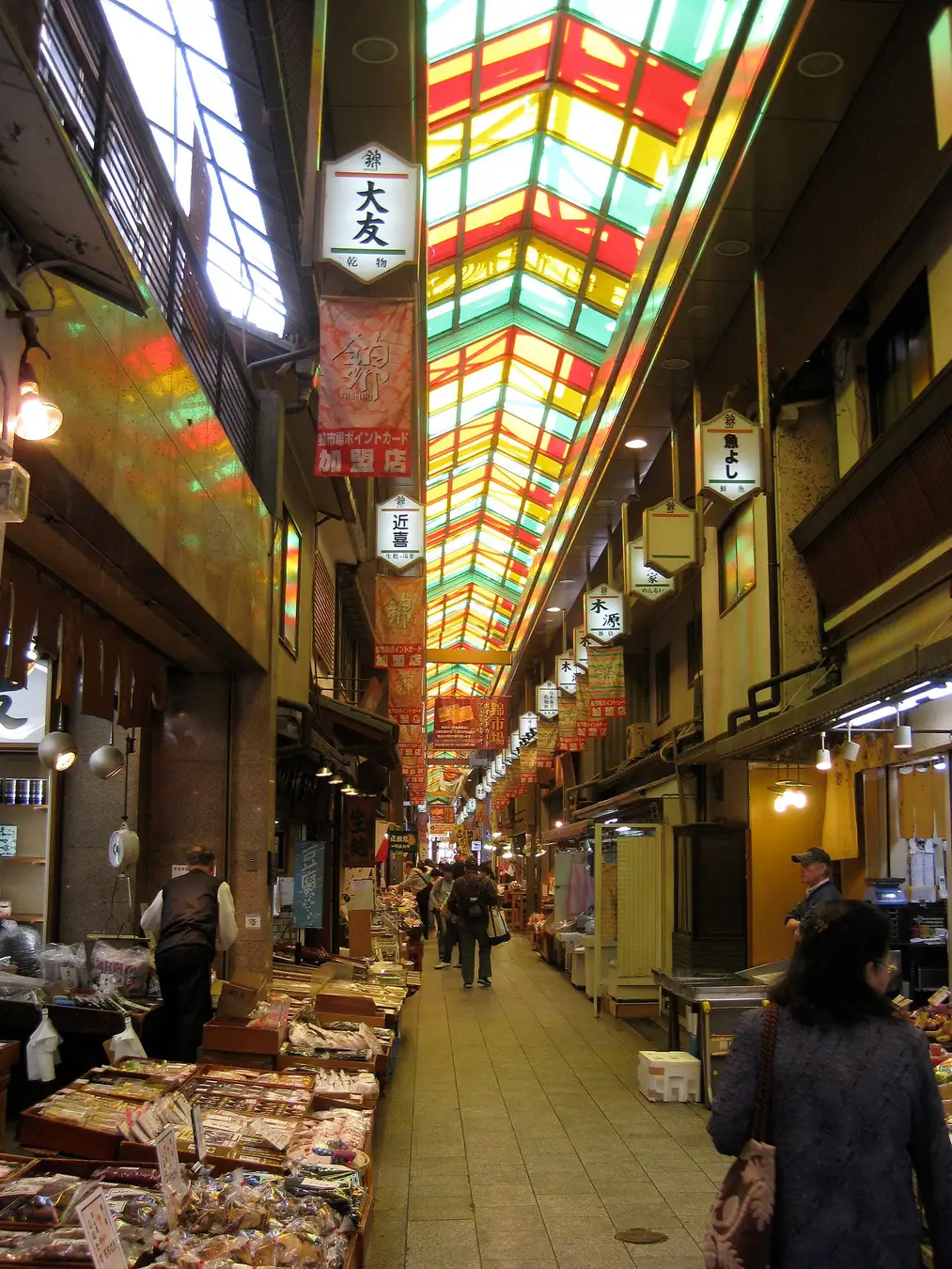
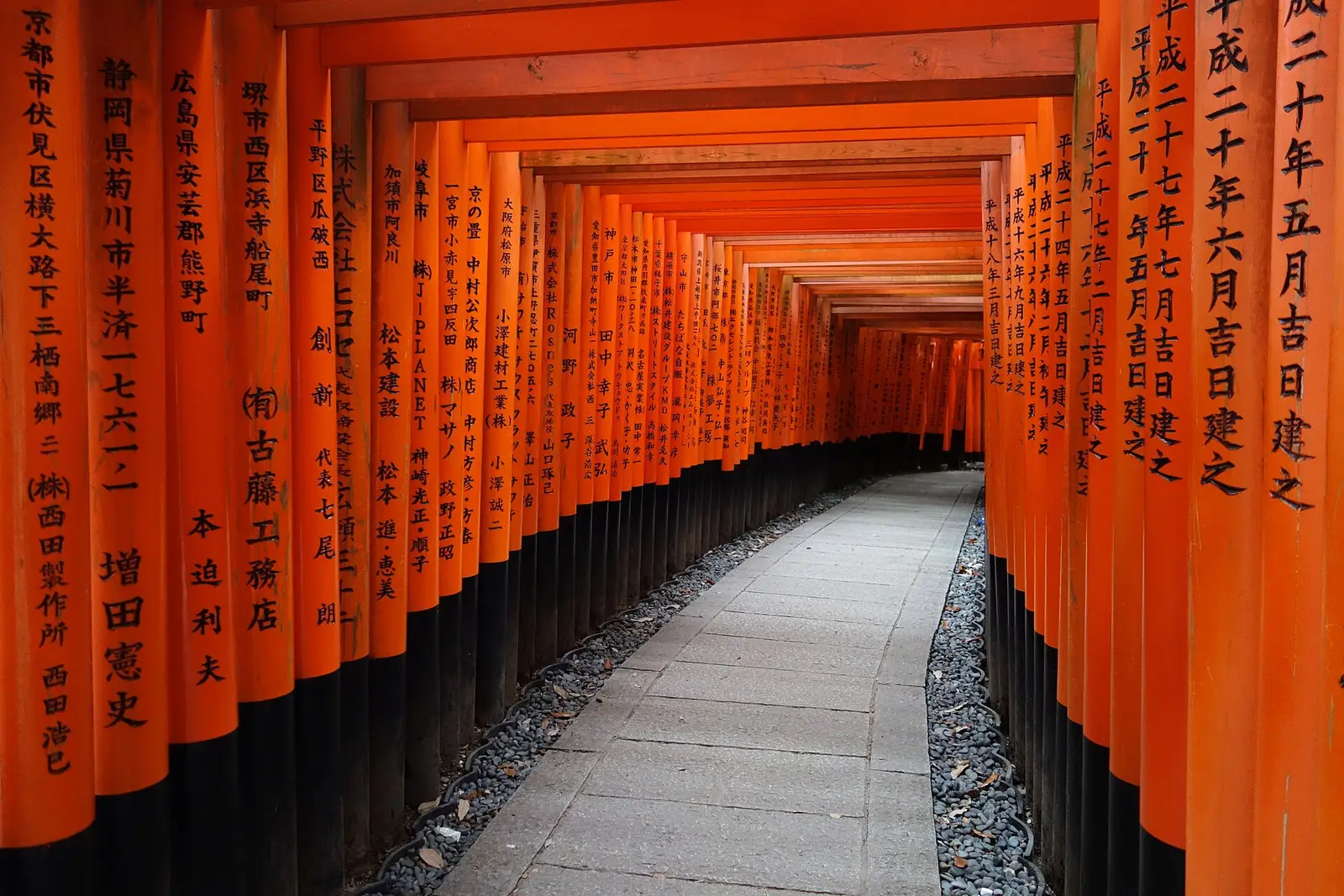
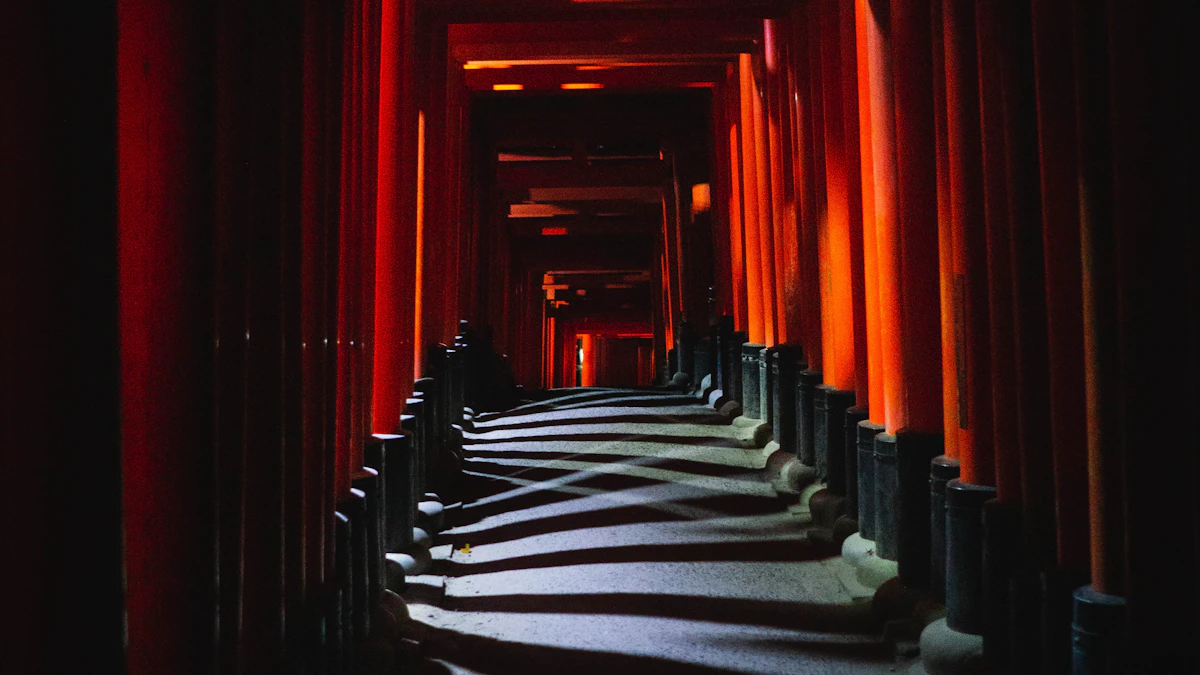
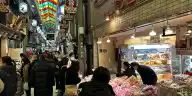
一個人旅行最大的好處,在這一天最明顯。幾點起床自己決定,所以天剛亮你就能站在伏見稻荷一道道朱紅的鳥居裡,這時參道上幾乎沒人,整座山最響的是你自己的腳步聲。這裡二十四小時開放,想看到照片裡那樣空無一人的鳥居,就要趁清晨來。之後的安排隨你:在錦市場照當地人的方式,買一口就站在攤子旁吃掉;下午去做最吸引你的事,趁早去嵐山的竹林、看金閣寺的金色樓閣,或者只是慢慢逛一座寺廟,再找間咖啡店坐很久。晚上我會用最有ohitorisama味道的方式收尾:在小壽司店或定食店的吧檯坐下;敢的話也可以去一人 KTV,在隔音的單人包廂裡自己唱,這在日本很平常,沒有人會覺得奇怪。
- 破曉趁人潮還沒來去伏見稻荷從京都車站搭 JR 奈良線的普通車,幾分鐘就到稻荷站(快速列車不停這一站);一出站就是鳥居。沿著鳥居往山上爬,想爬多高都行,越往上、越早,人越少。免費且二十四小時開放,破曉時分隨時可以來。相關指南:伏見稻荷。
- 上午中段用當地人的方式逛錦市場回到市中心(搭地鐵烏丸線,或搭阪急到京都河原町)。在狹窄的有頂商店街裡,當地的習慣是買一樣小吃就站在攤位前吃完,不邊走邊吃。一個人也吃得輕鬆,還能多嚐幾樣。相關指南:錦市場。
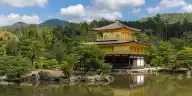
- 下午下午自由安排看早上的心情決定,不過提醒一下:嵐山(西邊)和金閣寺(西北邊)都在城市外圍,彼此相隔不近,我會只挑一個,不兩個都趕。嵐山竹林要清靜就得趁早;金閣寺看的是倒映在池面上的金色樓閣。也可以留在市中心,逛一座安靜的寺廟,再帶本書悠閒待上一小時。獨旅的奢侈,就在於你只為自己一個人做選擇。
- 傍晚一個人也好好吃頓晚餐一個人的晚餐,吧檯壽司或小定食店最合適;也可以訂個一人 KTV 包廂,在沒人聽得見的地方盡情唱。在日本,很多店和座位本來就是為一個人設計的。
奈良:輕鬆的一日小旅行,也看看自己一路走來的改變
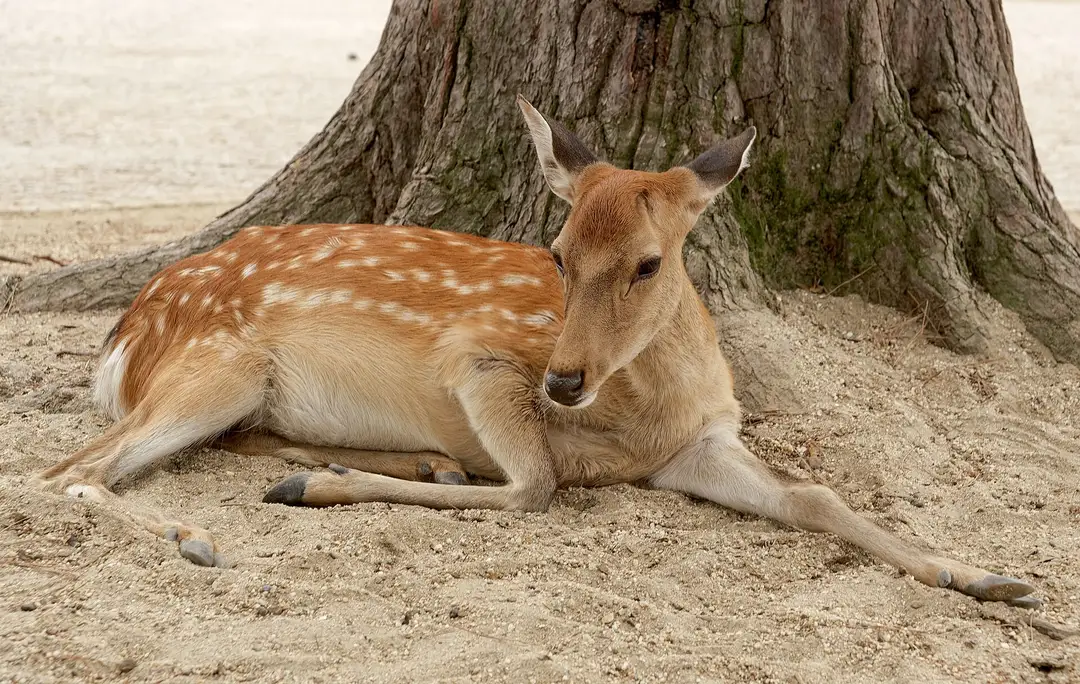
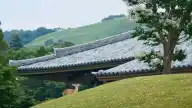
最後一天我會安排得最輕鬆:搭電車去奈良,這天沒有任何要緊張的事,隨意走走就好。奈良的主角是鹿。牠們在公園裡自由走動,被視為神的使者,拿出鹿仙貝,牠們會向你點頭鞠躬;等仙貝餵完、公園安靜下來,牠們就在草地上屈腿趴下休息。公園裡還有東大寺,世界數一數二的大型木造建築裡供奉著大佛;林間還有兩旁排滿石燈籠的小徑。不過,這趟旅行最讓人難忘的也許不是風景。這五天裡,對一個人吃飯、迷路、沒人可問的那些擔心,不知不覺已經消失了。很多一個人旅行過的人都說過同樣的意外發現:會有點怕,但完全應付得來。第一次體會這件事,日本是很友善的地方。
- 早上前往奈良從京都搭 JR 奈良線或近鐵,大約 45 分鐘到奈良(近鐵的車站離公園最近;時間與車資請見下方「先知道更安心」)。最後一天的車程輕鬆不累。
- 接近中午鹿與東大寺在公園攤位買官方的鹿仙貝(唯一允許餵鹿的食物),鞠個躬、遞一片過去,餵完了就攤開空手給牠們看。然後穿過公園走到東大寺,看大佛殿裡的大佛。相關指南:奈良公園。
- 下午走過石燈籠小徑後返回沿著林間兩旁排滿石燈籠的小徑走到春日大社,傍晚前搭車回京都。如果還要繼續旅行,從這裡去關西其他地方也很方便(見下方)。
如果多出一天
+1 天如果少了一天
−1 天時間不夠?行程可以壓縮,好處卻不會少。我會只留東京和京都、把奈良那天拿掉,甚至把每座城市都壓到一天半,放掉其中一個區域。人一緊張就想把行程塞滿,但一個人旅行反而要少排一點:去的地方少一些、待久一點,才有時間去清晨的神社、在吧檯慢慢吃一頓晚餐,這些時刻會讓這趟旅行真正屬於你。挑出最想去的兩三個地方,留足時間。
從這裡延伸旅程
延伸這條路線可以當作主軸,往兩個方向延伸成更長的旅程。往西,從京都可以直接去關西其他地方:好好逛奈良、去大阪、看姬路城的白色天守;想要清靜的話,還有特別適合一個人的體驗:在高野山的寺廟宿坊住一晚,吃僧人做的素齋、參加清晨的早課,再走一走兩旁排滿燈籠的奧之院參道。往東,從東京可以去關東其他地方。如果出發時間剛好碰上櫻花或紅葉季,同一條路線也會變成完全不同的旅行。不管加什麼,都別忘了這次學到的兩個習慣:喜歡有人作伴的話,每到一個新地方就訂一個多人參加的活動;行程裡留些空白,給意外的發現一點餘地。
WMJS 由一位希望你更了解日本的日本人在日本撰寫,並借助 AI 翻譯成繁體中文。每一頁我們都會檢查,但我們並不是中文母語者。如果有哪一句讀起來怪怪的,請告訴我們。一句就夠了。
謝謝你。每一則我們都會親自閱讀。
先知道更安心 — 票價與時間
東京到京都(新幹線)
從東京車站搭東海道新幹線,最快的 Nozomi(希望號)約 2 小時 15 分(Hikari 稍久一些)。一個人最簡單的做法是訂普通車廂指定席,最好靠窗,可以看富士山。注意:光靠普通 Suica 或 ICOCA 刷不進新幹線閘門,請把卡片綁定 Smart-EX 訂位,或先買紙本或 QR 車票。
JR 東海:搭新幹線到京都;以 IC 卡搭乘 Smart-EX(官方)截至 2026-06
IC 卡(Suica/ICOCA):一張卡,全國通用
一張儲值感應卡:進出站各刷一下,車資就會在 JR、地鐵、私鐵和公車上自動扣除。在全國互通使用的制度下,你在東京買的 Suica,在京都的地鐵和市區公車一樣能用,所以你只需要一張。還能當作電子錢包在便利商店付款。
JR 西日本:ICOCA 使用方式(使用範圍與互通使用,官方)截至 2026-06
羽田機場到東京市中心
東京單軌電車約 13 分鐘就到濱松町(大約每 5 分鐘一班),在那裡轉乘 JR 山手線前往市內其他地方。IC 卡(Suica/ICOCA)可以直接刷過。
東京單軌電車:從羽田到東京(官方)截至 2026-06
成田機場到東京市中心
全車指定席的成田特快(N'EX)約 53 到 60 分鐘到東京車站,到新宿約 80 分鐘;需要訂位。從這兩站再搭一小段車就到住處。
JR 東日本:成田特快(N'EX,官方)截至 2026-06
女性專用車廂:一個讓你安心的選擇
很多路線在平日早晨尖峰時段會指定一節「女性專用」車廂,一個比較安靜、不那麼擁擠的選擇,月台上有粉紅色標示,歡迎女性搭乘(幼童,以及有照護者陪同的身障乘客也可以上車)。尖峰時段以外,以及像京都地鐵這類的一些路線,所有車廂任何人都能搭。要不要搭完全自由,並非規定。
東京都交通局:乘客須知(官方)截至 2026-06
一個人住哪裡
三種輕鬆又安全的類型。商務旅館:一間小巧的單人房附獨立浴室,就在車站附近。膠囊旅館:一個像床一樣大、能把自己隔開的艙位,樓層依性別分開,而且有女性專用樓層,或整間女性專用的膠囊旅館。青年旅館與民宿:個人房或通鋪加上共用交誼廳,適合認識人,而且女性專用通鋪很常見。
GO TOKYO:東京官方旅遊指南(膠囊旅館)截至 2026-06
安全,以及該怎麼求助
日本國家旅遊局明確表示,日本非常安全、犯罪率相當低;日常的建議,就只是像在任何地方一樣,留意周遭環境。想問路或求助,就走進交番(許多轉角都有的小型社區派出所)。日本旅客服務熱線 24 小時提供英語、中文、韓語和日語服務,電話是 050-3816-2787。
JNTO:在日本安全旅遊(官方)截至 2026-06
如果你弄丟了東西
日本有一套完善的失物招領制度:拾得物交到交番、車站或商店後,會集中送到遺失物中心,保管大約三個月,並可透過警方資料庫查詢。根據東京都政府公布的數據,在交上來的現金裡(統計年度約 45 億日圓),大約 72% 回到了失主手上。可以到任何一個交番當面報失;領取時記得帶附照片的證件。
東京都政府:失物招領系統(官方)截至 2026-06
為一個人設計的社會(人口結構背景)
日本方便一個人生活的種種設計,並不是為觀光客準備的。在 2020 年的全國人口普查裡,一人家戶是全國最常見的家戶類型,約占所有家戶的 38%。吧檯座、一人份餐點等為一個人設計的形式隨處可見,原因就在這裡。
日本統計局:2020 年人口普查(摘要,官方)截至 2026-06
新幹線上的駅弁
在新幹線上用餐很平常(短程的普通電車則不太適合)。駅弁是各地車站的特色便當,本來就是為了在車上吃而做的,東京車站匯集了全日本各地的駅弁。前往京都的路上,可以好好享受一份。
JNTO/Travel Japan:駅弁文化(官方)截至 2026-06
淺草寺(淺草)
距淺草站(東京地鐵銀座線、都營淺草線、東武線與筑波快線)步行約 5 分鐘。寺境入夜仍開放並點著燈;本堂大約 6:00–17:00;免費入場。
JNTO/Japan.travel;GO TOKYO(官方)截至 2026-06
伏見稻荷(破曉)
搭 JR 奈良線的普通車到稻荷站,距京都車站幾分鐘(快速列車不停這站);鳥居就在站外。全天二十四小時開放且免費,所以破曉或早上九點前造訪能避開人潮。
伏見稻荷大社(官方)截至 2026-06
錦市場
距四条站(地鐵烏丸線)、烏丸站或京都河原町站(阪急)步行約 3 分鐘。這是一條有頂的攤販商店街,多數攤位大約 9:00–17:30 營業(許多攤位一週休一天);當地習慣是買了什麼就站在攤子旁吃掉。
京都錦市場商店街振興組合(官方)截至 2026-06
清水寺
從京都車站搭京都市巴士 #206 或 #100 到五条坂,或搭 #207 到清水道,再步行約 10 分鐘上坡;或搭京阪到清水五条。6:00 開門;關門時間隨季節變動;門票約 ¥400。
清水寺(官方)截至 2026-06
在京都的交通
京都市巴士採單一票價,約 ¥230(刷 IC 卡或付現);兩條地鐵路線是快速移動的主力。在寺廟排得很滿的一天,地鐵與巴士一日券(成人約 ¥1,100)搭幾趟就能回本。
京都市交通局:地鐵與巴士一日券(官方)截至 2026-06
京都到奈良(一日遊)
搭 JR 奈良線(都路快速,大約每 30 分鐘一班到 JR 奈良站,距公園步行 15 到 20 分鐘),或從京都搭近鐵(較快的特急需另付指定席費用,或搭直達的急行),到緊鄰公園的近鐵奈良站。兩種走法都約 45 分鐘。可用 IC 卡。
JR 西日本:路線與車資查詢(官方)截至 2026-06
奈良公園的鹿
約 1,300 到 1,500 隻自由漫步的野生梅花鹿,受保護列為天然紀念物,並被尊為神聖的使者。唯一允許餵食的,是公園攤位販售的官方鹿仙貝;鞠躬、餵食,然後攤開空手給牠們看。牠們興奮時會用頭頂人,所以要留意小包包。
Visit Nara:奈良官方旅遊指南截至 2026-06
深入探索
9 分鐘· 6 章
出發前漫步時
造訪淺草寺,東京最古老的寺廟
淺草寺值得造訪嗎?我們加權了125則旅人聲音:54%明確表示值得。免費參拜、24小時開放、所需時間,以及為何人潮一直是祈禱的一部分,附語音導覽。
Senso-ji Temple
8 分鐘· 5 章
出發前漫步時
明治神宮,為什麼種下十萬棵樹,只為打造一座能自我照料的森林
明治神宮值得造訪嗎?我們加權了70則旅人聲音:75%說值得,日本人的評價更溫暖,達82%。免費入場,是1920年由人工親手種下的70公頃森林,境內有大鳥居與內苑的清正井,附語音導覽。
Meiji Jingu
8 分鐘· 6 章
出發前漫步時
走進原宿:在這條街上穿什麼都行,沒有人會回頭多看一眼
原宿值得造訪嗎?我們整理了 99 則國際旅客的心得,每則一票:64% 認為只要避開竹下通的人潮、走到貓街與表參道就值得。可麗餅、kawaii 時尚、交通方式與逛街訣竅,附語音導覽。
Harajuku
8 分鐘· 5 章
出發前漫步時
清水寺:人們為何爬上山坡、站在懸崖邊許願
清水寺值得去嗎?55位外國旅人中48%、111位日本旅人中76%都說值得,關鍵在於時段。從千年不涸的音羽瀑布、無一根釘的懸造木舞台,到清晨6點開門與夜間點燈——陪您靜靜許下一個心願。
Kiyomizu-dera Temple
6 分鐘· 5 章
出發前漫步時
祇園——漫步京都的花街,一座至今仍有人生活的城
祇園不是景點,而是京都至今仍有人生活與工作的花街。從八坂神社、花見小路到白川巽橋,學會如何懷著敬意漫步、認識藝妓與舞妓、避開私人小巷,以及最佳造訪時段與交通方式。
Gion
9 分鐘· 5 章
出發前漫步時
伏見稻荷大社:一萬座鳥居,每一座都是一句「謝謝」
伏見稻荷的一萬座朱紅鳥居,是可以親自走過的謝辭。一份經官方資料驗證的語音文化指南:狐狸為何是使者而非神明、山頂為何沒有絕景,以及如何避開人潮。
Fushimi Inari Taisha
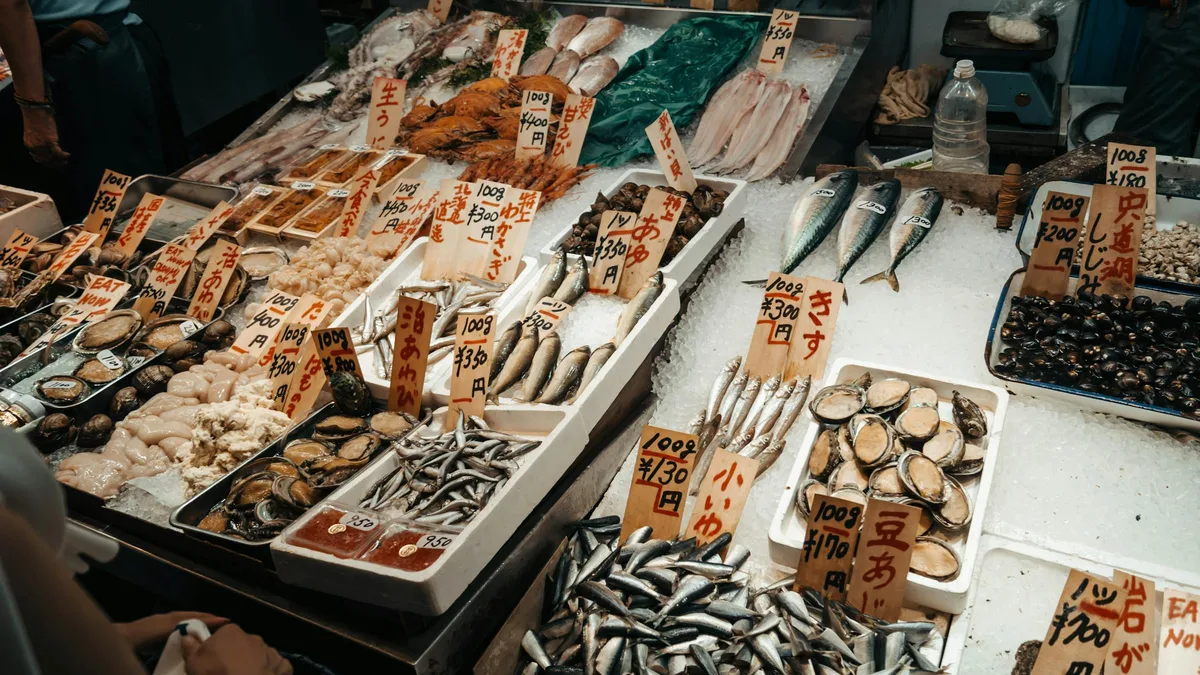
10 分鐘· 6 章
出發前漫步時
錦市場——京都的廚房,一口一口慢慢品
京都四百年美食老街「錦市場」語音導覽:吃什麼、買什麼、何時去最好,以及如何溫柔地享用這座城市的廚房。漬物、出汁、京野菜,一口一口慢慢嚐。
Nishiki Market
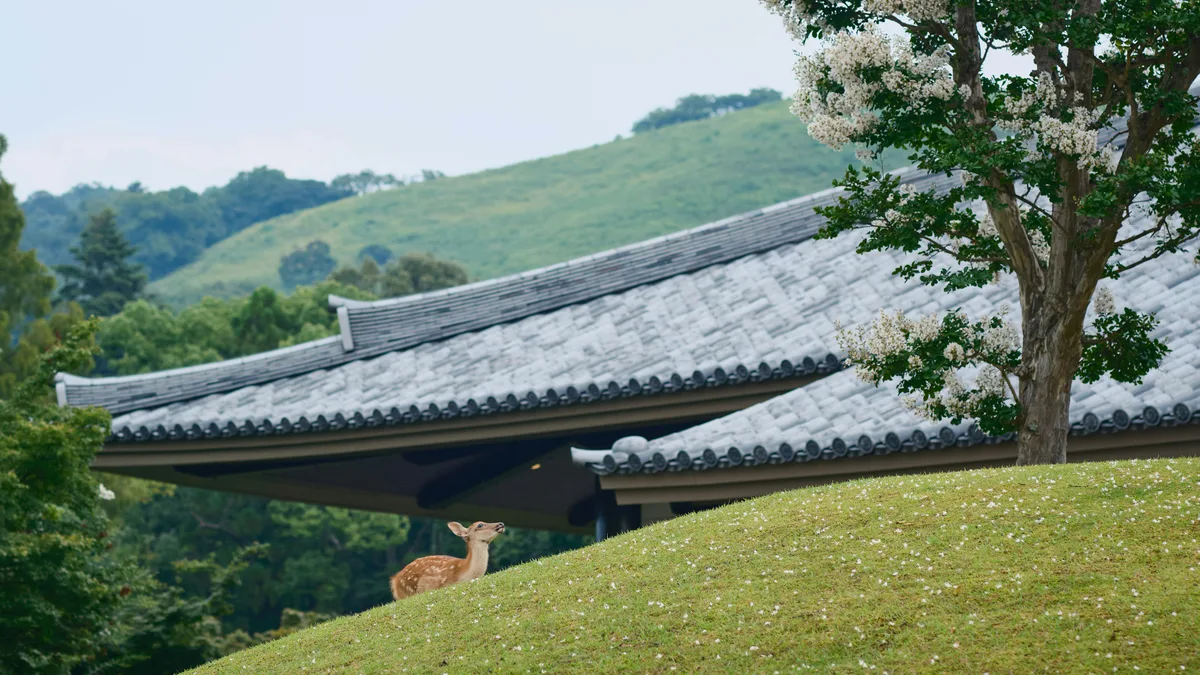
12 分鐘· 5 章
出發前漫步時
奈良公園:日本神鹿鞠躬千年之地
奈良公園值得去嗎?我們加權整理了100則旅人的聲音:65%說值得,日本人的評價更高,達80%。公園免費、全天開放,住著1,400多隻神鹿,可順道參觀東大寺大佛與春日大社的燈籠小徑,附語音導覽。
Nara Park
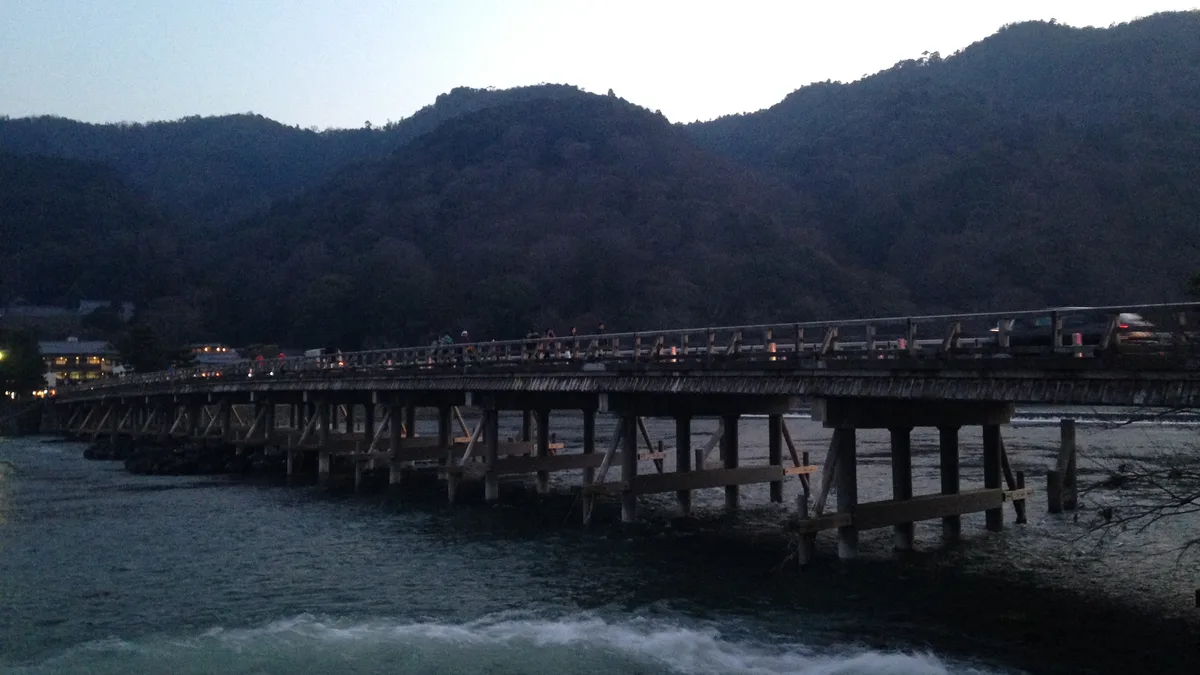
13 分鐘· 6 章
出發前漫步時
嵐山:日本為何把這片竹林列入「值得守護的聲音」
嵐山語音導覽:一千多年來,山、河與橋讓旅人在同一處駐足。嵯峨野竹林裡風穿過竹竿的聲音,被日本列入「日本音風景百選」;走過以渡月為名的橋,在天龍寺借山入景的庭園裡多站一會兒。放慢腳步、比人群多走一段路,避開喧囂,就能遇見嵐山最美、卻無法用相機留住的東西。
Arashiyama
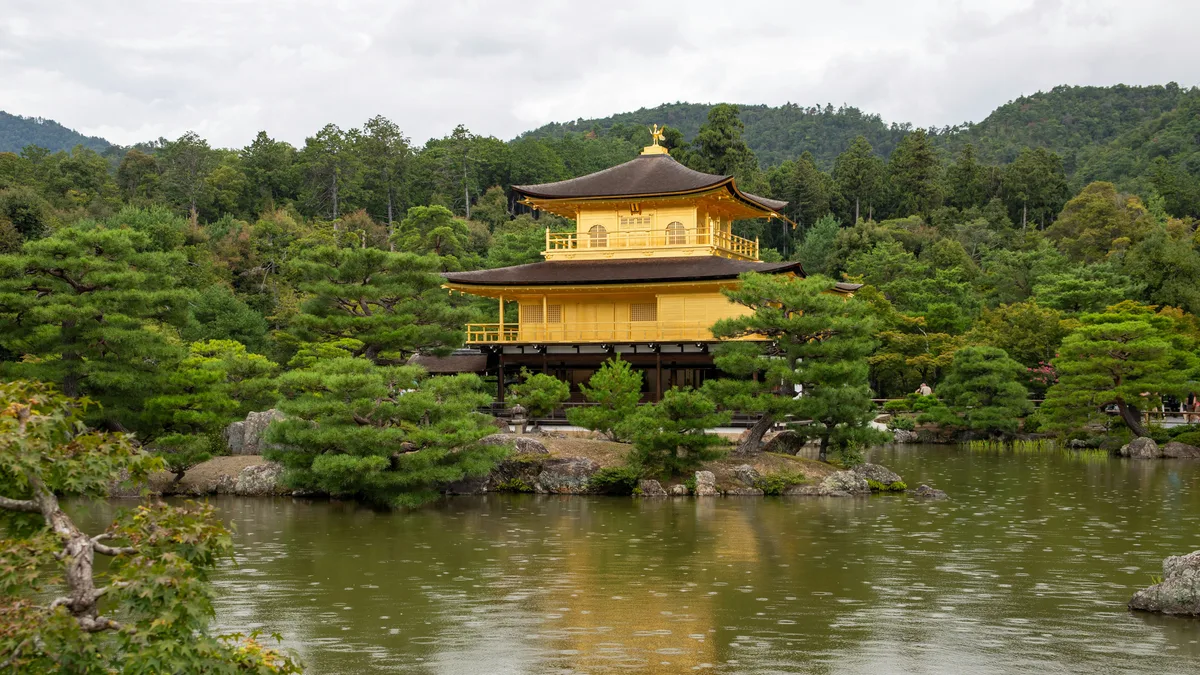
7 分鐘· 6 章
出發前漫步時
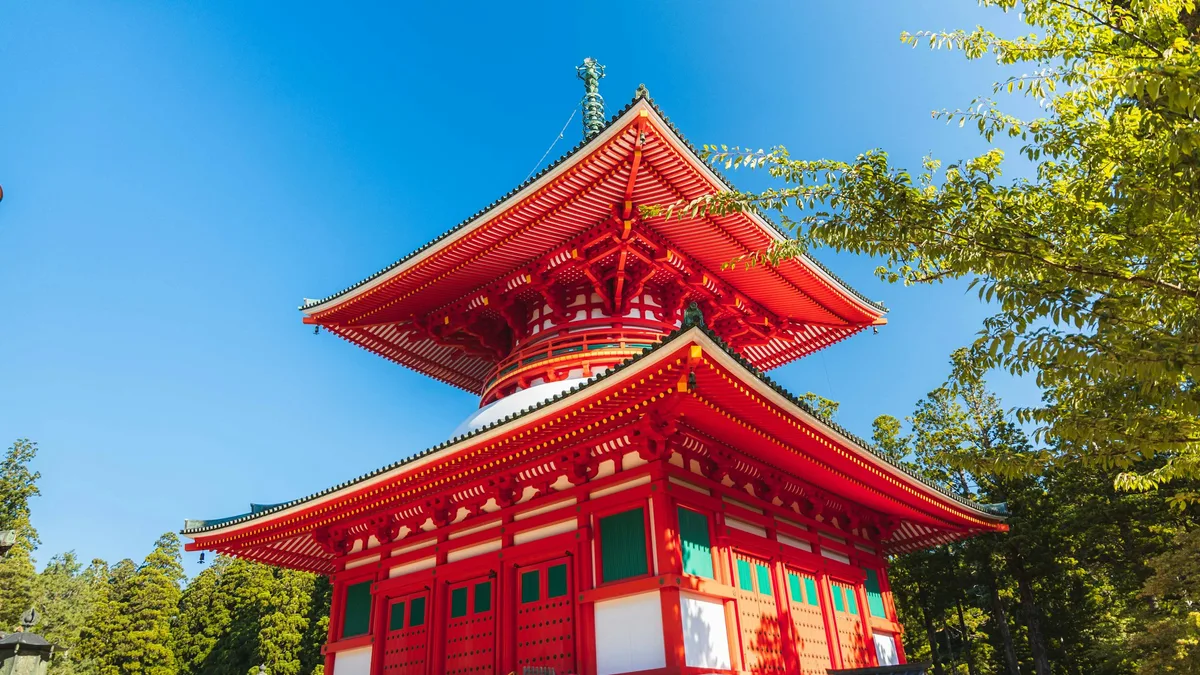
金閣寺 — 為什麼大家都停在同一個地方拍攝金色樓閣
京都金閣寺(金色樓閣)完整指南:從鏡湖池畔欣賞池水倒影、三層樓閣建築,附參觀時間9:00–17:00、門票(供養)與京都車站交通方式,以及語音導覽般的逐步解說。
Kinkaku-ji (Rokuon-ji)
11 分鐘· 6 章
出發前漫步時
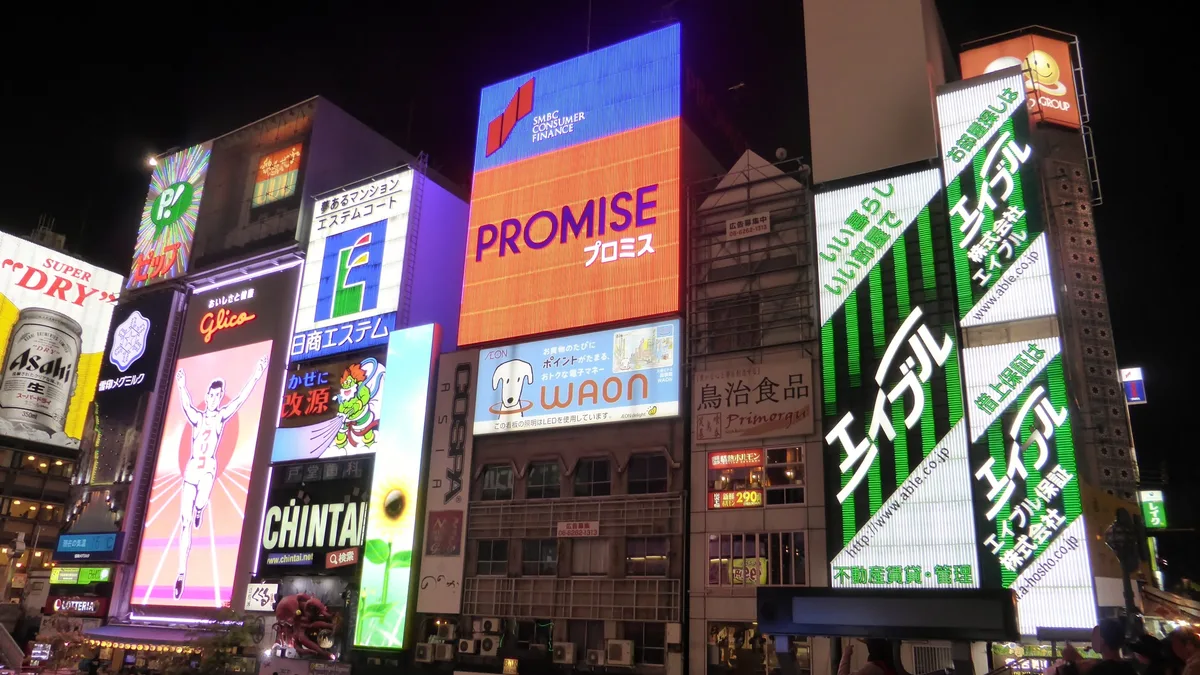
走訪道頓堀:大阪「吃到倒」的霓虹運河街
道頓堀值得一遊嗎?我們整理了200位旅客的聲音:37%認為非常值得,36%覺得值得看一眼,日本旅客的評價更溫暖,達62%。固力果看板、章魚燒、共用醬汁的規矩,還有後面那條安靜的巷子,都有語音導覽陪你走一遍。
Dotonbori
10 分鐘· 6 章
出發前漫步時
走訪高野山,千年祈禱從未間斷的山
高野山值得造訪嗎?我們加權了83則旅人聲音:53%說值得,日本人的評價更溫暖,達79%。這是空海於816年開創的靈山,從大阪轉乘纜車與巴士登山,在宿坊住一晚是決定滿意度的關鍵。附語音導覽。
Koyasan (Mount Koya)
行前閱讀

日本的運作方式
日本安全嗎? — 日本人想讓你知道的事
日本的運作方式
淺草寺值得去嗎?去過的旅客和東京在地人怎麼說
日本的運作方式
明治神宮值得一去嗎?旅人與東京人對這座森林神社的真心話

日本的運作方式
原宿值得去嗎?要看你只逛竹下通,還是走進整個原宿
日本的運作方式
清水寺值得去嗎?答案幾乎完全取決於你「什麼時候」去

日本的運作方式
伏見稻荷值得去嗎?聽聽去過的旅人和在這裡祈禱的人怎麼說
日本的運作方式
錦市場值得去嗎?旅客與在地人眼中的兩個錦市場
日本的運作方式
奈良的鹿值得一看嗎?去過的遊客怎麼說,和鹿相處要知道什麼

日本的運作方式
嵐山竹林值得去嗎?遊客與京都當地人的真實心聲

日本的運作方式
道頓堀值得去嗎?旅人與大阪在地人的真實評價

日本的運作方式
澀谷十字路口值得去嗎?答案取決於你站在哪裡
與其他行程搭配
資料來源
- JR 東海:搭新幹線到京都
- Smart-EX:以 IC 卡搭乘(JR 東海/JR 西日本)
- JR 東日本:Suica 介紹
- JR 西日本:ICOCA 使用範圍與全國互通使用
- 東京單軌電車:從羽田到東京
- JR 東日本:成田特快(N'EX)
- 東京都交通局:乘客須知(女性專用車廂)
- JR 東日本:女性專用車廂的使用
- GO TOKYO:日本膠囊旅館指南
- JNTO:在日本安全旅遊
- 東京都政府:失物招領系統
- 日本統計局:2020 年人口普查(摘要)
- JNTO/Travel Japan:駅弁文化
- JNTO/Japan.travel:淺草寺
- GO TOKYO:淺草寺
- 明治神宮:官方交通與參拜資訊
- 伏見稻荷大社:官方交通資訊
- 京都錦市場振興組合:官方交通資訊
- 清水寺:官方參拜資訊
- 京都市交通局:地鐵與巴士一日券
- JR 西日本:路線與車資查詢
- 近鐵:路線與車資查詢
- Visit Nara:奈良官方旅遊指南(鹿)