

This page is also available in English.Read in English →
이 페이지는 한국어로도 읽을 수 있습니다.한국어로 읽기 →
這個頁面也有繁體中文版。閱讀繁體中文版 →
这个页面也有简体中文版。阅读简体中文版 →
หน้านี้มีภาษาไทยด้วยอ่านภาษาไทย →
Trang này cũng có bản tiếng Việt.Đọc bằng tiếng Việt →
Halaman ini juga tersedia dalam Bahasa Indonesia.Baca dalam Bahasa Indonesia →
Cette page existe aussi en français.Lire en français →
Diese Seite gibt es auch auf Deutsch.Auf Deutsch lesen →
Esta página también está disponible en español.Leer en español →
Questa pagina è disponibile anche in italiano.Leggi in italiano →
どんな旅人として行くか
日本でひとり旅、はじめての旅
東京から京都への黄金ルートを、ひとりのペースで。誰かがそれをソロトラベルと呼ぶずっと前から、ひとり分のためにつくられてきた国で
最終確認: 2026-06-23
日数
5日。東京で数日、新幹線で南下して京都、そして奈良への気軽な日帰り。すべてをひとりのペースで
ベストシーズン
一年中。春の桜と秋の紅葉がいちばん美しく、いちばん混みます。冬や初夏の落ち着いた時期は、景色こそ控えめですが、夜明けの神社もカウンターも静かです
拠点
気楽な拠点を2つ。まず東京(落ち着いた浅草か、活気と交通の便がいい新宿)、次に京都。ふたつを新幹線1本でつなぎます
移動手段
1枚のICカードで、全国の電車・地下鉄・バスにタッチできます。Googleマップが電車とホームまで教えてくれるので、ひとりでの移動は初日から気楽です
このプランが合う人
- 初めての日本ぴったり
- リピーターよく合う
- 子ども連れ主役ではない
- ひとり旅ぴったり
- ふたり旅よく合う
- ゆったりペースよく合う
行く時期Year-round
Good all year. Spring blossom and autumn colour are the most beautiful and the most crowded; the winter and early-summer shoulders trade a little scenery for quieter dawn shrines, shorter queues and easier solo tables. The New Year stretch (roughly Dec 29-Jan 3) is the one time many restaurants and shops close, so plan meals ahead.
日本はひとり旅に向いているの? 日本人396人に直接聞きました。62%がひとりで食事するのはごく普通だと答え、81%がひとり飲みを肯定的に捉え、78%が迷っている外国人を助けると答え、目的地まで一緒に歩くという人も多いんです。下の5日間は、その歓迎をそのまま旅程にしたものです。396人の声の全体像は、夜道についてのひとつの注意点も含めてひとりでいることを日本人はどう見ているかにまとめています。
はじめてのひとり旅なら、いちばん先に軽くしてあげたいのは、口に出しにくいあの不安です。目立ってしまうんじゃないか。ひとりで食事する、誰にも聞けない、向かいの席がずっと空いている。でも、旅立つ前にほとんど誰も教えてくれないことがあります。日本は、もともとひとり分のためにできている国なんです。「ひとり旅」が流行語になるずっと前から、ここはシェフに向かうカウンター席があり、券売機で一言も交わさずに頼めるラーメンがあり、コンビニには何でも一人前サイズが並び、ひとり用の部屋やカラオケブースまである国でした。ひとりでいることを指す、特別な言葉さえあります。「おひとりさま」という呼び方は、慰めというより、ほめ言葉のように響きます。どれも、遅番の会社員のため、学生のため、昼休みの女性のために、昔からあったものです。観光客が来るより、ずっと昔から根づいた暮らしのかたちなんです。この旅で、あなたはそれをちょっと借りるだけでいいんです。
だから私なら、王道の最初のルートを選びます。東京で数日過ごし、新幹線で南下して京都へ、そして奈良への気軽な日帰りを添える。それを、ひとりのペースで歩きます。これが最高のペースなんです。誰にも合わせなくていいから夜明けの神社へ、焼き魚の匂いがする路地に二時間寄り道し、お腹がすいたそのときに夕食をとる。以下は、私ならどう動き、どこに泊まり、ひとりであることに身をまかせるか、ひとりでいたくない夜にはどこの店のカウンターに座るか、そのやり方です。バラして、自分の行きたいように組み直してください。その自由がいちばん大事なんです。
拠点をどこに置くか
ひとり旅では、部屋がグループ旅よりもずっと大きな意味を持ちます。新しいことづくめの一日を終えて、ほっと力を抜く場所だからです。だから私なら、場所の名前より、居心地と動きやすさで選びます。うれしいことに、日本にはひとり向きの選択肢が3つあって、どれも安全で清潔、予約も簡単です。
ビジネスホテルは、いちばん間違いのない選択です。コンパクトなシングルルームに自分専用の小さなバスルームがついて、どの街でも駅の近くにあります。派手さはないけれど、大事なものは全部そろっています。カプセルホテルは安くて、意外なほどよく眠れる選択肢。ドアやカーテンで仕切れる、ベッド一つ分のきれいなカプセル、鍵のかかるロッカー、広い大浴場。フロアは男女で分かれていて、女性専用フロアや、まるごと女性専用のカプセルホテルもあります(その規模はファクトボックスに)。そしてホステルやゲストハウスは、人とのつながりがほしいときの一手。個室やドミトリーに加えて、ひとり旅の人どうしが自然と話し出す共用ラウンジがあり、女性専用ドミトリーもよく見かけます。
東京では、下町のやわらかい空気がいいなら浅草あたりを拠点に。平らな街並み、早く開く寺、近くから始発が出る路線がいくつもあって、たいてい座れます。活気があって、乗り換えのいちばんきく駅がすぐ下にほしいなら新宿まわりを。京都では、京都駅の近くに泊まると日帰りも空港へのアクセスもラクですし、中心部(烏丸や河原町)や東山のなだらかな坂は、古い路地まで歩いて行ける距離です。どこに泊まるにせよ、エレベーターがあって、角にコンビニのある駅を選んでください。どちらもいたるところにあります。
東京(最初の拠点)
新幹線で約2時間15分京都(2つめの拠点)
約45分奈良(気軽な日帰り)
移動ときっぷ
まずはICカードを用意しましょう。SuicaでもICOCAでも、どちらでも構いません。これでほとんど、きっぷのことを考えなくてよくなります。プリペイド式のタッチカードで、入るときタッチ、出るときタッチ、運賃は自動で計算されます。日本のカードは全国で相互利用できるので、東京で買った1枚が京都の地下鉄やバスでも使えます。コンビニの支払いにもタッチできて便利です。ひとつだけ、このカードだけではできないことがあります。それは新幹線に乗ることです。東京から京都への乗車には、カードをSmart-EXの予約に登録するか、きっぷを買ってください(詳しくは下の一覧に)。私なら指定席を1席予約して、窓側を確保します。
ここでのひとり移動は本当に気楽で、その立役者がGoogleマップです。 行き先を入れれば、電車、ホーム、出口にいちばん近い号車、運賃まで教えてくれます。だから「誰にも聞けないまま迷子になる」という不安は、たいてい消えてなくなります。それでも聞きたくなったら、あちこちの角にある交番が、道案内も含めてそのためにあります。
ひとり旅の人、とくにひとり旅の女性に、安心してもらうために知っておいてほしいことをいくつか。 多くの路線は、平日の朝ラッシュに「女性専用車」を1両走らせます。ホームのピンクの表示が目印の、少し落ち着いた、混みすぎない車両で、よければ使ってください(ラッシュ時以外や、京都の地下鉄など一部の路線では、どの車両にも誰でも乗れます)。いちばん混む朝の時間をまるごと外したいなら、ひとり旅なら簡単です。夜明けの神社をめざす朝は、どのみちガラガラの電車に乗ることになりますから。現金については、コンビニや郵便局のATMが、銀行のATMでは使えない海外のカードを受け付けてくれるので、困ることはありません。そして、これは本当に驚かれるのですが。ここでは財布を落としても、ちゃんと戻ってくる見込みが本当にあります(落とし物文化についてはファクトボックスで)。日本は、政府観光局の言葉を借りれば、とても安全です。どこへ行くときも払うくらいの注意で、十分です。
東京。そして、はじめてのひとり夕食(緊張するのはこの一度だけ)
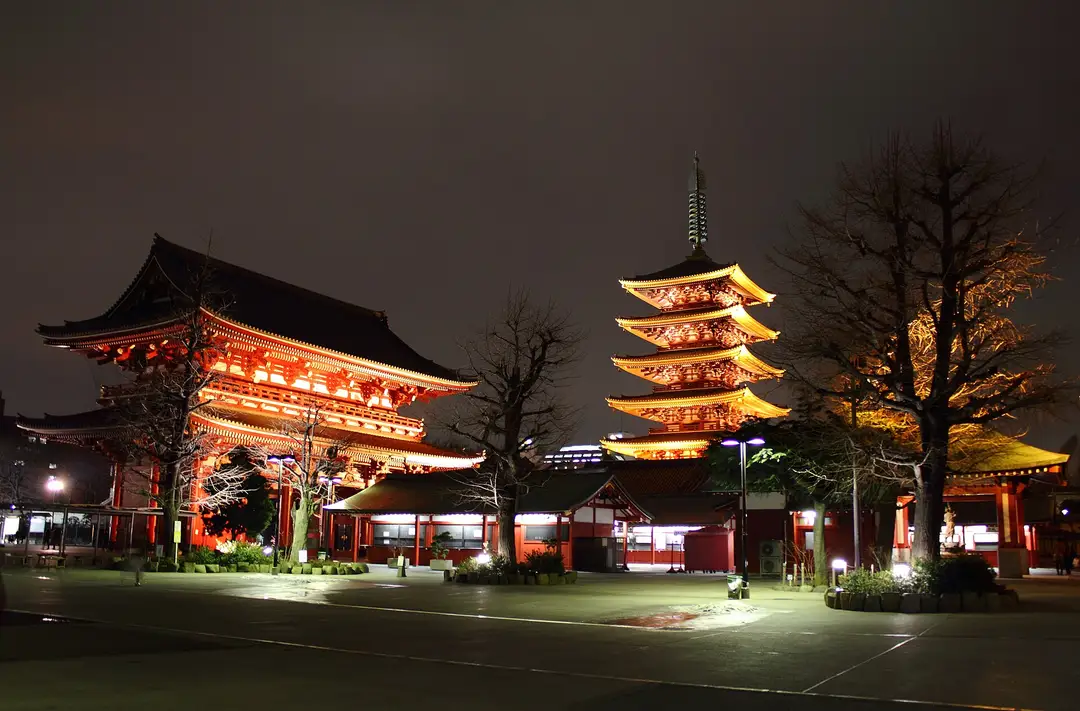
最初の一日は、あえてこぢんまりと。時差ボケで着くことが多いので、私ならコンビニのATMで少し現金を下ろし、荷物を置いて、午後は拠点の近くで過ごします。そして、この旅の力を抜いてくれる、あの一つのことをします。ひとりで夕食を、いちばんラクなやり方で。先に安心材料をお伝えしておきますね。母国だと妙に気まずい「おひとりさまですか?」の瞬間が、ここでは起きません。とても多くの店では、入口の券売機で頼み、料理人に向かうカウンター席に座って、食べる。やりとりもなし、片づけられる二人目の食器もなし、こちらを見る人もいません。隣の席の会社員も、あなたとまったく同じことをしています。緊張するのは、はじめてのひとり夕食だけ。そのあとは、カウンターがいちばんいい席に思えてきます。浅草寺は、夜まで灯がともって開いていて、最初に歩くのにやさしい場所です。
- 午後到着、現金、ひと落ち着き羽田からは東京モノレール、成田からは全席指定のN'EXが、東京駅や新宿といった主要駅まで運んでくれます(所要時間と運賃は各ボックスに)。そこから地下鉄か山手線でひと駅ふた駅、浅草の拠点へ。コンビニか郵便局のATMで現金を下ろし(海外のカードが使えます)、まず何よりチェックインを。そうすれば、一日の足場ができて落ち着きます。
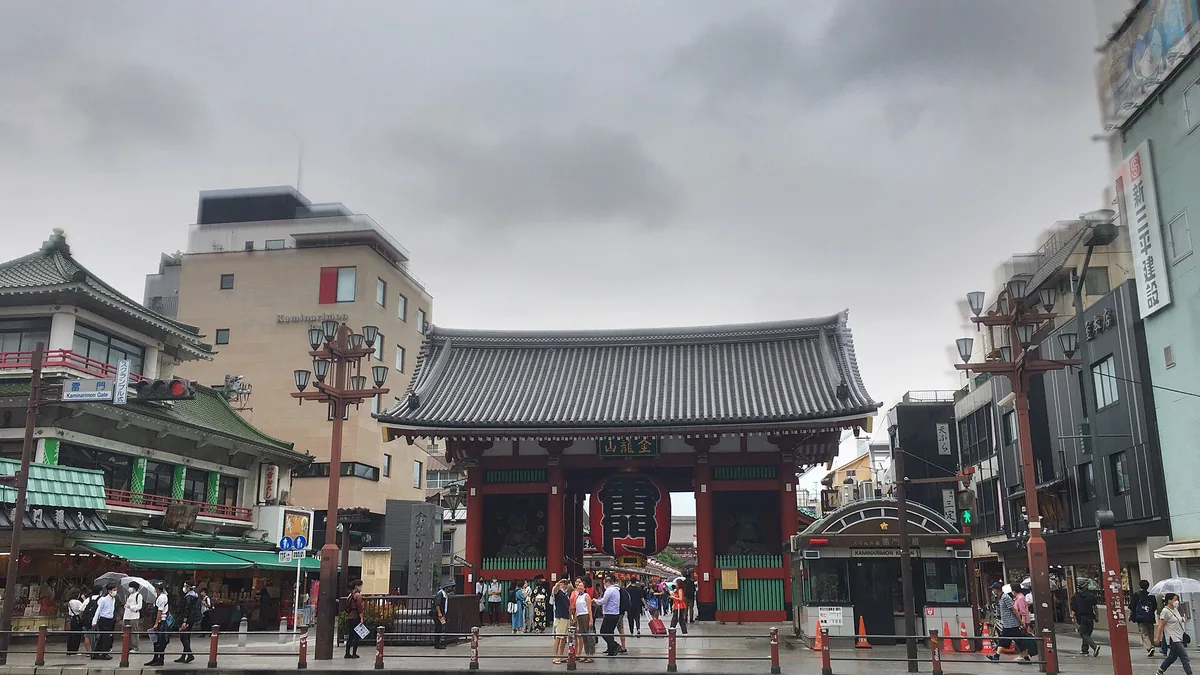
- 夕方浅草寺を、ゆっくり浅草駅から歩いて数分、大きな赤い雷門の提灯と仲見世の通りが、東京でいちばん古い寺へと続きます。境内は、日帰りの人たちがまばらになったあとも開いていて、灯りがともります。静かで、ほとんど自分だけの、はじめての散歩です。関連ガイド:浅草寺。
- 夕食はじめてのカウンターの一杯店先に券売機のあるラーメン屋か、立ち食い寿司を見つけましょう(写真と英語ボタンがあって簡単です)。食券を買って、カウンターのスツールに座り、渡す。それでやりとりは全部おしまい。完璧な一杯に、言葉はひとつも要りません。旅が「気後れ」から「自分のもの」へと変わる、その瞬間です。
- 寝る前の一杯夜のコンビニ帰り道、コンビニはひとり旅の味方です。夜食に、温かいか冷たい飲み物、明日の朝食、どれも小銭いくつかで。毎晩のささやかな習慣になって、帰国してからふと恋しくなります。
東京。誰にも合わせなくていい一日
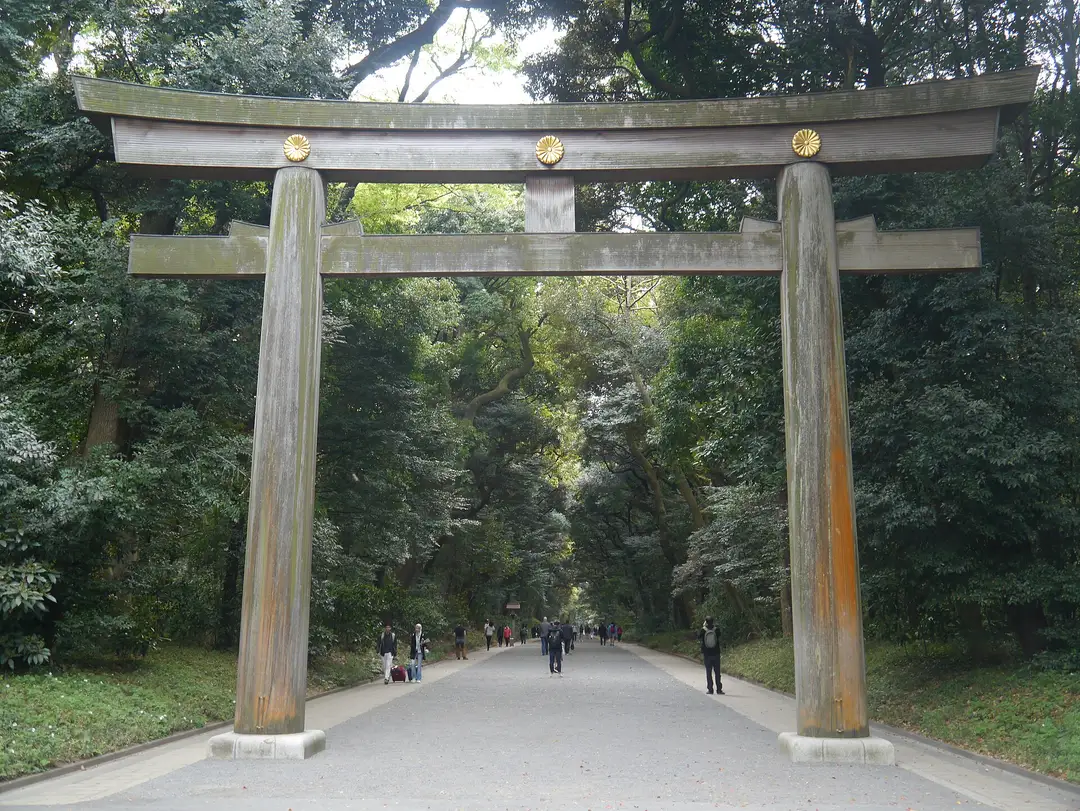
今日は自由の日。ひとり旅がいちばん得意とすることの、証明です。朝食をとりながら誰かと相談する必要がないから、好きなところから始めて、お昼に気が変わってもいい。私なら、日の出とともに開く森の神社明治神宮の、緑につつまれた静けさから始めて、そのまま原宿と表参道の色と人ごみへ足を踏み出し、渋谷のスクランブル交差点まで下って街が動くのを眺めます。(渋谷や新宿も東京を代表する街です。ここでは名前をあげるだけにします。) そして、ひとり旅で自然には手に入らない唯一のものが人とのつながりなので、望むなら見つけやすいところで一日を締めます。居酒屋のカウンターや、立ち飲みの小さな路地は、ひとりにはいちばん居心地のいい場所です。小皿をいくつか頼めば、たいていは、隣の席の人がお酒が来たころに声をかけてきます。自分だけの時間を守りたいなら、それもごくふつうのこと。ここではどちらも、まったく問題ありません。
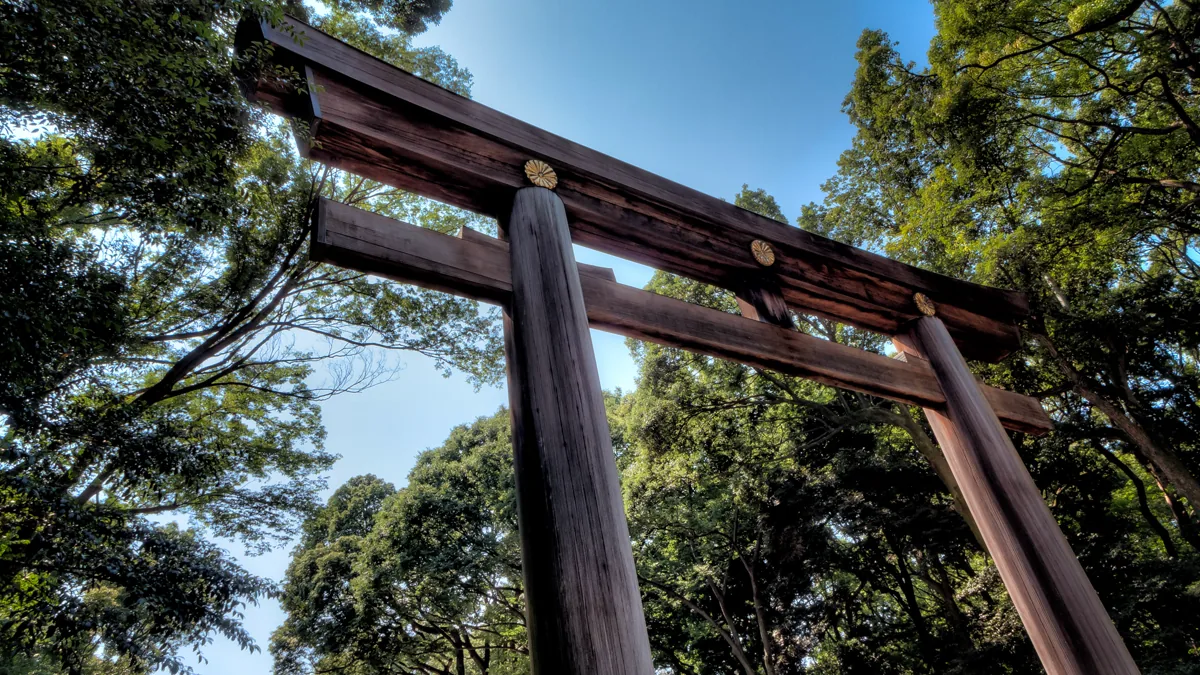
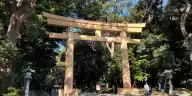
- 朝明治神宮を、自分のペースで原宿駅から一歩で、神宮を包む高い森の中へ。玉砂利の道、大きな木の鳥居、好きなだけゆっくり味わえる静けさ。入場無料、日の出から日の入りまで。関連ガイド:明治神宮。
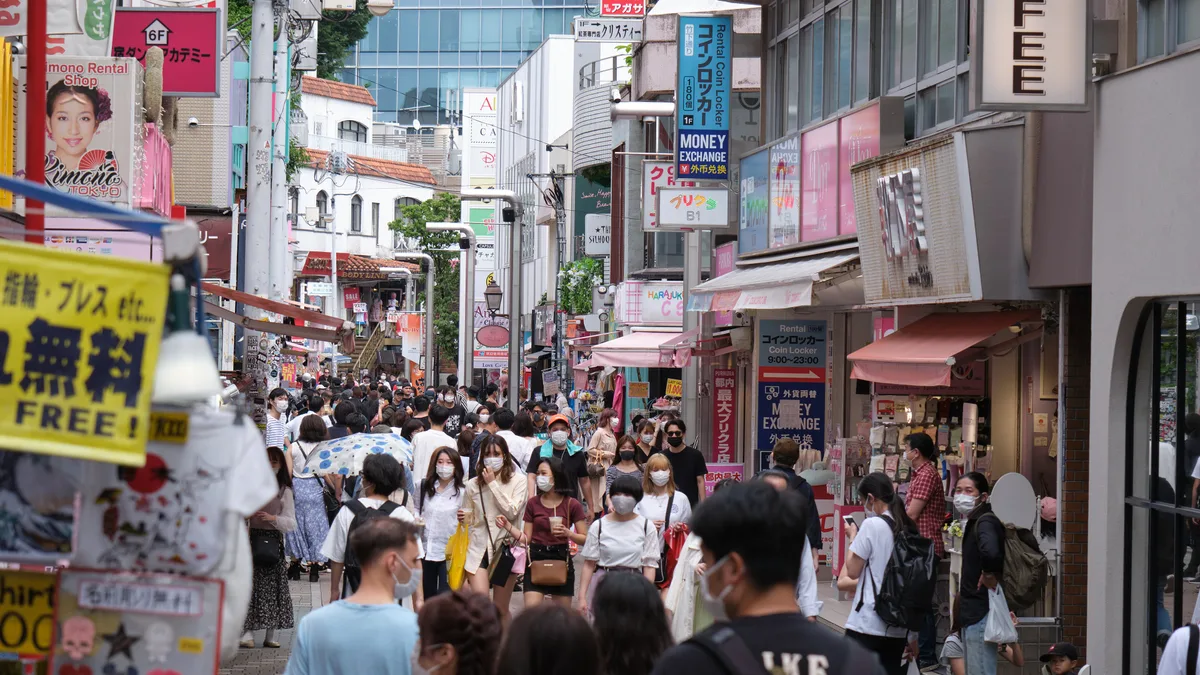
- 昼前原宿と表参道木立を出れば、そのまま竹下通りのポップな色と、並木道に沿った表参道のブティックへ。歩いて数分で、まったく違う顔に出会えます。関連ガイド:原宿。
- 午後渋谷、あの有名な交差点ひと駅で渋谷へ。スクランブル交差点では、あらゆる方向から一斉に人の海が渡っていきます。上の窓からひとりで眺めると、不思議と見入ってしまいます。あとは気の向くままにぶらぶらと。今日は、足の向くほうへついていく日です。
- 夜つながりがほしいなら、カウンターへ横丁の路地、小さな立ち飲みや居酒屋が集まった一角は、ひとりかふたりのためにあります。カウンター席に座り、その場その場で頼み、会話が生まれるにまかせても、まかせなくてもいい。ここの温かさは、日本人は口数が少ないと思っていた人ほど驚きます。静かな夜がいいですか?部屋でのコンビニ夕食も、それはそれで小さな喜びです。
新幹線で南へ、古い京都へ
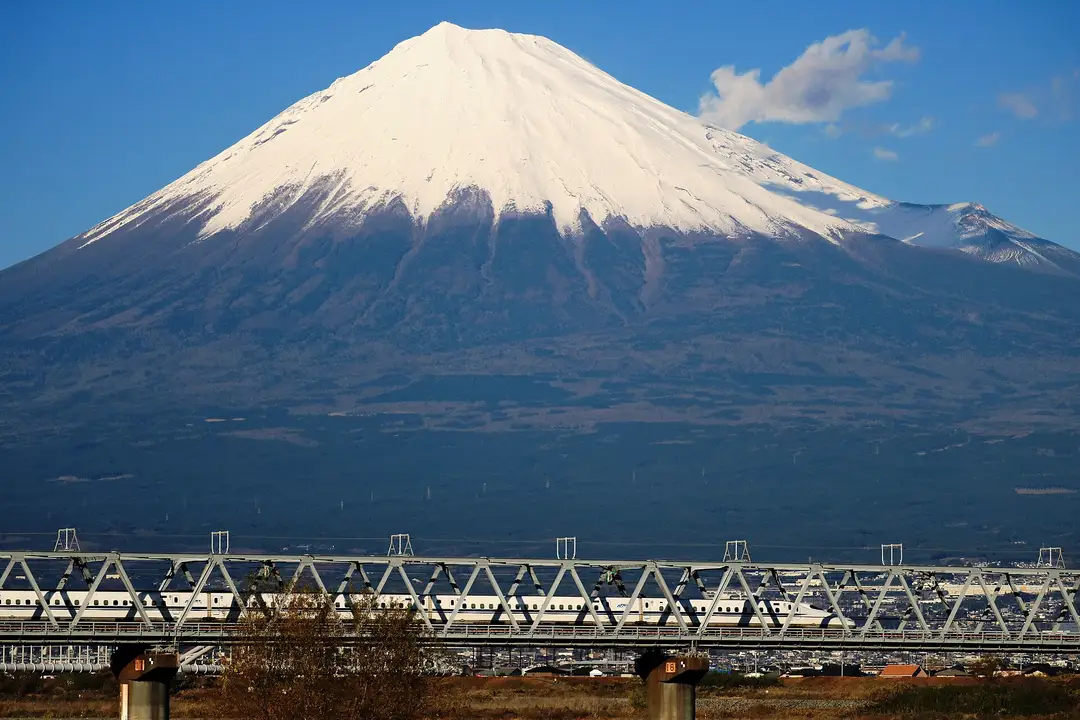
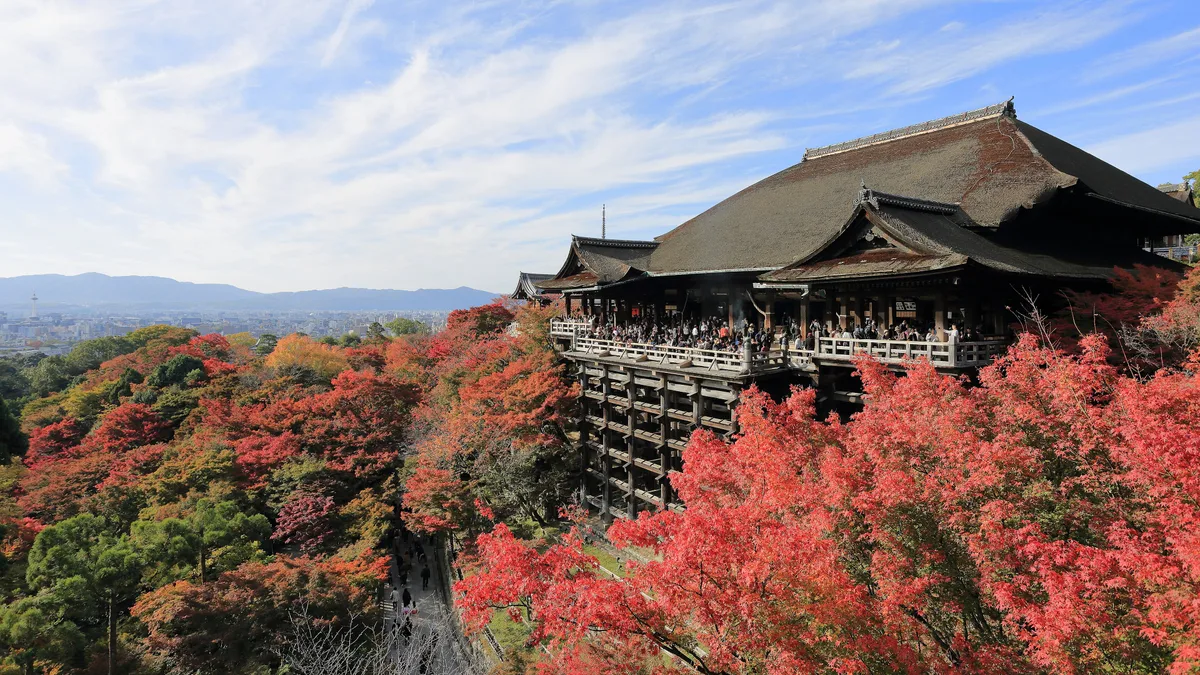
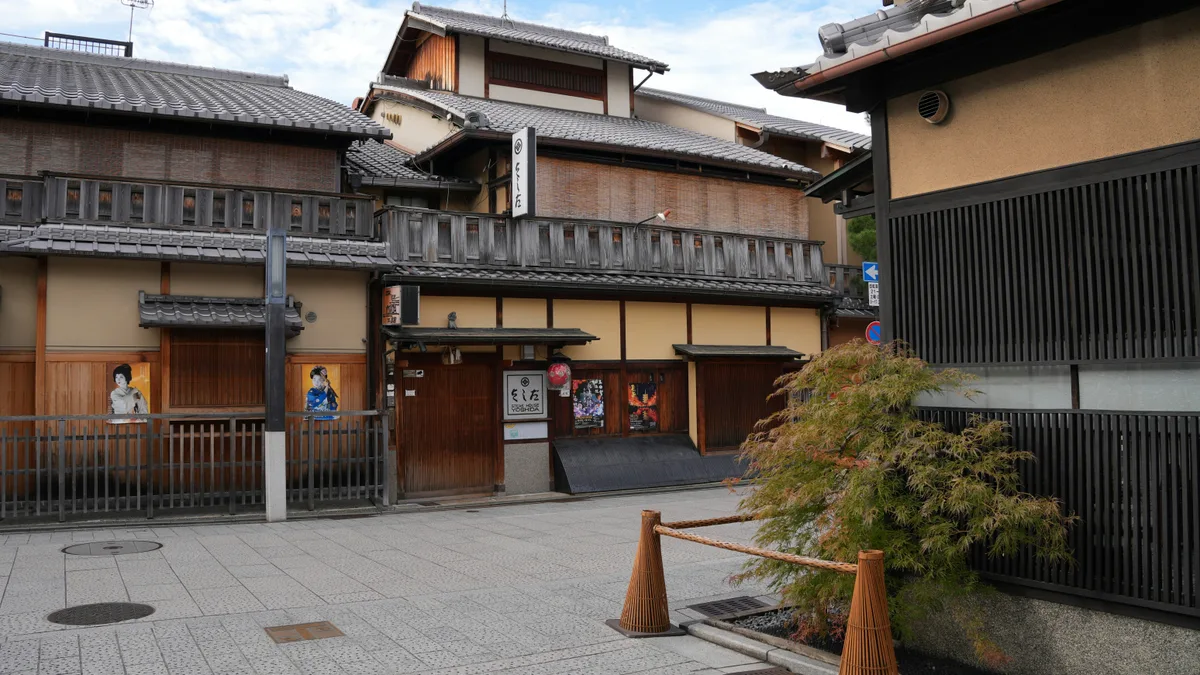
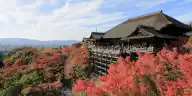
ひとりの移動は、距離がのびるほど心地よくなります。ひとりで乗る新幹線には、独特の喜びがあります。窓際の指定席を1席、道中に食べる駅のお弁当、駅弁を買って、東京を出てしばらくすると、空が晴れていれば右手を富士山が滑るように通り過ぎていく。数時間後、京都に降り立ちます。私なら荷物を置いて、午後は東山のなだらかな坂で過ごします。古い京都がいちばん京都らしい場所です。清水寺の大きな木の舞台、そこから下っていく産寧坂と二年坂の石畳、そして提灯がともるころの祇園。ひとりで来たことが、ここでいちばん効いてきます。ツアーの団体が待つバスへと流れていくのを見送りながら、あなたは石畳の路地に残って、人が引いていく夕暮れの時間を味わえます。夕食には、団体では入れない祇園の小さな店の、カウンターの一席にすべり込めます。祇園でひとつ、やさしいお願いです。この路地では人が暮らし、働いています。だから静かに歩き、公道からはずれないようにしてください。そうすれば、気持ちよく迎えてもらえます。
- 朝東京から京都へ東京駅から東海道新幹線の普通車の指定席を1席予約しましょう(富士山を見るなら窓側)。ふつうのICカードでは新幹線の改札を抜けられないので、先にSmart-EXで予約するか、きっぷを買います。詳しくは各ボックスに。駅で駅弁を手に入れて、車内で食べましょう。
- 午後坂を上って清水寺へ京都駅から市バスが五条坂・清水道のバス停へと上っていき、そこから土産物の路地を抜けて少し坂を上れば、寺の崖の舞台です。朝早くから開いています。拝観料は少額(ボックスに)。関連ガイド:清水寺。
- 夕方近く東山の路地を、歩いて清水寺から、産寧坂と二年坂の石畳の坂が、古い町家のあいだを下っていきます。乗り物は要りません。ただ坂に沿って、屋根の上に立つ八坂の塔を横目に。
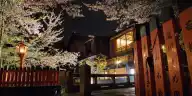
- 夜提灯の時間の祇園灯りがともるころ、公道を歩いて祇園へ。一日を静かに、しっとりと締めくくる時間。すべて自分のペースで味わえる、すてきなひとときです。関連ガイド:祇園。
京都。自分だけのものになる朝
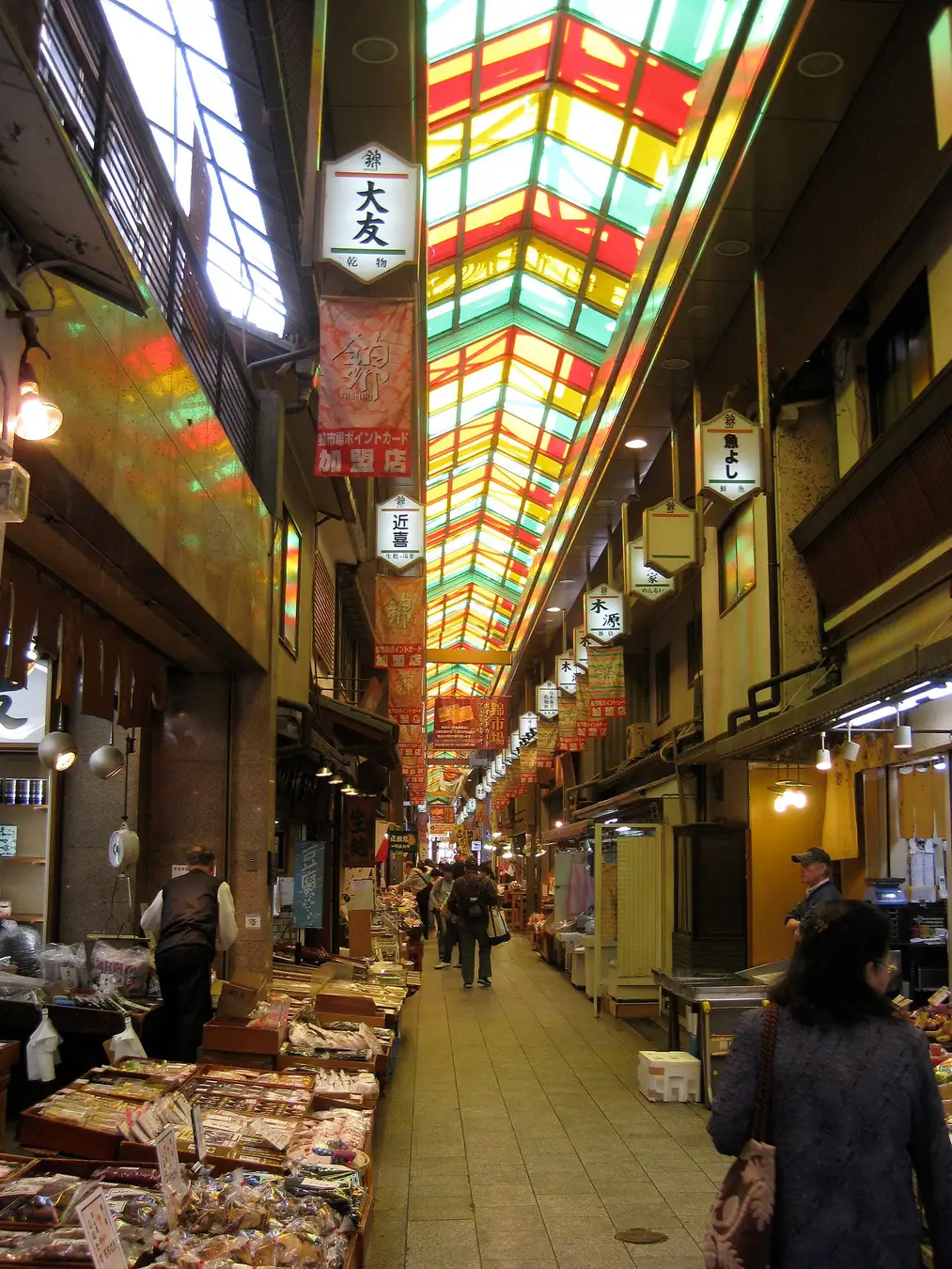
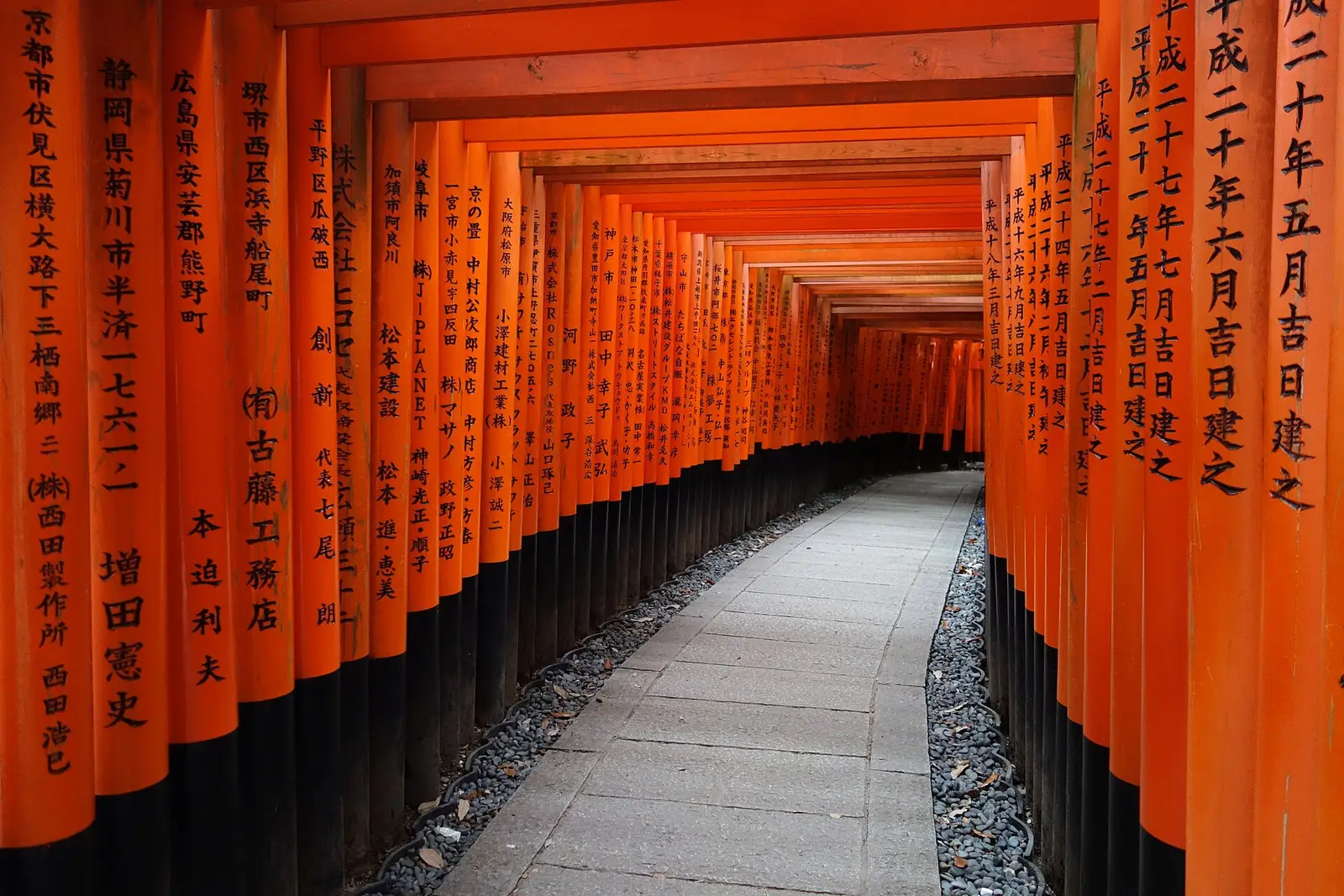
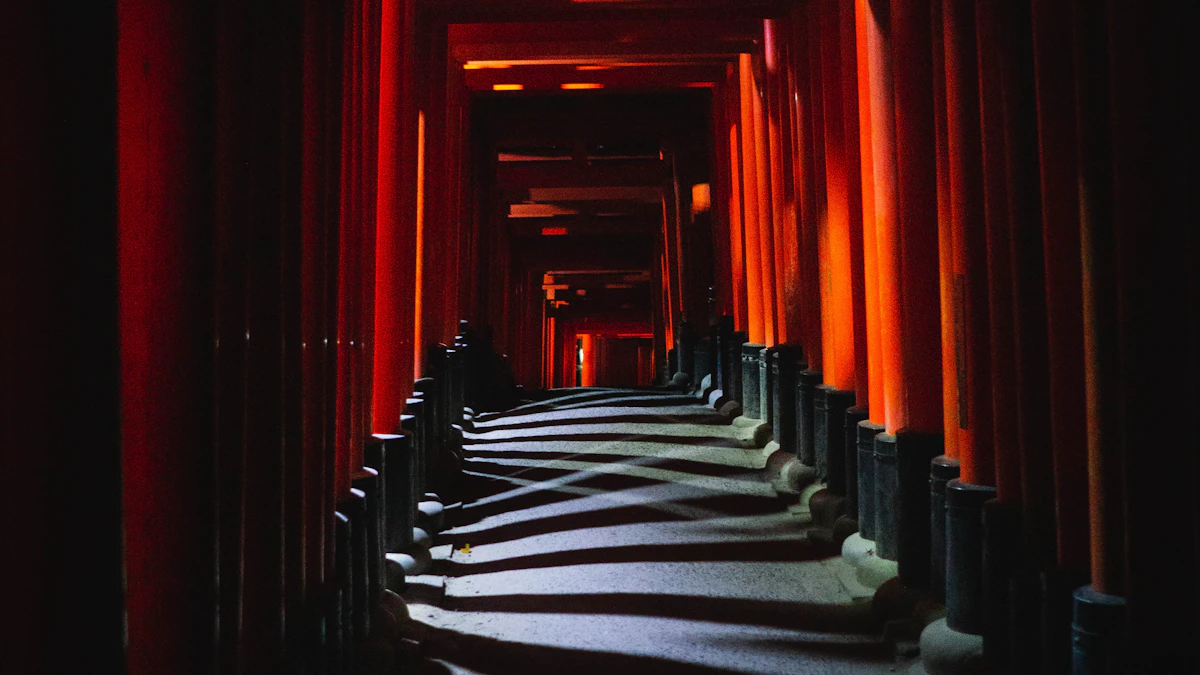
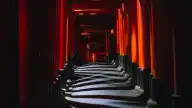
ひとり旅のいちばんのごほうびは、ここにあります。目覚ましの時間に誰も口を出さないから、朝いちばんの光の中、伏見稲荷の朱色の鳥居のトンネルの中に立っていられます。回廊がほとんど無人で、自分の足音が山でいちばん大きな音になる時間。ここは24時間開いていて、夜明けこそ、写真で見るあの場所になる瞬間です。そこから先は、一日を好きなかたちに。錦市場を地元流につまみ食いし(ひと口買って、そのまま屋台の前で食べる)、午後は心を引いたものへ。朝の嵐山の竹林、金閣寺の金色、あるいはただ静かな寺と長いコーヒー。私なら、いちばんおひとりさまらしい夕食で締めくくります。小さな寿司屋か定食屋のカウンターの一席、あるいはその気があるなら、ひとりカラオケブースを。ひとりだけの防音室で歌うのは、まぎれもなく日本的な喜びで、誰もそれを変だとは思いません。
- 夜明け人混みの前の伏見稲荷京都駅からJR奈良線の各駅停車で、稲荷まで数分(快速は止まりません)。鳥居は駅を出てすぐ始まります。トンネルを好きなだけ上へ。高く登るほど、早い時間ほど、人がいなくなります。24時間無料で開いているので、夜明けは独り占めできます。関連ガイド:伏見稲荷。
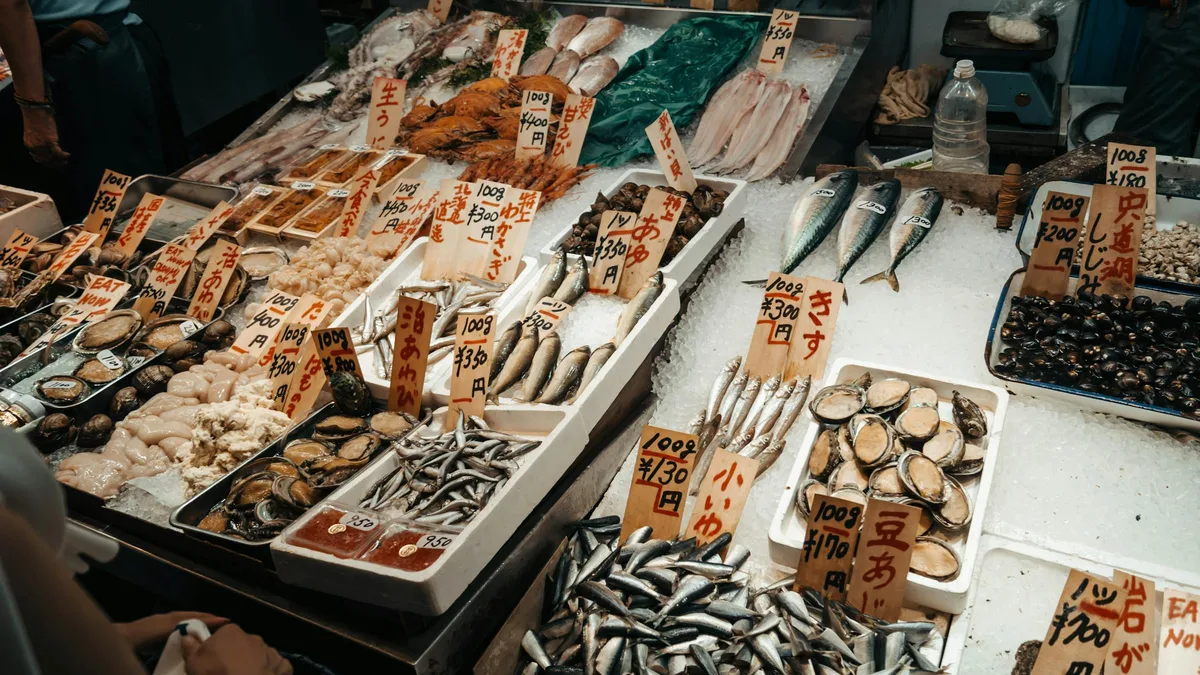
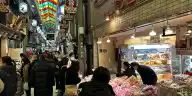
- 午前なかば地元流の錦市場中心部へ戻ります(烏丸線の地下鉄か、阪急で京都河原町へ)。屋根つきの狭いアーケードでは、歩きながら食べるのではなく、小さなものを買って、その場で立ち止まって食べるのがここの流儀。ひとりにとってラクでおいしいやり方です。関連ガイド:錦市場。
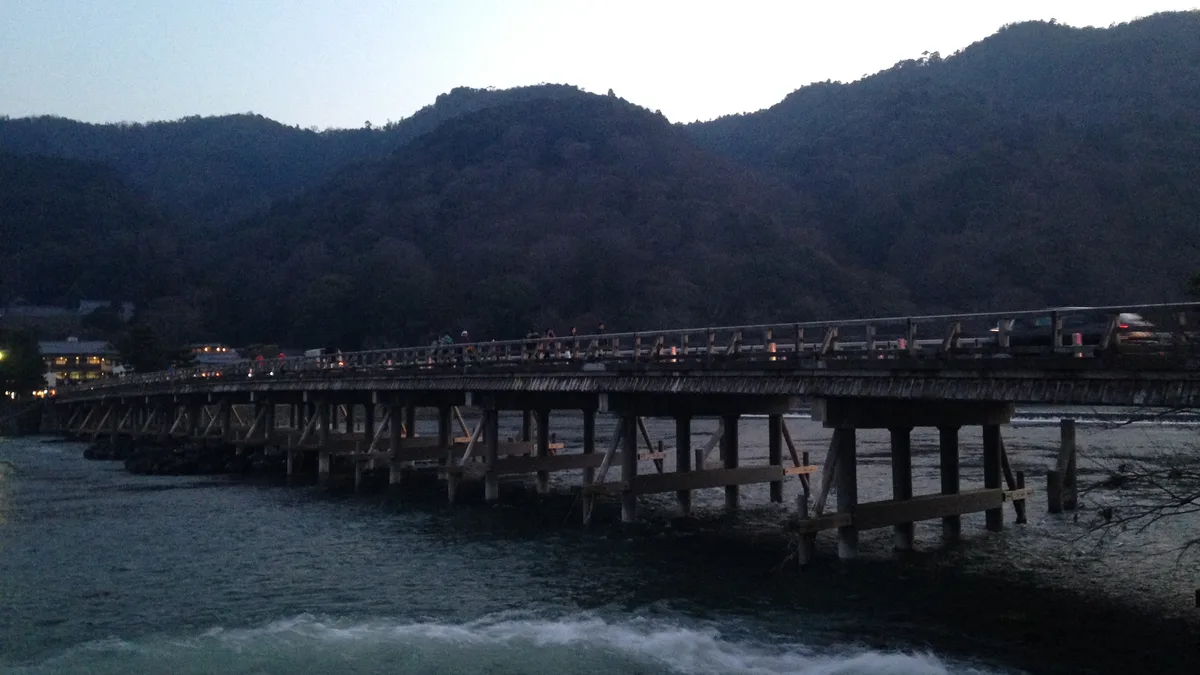
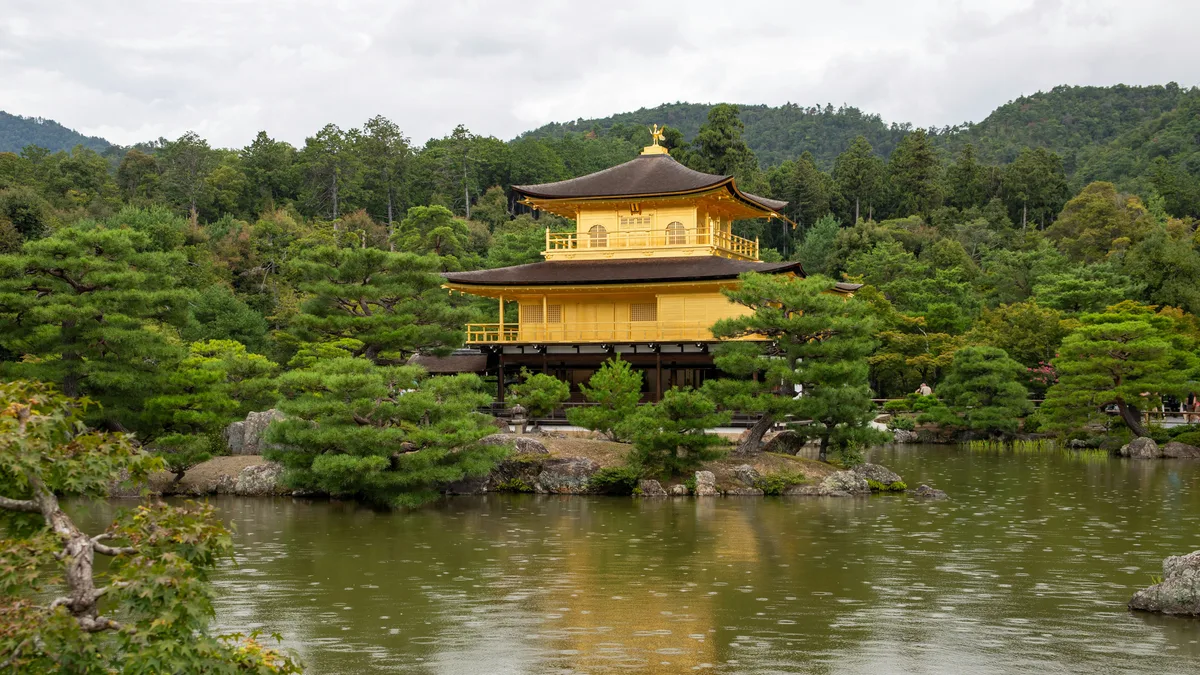
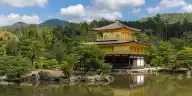
- 午後どちらを選ぶか朝の気分についていきましょう。ただしひとつ注意を。嵐山(西のはずれ)と金閣寺(北西のはずれ)は街の反対側の縁にあります。だから両方を追わず、どちらか一つに絞るのがおすすめです。嵐山の竹林は、静けさを味わうなら朝いちばんが最高。金閣寺の金色の楼閣は、池に姿を映します。あるいは中心部にとどまって、もっと静かな寺と、本を手にしたゆっくりの一時間を。ひとり旅のぜいたくは、自分以外の誰のためでもなく選べることです。
- 夜ひとりのための夕食を、きちんとカウンターの寿司か、小さな定食屋が、自然なひとり夕食です。あるいはひとりカラオケブースを予約して、誰にも聞こえないところで歌う。ここでひとりでいるのは、仕方なくではなく、はじめからそのためにできているんです。
奈良。気軽な日帰りと、ここまで来られた自分の確認
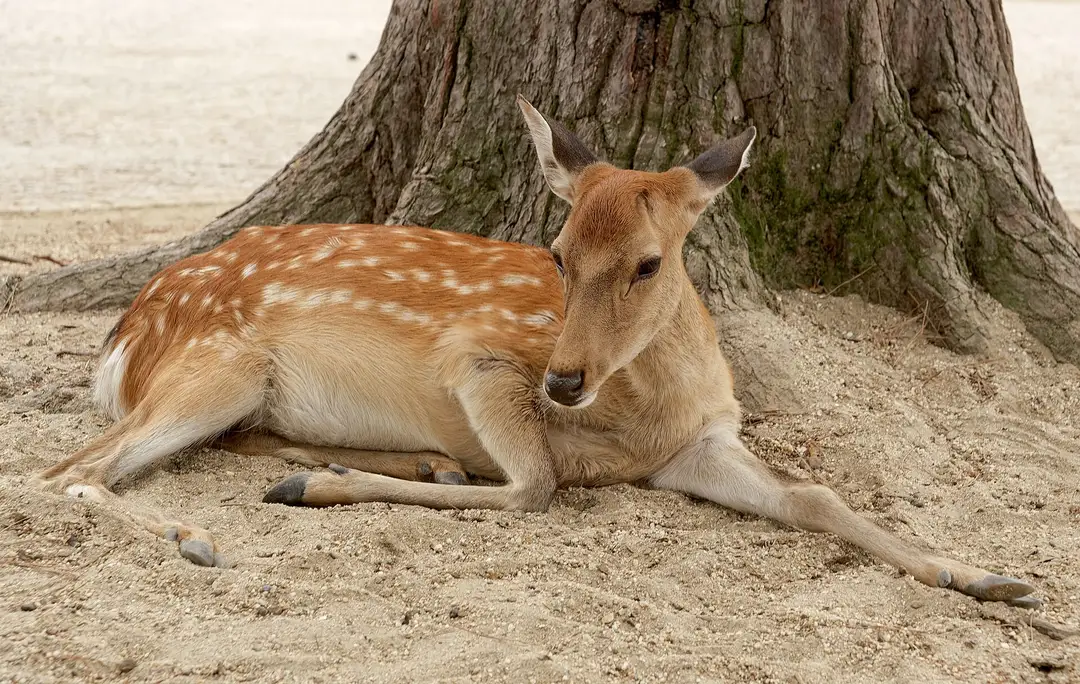
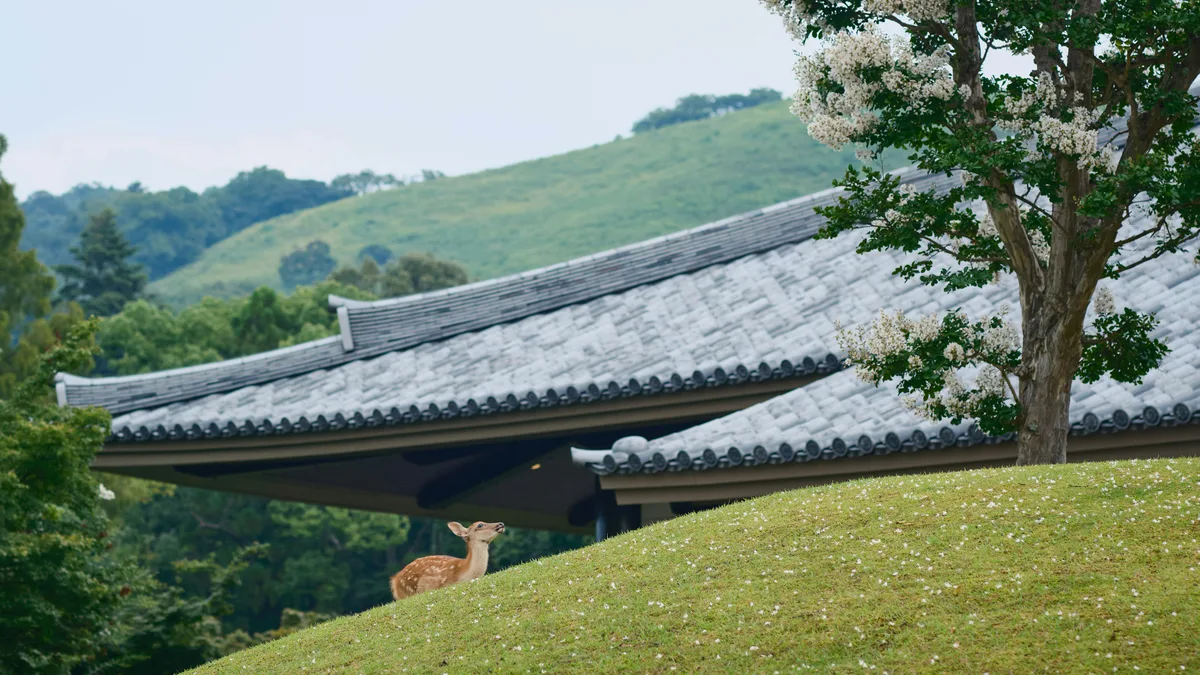
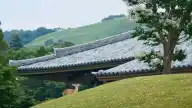
私なら、いちばんやさしい一日で締めくくります。気軽な電車で奈良へ。気を張らずに、ただそこにいられる場所です。鹿がその中心。放し飼いにされ、神の使いとして大切にされている鹿は、せんべいのためにおじぎをしてくれて、公式のせんべいがなくなると、公園が静まるなか、草の上に脚をたたんで座ります。その先には、東大寺が世界最大級の木造の屋根の下に大仏をまつり、提灯の並ぶ道が木々のあいだを続いていきます。でも、本当に持って帰ることになるのは、景色ではありません。この5日間のどこかで、ひとりで食べること、迷うこと、誰にも聞けないことにおびえていた気持ちが、いつのまにか消えているんです。あとに残るのは、ひとり旅の人がみんな語るあの驚き。ちょっと怖がりながら、同時に何でもできる自分でいられる。それに気づく場所として、日本はとてもやさしい国です。
- 朝奈良へ京都から、JR奈良線か近鉄線で、奈良まで45分ほど(近鉄が公園にいちばん近くまで運んでくれます。所要時間と運賃はボックスに)。締めくくりにふさわしい、気軽で気楽な乗車です。
- 昼前鹿と東大寺公園の屋台で公式の鹿せんべいを買って(鹿に与えていい唯一の食べ物です)、おじぎをして、一枚渡し、なくなったら手のひらを広げて見せます。そのまま公園を歩いて東大寺へ、広大な大仏殿の中の大仏へ。関連ガイド:奈良公園。
- 午後提灯の道、そして帰路へ木立の中、提灯の並ぶ道を春日大社の方へたどり、夕方には京都へ戻ります。旅が続くなら、ここからそのまま関西の各地へ向かえます(下記)。
もう1日あるなら
+1日もう1日あるなら、私は2つのうちどちらかをします。この2つは、違う気分に合っています。旅にもっと人がほしいなら、この日に、ちょっとしたつながりを計画しましょう。半日のフードツアーやサイクリングツアー、あるいは人の集まるゲストハウスでの一泊。はっきり言っておきますね。日本のひとり旅は評判どおり安全で気楽ですが、人といると元気になるタイプの旅人は、旅の途中で、ふと人恋しくなることがあります。簡単な対策は、成りゆきまかせにせず、誰かと共有できるものを一つ予約しておくこと。ここの日帰りツアーは、ほかのひとり旅の人であふれています。あなたを見て驚く人は誰もいません。もっと静けさに深く入りたいなら、京都のゆっくりした朝を足しましょう。ひとつの寺、開門時間の嵐山の竹林、長い散歩。あるいは大阪まで下って、道頓堀の運河とネオンをめぐる、にぎやかなひとりの夜を。ここでは食べ歩きが楽しみの半分です。
1日足りないなら
−1日時間が足りませんか?この旅は、いちばん大事なところを残したまま短くできます。私なら東京と京都だけにして、奈良の日を外すか、あるいは各都市を一日半にして、まるごと一か所をあきらめます。不安なとき、つい詰め込みたくなりますが、ひとり旅では逆が味方になります。場所を減らして、ゆっくり味わう。そのほうが、旅を自分のものだと感じさせてくれる夜明けの神社や、長いカウンター夕食が手に入ります。いちばん心を引かれた2つか3つを選んで、時間をたっぷりとってください。
ここから足をのばす
その先へこのルートは、前後にのばせる長い旅の軸になります。西へ。京都からは、そのまま関西の各地へつながります。奈良をまるごと、大阪、白い天守の姫路。そして、静けさを求めるひとり旅の人のためにあるひとつの体験。高野山の宿坊での一泊です。僧侶の精進料理と夜明けの勤行、そして提灯の並ぶ奥之院の道。東へ、東京は関東の残りへと開いていきます。そして日程が花や紅葉の盛りにあたるなら、同じ道すじでも、季節が変われば別の旅になります。何を足すにせよ、ここで役に立った2つのひとり旅の習慣を持っていってください。人と話したいタイプなら、行く先ごとに誰かと過ごす予定を一つ入れておくこと。そして、旅がまだ驚かせてくれる余地を残しておくこと。
WMJSは日本人が英語で書き、AIの力を借りて日本語にしています。日本人の目で確かめていますが、翻訳の癖が残っている文があるかもしれません。気になる一文があれば教えてください。一文で十分です。
ありがとうございます。ひとつひとつ、人が読みます。
知っておきたい、運賃と所要時間
東京から京都へ、新幹線で
東京駅から東海道新幹線。いちばん速いのぞみで約2時間15分(ひかりは少し長め)。いちばんシンプルなひとりの一手は、普通車の指定席を1席、できれば富士山を見る窓側です。注意:ふつうのSuicaやICOCAでは新幹線に乗れません。カードをSmart-EXの予約に登録するか、先に紙のきっぷかQRチケットを買ってください。
JR東海:新幹線で京都へ、ICカードでのSmart-EX乗車(公式)確認時点: 2026-06
ICカード(Suica / ICOCA):1枚で、全国どこでも
プリペイド式のタッチカード。JR、地下鉄、私鉄、バスで、入るときと出るときにタッチすれば運賃が自動で引かれます。全国相互利用のしくみのおかげで、東京で買ったSuicaが京都の地下鉄や市バスでも使えるので、1枚あれば十分です。コンビニでは電子マネーとしても支払えます。
JR西日本:ICOCAの使い方(利用エリアと相互利用、公式)確認時点: 2026-06
羽田空港から東京都心へ
東京モノレールが浜松町まで約13分(だいたい5分おきに発車)。そこでJR山手線に乗り換えて、街の残りへ。ICカード(Suica/ICOCA)ならそのままタッチで通れます。
東京モノレール:羽田・東京間のアクセス(公式)確認時点: 2026-06
成田空港から東京都心へ
全席指定の成田エクスプレス(N'EX)が東京駅まで約53〜60分、新宿まで約80分。座席を予約しましょう。どちらのハブからも、ひと駅ふた駅で拠点へ。
JR東日本:成田エクスプレス(N'EX、公式)確認時点: 2026-06
女性専用車:安心のための選択肢
多くの路線が、平日の朝ラッシュに「女性専用車」を1両指定しています。ホームのピンクの表示が目印の、静かで混みすぎない車両で、女性が利用できます(小さな子どもや、介助者と一緒の障がいのある人も乗れます)。ラッシュ時以外や、京都の地下鉄など一部の路線では、どの車両もみんなのものです。あくまで選択肢です。使う義務はありません。
東京都交通局(東京):お客さまへのお願い(公式)確認時点: 2026-06
ひとりで、どこに泊まるか
気軽で安全な3タイプ。ビジネスホテル:駅の近くの、専用バスルーム付きコンパクトなシングルルーム。カプセルホテル:閉じられるベッドサイズのポッドで、フロアは男女別。女性専用フロアや、まるごと女性専用のカプセルホテルもあります。ホステルやゲストハウス:共用ラウンジ付きの個室かドミトリーで、人と出会うのにぴったり。女性専用ドミトリーもよくあります。
GO TOKYO:東京公式観光ガイド(カプセルホテル)確認時点: 2026-06
安全、そして助けの求め方
日本の政府観光局は、日本はとても安全で犯罪率もかなり低い、とはっきり述べています。日々のアドバイスはただ、どこでもそうするように、まわりに気を配ること。道案内や助けがほしいときは、交番(多くの角にある小さな町の警察の詰所)に入ってください。ジャパン・ビジター・ホットラインは、050-3816-2787で、英語・中国語・韓国語・日本語で24時間対応しています。
JNTO:日本での安全な過ごし方(公式)確認時点: 2026-06
何かをなくしたら
日本には、連携した落とし物のしくみがあります。物は交番や駅、店で預かられて中央のセンターへ送られ、約3か月保管され、警察のデータベースで検索できます。東京都自身の集計では、届けられた現金(その年で約45億円)のうち、およそ72%が持ち主に返されました。届け出は、どの交番でも本人が直接。受け取りには顔写真付きの身分証を持っていきましょう。
東京都:遺失物のしくみ(公式)確認時点: 2026-06
ひとりのためにできている(人口構成から見ると)
ひとり暮らしのための日本の設計は、観光客向けの後付けではありません。2020年の国勢調査では、単身世帯が国内でいちばん多い世帯の型でした。全世帯の約38%です。それが、カウンター席や一人前サイズ、ひとり向けのかたちが見わたすかぎりどこにでもある、構造的な理由です。
総務省統計局:2020年国勢調査(要約、公式)確認時点: 2026-06
新幹線で駅弁を
新幹線の車内で食べることは、乗車の一部です(短い在来線とは違って)。駅弁、地方の駅のお弁当は、まさにこのためにあり、東京駅には日本じゅうから集まっています。南へ向かう道中の、ささやかな楽しみです。
JNTO / Travel Japan:駅弁文化(公式)確認時点: 2026-06
浅草寺(浅草)
浅草駅(東京メトロ銀座線、都営浅草線、東武、つくばエクスプレス)から徒歩約5分。境内は夜まで開いていて灯りがともります。本堂はおおむね6:00〜17:00、拝観無料。
JNTO / Japan.travel;GO TOKYO(公式)確認時点: 2026-06
明治神宮
原宿駅(JR山手線)または明治神宮前駅(東京メトロ千代田線・副都心線)から約1分。毎日、日の出から日の入りまで開いています(正確な時間は月ごとに変わります)。本殿の境内は無料です。
明治神宮(公式)確認時点: 2026-06
伏見稲荷(夜明け)
JR奈良線の各駅停車で稲荷まで、京都駅から数分(快速は止まりません)。鳥居は駅を出てすぐ。24時間開いていて無料なので、夜明けや9時前の訪問なら人混みを避けられます。
伏見稲荷大社(公式)確認時点: 2026-06
錦市場
四条駅(地下鉄烏丸線)・烏丸、または京都河原町(阪急)から徒歩約3分。屋台の並ぶ屋根つきアーケードで、多くはおおむね9:00〜17:30(週に一日休む店も多い)。地元の流儀は、買ったものをその場、屋台の前で食べること。
京都錦市場商店街振興組合(公式)確認時点: 2026-06
清水寺
京都駅から京都市バス206番か100番で五条坂、または207番で清水道、そこから徒歩約10分の上り坂。あるいは京阪で清水五条へ。開門6:00、閉門は季節による。拝観料は約¥400。
清水寺(公式)確認時点: 2026-06
京都での移動
京都市バスは約¥230の均一運賃(ICカードにタッチか現金で)。2本の地下鉄が、速い移動の軸になります。寺を多くめぐる日なら、地下鉄・バス1日券(大人約¥1,100)が、数回乗れば元が取れます。
京都市交通局:地下鉄・バス1日券(公式)確認時点: 2026-06
京都から奈良へ(日帰り)
JR奈良線(みやこ路快速、だいたい30分おきにJR奈良へ。公園まで徒歩15〜20分)、または京都から近鉄(座席料金のかかる速い特急、または直通の急行で、公園のすぐそばの近鉄奈良へ)。どちらも45分ほど。ICカードでOK。
JR西日本:経路・運賃検索(公式)確認時点: 2026-06
奈良公園の鹿
約1,300〜1,500頭の放し飼いの野生のニホンジカ。天然記念物として守られ、神の使いとしてあがめられています。与えていいのは公園の屋台で売る公式の鹿せんべいだけ。おじぎをして、あげて、なくなったら手のひらを見せます。興奮するとつついてくるので、小さなバッグにはご注意を。
Visit Nara:奈良公式観光ガイド確認時点: 2026-06
もっと深く知る
9分· 6チャプター
出かける前に歩きながら
東京最古の寺、浅草寺を訪ねる
浅草寺は行く価値がある?訪れた海外旅行者125人の声は、重みづけで54%が「行く価値あり」と明言。拝観無料・境内24時間・所要時間の目安と、なぜ人混みがずっと祈りの一部だったのかを、音声ガイド付きでやさしく案内します。
Senso-ji Temple
8分· 5チャプター
出かける前に歩きながら
人の手で植えられた明治神宮の森を歩く
明治神宮は行く価値がある?訪れた海外旅行者70人の声は、重みづけで75%が「行く価値あり」、日本人のレビューはさらに温かく82%。入園無料で、1920年に人の手だけで植えられた70ヘクタールの森には大鳥居と御苑の清正井があり、その様子を音声ガイド付きでやさしく案内します。
Meiji Jingu
8分· 6チャプター
出かける前に歩きながら
原宿を歩く、どんな格好をしても誰も振り返らない街
原宿は行く価値がある?海外旅行者99人の声を数えると、64%が竹下通りの人混みを避けてキャットストリートや表参道まで歩けば「行く価値あり」と回答。クレープやkawaiiファッション、行き方や歩き方を、音声ガイド付きでやさしく案内します。
Harajuku
8分· 5チャプター
出かける前に歩きながら
清水寺:なぜ人は丘を登り、崖の上に立って願いをかけるのか
清水寺は行く価値がある?外国人55人の声のうち48%が「行く価値あり」、日本人111人の声では76%とさらに温かい評価。決め手は時間帯です。公式資料に基づく音声ガイドで、朝6時の開門・夜間ライトアップ・安心して歩ける回り方をお伝えします。
Kiyomizu-dera Temple
6分· 5チャプター
出かける前に歩きながら
祇園の歩き方:八坂神社から花見小路、今も人が暮らす花街へ
京都・祇園への行き方ガイド。八坂神社から花見小路、白川まで。観光地ではなく今も人が暮らす花街を、マナーも交えてやさしくご案内します。
Gion
9分· 5チャプター
出かける前に歩きながら
伏見稲荷大社 — 一万本の鳥居、そのひとつひとつが感謝のかたち
伏見稲荷の一万本の鳥居は、くぐり抜けられる「ありがとう」のかたちです。公式資料で検証した音声文化ガイド。狐が神ではなく使いである理由、山頂に絶景がない理由、人混みを抜ける歩き方をお伝えします。
Fushimi Inari Taisha
10分· 6チャプター
出かける前に歩きながら
錦市場 — 京の台所を、一口ずつ
錦市場(京の台所)の音声ガイド。四百年つづく京都中心部の食の通りを、やさしくご案内します。約390メートルの小路に並ぶ100店超の専門店で何を味わい何を買うか、いつ行くと心地よいか、立ち止まって味わう作法まで、安心して楽しめるコツをまとめました。
Nishiki Market
12分· 5チャプター
出かける前に歩きながら
奈良公園を訪ねる、日本の神鹿が千年お辞儀をしてきた場所
奈良公園は行く価値がある?訪れた海外旅行者100人の声は、重みづけで65%が「行く価値あり」、日本人のレビューはさらに温かく80%。入園無料で昼夜開かれ、1,400頭を超える神鹿がすみ、東大寺の大仏や春日大社への灯籠の道ともつながる様子を、音声ガイド付きでやさしく案内します。
Nara Park
13分· 6チャプター
出かける前に歩きながら
嵐山 ── なぜ日本は、この竹林を「残したい音」のひとつに選んだのか
嵐山を音声ガイドとともに歩く。嵯峨野の竹林は、日本が「残したい百の音風景」のひとつに選んだ場所。月が渡る橋・渡月橋、天龍寺が嵐山の峰を借りた借景の庭、そして人波から少し離れて目を閉じると聞こえてくる、千年変わらない風の音へ。急がない人にこそ、嵐山はやさしく応えてくれます。
Arashiyama
7分· 6チャプター
出かける前に歩きながら
金閣寺 — なぜ誰もが同じ場所で金閣を撮るのか
京都・金閣寺(鹿苑寺)の歩き方ガイド。建物の中には入らず、鏡湖池ごしに映りこむ金閣を眺めるのがこの寺の本来の姿です。三層の建築の意味、写真の作法、見落としがちな庭まで、無料の音声ガイドとともに紹介。拝観時間9:00〜17:00、拝観料500円、京都駅からのアクセスもまとめています。
Kinkaku-ji (Rokuon-ji)
11分· 6チャプター
出かける前に歩きながら
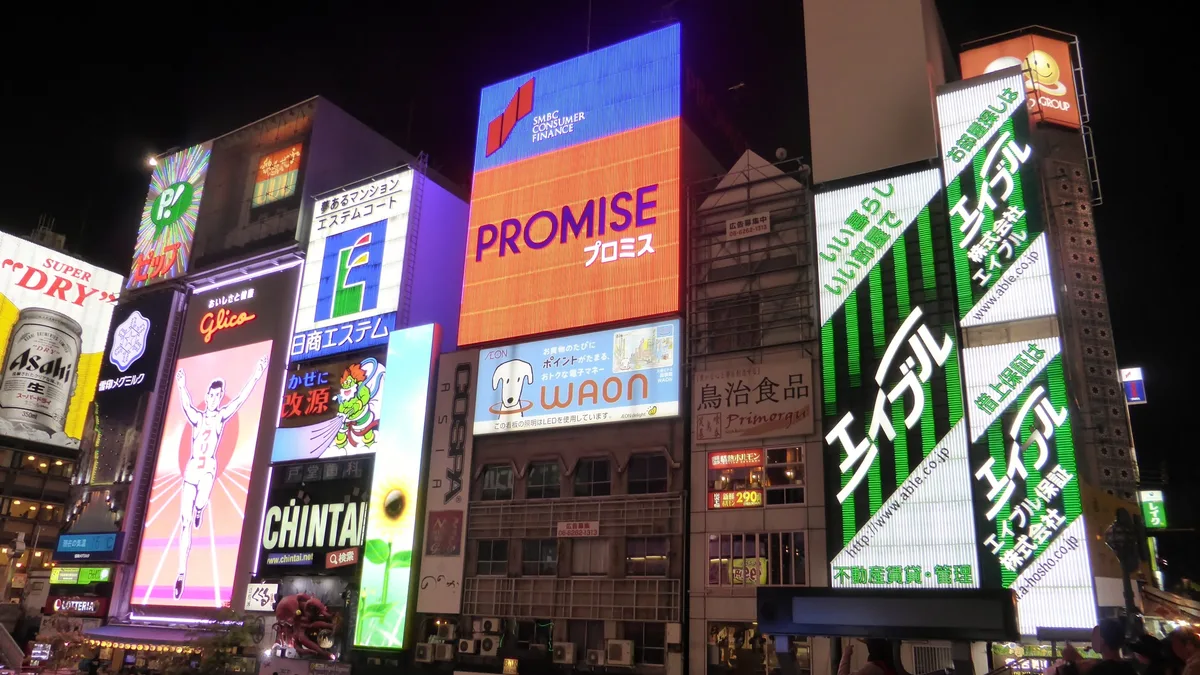
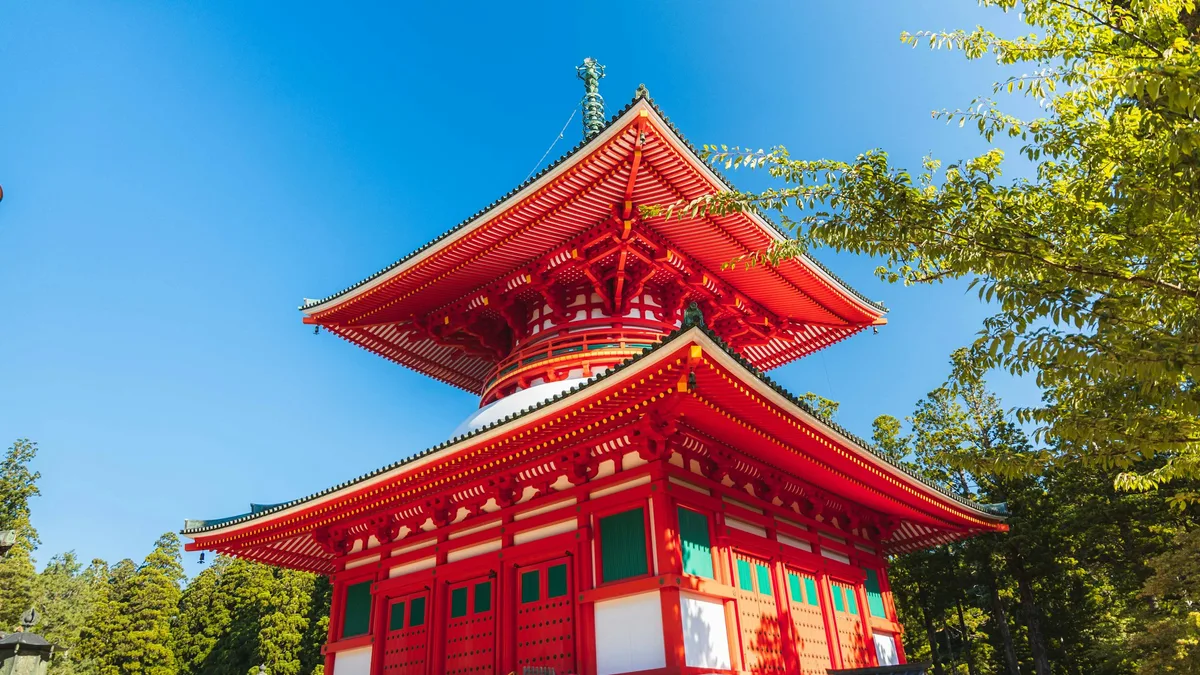
道頓堀を訪ねる 大阪の「食い倒れ」が息づくネオンの運河
道頓堀は行く価値がある? 声を集めて重みづけすると、37%が「行く価値あり」、大阪の地元の人自身の評価はさらに温かく62%。グリコの看板、たこ焼き、みんなで分けあうソースの作法、そして裏の静かな路地まで、音声ガイド付きでご案内します。
Dotonbori
10分· 6チャプター
出かける前に歩きながら
千年の祈りが一度も止まっていない山、高野山へ
高野山は行く価値がある?海外旅行者83人の声を重みづけすると53%が「行く価値あり」、日本人のレビューはさらに温かく79%。空海が816年に開いた聖地で、大阪からケーブルカーとバスを乗り継いで登り、宿坊での一泊が満足を分ける決め手です。音声ガイド付きでやさしくご案内します。
Koyasan (Mount Koya)
旅の前に読んでおきたい記事

ほかのプランと組み合わせる
情報源
- JR東海:新幹線で京都へ
- Smart-EX:ICカードでの乗車(JR東海 / JR西日本)
- JR東日本:Suica(とは)
- JR西日本:ICOCAの利用エリアと全国相互利用
- 東京モノレール:羽田・東京間のアクセス
- JR東日本:成田エクスプレス(N'EX)
- 東京都交通局:お客さまへのお願い(女性専用車)
- JR東日本:女性専用車の利用について
- GO TOKYO:日本のカプセルホテル案内
- JNTO:日本での安全な過ごし方
- 東京都:遺失物のしくみ
- 総務省統計局:2020年国勢調査(要約)
- JNTO / Travel Japan:駅弁文化
- JNTO / Japan.travel:浅草寺
- GO TOKYO:浅草寺
- 明治神宮:公式アクセス・参拝案内
- 伏見稲荷大社:公式アクセス
- 京都錦市場商店街振興組合:公式アクセス
- 清水寺:公式拝観案内
- 京都市交通局:地下鉄・バス1日券
- JR西日本:経路・運賃検索
- 近鉄:経路・運賃検索
- Visit Nara:奈良公式観光ガイド(鹿)