
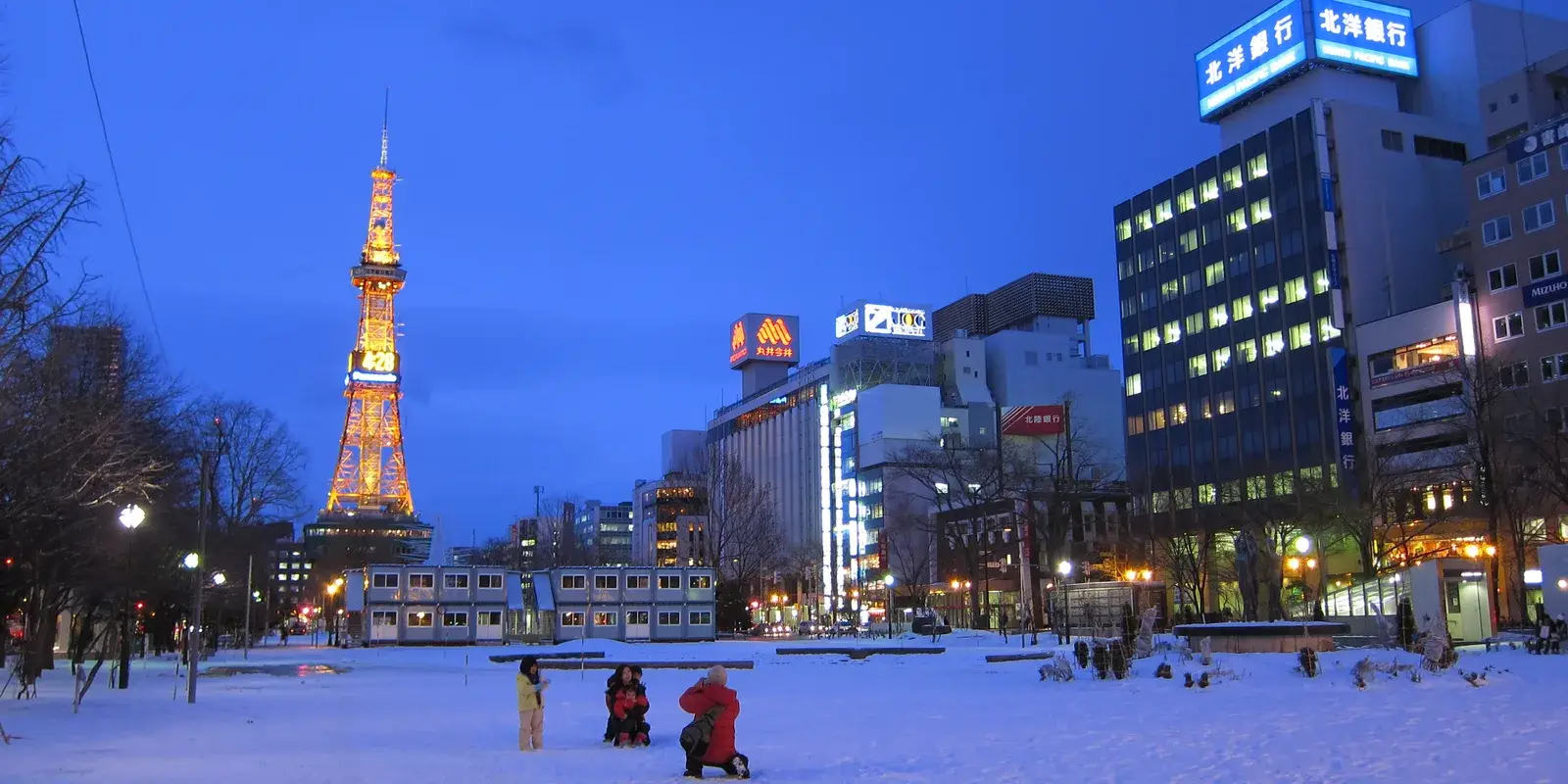
Is Sapporo Worth It? What Visitors and Locals Actually Come For
You look at the map and Sapporo is a long way north, a ninety-minute flight or a whole day of trains off the Tokyo-Kyoto line. You read that it is a grid of wide streets and department stores with no old castle, no golden temple, no single postcard sight. And a fair question forms: is a big, modern city really worth the detour?
Here is the honest version, drawn from people who went. The travelers who came for the food, the seasons, and the run of Hokkaido past the city almost never regret the trip; the ones who came hunting a famous sight are the ones who leave flat. Almost every let-down on record is an expectation that was pointed at the wrong thing.
Was it worth it? (international visitors, in their own words)
We gathered the voices of travelers from abroad who have actually spent time in Sapporo and, in effect, asked them whether the trip north paid off. Weighted by how strongly each opinion landed with other readers, here is how they fell:
That red band is worth reading closely, because it is remarkably consistent about why. The disappointed almost never say the food was bad or the people cold. They say they arrived hunting a certain idea of Japan and did not find it. "Sapporo is...ok," one wrote. "If you want the 'traditional' Japan, it's nowhere near as interesting as places like Kyoto or Nara." Another named the gap precisely: what tourists miss here is "the kind of history with narrow winding streets, temples, etc. that many people think of when they think of Japan." Sapporo is a little over 150 years old, laid out on a blank grid in 1869, so the twisting lantern-lit lanes simply were never built. If that is the Japan you are chasing, the doubt is real and you should chase it in Kyoto.
The people in the green band came looking for something else and found it in abundance. One of the most-upvoted voices in the whole set is about dairy: "Some of the best ice cream I've ever had was in Sapporo. They literally sell milk in souvenir shops at the airport." Food comes up again and again as the reason to go and the reason no one regrets it. So does the weather, in a way that surprises first-timers: "Every single day of that trip was hot as balls except when I got into Sapporo. The weather was much more accommodating." As another traveler put it, the summers are very nice and there can be less rain, since the north tends to escape the June and July wet season that soaks the rest of the country.
And the most useful voices reframe the city entirely. "I liked Sapporo as the gateway to the rest of Hokkaido," one traveler explained, before adding the line that unlocks the whole question: "I do not understand people who will fly up to Hokkaido just to visit Sapporo." Another, pushing back on a skeptic: "You are viewing Sapporo with a very narrow lens. The natural environment in itself is absolutely fantastic. Outdoor activities that can be enjoyed year round and so close to a city this size is rare." Read that way, Sapporo is the comfortable, well-fed room you sleep in between the island's better acts.
How the people who live there feel
Now the layer most guides skip: what Japanese visitors and residents say, in their own reviews, about the very things foreigners come to judge. It is a warmer register, and it quietly explains the whole mismatch.
The two red bars tell the story: the foreigners' is nearly four times the locals'. That is the single most telling thing on this page, and it is not politeness talking. Japanese reviewers never arrived expecting a castle or a golden temple, so there was no icon-shaped hole for the city to fall into. Where a foreign visitor feels a grid city fall short of an imagined Kyoto, a Japanese visitor feels a good meal, a familiar season, and an easy walk downtown.
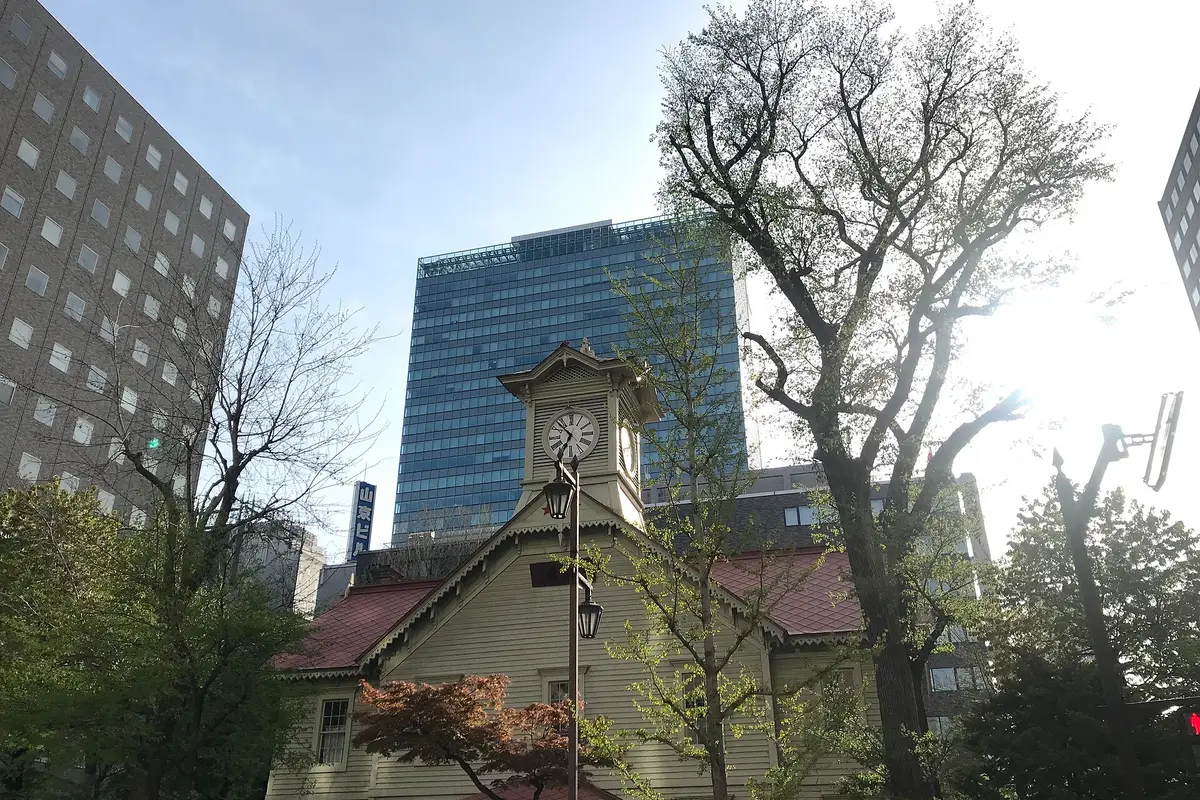
The one place where even locals nod at the letdown is the Clock Tower, which Japanese travelers themselves half-jokingly file under the country's "three most disappointing sights." One reviewer put the whole arc in a single review: "Seeing it from a tour bus window, I understood why it gets called one of Japan's three most disappointing sights. This time, since I was staying in Sapporo anyway, I went to see it properly," and up close he found "a Meiji-era charm" and a clear little museum, and suggested pairing it with the TV Tower and the old red-brick government office nearby. Another was blunter and kinder at once: "Since it's famous, I went to see it. It was surprisingly compact. Because it's in the middle of the city, it doesn't stand out much. It looked just like the photos." The lesson is that the Clock Tower is a small, genuine 1878 relic best met on foot with modest expectations, worth a few quiet minutes rather than top billing.
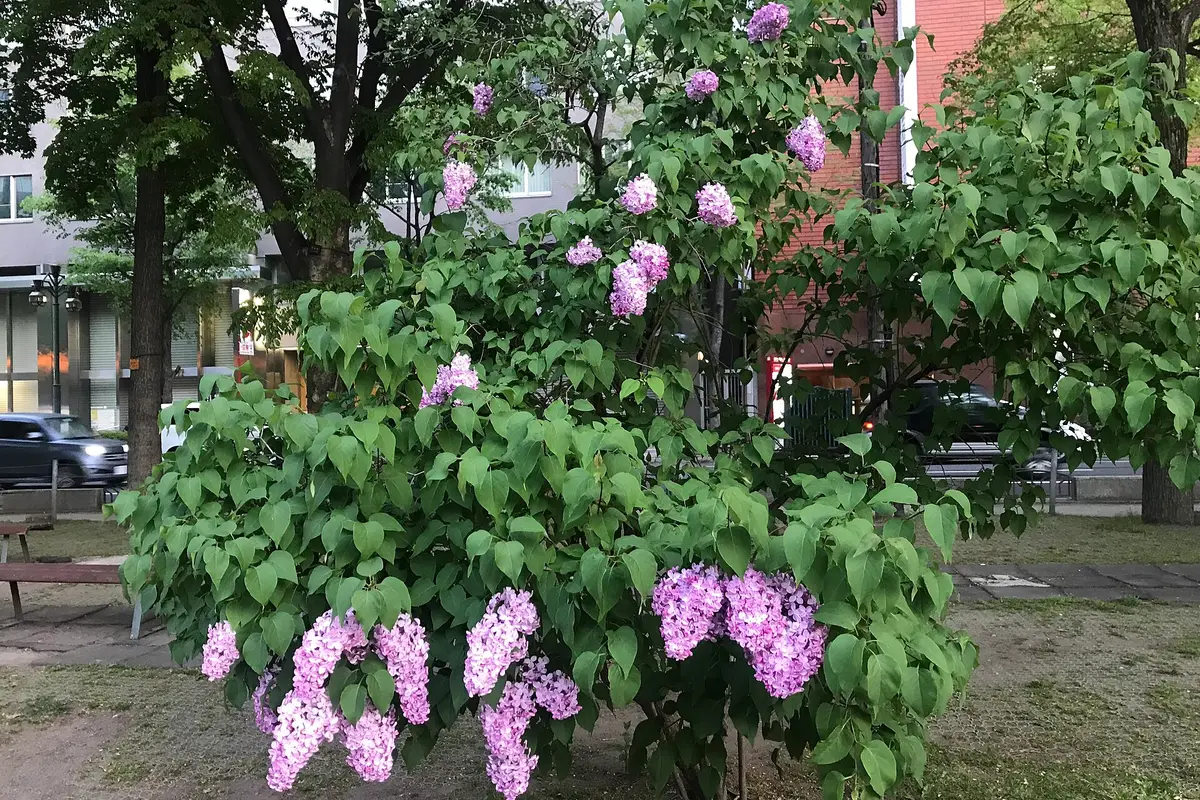
What the locals treasure instead is exactly what the green bars are made of: the turn of the seasons and the food that comes with them. One man who lived in Sapporo for fifteen years wrote about spring after the long thaw, when "the lilacs bloom in profusion and fill the whole area with a refreshing scent," and side-street stalls sell grilled corn and squid to families walking and eating in the first warm air. That, not a castle, is what a local means by worth it.
What the city actually gives you
Once you stop looking for a landmark, Sapporo hands you plenty.
- Food you plan a day around. Hokkaido is the country's dairy and seafood larder, and Sapporo is where it all lands: the miso ramen and soup curry the city is known for, crab and uni and salmon roe, cheese and butter and that airport milk, Sapporo beer poured at the brewery garden where it was first brewed in 1876 because the cold made the fermentation work.
- A city built for winter, and a summer that skips the rain. Downtown links up through the underground Chi-Ka-Ho concourse, so you can cross the center in February without stepping into the snow. Come in summer instead and you get cool, largely rain-free days and a run of festivals.
- Seasons that become the sight. The Snow Festival packs Odori Park with giant ice sculptures each February (the 2027 edition runs February 4 to 11); spring brings the lilacs; autumn brings food festivals to the same park.
- A night view worth the ropeway. Mt. Moiwa rises right at the city's edge, and its summit deck turns Sapporo into a bowl of light after dark.
- Everything it opens onto. Otaru's canal, the Furano flower fields, Noboribetsu's hells and hot springs, Niseko's snow: the city sits an easy train or drive from all of it, and a warm bed and a good dinner are waiting when you come back.
Doing it well, the welcomed way
- Give it a night or two, then keep going. The travelers who loved Sapporo almost all treated it as a base for the island rather than the whole trip. Sleep here, eat well, then rent a car or take the train out into Hokkaido. The ones who flew up for two nights and never left the city center are the ones who shrugged.
- Pick a season on purpose. February for the Snow Festival and a city glowing in the cold; June through August for cool air, green parks, and festivals while the rest of Japan sweats through the rains. A grey day in the shoulder season is the version people find flat.
- Treat the food as the itinerary. Ask where the miso ramen and soup curry are good, walk into Susukino at night for the neon and the restaurants, and let a meal be the plan rather than a refuel between sights.
- Save Moiwa for a clear evening. The night view is weather's gift, never a given. Check the forecast or a live camera before you commit the trip up, since a few locals note the summit can cloud over just as you arrive.
- Meet the Clock Tower on its own terms. Reach it on foot, step into the little museum, and see it as one quiet stop among the TV Tower, Odori Park, and the red-brick former government office, rather than the reason you came.
The one thing to carry with you
The gap between the two red bars is the whole story. When a place disappoints travelers far more than the people who live with it, the fault usually lies not in the place but in the picture we packed. Sapporo never set out to be Kyoto. It is a young northern city with world-class food, a strong sense of season, and the whole of Hokkaido a short ride past its edge. Give it a night or two, keep time free for the road out, and you will understand why the people who live here never doubted it.
Weighing which famous places actually earn a slot on a short trip? Start with what actually matters in Japan. And for the deeper story of how a whole city was drawn on a blank grid in 1869, the Sapporo audio guide is just below.
Sources
- City of Sapporo, About Sapporo: the 1869 founding under the Kaitakushi, the renaming of Ezo to Hokkaido, the Ainu as Hokkaido's prior inhabitants, and the city's heavy winter snowfall.
- Odori Park Official: the 1.5 km park laid out in 1871 as a firebreak dividing the city, and its role as the Snow Festival's central venue.
- Sapporo Clock Tower Official: built 1878 as the drill hall of the Sapporo Agricultural College, an Important Cultural Property, opening hours and ¥350 admission.
- Sapporo Snow Festival Official: the festival's Odori, Susukino, and Tsudome venues and the dates of the next edition (February 4 to 11, 2027).
- Sapporo Breweries, Company History (1876): the 1876 Kaitakushi brewery in Sapporo, sited north because cold-temperature fermentation needed ice and snow.
- Mt. Moiwa Ropeway Official: the 531 m summit reached by ropeway and cable car, and the night-view observation deck.
WMJS is written in Japan, in English, with AI help. We check every page, but English is not our first language. If a sentence reads oddly, tell us. One sentence is enough.
Thank you. A person reads every note.
How well do you know Japan?
Based on 51,218+ real Japanese voices
Want to know more? Ask Japanese people
Have a follow-up question about this topic? We'll ask real Japanese people.
Voice Box →