
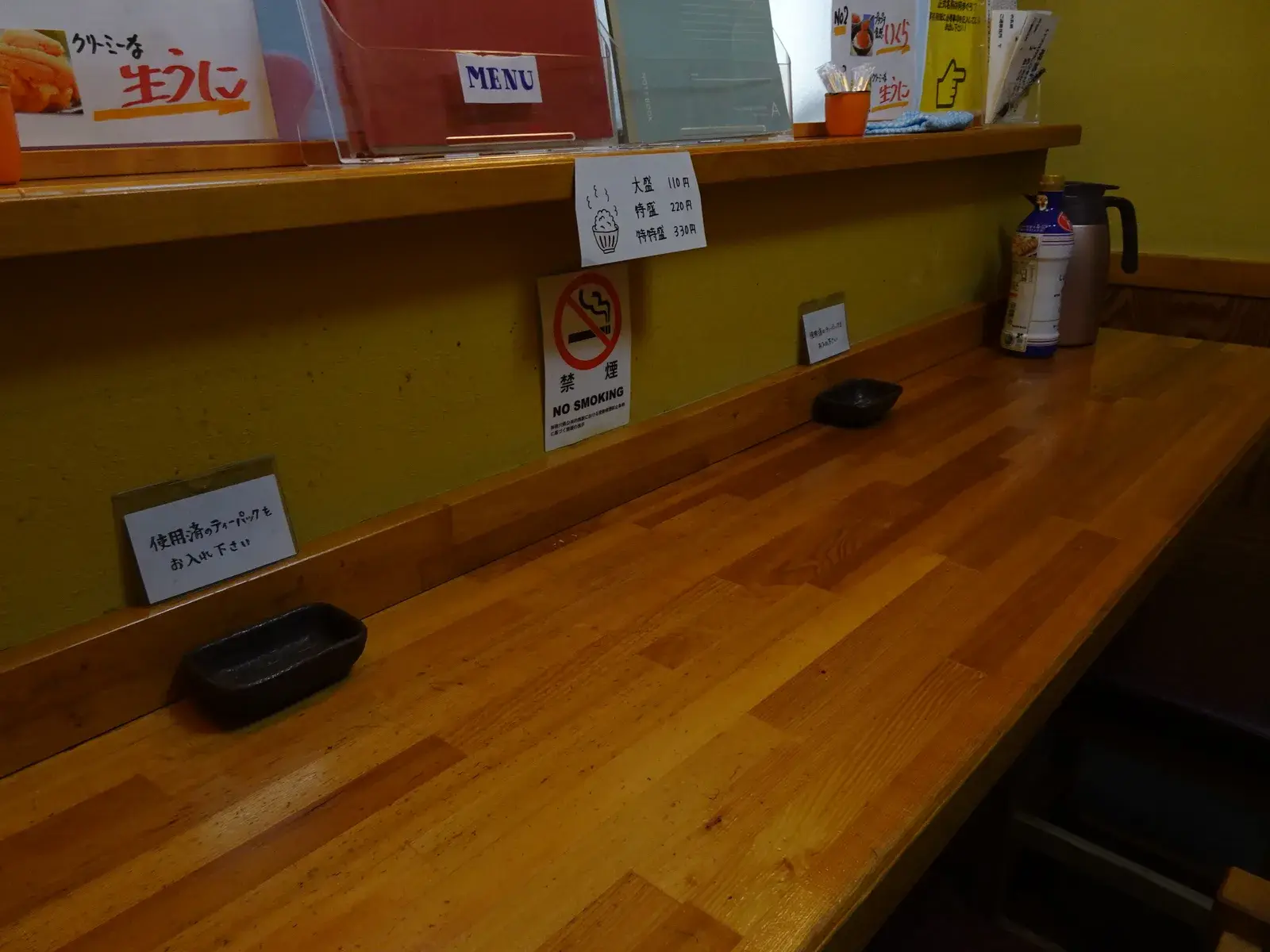
The Counter Is Getting Quieter: What Your Visit Means to the Person Pouring Your Beer
What you'll learn in this article:
- What 388 Japanese restaurant owners, staff, and diners said about foreign customers walking through the door
- Why restaurant bankruptcies hit an all-time high in 2025 even as inbound restaurant spending reached ¥2 trillion, and why izakaya bankruptcies are on a record pace in 2026
- The gap between the economics and the emotion: what the person behind the counter actually feels when you sit down
Do Japanese restaurant owners want foreign customers? We collected 388 public posts by Japanese people to find out. 55% of owners actively welcome you (higher spending, off-peak visits, energy in the room). But here's the finding that matters: what moves them most isn't your money. It's saying "oishii": 97% of kitchen staff say that single word is worth more than any tip. Japan's small restaurants are closing at record pace, and your evening at the counter means more than a meal.
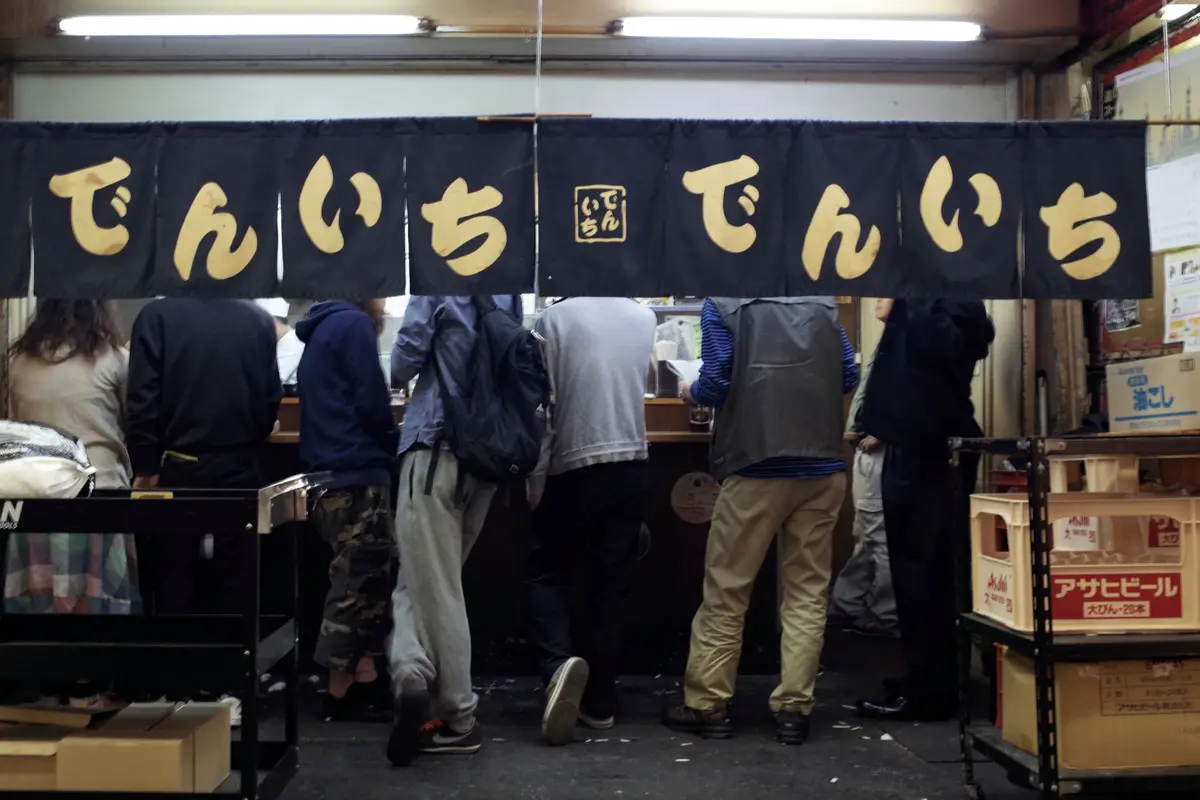
You've probably walked past them: a narrow doorway half-hidden by a noren curtain, six seats at a counter, a handwritten menu in the window. Maybe you hesitated. Maybe you kept walking.
Behind that curtain, someone was hoping you'd come in.
Japan's small, independent restaurants are in trouble. In 2025, restaurant bankruptcies hit an all-time record. Izakaya, the neighborhood pubs that serve drinks and small dishes, are closing at the fastest pace ever recorded. The reasons are structural: rising costs, a shrinking domestic customer base, and a post-COVID shift in how Japanese people socialize.
But here's the other side of the story: 42 million visitors came to Japan in 2025, and they spent over ¥2 trillion on dining alone. That money is going somewhere, but not always to the places that need it most.
This article is about the space between those two realities. We collected 388 voices from Japanese restaurant owners, staff, and diners to find out what they actually think when a foreign visitor walks through the door.
Quick Guide
| What owners wrote | What this means for you | |
|---|---|---|
| 🟢 You're welcome | 55% of restaurant operators actively welcome foreign customers, bringing higher spending, off-peak traffic, and energy to the room | Don't hesitate at the doorway. The person behind the counter is glad you came |
| 🟡 Good to know | Manner beats money. Weighing the two, owners put "how you behave" ahead of "how much you spend" by a wide margin | A smile, an attempt at Japanese, and basic awareness go further than a big tab |
| 🔴 Worth noting | The money doesn't always reach the people who need it. 27% of Japanese people say they don't feel the benefit of tourist spending at all | Choosing a small, local restaurant over a chain genuinely changes someone's day |
The one thing to remember: The quiet counter behind the noren curtain isn't just a dining experience. It's someone's livelihood. And your presence there carries weight you might not realize.
How We Gathered These Voices
We analyzed 388 Japanese-language responses across four related topics: how restaurant owners feel about foreign customers (86 responses), whether tourist spending is actually felt at the local level (86 responses), what matters more: money or manners (70 responses), and what makes a restaurant worker's day (62 responses plus 84 generational responses). Sources include restaurant industry surveys by Inshokuten.com, Cookbiz Research Institute, and Toreta, as well as voices from public Japanese Q&A sites, forums, and social posts.
A note on what you're reading: This isn't a scientific study. It's a collection of what Japanese restaurant owners, kitchen staff, and diners said in their own words, in Japanese, on public platforms and in industry surveys. Some of these people are fighting to keep their businesses open. Their voices are worth hearing.
The Numbers Behind the Quiet
Before we get to what owners feel, here's the reality they're operating in.
In 2025, 900 restaurants went bankrupt in Japan, the highest number ever recorded by Teikoku Databank. Of those, 204 were izakaya and bars, more than any other category. And 2026 is running higher: Tokyo Shoko Research counted 167 izakaya bankruptcies from January to September, up from 126 in the same months of 2025 and the most for that period since its records began in 1989.
These aren't chain restaurants. 81% of Japan's roughly one million restaurants are independently owned, sole proprietors running small operations, often with family. When an izakaya closes, it's not a corporate restructuring. It's someone's life's work ending.
The pressures are structural:
- Food costs and utilities have surged. Teikoku Databank counted 20,609 food and drink items that rose in price in 2025, compared with 12,520 in 2024, and months with more than 1,000 increases became routine.
- The nomikai is fading. Company drinking parties, once a pillar of izakaya revenue, have declined since COVID. Younger Japanese workers increasingly opt out.
- All-you-can-drink course prices have climbed well past what they used to be, pushing price-sensitive customers away.
And yet: in 2025, visitors to Japan spent a record ¥2.07 trillion on dining, 22% of total inbound consumption. That's an 18.8% increase over the previous year.
Two trillion yen entering the restaurant economy. Nine hundred restaurants closing in the same year. Something isn't connecting.
Do Owners Actually Want You There?
This is the question many visitors sense but don't ask. You see the narrow entrance, the all-Japanese menu, the counter with three empty seats, and you wonder: Am I welcome here?
We looked at what 86 restaurant operators said about serving foreign customers.
More than half of restaurant operators actively welcome foreign customers. But what's interesting is why. It's not just about money.
お店に活気が出る The restaurant comes alive.
想像していたよりもマナーの良い方が多い More of them have better manners than I expected.
日本人客と違う行動パターンであるため、アイドルタイムで集客できるから、効率よく回せる Their patterns are different from Japanese customers — they come during our slow hours, so we can operate more efficiently.
That last point deserves attention. Japanese diners tend to cluster at standard lunch and dinner times. Foreign visitors often eat at 3pm or 9:30pm, hours when the counter is usually empty. For a small restaurant operating on thin margins, filling those dead hours can be the difference between making rent and not.
One ramen shop owner put it simply:
外国人の方がお金使うしもったいないです Foreign customers spend more. It'd be a waste to turn them away.
And a sushi chef in a small neighborhood shop:
寿司も握るが心も握る I shape sushi, but I also shape connections.
The 19% who'd rather not have real concerns: language barriers make ordering slow, some customers don't understand otoshi (the small appetizer charge common at izakaya), and busy periods get harder when communication takes longer. One owner noted:
外国語メニュー作成できない、説明に時間がかかる I can't make a menu in other languages. Explaining everything takes time.
近所の常連さんが満席で入れなくなるため My neighborhood regulars can't get in because the seats are full.
These aren't complaints about you personally. They're the daily calculations of someone running a six-seat restaurant alone.
Your Money or Your Manners: Which Matters More?
This is where the data gets surprising. In 70 posts weighing whether tourist spending is what matters most, the answer was clear: manner wins.
Only 24% said spending was the most important thing. The rest, over three-quarters, said that how you show up matters as much or more than what you spend.
A department store employee captured the tension that many service workers feel:
売上が上がってホッとするところもありますが、現場で働いてる人間はただただ疲れます The higher sales are a relief, but for the people actually working the floor, it's just exhausting.
沢山買って頂けるのはありがたい。爆買いで喜んでるのは経営者 We're grateful for the purchases. But it's the executives who celebrate the big spending sprees.
This split between owners and frontline staff matters. The person behind the counter might genuinely need your business to survive, but what they remember at the end of the day isn't the receipt total. It's how the interaction felt.
One shop owner said it plainly:
私は少し口悪いけど、私の店にお金落とすし。気持ちはわからないでもないけど国籍で一括りにして決めつけるのはどうかと Look, I can be blunt — yes, they spend money at my shop. But judging everyone by nationality? That's not right.
The Word Worth More Than Money
We read what 62 Japanese kitchen staff and restaurant workers wrote about what makes their day, and the answer was almost unanimous.
97%. In a dataset full of debate and nuance, this is the closest thing to unanimity we've found across all our research.
「美味しかったよ、ありがとう」と、言って頂けたときは、大変な思いをしている時こそ、嬉しくなります。 When someone says "it was delicious, thank you" — that's when it means the most, especially during the hard times.
「美味しい」「美味しかったよ」という一言が、「ありがとう」よりも好きな言葉。 "Oishii" — "it was delicious" — is a word I love even more than "thank you."
「おいしかった」の一言が、働く原動力になっているのです。 That single phrase — "it was delicious" — is what keeps us going.
Think about that for a moment. A restaurant owner who may be wondering whether they can pay next month's rent, who watched three izakaya on their street close this year, who stays up past midnight prepping for tomorrow, and the thing that gets them through it is a word. One word, in any language, from someone who sat at their counter and meant it.
You don't need to speak Japanese perfectly. "Oishii" is enough. A smile when you taste the first bite is enough. The owner isn't looking for a review or a social media post. They're looking for the most basic human confirmation that their work matters.
If you'd like to understand more about what makes Japanese service workers feel appreciated, we explored this in depth in The Art of Being Easy: what "the perfect customer" means to the people behind the counter.
Does the Money Actually Reach Them?
Here's the uncomfortable truth that Japanese people themselves debate. In 86 posts about whether people feel the benefit of tourist spending, the country is split.
The voices behind these numbers tell a revealing story.
The 49% who feel it:
観光立国ですから。必ず外国人観光客を入れないと日本の経済はストップします。 We're a tourism nation. Without foreign visitors, the Japanese economy stops.
世界中のお客様に来ていただくことにより、閑散期の業績改善が見込める。本来なら例年あまり良くない9月に、長期間の国民休日があるイスラエルからの客のおかげで売上がかなり助けられた Customers from around the world help us during slow months. In September — usually a tough month — visitors from Israel during their holidays rescued our sales.
The 27% who don't:
「外国人観光客が日本にお金を落としてくれるのは有り難いことだ」的な発言をよく聞きますが、実際にその有り難みをあまり実感できない I keep hearing that we should be grateful for tourist spending, but honestly, I don't feel it at all.
こんなにインバウンドが金落としてるのに景気が良くならないのはなぜですか? With all this inbound money being spent, why isn't the economy getting better?
This disconnect is real. ¥2 trillion enters Japan's restaurant economy, but much of it flows to large chains, tourist-area restaurants, and duty-free-adjacent establishments. The six-seat izakaya on a residential side street, the one without an English menu or a Google Maps listing with photos, often sees none of it.
For more data on where tourist spending actually goes and what Japanese people think about it, see Where Your Money Goes.
The Hidden Math of a Quiet Counter
Here's what connects the data to the emotion.
An independent izakaya with 10 counter seats, operating six days a week, might serve 30-40 customers on a good night. If four of those seats stay empty because the nomikai culture is fading and younger Japanese workers are going home after work instead of drinking, that's a 10-15% revenue drop. Every night. Every week.
Now imagine a foreign visitor walks in during a quiet Tuesday at 8pm. They order a beer, some yakitori, try the daily special. They say "oishii." The tab for a night like that might run a few thousand yen.
For a restaurant fighting to stay open, that single visit just covered the night's utility bill. The "oishii" reminded the owner why they started this work. And if that visitor tells someone (a friend, a hotel concierge, a travel forum), the ripple continues.
This is the math that the ¥2 trillion headline doesn't capture. It's not about saving Japan's restaurant industry single-handedly. It's about the specific, human-scale impact of one person choosing one small restaurant on one quiet evening.
Finding the Quiet Counters
You don't need a guide or a local friend, though both help. Here are patterns that experienced visitors use:
Look one block off the main street. Tourist-heavy restaurants cluster on main roads. One block in any direction, the prices drop and the locals appear.
Follow the noren. The fabric curtain hanging in the doorway means "we're open." If it's up, you're welcome. Your First Izakaya covers the full entry ritual, but the short version is: say the number of people with your fingers, and you're in.
Visit during off-peak hours. Remember: owners wrote that foreign visitors coming during slow hours is one of their favorite things. Tuesday through Thursday evenings, or any weekday lunch, are when small restaurants need you most.
Use Tabelog, not just Google Maps. Tabelog (tabelog.com) is Japan's primary restaurant review platform, used by Japanese diners. Restaurants rated 3.5+ on Tabelog with fewer than 50 reviews are often the hidden treasures: good enough to earn local loyalty, small enough to stay invisible to tourist guides.
Say three words. When you sit down: "Osusume wa?" (おすすめは?: What do you recommend?). When you're done: "Oishikatta desu" (美味しかったです: It was delicious). Between those two phrases, you've had a complete conversation with the owner.
For a deeper understanding of why Japanese service feels different and what the people behind it actually think, those articles explore the cultural system behind the counter.
More Japanese Perspectives
Japan's small restaurant culture connects to many topics we've explored:
- Your First Izakaya: A friendly walkthrough of the ordering ritual, otoshi, and how to feel at home
- The Art of Being Easy: What Japanese service workers define as "the perfect customer"
- Where Your Money Goes: Data on how tourist spending flows through Japan's economy
- Why Japanese Service Feels Different: The cultural system that shapes every interaction
- The People Behind Omotenashi: What service workers actually think about their work
Share Your Experience
Have you eaten at a small, local restaurant in Japan? We'd love to hear about it.
Sources
Statistical Data
Teikoku Databank: Restaurant Bankruptcy Report, Full Year 2025
- Published: 2026-01-13
- 900 restaurant bankruptcies (all-time record), 204 izakaya/bars (most of any category)
- https://www.tdb.co.jp/report/industry/20260113-insyokuten2025/
Tokyo Shoko Research: Izakaya Bankruptcy Report, January–September 2026
- Published: 2026-10-06
- 167 izakaya bankruptcies (+32.5% YoY, from 126 in the same period of 2025), the most for January–September since tracking began in 1989
- https://www.tsr-net.co.jp/data/detail/1203298_1527.html
Japan Tourism Agency: Inbound Consumption Survey 2025
- Total inbound consumption: ¥9.46 trillion (record)
- Restaurant spending: ¥2.07 trillion (+18.8% YoY), 21.9% of total
- https://www.mlit.go.jp/kankocho/news02_00071.html
Circana Japan (formerly NPD Japan): Restaurant Industry Report 2024
- Total restaurant establishments: ~998,765
- Individual/sole proprietor ratio: ~80.9%
- https://www.npdjapan.com/press-releases/pr_20250604/
Teikoku Databank: Food Price Revision Survey, 2025 Full Year
- Published: 2025-12-26
- 20,609 food and drink items saw price increases in 2025, up 64.6% from 12,520 in 2024; increases of more than a thousand items a month became routine
- https://www.tdb.co.jp/report/economic/20251226-neage25y12/
Japanese Voices
Inshokuten.com (飲食店.COM): Restaurant operator survey on foreign customers
Cookbiz Research Institute (クックビズ総研): Restaurant industry inbound survey
Toreta: Restaurant staff satisfaction survey
Public Japanese Q&A sites, forums, and social posts: first-hand opinions on tourist spending impact and restaurant service experiences with foreign customers
Note on Quotations
Quotes from online platforms have been lightly edited for readability (fixing typos, formatting for clarity). The meaning and intent of each comment remain unchanged. Original sources are linked above.
This article is available in languages covering 95%+ of visitors to Japan (based on JNTO 2025 data). Need another language? Let us know through Voice Box.
WMJS is written in Japan, in English, with AI help. We check every page, but English is not our first language. If a sentence reads oddly, tell us. One sentence is enough.
Thank you. A person reads every note.
How well do you know Japan?
Built from 635 public posts by Japanese people
Want to know more? Ask Japanese people
Have a follow-up question about this topic? We'll ask real Japanese people.
Voice Box →