
This page is also available in English.Read in English →
このページは日本語でも読めます。日本語で読む →
이 페이지는 한국어로도 읽을 수 있습니다.한국어로 읽기 →
這個頁面也有繁體中文版。閱讀繁體中文版 →
这个页面也有简体中文版。阅读简体中文版 →
หน้านี้มีภาษาไทยด้วยอ่านภาษาไทย →
Trang này cũng có bản tiếng Việt.Đọc bằng tiếng Việt →
Halaman ini juga tersedia dalam Bahasa Indonesia.Baca dalam Bahasa Indonesia →
Cette page existe aussi en français.Lire en français →
Esta página también está disponible en español.Leer en español →
Questa pagina è disponibile anche in italiano.Leggi in italiano →
Wann Sie kommen
Kirschblüte: eine Reise im Takt der Blüte
Die Golden Route von Tokio nach Kyoto im Rhythmus der Kirschblüte, und wie du die wandernde Blütenfront verfolgst wie die Einheimischen, sodass ein Datum, das du nicht buchen kannst, zum schönsten Teil der Reise wird
Zuletzt überprüft: 2026-06-23
Tage
4 entlang der Golden Route von Tokio nach Kyoto, auf die Blüte abgestimmt und frei kombinierbar; du kannst nach Norden verlängern, um der Front nach Tohoku und Hokkaido zu folgen.
Beste Jahreszeit
Tokio und Kyoto blühen meist von Ende März bis Anfang April voll auf; danach zieht die Front nach Norden, erreicht Tohoku (Hirosaki) Ende April und Hokkaido Anfang Mai.
Ausgangspunkt
Zwei Ausgangspunkte auf der goldenen Route: ein paar Nächte in Tokio, dann ein paar in Kyoto, mit dem Shinkansen dazwischen.
Verkehrsmittel
Eine IC-Karte gilt für die Bahnen und Busse beider Städte; der Tokaido-Shinkansen verbindet sie (mit einem separaten Ticket); die Blütezeit lässt sich nur vorhersagen, nicht festlegen, also würde ich flexibel planen.
Für wen sich dieser Plan eignet
- Erste ReisePasst sehr gut
- Schon mal daPasst sehr gut
- Mit KindernPasst gut
- SoloPasst sehr gut
- Zu zweitPasst sehr gut
- Ruhiges TempoPasst gut
Beste ReisezeitLate Mar to mid-Apr
This window is the Tokyo-Kyoto golden route at peak — Tokyo in the last days of March, Kyoto a few days behind into early April. Arrive in the first half of April and the cities may be drifting down, but Yoshino's high slopes and the hill temples are still going. Come mid-to-late April or into May and the cities are green — but the front has moved north to Hirosaki (late April) and Hokkaido (early May), so the plan points you up the country to catch it.
Wann sollte man eine Reise zur Kirschblüte nach Japan planen? Für Tokio und Kyoto, das klassische Paar, plane den Zeitraum von der letzten Märzwoche bis in die ersten Apriltage: Tokio erreicht die Vollblüte (mankai) meist in den letzten Märztagen, Kyoto etwa eine Woche später, und in beiden Städten hält der Höhepunkt rund eine Woche, bevor die Blütenblätter fallen. Diesen Zeitraum verpasst? Die Blüte wandert als Front vom warmen Süden in den kühleren Norden, etwa 20 bis 30 km pro Tag, und hält in höheren Lagen länger an. Mitte bis Ende April blühen Kyotos späte Kirschbäume und die Hänge von Yoshino noch, und die Front erreicht Hirosaki in Tohoku Ende April und Hokkaido Anfang Mai. Die viertägige Route unten ist auf die Blütezeit in Tokio und Kyoto ausgelegt, mit Hinweisen, wie du der Front weiter nach Norden folgst, falls deine Reise später liegt.
Eine Reise zur Kirschblüte nach Japan kannst du als einzige nicht vollständig im Voraus buchen, und genau das macht ihren Reiz aus. Die Blüte richtet sich nach niemandem: Die Knospen öffnen sich nach einer längeren warmen Phase, die volle Pracht (mankai) hält nur etwa eine Woche, und dann fallen die Blütenblätter alle auf einmal, wie langsam rieselnder Schnee. Du kannst sie nicht Monate im Voraus auf ein Datum festlegen, und die Menschen, die sie am meisten lieben, versuchen es gar nicht erst. Sie verfolgen sie wie das Wetter, als Front, die jeden Frühling vom warmen Süden in den kühleren Norden über die Inseln zieht, und bleiben flexibel genug, um dorthin zu fahren, wo die Bäume gerade blühen. Wenn du lernst, diese Front zu verfolgen, wird aus der Ungewissheit ein Vergnügen für Kenner.
Vergleiche also zuerst deine Reisedaten mit dem Verlauf der Front. In der letzten Märzwoche bis zu den ersten Apriltagen gebucht? Dann bist du mitten in der Hauptblüte: Tokio erreicht seinen Höhepunkt meist in den letzten Märztagen, Kyoto ein paar Tage später, und dieser Plan ist genau für diesen Zeitraum gemacht. Du landest in der ersten Aprilhälfte? In Tokio fallen die Blütenblätter vielleicht schon, aber in Kyoto und in den Hügeln blüht es wahrscheinlich noch, und an den hohen, heiligen Hängen von Yoshino fängt die Blüte gerade erst an. Deshalb führt dich der Plan nach Süden und in die Höhe. Kommst du Mitte bis Ende April oder erst im Mai und fürchtest, du hättest sie verpasst? Mit ziemlicher Sicherheit nicht: Bis dahin ist die Front einfach weiter nach Norden gezogen. Dann blühen die Kirschbäume in Tohoku, etwa am Burggraben von Hirosaki, und Anfang Mai in Hokkaido. Die Kirschblüte, für die du gekommen bist, gibt es also noch, nur eine Zugfahrt weiter nördlich.
Ich würde der sogenannten Golden Route von Tokio nach Kyoto folgen, denn dort liegen die Blütenorte an den bequemsten Zugverbindungen, und jeden Tag nach der Blüte planen statt nach einer Checkliste. Und noch etwas, das eigentlich kein Geheimnis ist: Die berühmten Parks sind zur Mittagszeit überfüllt, direkt nach der Öffnung aber friedlich, und die Einheimischen nutzen gern die frühen Stunden. Hanami, die Blütenschau, ist in Wahrheit ein Picknick unter den Bäumen mit den Menschen, die du liebst: eine Unterlage aus Papier, ein Bento aus dem Konbini und das jüngste Mitglied der Gruppe, das im Morgengrauen losgeschickt wird, um einen guten Platz freizuhalten. Um den einen schönsten Baum ging es dabei nie. Ich zeige dir, wie ich es angehen würde. Stell dir daraus deine eigene Reise zusammen, passend zu deinen Daten und dazu, wo die Front gerade steht.
Wo Sie Ihren Ausgangspunkt wählen
Diese Reise hat zwei Standorte, erst Tokio, dann Kyoto, verbunden durch den Tokaido-Shinkansen. Für eine Blütenreise ist dabei weit weniger wichtig, wo du in der Stadt wohnst, als wann du morgens aus dem Haus gehst. Ob du eine friedliche Kirschbaumallee erlebst oder eine Menge hochgehaltener Handys, hängt vor allem von der Uhrzeit ab, kaum von der Adresse.
In Tokio würde ich mir eine Unterkunft an der JR-Yamanote-Ringlinie oder in ihrer Nähe suchen, etwa rund um Shinjuku, den Bahnhof Tokio oder Shibuya: Dann erreichst du alle Blütenorte mit einer kurzen Fahrt ohne Umsteigen. Von Shinjuku bist du in Minuten am Shinjuku Gyoen; der Burggraben von Chidorigafuchi und der Kanal in Meguro sind von jedem Bahnhof der Ringlinie aus leicht zu erreichen. (Mehr zu den Parks der Stadt an Tag 1.)
In Kyoto würde ich nahe dem Bahnhof Kyoto wohnen, weil die Wege von dort am kürzesten sind, oder in Higashiyama, um zwischen den Tempeln im Osten und ihren Kirschbäumen aufzuwachen. Von dort bist du früh genug unter dem großen Trauerkirschbaum im Maruyama-Park, gleich hinter dem Yasaka-Schrein am oberen Ende von Gion, oder auf dem Philosophenweg, bevor die Tagesausflügler eintreffen.
In beiden Städten kommt es vor allem auf eines an: früh aufzustehen. Der laternengesäumte Kanal in Meguro, Kyotos Philosophenweg, die Bergrücken von Yoshino: Orte, an denen mittags kein Durchkommen ist, sind in der ersten Stunde des Tages still und atemberaubend, und genau diese Stunde nutzen die Einheimischen. Stell dir nur einmal den Wecker früh, und du siehst die Kirschblüte so, wie sie auf Fotos aus dem Gedränge nie zu sehen ist.
Tokio: Ende März
~2 Std. 15 Min. mit dem ShinkansenKyoto: um den 1. April
~2 Std.; die Blüte steigt tagelang bergaufYoshino: Anfang bis Mitte April, von unten nach oben
~3 Wochen weiter nach NordenHirosaki (Tohoku): Ende April
~1 Woche weiter nördlichHokkaido: Anfang Mai
Verkehrsmittel und Tickets
Kümmere dich zuerst um eine IC-Karte, eine aufladbare Chipkarte zum Antippen (Suica, PASMO oder ICOCA, alle landesweit kompatibel), dann musst du in beiden Städten kaum noch an Tickets denken. Du hältst sie beim Betreten und Verlassen des Bahnhofs an das Lesegerät, und der Fahrpreis wird automatisch abgebucht. Sie gilt für JR, die Tokyo Metro und die Toei-U-Bahnen, Kyotos U-Bahn, die Stadtbusse und die Privatbahnen, also für alle Fahrten zu den Blütenparks dieser Reise.
Zwischen den beiden Städten fährt der Tokaido-Shinkansen ohne Umsteigen von Tokio oder Shinagawa bis Kyoto. Wichtig zu wissen: Mit einer IC-Karte allein kommst du nicht durch die Shinkansen-Sperre; du musst sie bei Smart-EX registrieren oder ein separates Ticket kaufen. (Fahrzeit und Buchung stehen in der Infobox.)
Und was die Blüte selbst angeht: Ihr Termin lässt sich nur vorhersagen, nicht festlegen. Die Berichte der Wetterdienste und Tourismusverbände zeigen sehr gut, wo die Front ungefähr steht, aber sie ändern sich mit jeder warmen oder kalten Woche. Wer einen Live-Tracker stündlich aktualisiert, verbringt die Reise schnell am Handy statt unter den Bäumen. Ich würde etwa eine Woche vorher nachsehen, wo die Front steht, nur um zu wissen, wohin es gehen soll (Stadt oder Hügel, Süden oder Norden), mich dann an den Plan halten und den Blick nach oben richten. Wenn deine Reise früh oder spät liegt, helfen dir die Hinweise zum Weiterreisen nach Norden weiter unten: Irgendwo blühen die Kirschbäume immer.
Tokio: Die ganze Stadt picknickt
Am ersten Tag kommt es vor allem auf die Uhrzeit an, denn zur Kirschblüte strömt in Tokio die ganze Stadt gleichzeitig nach draußen. Morgens genießt du die Ruhe der frühen Stunden, nachmittags das fröhliche, laute Treiben beim Hanami: Decken, unter den Blüten ausgebreitet, Bentos, die herumgereicht werden, und eine Stadt, die sonst so viel arbeitet und sich jetzt eine Woche zum Durchatmen gönnt. Wenn du den Tag lieber ruhig im Grünen beginnst, ist der Wald von Meiji Jingu nur ein paar Minuten von Shinjuku und Harajuku entfernt. Die berühmten Kirschbäume stehen zwar in den Parks, aber für einen sanften Start in den Tag ist der Schreinwald ideal. Eines gilt es den ganzen Tag zu beherzigen: Lass die Blütenblätter von selbst fallen. Wer einen Ast schüttelt, um fallende Blütenblätter zu fotografieren, schadet dem Baum, auch wenn man es ihm nicht ansieht.
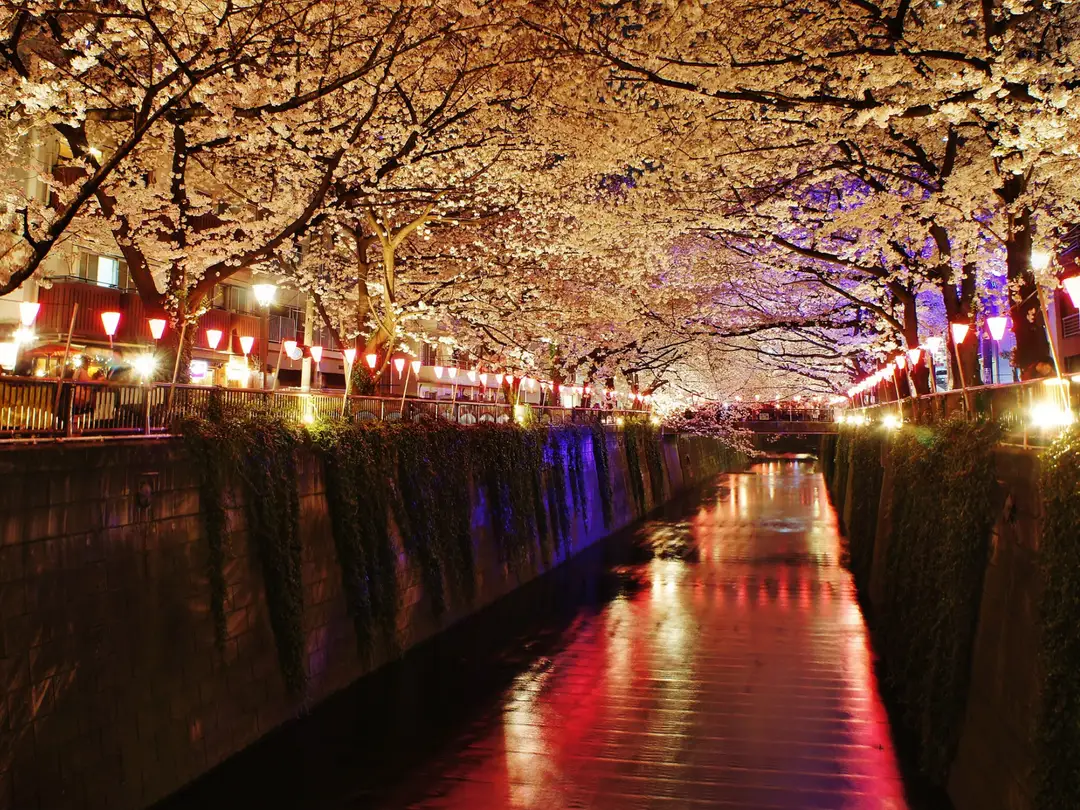
- 07:30Der Meguro-Fluss vor dem AndrangDer Meguro-Fluss ist ein schmaler Kanal, dessen Kirschbäume sich über ein paar Kilometer direkt über das Wasser wölben, behängt mit Papierlaternen. Im Morgengrauen hast du ihn fast für dich allein, am Nachmittag drängen sich die Menschen Schulter an Schulter. Die Station Nakameguro (Hibiya-Linie der Tokyo Metro / Tokyu-Toyoko-Linie) liegt direkt daneben. An diesem Spaziergang merkst du am deutlichsten, was die frühe Stunde ausmacht. (Für Meguro gibt es noch keinen WMJS-Guide.)
- Später VormittagBurggraben ChidorigafuchiWeiter geht es nach Chidorigafuchi am nordwestlichen Burggraben des Kaiserpalasts: Auf einem langen, grünen Uferweg neigen sich die Kirschbäume über das Wasser, und darunter fahren kleine Ruderboote. Es ist eines der meistgefilmten Kirschblütenmotive des Landes. Die Station Kudanshita (Tokyo Metro / Toei) ist nur ein paar Minuten entfernt. Zur Hochsaison bilden sich am Bootsverleih lange Schlangen: Geh gleich morgens hin oder lass die Boote aus (siehe Infobox). (Noch kein WMJS-Guide.)
- NachmittagZwei Arten von Hanami: Ueno oder Shinjuku GyoenZwei Gesichter derselben Tradition, je nach Stimmung. Der Ueno-Park ist die große, ausgelassene Variante: gut tausend Bäume über Wegen voller Picknickgruppen, laut und fröhlich. Der Shinjuku Gyoen ist das ruhige Gegenstück: ein Garten mit Eintritt, ohne Alkohol, mit weiten Rasenflächen und so vielen Kirschsorten (frühe im Februar, die Hauptsorte somei-yoshino, späte bis in die zweite Aprilhälfte), dass fast immer etwas blüht, auch wenn die Hauptblüte in der Stadt schon vorbei ist. Beide erreichst du mit einer kurzen Fahrt auf der Yamanote-Linie. (Für keinen von beiden gibt es bislang einen WMJS-Guide.)
- AbendDas Sumida-Ufer bei AsakusaLass den Tag im Osten der Stadt, im alten Tokio, ausklingen: Die Kirschbäume des Sumida-Parks säumen beide Ufer des Flusses bei Asakusa, der Skytree ragt jenseits des Wassers auf und Senso-ji leuchtet in der Nähe. Ein schöner, ruhiger Ort, um nach einem langen ersten Tag die Dämmerung zu genießen. Die Station Asakusa (Ginza- / Toei-Asakusa-Linie) liegt direkt daneben. Verknüpfter Guide: Senso-ji.
Nach Kyoto, wo die Blüte ein paar Tage später kommt
Tag zwei ist der Reisetag, und an ihm zeigt sich die Idee dieser Reise im Kleinen: Wenn in Tokio die ersten Blütenblätter fallen, ist die Blüte in Kyoto meist ein paar Tage später dran. Mit dem Shinkansen nach Süden fährst du also in der Blütezeit zurück. Ich würde den Vormittag für ein letztes gemütliches Hanami in Tokio nutzen, so wie es die Einheimischen machen, am frühen Nachmittag den Zug in die alte Kaiserstadt nehmen, nach Higashiyama fahren und den Tag unter einem nachts angestrahlten Kirschbaum beenden.
- MorgenEin letztes Hanami, wie die EinheimischenKeine Fahrt, keine Eile. Hol dir ein Bento und etwas Warmes aus einem Konbini, such dir einen Park nahe deinem Ausgangspunkt und setz dich einfach eine Stunde lang unter die Bäume, wie es die Tokioter tun. Beim Hanami geht es um das gemütliche Picknick, nicht um das perfekte Foto. Sanfter kannst du dich mono no aware kaum nähern, der bittersüßen Schönheit, die die Japaner gerade deshalb empfinden, weil die Blüte so schnell vergeht. Nimm deinen Müll wieder mit; in den Parks gibt es absichtlich nur wenige Mülleimer.
- Früher NachmittagTokaido-Shinkansen nach KyotoVom Bahnhof Tokio oder Shinagawa fährt der Tokaido-Shinkansen ohne Umsteigen bis nach Kyoto. Reserviere zur Blütezeit einen Sitzplatz, die Züge sind voll. (Mit einer IC-Karte allein kommst du nicht durch die Shinkansen-Sperre; Fahrzeit und Buchung stehen in der Infobox.)
- Später NachmittagNach Higashiyama und am Kamo entlangStell dein Gepäck ab und spaziere am Kamo-Ufer entlang, wo die Menschen aus Kyoto im Gras unter den Kirschbäumen sitzen, die östlichen Hügel im Rücken. Hier ist die Blüte sanfter und weniger trubelig als in Tokios Parks, und vor Einbruch der Dunkelheit bekommst du ein schönes Gefühl für die Stadt.
- AbendYozakura im Maruyama-ParkGleich hinter dem Yasaka-Schrein, am oberen Ende von Gion, wird der riesige shidare-zakura des Maruyama-Parks, ein Trauerkirschbaum, der seit Generationen als berühmtester Baum der Stadt gilt, während der Blüte nach Einbruch der Dunkelheit angestrahlt. Die Yozakura, die Kirschblüten bei Nacht, haben eine ganz eigene Stimmung: Dieselben Blüten leuchten vor dem schwarzen Himmel und wirken fast überirdisch. Verknüpfter Guide: Gion.
Kyotos Kirschbäume, wieder früh am Morgen
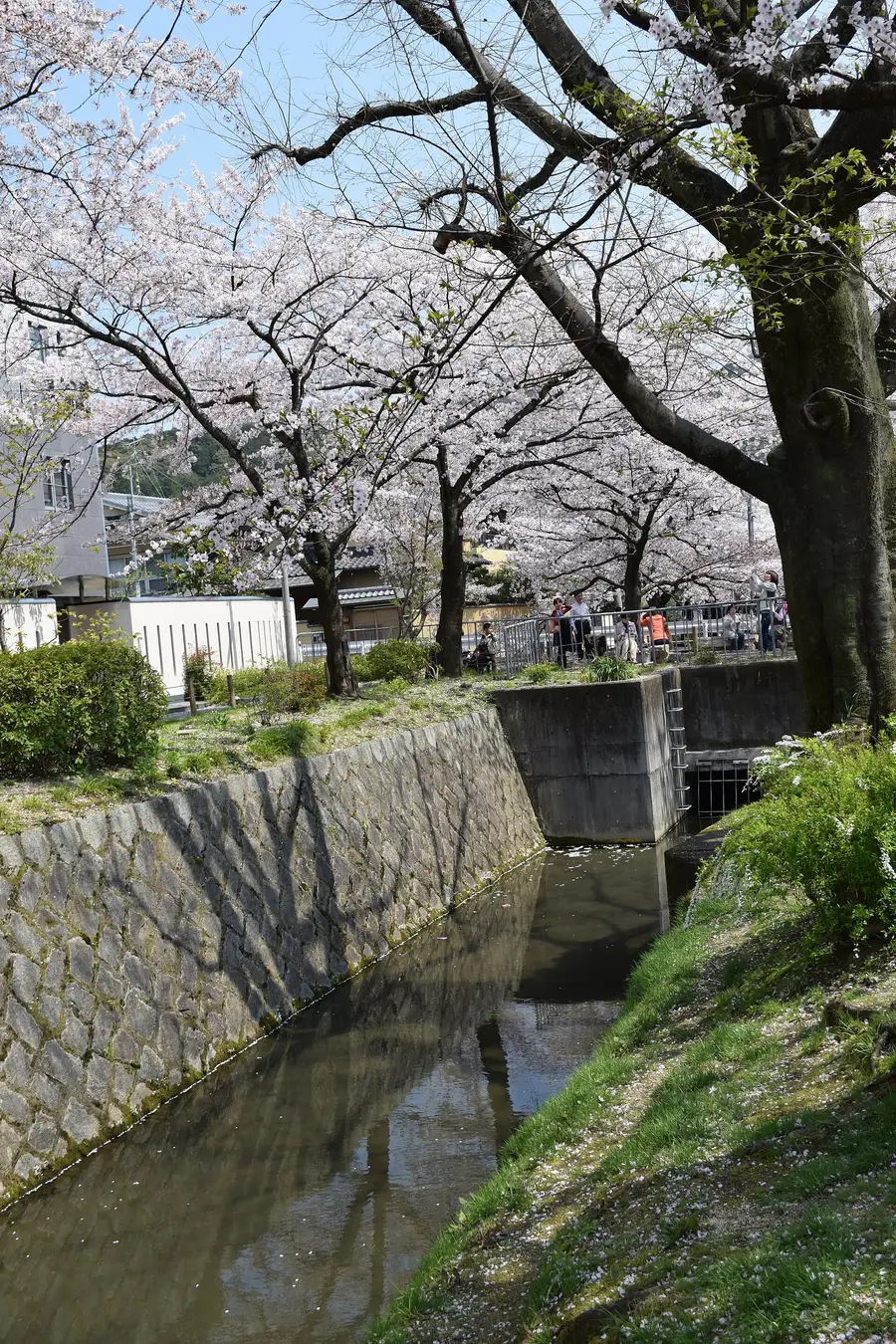
Auch an Tag drei kommt es auf die Uhrzeit an. In Kyoto gilt dasselbe wie in Tokio: früh losgehen. Nur stehen die Bäume hier an Tempeln und Flüssen statt in Parks. Ich würde am Philosophenweg beginnen, solange die Blütenblätter noch auf dem Wasser treiben und niemand unterwegs ist, dann weiter nach Westen nach Arashiyama fahren und am Nachmittag die Hänge von Higashiyama hinaufgehen. Die Kirschblüte wirkt hier stiller und altehrwürdiger; auch hier hat am meisten davon, wer früh aufsteht.
- 07:30Der Philosophenweg am frühen MorgenEin Spaziergang an einem steinernen Kanal im nördlichen Higashiyama, den ganzen Weg von Kirschbäumen gesäumt, die ihre Blütenblätter aufs Wasser fallen lassen, bis die Oberfläche selbst sich rosa färbt. Ab dem Vormittag schieben sich die Menschen in einer langen Reihe entlang; im ersten Licht gehst du dort wie in einer Meditation, und dafür steht ja auch der Name. Vom Zentrum aus zu Fuß oder nach einer kurzen Busfahrt erreichbar. (Noch kein WMJS-Guide.)
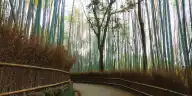
- Später VormittagArashiyama und die Togetsukyo-BrückeWeiter nach Westen nach Arashiyama: Von der Togetsukyo-Brücke aus siehst du einen Berghang, an dem wilde Kirschbäume zwischen den Kiefern blühen, und das Flussufer ist voller Blüten. Der berühmte Bambushain liegt nur ein paar Minuten entfernt; auch hier gilt: im Morgengrauen oder gar nicht. JR-Sagano-Linie (San-in) bis Saga-Arashiyama. Verknüpfter Guide: Arashiyama.
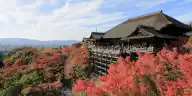
- NachmittagDie Hänge von Higashiyama hinauf nach KiyomizuZurück nach Osten zum Hang von Kiyomizu-dera, dessen große hölzerne Bühne über eine Schlucht ragt, die sich im Frühling mit Kirschblüten füllt; auf dem Weg hinauf schlenderst du langsam durch Gassen voller Stände und naschst unterwegs. Zur Blütezeit gibt es eine besondere Abendbeleuchtung, du kannst also bleiben und den Tempel angestrahlt erleben. Verknüpfter Guide: Kiyomizu-dera.
- AbendEin Abendessen am FlussUnten am Kamo sind die schmale Gasse Pontocho und die Restaurants am Flussufer ein schöner, entspannter Abschluss: Kirschblüten im Laternenlicht, der Fluss, der vorbeifließt. Nach dem frühen Start würde ich den Abend ruhig angehen lassen.
Der Blüte folgen: Ninna-ji oder Yoshino
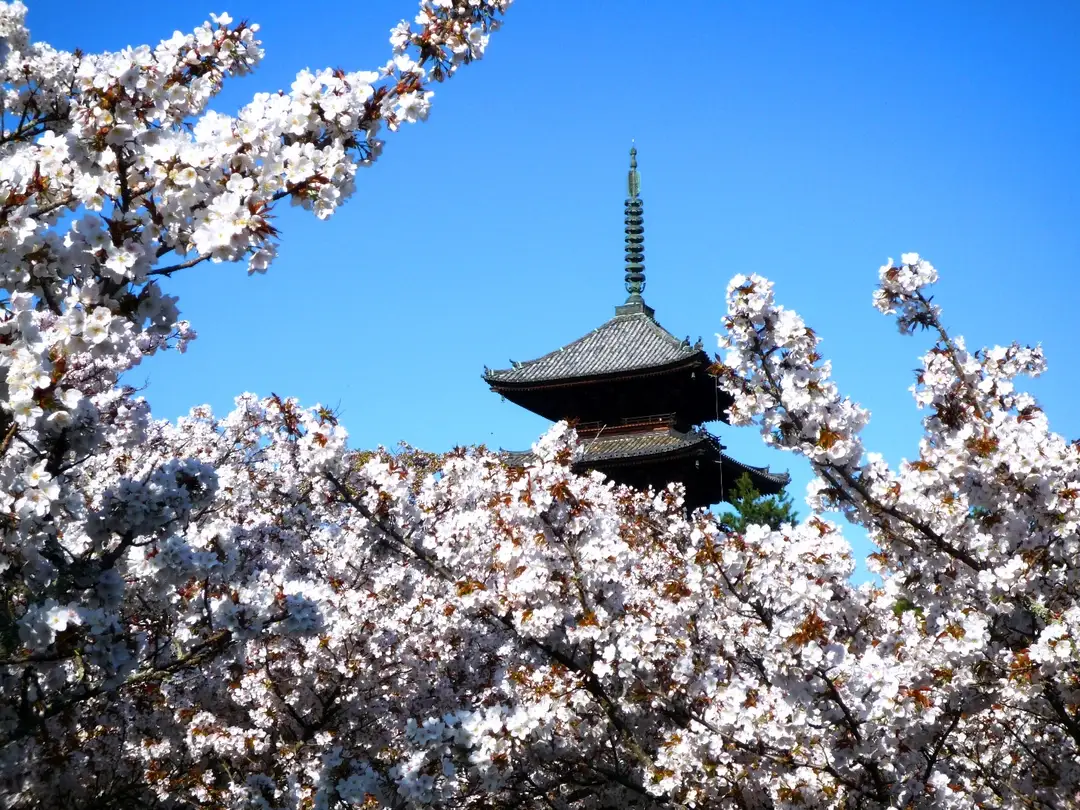
An Tag vier wird die Idee der ganzen Reise sichtbar, denn beide Optionen zeigen dasselbe: Die Kirschen blühen nacheinander, nicht alle im selben Augenblick. Auch wenn die Hauptblüte in Kyoto vorbei ist, findest du noch blühende Bäume, und wenn du sehen willst, wie die Blüte einen ganzen Berg hinaufwandert, zeigt Yoshino das so deutlich wie kaum ein anderer Ort. Keine der beiden Optionen ist die „richtige“; es kommt auf deine Reisedaten und deine Energie an.
- Option eins: ein Morgen in KyotoDie späten Omuro-Kirschen von Ninna-jiDie Omuro-Kirschen im Ninna-ji sind die letzten, die in ganz Kyoto blühen, meist in voller Blüte Mitte April, wenn die somei-yoshino der Stadt längst verblüht sind. Sie wachsen ungewöhnlich niedrig, kaum über Kopfhöhe, sodass du nicht zu ihnen hinaufblickst, sondern mitten durch eine Wolke aus Blüten gehst. Wer spät in der Saison kommt, findet hier in Kyoto noch Blüten, in einem stillen Tempel, der 888 gegründet wurde und zum UNESCO-Welterbe gehört. (Noch kein WMJS-Guide.)
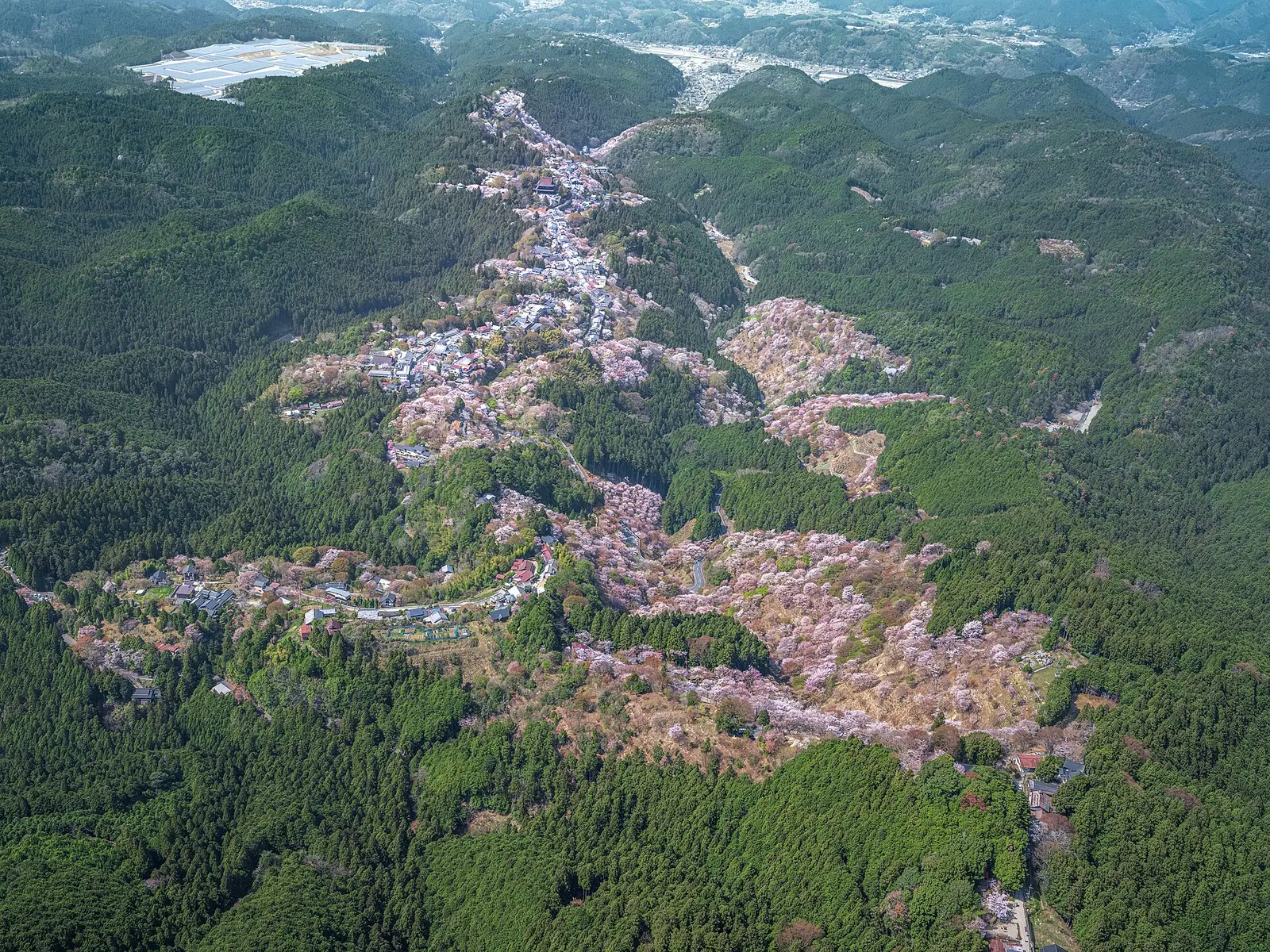
- Option zwei: ein ganzer TagesausflugYoshino, der Berg der geweihten KirschbäumeAn den Hängen des Berges Yoshino südlich von Nara stehen rund dreißigtausend Kirschbäume, und gepflanzt wurden sie nicht für Touristen. Über mehr als tausend Jahre stifteten Pilger hier junge Kirschbäume als Weihegaben, denn die Kirsche ist der heilige Baum der Gottheit des Berges. Die Bäume stehen in vier Höhenstufen, shimo (unten), naka (Mitte), kami (oben) und oku-senbon (ganz hinten und am höchsten), sodass die Blüte in etwa zwei Wochen Stufe für Stufe den Berg hinaufwandert: die ganze Blütenfront auf einem einzigen Berghang, und du kannst zusehen, wie sie nach oben steigt. Eine Seilbahn und Busse bringen dich hinauf. Von Kyoto oder Osaka mit der Kintetsu-Bahn erreichbar (siehe Infobox). Verknüpfter Guide: Yoshino.
- So oder soEin ruhiger Ausklang unter den BäumenWofür du dich auch entscheidest, ich würde den Abend für eine letzte Stunde unter einem Kirschbaum offen lassen: ein Platz am Fluss oder ein stiller Tempel, in dem es noch blüht. Zur Kirschblüte hast du von einem einzigen blühenden Ort, den du in Ruhe genießt, weit mehr als von fünf, die du im Laufschritt abhakst.
Wenn Sie einen Tag mehr haben
+1 TagWenn deine Reise spät liegt oder du der Blüte einfach folgen willst, statt auf sie zu warten: Weiter im Norden blühen die Kirschbäume immer irgendwo, und ihnen nachzureisen ist für Kenner das eigentliche Vergnügen.
Yoshino, falls du nicht schon an Tag 4 dort warst: Die Blüte wandert Stufe für Stufe den heiligen Berg hinauf (die unteren Hänge Anfang April, die obersten Haine Mitte bis Ende April), und das ist eine eigene Reise wert, wenn die Städte schon grün sind.
Nach Norden zur Burg Hirosaki, in Aomori, wo die Front in den letzten Apriltagen eintrifft. Im Park stehen rund 2.600 Bäume aus gut fünfzig Sorten rund um den einzigen original erhaltenen Burgturm in Tohoku. Die Gärtner schneiden die Bäume nach der Methode der Apfelbauern der Region, sodass die Äste fast doppelt so viele Blüten tragen wie üblich. Wenn die Blütenblätter fallen, bedecken sie den Burggraben wie ein rosa Teppich, das berühmte hanaikada („Blütenfloß“). Der Tohoku-Shinkansen fährt bis Aomori.
Weiter nach Hokkaido, wo die Saison Anfang Mai endet. In Hakodate umrahmen die Kirschbäume den sternförmigen Burggraben der Festung Goryokaku, am schönsten vom benachbarten Turm oder vom Ruderboot aus; Anfang Mai folgt Sapporos Maruyama-Park und als Letztes Mitte Mai der berühmte Hain von Matsumae. Überall blühen dieselben Kirschbäume wie im Süden, nur Wochen später: Wähl den Ort, der zu deinen Reisedaten passt.
Wenn Ihnen ein Tag fehlt
−1 TagWenn die Zeit knapp ist, passt das Wichtigste in zwei Tage: ein Morgengrauen in Tokio und eines in Kyoto, mit dem Shinkansen dazwischen. Wenn du in einer der Städte nur einen einzigen Tag hast, würde ich ihn für einen Spaziergang am frühen Morgen nutzen, in Meguro oder auf dem Philosophenweg bei Sonnenaufgang, und für einen Abend unter den yozakura. Ein solcher Tag ist mir lieber als drei gehetzte. Bei der Kirschblüte hast du mehr davon, in Ruhe unter einem einzigen Baum zu verweilen, als zehn abzuhaken; die Blüten sind ohnehin in einer Woche verschwunden, also bleib lieber eine Weile unter ihnen stehen.
Von hier aus weiterreisen
WeiterreiseDieser Abschnitt entspricht im Grunde den Routenplänen für Kanto und Kansai in der Frühlingsversion: dieselben zwei Städte, nur nach der Blüte statt nach der Landkarte geplant. Deshalb lässt er sich leicht zu einer längeren Rundreise ausbauen, wenn du mehr Tage hast (Naras Hirschpark und der Burggraben von Osaka sind beide von Kirschbäumen gesäumt und passen gut ans Kansai-Ende). Im Norden blühen die Kirschbäume in Tohoku und Hokkaido (siehe weiter oben) noch wochenlang, wenn die Blüte in den Städten längst vorbei ist. Nördlich von Tokio blüht die höher gelegene Schreinstadt Nikko später als Tokio, aus demselben Grund: In höheren Lagen kommt die Blüte später. Und wenn dir das andere Ende des Jahres lieber ist, gibt es zu diesem Plan ein Gegenstück im Herbst: die Koyo-Reise folgt derselben Front in umgekehrter Richtung, wenn sich das Laub im November von Norden nach Süden hinab durchs Land färbt.
WMJS wird in Japan von einem Japaner geschrieben, der Ihnen sein Land ein wenig näherbringen möchte, und mit KI-Hilfe ins Deutsche übertragen. Wir prüfen jede Seite, aber Deutsch ist nicht unsere Muttersprache. Wenn ein Satz seltsam klingt, sagen Sie es uns. Ein Satz genügt.
Danke. Jede Nachricht wird von einem Menschen gelesen.
Gut zu wissen — Preise und Fahrzeiten
Die Blüte ist eine wandernde Front (sakura-zensen)
Die Kirschblüte öffnet sich zuerst im warmen Süden (Okinawa und Kyushu) und wandert über den Frühling wie eine Welle nach Norden Richtung Hokkaido, etwa 20 bis 30 km am Tag; in höheren Lagen beginnt sie später als im Tiefland. Japans Wetterdienste sagen den Blühbeginn der Referenzsorte somei-yoshino an rund tausend Orten voraus und berücksichtigen dabei Wintertemperaturen und Höhenlage.
Vorhergesagt, nicht festgelegt
Die Vollblüte (mankai) trifft meist etwa eine Woche nach dem Öffnen der ersten Blüten (kaika) ein und dauert nur etwa eine Woche, bevor die Blütenblätter fallen. Die genauen Daten verschieben sich jedes Jahr mit dem Wetter im Spätwinter und Vorfrühling, veröffentlichte Vorhersagen sind also Schätzungen, die sich noch ändern. Verfolge eine Woche vorher die Tendenz, statt die ganze Reise auf ein einziges Datum auszurichten.
Japan Meteorological Corporation: Sakura-VorhersageStand 2026-06
Tokio und Kyoto: die Hauptblütezeit
In einem gewöhnlichen Jahr erreicht Tokio in der letzten Märzwoche die Vollblüte und Kyoto etwa in der ersten Aprilwoche, ein paar Tage später. Deshalb kannst du mit dem Shinkansen nach Süden noch einmal frischere Blüten erleben. In beiden Städten ist der Höhepunkt kurz (rund eine Woche).
Japan Meteorological Corporation: Sakura-VorhersageStand 2026-06
Shinjuku Gyoen: lange Blütezeit
Der Garten des Umweltministeriums hat etwa 1.000 Kirschbäume vieler Sorten, die nacheinander blühen: Winterkirschen im Februar, die Hauptsorte somei-yoshino von Ende März bis Anfang April, und Ichiyo, Kanzan und andere späte Sorten bis in die zweite Aprilhälfte hinein, sodass meist etwas blüht, auch außerhalb des Höhepunkts. Der Garten ist ruhig und kostet Eintritt; Alkohol ist verboten.
Shinjuku Gyoen National Garden (Umweltministerium)Stand 2026-06
Chidorigafuchi und Meguro: Tokios Klassiker
Chidorigafuchi, der nordwestliche Burggraben des Kaiserpalasts, ist berühmt für Kirschbäume, die sich über das Wasser lehnen, und Ruderboote darunter (die Warteschlangen für den Bootsverleih sind zur Hochsaison lang: Geh früh hin oder lass es aus). Am Meguro-Fluss nahe der Station Nakameguro neigen sich auf etwa 4 km Kirschbäume über den Kanal, abends von Laternen beleuchtet. Beide erreichst du mit der IC-Karte über die Yamanote-Linie und die U-Bahn.
Von Tokio nach Kyoto (Shinkansen)
Tokaido-Shinkansen von Tokio oder Shinagawa, etwa 2 Std. 15 Min. bis Kyoto mit dem Nozomi. Mit einer IC-Karte allein kommst du nicht durch die Shinkansen-Sperre: Registriere sie bei Smart-EX / EX-IC oder kauf ein separates Ticket. Reserviere in der Blütensaison einen Sitzplatz. Fahrpreise auf der offiziellen Smart-EX-Seite.
Smart-EX (offiziell, JR-Central / JR-West)Stand 2026-06
IC-Karten in Tokio und Kyoto
Eine IC-Karte (Suica / PASMO / ICOCA, alle kompatibel) gilt bei JR, der Tokyo Metro und den Toei-U-Bahnen, Kyotos U-Bahn, den Stadtbussen und den Privatbahnen, also für alle Fahrten zu den Blütenparks dieser Reise. Der Shinkansen zwischen den Städten ist die Ausnahme (ein separates Ticket / Smart-EX).
JR-West: ICOCA (offiziell)Stand 2026-06
Maruyama-Park: Gions Kirschbaum bei Nacht
Kyotos ältester Park, gleich hinter dem Yasaka-Schrein am oberen Ende von Gion, ist bekannt für einen riesigen Trauerkirschbaum (shidare-zakura), der während der Blüte nach Einbruch der Dunkelheit angestrahlt wird (typischerweise Ende März bis Anfang April, bis in den Abend beleuchtet). Einer der bekanntesten Orte der Stadt für yozakura (Kirschblüte bei Nacht).
JNTO / Travel Japan: Maruyama-Park (Kyoto)Stand 2026-06
Ninna-ji: Kyotos letzte Kirschbäume
Die Omuro-zakura im Ninna-ji (einem 888 gegründeten UNESCO-Tempel) sind die am spätesten blühenden Kirschbäume Kyotos, meist mit Höhepunkt Mitte April, wenn die somei-yoshino der Stadt schon verblüht sind. Die etwa 200 Bäume werden nur rund 2 bis 3 m hoch, sodass man zwischen den Blüten hindurchgeht statt darunter; der Hain ist als nationaler Ort landschaftlicher Schönheit ausgewiesen.
Tempel Ninnaji (offiziell)Stand 2026-06
Berg Yoshino: 30.000 gestiftete Kirschbäume in vier Höhenstufen
Auf dem Yoshino (Nara) stehen etwa 30.000 Kirschbäume, die der Gottheit dieses Shugendo-Berges heilig sind. Jahrhundertelang stifteten Pilger junge Bäume als Weihegaben. Sie stehen in vier Höhenzonen (Shimo, Naka, Kami und Oku-senbon, von unten nach oben), die nacheinander blühen: am Fuß des Berges ab Anfang April, ganz oben Mitte bis Ende April. Der Berg gehört zum UNESCO-Welterbe „Heilige Stätten und Pilgerwege im Kii-Gebirge“.
JNTO / Travel Japan: Berg YoshinoStand 2026-06
Anreise nach Yoshino
Mit der Kintetsu-Bahn: die Minami-Osaka- / Yoshino-Linie von Osaka-Abenobashi bis zum Bahnhof Yoshino, etwa 1 Std. 15 Min. mit dem Limited Express; von Kyoto rund 1 Std. 50 Min. bis 2 Std. mit Umstieg in Kashiharajingu-mae. Vom Bahnhof Yoshino fahren in der Kirschsaison eine Seilbahn und Busse den Berg hinauf; plane 3 bis 4 Stunden an den Hängen ein. Die aktuellen Fahrzeiten findest du auf der Website des Betreibers.
Kintetsu Railway (offiziell, Englisch)Stand 2026-06
Kirschblütenfest Hirosaki (Aomori)
Im Hirosaki-Park rund um den einzigen original erhaltenen Burgturm Tohokus stehen etwa 2.600 Bäume aus über 50 Sorten; das Fest läuft grob von Ende April bis Anfang Mai (2026: 17. Apr. bis 5. Mai, mit einer Blüte, die typischerweise um den 19. Apr. beginnt und Ende April ihren Höhepunkt erreicht). Schnitttechniken aus dem Apfelanbau geben den Ästen ungewöhnlich dichte Blüte, und die gefallenen Blütenblätter bedecken den Burggraben wie ein berühmter rosa Teppich (hanaikada).
JNTO / Travel Japan: Kirschblütenfest HirosakiStand 2026-06
Von Tokio nach Hirosaki
Tohoku-Shinkansen (Hayabusa) von Tokio nach Shin-Aomori, etwa 3 Std. 20 Min., dann die JR-Ou-Linie etwa 40 Min. bis Hirosaki. Der Hayabusa hat nur reservierte Sitzplätze, buch also im Voraus. Die Plätze sind rund um die Golden-Week-Feiertage (Ende April bis Anfang Mai) schnell ausverkauft. Fahrpreise und -zeiten bei JR-East.
JR-East (offiziell)Stand 2026-06
Hokkaido: das Ende der Saison
In Hokkaido endet die Saison: In Hakodate umrahmen die Kirschbäume Ende April bis Anfang Mai den sternförmigen Burggraben von Goryokaku (etwa 1.500 Bäume, mit Ruderbooten und Aussichtsturm); Sapporos Maruyama-Park folgt Anfang Mai; als letzter blüht Mitte Mai der Hain von Matsumae. Wer Anfang Mai eine Woche im Süden Hokkaidos verbringt, kann mehrere davon sehen.
JNTO / Travel Japan: Kirschblüte im Goryokaku-ParkStand 2026-06
Hanami mit Rücksicht
Zwei Kleinigkeiten, die den Bäumen und den nächsten Besuchern zugutekommen: Lass die Blütenblätter von selbst fallen (einen Ast für das Foto der fallenden Blüte zu schütteln oder abzubrechen, kann den Baum beschädigen und ihn am Blühen hindern) und nimm deinen Müll wieder mit, denn Blütenparks halten mit Absicht nur wenige Mülleimer bereit. Ein fallendes Blütenblatt mit der Hand aufzufangen, ist ein beliebtes kleines Ritual; einen Ast abzubrechen, schadet dagegen dem Baum.
Tiefer eintauchen
8 Min.· 5 Kap.
Vor der ReiseUnterwegs
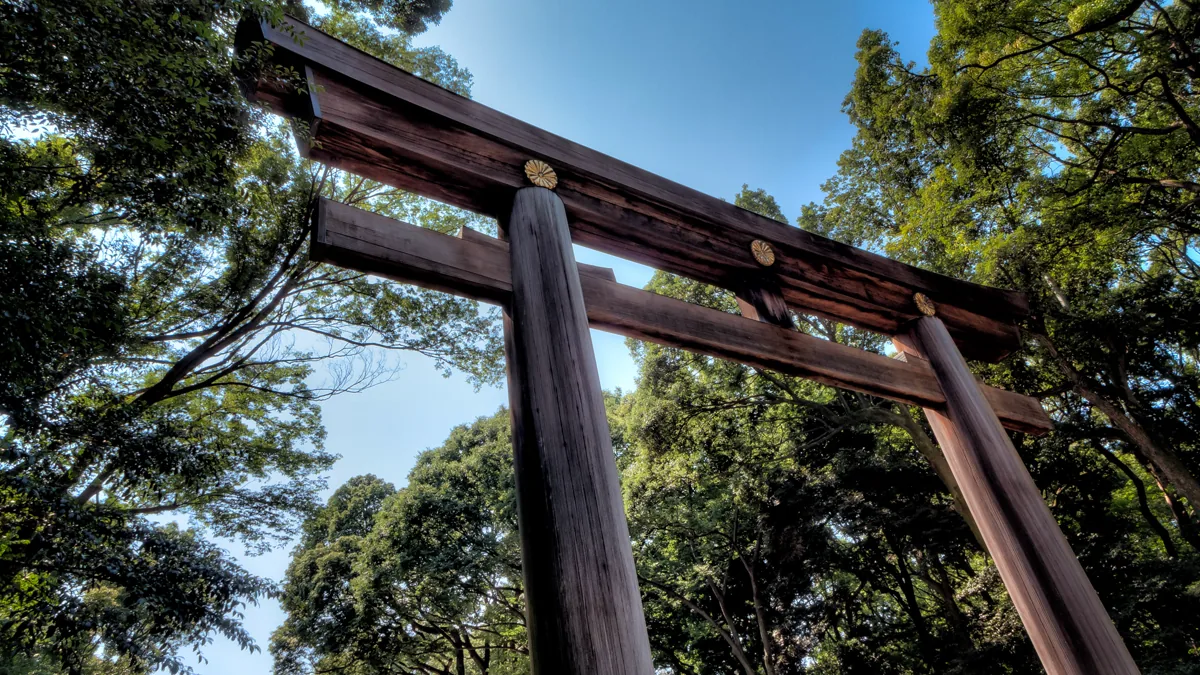
Meiji Jingu, warum 100.000 Bäume gepflanzt wurden, um einen Wald zu schaffen, der sich selbst erhält
Lohnt sich der Meiji Jingu? Wir haben 70 Reisestimmen gewichtet: 75% sagen ja, und japanische Bewertungen fallen mit 82% noch wärmer aus. Kostenloser Eintritt, ein 70 Hektar großer Wald, 1920 vollständig von Hand gepflanzt, mit dem Großen Torii und Kiyomasas Brunnen im Inneren Garten, mit Audioguide.
Meiji Jingu
9 Min.· 6 Kap.
Vor der ReiseUnterwegs
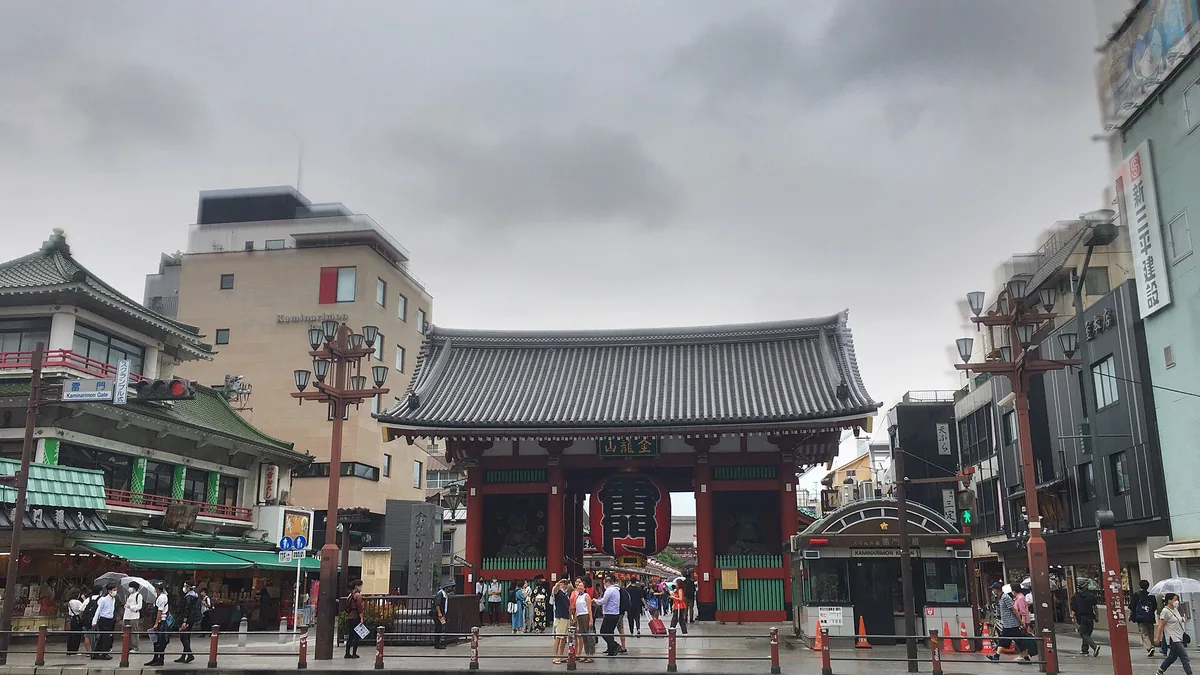
Zu Besuch im Senso-ji, Tokios ältestem Tempel
Lohnt sich der Senso-ji? Wir haben 125 Reisestimmen gewichtet: 54% sagen eindeutig ja. Öffnungszeiten, kostenloser Eintritt, wie viel Zeit du brauchst und warum die Menschenmenge schon immer Teil des Gebets war, mit Audioguide.
Senso-ji Temple
6 Min.· 5 Kap.
Vor der ReiseUnterwegs
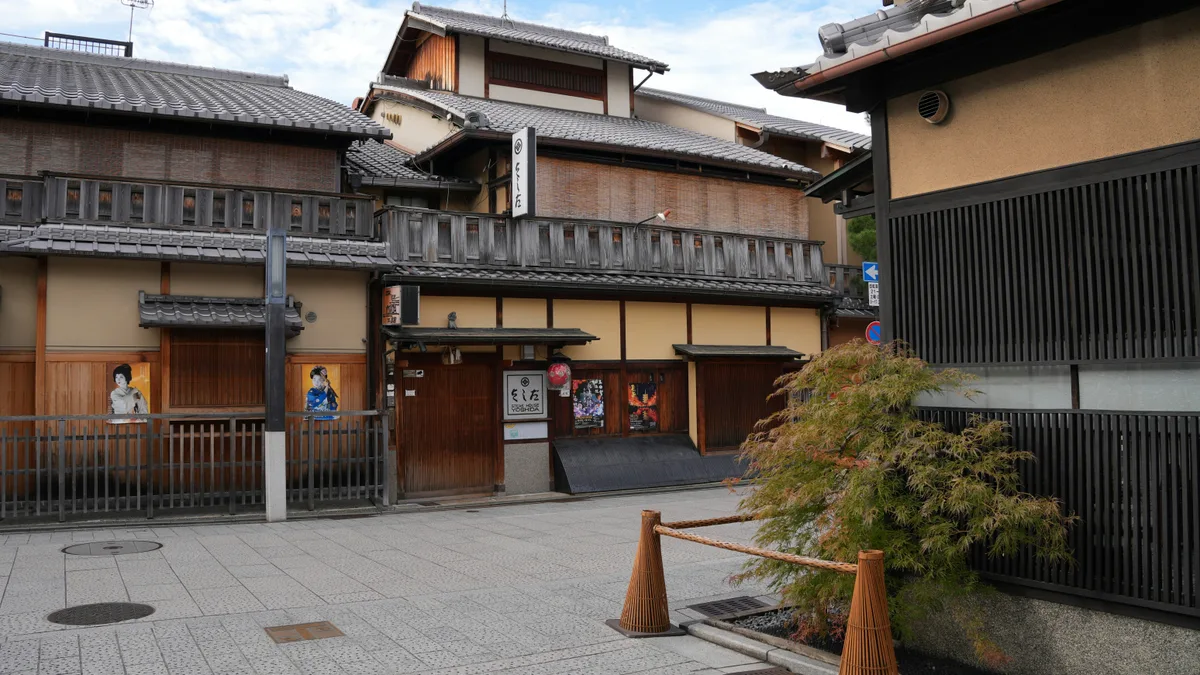
Gion — ein Spaziergang durch Kyotos Blumenviertel, eine Stadt, in der noch immer gelebt wird
Gion ist kein Themenpark, sondern Kyotos lebendiges Blumenviertel der Geiko und Maiko. Ein sanfter Spaziergang von Yasaka über Hanamikoji bis zur Tatsumi-Brücke.
Gion
13 Min.· 6 Kap.
Vor der ReiseUnterwegs
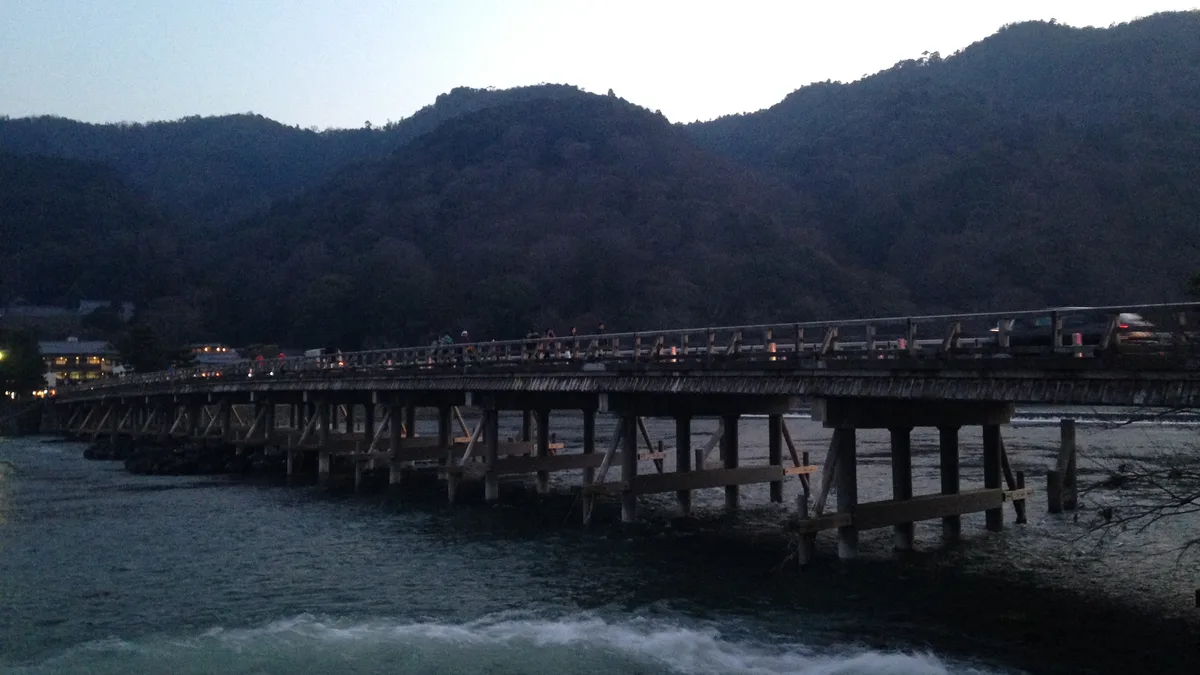
Arashiyama: Warum Japan diesen Bambuswald zu den Klängen zählt, die es bewahren will
Ein Audioguide für Arashiyama: der Bambus von Sagano, vom Land als einer von Japans 100 schützenswerten Klängen anerkannt, die Mondbrücke Togetsukyo und der Garten des Tenryu-ji, der sich den Berg leiht. Lassen Sie sich Zeit, gehen Sie weiter als die Menge und hören Sie einfach zu.
Arashiyama
8 Min.· 5 Kap.
Vor der ReiseUnterwegs
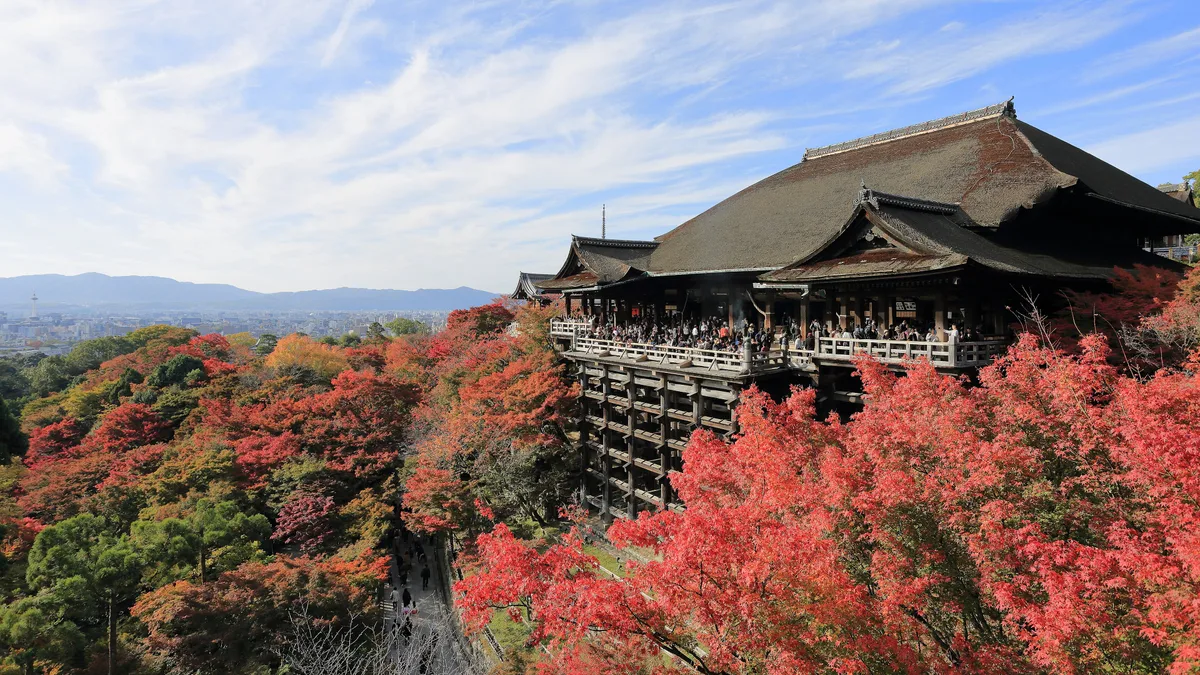
Kiyomizu-dera: Warum Menschen einen Hügel erklimmen, um auf einer Klippe zu stehen und sich etwas zu wünschen
Lohnt sich Kiyomizu-dera? 48 % von 55 internationalen und 76 % von 111 japanischen Stimmen sagen ja, wenn die Uhrzeit stimmt. Audioguide mit der Öffnung um 6 Uhr, den nächtlichen Illuminationen und hilfreichen Tipps.
Kiyomizu-dera Temple
11 Min.· 6 Kap.
Vor der ReiseUnterwegs
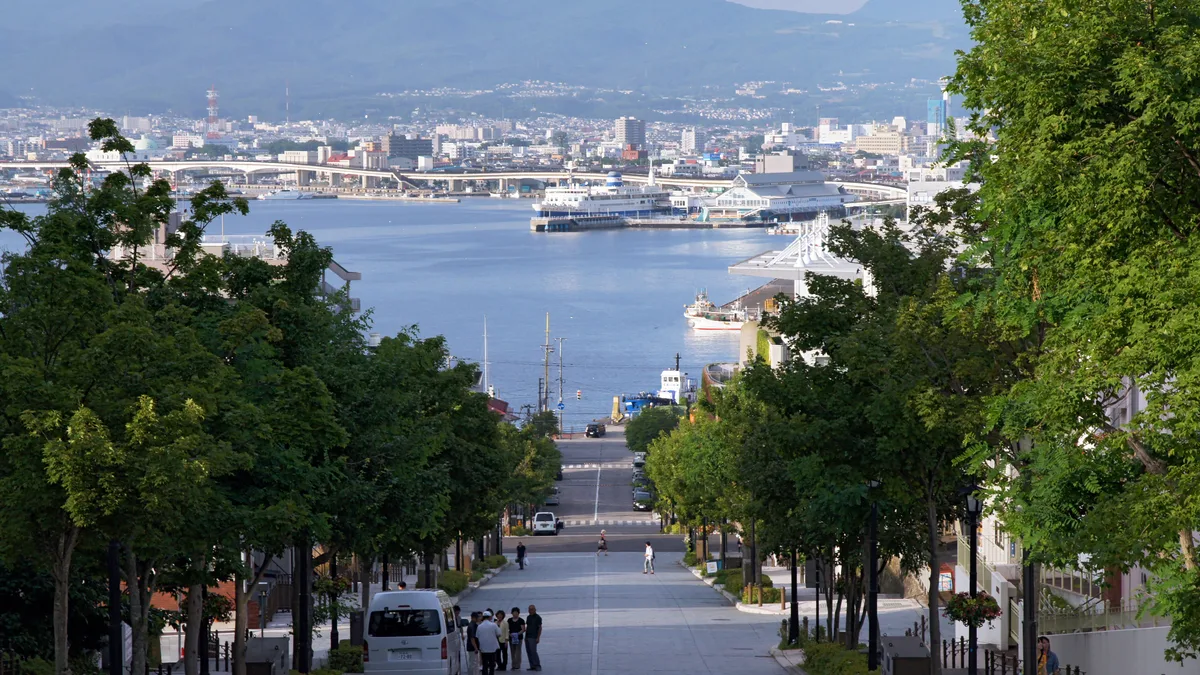
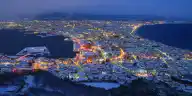
Hakodate: der Hafen im Norden, durch den sich Japan der Welt öffnete
Hakodate: einer der ersten Häfen, die Japan der Welt öffnete. Morgenmarkt, Kirchenhügel, Sanduhr-Nachtblick und die sternförmige Festung Goryokaku.
Hakodate
9 Min.· 5 Kap.
Vor der ReiseUnterwegs
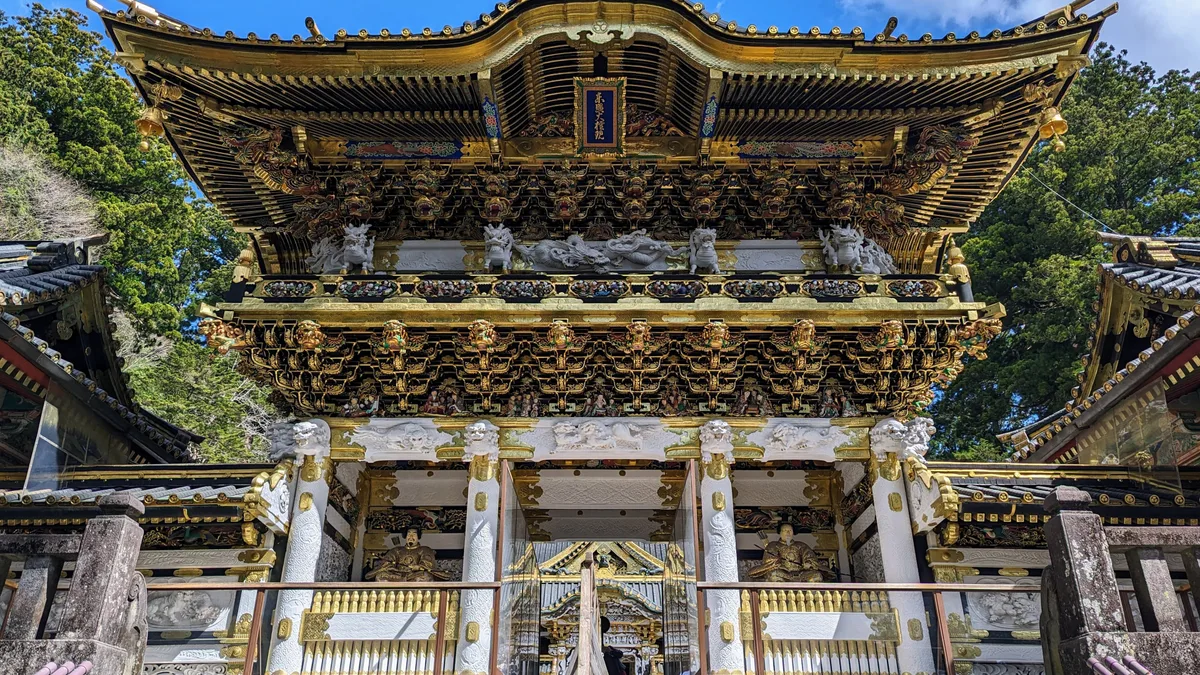
Nikko Toshogu — Warum eine Nation für einen einzigen Mann einen Wald in Gold hüllte
Kultureller Audioguide zu Nikko Toshogu: der Shogun, der zum Gott wurde, die drei Affen, gegen offizielle Quellen geprüft, mit Tipps zum Besuch.
Nikko Toshogu
Vor der Reise lesen
Wie Japan funktioniert
Lohnt sich der Senso-ji? Was Besucher und Menschen aus Tokio wirklich sagen
Wie Japan funktioniert
Lohnt sich Kiyomizu-dera? Es hängt fast ausschließlich davon ab, wann du hingehst
Wie Japan funktioniert
Lohnt sich Hakodate? Was Reisende und japanische Rezensenten darüber sagen
Wie Japan funktioniert
Lohnt sich der Kaiserpalast in Tokio?
Wie Japan funktioniert
Lohnt sich die Burg Hirosaki? Was Besucher und Einheimische ehrlich sagen
Wie Japan funktioniert
Lohnt sich Sapporo? Was Besucher und Einheimische wirklich hierherzieht
Mit einem anderen Plan kombinieren
Tokio & Umgebung, ein paar entspannte Tage
Die Hauptstadt und ihre Tagesausflüge — das alte Tokio, das Küstenstädtchen Kamakura, das Bergstädtchen Nikko — in gemütlichem Tempo
Kansai, ein paar entspannte Tage
Das ältere Herz Japans — Kyoto, Nara, Osaka — in gemütlichem Tempo
Herbstlaub, eine Reise, auf die Farbe abgestimmt
Kyoto zum Ahorn-Höhepunkt: und wie du die Uhr liest, nach der die Farbe läuft, damit du in ihr stehst, statt ihr nachzujagen
Tohoku, der tiefe Norden
Japans stiller Norden, gelesen so, wie Bashō ihn las: Sendai und die Bucht, die ihn verstummen ließ, ein Bergtempel und eine Taishō-Onsen-Nacht, die goldenen Ruinen von Hiraizumi und das hohe nördliche Burgland, langsam und nach der Jahreszeit
Quellen
- Japan Meteorological Corporation: Sakura-Vorhersage (Kirschblüte) (Richtung der Front, kaika/mankai, jährliche Schwankung)
- JNTO / Travel Japan: Berg Yoshino (30.000 Kirschbäume, vier Höhenbänder, heiliger Berg)
- JNTO / Travel Japan: „The Sakura Trail“, Berg Yoshino, Nara und Kyoto (Reiseplan)
- The KANSAI Guide: Kinpusen-ji, Shugendo und die Kirsche als heiliger Baum
- JNTO / Travel Japan: Maruyama-Park, Kyoto (der Trauerkirschbaum von Gion, yozakura)
- Tempel Ninnaji (offiziell): Omuro-Kirschen, Kyotos späteste Blüte
- Shinjuku Gyoen National Garden (Umweltministerium): Sorten und Blütezeit
- GO TOKYO: Offizieller Reiseführer für Tokio (Blütenplätze in Tokio, Präfekturverwaltung Tokio)
- JNTO / Travel Japan: Kirschblütenfest Hirosaki (Aomori)
- Amazing AOMORI (Offizieller Reiseführer für Aomori): Kirschblütenfest Hirosaki
- JNTO / Travel Japan: Kirschblüte im Goryokaku-Park, Hakodate
- HOKKAIDO LOVE! (Offizieller Tourismus von Hokkaido): Goryokaku-Park & Fest
- Kintetsu Railway (offiziell, Englisch): Anreise nach Yoshino
- JR-East (offiziell): Tohoku-Shinkansen & Verbindungssuche
- Smart-EX (JR-Central / JR-West): Shinkansen-Buchung & Fahrpreise
- JR-West: ICOCA (was es ist / kaufen / Kompatibilität)
- National Parks of Japan (Umweltministerium / JNTO): Parkregeln (keine Pflanzen mitnehmen; Müll wieder mitnehmen)