
This page is also available in English.Read in English →
이 페이지는 한국어로도 읽을 수 있습니다.한국어로 읽기 →
這個頁面也有繁體中文版。閱讀繁體中文版 →
这个页面也有简体中文版。阅读简体中文版 →
หน้านี้มีภาษาไทยด้วยอ่านภาษาไทย →
Trang này cũng có bản tiếng Việt.Đọc bằng tiếng Việt →
Halaman ini juga tersedia dalam Bahasa Indonesia.Baca dalam Bahasa Indonesia →
Cette page existe aussi en français.Lire en français →
Diese Seite gibt es auch auf Deutsch.Auf Deutsch lesen →
Esta página también está disponible en español.Leer en español →
Questa pagina è disponibile anche in italiano.Leggi in italiano →
いつ行くか
桜、その満開に合わせて時期を選ぶ旅
桜が導く、東京から京都へのゴールデンルート。そして、地元の人がするように動く前線を読む方法。予約できない日付が、旅のいちばんの見どころに変わります
最終確認: 2026-06-23
日数
東京から京都へのゴールデンルートに沿った4日間。桜に合わせて時期を選び、自由に組み替えられます。前線を追って東北・北海道まで北へ延ばすこともできます
ベストシーズン
東京と京都はたいてい3月下旬から4月上旬が見ごろ。そのあと前線は北へのぼり、4月下旬に東北(弘前)、5月上旬に北海道へ届きます
拠点
ゴールデンルート上のふたつの拠点。東京で数泊してから京都で二泊、あいだは新幹線で
移動手段
1枚のICカードで両都市の電車もバスもタッチできます。あいだは東海道新幹線でつながります(きっぷは別)。桜は予報であって決まりごとではないので、プランはゆるやかに構えておくのがおすすめです
このプランが合う人
- 初めての日本ぴったり
- リピーターぴったり
- 子ども連れよく合う
- ひとり旅ぴったり
- ふたり旅ぴったり
- ゆったりペースよく合う
行く時期Late Mar to mid-Apr
This window is the Tokyo-Kyoto golden route at peak — Tokyo in the last days of March, Kyoto a few days behind into early April. Arrive in the first half of April and the cities may be drifting down, but Yoshino's high slopes and the hill temples are still going. Come mid-to-late April or into May and the cities are green — but the front has moved north to Hirosaki (late April) and Hokkaido (early May), so the plan points you up the country to catch it.
桜の旅行はいつ計画すればいい? 東京と京都なら、3月最終週から4月初旬が定番の時期です。東京はその頃に満開(まんかい)を迎えることが多く、京都はそこから1週間ほど遅れて満開になり、それぞれ見頃は1週間ほど続いてから花が散っていきます。その時期を逃した場合も心配は要りません。桜前線は暖かい南から涼しい北へ、1日20〜30kmほどのペースで北上し、標高の高い場所ほど遅く咲きます。4月中旬から下旬でも京都の遅咲きの桜や吉野の山の桜はまだ楽しめ、前線は4月下旬に東北の弘前へ、5月上旬に北海道へと届きます。以下の4日間ルートは東京・京都の時期に合わせて組んでおり、日程が遅い場合に前線を追って北上するための案内も添えています。
桜を見に日本へ来る。これは、前もって完璧に予約しきれない唯一の旅かもしれません。でも、それは欠点ではなく、むしろこの旅のいちばん美しいところなのです。桜は自分のペースを崩しません。暖かい日が続いてはじめて花がひらき、満開の姿はほんの一週間ほど。そしてある日いっせいに、花吹雪になって散っていきます。何ヶ月も前から日付を決めることはできませんし、桜をいちばん愛する人ほど、決めようとはしません。天気を読むように桜を読むのです。春ごとに南から北へのぼっていく前線として見るわけです。そして桜がどこで咲いても動けるように、予定をゆるくしておくのです。前線が読めるようになると、不確かさがそのまま楽しみに変わります。
ですから、まず何よりも先に、あなたの日程を前線に重ねてみてください。3月最終週から4月はじめの数日に予約したなら、いちばんの見ごろのど真ん中です。東京はたいてい3月の終わりごろ、京都はその数日あと。このプランは、ちょうどその時期に合わせて組んであります。4月前半に着くなら、東京の街の桜はもう散りはじめているかもしれませんが、京都と山あいはまだ見ごろでしょうし、吉野の高く神聖な斜面はちょうど灯りはじめるころ。ですからこのプランは、南へ、そして山のほうへと寄せてあります。4月なかばから下旬、あるいは5月に来て、もう見逃したかもと不安ですか。まず、そんなことはありません。そのころには前線が北へ移って東北が見ごろになり(弘前城のお堀です)、5月はじめには北海道へ届きます。あなたが会いに来た桜は、まだそこにあります。ただ、もう少し北まで電車に乗るだけです。
わたしなら、東京から京都へのゴールデンルートに沿って旅を組みます。桜と、いちばんたどりやすい鉄道の線が、ちょうどそこで重なるからです。そして、その日その日を桜にゆだねます。手にしたチェックリストは、そっとしまって。もうひとつ、みんなが知っているのに見過ごしがちな秘密を。有名な公園はお昼どきには人でぎゅうぎゅうですが、開いたばかりの朝は静けさに満ちています。地元の人はたいてい、その早い時間に来ています。お花見は、ほんとうは大切な人たちと木の下で囲むピクニック。一枚のシート、コンビニのお弁当、いちばん若い人が夜明けに送り出されて良い場所を取る。いちばんの一本を探すことなんて、そもそも目的ではなかったのです。わたしならこう動きます、というかたちをこれから並べますので、ばらして、日程と前線の位置に合わせて組みなおしてみてください。
拠点をどこに置くか
これは東京、そして京都というふたつの拠点をめぐる旅で、東海道新幹線でつながっています。そして桜の旅では、どの街のどこに泊まるかより、何時に宿を出るかのほうがずっと大事です。静かな桜並木になるか、掲げたスマホの林になるかは、場所より時間で決まります。
東京では、JR山手線の沿線かその近くに宿を取ります。新宿、東京駅、渋谷あたりなら、桜の名所がどれも乗り換えなしで行ける距離です。新宿なら新宿御苑まで数分。千鳥ヶ淵のお堀や目黒川沿いも、輪のどこからでも気軽にひとっ飛びです。(街なかの公園については1日目で詳しく。)
京都では、いちばん動きやすい京都駅の近くに泊まるか、東山に泊まって、東の寺々とその桜の中で目を覚ますのもいいですね。八坂神社の裏手、祇園の上手にある円山公園のあの大きなしだれ桜の下や、哲学の道に、日帰りの人たちが来る前に立てるくらいの近さです。
どちらにしても、いちばん大切なのは夜明けです。 提灯の連なる目黒川、京都の哲学の道、吉野の稜線。お昼にはとても無理に思える場所も、開いたばかりの最初の一時間は静かで、はっとするほど美しいのです。そしてそれこそ、地元の人が自分たちのために取っておく時間。一日だけ早起きすれば、混雑した写真では見られない桜に出会えます。
東京 — 3月下旬
新幹線でおよそ2時間15分京都 — 4月はじめのころ
およそ2時間、そこから何日もかけて山をのぼる桜吉野 — 4月上旬から中旬、斜面をのぼって
前線、およそ3週間北へ弘前(東北) — 4月下旬
さらにおよそ1週間北へ北海道 — 5月上旬
移動ときっぷ
まずICカードを用意しましょう。チャージ式のタッチカード(Suica、PASMO、ICOCAのどれでもよく、全国どこでも使えます)があれば、どちらの街でもきっぷのことはほとんど考えずにすみます。タッチして入り、タッチして出れば運賃はおまかせ。JR、東京メトロと都営地下鉄、京都の地下鉄、市バス、私鉄まで、この旅の桜の名所へ向かうすべての区間をカバーします。
ふたつの街のあいだは、東海道新幹線が大役を担います。東京か品川からまっすぐ京都まで。ひとつ知っておきたいのは、ふつうのICカードでは新幹線の改札はタッチできないこと。Smart-EXに登録するか、別にきっぷを買います。(所要時間と予約方法は下の「知っておきたい」欄に。)
そして桜ならではの話を。 桜は予報であって、決まりごとではありません。気象会社や観光協会の発表は、前線がだいたいどのあたりにあるかを読むのにとてもありがたいものですが、暖かい週、寒い週があるたびに動きますし、開花情報を一時間おきに追いかけていると、桜の下で過ごすはずの時間がスマホの画面に消えていきます。わたしなら、前線を確認するのは一週間ほど前に一度だけ。街か山か、南か北か、どちらへ寄せるかを知るためです。あとはプランを信じて、顔をあげます。日程が早すぎたり遅すぎたりしても、下の「北へ延ばす」メモがお守りになります。前線はいつも、どこかで燃えあがっているのですから。
東京、街じゅうが外に出る一週間
1日目は、何時に動くかで決まります。東京の桜は有名な一本の木にとどまらず、街まるごとがいっせいに屋外へあふれ出すものだからです。午前は、早い時間だから味わえる静けさのために。午後は、お花見のいちばんにぎやかな時間のために。花びらの下に広げられたシート、まわされていくお弁当、働きづめの街が、一週間だけ自分に休みを出したような光景です。緑の中で静かに一日をはじめたいなら、明治神宮の森は新宿・原宿側から数分。有名な桜は公園に出そろっていますが、神宮の杜は街のいちばんやさしい始まりです。一日じゅう心に留めておきたいことがひとつ。花びらは自然に散るにまかせましょう。散る花の写真のために枝をゆらすと、木を傷めてしまいます。
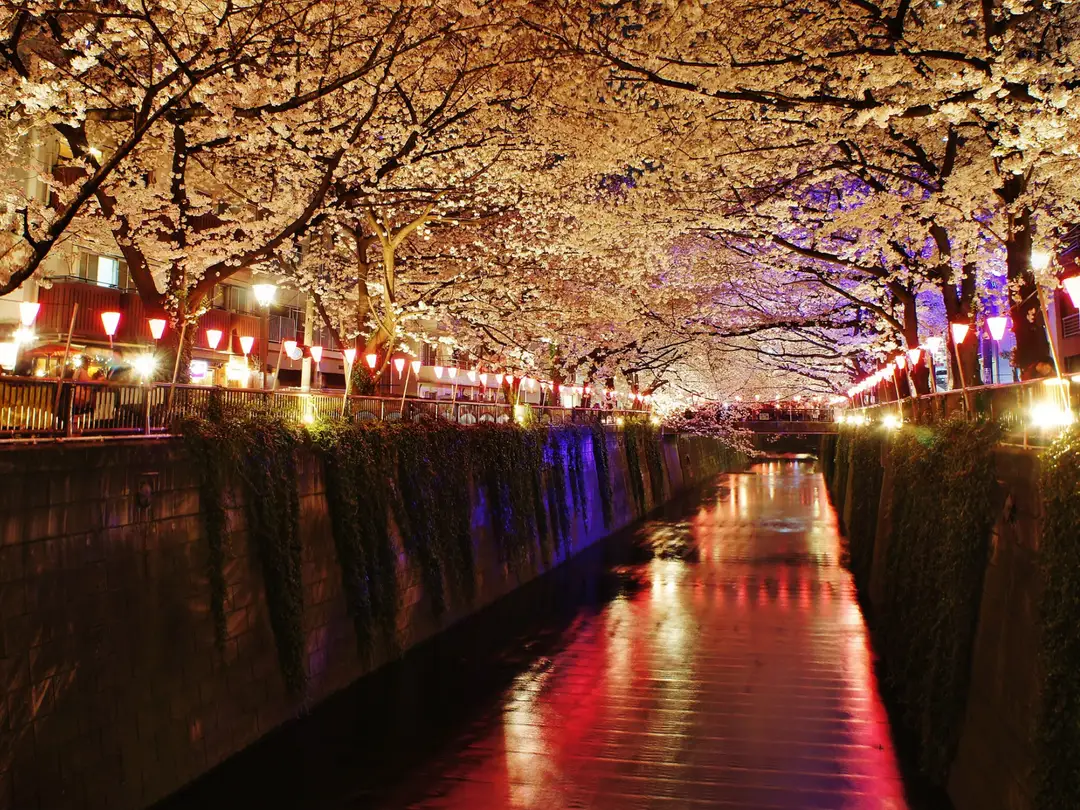
- 07:30人が来る前の、目黒川目黒川は細い運河で、桜の木が二キロほど水の上に大きくアーチをかけ、提灯が連なります。夜明けにはほとんど貸し切りのようですが、午後には肩と肩がふれあうほど。中目黒駅(東京メトロ日比谷線/東急東横線)を降りればすぐそこです。早朝に歩く値打ちが、この道にそのまま出ています。(目黒の詳しいガイドは準備中です。)
- 午前おそめ千鳥ヶ淵のお堀皇居の北西のお堀、千鳥ヶ淵へ。桜が水の上に身を乗り出し、その下で人がボートを漕ぐ、長い緑の遊歩道です。この国でもっとも撮られる桜の風景のひとつ。九段下駅(東京メトロ/都営)まで数分です。ボートは見ごろには長い列ができるので、夜明けに行くか、思いきってあきらめるかのどちらか(ファクトボックスをご覧ください)。(千鳥ヶ淵のガイドは準備中です。)
- 午後好みで選ぶお花見。上野か新宿御苑か同じ伝統のふたつの顔。気分で選んでください。上野公園はにぎやかな主役です。千本あまりの木の下、通路はピクニックの輪でぎっしり、にぎやかで陽気。新宿御苑は静かな対の顔。入園券のいる庭園でお酒は禁止、広い芝生、そして桜の種類がとても多く(2月の早咲き、主役のソメイヨシノ、4月なかばから下旬までの遅咲き)、街の主役の波が過ぎても、たいてい何かしらが咲いています。どちらも山手線でひとっ飛び。(どちらも詳しいガイドは準備中です。)
- 夕方浅草、隅田川のほとり古い東の下町でしめくくりを。隅田公園の桜は浅草のそばで川の両岸に連なり、水の向こうにはスカイツリーがそびえ、近くには浅草寺が灯ります。長い初日のあと、光が暮れていくのを眺めるのにぴったりの、肩の力が抜ける場所です。浅草駅(銀座線/都営浅草線)はすぐそこ。関連ガイド:浅草寺。
南へ京都へ。東京より数日おそい桜へ
2日目は移動日ですが、この旅の考え方がいちばんよく分かる日でもあります。東京の桜がちょうど散りはじめるころ、京都の桜はたいてい数日おそい。だから新幹線で南へ走ることは、桜の中を「さかのぼって」いくことでもあるのです。わたしなら午前を、地元の人がするやり方で味わう最後のゆっくりした東京のお花見にあて、それから昼すぎの電車で京都へ移り、東山へ。そして夜に浮かぶ一本の桜の下で一日を終えます。
- 午前もう一度、土地のやり方でお花見を移動なし、急ぎなし。コンビニでお弁当とあたたかい飲みものを買い、拠点の近くの公園を見つけて、この街の人たちと同じように、一時間ほど木の下にすわってみてください。お花見でいちばん大事なのは、完璧な構図より、急がない時間を過ごすことです。もののあはれ、つまり桜がこんなにも早く散る「からこそ」日本人が見いだすあの切ない美しさを、いちばんやさしく読み解く時間です。ごみは持ち帰りましょう。公園がわざとごみ箱を少なくしているのです。
- 昼すぎの早い時間東海道新幹線で京都へ東京駅か品川駅から、東海道新幹線がまっすぐ京都まで走ります。桜の季節は座席を予約しておきましょう。電車は満席になります。(ふつうのICカードでは新幹線の改札はタッチできません。所要時間と予約方法は下の「知っておきたい」欄に。)
- 午後おそめ鴨川沿いに東山へ荷物を置いたら鴨川のほとりを歩いてみてください。京都の人たちが東山の丘を背に、桜の木の下の草の上にすわりに出てきます。東京の公園より、やわらかく控えめな桜。暗くなる前に街を感じるのにぴったりの時間です。
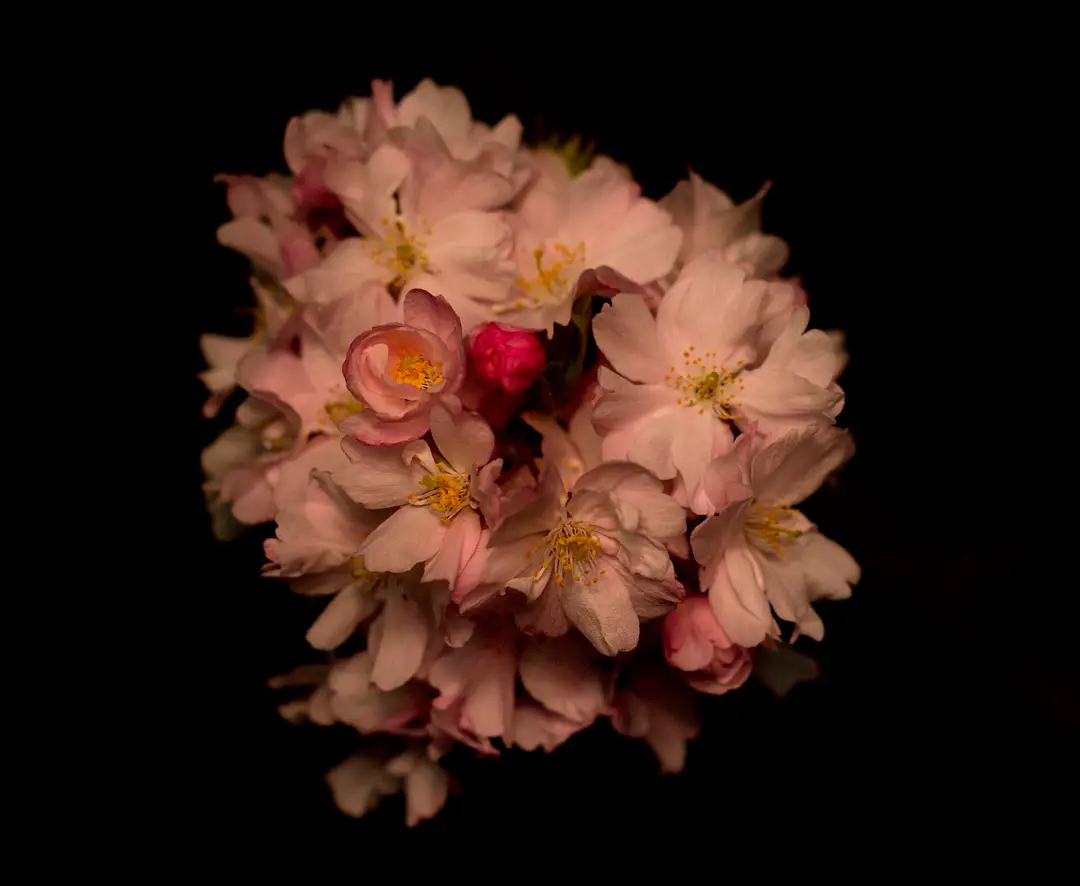
- 夕方円山公園の夜桜八坂神社のちょうど裏手、祇園の上手にある円山公園の大きなしだれ桜。何世代にもわたって京都でいちばん有名な一本であり続けたこの木が、桜の季節には夜になるとライトアップされます。夜桜は、それだけでひとつの世界です。同じ花が黒い空を背に、光をまとって、どこか現世のものでないような美しさに変わります。関連ガイド:祇園。
京都の桜と、もう一度あの早い時間
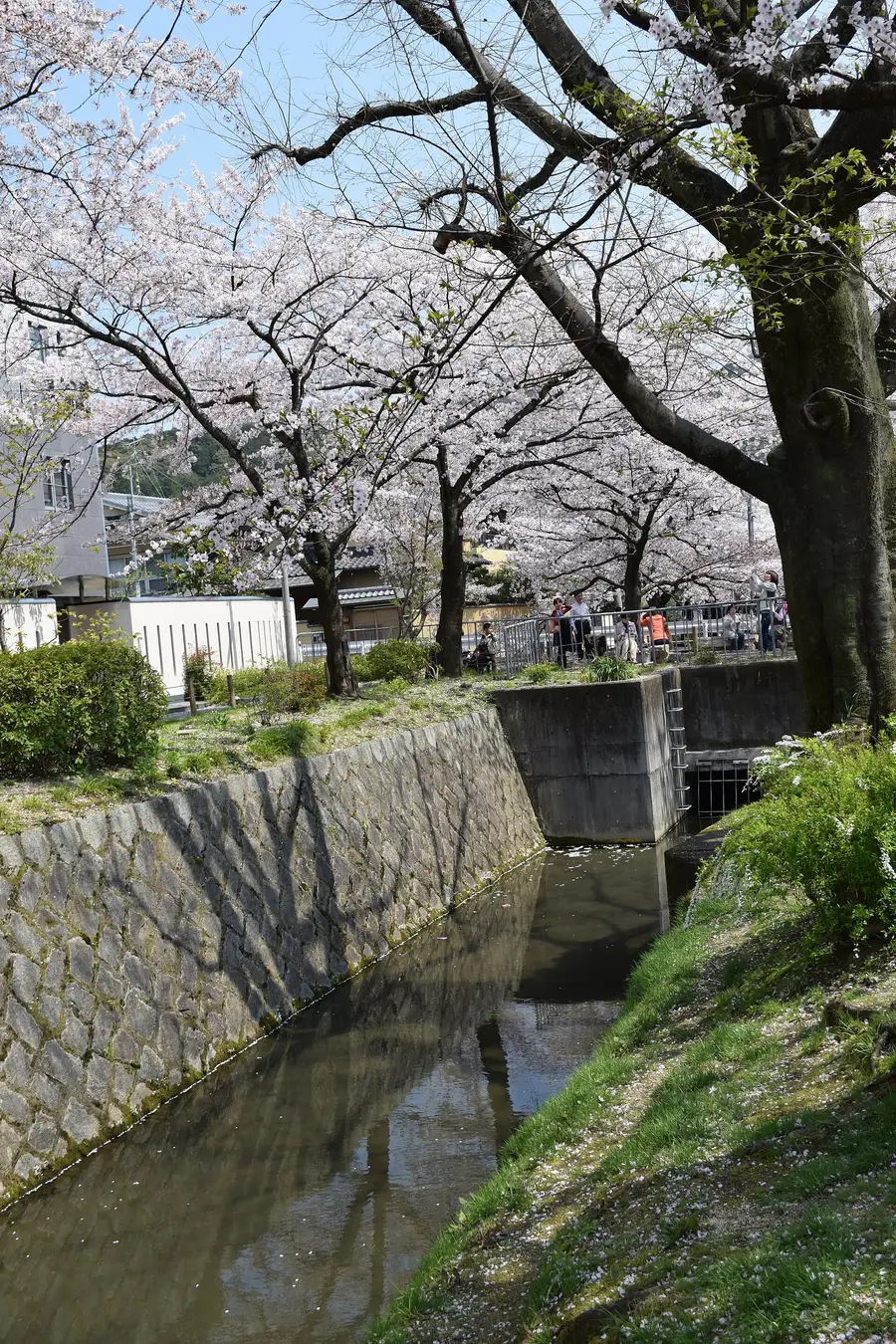
3日目も、動く時間しだいです。夜明けの教えは京都でも東京と同じ。ただ、桜があるのは公園というより、寺や川沿いです。わたしなら、花びらがまだ水の上に浮かび、運河がまだ人けのない哲学の道で一日をひらき、西の嵐山へ移って、午後には東山の斜面をのぼっていきます。ここの桜はもっと静かで、年季が入っているように感じられます。そしてここでも、得をするのは早く来た人です。
- 07:30夜明けの哲学の道北の東山にある石づくりの運河沿いの道。ずっと桜が連なり、花びらを水面に落とし、やがて川面そのものがピンクに染まります。午前なかばには人の列になりますが、明けはじめの光の中では黙って歩ける道です。それこそがこの名前のいわれでもあるのでしょう。中心部から徒歩か、短いバスで。(哲学の道のガイドは準備中です。)
- 午前なかば嵐山と渡月橋西の嵐山へ。渡月橋の上から見わたすと、松のあいだに山桜が点々と混じる斜面が見わたせ、川のほとりは桜であふれます。有名な竹林は数分の距離で、ここも、早朝に行くのでなければ見送ってよい場所です。JR嵯峨野(山陰)線で嵯峨嵐山へ。関連ガイド:嵐山。
- 午後東山の斜面をのぼって清水へ東へ戻り、清水寺の丘へ。大きな木の舞台が谷にせり出し、その谷が春には桜でいっぱいになります。のぼり坂は、食べ歩きをしながらのゆっくりした道のり。桜の季節にはお寺が特別な夜間拝観を行うので、灯りに照らされた姿を楽しみに残っていくこともできます。関連ガイド:清水寺。
- 夕方川沿いの夕食鴨川のほとりへ下りれば、先斗町の細い路地や川沿いの店が、気楽で心地よいしめくくりになります。灯りに照らされた桜、そばを流れていく水。夜明けからのスタートだったので、わたしなら静かにしめくくります。
前線が目に見える日。仁和寺か吉野か
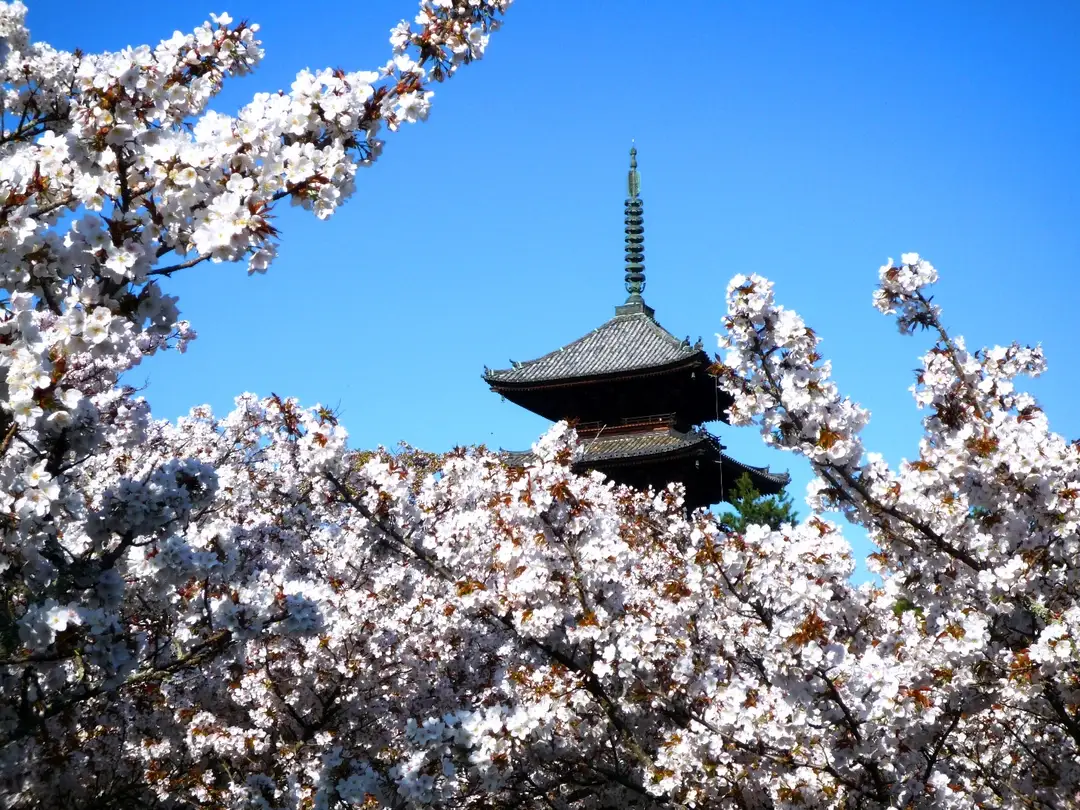
4日目は、この旅で言いたかったことが目で見える日です。どちらを選んでも分かるのは、桜が一瞬ではなく順番に咲いていくものだということです。京都の主役の波が過ぎてしまっても、まだ桜は見つかります。そして、それが山ひとつぶんで見られるのは、吉野くらいです。どちらが「正解」ということはありません。日程と、その日の元気しだいで合うほうが変わります。
- 選択その一。京都の午前仁和寺の遅咲き、御室桜仁和寺の御室桜は、京都じゅうでいちばん遅く咲く桜です。たいてい4月なかばに満開になり、街のソメイヨシノがとうに散ったころ。めずらしく低く育ち、頭の高さをようやく越えるほどなので、見あげるというより、桜の雲の「中を」かき分けて歩きます。日程が遅くなったときに頼りになる、京都の最後の桜です。888年創建の、静かな世界遺産の寺にあります。(仁和寺のガイドは準備中です。)
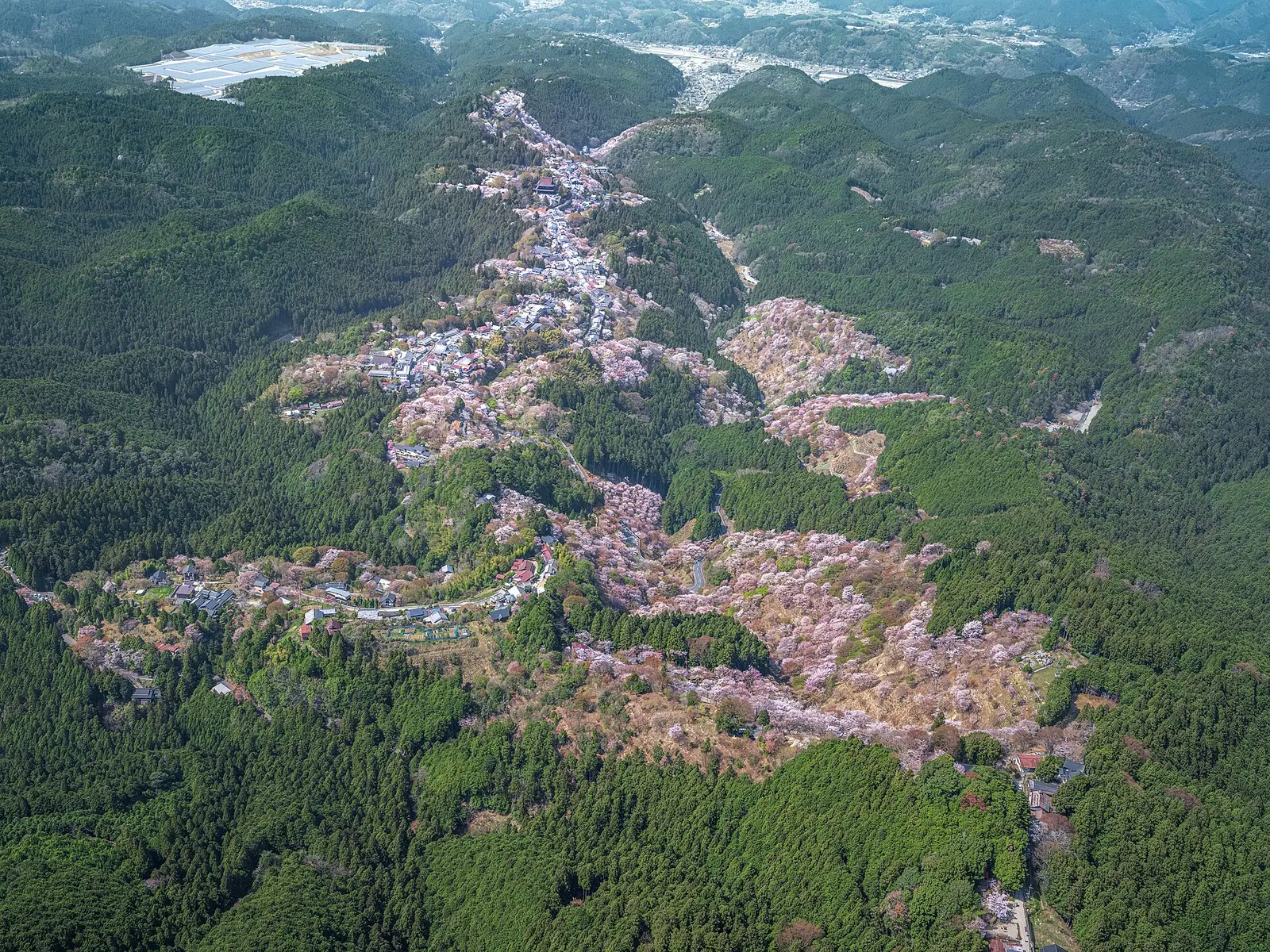
- 選択その二。まる一日の遠出吉野、奉納の桜の山奈良の南にある吉野山は、斜面に約三万本の桜をいだいています。しかもこの桜は、観光のために植えられたものではないのです。千年以上ものあいだ、巡礼者たちが桜の苗を奉納してきました。桜がこの山の神さまの神木だからです。桜は高さの違う四つの帯に植えられました。下千本、中千本、上千本、そして奥千本と、ふもとから山上まで。だから桜は約二週間かけてリレーのように山をのぼっていきます。北上していく前線まるごとが、見上げながら歩ける一つの斜面に収まっています。ロープウェイとバスが上まで運んでくれます。京都や大阪から近鉄で行けます(ファクトボックスをご覧ください)。関連ガイド:吉野。
- どちらにしても木の下で、やわらかくしめくくりをどちらを選んでも、わたしなら夕方は、桜の木の下で過ごす最後の一時間のためにあけておきます。川沿いのひとつの席、まだ色を残している静かなお寺。この季節は、五つを駆け足で回るより、満開の一か所に長くいるほうが心に残ります。
もう1日あるなら
+1日日程が遅めになってしまったとき、あるいは、待つよりも桜のあとをついていきたいとき。前線はいつも、もっと北のどこかで灯っています。そして、それを追いかけるのがいちばん楽しいところです。
吉野、4日目に選ばなかったなら。神聖な山をのぼるリレー(ふもとの斜面は4月上旬、奥深い上のほうの林は4月なかばから下旬)は、街々が緑に変わったころには、それだけで訪れる価値があります。
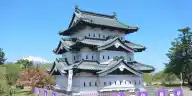
北へ、青森の弘前城。前線が4月の最後の数日に届きます。公園には、東北で唯一現存する天守のまわりに、五十あまりの種類の約2,600本の木。庭師がりんご農家の剪定技術を取り入れているので、枝はふだんの倍近く花をつけ、散った花びらが堀いちめんを覆い、ピンクの花筏になります。東北新幹線がまっすぐのぼっていきます。
さらに北海道へ。季節が5月上旬に終わる場所です。函館では、桜が五稜郭の星形の堀をふちどります(上のタワーから、あるいは下のボートから眺めるのがいちばん)。札幌の円山公園が5月上旬に続き、松前の有名な桜林が5月なかばにいちばん最後を飾ります。どれも、南で見たはずの同じ桜が、ただ何週間かおくれてやってくるだけ。あなたの日程に合う一箇所を選んでください。
1日足りないなら
−1日時間が足りなくても、二日あればこの旅の大事なところは味わえます。東京の夜明けをひとつ、京都の夜明けをひとつ、あいだは新幹線で。どちらかの街で一日しかないなら、わたしなら早朝の散歩ひとつ(光がのぼるころの目黒か哲学の道)と、夜桜の下の夕方ひとつに使い、駆け足の三日より、そのほうがずっといい一日になります。桜の旅は、十を数えあげることよりも、一本の木の下にすっかり身を置くことにごほうびをくれます。花はどのみち一週間で散ります。だからこそ、その下でしばらく立ち止まってほしいのです。
ここから足をのばす
その先へこのプランは、関東と関西のルートプランを春向けに組みかえたものです。同じふたつの街を、地図に代わって桜が導くだけ。ですから、もっと日数がほしくなったら、そのまま、もっと長い周遊に組み込めます(奈良公園の鹿たちも、大阪城のお堀も、どちらも桜に縁どられていて、関西側にすっとはまります)。北へは、上の東北・北海道の区間が、街々の桜が終わったあとも何週間か遅い前線を運びます。東京の北では、日光の高い社寺の町が、平地よりおそく咲きます。標高が高いところほど遅い、という同じ順番です。秋のほうがよければ、同じ作りの紅葉版もあります。紅葉の旅は、まったく同じ前線を逆向きに読みます。11月、色が国じゅうを「下って」いくのです。
WMJSは日本人が英語で書き、AIの力を借りて日本語にしています。日本人の目で確かめていますが、翻訳の癖が残っている文があるかもしれません。気になる一文があれば教えてください。一文で十分です。
ありがとうございます。ひとつひとつ、人が読みます。
知っておきたい、運賃と所要時間
桜は動く前線(桜前線)
桜はまず暖かい南(沖縄と九州)で咲きはじめ、春のあいだ、波のように北海道へ向けて北上します。おおよそ一日20〜30キロ。低いところより高いところにおそく届くのも特徴です。日本の気象会社は、基準となるソメイヨシノの開花を、冬の気温や標高を織りこんで、全国千ヶ所ほどで予想します。
日本気象株式会社 — 桜の開花予想確認時点: 2026-06
予報であって、決まりごとではありません
満開はたいてい、最初の花が開く開花から一週間ほどでやってきて、花びらが散るまでほんの一週間ほど続きます。正確な日付は、晩冬から早春の天気によって毎年ずれるので、発表される予想は動くものだと思ってください。一日に狙いを定めるより、一週間前に流れを見るのがおすすめです。
日本気象株式会社 — 桜の開花予想確認時点: 2026-06
東京と京都(いちばんの見ごろ)
ふつうの年なら、東京は3月の最終週に満開になり、京都は4月の第一週あたり。数日おくれです。だからこそ、南へ向かう新幹線に乗ると、もう一度咲きはじめの桜に会えます。どちらの窓も短く、ピークはおよそ一週間です。
日本気象株式会社 — 桜の開花予想確認時点: 2026-06
新宿御苑 — 長い桜の窓
環境省の庭園には、多くの種類の桜が約1,000本あり、次々と咲きつぎます。2月の寒桜、主役のソメイヨシノが3月下旬から4月上旬、そしてイチヨウやカンザンなどの遅咲きが4月なかばから下旬まで。ですから、ピークを外れても、たいてい何かしらが咲いています。静かな有料の庭園で、お酒は持ち込めません。
新宿御苑(環境省)確認時点: 2026-06
千鳥ヶ淵と目黒 — 東京の定番の名所
千鳥ヶ淵は皇居の北西のお堀で、水の上に身を乗り出す桜と、その下のボートで知られています(ボートの貸し出しはピークには長い列に。早く行くか、あきらめるかです)。目黒川は中目黒駅の近く、運河の上に桜を約4キロ連ね、夕方には提灯に照らされます。どちらもICカードで、東京の山手線と地下鉄を使って行けます。
GO TOKYO — 東京公式トラベルガイド(東京都)確認時点: 2026-06
東京から京都へ(新幹線)
東海道新幹線で、東京か品川から、のぞみで京都までおよそ2時間15分。ふつうのICカードでは新幹線の改札はタッチできません。Smart-EX/EX-ICに登録するか、別にきっぷを買います。桜の季節は座席を予約しましょう。運賃は公式のSmart-EXサイトで。
Smart-EX(JR東海/JR西日本 公式)確認時点: 2026-06
東京と京都をまたぐICカード
1枚のICカード(Suica/PASMO/ICOCA、どれも相互利用できます)で、JR、東京メトロと都営地下鉄、京都の地下鉄、市バス、私鉄まで、ここに出てくる桜の名所へのすべての区間をタッチできます。ふたつの街をつなぐ新幹線だけが例外です(別のきっぷ/Smart-EX)。
JR西日本 — ICOCA(公式)確認時点: 2026-06
円山公園 — 祇園の夜桜
八坂神社のちょうど裏手、祇園の上手にある京都でいちばん古い公園。桜の季節に夜になるとライトアップされる大きなしだれ桜で知られています(ふつう3月下旬から4月上旬、夕方まで灯ります)。京都を代表する夜桜の風景のひとつです。
JNTO/Travel Japan — 円山公園(京都)確認時点: 2026-06
仁和寺 — 京都で最後の桜
仁和寺(888年創建のユネスコの寺)の御室桜は、京都でいちばん遅く咲く桜で、街のソメイヨシノが散ったあとの4月なかばがふつうのピークです。約200本の木は高さ2〜3メートルほどしかないので、人は花を見あげるというより、その中をかき分けて歩くことになります。この林は国の名勝に指定されています。
仁和寺(公式)確認時点: 2026-06
吉野山 — 四つの帯に三万本の奉納の桜
吉野(奈良)には約三万本の桜があり、この修験道の山の神さまに捧げられたものです。何世紀ものあいだ、巡礼者たちが苗を奉納として寄進してきました。桜は四つの高さの帯(下、中、上、奥千本、ふもとからいちばん奥まで)に植えられ、4月上旬のふもとから、4月なかばから下旬の上のほうまで、リレーのように咲いていきます。ユネスコ世界遺産「紀伊山地の霊場と参詣道」の一部です。
JNTO/Travel Japan — 吉野山確認時点: 2026-06
吉野への行き方
近鉄で。大阪阿部野橋から南大阪・吉野線で吉野駅まで、特急でおよそ1時間15分。京都からは橿原神宮前で乗りかえて、およそ1時間50分から2時間。吉野駅からは桜の季節にロープウェイとバスが山を上へ運びます。斜面には3〜4時間を見ておいてください。時間は運行会社のサイトで確認しましょう。
近鉄(公式、英語)確認時点: 2026-06
弘前さくらまつり(青森)
弘前公園は、東北で唯一現存する天守のまわりに、50を超える種類の約2,600本の木をいだきます。まつりはおおよそ4月下旬から5月上旬(2026年:4月17日〜5月5日、開花はふつう4月19日ごろ、4月下旬にピーク)。りんご園の剪定の技が枝にめずらしいほど密な花をつけさせ、散った花びらが堀を敷きつめることでも有名です(花筏)。
JNTO/Travel Japan — 弘前さくらまつり確認時点: 2026-06
東京から弘前へ
東北新幹線(はやぶさ)で東京から新青森までおよそ3時間20分、そこからJR奥羽線でおよそ40分で弘前へ。はやぶさは全席指定なので早めに予約を。ゴールデンウィーク(4月下旬から5月上旬)のころは座席がすぐ売りきれます。運賃と時間はJR東日本で。
JR東日本(公式)確認時点: 2026-06
北海道 — 前線の最後の一幕
北海道はおそいしめくくり。函館では4月下旬から5月上旬、桜が五稜郭の星形の堀をふちどります(約1,500本、ボートとタワーからの眺め)。札幌の円山公園が5月上旬に続き、松前の桜林が5月なかばにいちばん最後。5月上旬に道南で一週間過ごせば、何か所もまとめて見ごろに当たることがあります。
JNTO/Travel Japan — 五稜郭公園の桜確認時点: 2026-06
お花見を、やさしく
木のためにも、次に来る人のためにも、ふたつだけお願いがあります。花びらは自然に散るにまかせましょう(散る桜の写真のために枝をゆらしたり折ったりすると木を傷つけ、花を咲かせなくしてしまうことがあります)。そしてごみは持ち帰りましょう。桜の公園はわざとごみ箱を少なくしているからです。落ちてきた花びらを手で受けるのは楽しいものですが、枝を折れば木は傷みます。
日本の国立公園(環境省/JNTO) — 公園のルール確認時点: 2026-06
もっと深く知る
8分· 5チャプター
出かける前に歩きながら
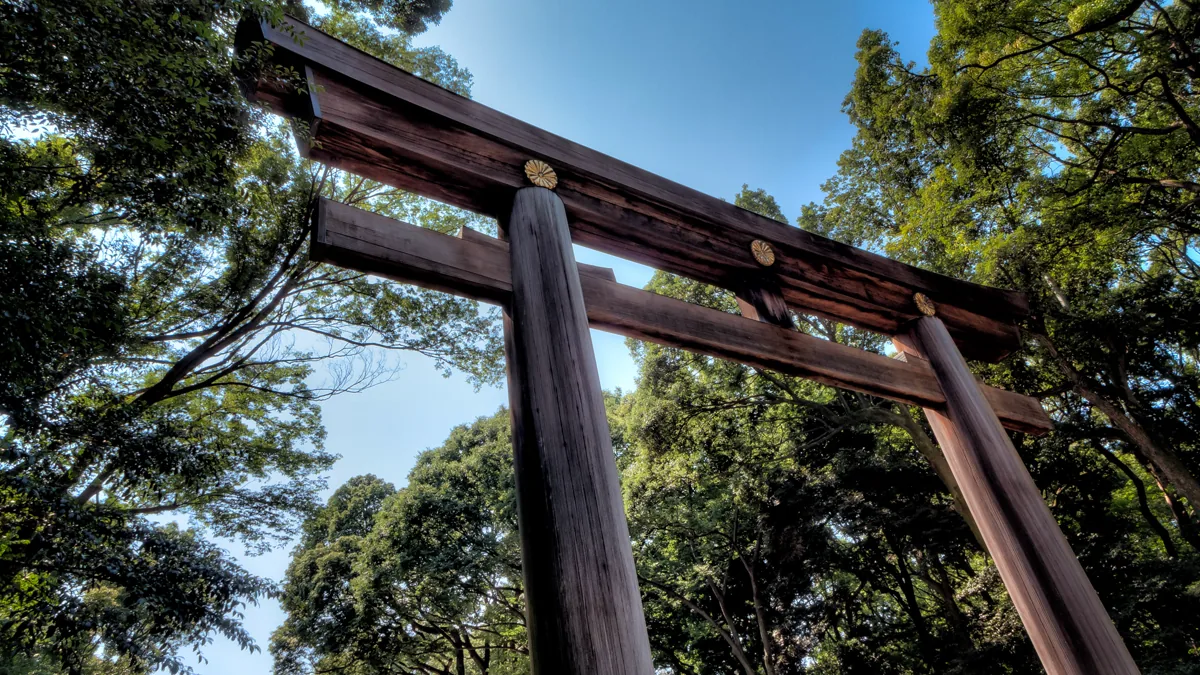
人の手で植えられた明治神宮の森を歩く
明治神宮は行く価値がある?訪れた海外旅行者70人の声は、重みづけで75%が「行く価値あり」、日本人のレビューはさらに温かく82%。入園無料で、1920年に人の手だけで植えられた70ヘクタールの森には大鳥居と御苑の清正井があり、その様子を音声ガイド付きでやさしく案内します。
Meiji Jingu
9分· 6チャプター
出かける前に歩きながら
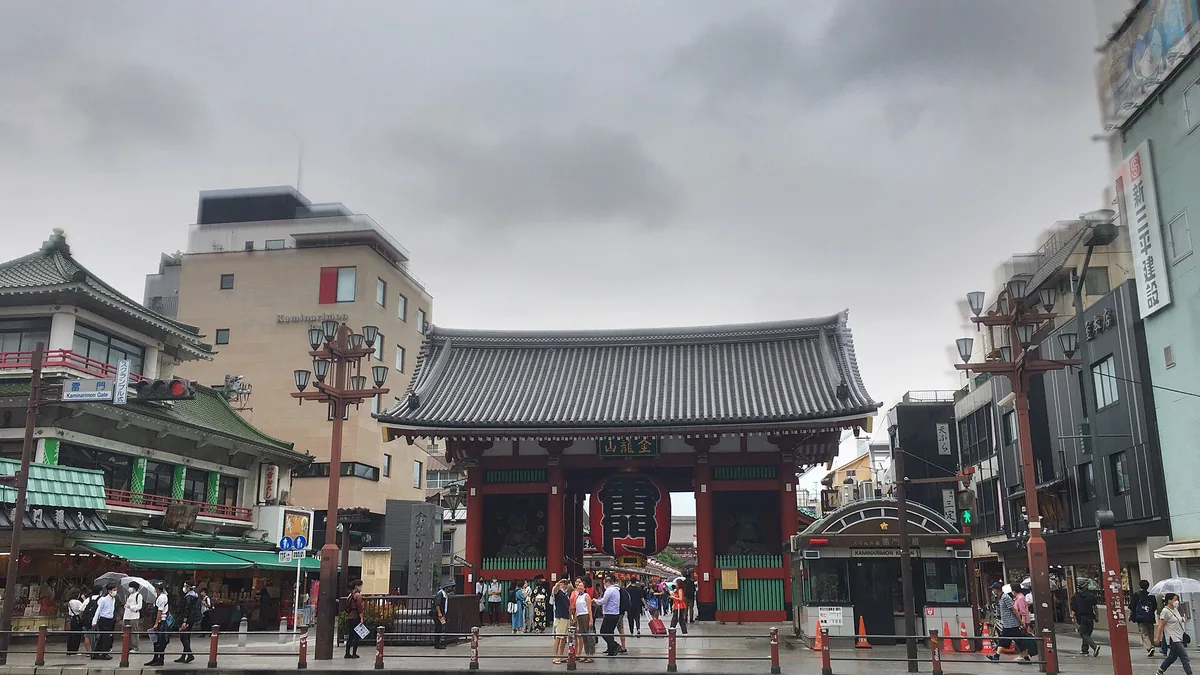
東京最古の寺、浅草寺を訪ねる
浅草寺は行く価値がある?訪れた海外旅行者125人の声は、重みづけで54%が「行く価値あり」と明言。拝観無料・境内24時間・所要時間の目安と、なぜ人混みがずっと祈りの一部だったのかを、音声ガイド付きでやさしく案内します。
Senso-ji Temple
6分· 5チャプター
出かける前に歩きながら
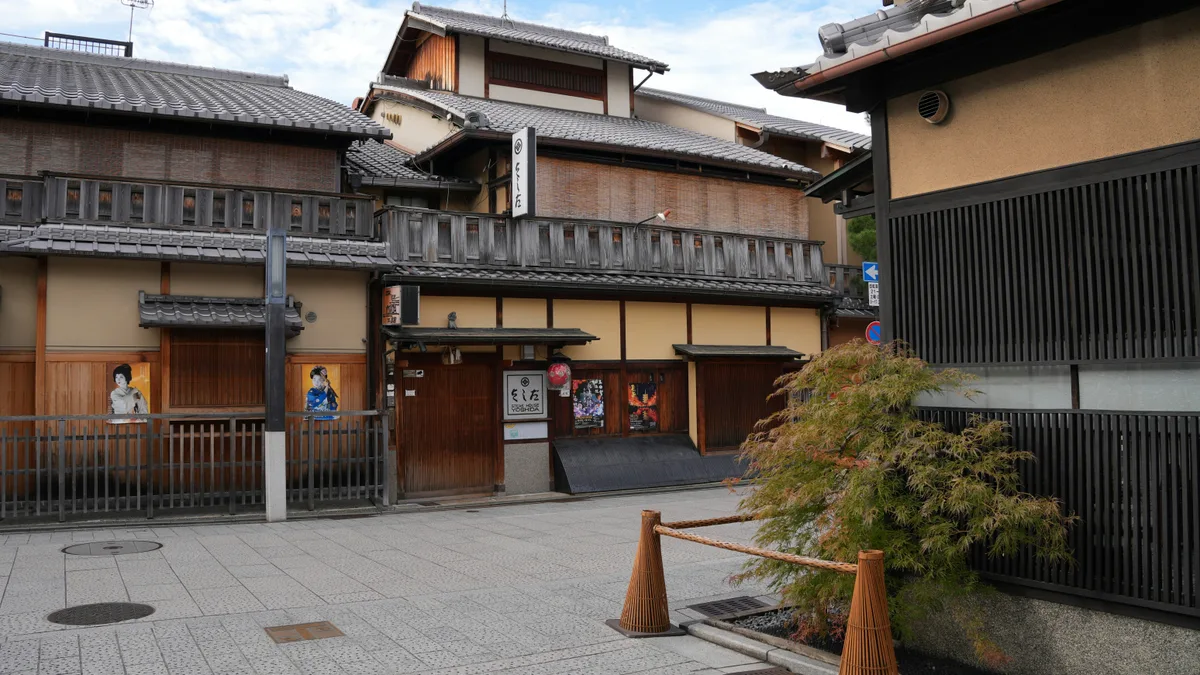
祇園の歩き方:八坂神社から花見小路、今も人が暮らす花街へ
京都・祇園への行き方ガイド。八坂神社から花見小路、白川まで。観光地ではなく今も人が暮らす花街を、マナーも交えてやさしくご案内します。
Gion
13分· 6チャプター
出かける前に歩きながら
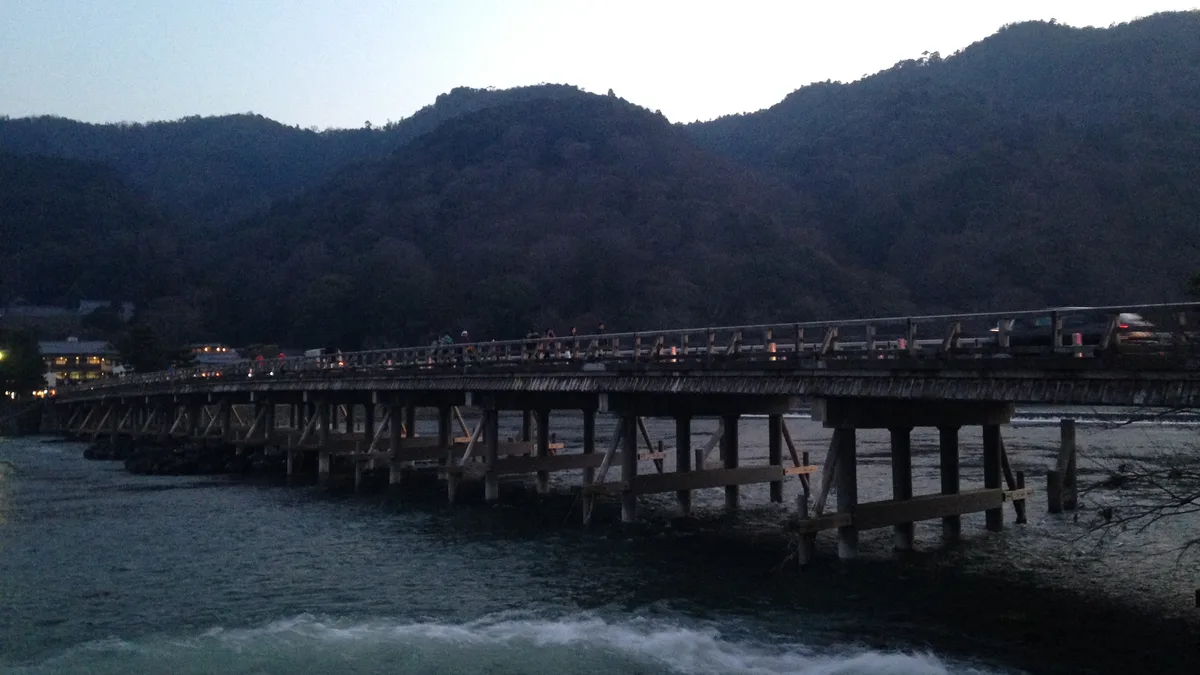
嵐山 ── なぜ日本は、この竹林を「残したい音」のひとつに選んだのか
嵐山を音声ガイドとともに歩く。嵯峨野の竹林は、日本が「残したい百の音風景」のひとつに選んだ場所。月が渡る橋・渡月橋、天龍寺が嵐山の峰を借りた借景の庭、そして人波から少し離れて目を閉じると聞こえてくる、千年変わらない風の音へ。急がない人にこそ、嵐山はやさしく応えてくれます。
Arashiyama
8分· 5チャプター
出かける前に歩きながら
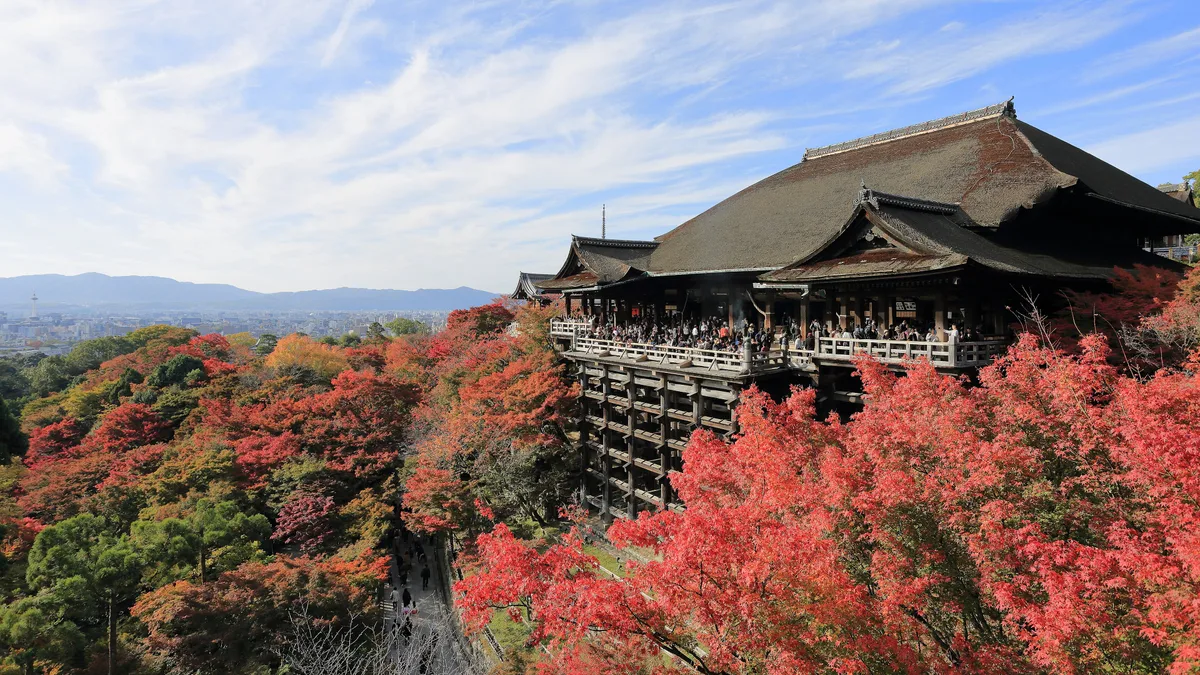
清水寺:なぜ人は丘を登り、崖の上に立って願いをかけるのか
清水寺は行く価値がある?外国人55人の声のうち48%が「行く価値あり」、日本人111人の声では76%とさらに温かい評価。決め手は時間帯です。公式資料に基づく音声ガイドで、朝6時の開門・夜間ライトアップ・安心して歩ける回り方をお伝えします。
Kiyomizu-dera Temple
11分· 6チャプター
出かける前に歩きながら
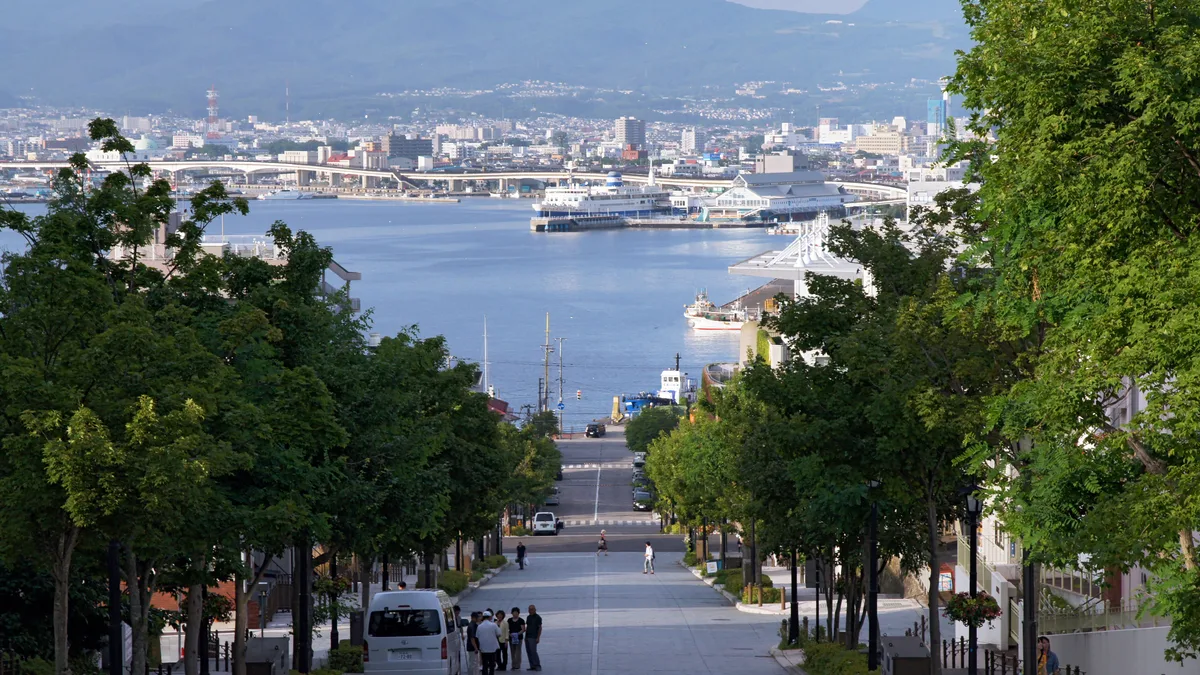
函館 — 日本が世界へ開いた、北の扉
函館の音声付き文化ガイド。1854年に世界へ開いた北の港を、地形がつくる砂時計形の夜景、朝市の勝手丼や活イカ、多くの信仰が集う元町の坂、星形の五稜郭から読み解き、訪れ方まで案内します。
Hakodate
9分· 5チャプター
出かける前に歩きながら
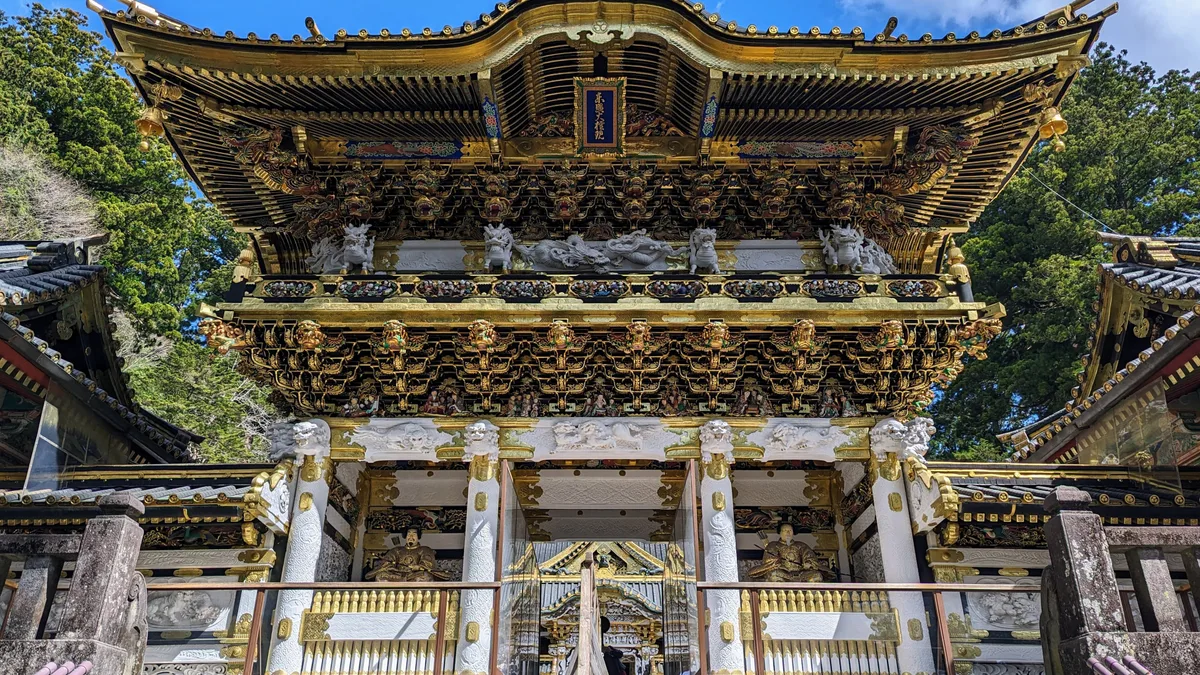
日光東照宮 — ひとりの男のために、なぜ国は森を金で覆ったのか
公式資料に基づく日光東照宮の音声文化ガイド。戦乱を終わらせ神になった将軍・徳川家康、見ざる言わざる聞かざるの三猿、二社一寺の拝観券や東京からの行き方まで、訪問の仕方をやさしくご案内します。
Nikko Toshogu
旅の前に読んでおきたい記事

ほかのプランと組み合わせる
情報源
- 日本気象株式会社 — 桜の開花予想(前線の向き、開花・満開、年ごとのばらつき)
- JNTO/Travel Japan — 吉野山(三万本の桜、四つの高さの帯、神聖な山)
- JNTO/Travel Japan — 桜のトレイル:吉野山、奈良、京都(旅程)
- The KANSAI Guide — 金峯山寺、修験道と神木としての桜
- JNTO/Travel Japan — 円山公園、京都(祇園のしだれ桜、夜桜)
- 仁和寺(公式) — 御室桜、京都で最後の桜
- 新宿御苑(環境省) — 種類と桜の窓
- GO TOKYO — 東京公式トラベルガイド(東京の桜の名所、東京都)
- JNTO/Travel Japan — 弘前さくらまつり(青森)
- Amazing AOMORI(青森公式トラベルガイド) — 弘前さくらまつり
- JNTO/Travel Japan — 五稜郭公園の桜、函館
- HOKKAIDO LOVE!(北海道公式観光) — 五稜郭公園とまつり
- 近鉄(公式、英語) — 吉野へのアクセス
- JR東日本(公式) — 東北新幹線とルート検索
- Smart-EX(JR東海/JR西日本) — 新幹線の予約と運賃
- JR西日本 — ICOCA(概要/購入/相互利用)
- 日本の国立公園(環境省/JNTO) — 公園のルール(植物を採らない、ごみは持ち帰る)