
This page is also available in English.Read in English →
이 페이지는 한국어로도 읽을 수 있습니다.한국어로 읽기 →
這個頁面也有繁體中文版。閱讀繁體中文版 →
这个页面也有简体中文版。阅读简体中文版 →
หน้านี้มีภาษาไทยด้วยอ่านภาษาไทย →
Trang này cũng có bản tiếng Việt.Đọc bằng tiếng Việt →
Halaman ini juga tersedia dalam Bahasa Indonesia.Baca dalam Bahasa Indonesia →
Cette page existe aussi en français.Lire en français →
Diese Seite gibt es auch auf Deutsch.Auf Deutsch lesen →
Esta página también está disponible en español.Leer en español →
Questa pagina è disponibile anche in italiano.Leggi in italiano →
日数
京都とその周辺で3日、色づきに合わせて。組み替えも自由で、北へ前線を追いかけたり、日本アルプスまで足をのばしたりもできます
ベストシーズン
京都の街なかのモミジは11月なかばから12月はじめが見ごろ。その上の山(高雄・大原)や日光・日本アルプスは、10月なかばから下旬と数週間早く色づきます
拠点
旅のあいだずっと京都に拠点をひとつ。乗り継ぎが楽な京都駅か、東の寺々に囲まれて朝を過ごせる東山
移動手段
ICカード1枚でJR・地下鉄・京阪・嵐電・京都の各バスに乗れます。とっておきの何ヶ所か(大原・高雄)はバスのみ、嵯峨野トロッコは別の指定席券です
このプランが合う人
- 初めての日本よく合う
- リピーターぴったり
- 子ども連れよく合う
- ひとり旅ぴったり
- ふたり旅ぴったり
- ゆったりペースよく合う
行く時期Mid-Nov to early Dec
This window is Kyoto's city-temple peak (Tofuku-ji, Eikando, the Arashiyama gardens). Come in late October or early November and the basin may still be green — but the mountains above and Nikko or the Japan Alps are already turning, so the plan points you up. Arrive mid-December and the city's peak is passing, with colour lingering longest in the sheltered southern gardens.
紅葉を目当てに日本へ来る旅は、ほかのどんな旅とも少し違います。場所ではなく、その一瞬を追いかける旅です。その一瞬は、千年前から日本人が読んできた季節の順番どおりにやってきます。秋は日本全体にいっせいには訪れません。北の高いところから、南の低いところへ少しずつ下りてきます。10月には北の山あいや高い山から始まり、盆地の街に届くのはいちばん最後、11月の後半になってから。この時間の流れを読めば、季節の全体が見えてきます。色づくのを待つより、色づいている場所へ行けばいいのです。
ですから、何よりもまず自分の日程を見てみてください。予約したのが10月下旬や11月のはじめの数日なら、京都の街なかのモミジはまだ青いままかもしれません。でも、それはむしろ行き先を教えてくれる合図です。色はすでに、もっと高いところや北のほうで燃えているのですから。だから下では、山のほうの行き先を中心に並べています(京都の高雄や大原、あるいは日光や日本アルプスまで)。着いたのが11月なかば過ぎから12月最初の週なら、ちょうど京都が色づく瞬間に立ち会えます。このプランの中心にある寺の庭が、秋のいちばんの見せ場です。12月なかば以降に来るなら、街の見ごろは過ぎつつありますが、色が消えるわけではありません。日当たりのよい低地の南の庭には、いちばん長く色が残ります。人ごみもとうに引いた、静かでやさしい季節の終わりです。
私ならこの旅は、ぜんぶ京都に拠点を置いて過ごします。有名なモミジの寺が密集していて、下に挙げた場所はどれもすぐそこです。最後にもうひとつ。みんなが必ず気にすることなので触れておきますね。たしかに、有名な場所は混みます。でも私たちが紅葉の季節について何百人もの日本人の本音を集めてみたところ、いちばん多かった気持ちは誇らしさではなく、「自分たちも人ごみに疲れている」というものでした。だから早い時間に行ったり、人の少ない場所を選んだりします。つまりこれが秘訣で、同じことが一日のなかでも起きています。真昼はスマホを構えた人でびっしり、開門直後は人けのない小径。私ならどう動くか、これから並べていきます。あとはご自分の旅に合わせて、ばらして組み直してください。
拠点をどこに置くか
私なら旅のあいだずっと京都に拠点をひとつ置いて、色のほうから来てもらいます。下に挙げる場所はどれも中心部からすぐ。秋の旅で本当に大事なのは「どの街に泊まるか」よりも「どれだけ朝早く出られるか」です。静かなモミジの朝になるか人にもまれるかは、場所より出る時間で決まります。
朝をとにかく身軽に動きたいなら、京都駅の近くに泊まります。 どの路線もここに集まるので、東福寺は南へひと駅、JR嵯峨野線に乗ればそのまま嵐山まで行けて、高雄や大原へのバスも駅前から出ています。開門の瞬間に寺の門をくぐりたいとき、まず乗り継がなくていいというのは大きな価値があります。
ホテルを出た瞬間にもう色のなかにいたいなら、東の山あいの東山に泊まります。 清水寺の坂や、南禅寺・永観堂のモミジの一帯まで歩いていける距離です。最初のバスが着く前に木の下に立てるくらい近く、夜間拝観の帰りにもわざわざ移動を計画せずにふらりと戻れる近さです。
どちらにしても、いちばん効くのは夜明けです。 真昼はとても無理に思える場所も、東福寺の橋も嵐山の竹林も、最初の1時間はうそのように静かです。そしてその時間こそ、地元の人が自分たちのために取っておく時間です。そのうちの一つか二つのために早起きのアラームをかければ、人でいっぱいの写真には決して写らない日本に出会えます。
京都(拠点)
約10分東山と東福寺
約20分嵐山と嵯峨野
バスで約60分大原:一週間早い
バスで約50分高雄:京都近くでいちばん早い
移動ときっぷ
まずICカードを用意すれば、きっぷのことはだいたい忘れていられます。前払いのタッチ式カードで、駅の出入りにタッチするだけで運賃を精算してくれます。京都の路線はどれも対応しています。JR、市営地下鉄、京阪、小さな京福「嵐電」、そして京都市バスと京都バスの各網です。関西で使われているのはICOCAですが、東京のSuicaやPASMOもここで使えます。どれも相互利用できるからです。このカード1枚で、この旅の寺めぐりの移動はすべてまかなえます。
秋ならではの、知っておくとよいことをいくつか。
とっておきのモミジの名所には、バスでしか行けないところがあります。 大原と高雄は山あいにあって鉄道が通っていません。それぞれ京都バスとJRバスで行きます。紅葉の季節は混むと分かっているので、事業者が臨時便を出します。ICカードはこのバスにもタッチできます。電車のひと駅より時間に余裕をみて、早い便を狙ってください。
嵯峨野トロッコ列車だけは、タッチ式カードの例外です。 保津川の渓谷を走るこの観光列車は、指定席券が要ります。IC運賃でそのまま乗れる路線とは扱いが別で、しかも秋は売り切れます。だから私なら、行ってから空きを願うより、先に席を予約します(季節と予約方法はファクトボックスをご覧ください)。
レールパスは必要でしょうか。 京都を軸にしたモミジ旅なら、たいてい要りません。移動は短く、いくつかはJRパスの効かないJR以外の路線やバスを走ります。バスの多い京都の一日なら、市の地下鉄・バスの一日券のほうが元を取れることもあります。値段は変わるので、変わりにくい細かい点はファクトボックスと公式サイトにゆだねてあります。
京都の東の寺々へ、人が集まる前に
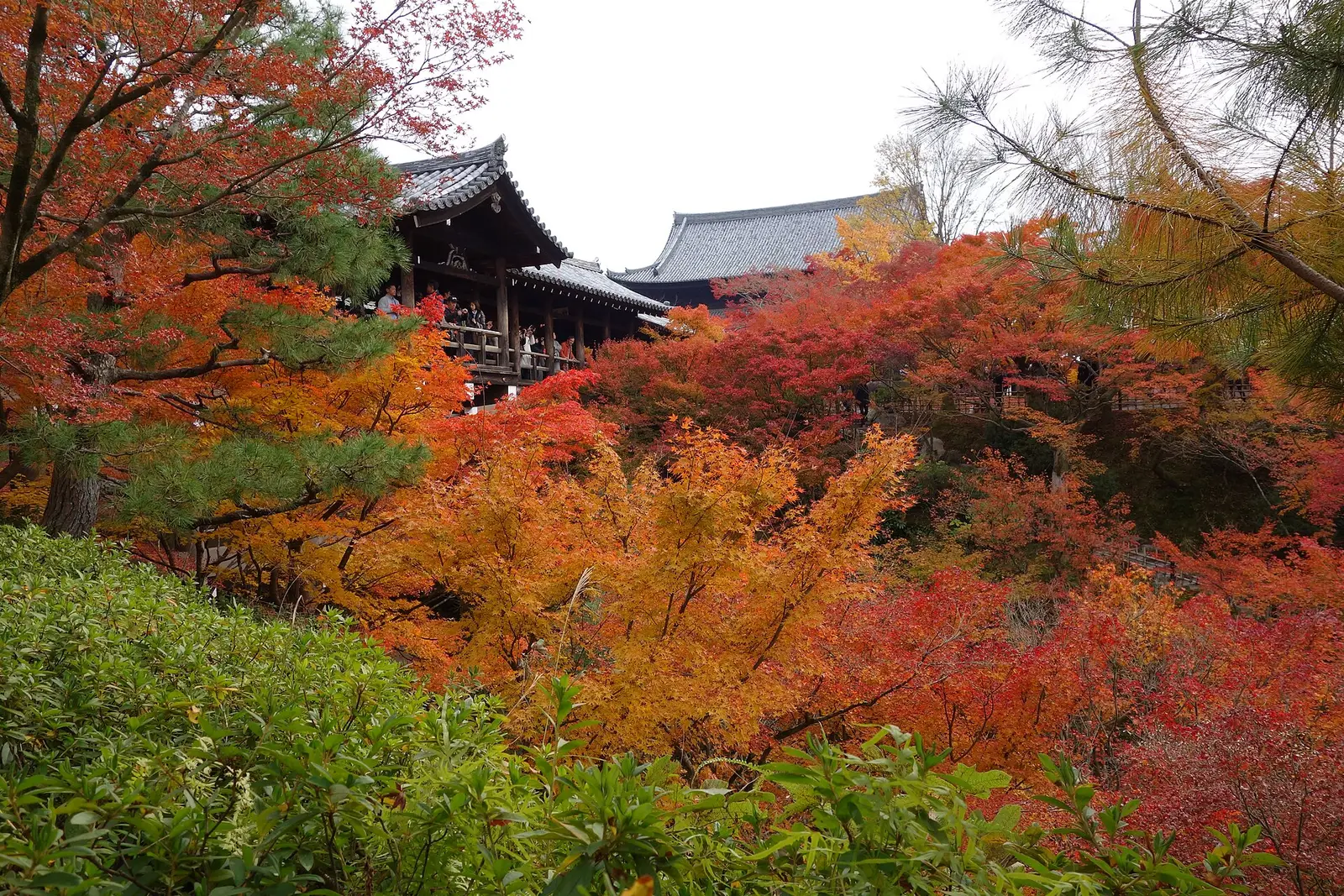
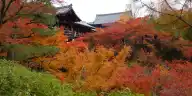
一日目に効くのは、何時に動くかという一点です。東の山あいには京都でいちばん有名なモミジがあり、それはつまり真昼にいちばんの人ごみが押し寄せるということ。だから一日ぜんぶを「早く行く」を軸に組み立てます。始まりは東福寺。木の橋が谷の上に浮かび、谷いちめんが真紅と黄金に染まります。ある日本人が、見ごろの時期にそこで「人の海にもまれた」と書いていました。まさにその通りなので、開門とともに行きます。そこから東山の坂を登って清水の舞台へ、色に縁どられた疏水沿いを北へ歩き、夜間拝観が始まるころ、永観堂のライトアップで締めくくります。
- 07:30東福寺、開門の時刻に京都駅から東福寺駅までは、JR奈良線でひと駅の短い距離(京阪も停まります)。あとは徒歩数分です。名高い眺めはモミジの渓谷にかかる通天橋ですが、見ごろの時期は、寺が橋の上で立ち止まって写真を撮らないようお願いしています。写真は下の庭園から撮り、橋は立ち止まらずに歩きましょう。開門に合わせて着けば、谷はほぼ貸し切りです。(東福寺のガイドは準備中です。)
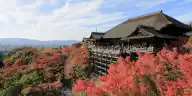
- 10:30清水寺へ登る東山の坂へ移ります。清水道停留所へ向かう京都市バスで行き、あとはみやげ物の並ぶ坂道を上がるか、京阪で清水五条まで行って歩いて上がります。木造の大きな舞台がモミジの渓谷の上に張り出し、秋には舞台の下の山肌一面が色づきます。関連ガイド:清水寺。
- 14:00南禅寺の水路閣と、北へのびる疏水東山を北へ抜けて南禅寺へ。明治時代のレンガの水路閣が、モミジの下、境内をまたいで続いています。そのあとは哲学の道の疏水沿いを歩いてたどり、道すがらずっと水面には赤い葉が浮かびます。乗り物は要りません。一日の真ん中を、ゆっくり歩いて過ごす時間です。
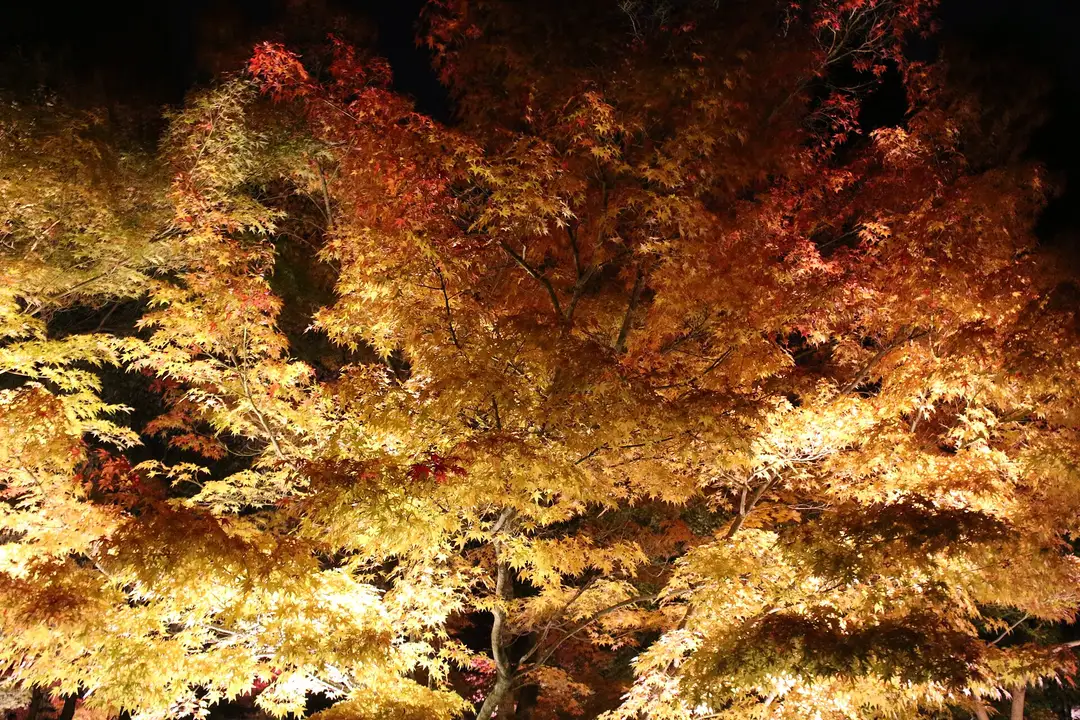
- 夕方永観堂、ライトアップのモミジ永観堂(禅林寺)は何世紀ものあいだ「モミジの永観堂」と呼ばれてきました。秋には夜間拝観を行い、日が暮れると境内と池が琥珀色に輝きます。地下鉄東西線で蹴上まで行って歩くか、市バスで永観堂道の停留所へ。今年のライトアップの時間は寺の公式サイトでご確認ください。(永観堂のWMJSガイドはまだありません。)
嵐山と嵯峨野、静かな小径
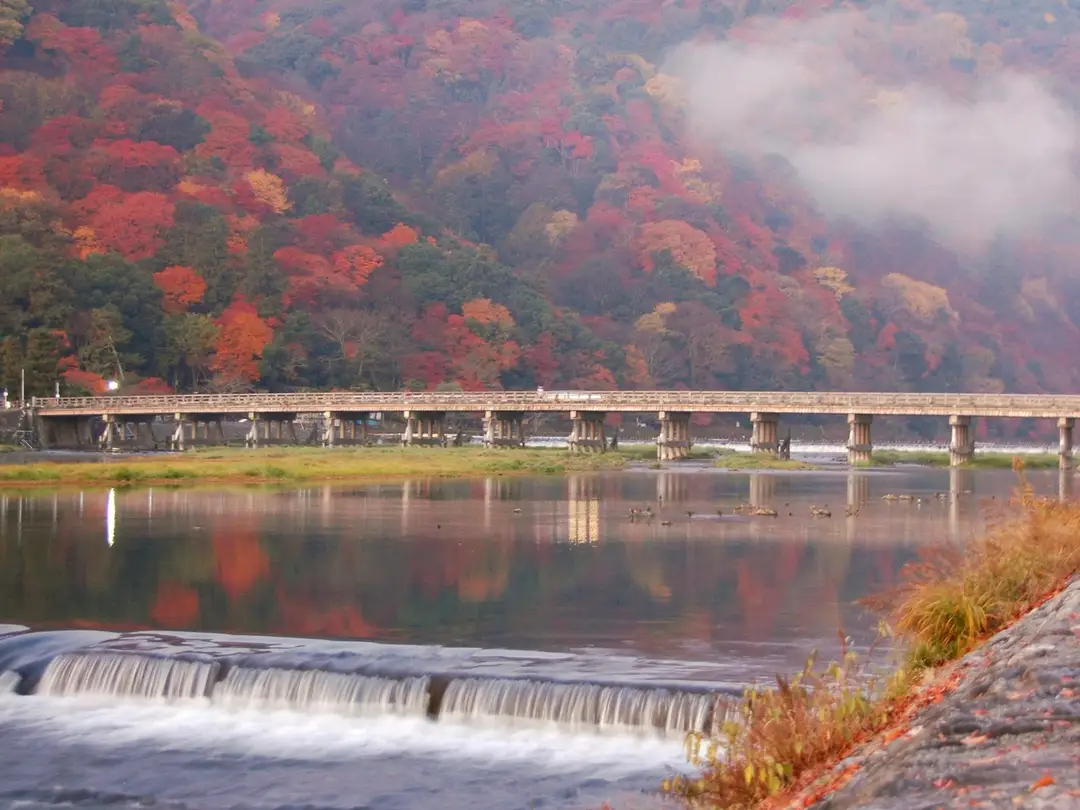
二日目は西へ動きます。二日目に効くのは、時間より「どこへ行くか」です。みんなが同じ橋と竹林に集まるので、早く行って一本となりの小径に入るのが得です。私なら門が開いた瞬間に天龍寺の庭を訪れます。嵐山の山肌をまるごと借景に映した池が、燃えるように色づいています。まだ川に朝もやが残るうちに渡月橋を渡り、それから、ほとんどの人が足をのばさない嵯峨野の奥の寺々へ登ります。午後は、小さな観光列車が渓谷を抜け、窓のすぐそばを紅葉が流れていきます。
- 08:00天龍寺の庭、早い開門に合わせてJR嵯峨野(山陰)線で嵯峨嵐山まで行き、あとは少し歩きます。紅葉の季節には天龍寺はいつもより早く庭を開けます。ぜひ狙いたいところです。池と借景の山の眺めは京都きっての秋の一枚で、すぐに人でいっぱいになるからです。関連ガイド:嵐山。
- 09:30渡月橋と竹林、早めに渡月橋からは、赤と黄金に染まった山肌を振り返って眺められます。水面のもやを見たいなら、早めに渡ってください。竹林は数分のところにあり、ここもまた夜明けに行きたい場所です。朝のなかごろには肩がぶつかるほどの混みようになります。関連ガイド:嵐山。
- 11:00奥嵯峨野の静かなモミジそのまま歩いて嵯峨野の奥へ。山肌に建つ常寂光寺と、モミジが屋根のようにかかる参道の二尊院は、京都の人が本通りの喧騒を逃れに行く場所です。同じ色で、人ごみはわずか。嵐山のなかでも、通が選ぶのはこちら側です。(これらの寺のWMJSガイドはまだありません。)
- 午後渓谷を抜ける嵯峨野トロッコ列車嵯峨野トロッコ列車(窓の開いた小さな観光列車)は、保津川の渓谷沿いを走り、手が届きそうなほど近くに色があります。乗るには指定席券が要り、ICのタッチでは乗れません。秋は満席になるので、先に予約してください。季節と予約についてはファクトボックスをご覧ください。(WMJSガイドはまだありません。)
山を登って、ひと足早い紅葉へ
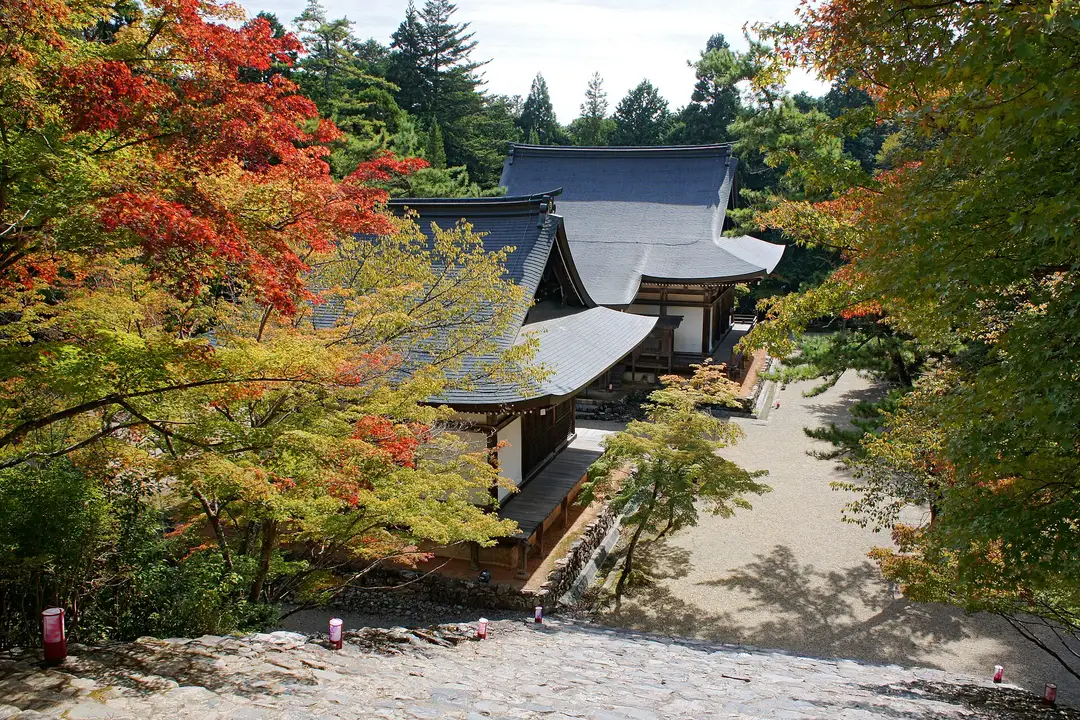
三日目に読むのは、時間割のいちばん大きな要素、標高です。標高を上げるほど、見ごろは前倒しになります。京都より高い土地は、盆地より一、二週間早く色づくので、街なかがまだ色づく前でも、山あいで一朝過ごせば真っ盛りの紅葉に会えます。私なら二つの方向を挙げますが、どちらを選んでも正解です。その日の気分によって、合うほうがゆるやかに変わるだけ。どちらも街を出て山を登るバスの旅なので、少し早めの出発と、いくらかの辛抱をお願いします。そのかわり、ほとんど人のいない静かな山の寺に出会えます。
- 午前、その一高雄と神護寺JRバスで北西の山あい、山城高雄のあたりへ。京都の近くでいちばん早く色づく場所の一つなので、日程が早めなら一押しです。木々のあいだの神護寺の伽藍へと石段が続き、崖の上の台からは人々が渓谷へ向けて小さな素焼きの皿を投げて厄を落とします。紅葉の季節には臨時バスが走ります。(WMJSガイドはまだありません。)
- 午前、その二大原と三千院京都バスで静かな谷を北へ上って大原へ。緑のなかに小さな石のお地蔵さまが佇む三千院の苔庭は、京都の中心部より一週間ほど早く色づきます。高雄の登りより、やさしく田舎びた朝です。(WMJSガイドはまだありません。)
- 午後ゆるやかに盆地へ戻る山を下り、午後はあけたままにしておきましょう。まだ色を保っている街の寺でもいいし、二度目の夜間拝観でもいい(高台寺と清水寺はどちらも秋にライトアップします)。山あいの朝のあとは、私なら無理に予定を詰めません。あたたかい飲み物をゆっくり一杯、光が翳っていくのを眺める。それもこの季節の、ひとつの大切な時間です。
もう1日あるなら
+1日日程が早めのとき、あるいは待つより色を追いかけたいときは、どこかの山は必ず見ごろを迎えています。それを追うのが、まさに通(つう)の楽しみです。
北へ、東京の北にある日光。 標高が高いので、奥日光の高原や中禅寺湖、いろは坂は10月なかばから下旬に色づき、社寺の町はその少しあと。京都より数週間早い、同じ「山が先」の時間割です。そのまま、紅葉を追う関東の旅へきれいに繋がります。
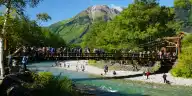
日本アルプスへ。 上高地の黄金のカラマツの谷は10月なかばから下旬が見ごろですが、一帯が11月なかばに冬じまいします。だから早い時期に来る人だけが見られる景色です(閉山日はファクトボックスでご確認を)。
あるいは香嵐渓。 名古屋近くの、およそ四千本のモミジの渓谷で、11月いっぱい色を保ち、川沿いには夜のライトアップがあります。どれも同じ季節を、違う標高で読んだもの。あなたの日程に合う一つを選んでください。
1日足りないなら
−1日時間が足りないときも、この旅の芯は二日で保てます。一日目の東の寺々と、二日目の嵐山が核で、私なら山の一日を削ります。もし一日しかないなら、私ならそれを一つの夜明け(開門とともに東福寺か天龍寺)と一つの夜間拝観に使い、三日ぶんをあわてて詰め込むより、その一日のほうがずっといいはずです。五つの場所を駆け足でまわるより、一つの場所にじっくり居るほうが、この季節は豊かです。
ここから足をのばす
その先へWMJSは日本人が英語で書き、AIの力を借りて日本語にしています。日本人の目で確かめていますが、翻訳の癖が残っている文があるかもしれません。気になる一文があれば教えてください。一文で十分です。
ありがとうございます。ひとつひとつ、人が読みます。
知っておきたい、運賃と所要時間
紅葉は時計のように進む
紅葉は寒い北と高い標高から始まり、季節を追って南へ、低いほうへと移っていきます。それぞれの地域では山がまず色づき、やがて葉の色が街の庭園や公園、寺へと広がります。だから京都の盆地はいちばん最後に色づくのです。
JNTO(日本政府観光局):紅葉確認時点: 2026-06
京都の街なかの寺:見ごろの時期
京都の盆地(東福寺、永観堂、嵐山の庭園)の見ごろは、おおむね11月なかばから下旬、12月最初の週にかかるあたり。紅葉前線のなかで、いちばん遅く色づく低地にあたります。
JNTO:紅葉予想確認時点: 2026-06
高雄・神護寺:京都近くでいちばん早く
街の北西にある高雄の山あいは、京都近くでいちばん早く色づくモミジの地域の一つで(10月下旬から11月)、盆地より先。日程が早めのときの一押しです。
高雄保勝会(高雄の公式観光協会)確認時点: 2026-06
京都から東福寺へ
JR奈良線か京阪で東福寺駅へ、京都駅から約1駅・数分、そこから徒歩約10分。ICカード可。最新の時刻は公式サイトやJRの経路検索でご確認ください。
東福寺 公式寺院サイト確認時点: 2026-06
見ごろの東福寺:橋のルール
11月下旬の見ごろには、寺が係員を配置し、危険な混雑を防ぐため通天橋と臥雲橋での撮影の立ち止まりを控えるようお願いしています。かわりに庭園から撮ってください。今年の日程は寺の公式サイトでご確認を。
Japan Today、東福寺の公式告知を報じる確認時点: 2026-06
京都から永観堂(禅林寺)へ
地下鉄烏丸線で烏丸御池へ、東西線に乗り換えて蹴上へ、あとは約15分の徒歩。または市バス5系統で南禅寺・永観堂道の停留所へ。ICカード可。公式サイトでご確認ください。
永観堂(禅林寺)公式アクセスページ確認時点: 2026-06
永観堂:秋の夜間拝観
「モミジの永観堂」として名高く、紅葉の季節には境内の秋の夜間ライトアップを行います。長く続く恒例です。今年の期間と時間は公式サイトに掲載されています。
JNTO / Travel Japan:永観堂(禅林寺)スポットページ確認時点: 2026-06
京都から嵐山・天龍寺へ
JR嵯峨野(山陰)線で嵯峨嵐山へ(約15〜17分)、あとは天龍寺まで約13分の徒歩(嵐電からなら約5分)。ICカード可。JRの経路検索や公式サイトでご確認ください。
天龍寺 公式サイト:拝観とアクセス確認時点: 2026-06
天龍寺:秋の早い開門
紅葉の季節(おおむね11月なかばから下旬)には、天龍寺はいつもの8:30より早く庭を開けます。今年の特別な早朝開門の時間は公式サイトに掲載されます。
天龍寺 公式サイト:拝観とアクセス確認時点: 2026-06
嵯峨野トロッコ列車:季節と予約
嵯峨野観光鉄道はおおむね3月1日から12月29日まで運行します(真冬は運休。通常は水曜運休ですが、秋を含む繁忙期は毎日運行)。片道約25分。乗車には指定席券が要ります(ICの運賃では乗れません)。秋は先に予約を。運行カレンダーは公式サイトでご確認ください。
嵯峨野観光鉄道 公式サイト確認時点: 2026-06
京都から高雄・神護寺へ
JRバス(高雄・京北線)でJR京都駅から山城高雄の停留所へ、約50分、あとは神護寺まで上り下りを歩きます。紅葉の季節には臨時バスが走ります。バスでICカード可。
高雄保勝会(高雄の公式観光協会)確認時点: 2026-06
京都から大原・三千院へ
大原へは鉄道がありません。京都駅から京都バス17系統で直通(約60分)、あとは三千院まで上り坂を約10分の徒歩。または烏丸線の地下鉄で国際会館へ行き、京都バス19系統で(約20分)。バスでICカード可。
JNTO / Travel Japan:大原とその周辺確認時点: 2026-06
京都じゅうで使えるICカード
ICカード1枚(ICOCA / Suica / PASMO、どれも相互利用可)で、JR、市営地下鉄、京阪、京福・嵐電、京都市バス・京都バスにタッチできます。ここでの寺めぐりの移動はすべてこれで。嵯峨野トロッコ列車だけが例外です(別の指定席券)。
JR西日本:ICOCA(公式)確認時点: 2026-06
前線を追う:電車で日光へ
京都より数週間早い、東京の北の早い時期向けの選択肢。東武特急スペーシアが浅草から東武日光まで直通で約1時間50分(基本運賃に加えて指定席特急券が要ります)。基本運賃はICカード可。
東武鉄道(公式アクセスページ)確認時点: 2026-06
前線を追う:香嵐渓
名古屋近く(豊田市)の、約4,000本のモミジの渓谷。鉄道+バスで行きます。色は11月いっぱい見ごろで、夜のライトアップがあります。公式のもみじまつりはひと月まるごと開かれます。
Aichi Now(愛知県公式観光ガイド)確認時点: 2026-06
前線を追う:上高地は早く閉まる
日本アルプスの黄金のカラマツの谷は10月なかばから下旬が見ごろですが、この一帯は4月なかばから11月なかばだけ開いています。バスや施設は11月15日まで動き、11月16日から閉まります。早い時期だけの行き先です。
上高地公式ウェブサイト(FAQ)確認時点: 2026-06
葉は、そのままに
日本の国立公園での約束はシンプルです。植物も石も、ほかの何も持ち帰らない。ごみは持ち帰る。あとから来る人が、同じ景色に出会えるように。落ち葉を一枚そっと手にのせて眺めるくらいは、微笑ましい楽しみ方です。でも生きた木から枝を折ると、その景色は少しずつ失われます。
日本の国立公園(環境省 / JNTO)確認時点: 2026-06
もっと深く知る
8分· 5チャプター
出かける前に歩きながら
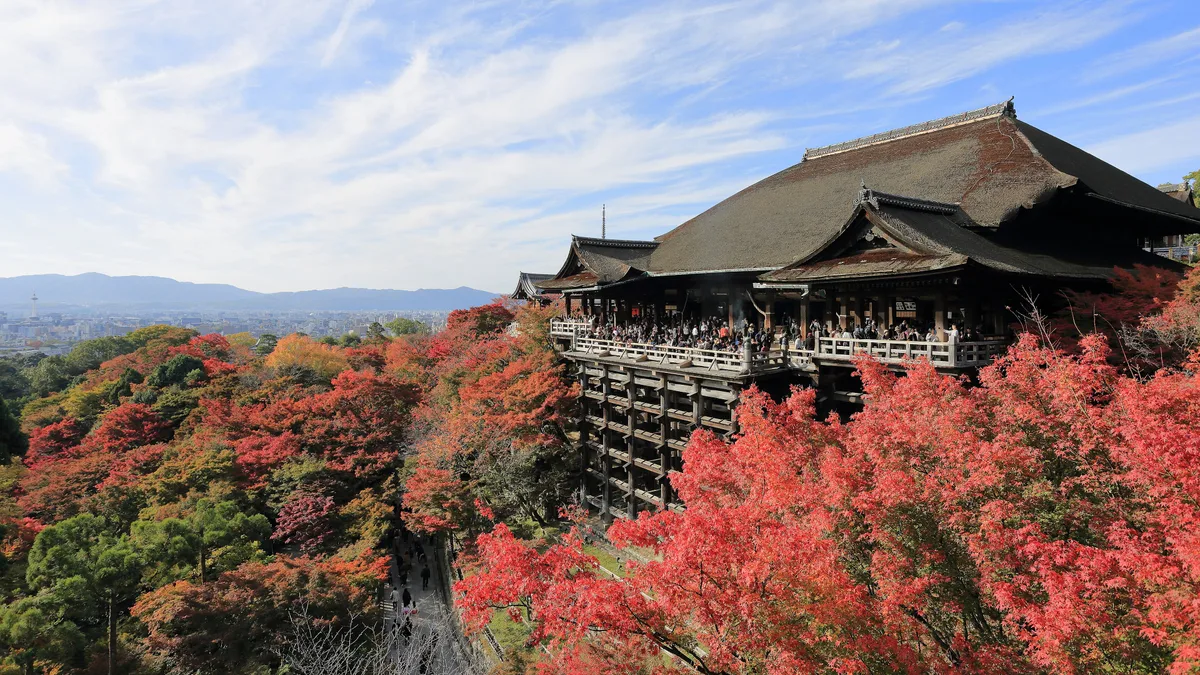
清水寺:なぜ人は丘を登り、崖の上に立って願いをかけるのか
清水寺は行く価値がある?外国人55人の声のうち48%が「行く価値あり」、日本人111人の声では76%とさらに温かい評価。決め手は時間帯です。公式資料に基づく音声ガイドで、朝6時の開門・夜間ライトアップ・安心して歩ける回り方をお伝えします。
Kiyomizu-dera Temple
13分· 6チャプター
出かける前に歩きながら
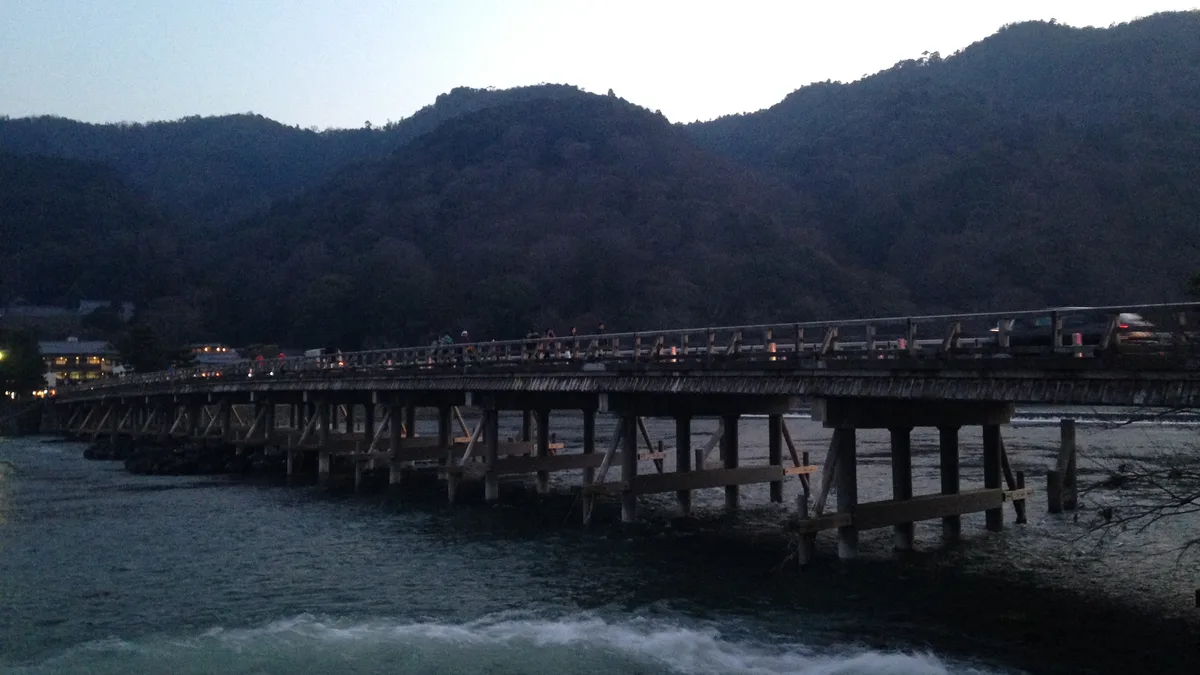
嵐山 ── なぜ日本は、この竹林を「残したい音」のひとつに選んだのか
嵐山を音声ガイドとともに歩く。嵯峨野の竹林は、日本が「残したい百の音風景」のひとつに選んだ場所。月が渡る橋・渡月橋、天龍寺が嵐山の峰を借りた借景の庭、そして人波から少し離れて目を閉じると聞こえてくる、千年変わらない風の音へ。急がない人にこそ、嵐山はやさしく応えてくれます。
Arashiyama
9分· 5チャプター
出かける前に歩きながら
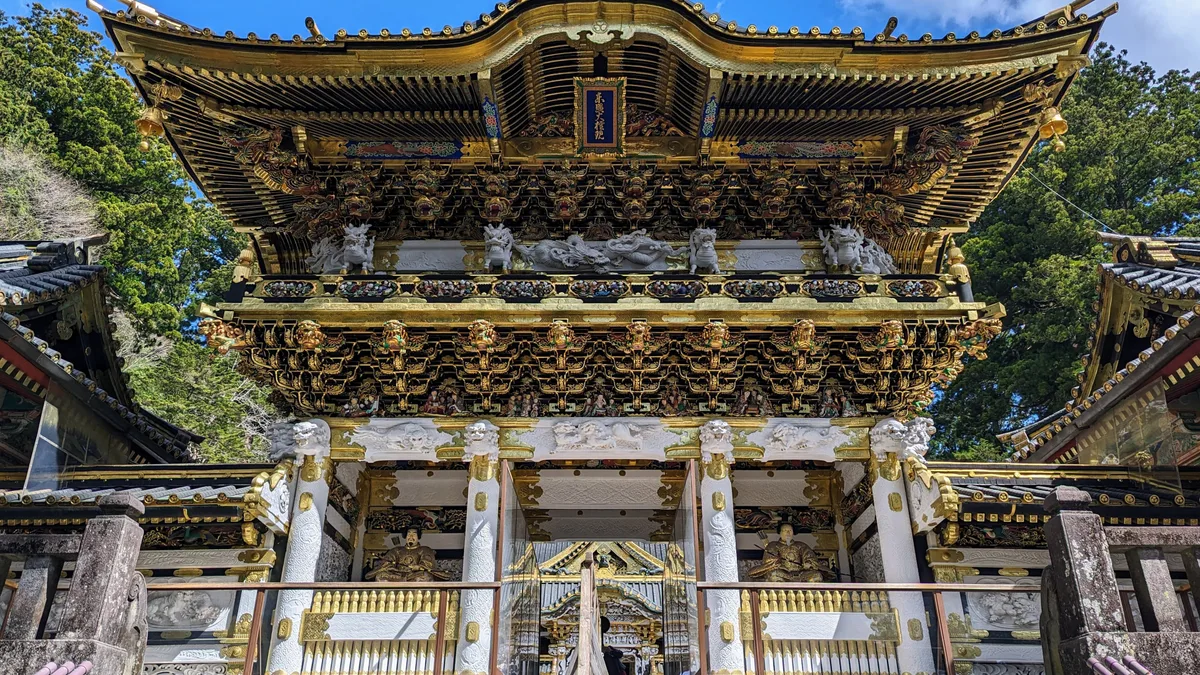
日光東照宮 — ひとりの男のために、なぜ国は森を金で覆ったのか
公式資料に基づく日光東照宮の音声文化ガイド。戦乱を終わらせ神になった将軍・徳川家康、見ざる言わざる聞かざるの三猿、二社一寺の拝観券や東京からの行き方まで、訪問の仕方をやさしくご案内します。
Nikko Toshogu
旅の前に読んでおきたい記事
ほかのプランと組み合わせる
情報源
- JNTO / Travel Japan:紅葉(前線の向きと地域ごとの時期)
- 日本気象協会:紅葉見頃予想(気象庁のカエデ紅葉観測にもとづく。北から南、高いところから低いところへ)
- JNTO / Travel Japan:大原とその周辺(三千院、街より約1週間早い)
- 高雄保勝会(高雄の公式観光協会):アクセスと季節
- 東福寺 公式寺院サイト:アクセス
- Japan Today:東福寺の橋の撮影制限(寺の告知を引用)
- 永観堂(禅林寺)公式サイト:アクセス
- JNTO / Travel Japan:永観堂(禅林寺)スポット
- 天龍寺 公式サイト:拝観とアクセス(秋の早い開門)
- 嵯峨野観光鉄道 公式サイト:列車情報ときっぷ
- JR西日本:ICOCA(概要 / 購入 / 相互利用)
- 東武鉄道:日光アクセス(スペーシア 浅草〜東武日光 約1時間50分)
- Aichi Now(愛知県公式):香嵐渓(約4,000本のモミジ、11月)
- 上高地公式ウェブサイト:FAQ(4月なかばから11月なかばまで開く。11月16日から閉まる)
- 日本の国立公園(環境省 / JNTO):公園のルール(植物を持ち帰らない・ごみは持ち帰る)
- WMJS:紅葉:地元の人が本当に感じていること(日本人242人の声)