
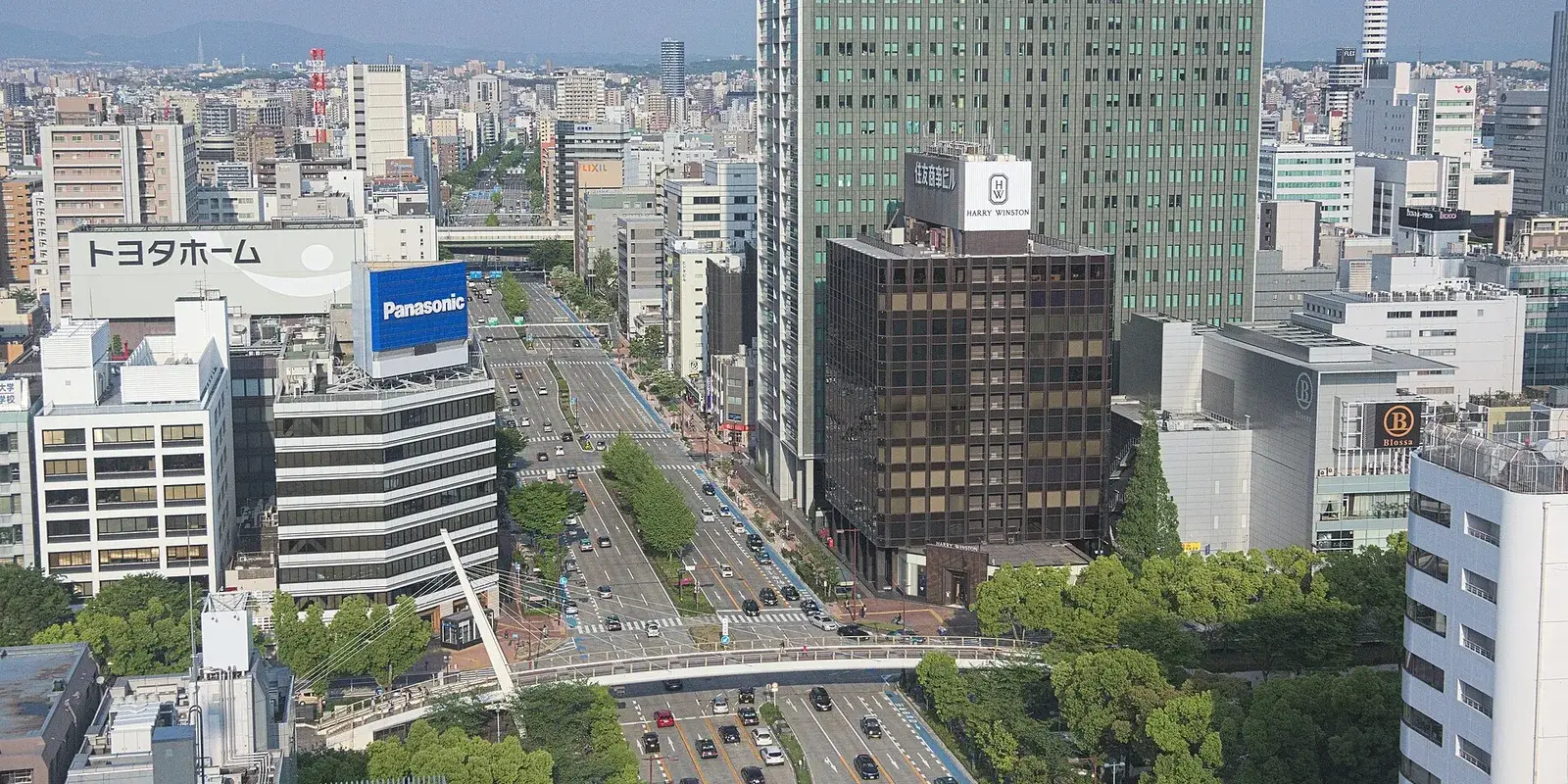
Is Nagoya Worth Visiting? What Travelers Say About Japan's Most Skipped City
In 2018, Nagoya's own city government asked residents of eight major Japanese cities which one they would least want to visit. Nagoya came first. It had also come first in the same survey two years earlier. Asked what the city would do about it, the mayor told reporters the city needed to think hard, and named his answer on the spot: rebuild the castle keep in wood, because "we need to create a destination that doesn't exist anywhere else in the world."
That is the reputation this trip decision runs into: a city its own residents rank as the least appealing of Japan's big eight, sitting on the Shinkansen line between Tokyo and Kyoto, easy to visit and easier to skip. So we went looking for people who actually made the stop, foreign travelers on Reddit and Nagoya natives on a Japanese Q&A board, and read what they wrote about the direct version of the question: was it worth it?
Is it worth it? International travelers, in their own words
We gathered the voices of international travelers and residents discussing Nagoya on Reddit, threads asking directly whether it's worth visiting alongside threads defending or dismissing the city's "boring" reputation. Here is how they fell.
The doubt in this corpus is rarely about any single sight. It's about what kind of trip Nagoya rewards. One traveler put the split plainly: "It's probably not worth it if you only have limited time, since it doesn't have the headline attractions that other cities do. But it is worthwhile if you have the time." A resident who has shown visitors around for 27 years opened their own list of things to do by admitting the premise: "It has been dubbed the most boring city in Japan on numerous occasions... But after living here for 27 years and having shown a number of folks around, it does have a lot to offer."
People who arrived expecting a headline city and found a working one instead leave the clearest negative reviews: "It feels massively spread out with massive roads and loads of traffic... If there is your first time in Japan, I would not bother with Nagoya." Another, a short-stay tourist, said simply: "I found the city to be somewhat unexciting as a tourist destination... we struggled to find anything captivating after a few days." And one traveler who hadn't been went ahead and made the call before arriving: "I'm not familiar with tourist spots in Nagoya but they do have great food. But if I were you, I'd go to Kurashiki."
The defenders tend to be people who came for a reason narrower than "see Nagoya": the food, a day trip hub, or simply fewer crowds. "I enjoyed Nagoya as a tourist. There were so little of them it was all very chill. I don't regret spending time there" One frequent visitor flies in and out of Nagoya specifically to avoid the bigger airports: "We like flying into Nagoya to start our Japan holidays as airfares are cheaper and immigration/customs breezier compared to Tokyo/Osaka airports" And more than one commenter half-joked about not wanting the secret to get out: "shhhhh…. gotta gatekeep nagoya."
The Nagoya honne: residents are harder on it than visitors are
There is a second, sharper layer to this doubt, and it comes from the people who live there. We gathered voices from a Japanese Q&A board where "is Nagoya boring" is a recurring question people ask each other in their own words.
This is the reverse of the usual pattern on these pages. In our two corpora, the foreign gauge runs greener (66% worth it) than the honne gauge does (37%), and the reddest bar on this page comes from Nagoya's own residents rather than from anyone visiting. The city's own 2018 "Urban Brand Image Survey," covering Tokyo's 23 wards, Sapporo, Yokohama, Kyoto, Osaka, Kobe, Fukuoka and Nagoya, found Nagoya ranked dead last two surveys running on "would you visit for shopping or leisure," and that just 17% of Nagoya residents named their own city as Japan's most appealing, the only one of the eight cities where locals preferred somewhere else over home. Our honne voices land in the same place: "「名古屋に観光に行こう」とは見たことも聞いたことも無い" ("I have never once seen or heard anyone say 'let's go sightseeing in Nagoya.'"), or more bluntly, "つまらないんで来ないでください" ("It's boring, so please don't come.")
But the same survey found something the self-deprecation hides: residents' attachment to the city (55.5) had climbed past Tokyo's (52.2) and Osaka's (52.9), and their civic pride was rising too. One resident's answer there names the pattern directly: "名古屋の人はあなたがおっしゃる通り、魅力に欠けると自ら言いますね笑 ただ言葉には出しませんが名古屋愛が強い人が多い気がします" ("You're right that Nagoya people say themselves that the city lacks appeal, lol. But I feel like a lot of them secretly have strong love for Nagoya even if they don't say it out loud.") Another resident rejected the whole premise the mayor was reacting to: "何でもかんでも勝たなくていいんじゃないの?特に観光" ("Does it have to win at everything? Especially tourism.") Their point, in the rest of the same answer, was that a city that already wins on industry doesn't owe anyone a tourist-friendly face.
What both sides agree is actually good
Strip out the "is it boring" argument and the two gauges converge on a short, consistent list.
The food. This is where doubters and defenders in our research come closest to agreeing. "I'm not a big sight seeing person, but I really enjoyed the food in Nagoya." "I will never stop raving about the hitsumabushi in Nagoya." Hitsumabushi (grilled eel over rice, eaten three ways across one bowl), miso katsu, tebasaki wings, and the ogura-toast morning-service culture at local kissaten are the specialties both gauges kept coming back to.
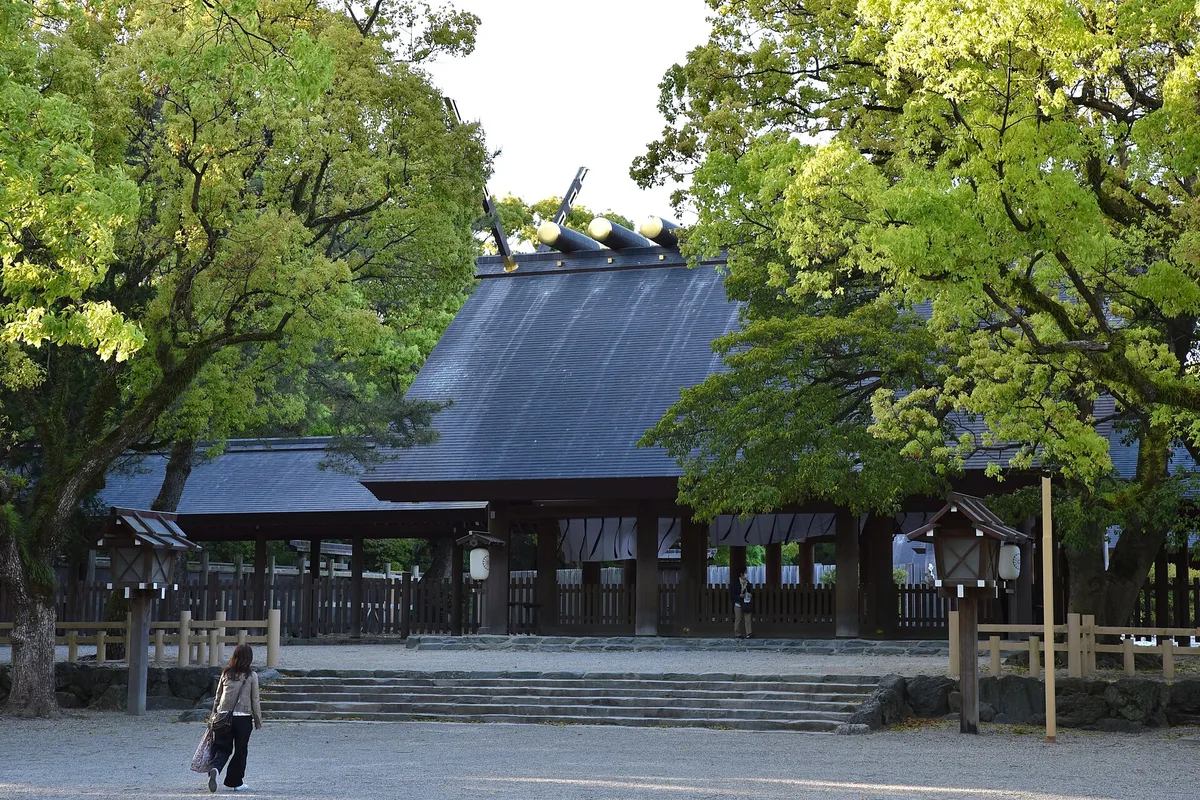
Atsuta Jingu. One of Japan's oldest and most significant Shinto shrines, said to enshrine the sacred sword Kusanagi-no-Tsurugi, one of the three imperial regalia. One resident answering on that same board, defending the city, called it a genuine waste that a shrine with this much history is so little known outside Aichi, and singled it out by name as the thing Nagoya doesn't get enough credit for.
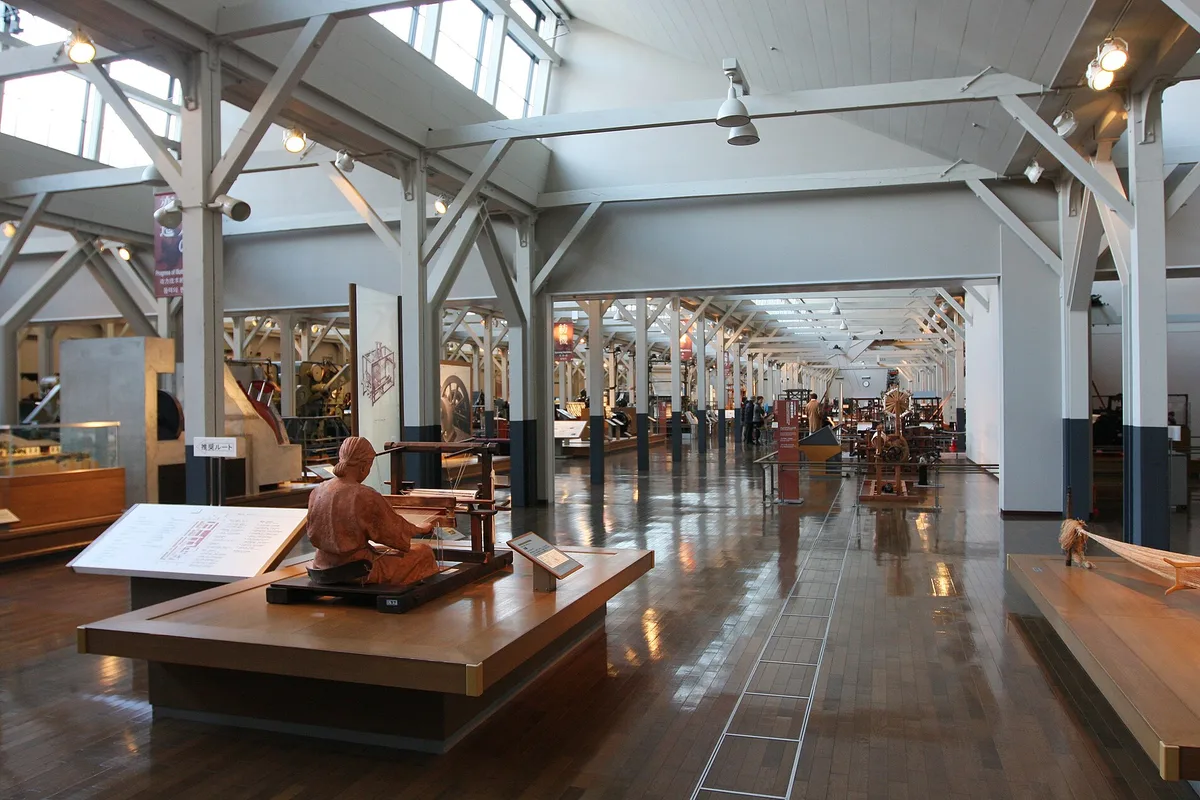
The Toyota Commemorative Museum of Industry and Technology. One traveler who said upfront that they don't even like cars still came away won over: "I hate cars, but still loved visiting, over half the museum is dedicated to looking at the textile industry and the company's history..." The museum's roots are in textile machinery, not automobiles, which is why it lands with people who walked in expecting to be bored.
Nagoya as a hub. A smaller group of defenders in our research reach for this angle specifically, and it's a real one. From Nagoya Station, Kyoto and Osaka are under an hour by Shinkansen, Ise and the Kansai region are reachable via the Kintetsu line, and Gifu City and Takayama are close day trips. Ghibli Park, a short train ride away in Nagakute, has become the newest reason travelers add Nagoya to an itinerary they would otherwise have skipped.
Doing it well, the welcomed way
- Ask the smaller question. Whether a day in Nagoya is worth it on the way through is the frame our happiest voices used, more often than whether a whole trip is worth building around it.
- Give it a purpose before you arrive. The travelers who came away happiest picked one reason first: food, the Toyota museum, Ghibli Park, or a quiet base for day trips.
- If you only have a few hours, eat first. Hitsumabushi and tebasaki both reward a sit-down meal more than a rushed stop, and food is where doubters and defenders in our research kept agreeing.
- Use it as your gateway. Nagoya's trains reach Gifu, Ise, Takayama, and Kyoto or Osaka faster than most cities its size, and a handful of the warmest reviews in our research describe it as the best base they found for exploring the region.
- Meet it on its own terms. The residents who love it describe a city built for living. Measuring it against Kyoto's temples or Osaka's neon is what turns a visit into a letdown in our corpus; visiting for what Nagoya actually is turns it into a "worth it."
Why the doubt runs so deep here
Most of the cities on this site earn their doubt from crowds, or from a single famous sight that disappoints. Nagoya's doubt is different: it's institutional. The city itself has run the survey that confirms the reputation, twice, and its own mayor has said so publicly. That is a rare thing for a destination to admit about itself.
What the survey doesn't capture, and what our honne voices do, is that residents' quiet attachment to Nagoya has been climbing even as its national image stays flat. That gap, between what Nagoya says about itself in public and what its own residents feel about it in private, is what the voices on this page keep circling back to: a city that a slim majority of visitors say rewards a specific reason to be there, and that its own people are still, quietly and unevenly, working out how they feel about it.
Curious what else survives contact with real visitors? What actually matters in Japan is where our worth-it pages begin. If a rebuilt keep with no original tower still tempts you, Is Nagoya Castle Worth It? covers that one in full, and Is Ghibli Park Worth It? covers the newest reason travelers are adding a Nagoya stop to their itinerary.
Sources
- Nikkei, "'Machi visitors don't want to visit': Nagoya again first, city survey" (2018-09-05). Nagoya's own 2018 Urban Brand Image Survey (都市ブランドイメージ調査), the city's second such survey after 2016, ranked Nagoya last among 8 major Japanese cities (Tokyo's 23 wards, Sapporo, Yokohama, Kyoto, Osaka, Kobe, Fukuoka, Nagoya) on "visit intent" for shopping or leisure; only 17% of Nagoya residents named their own city as Japan's most appealing city, the only one of the 8 cities where residents preferred somewhere else over their own; Nagoya's civic-attachment score (55.5) and pride score (32.5) both rose from the 2016 survey and now exceed Tokyo's (52.2) and Osaka's (52.9) attachment scores; Mayor Takashi Kawamura cited the wooden reconstruction of Nagoya Castle's keep as his answer to the survey.
- Atsuta Jingu Official Website. One of Japan's most significant Shinto shrines, traditionally said to enshrine the sacred sword Kusanagi-no-Tsurugi, one of the three Imperial Regalia of Japan.
- Toyota Commemorative Museum of Industry and Technology, Official Website. Built on the birthplace of the Toyota Group, preserving the original early-20th-century textile plant as industrial heritage, with pavilions covering both the textile-machinery origins of the company and its later automobile history.
- Nagoya Convention & Visitors Bureau, Nagoya Info (official tourism site). Official listings for Nagoya Castle, Atsuta Jingu, Osu, and the city's rail connections to Gifu, Ise, and the Chubu region.
- Japan National Tourism Organization (JNTO), Nagoya. Official national tourism-board overview of Nagoya's attractions and its role as a Chubu-region transport hub.
WMJS is written in Japan, in English, with AI help. We check every page, but English is not our first language. If a sentence reads oddly, tell us. One sentence is enough.
Thank you. A person reads every note.
How well do you know Japan?
Built from 635 public posts by Japanese people
Want to know more? Ask Japanese people
Have a follow-up question about this topic? We'll ask real Japanese people.
Voice Box →