
Is Beppu Worth It? What Visitors (and the People Who Bathe Here) Actually Say
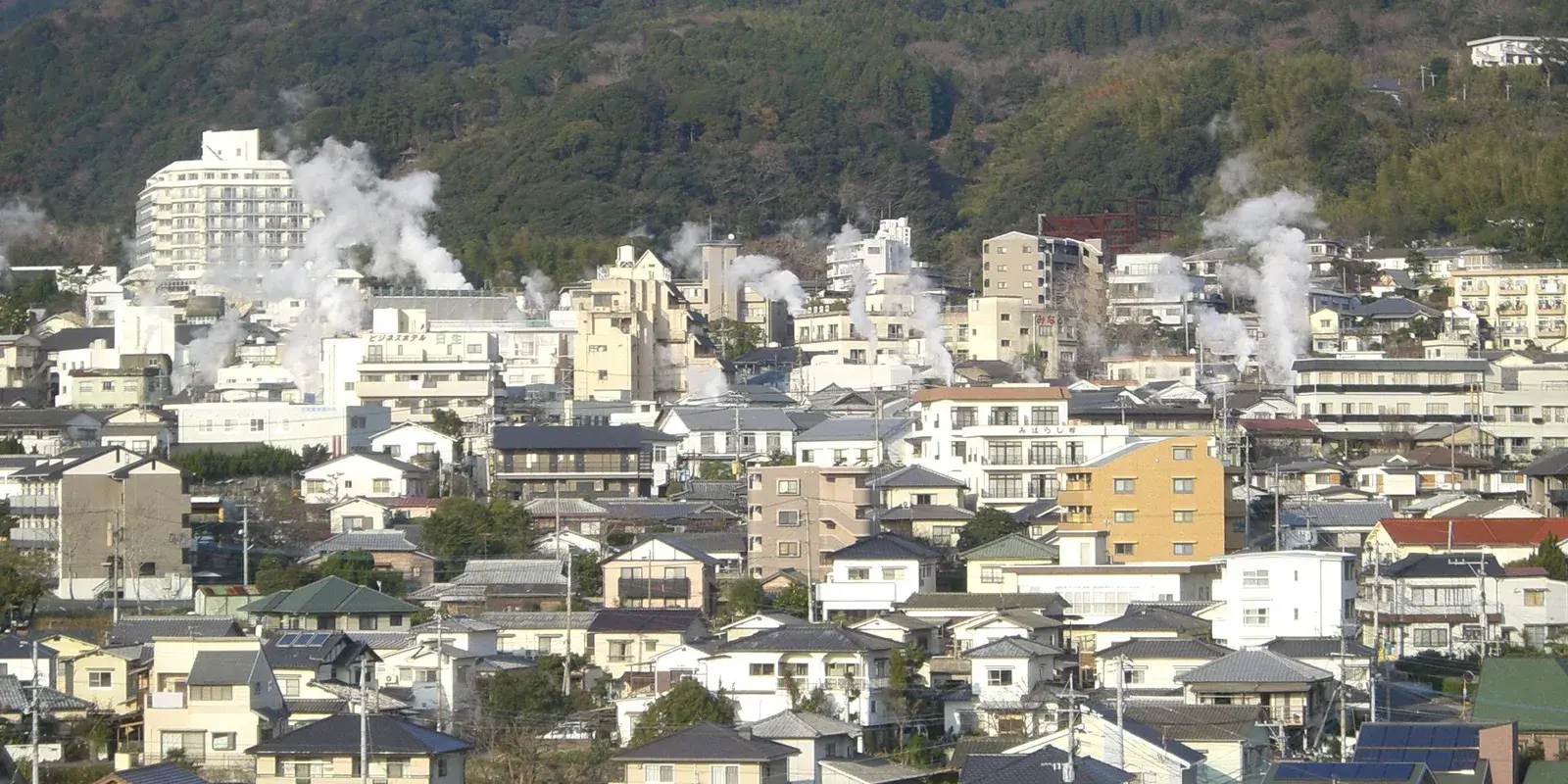
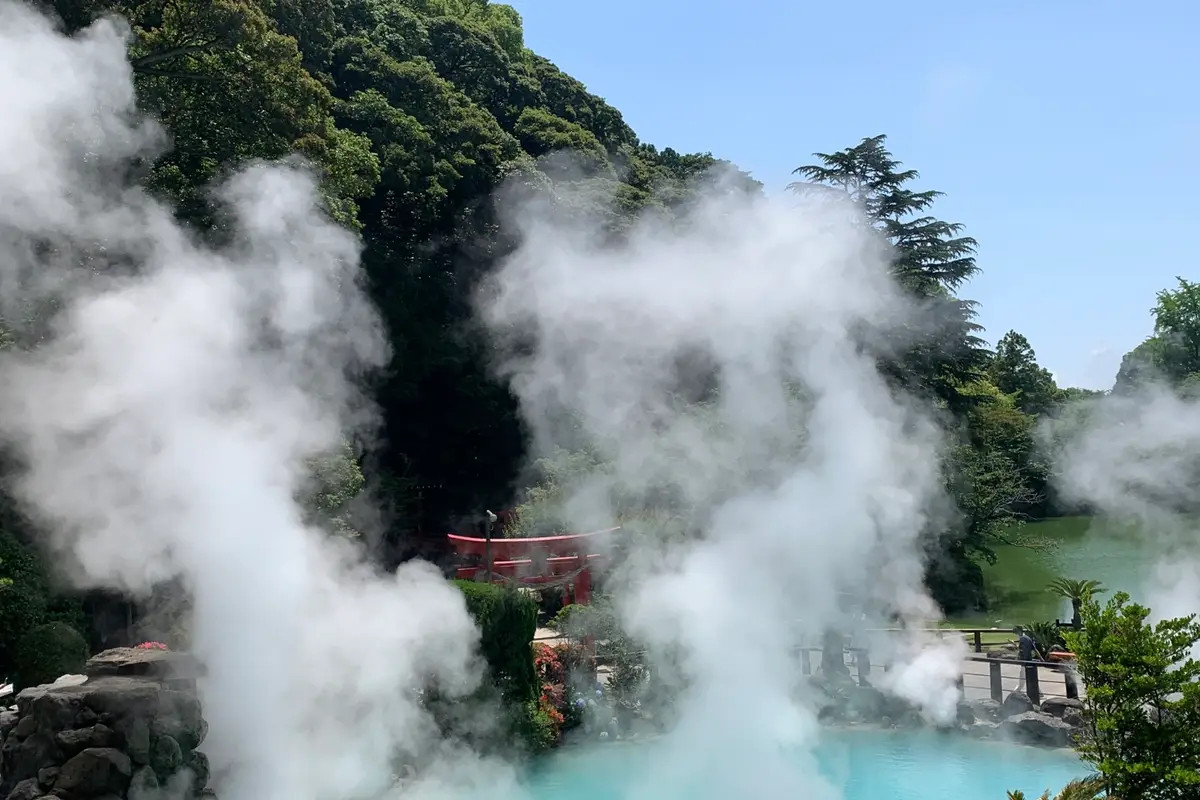
The photo that pulls you toward Beppu is almost always the same one: a pond of electric cobalt blue, steam pouring off the surface, a colour that looks impossible in nature. It reads like the most extraordinary bath on earth, and some quiet part of you arrives half-ready to sink into it. Then you reach the low rail, read the sign (near boiling, do not enter), and understand that the famous "Hells of Beppu" are springs you walk up to, photograph, and step back from. Not one of the seven is a bath.
That single fact is where almost all of the doubt about Beppu begins, and it is also the key to the whole town. So here is the short answer, and the rest of this page is really the long form of it: yes, it's worth it. But the hell tour is almost never the part people treasure. Beppu is a town you come to soak in, and the travellers who love it are the ones who treated the coloured hells as a thirty-minute look and gave their real hours to the water.
Is it worth it? (in visitors' own words)
We gathered the voices of international travellers who have actually been to Beppu and asked, in effect, was it worth it? Weighted by how strongly each opinion resonated with other readers, here is how they fell.
Look at the middle bar. It is almost as large as the "worth it" bar, and it is the most useful thing on this page, because that 44% is not really made of people who are undecided about Beppu. It is made of people telling you which Beppu to come for. Again and again they say a version of the same thing: the hells are the least of it. One much-upvoted regular has "been to the Beppu hells a few times" and recommends "sticking with the ocean blue hell and fully enjoying walking around, tasting the onsen manju, and trying to handle the heat of their footbath." A repeat visitor was blunter still: "the Beppu Hells are the least interesting places in the entire city." On a return trip, the same person wrote, "I focused on eating local food and enjoying the hot springs, and I much preferred that experience."
The thin red bar (the 10% who felt genuinely let down) almost always describes the same trap, and it is one you can step around before you ever arrive. It is the traveller who made the seven-hell checklist the whole trip, treating a town built on hundreds of hot springs as a photo circuit to be stamped and left. "Not a fan of the vibe of Beppu," one wrote; "feel like a city that just happen to have a lot of onsen", which is, if you turn it over, an accidental description of exactly what makes Beppu wonderful, missed only because the water was never the plan. The most top-upvoted single comment on the hells says the quiet part plainly, and without a trace of disappointment: they are "way too hot to bathe in, but super cool to see." A sight rather than a soak. Come knowing that, and the let-down has nowhere to land.
How the people who bathe here feel
What follows is something most guidebooks leave out: what Japanese visitors say, in their own reviews, about the very same hells. It is a warmer register, and it settles the question in a way the marketing never could.
Notice that the Japanese "let down" bar is barely smaller than the visitors' one (8% against 10%), and the reasons the two groups give almost never overlap on the town itself. Where a handful of foreign travellers wonder if the whole place was worth it, the Japanese reviewers almost never do. "You really feel the Earth is alive," wrote one man in his sixties, watching the springs bubble and gush at 98°C, a sight he found "breathtaking." Their neutral voices are about small, honest, fixable things: the blue looks pale in rain, the parking jams on a holiday afternoon, "one visit was plenty." One captured the whole arc of it: "I bought the combined ticket and at first thought I'd made a mistake, but it gradually got more and more fun."
And where their red bar does appear, it points at one specific place, and this is the clearest signal on the page, because the visitors point at exactly the same one. It's not the natural springs. It's the animal displays: the crocodiles penned at Oniyama Jigoku, and the small, separate Yama Jigoku menagerie. A Japanese reviewer put it with quiet sorrow: "rather than a crocodile hell, this place is hell for the crocodiles", and the most-upvoted foreign comment in that vein said, simply, "maybe just grab the stamp and leave." When a visitor and a local wince at the very same stop, that is the one to believe. The natural pools move people; the caged animals move almost no one. You are free to skip them, and most who have been wish they had.
What we wish you'd noticed
Two or three of the hells are genuinely worth the look, and they're the natural ones. Umi Jigoku, the cobalt "sea hell," and Chinoike Jigoku, the red "blood pond," are the ones people photograph and remember; both, along with the spouting Tatsumaki and the pale Shiraike, are designated National Places of Scenic Beauty. You do not need all seven. The combined ticket (¥2,400 for adults, good for two days) tempts you to collect the full set, but the seasoned advice is nearly unanimous: see the two or three that are the raw earth showing off, and don't turn the rest into a chore. As one visitor found, even the single Umi Jigoku area "was reasonably satisfying on its own."
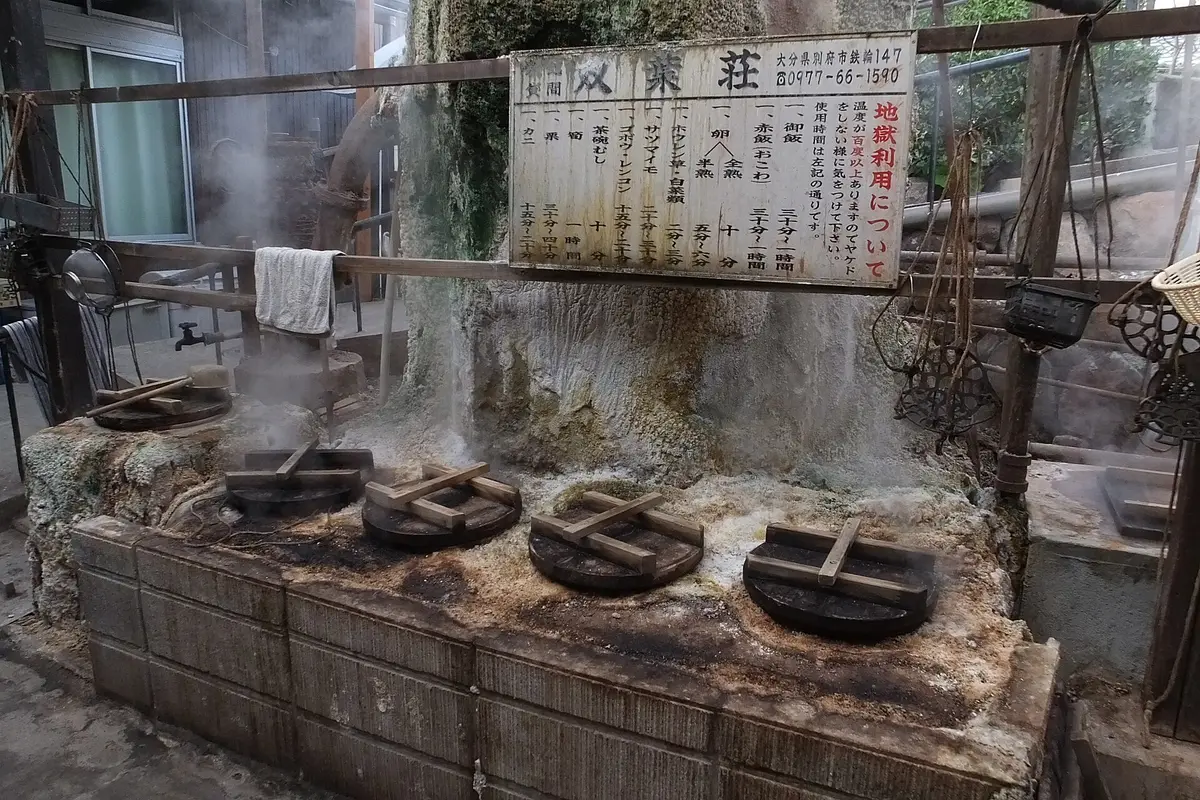
The town itself is the reason to come, and it is almost free to enjoy. This is what the 44% keep trying to tell the 10%. Beppu sits in the prefecture with more hot-spring sources than any other in Japan (Oita counts over five thousand of them), and this one city is the crowded heart of it. What that means on the ground is a place where steam rises from drains and gardens and rooftops, where you lower a basket of eggs and vegetables into a stone vent and let the planet cook your lunch, where you can be buried to the neck in hot-spring-warmed sand, and where the "hells" you actually get into are ordinary baths cooled to the temperature of a human body. One visitor laid out the real itinerary in a single breath: "Go to any onsen," he began, "there are hundreds", and then reeled off the rest: the good food, the covered shopping streets, steam-cooked eggs in Kannawa, the sand bath, the mud bath, and back to the onsen.
The baths are the part people still think about years later. The strongest memories in our voices are almost never the hells. One traveller who tried Beppu's famous mud onsen admitted "the building is spooky old and the mud is slimy... but my skin looked pretty amazing afterward... it certainly is my most memorable." Another, at a beachside bath in the cold months, wrote that "the cool crisp air and the warm water under a starry night sky is something I still think about years later." This is the Beppu that earns the day, and it is the one you have to slow down to reach.
The Welcomed Way to Enjoy Beppu
Everything above resolves into a handful of moves that turn a possible let-down into the best kind of day.
- Come to soak, not to bathe in the hells. Fix this expectation before you arrive and nothing else can disappoint you. The seven hells are for looking; the town's hundreds of ordinary springs are for soaking. Several of the hells even have free foot-baths beside them, so you can dip your feet in the exact water you're forbidden to swim in.
- See two or three of the seven hells. Umi Jigoku (the blue) and Chinoike Jigoku (the red) are the ones that stay with you. Add the geyser if you have time. Give the animal displays a miss. Visitors and locals agree on that one.
- Stay the night if you possibly can. The single most repeated piece of advice is to give Beppu a full evening: "do the hells in the afternoon and onsen in the evening," as one visitor put it, and then soak again at dawn when the steam is thickest and the day-trippers are gone. The water is the reward, and the water rewards those who don't rush.
- Give the hells an open morning. They sit up the hill in Kannawa, a bus ride from the station, and the natural pools plus a steam-cooked lunch fill a comfortable half-day. Weekends and holiday afternoons jam the car parks; an early start is the quiet fix that locals themselves recommend.
- Let the weather choose your blue. The cobalt of Umi Jigoku is drawn out by sunlight, so on a grey, rainy day the steam can hide it. If you have any flexibility, the springs (and the town's steam) are at their most beautiful on a cold, clear morning.
Do these, and Beppu tends to go the way the heart-warmed reviewers describe rather than the way the few disappointed ones do. The hells are the town's signboard, not its substance. Walk once through the steam on a cold morning, lower yourself into water the earth has warmed for you, and you will have understood the thing the colour photos never quite say: you didn't come here to look at the boiling ground. You came to live on top of it for a night, exactly as Beppu has for a thousand years.
Still deciding which famous places actually earn a slot on a short trip? Start with what actually matters in Japan, and for the full walk through the steam, the hells, the sand bath, and the eight bathing districts, the Beppu Onsen guide is right here.
Sources
- Beppu Jigoku Association, Official (Japanese): the seven designated hells and their characteristics, the combined ticket (¥2,400 adult, written without a thousand-separator: 2400 yen / ¥1,200 child, 1200 yen, valid two consecutive days), hours (8:00–17:00, year-round), and the Kannawa/Kamegawa layout.
- Beppu Jigoku Association, Free foot-baths (Japanese): the free foot-baths beside Umi, Chinoike, Kamado, and Oniishibozu hells.
- Beppu City Official, Beppu Hatto (Eight Hot-Spring Districts) Guide (Japanese): the eight historic hot-spring districts that make up Beppu, and their official names.
- Beppu City Official, The Yukemuri (Steam) Cultural Landscape (Japanese): Beppu's steam townscape selected as an Important Cultural Landscape of Japan (2012); steam used for cooking and daily life.
- Beppu City Official, Jigoku Mushi Kobo Kannawa (Japanese): the steam-cooking workshop where visitors cook their own food in natural vents.
- Beppu City Official, Takegawara Onsen & Sand Bath (Japanese): the historic bathhouse (1879) and its hot-spring-heated sand bath.
- Ministry of the Environment, Hot Spring Use Survey (Japanese), national figures: Oita Prefecture first in hot-spring source count (~5,094) and discharge volume (current as of March 2025).
- JNTO, Beppu Onsen (English): the Beppu Hatto districts, the hells (jigoku meguri), the sand bath, and the standard English visitor overview.
WMJS is written in Japan, in English, with AI help. We check every page, but English is not our first language. If a sentence reads oddly, tell us. One sentence is enough.
Thank you. A person reads every note.
How well do you know Japan?
Built from 635 public posts by Japanese people
Want to know more? Ask Japanese people
Have a follow-up question about this topic? We'll ask real Japanese people.
Voice Box →