
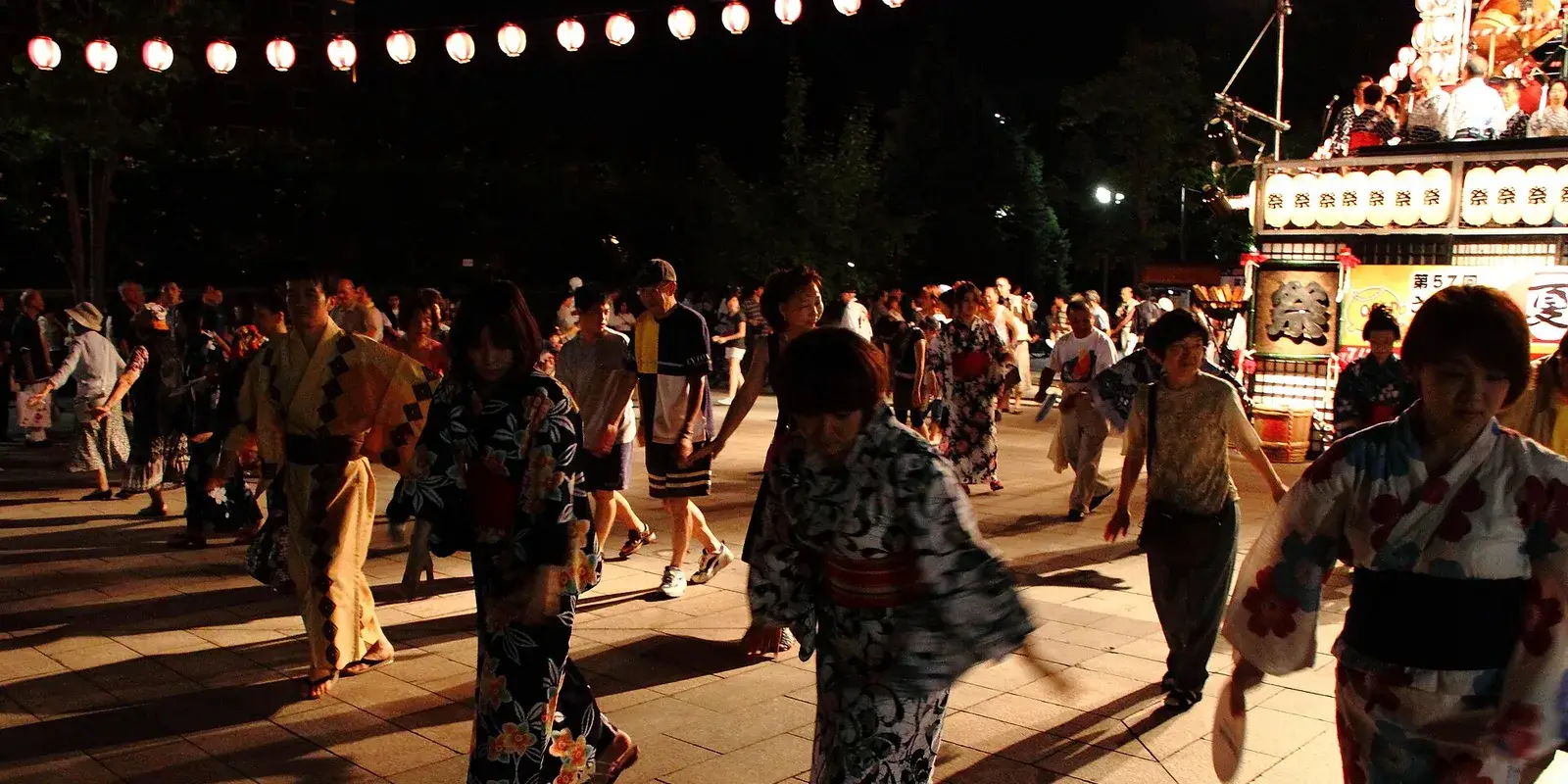
How to Blend In at a Japanese Summer Festival: What Makes Locals Smile
What you'll learn in this article:
- What 325 Japanese people said about foreigners joining summer festivals, from wearing yukata to dancing bon odori, attending local events, and carrying mikoshi
- Why "cultural appropriation" is a concept that puzzles most Japanese people
- The festival survival crisis that's making communities more welcoming than ever
Do Japanese people want foreigners at their summer festivals? We read what 325 Japanese people wrote across five festival participation topics. The clear answer: yes, overwhelmingly. Bon odori dancing got the strongest welcome at 80% positive, followed by local festival attendance at 69%. Even wearing yukata, which many visitors fear as cultural appropriation, received 60% positive responses. The only real concern isn't your presence. It's specific behaviors like playing loud music from speakers.
325 Japanese voices on one question: should foreigners join the festival?
The answer: come dance with us.
Summer festivals are where Japan comes alive. Taiko drums shake the air, paper lanterns line the streets, and the smell of yakitori and yakisoba drifts from rows of food stalls. For a few nights each summer, entire neighborhoods transform, and suddenly everyone is outside, together.
But if you're visiting Japan during festival season (roughly July through August), you might wonder: Am I welcome here? Is this a community thing I shouldn't intrude on? Can I wear yukata without it being weird?
We read what 325 Japanese people wrote about exactly these questions. And the answers might surprise you, not because they're complicated, but because they're so much warmer than you'd expect.
Quick Guide
| Activity | What Japanese People Said | |
|---|---|---|
| 🟢 Jump in | Bon odori dancing | 80% welcome you. "The circle has no entry requirements." You don't need to know the moves. Watching you try is what makes locals smile. |
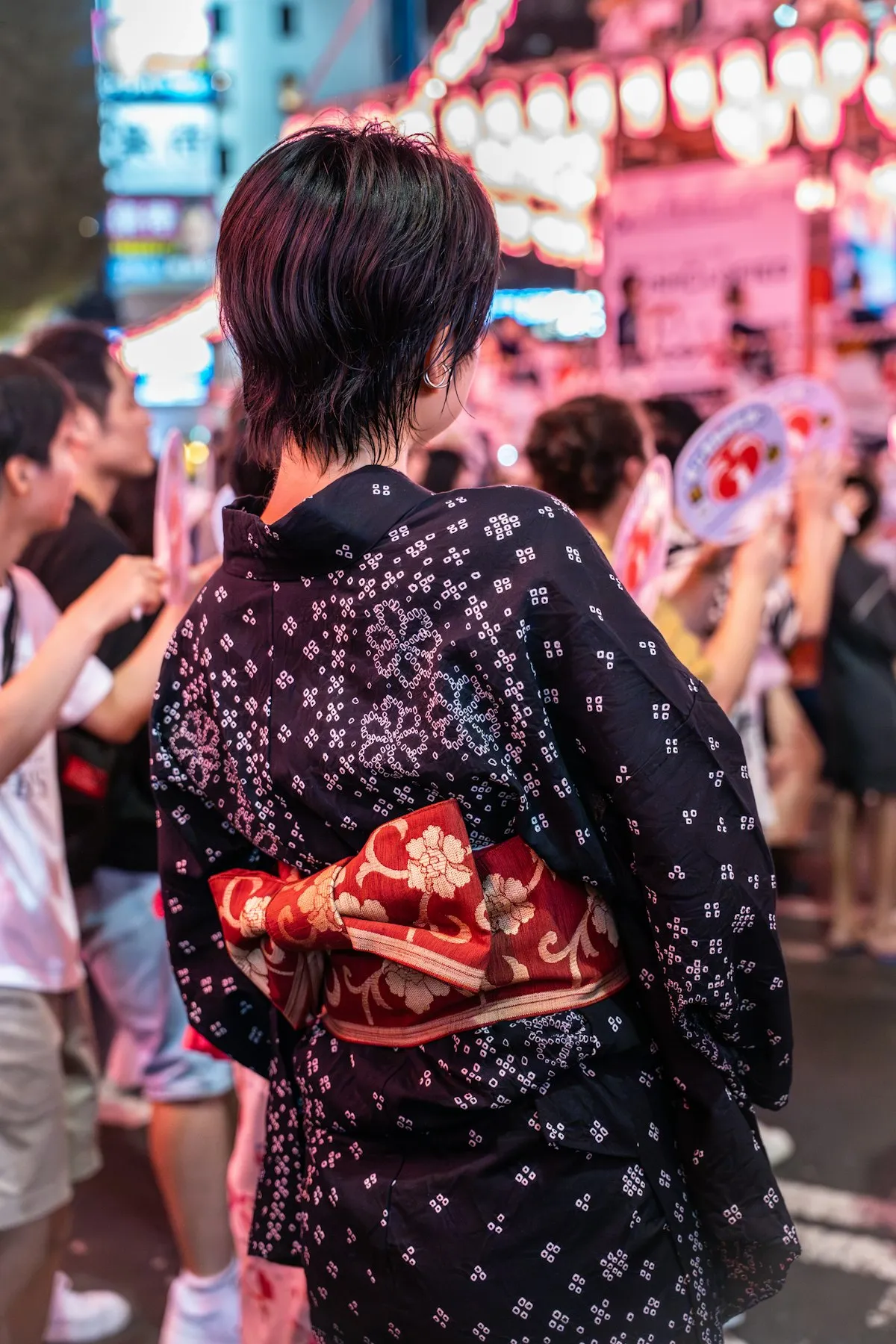
| 🟢 Go for it | Wearing yukata | 60% are happy to see it. The cultural appropriation concept puzzles most Japanese people. One person said: "Thank you for loving Japan." |
| 🟢 Welcome | Attending local festivals | 69% positive. Communities facing population decline are especially glad to see new faces. A shrine priest put it simply: "Festivals need no words." |
| 🟡 Ask first | Carrying mikoshi | 62% positive, but learn the basics first. Some communities actively recruit helpers; others prefer you watch before joining. Safety matters: mikoshi are heavy. |
The one thing to remember: Japanese summer festivals aren't exclusive events. They're community celebrations that have always welcomed newcomers into the circle. The fact that you showed up and want to participate? That alone makes people happy.
How We Gathered These Voices
We collected 325 Japanese-language responses across five festival participation topics: wearing yukata (70 responses), joining bon odori dancing (60 responses), attending local neighborhood festivals (65 responses), carrying mikoshi (65 responses), and generational attitudes toward foreigner participation (65 responses). We gathered these voices from public Japanese Q&A sites, forums, and social posts, along with reporting from Nikkan SPA!, Omatsurijapan, government surveys by the Ministry of Economy, Trade and Industry, and local news outlets across Japan.
A quick note: This isn't a controlled scientific survey. It's a collection of what real Japanese people said in their own words, on public platforms. Most English-language festival guides tell you where to go and what to see. We wanted to show you what locals actually feel when you show up.
What Japanese People Actually Think: The Temperature Gauge
🟢 Wearing Yukata: "Thank You for Loving Japan"
If you've been worried about cultural appropriation, Japanese people find that concept puzzling.
This was the viewpoint we expected the most pushback on. In many Western countries, wearing another culture's traditional clothing is a sensitive topic. So we were curious: do Japanese people feel the same way?
Of 70 responses about foreigners wearing yukata to summer festivals:
The positive reactions were often emotional:
うちの嫁曰く、大歓迎。涙が出るほどうれしい。 According to my wife: very welcome. So happy it could bring tears.
自国の文化を外国の方が興味を持ってくれるのはうれしく思いますし、着ていただくのも好感が持てます。 I'm happy when foreigners take interest in our culture, and I feel positively about them wearing it.
日本好きでいてくださってありがとう。 Thank you for loving Japan.
Several people directly addressed the cultural appropriation debate, and most found it baffling:
何が悪いのか。綺麗だから良い。 What's wrong with it? It's beautiful, so it's fine.
黄色人種が結婚式でウエディングドレスを着るのは文化の盗用?いえ、文化の登用です。 Is it cultural appropriation when Asians wear wedding dresses? No, it's cultural adoption.
京都には観光客を舞妓さんにするサービス業もあるんだが。 There are businesses in Kyoto that dress tourists up as maiko, you know.
One historical clothing researcher summed up the broader feeling:
装いには国境はなく、誰もが楽しめる世界になりますように。 Clothing has no borders. May it become a world where everyone can enjoy it.
So what about the 19% who felt uncomfortable? Here's the interesting part: their concern wasn't about foreigners wearing yukata. It was about the quality of rental yukata marketed to tourists.
観光客向けに安っぽいものを作る事で文化の稀拙化を問題視していました。 I was concerned about cultural degradation through making cheap products for tourists. (Traditional weaving craftsman)
大抵は腕や足がツンツルテン。襟元や帯結びもだらしなく、「いったい誰が着付けたのかしら…」と少々呆れるのが常でした。 Usually the sleeves and legs are too short. The collar and obi are sloppy too — I'd always think "who on earth dressed them?" (Kimono dresser living in Germany)
That same dresser later realized the difficulty of fitting different body types and admitted:
あああ〜 自分を過信しておりました。 Ahhh... I was overconfident in my own skills.
The pattern is clear: Japanese people aren't bothered by you wearing yukata. They're bothered by the rental industry sometimes doing a poor job of it. And even that frustration is directed at the businesses, not at you.
💡 The real surprise
The cultural appropriation debate around Japanese clothing is largely a Western conversation. In Japan, the dominant response is gratitude: "thank you for being interested in our culture." Even Japanese people who have concerns aren't bothered by you. They're frustrated with cheap rental services. Wear the yukata. Enjoy the festival.
🟢 Bon Odori: "The Circle Has No Entry Requirements"
This got the strongest positive response of any topic we measured: 80% welcome.
Bon odori, the communal circle dance performed at summer festivals, is the activity visitors feel most anxious about joining. You don't know the moves. You'll look silly. Everyone else seems to know what they're doing.
Of 60 responses about foreigners joining bon odori:
The welcome was overwhelming, and came with practical advice:
地域の外の人がその地域を知るものとして、こんなにハードルが低くて、入ってもいいんだっていうものはないです。 There's hardly anything with such a low barrier to entry that tells outsiders "you're welcome to join" when it comes to getting to know a community. (Bon odori enthusiast)
最初は様子を見ながらの方がいいですね、とにかく外側の輪で!地元の方には、教えてくださいって言うと親切に教えてくれる方もいますよ。 It's better to start by watching — join the outer circle first! If you ask locals to teach you, there are kind people who will. (Bon odori enthusiast)
楽しんでくれればいいと思うよ。 I think it's fine as long as they're enjoying themselves.
One community organizer in Saga Prefecture deliberately created a bon odori event for foreign technical trainees:
日本の夏祭りを経験しつつ盆踊りを踊ったり町民の人といろいろ交流してほしいなと思って企画した。 I organized this event wanting them to experience Japanese summer festivals, dance bon odori, and interact with townspeople.
温かい思い出やこの大町町で感じたことを自分の国に伝えていったりしてくれることが我々の望みなので少しでも伝わったみたいでよかった。 Our hope is that they'll take warm memories and what they felt here back to their home countries. I'm glad it seems like some of that got through.
What about the spiritual side? Some people raised the question: isn't bon odori a Buddhist memorial dance for ancestors? Should outsiders participate in something religious?
Japanese people themselves pushed back hard on this:
外国人の盆踊りブームに「先祖を供養するという本来の意味をそっちのけにして盛り上がっている」という批判があったけど、日本人の盆踊りだって百年前から供養の意味なんてそっちのけだろ。踊ってんだぞ。ドラえもん音頭だぞ。 There's criticism that foreigners in the bon odori boom "are getting excited while ignoring the original meaning of honoring ancestors" — but Japanese bon odori has been ignoring the memorial meaning for a hundred years too. We're dancing. To the Doraemon ondo, for crying out loud.
ところがですね、「みんなで集まってワイワイ楽しく騒ぐ」こと自体が日本的な宗教的要件みたいなとこあるんですよ、中世以来。 Actually, "gathering together and having a lively, noisy good time" itself has been a kind of Japanese religious requirement since the medieval period.
そもそもああして知らない人同士が輪になって、同じ踊りを何度も何度も繰り返す、その行為自体が縁を感じさせるので、供養としてもいいのでは。 The very act of strangers forming a circle and repeating the same dance over and over creates a sense of connection — so it works as a memorial offering too, doesn't it?
The 7% who had concerns? Their worry wasn't about foreigners dancing. It was about specific disruptive behavior:
和やかな雰囲気が台無しでした。地域の夏祭りの中で彼らの「異質なノリ」が、残念ながらワル目立ちしてしまった。 The calm atmosphere was ruined. Their "out-of-place vibe" unfortunately stood out in a bad way at the local summer festival.
This person described a specific incident: a group of drunk tourists playing loud Western music from a Bluetooth speaker at a quiet local festival. The complaint wasn't about foreigners attending. It was about ignoring the atmosphere of the event.
💡 How to join
Start from the outer circle. Watch for a few rounds. Copy the person in front of you. Nobody expects perfection. The moves repeat in simple patterns, and half the Japanese dancers are winging it too. If someone notices you trying, they'll likely slow down so you can follow. That's the whole point: bon odori is designed for everyone to join. And if you fall in love with that feeling, Tokushima's Awa Odori is a whole festival built around it: it runs an official niwaka-ren drop-in group that lets anyone jump in and dance, no costume or experience required.
🟢 Local Festivals: "Festivals Need No Words"
The question visitors ask most: "Am I intruding on their community event?"
This is the core anxiety. Big famous festivals (Gion Matsuri, Nebuta) obviously expect tourists. But what about the small neighborhood festival with a few food stalls and a makeshift stage in the park? The one where everyone seems to know each other?
Of 65 responses about foreigners attending local neighborhood festivals:
A shrine priest in Hokkaido captured the spirit perfectly:
「まつり」に言葉はいらない。 "Festivals need no words." (Shrine priest, Hokkaido)
This priest was reflecting on a German young man who participated in his shrine's festival procession every year for four years. The foreigner spoke little Japanese. It didn't matter.
Community organizers actively creating events to include foreigners described their motivation:
神輿を担ぐことで、日本の魅力をさらに知ってもらいたい。そして、伝統文化とともに、昔の人々の思いも伝えていきたい。 Through carrying the mikoshi, I want people to learn more about Japan's appeal. And I want to pass on the feelings of past generations along with the traditions. (Festival organizer, Fukagawa, Tokyo)
An academic perspective from Kokugakuin University added nuance:
祭りは本来、地域住民のものです。その主体性や継続性を考えると、外部の人間が関与するのは本来好ましくない。しかし、支援する側、受ける側が、祭りを通じて縁を感じる経験にも価値はある。 Festivals originally belong to local residents. Considering their autonomy and continuity, outside involvement isn't inherently ideal. However, there is value in the experience of connection, for both those supporting and those receiving support, through the festival. (University professor)
And here's something that might change how you think about attending: according to a 2025 survey of foreign residents in Japan, 85.4% chose fireworks festivals as their number-one summer experience, with "feeling Japanese traditional culture" as the top reason. Japanese people know that festivals are one of the most powerful ways visitors connect with their culture, and they're proud of that.
夏の日本は暑すぎるけど、花火大会と夏祭りだけは外国人にぜひ体験してほしい。あの雰囲気は他の季節にはない。 Japan's summer is too hot, but I really want foreigners to experience fireworks festivals and summer matsuri. That atmosphere doesn't exist in other seasons.
💡 Finding local festivals
Your hotel front desk, the local tourist information center, or a quick search for "夏祭り" (natsu matsuri) + your area name will turn up options. The smaller and more local, the more memorable, and the warmer the welcome tends to be.
🟡 Carrying Mikoshi: "Extra Hands, and Extra Smiles"
Carrying the portable shrine is the most physical form of festival participation, and it comes with a reality that surprised us.
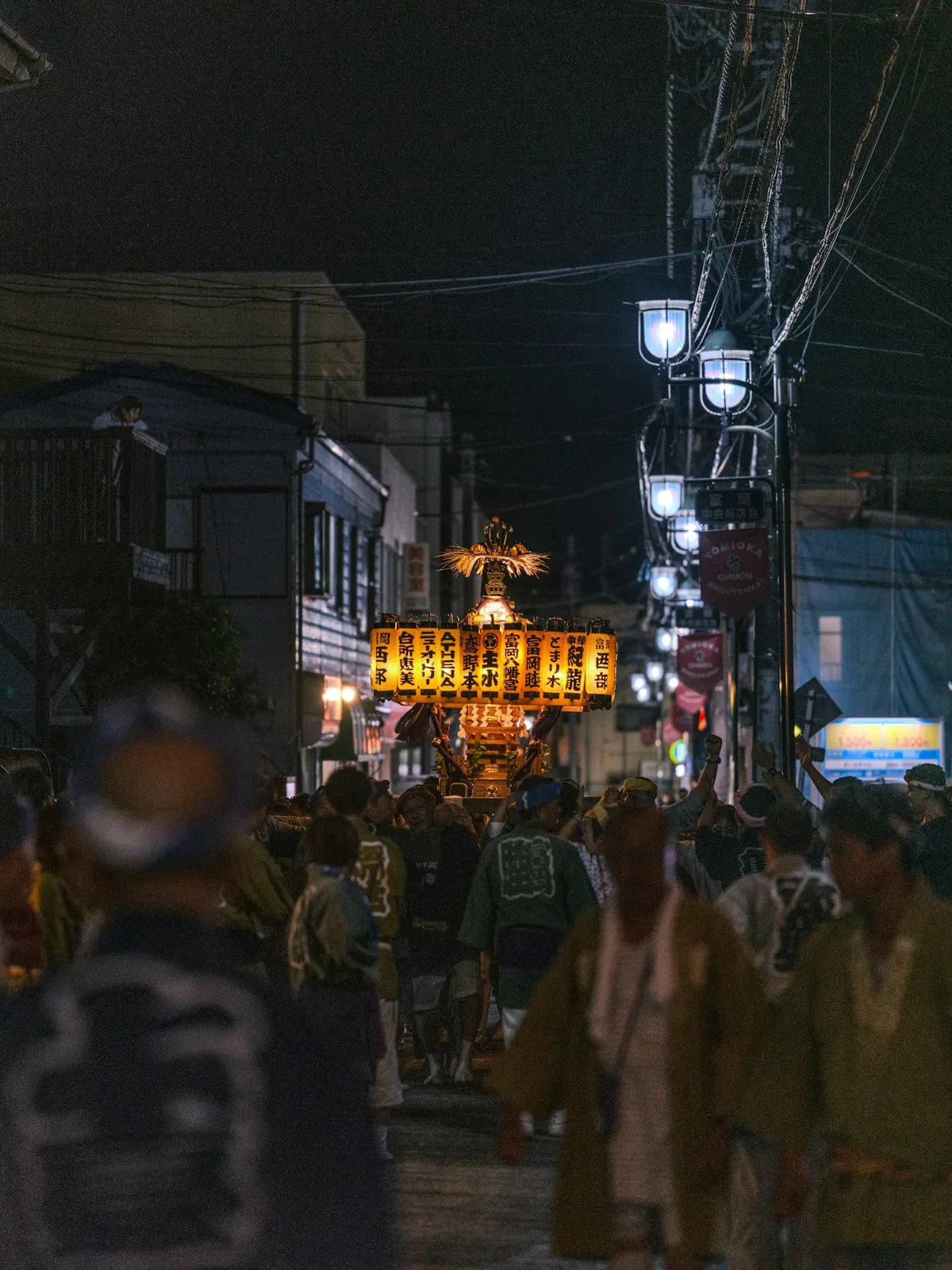
Mikoshi (portable shrines) can weigh hundreds of kilograms. Traditionally, they're carried by local shrine members (ujiko) through the neighborhood streets. But there's a problem: Japan's population is aging, and many communities simply don't have enough people to carry their mikoshi anymore.
Of 65 responses about foreigners carrying mikoshi:
The win-win dynamic was the most common theme:
人員不足を解消出来るし、担ぎたい側は喜ぶしイイこと尽しですね〜 It solves the labor shortage, the people who want to carry are happy — it's all good things!
最近は御神輿を担ぐ人が少なくなったと嘆く傍らこの様にインターナショナルな担ぎ手で賑わう所もあるのですね。外国人に目立つ位置で担がせてあげるご町内の方々は偉い! While some communities lament that fewer people carry the mikoshi these days, it's nice to see places bustling with international carriers. The neighborhood folk who give foreigners prominent carrying positions are wonderful!
外人さんたちの笑顔は、皆さん素敵でしたよ。日本人ももっとニコニコとすればいいのにと思ってしまいます。 The smiles on the foreigners' faces were all wonderful. It made me think that Japanese people should smile more too.
In Ikebukuro, Tokyo, there's been an International Exchange Mikoshi Carrying Association running for over 30 years. In rural areas, foreign technical trainees are increasingly invited to participate in local festivals, and the welcome goes both ways.
A Kokugakuin University professor originally skeptical about outside participation changed his mind after experiencing it firsthand:
これからは祭りを支える外国人がいてもいいでしょう。ただし、誰でもいいからとにかくたくさん人を呼んできて協力してもらおうという安易な方策は避けなければなりません。 It should be fine for foreigners to support festivals going forward. However, we must avoid the easy approach of just gathering anyone and everyone for help. (Associate professor, Kokugakuin University)
The message: foreigners are welcome to carry mikoshi, but approach it with respect. Learn the basics, follow the lead of experienced carriers, and understand that you're participating in something the community holds sacred.
💡 How to join a mikoshi carry
Some festivals offer "tebura mikoshi" (手ぶら神輿), literally "empty-handed mikoshi" programs designed for first-timers and visitors. They provide the happi coat and teach the basics. Search for your area + "神輿体験" (mikoshi taiken) or ask at your hotel. If you stumble upon a mikoshi procession, watch first, catch the eye of an organizer, and gesture that you'd like to help. The worst that happens is a friendly "no," and the best is an experience you'll never forget.
The Bigger Picture: Why Festivals Need You
Here's something most festival guides don't tell you: Japanese festivals are facing a survival crisis.
According to a Ministry of Economy, Trade and Industry survey, 100% of festival organizers reported challenges with succession: declining participation by young people, aging carriers, rising costs, and shrinking donations due to population decrease. Between 2017 and 2025, 668 shrines across Japan were lost, many taking their festivals with them.
A survey by Matsurism (a festival support organization) found a revealing contradiction: 74% of respondents said festivals must not disappear, but 64.4% said they themselves don't want to participate. The gap between wanting festivals to survive and actually showing up to help is the defining tension of modern Japanese festival culture.
This creates a dynamic that directly affects you as a visitor: communities that once might have been wary of outsiders now actively welcome anyone willing to participate. Fukuoka Prefecture runs a "Festival Helper Corps" that matches volunteers, including foreigners, with understaffed festivals. Toshima Ward in Tokyo delivers happi coats directly to foreigners who sign up to help carry mikoshi.
The generational picture matters here. Our research (65 responses) found a clear split:
- Younger Japanese (20-30s): Strongly favor internationalization of festivals. See foreign participation as natural evolution.
- Middle generation (40-50s): Pragmatic. "We need the help, and the cultural exchange is valuable."
- Older generation (60+): More likely to emphasize tradition, but even here, 70% of festival organizers in this age group support participation from the preparation stage.
The METI survey data puts a number on it: 60-somethings are twice as likely as 20-somethings (44.4% vs. 21.3%) to insist on traditional human-powered mikoshi, but even among the oldest group, the majority accepts that adaptation is necessary for survival.
これまであったつながりもコロナ禍の間になくなってしまったケースもある。過疎化で本当に難しい状況だけれど、お手伝いしてくださる方がおられたらうれしい。 Some connections we used to have were lost during COVID. The situation is really difficult due to depopulation, but we'd be happy if anyone would come to help.
祭りを続けることが最重要との共通認識が広がっている。氏子以外の人の参加、外国人の参加、他宗教の人の参加について抵抗はない。 There is a growing consensus that continuing the festival is the top priority. There is no resistance to participation by non-shrine members, foreigners, or people of other religions.
A Few Practical Things
What to wear: Yukata is wonderful if you can get one. Many hotels, ryokan, and rental shops in tourist areas offer them. If not, casual summer clothing is perfectly fine. You won't look out of place. For men, jinbei (a casual two-piece cotton outfit) is an easy alternative that's comfortable in the heat.
Food stalls (yatai): Festival food is meant to be eaten on the spot. Pointing at what looks good and saying "kore kudasai" (this one, please) is all you need. Most stalls are cash-only, so bring small bills. For more on Japan's food-on-the-go culture, see Is It Rude to Eat While Walking?. Spoiler: at festivals, eating while walking is the entire point.
Trash: You might not find trash cans at the festival. Carry a small bag for your garbage. Japanese people do the same thing. It's one of those small gestures that earns real respect.
Cash: Bring it. Festival stalls rarely accept cards. A stack of small bills will easily cover a good evening of food and games.
Getting home: Major festivals can mean packed trains and long waits for taxis. Check the last train time before you go, and consider leaving 30 minutes before the finale to avoid the crush, or embrace it and walk home with the crowd.
Photography: Taking photos of the festival atmosphere, performers, and food is welcome. For individual people, especially in yukata or during quiet moments, a smile and a gesture asking permission goes a long way.
More Japanese Perspectives
If you're planning your summer trip, these articles cover related topics:
- What to Wear in Japan: Dress code basics for every setting, including onsen towns
- Best Time to Visit Japan: Why summer is worth the heat, and when to visit each region
- Is It Rude to Eat While Walking?: The festival exception and other context-dependent rules
- Why Japan Has No Trash Cans: The carry-your-trash culture and why it matters
- Is It Cultural Appropriation to Wear a Kimono?: Worried it's disrespectful for a foreigner to wear one? What Japanese people actually think
Share Your Festival Experience
Have you attended a Japanese summer festival? Did something surprise you? Were you invited to dance, carry something, or try a game you'd never seen before?
We're collecting stories from visitors who've experienced matsuri culture firsthand. Your experience helps other visitors feel more confident about joining in, and it helps us understand what matters most.
Sources
Japanese Voices (325 responses across 5 topics)
Yukata (70 responses)
- Public Japanese Q&A sites, forums, and social posts, first-hand opinions on foreigners wearing yukata
Bon Odori (60 responses)
- Tokyo Updates (Tokyo Metropolitan Government): post-1590
- Nikkan SPA!: 2108143
- Saga TV: 2025082220846
- Omatsurijapan: bonodori01
- Public Japanese Q&A sites, forums, and social posts, first-hand opinions on foreigners joining bon odori
Local Festival Welcome (65 responses)
- Nikkan SPA!: 2108143
- Fukagawa Web: miyamoto285
- Saga TV: 2025082220846
- Jinja Honcho (Association of Shinto Shrines): sys/7570
- Omatsurijapan: can-thematsuri-be-saved-part1
- Yahoo SDGs: featured/591
Mikoshi (65 responses)
- Omatsurijapan: can-thematsuri-be-saved-part1
- Public Japanese Q&A sites, forums, and social posts, first-hand opinions on foreigners carrying mikoshi
Generational Attitudes (65 responses)
- TravelVoice / METI Survey: 20251126-158769
- Tanba Shimbun: 2023/09 festival labor shortage article
- Matsurism Survey (via PR Times): Festival participation survey data
- nippon.com: Festival succession crisis coverage
Surveys and Statistical Data
- Ministry of Economy, Trade and Industry (METI): Survey of 10 festival organizer groups across Japan (2025)
- Matsurism: Festival participation survey. 74% want festivals to continue, 64.4% don't want to participate themselves
- Foreign Residents Summer Experience Survey (2025, n=200): 85.4% chose fireworks festivals as top summer experience (atpress.ne.jp/news/441102)
Note on Quotations
Quotes from online platforms have been lightly edited for readability (fixing typos, formatting for clarity). The meaning and intent of each comment remain unchanged. Original sources are linked above.
This article is available in languages covering 95%+ of visitors to Japan (based on JNTO 2025 data). Need another language? Let us know through Voice Box.
WMJS is written in Japan, in English, with AI help. We check every page, but English is not our first language. If a sentence reads oddly, tell us. One sentence is enough.
Thank you. A person reads every note.
How well do you know Japan?
Built from 635 public posts by Japanese people
Want to know more? Ask Japanese people
Have a follow-up question about this topic? We'll ask real Japanese people.
Voice Box →