
Can You Dance at the Aomori Nebuta Festival? What Locals Really Think of Tourists Joining
What you'll learn in this article:
- What 92 Japanese people said about tourists jumping in to dance at the Aomori Nebuta Festival as a haneto
- Why "anyone can dance" isn't a slogan. It's the festival's actual, official rule
- The one thing you genuinely need (it's not skill, and it's not a connection)
Can tourists really dance at the Aomori Nebuta Festival? Yes. As long as you wear the official haneto costume, anyone (a tourist, a first-timer, someone who speaks no Japanese) can walk into a group and dance, with no sign-up required. We collected 92 Japanese voices across five parts of the experience: 89% warmly welcome outsiders who join, and not a single voice we found objected to tourists dancing. Locals put it plainly: jump in.
92 Japanese voices on one question: can an outsider really join the dance?
The answer: put on the costume and jump in. You're one of us now.
For most of the year, a Japanese festival can feel like something you watch from the edges: a beautiful, slightly closed world that belongs to the people who grew up with it. The Aomori Nebuta Festival is the rare, wonderful exception.
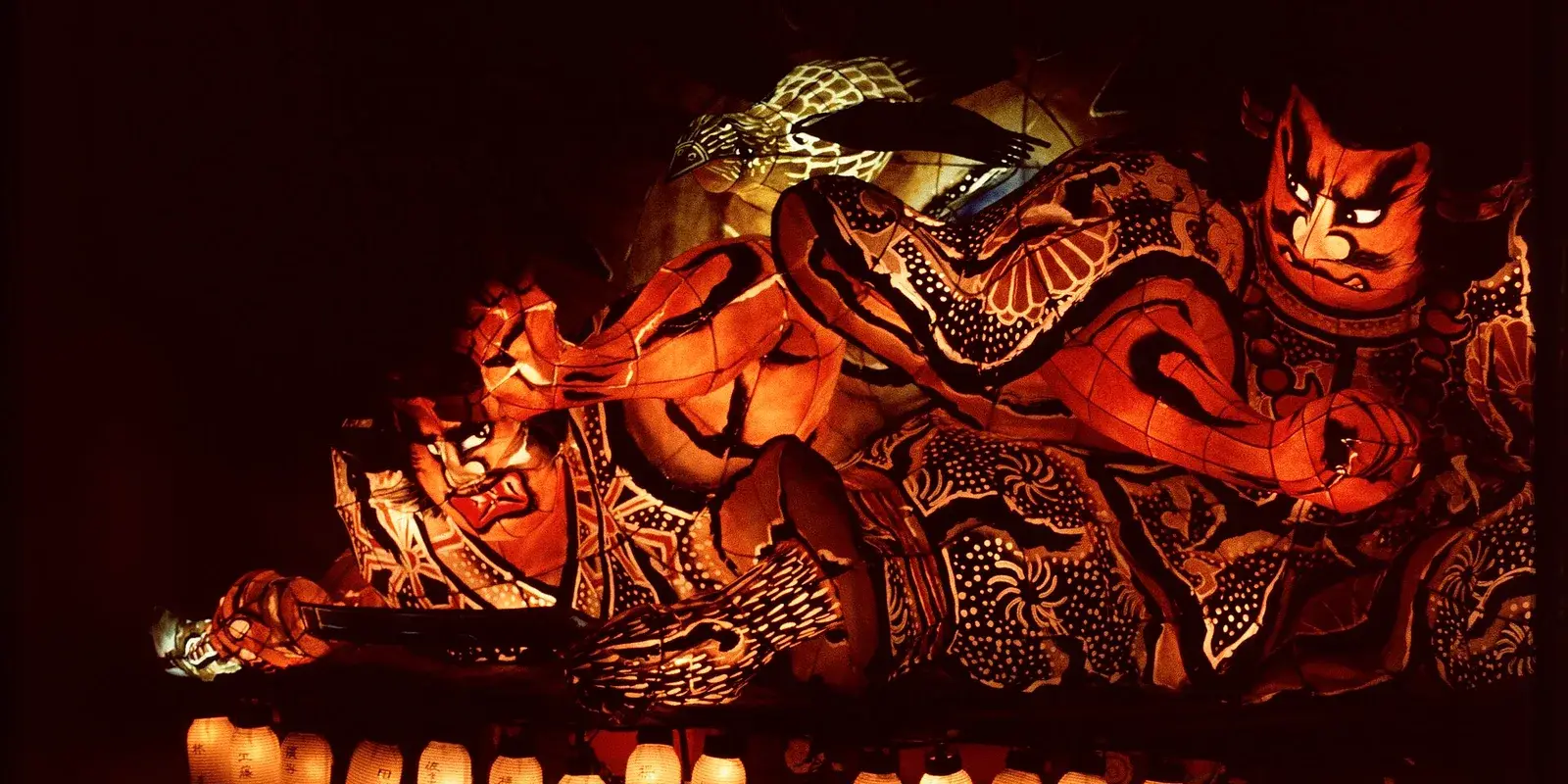
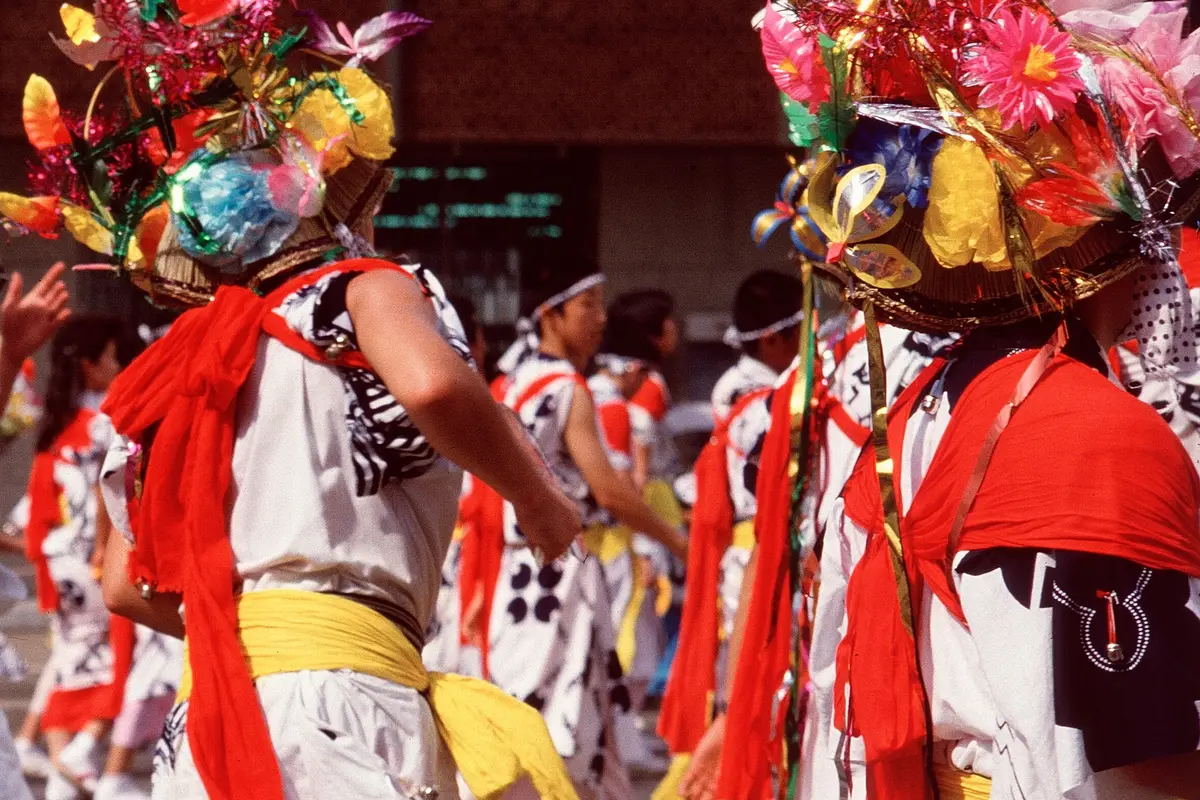
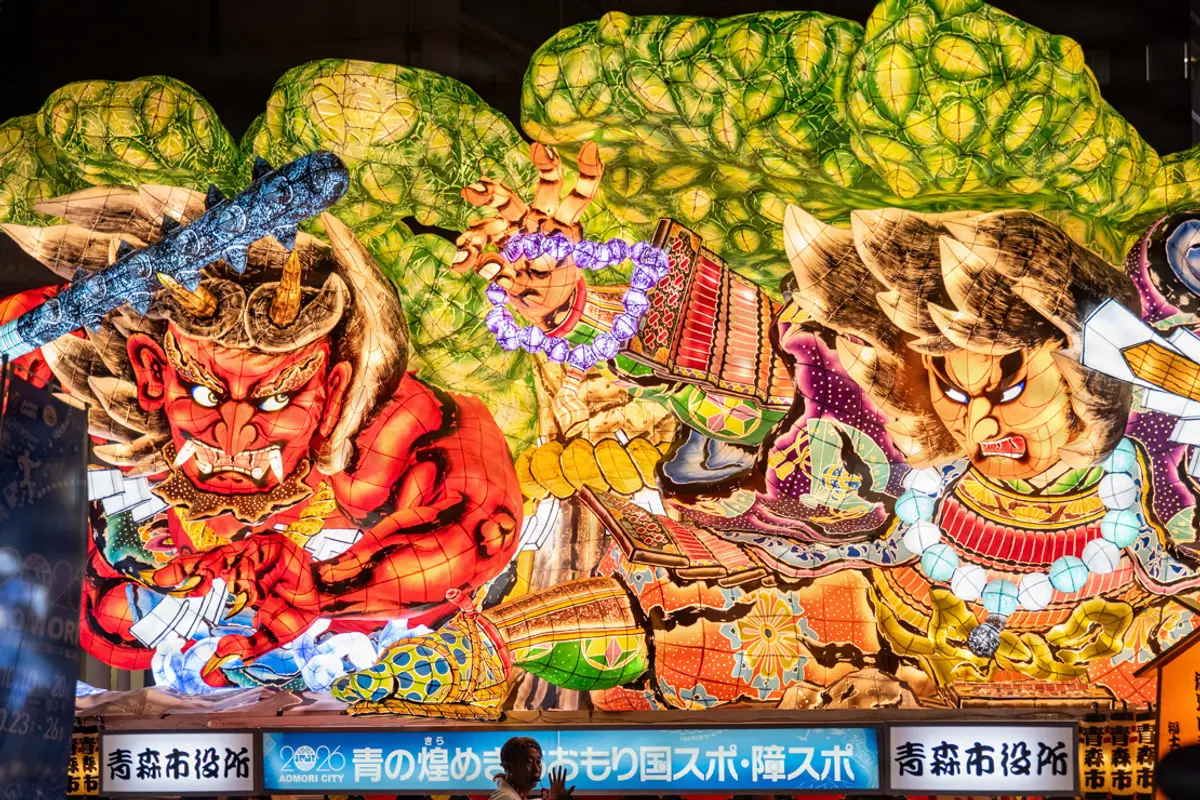
Every August, enormous illuminated warrior floats, some the size of a small house, roll through Aomori City. And swirling around them are the haneto: thousands of dancers in white costumes who leap and bounce and shout "Rassera!" into the summer night. Here's the part the guidebooks tend to bury: you can be one of them. Not by knowing someone. Not by signing up months ahead. Just by putting on the costume and stepping in.
But if you're thinking about it, you probably have the same quiet worries everyone has: Is it okay for a tourist to join? Won't I be in the way? What if I can't dance, or don't know the chant? So we went looking for what Japanese people actually say about outsiders joining, and the answers are warmer than you'd dare to hope.
Quick Guide
| What you might do | What Japanese people said | |
|---|---|---|
| 🟢 Jump in | Dance as a haneto | 89% welcome outsiders. "Anyone can become a haneto; all you need is the costume." No registration, no skill, no connection required. |
| 🟢 Wear it | The white costume | It's not a velvet rope. It's a simple rule that keeps disruptive crowds out. Rent a full set (around ¥4,000) with someone to dress you. Plain clothes can't enter the dance, but watching needs no costume. |
| 🟢 Shout it | "Rassera! Rassera!" | Just echo the leader and hop on each foot. Even Aomori locals cheerfully admit they don't know exactly what "Rassera" means, so you really can't get it "wrong." |
| 🟢 Or just watch | Stand on the curb | Free roadside viewing is completely fine. And the haneto toss "lucky bells" to the crowd: one dancer said the people she most wants to give them to are foreign visitors who came all this way. |
The one thing to remember: The Nebuta is, in the words of one participant, "a festival by ordinary citizens, for ordinary citizens." That sentence is the whole secret. There's no inner circle you're standing outside of: the circle is open, and it's waiting for you to hop in.
How We Gathered These Voices
We collected 92 Japanese-language voices across five parts of the Nebuta experience: dancing as a haneto (28 voices), the costume rule (22), the "Rassera" chant and how to jump (13), watching from the sidelines and the lucky-bell custom (21), and the people who keep the festival alive across generations (8). They came from public Japanese Q&A sites, personal blogs and social posts, and from interviews and reporting in Japanese media: first-time participants, lifelong Aomori residents, festival organizers, and the artists who build the floats.
A quick note: This isn't a controlled scientific survey. It's a collection of what real Japanese people said in their own words, on public platforms. Facts about the festival itself (dates, costume rules, the bell custom) come from the official Aomori Nebuta Festival organizers and other primary sources, all linked at the end. What we wanted to add was the part the rulebook can't tell you: how it actually feels to be welcomed in.
What Japanese People Actually Think: The Temperature Gauge
🟢 Dancing as a Haneto: "Anyone Can Join. That's the Whole Point"
This is the question that stops most visitors at the curb: is it actually okay for me to step in?
In most of the world, you watch a parade. The idea that you could simply join it (uninvited, unregistered, never having practiced) feels almost rude. So we expected at least some "please leave it to the locals" sentiment. We found essentially none.
Of 28 voices about outsiders dancing as a haneto:
The welcome is open and explicit. One first-time participant who flew in from outside Aomori described being pulled straight into a real procession group:
並みいる本物の『ねぶた運行団体』の仲間として歓迎してもらえて、その場で、跳ね方(踊り方)を教えてもらって、一緒に踊りまくることができるのです! They welcomed me as a real member of one of the genuine Nebuta groups, taught me how to jump right there on the spot, and I got to dance my heart out with everyone.
A traveler who joined completely alone wrote:
一人参加の私も受け入れてくれた団体に感謝ですね。一人旅でも、跳人として参加すれば、たくさんの人と出会い、交流することができます。 I'm so grateful to the group that welcomed even me, joining on my own. Even on a solo trip, if you join as a haneto you meet and connect with so many people.
And the reassurance for nervous first-timers comes up again and again:
『初めてだから』とか『踊りがわからない』とか、そういった心配は一切不要。 Worries like "it's my first time" or "I don't know the dance" are completely unnecessary.
リズム感がなくても、踊りが下手でも大丈夫。 Even if you have no rhythm, even if you're a bad dancer, it's fine.
An Aomori City tourism official summed up why the festival feels this way:
みんなで一緒に祭りを盛り上げていくという、非常にオープンな祭りというのがねぶた祭りのひとつの魅力。 One of the charms of the Nebuta is that it's an extremely open festival — everyone makes it lively together. — Aomori City tourism office
And from a local answering a first-timer's question online, the warmest line of all:
遠慮なく若者の輪の中に特攻して行って下さい。そういう踊りですから。ようこそ青森ヘ。気に入ったら、いつかまた来いへー。 Don't hold back — charge right into the circle of young people. That's the kind of dance it is. Welcome to Aomori. If you like it, come back again someday.
So what's the 11% "practical caveat"? It's not reluctance. It's two pieces of insider advice. First, wear the proper costume (we'll get to why). Second, a small share of groups are private (often a company or organization dancing together), so if one team is full of people in identical matching yukata, just pick a different, more open group:
跳人は基本自由参加ですが、団体によっては部外者の参加が難しいので気をつけてください。 Haneto is basically open to all, but some groups are harder for outsiders to join, so keep that in mind.
That's the whole "downside": choose an open group, and you're in.
💡 The real surprise
Most Japanese festivals are something you respectfully watch. The Nebuta is built to be joined. There's no audition, no membership, no need to "earn" your place: the welcome is the default setting. The only thing standing between you and the dance is a costume you can rent in ten minutes.
🟢 The Costume Rule: A Doorway, Not a Velvet Rope
Here's the one hard rule, and it surprises people: you can't dance in your street clothes. You need the official white haneto costume.
At first this can sound exclusionary, like the festival is open "but only if you pay in." The voices tell a different story. Almost no one experiences the costume as a barrier. They experience it as a fair, simple rule with a clear purpose, and a hurdle that a cheap rental clears in minutes.
Of 22 voices about the costume requirement:
People explain the rule matter-of-factly, and tend to agree with it:
正装以外での参加は認められません。これは、過去に迷惑行為を繰り返した参加者がいたためです。 Joining in anything other than the proper costume isn't allowed. This is because of participants who repeatedly caused trouble in the past.
Crucially, the rule is only about dancing. If you just want to watch, you can wear whatever you like, even a regular summer yukata:
ハネトをするのでなければ、観客なら普通の浴衣でも変じゃありません。 If you're not going to dance as a haneto, then as a spectator even a regular yukata isn't odd at all.
And getting the costume is genuinely easy. You don't need to buy one or know how to wear it: shops rent the full set and dress you on the spot:
予約して、身一つでお店に行けば、着付けしてくれて、着てきた服などは預かってくれるので、そのまま踊りにいける便利さです。 Book ahead, show up with nothing, and they dress you, hold the clothes you came in, and you head straight off to dance. That convenient.
The middle 45% is simply the honest logistics, and it lands softest on visitors from far away:
観光がてら遠方からねぶた祭りに行く方にとっては、購入してまでとは思いますよね。 For someone coming from far away as part of a trip, you wouldn't go as far as buying one, right?
The answer locals give to that, over and over, is the same: rent. A set runs around ¥4,000, dressing included, and you can hand it all back at the end of the night.
💡 How to clear the hurdle
Reserve a rental costume in advance (they're popular in festival week). Show up empty-handed; the shop dresses you and stores your clothes and bag. Tabi socks and sandals are sometimes extra but cheap; even local supermarkets sell them. Total: a small cost and ten minutes, and the dance is yours.
🟢 "Rassera!": You Literally Cannot Say It Wrong
The chant is the soul of the Nebuta, and the thing visitors are most afraid of getting wrong. Good news: getting it "right" isn't really a thing.
As the floats move, the night fills with one sound: "Rassera! Rassera! Rasse, rasse, rassera!" You might assume there's a correct way to say it, a meaning you should understand first, choreography you should know. There isn't, and the proof is that Aomori's own residents say the same.
Of 13 voices about the chant and the jump:
The mechanics are about as simple as it gets:
基本的には「ラッセラー、ラッセラー、ラッセ、ラッセ、ラッセラ!」。誰かが大声で言うので、周りの人はそれに合わせて言いながら跳ねます。 Basically it's "Rassera, rassera, rasse, rasse, rassera!" Someone shouts it loudly, and everyone around just matches them and jumps along.
右右、左左と、ケンケンする要領で跳びます。その辺の人に聞いてみると喜んで教えてくれます。 You hop right-right, left-left, like skipping. Ask anyone nearby and they'll happily show you.
And here's the part that should melt away any embarrassment: even the people of Aomori don't fully know what they're shouting:
青森市民だってあまり知らない「ラッセラー」の意味……。 The meaning of "Rassera" — which honestly even Aomori residents don't really know…
実のところ、ねぶた祭の掛け声についてはっきりしたことはわかっていません。 The truth is, nothing definite is known about the meaning of the Nebuta chant.
There are a few theories (one popular guess traces it to an old call meaning roughly "bring out the sake and candles"), but no one settles it, and no one minds. The chant isn't a password you have to get right. It's a sound everyone makes together. One veteran who's jumped for a decade put it best:
囃子も含めて、みんなの跳ねが揃ったときの一体感といったら、最高以外の言葉が出ない。単純ですが、それ故にアドレナリンが出まくって完全燃焼できます。 When everyone's jumping lines up with the music, the only word for the unity is "the best." It's simple — and that's exactly why the adrenaline pours out and you burn yourself completely out.
💡 How to "do" the chant
Listen for the person leading, and echo them: "Rassera, rassera!" For the jump, hop twice on one foot, then twice on the other. That's it. You don't need to understand the words, and neither does anyone around you. Loud and happy beats correct.
🟢 Just Want to Watch? That's Perfect Too, and the Bells Might Find You
Not everyone wants to jump into a crowd of thousands, and that's completely fine. Watching the Nebuta is its own joy, and it comes with a small piece of magic.
You don't need a costume, a paid seat, or a plan to enjoy the Nebuta. Free roadside spots are the norm, and locals are quick to say so. The only things to mind are gentle and obvious.
Of 21 voices about watching and the famous lucky-bell custom:
First, the reassurance: you really don't need to spend money or arrive at dawn:
正直な話、ねぶたを見るのに有料の席は要りません。むしろ自由に動ける立ち見の方が見やすいかもしれません。 Honestly, you don't need a paid seat to watch the Nebuta. If anything, standing where you can move freely might give you a better view.
東京近辺と違い、場所確保に何時間も前から居続けなければならないような混雑はありません。 Unlike around Tokyo, there's no crush where you have to camp out for hours to hold a spot.
Then the magic. The haneto wear small bells called suzu, and as they bounce, the bells shake loose. A bell that falls and isn't trampled is said to bring good luck, so dancers gather them up and toss them to the people watching. One dancer described the joy of it, and exactly who she looks for in the crowd:
この鈴を観覧席のお客様にあげるのがとっても楽しいんですよね。 Giving these bells to the people watching is just so much fun.
海外から遠路はるばる観光にきて、この祭りを心待ちにしてたであろう外国人に投げてあげたい。 I want to throw them to the foreign visitors who came all this way and must have been looking forward to this festival.
Another long-time haneto loads up on extra bells for a tender reason:
途中で鈴がなくなって、沿道の子どもたちやおばあちゃんががっかりする顔を見ると悲しくなるので、しこたま鈴を身に付けます。 I get sad seeing the disappointed faces of the kids and grandmas along the route when I run out, so I cover myself in bells.
The "mind your manners" voices are simply about keeping the custom kind and safe: call out for a bell rather than rushing the dancers, and remember a bell is a gift rather than a guarantee:
ハネトの善意で分けてくれるものなので、もらえなくても文句を言ってはいけません。声を掛けてもらえたら、しっかり御礼を言いましょう。 They share them out of pure goodwill, so don't complain if you don't get one. And when one comes your way, say a proper thank you.
💡 How to (maybe) catch a lucky bell
Stand near the front, smile, and call out "Suzu choudai!" ("a bell, please!"). The haneto know exactly what you want and will often toss one your way. If you don't catch one, that's okay: wait for the dancers to pass, then pick up any bell that's fallen, without darting into their path. Keep it as a little charm from Aomori.
Why a Festival This Big Stays This Open
It's worth asking why the Nebuta is so unusually welcoming, when so many traditions guard their doors. The answer isn't that Aomori people are simply friendlier. It's built into how the festival survives.
The Nebuta runs on volunteers and citizens, and like much of rural Japan, those ranks are thinning. The people who keep it going talk openly about the challenge:
このままだと祭の規模が縮小したり、後継者がいなくなったりと、存続の危機を感じています。 If things continue as they are, I feel a crisis of survival — the festival shrinking, the successors disappearing. — Nebuta float artist
少子高齢化が進むなかで徐々に人が減っているので、運営側の後継者をきちんと育てていきたい。 With the falling birthrate and aging population, our numbers are gradually shrinking, so we want to properly raise the next generation to run it. — Chair, Aomori citizens' Nebuta committee
A festival that needs hands is a festival that opens its arms. When the goal is to keep something beloved alive for "50, 100 years," as one committee chair put it, every person who shows up wanting to dance (local or visitor, young or old, Japanese or not) is part of the answer, not an intrusion. The openness you feel as a visitor isn't a marketing gimmick. It's how a long-cherished tradition, handed down across generations, chooses to carry itself into the future. And there's hope in it, too:
いま女性のねぶた師は私一人だけですが、修行中の女性が数名います。その方たちが活躍する時が来れば、もっと盛り上がると思うんです。 Right now I'm the only female Nebuta float artist, but several women are in training. When their time comes to shine, I think it'll get even livelier. — Japan's first female Nebuta float artist
So when you put on the costume and step in, you're not borrowing someone else's festival for a night. For that night, you're helping carry it.
A Few Practical Things
When it happens: The Aomori Nebuta Festival runs every year on August 2–7 (with a smaller eve event on August 1). The big floats parade in the evening from August 2–6; on the final day, August 7, there's a daytime parade followed by the floats out on the water with fireworks. The dancing happens during the evening parades.
Getting the costume: Reserve a haneto costume rental in advance: roughly ¥4,000 for a set, often with someone to dress you and hold your bag. Buying a set runs around ¥10,000, which only makes sense if you'll be back every year. Shops are in central Aomori City; book early, because festival week is busy.
Where to gather: Costumed haneto join a group before it sets off, near the start of the route. You don't register. You simply walk up in costume and step in. Joining partway along the route is discouraged when it's crowded, so aim to start with a group.
A couple of don'ts: No joining after drinking, and no fireworks, firecrackers, or bottles. These are the festival's own safety rules: easy to follow, and there to keep the night joyful.
Staying cool: August in Aomori is warm and the dancing is a real workout. Drink water, and don't feel you must last the whole parade; you can step out whenever you like. For more on timing a summer trip, see the best time to visit Japan.
Eating around the festival: Street food is part of the night, and eating as you wander is completely normal here: see Is It Rude to Eat While Walking?
More Japanese Perspectives
If you're planning a summer trip, these cover related ground:
- How to Blend In at a Japanese Summer Festival: The all-purpose version: yukata, bon odori, neighborhood festivals, carrying mikoshi, and whether you're welcome
- Where You're Most Welcome in Japan: The data on which regions (including Aomori and the Tohoku north) roll out the warmest welcome, and when to visit
- Wearing a Yukata in Japan: Worried about wearing traditional summer clothing? What Japanese people actually think
- Japanese Fireworks Festivals: The other great summer night out, and the feeling locals want you to share
- Tanabata Star Festival: Summer's wish-upon-a-star festival, and how visitors can take part
Share Your Nebuta Story
Have you danced as a haneto, or are you dreaming about it? Did a stranger teach you the jump, or toss you a lucky bell? Did joining in change how the festival felt?
We're collecting stories from visitors who've experienced matsuri culture firsthand. Your experience helps the next traveler feel brave enough to step into the circle, and it helps us understand what matters most.
Sources
About the Festival (primary & media sources)
- Aomori Nebuta Festival official site: haneto participation rules, costume, schedule:
- Participation rules: nebuta.jp/info/haneto/sanka.html
- Costume & rental: nebuta.jp/info/haneto/wear.html; a full haneto set, dressing included, rents for roughly 4000 yen.
- English overview & schedule: nebuta.jp/foreign/english.html
- Aomori City: "Anyone can join the festival by wearing the haneto costume": city.aomori.aomori.jp
- Ministry of Land, Infrastructure, Transport and Tourism (MLIT): multilingual haneto explainer: mlit.go.jp (PDF)
Japanese Voices (92 across five aspects)
We collected first-hand Japanese voices from public Japanese Q&A sites, personal blogs, and social posts, along with reporting and interviews in Japanese media. Media interviews and first-person reports we quoted by role include:
- Walker+ editorial first-time-haneto report: walkerplus.com/article/24306
- nippon.com, "How foreigners saw the Nebuta": nippon.com/ja/views/b01403
- Omatsuri Japan, interview with Nebuta artist Hiroo Takenami: omatsurijapan.com/blog/nebuta03
- ORIX "MOVE ON," Aomori citizens' Nebuta committee & float artist Asako Kitamura: orix.co.jp
- 4travel travelogue (free viewing): 4travel.jp/travelogue/11921100
Note on Quotations
Quotes from online platforms have been lightly edited for readability: fixing typos, formatting for clarity, and in a few places condensing or combining closely related comments from the same source. The meaning and intent of each comment remain unchanged. Original sources are linked above.
This article is available in languages covering 95%+ of visitors to Japan (based on JNTO 2025 data). Need another language? Let us know through Voice Box.
WMJS is written in Japan, in English, with AI help. We check every page, but English is not our first language. If a sentence reads oddly, tell us. One sentence is enough.
Thank you. A person reads every note.
How well do you know Japan?
Built from 635 public posts by Japanese people
Want to know more? Ask Japanese people
Have a follow-up question about this topic? We'll ask real Japanese people.
Voice Box →