
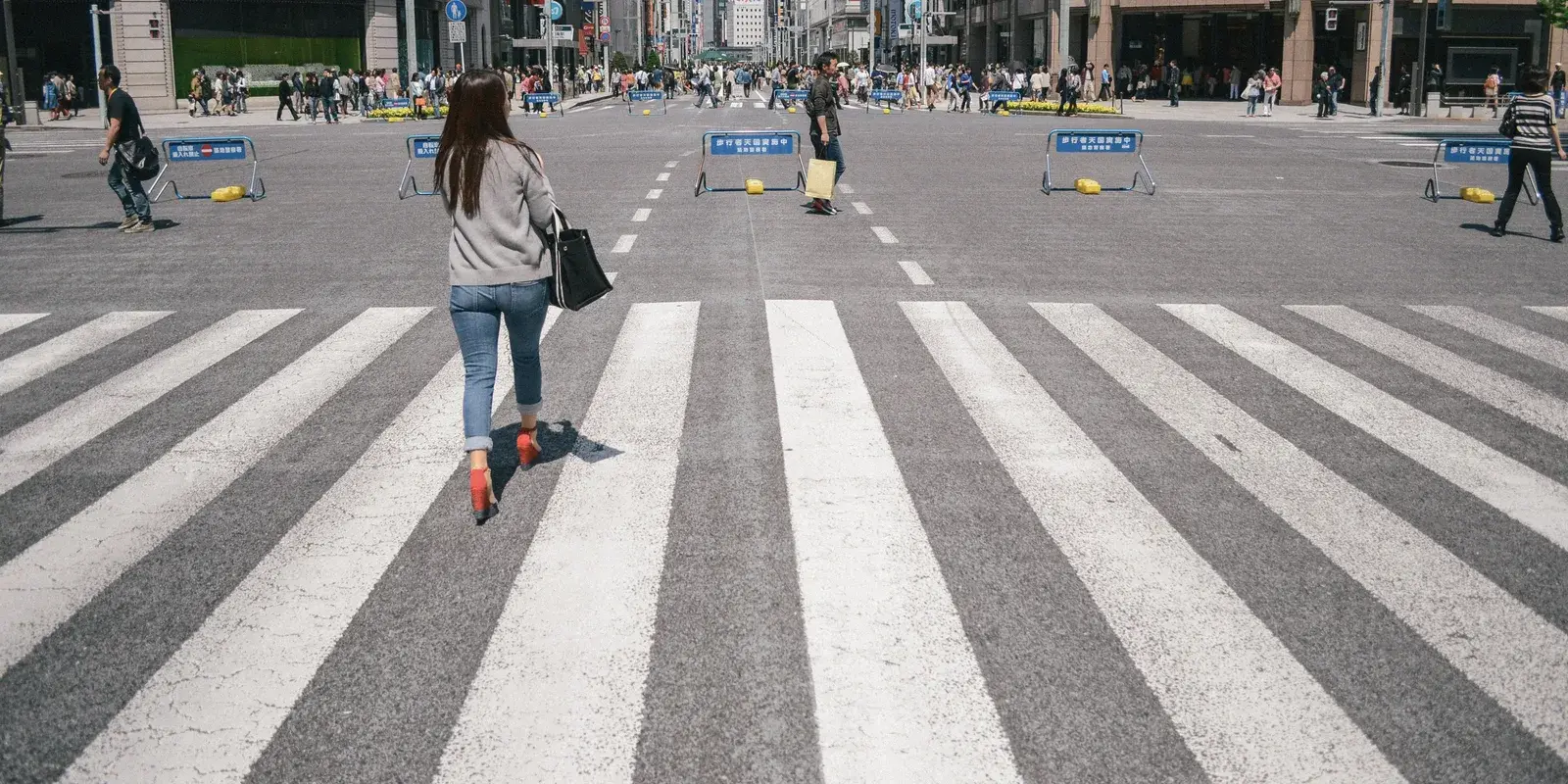
The Unspoken Scorecard: How Japanese People Silently Grade Visitors in Shared Spaces
What you'll learn in this article:
- What 5,202 Japanese commuters revealed in the Mintetsu 2025 national survey about visitor behavior
- The four dimensions Japanese people actually notice, and the one that matters most
- Why the "scorecard" is graded on effort, not perfection, and how awareness alone earns warmth
Here's something nobody tells you before you visit Japan: you're being watched.
Not in a creepy way. Not with hostility. But in the way a host watches a guest: noticing small things, registering effort, silently forming an impression. In a national survey of 5,202 Japanese commuters, 77.1% said they'd noticed a foreign visitor doing something that felt out of place. That's a big number.
What they're grading you on, though, is far kinder than what you'd expect. The "unspoken scorecard" isn't about perfect etiquette or memorizing rules. It's about something much simpler and much more human.
Quick Guide
| Dimension | What Japanese People Said | |
|---|---|---|
| 🟢 Earns warmth | Effort and intent | "They were trying to follow the flow, and that alone made me happy." Imperfect attempts earn more warmth than flawless indifference. |
| 🟡 Worth knowing | Volume awareness | Voice volume is the #1 thing Japanese people notice (69.1% in the Mintetsu survey). But most understand it's cultural rather than intentional. |
| 🟡 Worth knowing | Physical space | Luggage placement and not blocking paths matter. But Japanese people know their trains weren't designed for big suitcases. |
| 🟢 Don't worry | Cultural forgiveness | "Nobody studies the manners of their destination before traveling. It can't be helped." Many Japanese people offer more grace than you'd imagine. |
The one thing to remember: Japan's unspoken scorecard is graded on awareness rather than perfection. Simply noticing the people around you (adjusting your volume, moving your bag, looking around before you act) registers as effort. And effort is what earns full marks.
What do Japanese people actually notice about tourists in shared spaces? A national survey of 5,202 commuters found that voice volume tops the list at 69.1%, followed by luggage handling at 41.9%. But in the public posts by Japanese people that we collected, the largest group (44%) says they notice these things yet fully understand. Only 28% are genuinely bothered, and 61% feel warmth when a visitor simply tries.
How We Gathered These Voices
This article draws on two layers of data.
📊 The quantitative anchor: The Japan Private Railways Association (日本民営鉄道協会) conducts an annual survey on station and train etiquette. The 2025 edition collected 5,202 responses and, for the first time, included a dedicated section on foreign visitor behavior. This is Tier 1 government-affiliated data, the most comprehensive public survey on how Japanese commuters perceive visitor behavior in shared spaces.
💬 Japanese voices: We collected and cross-referenced over 400 Japanese-language responses across multiple shared-space topics: trains, convenience stores, queuing, trash handling, and general public behavior. Sources include public Japanese Q&A sites, forums, and social posts, alongside Japanese media analysis. These aren't scientific samples; they're what real Japanese people said, in their own words, on public platforms.
A note on this article: WMJS has published in-depth articles on many of the specific topics covered here: trains, trash, convenience stores, queuing, and more. This article zooms out to show the pattern that connects them all.
The Numbers: What 5,202 Commuters Said
The Mintetsu 2025 survey asked Japanese commuters two things: what behaviors bother them in general, and what behaviors they notice from foreign visitors specifically. The gap between these two lists reveals something important.
What Bothers Commuters Most (Overall)
| Rank | Behavior | % |
|---|---|---|
| 1 | Coughing/sneezing without covering mouth | 34.7% |
| 2 | Seat hogging (not moving over, stretching legs) | 31.9% |
| 3 | Loud conversation / rowdy behavior | 30.2% |
| 4 | Lingering near doors, blocking exits | 27.6% |
| 5 | Smartphone use while walking / in crowded cars | 21.6% |
What They Notice From Foreign Visitors
| Rank | Behavior | % |
|---|---|---|
| 1 | Loud conversation / rowdy behavior | 69.1% |
| 2 | Baggage handling (suitcases blocking paths) | 41.9% |
| 3 | Seat posture | 26.2% |
| 4 | Strong personal scents | 24.8% |
| 5 | Lingering near doors | 24.1% |
Notice something? The top two visitor-specific concerns, volume and physical space, are the same things that bother Japanese people about each other. This isn't a foreigner-specific complaint. It's a shared-space sensitivity that applies to everyone.
The difference is scale: 30.2% of respondents flagged loud conversation as a general annoyance, but 69.1% flagged it specifically for foreign visitors. Why the gap? A Japanese psychologist, writing online, offered a compelling explanation:
母語とは異なる言語や音に慣れていないため、外国語が耳に入ると注目しやすくなります。日本語で話している時は特に反応はありませんが、英語に切り替えた瞬間、時々うるせえよというような視線を感じることがあります。 Because we're not used to hearing languages other than our mother tongue, foreign languages grab our attention. When I speak Japanese, nobody reacts. The moment I switch to English, I sometimes feel annoyed looks.
This is what psychologists call "selective attention": unfamiliar sounds register more strongly in your brain, even at the same volume. A Japanese commuter put it even more directly:
マナーの悪い観光客など、日本人にも外国人にもいます。日本人の場合、風景の一部になっていて無視するか忘れる。外国人だと接触の回数が少ないので、目につきやすく記憶に残りやすいだけなのです。 Rude tourists exist among both Japanese and foreign visitors. When it's a Japanese person, they blend into the scenery and we ignore or forget them. With foreigners, there's less frequent contact — so they stand out more and stick in memory.
💡 The selective attention effect
The 77.1% number sounds alarming, but it doesn't mean 77% of Japanese people are upset with you. It means unfamiliar languages and behaviors are naturally more noticeable. The same volume that blends in when spoken in Japanese stands out in English, French, or Thai. You're not louder; you're just more audible.
Dimension 1: Volume, the First Thing They Hear
Voice volume is the single biggest item on Japan's unspoken scorecard. At 69.1%, it's the thing Japanese commuters notice most about foreign visitors, by a wide margin.
But the data tells a more nuanced story than "be quiet."
When we looked at how Japanese people actually talk about foreign visitor volume, the largest group (44%) falls into "I notice it, but I get it." That's a very different picture from the 69.1% headline number.
外国ではそれがふつうだからでしょ。私も外国生活に慣れて日本に帰ってきたときに日本人はみんな無言で歩いてる、電車の中もシーンとしてみんなヒソヒソ話をしてるのに非常に奇妙な感じがしました。 Because in foreign countries, that's just normal. When I came back to Japan after living abroad, I remember feeling how strange it was — everyone walking in silence, whispering on trains.
車内が静かなのは欧州はもちろんシンガポールや台湾でもあり得ない事なので、外国人からしたら当たり前なのかと。 A silent train car is unthinkable in Europe, Singapore, or Taiwan — so for foreigners, talking is just natural.
旅行先のマナーを学んでから旅行に行く人なんていませんから。こればっかりはどうしようもないですね。 Nobody studies the manners of their destination before traveling. It can't really be helped.
But the voices that express genuine frustration also deserve to be heard:
何で話し声デカイの。横に広がって歩いて本当に邪魔。 Why do their voices have to be so loud? Spreading out across the sidewalk is really in the way.
温泉でも小声でしゃべる事を知らない。 Even at the onsen, they don't know how to speak quietly.
The pattern across hundreds of voices is clear: volume registers, but intent matters more than decibels. A group of friends chatting happily draws a tolerant smile. The same volume from someone who seems oblivious to their surroundings draws a wince. Japanese people are reading your awareness level, not measuring your volume.
Want the deep dive on train-specific etiquette? We collected 177 voices on exactly this topic → Why Japanese Trains Are Silent (And Why Riders Love It)
Dimension 2: Physical Space, Your Footprint in Their World
The second-biggest item on the scorecard is physical space awareness. In the Mintetsu survey, 41.9% of respondents flagged baggage handling: specifically, suitcases blocking train aisles, doorways, and walkways.
But here's something the frustration numbers don't capture: many Japanese people understand that it's partly an infrastructure problem rather than a manners problem.
ヨーロッパの列車は大きな荷物を持った移動を前提に設計されている。日本の新幹線や電車では大型荷物を置くスペースはあまりない。外国人旅行者は置き場所に困り、結果的に通路やドア付近をふさいでしまう。 European trains are designed for travel with large luggage. Japanese trains don't have much space for big bags. Foreign travelers struggle to find a spot, and end up blocking aisles and doorways.
駅のホームに座り込んでたりするとゲンナリする。 Seeing people sitting on the station platform floor is disheartening.
通勤バスに外国人がいっぱいで見送らないといけない。 My commuter bus was so full of tourists I had to let it pass.
Physical space on Japan's scorecard isn't just about suitcases. It's about a broader awareness: are you blocking someone's path? Standing in the middle of a narrow street? Spreading out across a sidewalk? Japanese people move through shared spaces with what one researcher called an "invisible choreography," a constant, unconscious adjustment to minimize their footprint.
You don't need to master this choreography. But noticing it, and trying, goes a long way.
For the specific shared-space norms in different settings:
- Trains and stations → Getting Around Japan
- Queuing → Why Lining Up Matters
- Convenience stores → The Unwritten Rules of Japanese Convenience Stores
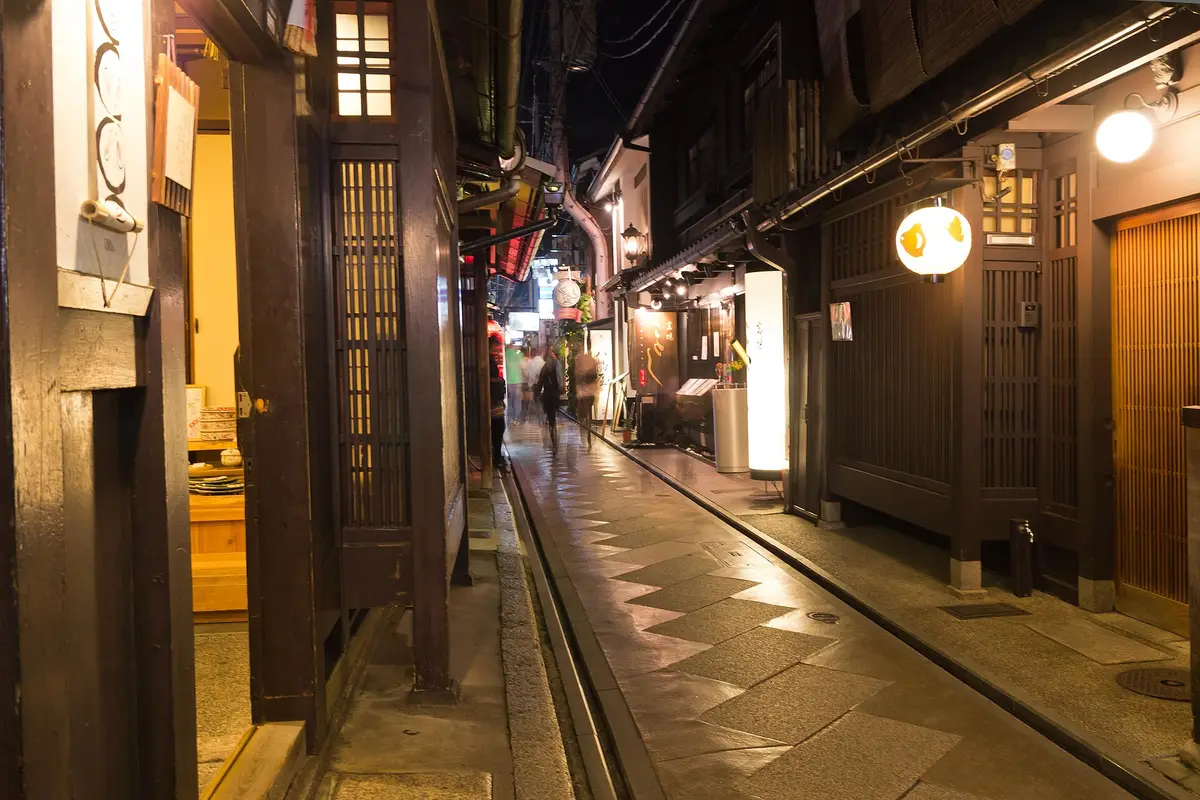
Dimension 3: The Effort Detector and What Earns Full Marks
Here's where the scorecard flips. Everything above might sound like a list of complaints. But when we read what Japanese people wrote about what they appreciate in foreign visitors, a completely different picture emerged.
61% of Japanese people said they felt genuine warmth when they noticed a foreign visitor making an effort, even an imperfect one. This is the scorecard's hidden grading rubric: effort is what earns full marks.
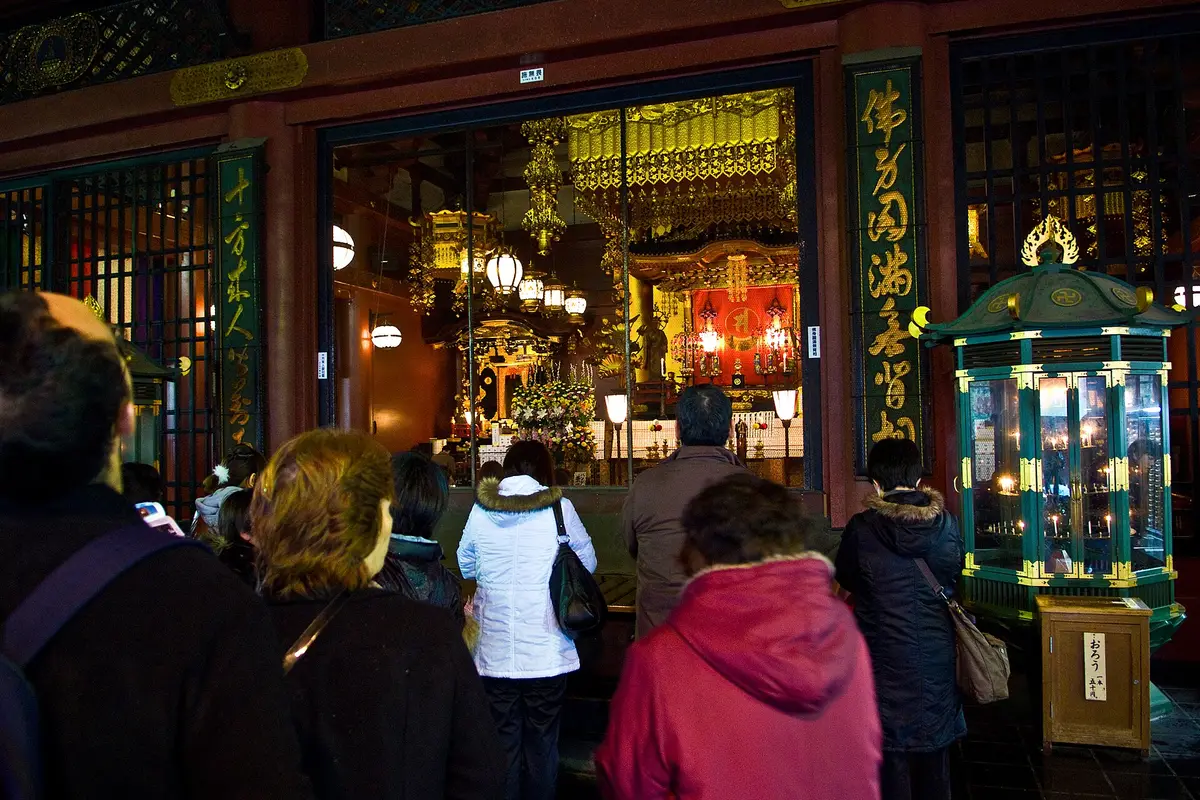
A temple visitor in Kyoto observed:
外国人は自然と並んで待ってるし、手を合わせてから入っていく。 Foreign visitors naturally line up and put their hands together before entering.
An Airbnb host shared:
外国人はチェックアウト時に掃除してゴミをまとめて布団は畳む。 Foreign guests clean up at checkout, gather their trash, and fold the futon.
A restaurant owner noted:
外国人は「予約ないとダメ?じゃあ仕方ないね」で終わる。 When foreign visitors hear "you need a reservation," they just say "oh, okay then" and move on gracefully.
And a commuter reflected:
若い子は比較的普通の感覚の子が多い気がする。外国人の若い男の子に席を譲ってもらった。 Young people tend to have normal sensibilities. A young foreign man offered me his seat.
💡 The effort detector
Japanese people have a finely tuned "effort detector." They notice when you lower your voice on a train, even if you're still louder than the Japanese passengers. They notice when you step aside to let someone pass, even if your suitcase is still in the way. They notice when you attempt a small bow, even if the angle is all wrong. The scorecard doesn't require perfection. It requires awareness.
This pattern isn't unique to this article. It's the single most consistent finding across everything WMJS has studied. Whether it's chopstick etiquette, bowing, trying to speak Japanese, or removing your shoes, the same conclusion appears again and again: effort earns more warmth than perfection.
Dimension 4: The Forgiveness Factor
The most surprising dimension of the scorecard might be this one: how much Japanese people are willing to forgive.
73% of Japanese voices fell into the "understand" or "don't blame" categories when discussing whether foreign visitors should be held to Japanese standards.
どんな国にも常識はずれやマナーを知らない輩はいますよ。気にしないこと。 Every country has people who don't know the rules. Don't worry about it.
全ての外国人がそうではない。日本人にも同様の行動をする者がいる。 Not all foreigners are like that. Japanese people do the same things.
悪意をもってルールに違反しているわけではなく、文化や習慣の違いが原因の可能性が高い。 They're not violating rules maliciously — it's most likely a difference in culture and habits.
迷惑かけないで観光してくれるならいい。 If they can enjoy their trip without causing trouble, that's fine.
Even in threads where the overall tone was critical, voices of perspective kept appearing:
もちろん、ありがたい話であってメリットもたくさんあるとは思うんですが。 Of course, we're grateful, and there are plenty of benefits.
日本人がお金を使わないから外国人を呼んでるんだよね。 We're inviting foreigners because Japanese people aren't spending money.
観光客は税金で経済に貢献してる。住んでる人には不便なこともあるけど。 Tourists contribute to the economy through spending. It's inconvenient for residents sometimes, but still.
The forgiveness factor also has an interesting nuance: Japanese people tend to forgive behaviors that are clearly unintentional far more readily than behaviors that seem indifferent. Not knowing you should be quiet on a train? Forgivable. Playing loud music after being told? Not so much.
The Pattern Nobody Tells You
Across the four dimensions (volume, space, effort, and forgiveness), one pattern emerges that no travel guide mentions:
The scorecard is about awareness, not knowledge.
Japanese shared-space culture operates on a concept called kuuki wo yomu (空気を読む), literally "reading the air." It means sensing the mood and energy of a space and adjusting yourself accordingly. Nobody expects visitors to master this; it takes Japanese people themselves years to develop, and even they sometimes get it wrong.
But visitors who show any sign of reading the air (glancing around, adjusting their behavior, noticing when others are being quiet) trigger something in the Japanese psyche that's hard to translate. It's not quite "respect" and not quite "gratitude." It's closer to recognition: they see us. They're trying.
That recognition matters far more than any specific rule. You could perfectly follow every etiquette guide ever written, but if you do it mechanically, without awareness of the people around you, it lands flat. Conversely, you could break half the "rules," but if you do it while clearly paying attention to your surroundings, Japanese people will notice and extend warmth.
This is why WMJS exists. Not to teach you rules, but to show you the scorecard, so you can stop worrying about perfection and start understanding what actually matters.
Want to understand the deeper cultural framework? → Why Japanese People Choose These Rules
Earning Full Marks: What the Data Says
Based on everything (the Mintetsu survey, hundreds of Japanese voices, and our cross-analysis of over 40 WMJS articles), here's what consistently earns full marks on the unspoken scorecard:
Lower your voice indoors: Not to a whisper. Just enough that the people around you can still think their own thoughts. (More on train silence →)
Mind your footprint: Keep bags close, don't block paths, and look before you stop in a walkway. Japanese people do this automatically; noticing it is half the battle. (More on navigating Japan →)
Carry your trash: No public trash cans? Carrying your garbage until you find one earns a quiet nod of respect from anyone who notices. (Why trash cans disappeared →)
Try the basics: A small bow, a quiet "sumimasen," taking off your shoes when you see others doing it. None of these need to be perfect. (Why a small bow earns warmth →)
Just look around: This is the simplest and most powerful thing you can do. Before you act, glance at what everyone else is doing. Match their energy. That's kuuki wo yomu, and it's the only "rule" that matters.
The Manners Improvement Paradox
One last piece of data from the Mintetsu survey: only 18.4% of respondents felt that train manners have improved. 42.5% felt they've gotten worse.
Visitor numbers have surged from 6.2 million in 2011 to over 42 million in 2025. The fact that "only" 77% noticed something in this context is, arguably, a testament to how well most visitors navigate Japanese shared spaces without realizing they're being scored.
The scorecard exists. But the grading curve is generous, and you're probably doing better than you think.
Share Your Experience
Have you noticed the "unspoken scorecard" in Japan? What did you do that seemed to earn warmth, or what surprised you about how Japanese people reacted?
Sources
Survey Data
Japan Private Railways Association (日本民営鉄道協会): Station and Train Etiquette Survey 2025
- Period: October 1 – November 30, 2025
- Respondents: 5,202
- Results page: https://www.mintetsu.or.jp/activity/enquete/2025.html
- Foreign visitor section: 4,012 respondents (77.1%) reported experiencing behavior concerns from inbound tourists
Tetsudo Trend Research Institute (鉄道トレンド総研): 62.4% of respondents reported seeing a foreign visitor with poor manners at a station or on a train
Online Discussion Sources
- Public Japanese Q&A sites, forums, and social posts: first-hand opinions on foreign visitor behavior in shared public spaces (trains, queuing, luggage, volume, and tourist manners; 2025–2026)
Media Analysis
Toyokeizai Online: "How to Address Inbound Tourist Manner Violations" (2025)
All About News: "The 'Nuisance Suitcase' Problem on Trains Has Reasons" (2025)
MoneyPost: "Suitcase Trouble on Trains and Buses from Foreign Tourists" (2025)
Cross-Referenced WMJS Articles
Temperature data and Japanese voices from previously published WMJS research were cross-referenced for pattern analysis across the following articles:
- Why Japanese Trains Are Silent (177 voices)
- Why Japan Has No Trash Cans
- The Unwritten Rules of Japanese Convenience Stores
- Why Lining Up Matters
- Why Removing Shoes Makes Japanese People Smile
- Why Japanese People Choose These Rules
Note on Quotations
Quotes from online platforms have been lightly edited for readability (fixing typos, formatting for clarity). The meaning and intent of each comment remain unchanged. Original sources are linked above.
WMJS is written in Japan, in English, with AI help. We check every page, but English is not our first language. If a sentence reads oddly, tell us. One sentence is enough.
Thank you. A person reads every note.
How well do you know Japan?
Built from 635 public posts by Japanese people
Want to know more? Ask Japanese people
Have a follow-up question about this topic? We'll ask real Japanese people.
Voice Box →