
Is the Aomori Nebuta Festival Worth It? What Visitors and Locals Really Say
Is the Aomori Nebuta Festival worth it? Yes, say most of the voices we found from people who had actually been: 34 of 42 posts by foreign visitors (81%) and 80 of 108 posts by Japanese visitors and residents (74%) called it worth it. Only 11 voices total called it a letdown, and the breakdown explains what to watch for: 4 single out haneto dancers who walked instead of jumped, 3 single out a paid seat that didn't deliver what it cost, and the rest describe a blocked view, arriving after the parade had ended, or a festival that feels more commercial than it used to. Most of that is avoidable once you know what to look for, and the festival runs every year from August 2 to 7 in Aomori City.
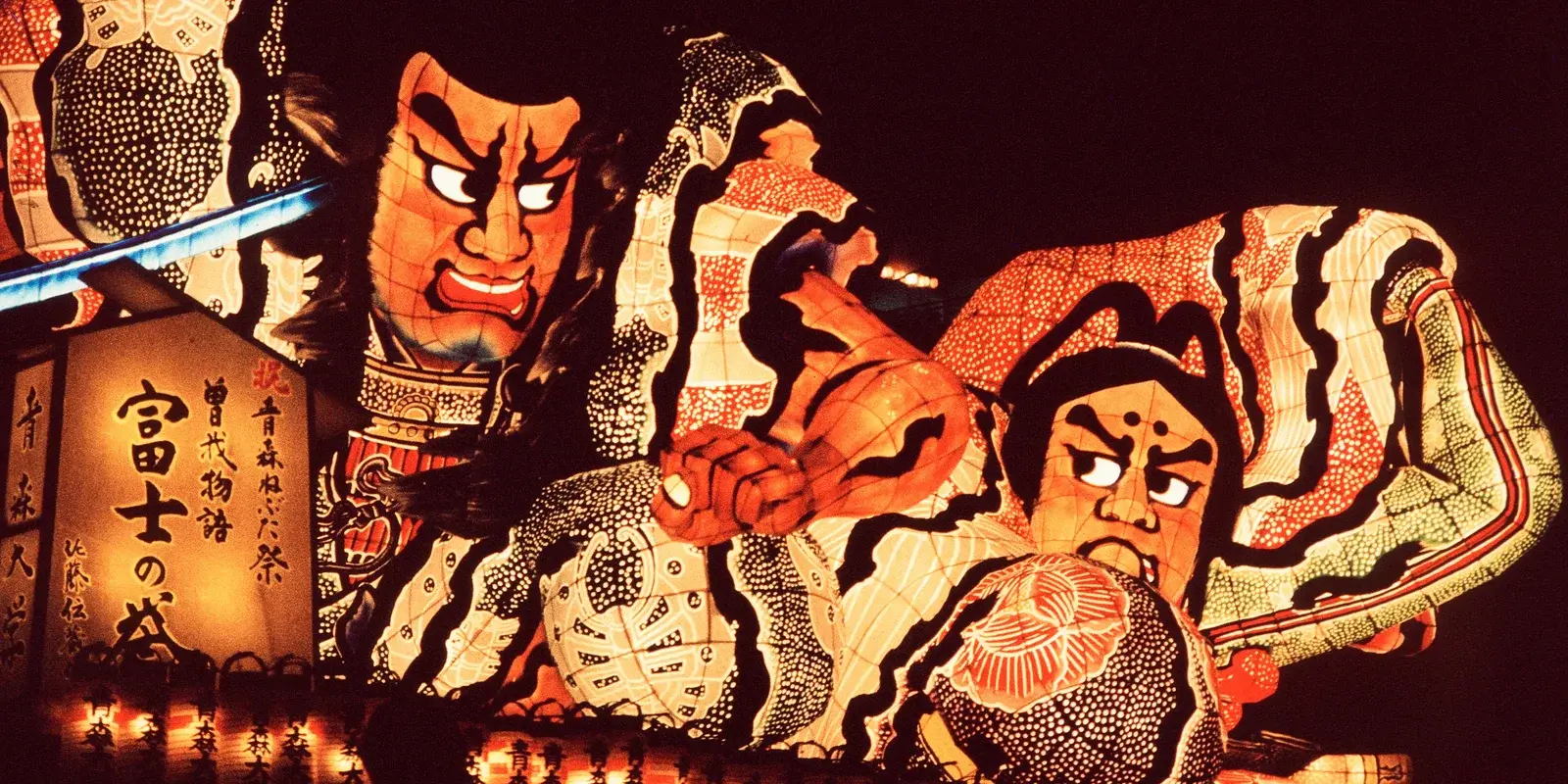
You've seen the photograph: a giant illuminated warrior, teeth bared, lit from within, filling a city street at night. It looks like something to watch from the sidewalk, and the paid grandstand seats lining the route seem to confirm that. Then you arrive and find dancers moving past you in the street, a costume sold at department stores around the city and rented by local shops, and some of the sharpest opinions about the festival coming from people who live in Aomori.
Is it worth it? (in visitors' own words)
We gathered the voices of international travelers who have actually been to the Aomori Nebuta Festival, on TripAdvisor, Reddit, Google Maps, a Taiwanese travel forum, the japan-guide.com forum, and one travel blog, and asked, in effect, was it worth it? Counting each voice once, here is how they fell:
The praise here lands squarely on the spectacle itself. "This is a MUST see. It was incredible. The floats were amazing and the parade was so fun," one visitor wrote after the 2026 festival. A cruise ship worker who got an unexpected day off to attend called it "one of those days that goes down in the history of great days" and wrote, of rounding the corner to the festival, "Now this was what I had been hoping for!" Only one of the 42 foreign voices came away unhappy, and the account describes a specific failure: in the crowds packed along the waterfront, the reviewer never found a spot near the sea and couldn't see anything. "I left feeling like a balloon deflated, headed back to the bus and was consoled by others who also heard everyone else have fun, but saw nothing." Even the one paid-seat holder who noted a drawback, that the front-row seat had a good view but wasn't at a corner where the floats stop to spin and charge the crowd, counted not having to stake out a free spot early as the upside of paying and called the choice a personal one.
What the people who live with it say
Japanese visitors and Aomori residents, writing in their own reviews and forums, are more willing than the foreign reviewers to say when something has gone a little flat, and among the 9% who do, the most common complaint, in 4 of the 10, is about the haneto dancers. Only 2 of those 10 fault the floats themselves; more of them question the energy of the people around the floats.
80 of the 108 Japanese voices above called the festival worth it, and for a few that feeling has lasted decades. "The thrill I felt the first time I saw Nebuta live, about 25 years ago, I still haven't forgotten," one answerer wrote on a public Q&A site. "To me, it's still the best festival in the world." A self-described Aomori resident put it more practically: Nebuta is good to watch and good to join, a rare festival where tourists can dance alongside the crowd, though whether it's worth it, the answer added, really depends on the person. Another answerer goes to Hirosaki's Neputa first and Aomori's Nebuta second, each August: "I watch Nebuta after getting myself in the mood at Hirosaki… or rather, I participate as a haneto."
The 9% who answered with a complaint name something specific. One TripAdvisor reviewer titled the review "Nebuta is powerful, but the haneto aren't jumping" and wrote: "Most of them were just walking, chatting as they went. I'd pictured the haneto jumping with real excitement, so it felt like something was missing. A friend who used to live in Aomori told me it didn't used to be like this." Answering another visitor's question with the same complaint on the same Q&A site, a local resident offered an explanation: haneto groups mix locals, tourists, and staff sent by corporate sponsors, and the parade itself changes shape as it goes, loosening up once it clears the narrow Shinmachi street and reaches the open national highway. One Aomori resident asking a separate question was blunter about where some of that slack comes from: the festival has become one run for tourists rather than for the people of Aomori themselves, with so many corporate-sponsored floats that quite a few participants are there as part of the job. The resident who explained the route offered the warmer version of the same point: the festival began as something the participants did for their own enjoyment, tourism came later, and that resident closed by hoping the questioner could still enjoy the big floats, their fine detail, and the music.
What we wish you'd noticed
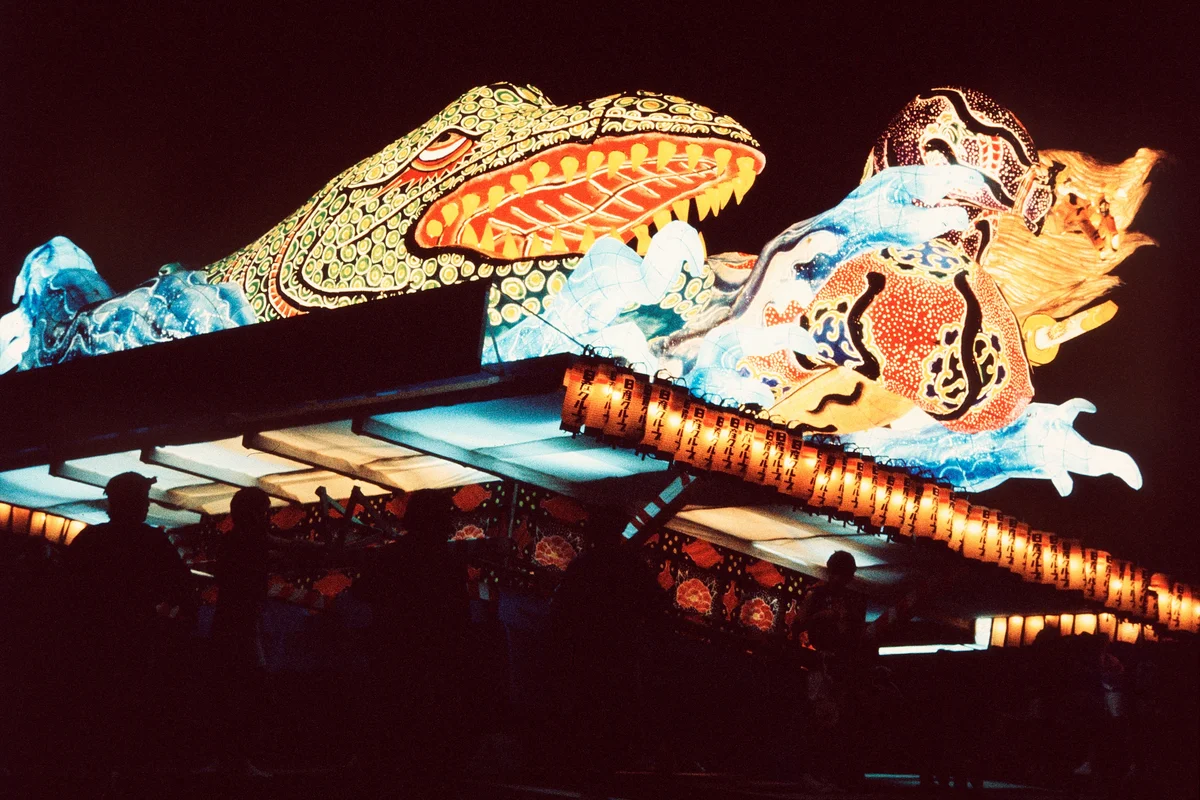
Paid seats are a bigger business here than they look. A single ticket runs ¥4,000 for any night from August 2 to 6 or for the August 7 daytime parade, and ¥9,500 for the final night's combination of the daytime parade and the fireworks finale, according to the festival committee's 2026 pricing. The festival sold 59,336 of those group and individual seats in 2026, about 1,000 more than the year before, and seat sales alone covered roughly 80% of the festival's entire operating revenue, enough to leave the organizing committee with a projected surplus for the fourth year running. The earliest batch goes to a lottery months ahead of the festival, with two further general sales after that. Paying for a seat guarantees a place to sit, not necessarily the best angle, since the floats only pause and spin for the crowd at certain corners, a detail one visitor only learned after paying.
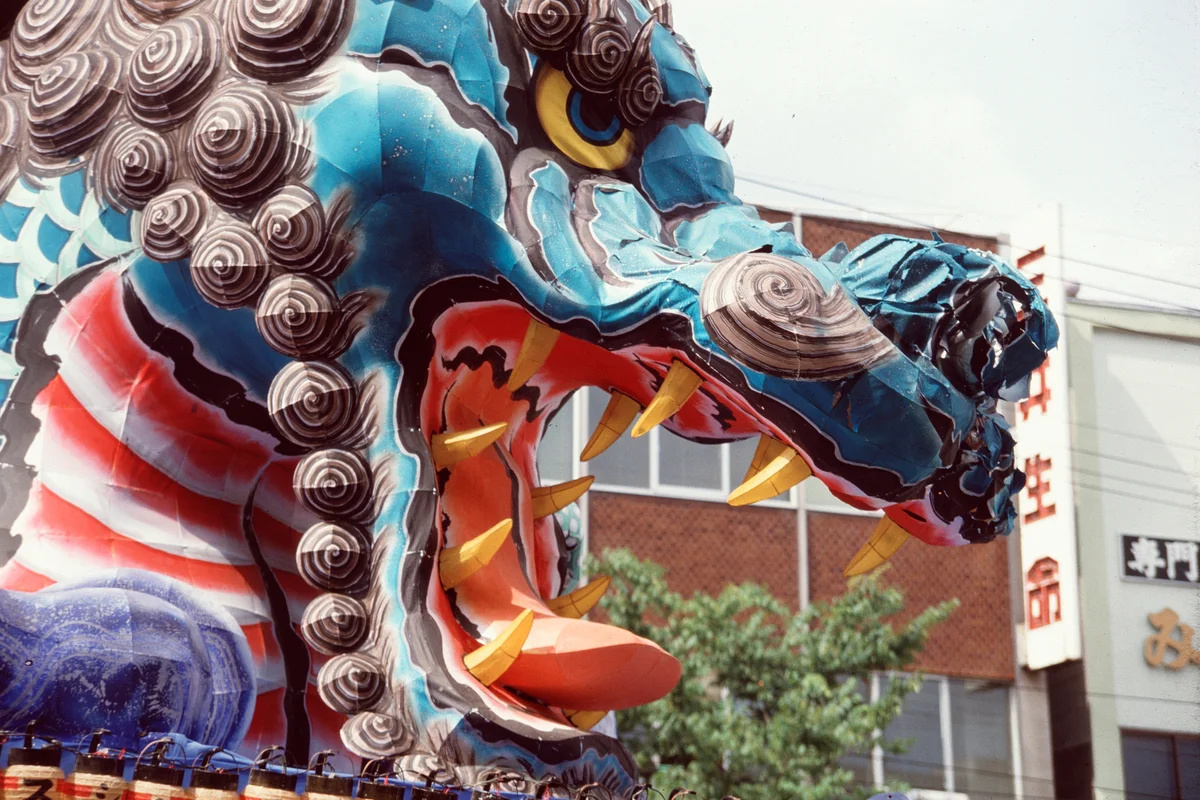
Even the festival committee is candid about not knowing exactly where this all started: Nebuta is said to have originated as a variant of the Tanabata festival, merged over generations with local Tsugaru customs, paper and candles slowly turning into illuminated floats. What isn't uncertain is the scale. Each large float is built roughly 9 meters wide, 7 meters deep, and 5 meters tall, designed by a nebuta master who starts planning the next year's version after the festival ends, finishing the rough design over the following winter. In 1980, Aomori's Nebuta was designated a national Important Intangible Folk Cultural Property, the kind of official status reserved for traditions handed down across generations.
Doing it well, the welcomed way
Decide early whether you're paying for a seat or standing for free, since both have real defenders among the voices above and the two experiences are genuinely different. A paid seat guarantees a place to sit along the route, but won't guarantee the corner where a float stops to spin and charge the crowd. Standing costs nothing beyond arriving early to claim a spot along the sidewalk, and several visitors who skipped the paid seats called the free view perfectly good.
Renting a haneto costume turns you from spectator into participant, and you need almost nothing to do it: no registration, no booking, just a costume, sold at department stores in Aomori City and rented by several local shops, and any group you like at its starting point. The voices in this corpus who dance rather than watch, including the one who goes to Hirosaki's Neputa first every year and then dances at Aomori's Nebuta, treat that as the real point of coming. It's also the one piece of advice that answers the energy complaint directly: a haneto who wants the festival loud and alive can simply help make it that way.
Weather is not a reason to change your plans for the parade itself. Floats get wrapped in vinyl sheeting when it rains, so a raincoat works better than an umbrella, which blocks the view of the people standing behind you.
The final day offers a different kind of spectacle. The parade runs in daylight instead of after dark, and the evening brings the marine procession and fireworks that close the festival: award-winning floats loaded onto boats and sent out across Aomori Bay, which one reviewer who watched the whole day described as circling the harbor twice before the fireworks began. That same reviewer found the unlit daytime floats less striking but liked seeing their colors and construction clearly, and called the day and the night alike truly wonderful.
Of the 150 voices gathered here, 114 called the festival worth it outright. Of the 11 who called it a letdown, 9 point to something specific and fixable: a paid seat whose view was blocked or caught the fireworks smoke, haneto they wished had more energy, a view blocked by the crowd. A street in northern Japan where painted light moves past you for two hours still draws roughly a million visits a year, and some of the warmest praise in this corpus comes from people who first saw it decades ago or have gone back year after year.
Planning a wider trip through Tohoku? Hirosaki Castle is a short train ride from Aomori, in a city with its own Neputa festival running August 1 to 7. And if you're still weighing which famous sights are worth building a trip around, start with what actually matters in Japan.
Sources
- Aomori Nebuta Festival Executive Committee, official schedule: dates (August 2-7), nightly and daytime parade schedule, marine parade and fireworks on the final night.
- Aomori Nebuta Festival Executive Committee, 2026 paid seat pricing and sales schedule: ¥4,000 per seat for August 2-6 and the August 7 daytime parade; ¥9,500 for the August 7 daytime-and-fireworks combination; lottery pre-sale and two general sale dates.
- Aomori Nebuta Festival Executive Committee, official English-language festival guide: float dimensions (9m wide, 7m deep, 5m high), route length, origin as a said-to-be Tanabata variant merged with Tsugaru customs, nebuta masters' annual design cycle, haneto participation and costume purchase or rental, rain contingency for the parade.
- City of Aomori, official Aomori Nebuta Festival page: 1980 national Important Intangible Folk Cultural Property designation, held every year August 2 to 7, approximately 3-kilometer, two-hour parade route.
- Yomiuri Shimbun, "Nebuta Festival attendance 1 million, fourth straight year of surplus, paid seats strong" (2026-10-09): 2026 attendance of roughly 1 million visits, measured via smartphone GPS data (down about 10,000 from 2025), peak single-day attendance of 230,000 on August 6, 109,000 total haneto participants, 59,336 paid seats sold (up 1,004 from 2025), paid seats accounting for about 80% of festival revenue, projected operating surplus of about ¥12.22 million.
- Hirosaki Tourism and Convention Bureau, Hirosaki Neputa Festival: the Hirosaki Neputa Festival is held every year August 1 to 7.
WMJS is written in Japan, in English, with AI help. We check every page, but English is not our first language. If a sentence reads oddly, tell us. One sentence is enough.
Thank you. A person reads every note.
How well do you know Japan?
Built from 635 public posts by Japanese people
Want to know more? Ask Japanese people
Have a follow-up question about this topic? We'll ask real Japanese people.
Voice Box →