
Nhật Bản vận hành thế nào
This page is also available in English.Read in English →
このページは日本語でも読めます。日本語で読む →
이 페이지는 한국어로도 읽을 수 있습니다.한국어로 읽기 →
這個頁面也有繁體中文版。閱讀繁體中文版 →
这个页面也有简体中文版。阅读简体中文版 →
หน้านี้มีภาษาไทยด้วยอ่านภาษาไทย →
Halaman ini juga tersedia dalam Bahasa Indonesia.Baca dalam Bahasa Indonesia →
Cette page existe aussi en français.Lire en français →
Diese Seite gibt es auch auf Deutsch.Auf Deutsch lesen →
Esta página también está disponible en español.Leer en español →
Questa pagina è disponibile anche in italiano.Leggi in italiano →
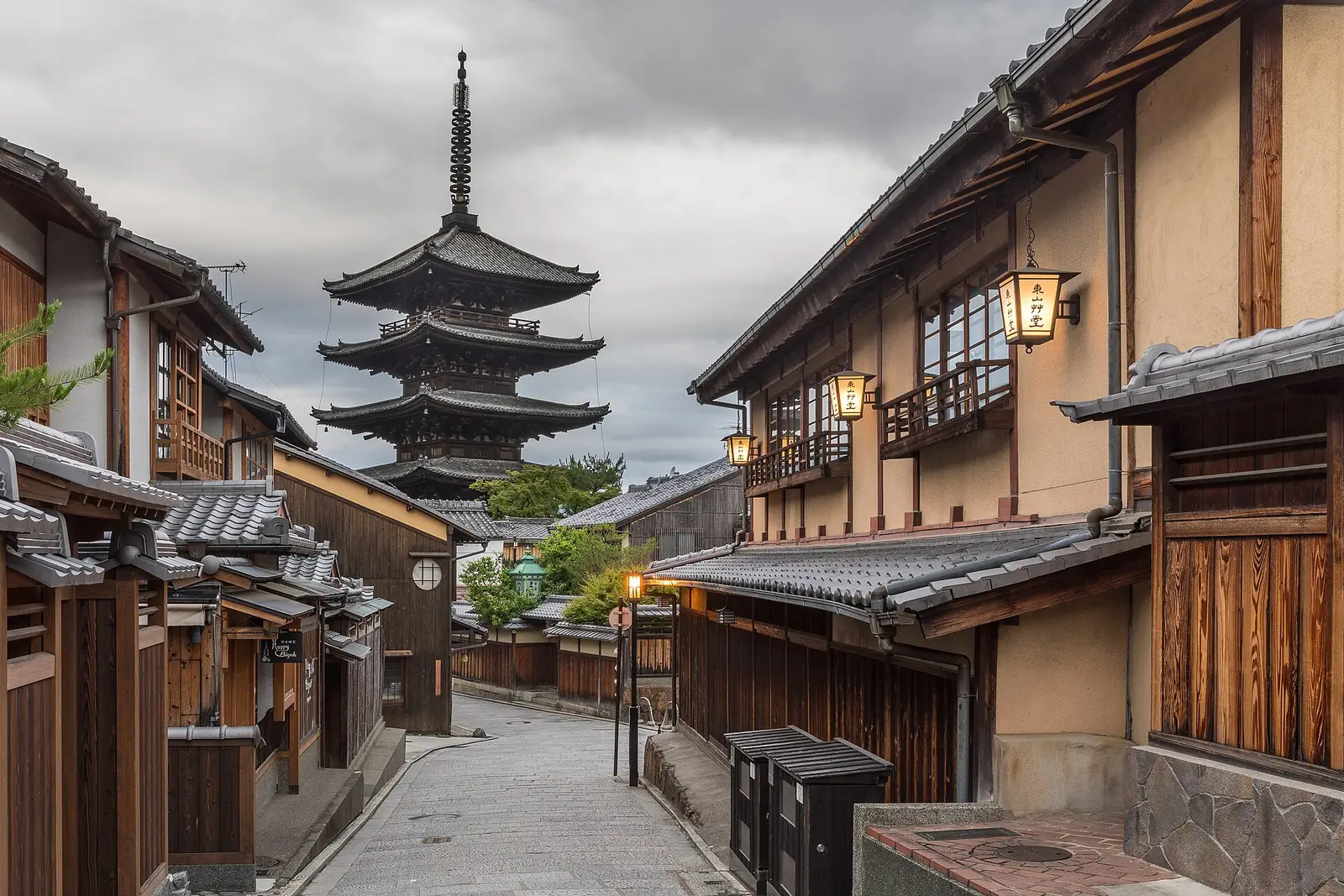
Trái tim cổ xưa của Nhật Bản — Kyoto, Nara, Osaka — với một nhịp độ thư thái
Xác minh lần cuối: 2026-06-08
Kế hoạch này hợp với ai
Beautiful all year; cherry blossom in spring and maple colour in late autumn are the busiest, loveliest windows.
Kansai là phần dễ khiến bạn phải lòng nhất của Nhật Bản — ba thành phố nằm gần nhau đến mức bạn có thể thức dậy ở Kyoto, đến trưa đã cho hươu ăn ở Nara, rồi tối đến đứng dưới ánh đèn neon của Osaka, tất cả chỉ với một cái chạm thẻ. Phần lớn mọi người đến vùng này bằng tàu Shinkansen tại Shin-Osaka hoặc Kyoto, hoặc bay đến sân bay Kansai (KIX) rồi đi tàu vào; từ bất kỳ cánh cửa nào trong số đó, vòng hành trình dưới đây là của bạn. Mình sẽ xem đây như một khung bốn ngày linh hoạt, không phải một danh sách phải hoàn thành: Kyoto hai ngày vì những ngôi chùa xứng đáng để bạn đi thật chậm, Nara một ngày vì lũ hươu và Đại Phật đáng để đi một chuyến ra ngoài, và Osaka để khép lại chuyến đi thật rộn ràng và ấm áp.
Mọi điểm ở đây đều chỉ cách nhau một chuyến đi bốn mươi lăm phút hoặc ít hơn, nên bạn chẳng cần phải quá cầu kỳ với nó. Nếu một ngày kéo dài quá, cứ rút gọn lại. Nếu bạn phải lòng một con hẻm ở Gion, cứ ở lại đó. Mình sẽ kể cách mình di chuyển và nơi mình sẽ nghỉ ngơi, còn bạn thì cứ tháo rời từng mảnh và ghép lại theo cách chuyến đi của bạn mong muốn.
Mình sẽ chọn ở một thành phố cho cả chuyến đi và để mạng lưới đường sắt lo phần di chuyển — Kyoto, Nara và Osaka đều cách nhau khoảng ba mươi đến bốn mươi lăm phút, nên việc đi về trong ngày từ bất kỳ nơi nào trong ba nơi ấy là chuyện thường ngày. Điều thực sự cần cân nhắc không hẳn là thành phố nào, mà là bạn ngủ gần ga nào, vì tuyến gần nhất sẽ quyết định buổi sáng của bạn suôn sẻ đến đâu.
Nếu muốn những chuyến đi trong ngày thật nhẹ nhàng, mình sẽ chọn ở gần ga Kyoto. Mọi tuyến đường dài và tuyến vùng đều hội tụ ở đây, nên cả Osaka lẫn Nara đều đi được một mạch từ cùng một điểm — không phải chuyển tàu, không phải suy nghĩ. Cái đánh đổi là không khí: bạn ở phía nam của khu lõi lịch sử, hơi xa những con hẻm Kyoto cổ.
Nếu muốn thức dậy giữa lòng Kyoto cổ, mình sẽ chọn Higashiyama hoặc Gion, ở phía đông. Bạn sẽ đi bộ được đến cụm chùa-và-hẻm — Kiyomizu-dera, Gion, những con dốc Higashiyama lát đá. Tuyến Keihan Main Line chạy dọc phía đông thẳng đến Osaka, còn để đi Nara thì bạn quay lại một đầu mối vài phút trước đã. Mình sẽ chọn nơi này khi các ngôi chùa là ưu tiên và những chuyến đi trong ngày chỉ là phần thưởng thêm.
Nếu muốn sự cân bằng, mình sẽ ở khu trung tâm quanh Karasuma hoặc Kawaramachi — nó nằm giữa nhà ga và Higashiyama, đi bộ một quãng ngắn đến khu phố cổ và đến Nishiki Market, với tuyến Hankyu chạy thẳng sang phía bắc Osaka. Đây là lựa chọn toàn diện: đi bộ đến Kyoto cổ, đi một mạch đến Umeda.
Hoặc bạn có thể chọn ở Osaka thay vì Kyoto. Osaka có hai trung tâm, và chúng hướng tới những chuyến đi trong ngày khác nhau. Namba (Minami) đặt Dotonbori cùng trái tim ẩm thực và về đêm ngay trước cửa nhà bạn, và tuyến Kintetsu Nara Line chạy thẳng từ Osaka-Namba đến công viên Nara — nên nếu Nara và những bữa tối muộn là quan trọng nhất, đây là bệ phóng tự nhiên (nó cũng là tuyến đi thẳng đến sân bay Kansai). Umeda (Kita) là đầu mối phía bắc xây quanh ga JR Osaka, với Hankyu và Hanshin khởi hành từ đây và chuyến JR Special Rapid nhanh nhất lên Kyoto — hợp hơn nếu Kyoto và Kobe là những nơi bạn đi về trong ngày nhiều lần và bạn thích kiểu tiện lợi có điều hòa, đi thẳng từ ga đến khách sạn.
Một điều đáng biết dù bạn chọn ở đâu: Nara có hai nhà ga. Kintetsu Nara nằm dưới lòng đất, chỉ vài bước là đến công viên và Đại Phật; JR Nara thì cách đó một quãng đi bộ mười lăm đến hai mươi phút về phía tây. Khi tuyến cho phép chọn, mình sẽ nhắm đến Kintetsu Nara — nó thả bạn xuống đúng nơi bạn muốn đến.
Điều duy nhất mình sẽ lo trước hết thảy là một tấm thẻ IC — và rồi bạn gần như có thể thôi bận tâm về vé. Đó là một tấm thẻ thông minh trả trước, nạp lại được: bạn chạm nó vào máy đọc khi vào ga và chạm lại khi ra, tiền vé sẽ được tính và trừ tự động. Thẻ chủ nhà của Kansai là ICOCA (do JR West phát hành), nhưng bạn không cần một tấm cụ thể nào — một tấm Suica hay PASMO từ Tokyo, hoặc bất kỳ thẻ vùng nào khác, đều dùng được ở đây, vì chúng liên thông với nhau. Chính JR West diễn đạt rằng một tấm thẻ chi trả được cho "đường sắt, xe buýt và các khoản mua sắm khác" trong khu vực ICOCA cùng với các khu vực thẻ Suica, PASMO, manaca, TOICA, PiTaPa và các thẻ khác.
Nó chạm được ở đâu trong chuyến này: các tuyến JR, tàu điện ngầm Osaka Metro, tàu điện ngầm Kyoto, và về cơ bản mọi tuyến đường sắt tư nhân lớn ở Kansai (Keihan, Hankyu, Kintetsu, Nankai) cùng xe buýt thành phố Kyoto và Osaka — bất cứ nơi nào bạn thấy dấu IC. Đó là mọi chặng ngắn trong hành trình này.
Mua và nạp tiền: ICOCA được bán tại máy bán vé của JR West (tìm dấu ICOCA) và quầy vé, cùng một số tuyến đường sắt tư nhân và tàu điện ngầm. Theo kinh nghiệm của mình thì bạn nạp tiền bằng tiền mặt ở máy, nên đáng để giữ sẵn vài đồng xu và tờ tiền trong người để nạp. Có một khoản đặt cọc nhỏ hoàn lại được gắn sẵn trong thẻ (xem ô thông tin để biết chi tiết giá), bạn sẽ nhận lại khi trả thẻ vào cuối chuyến.
Hai điều mà thẻ IC không làm được: nó không chạm cho bạn lên Shinkansen với tư cách một tấm thẻ thường, và bạn không thể đi xuyên qua hai khu vực thẻ IC khác nhau chỉ với một lần chạm. Cả hai điều này đều không quan trọng với các chặng ngắn Kyoto/Nara/Osaka — chúng chỉ nảy sinh nếu bạn đi xa ra tận Tokyo hay Hiroshima.
Bạn có cần một tấm rail pass không? Với một vòng Kyoto–Nara–Osaka thong thả thì thường là không. JR Kansai Area Pass về bản chất chỉ dùng cho JR, nhưng vài kết nối tiện nhất ở đây lại chạy trên các tuyến tư nhân ngoài JR (Kintetsu đến Nara, Keihan và Hankyu giữa Kyoto và Osaka, các tuyến tàu điện ngầm), và các chặng JR lẻ thì ngắn và rẻ — nên đi vài chuyến hiếm khi vượt được giá của tấm pass ngày. Một tấm pass như vậy đáng giá nhất khi bạn dồn nhiều chặng JR dài vào một ngày, chẳng hạn thêm Himeji hoặc một chuyến ra sân bay. Còn không thì chạm thẻ IC rẻ hơn và dùng được trên mọi tuyến mà không phải mua vé riêng cho từng chặng.
Nơi một tấm pass ngày thực sự hữu ích: vào một ngày Kyoto đi nhiều xe buýt, tấm Kyoto Subway & Bus 1-Day Pass có thể hoàn vốn chỉ sau vài chuyến, vì những điểm tham quan hàng đầu của Kyoto dựa nhiều vào xe buýt. Ở Osaka, tấm Enjoy Eco Card (Osaka 1-Day Pass) đáng để cân nhắc vào một ngày đi nhiều tàu điện ngầm, và nó có giá thấp hơn vào cuối tuần và ngày lễ. Mình đã ghi giá hiện tại vào các ô thông tin — chỉ mua chúng vào những ngày bạn thực sự sẽ đi lại nhiều trong một thành phố.
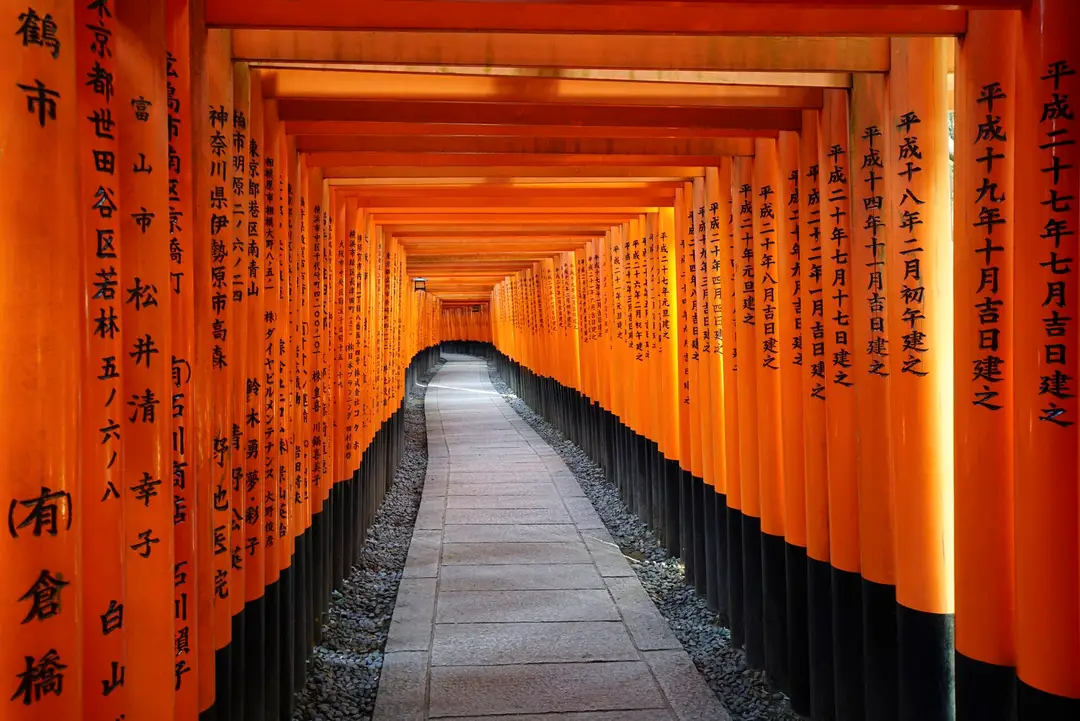
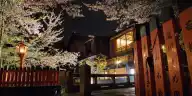
Mình sẽ bắt đầu trước khi thành phố thức giấc. Điều đặc biệt ở Fushimi Inari là hành lang những cổng torii son đỏ leo dần lên sườn đồi — và với mình, nó chỉ giống như trong ảnh khi trời còn sớm, trước khi lối đi chật kín, khi tiếng bước chân bạn đổi khác trên lớp sỏi và tiếng ồn phố thị lùi lại phía sau. Từ đó, cả ngày nghiêng dần về những triền dốc cổ phía đông — sân khấu bên vách đá của Kiyomizu-dera, nơi những con hẻm đá đã dẫn bao thế hệ hành hương suốt hàng thế kỷ — và khép lại, thật êm dịu, ở Gion khi những chiếc đèn lồng bắt đầu sáng. Một điều mình muốn ghi nhớ khi ở Gion: người ta đang sống và làm việc trong những con hẻm này. Hãy bước thật nhẹ, đi trong lối công cộng, và bạn sẽ được chào đón.
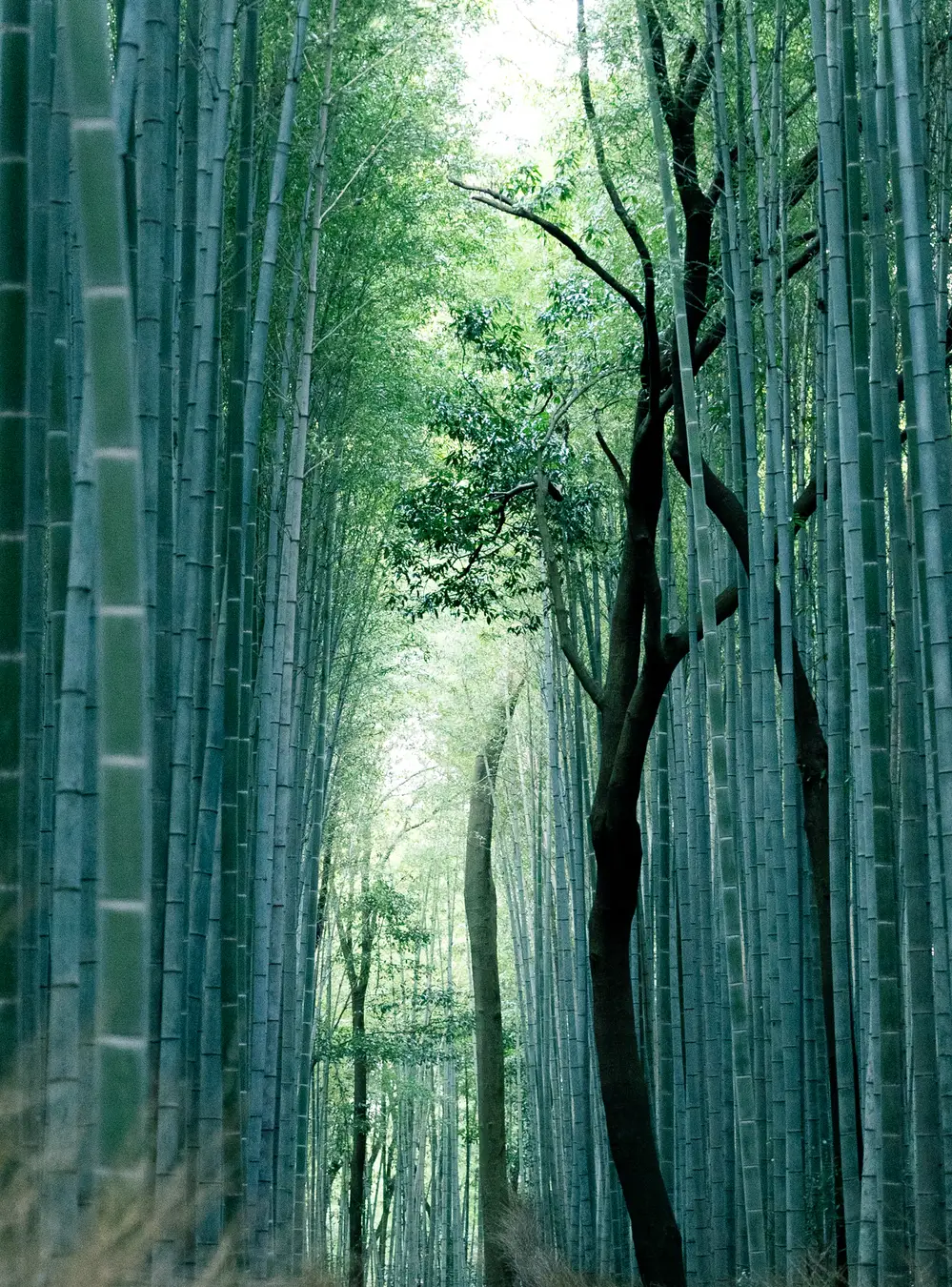
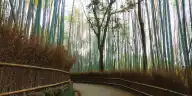
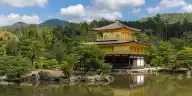
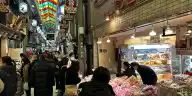
Ngày thứ hai mình sẽ chuyển sang rìa phía tây và phía bắc của thành phố. Rừng tre Arashiyama là nơi người ta đến để chụp ảnh, nhưng mình sẽ đi sớm để nghe âm thanh của nó — tiếng lặng và tiếng kẽo kẹt của thân tre trước khi đám đông kéo đến. Rồi lên phía bắc đến Kinkaku-ji, gian điện vàng soi mình trên mặt hồ; mình sẽ đi một vòng thật chậm thay vì chỉ chụp một tấm ảnh. Và mình sẽ khép lại ngày ở giữa lòng phố tại Nishiki Market, nơi thói quen của người địa phương là mua món gì đó rồi đứng ngay tại chỗ mà ăn, chứ không vừa đi vừa nhấm nháp.
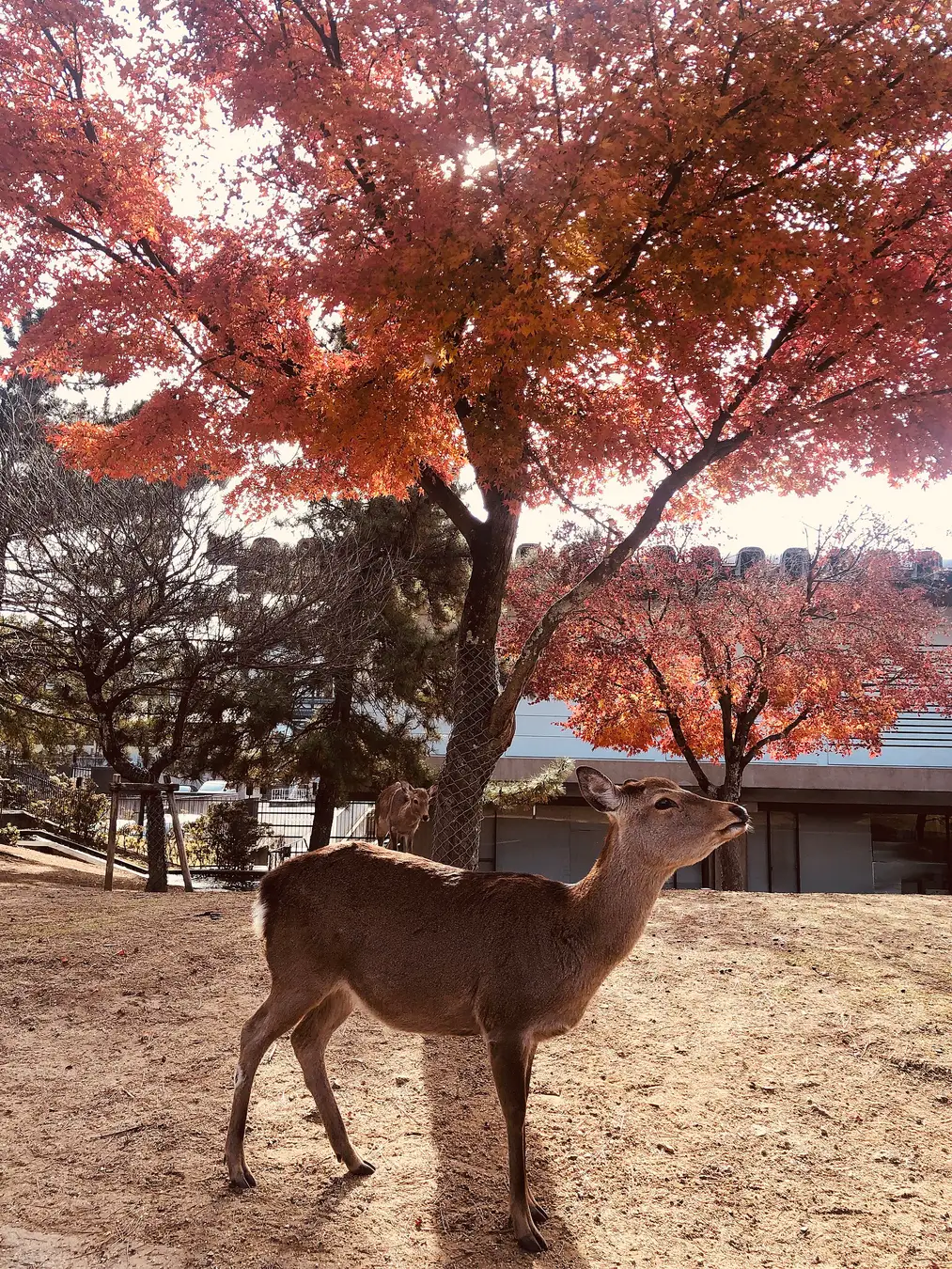
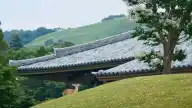
Nara là chuyến đi trong ngày dễ chịu, và lũ hươu là trái tim của nó. Ở đây chúng được xem là những sứ giả linh thiêng, thong dong tự do khắp công viên, và loại bánh hươu chính thức (shika senbei) bán quanh công viên là món thức ăn làm riêng cho chúng — mình sẽ chỉ chọn loại đó thôi, đưa một cái bánh cho hươu, rồi xòe hai lòng bàn tay trống, và chúng sẽ hiểu là thức ăn đã hết. Ngoài lũ hươu ra, Todai-ji giữ Đại Phật dưới một trong những mái gỗ vĩ đại nhất thế giới, và một đại lộ viền đèn lồng dẫn tiếp về hướng Kasuga Taisha xuyên qua hàng cây. Mình sẽ dành trọn cả ngày; đến cuối buổi chiều, khi bánh hươu bán hết, lũ hươu gập chân nằm trên cỏ và công viên trở nên tĩnh lặng, và đó là một dư âm thật đẹp để lên tàu quay về Kyoto.
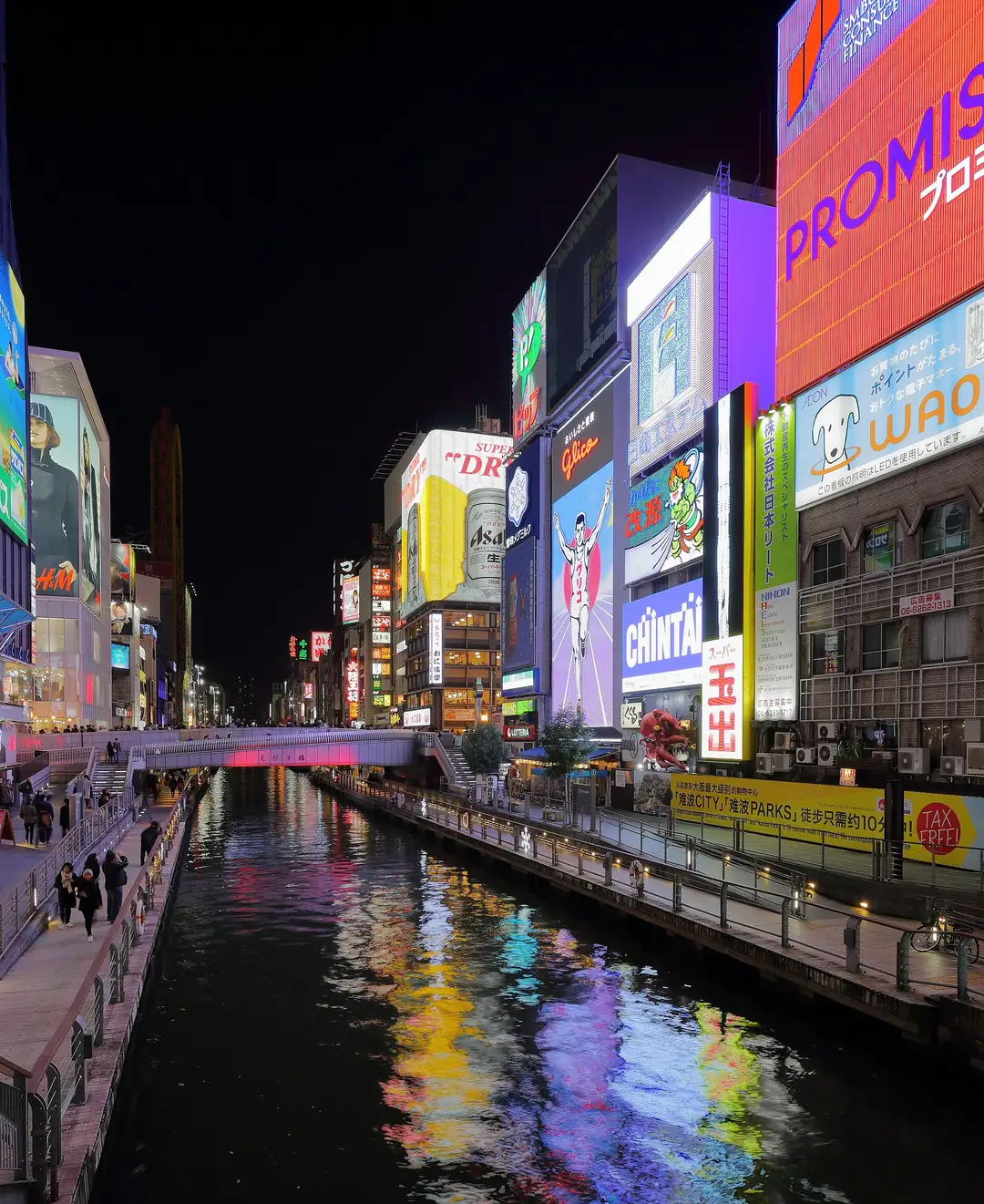
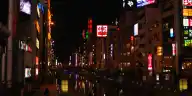
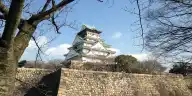
Osaka khép lại chuyến đi thật rộn ràng và thân thiện. Osaka Castle đáng để hiểu trước khi bạn nhìn thấy nó: tòa thiên thủ mà bạn bước vào là một công trình phục dựng hiện đại do người dân góp tiền xây, nhưng những hào nước và bức tường đá đồ sộ bao quanh mới là tòa thành cổ thật sự — pháo đài đích thực chính là mặt đất, chứ không phải tòa tháp. Rồi mình sẽ để buổi tối kéo mình xuống Dotonbori, nơi con kênh hắt lại ánh đèn neon của chính nó — tấm biển khổng lồ hình ông Glico đang chạy rực sáng trên mặt nước là hình ảnh ai cũng biết — và ẩm thực mới là điều cốt lõi. Cứ vừa đi vừa ăn những miếng nhỏ nếu bạn thích — chỉ cần cầm lấy vỏ đồ ăn cho tới khi tìm được thùng rác.
Nếu bạn có thêm một ngày, mình sẽ gợi ý hai hướng rất khác nhau, và chẳng có hướng nào là hướng 'đúng' cả — chúng chỉ hợp với những tâm trạng khác nhau.
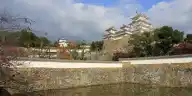
Về phía tây đến Himeji Castle. Đây là hàng thật — một tòa thiên thủ trắng nguyên bản còn tồn tại, tòa thành thật sự còn sót lại mà công trình phục dựng của Osaka chỉ có thể vọng lại. Đi từ Osaka về phía tây rất dễ bằng chuyến JR Special Rapid (đi thẳng), và tòa thành nằm cách ga Himeji một quãng đi bộ thẳng mười lăm đến hai mươi phút. Một sự kết hợp tuyệt vời nếu Osaka Castle khiến bạn khao khát được đứng bên trong hàng thật.
Hoặc lên Koyasan cho một đêm tĩnh lặng trên núi. Đây là một nguồn năng lượng ngược lại: một thị trấn chùa chiền nằm cao trên vùng núi phía nam Osaka, đến được bằng tàu Nankai, một chuyến cáp treo ngắn, rồi một chuyến xe buýt vào thị trấn. Cách để trải nghiệm nó là ở qua đêm trong một khu lưu trú của chùa, ăn món chay của các nhà sư, và tham gia buổi lễ sớm mai — rồi dạo những con đường viền hàng bách của Okunoin giữa những chiếc đèn lồng. Nó tốn của bạn một đêm, nhưng đó chính là điều làm cả chuyến đi chậm lại.
Nếu bạn eo hẹp thời gian, chuyến đi có thể rút gọn lại mà không đánh mất phần hồn của nó. Mình sẽ biến Nara thành nửa ngày thay vì cả ngày — một buổi sáng với lũ hươu và Đại Phật, rồi về Kyoto cho buổi chiều — hoặc mình sẽ giữ Kyoto trong một ngày rưỡi và bỏ bớt một trong hai cụm phía đông hay phía tây. Điều mình sẽ tránh là nhồi nhét cả bốn ngày vào ba ngày: một chuyến đi chậm rãi hơn sẽ đọng lại nhiều hơn. Hãy chọn hai hoặc ba nơi lôi cuốn bạn nhất và dành cho chúng khoảng lặng, thay vì gom hết cả chín nơi.
Khối hành trình này nối liền với phần còn lại của Nhật Bản theo cả hai hướng. Phía đông, tuyến Tokaido Shinkansen đưa bạn từ Kyoto về hướng Tokyo và vùng Kanto trong vài tiếng — một sự chuyển tiếp gọn gàng sang khối hành trình Tokyo. Phía tây, tuyến Sanyo Shinkansen chạy về hướng Hiroshima và Miyajima, nơi cổng torii nổi trên mặt nước và Đài tưởng niệm Hòa bình tạo nên một chặng nối dài hai hoặc ba ngày rất tự nhiên. Lưu ý rằng thẻ IC không tự chạm cho bạn lên Shinkansen được — bạn sẽ mua một tấm vé riêng (hoặc đăng ký tài khoản Smart-EX/EX-IC) cho những chặng dài ấy.
WMJS được viết tại Nhật Bản bởi một người Nhật mong bạn hiểu Nhật Bản thêm một chút, và được chuyển sang tiếng Việt với sự trợ giúp của AI. Chúng tôi kiểm tra từng trang, nhưng tiếng Việt không phải tiếng mẹ đẻ của chúng tôi. Nếu có câu nào đọc thấy lạ, hãy cho chúng tôi biết. Một câu là đủ.
Cảm ơn bạn. Mỗi góp ý đều có người đọc.
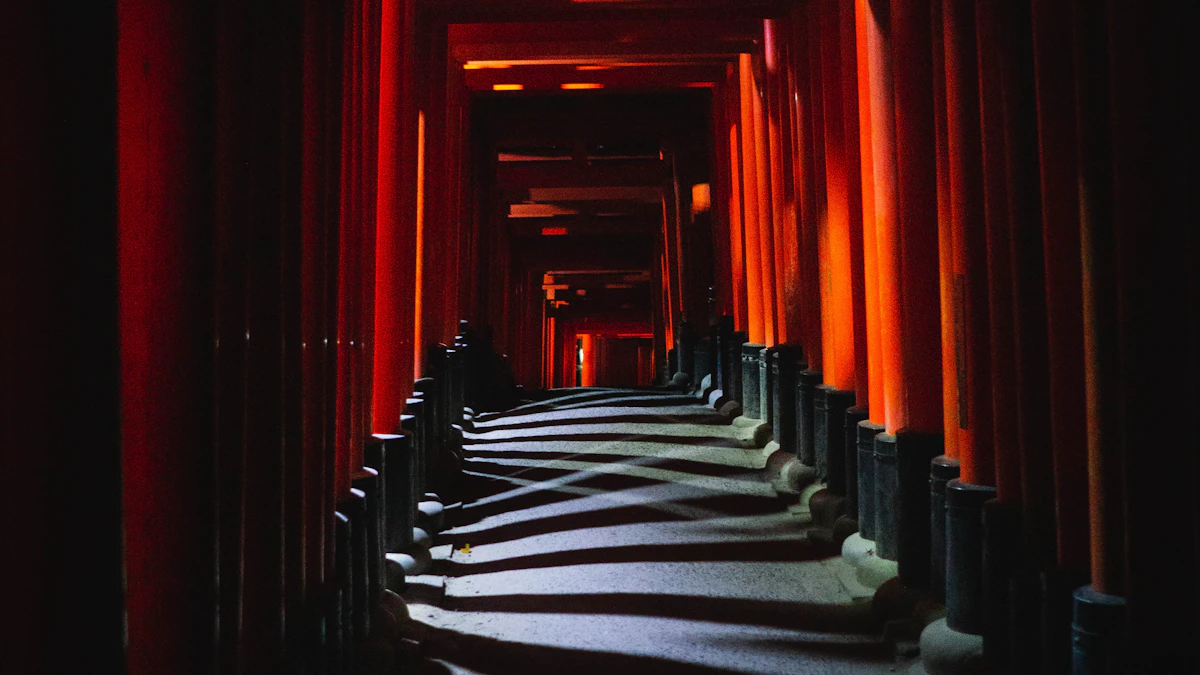
Mười nghìn cổng torii đỏ son ở Fushimi Inari là những lời cảm tạ bạn có thể bước qua. Hướng dẫn văn hóa bằng âm thanh, xác minh từ nguồn chính thức: vì sao cáo là sứ giả chứ không phải thần, vì sao đỉnh núi không có tầm nhìn, và cách đi qua đám đông.
Fushimi Inari Taisha
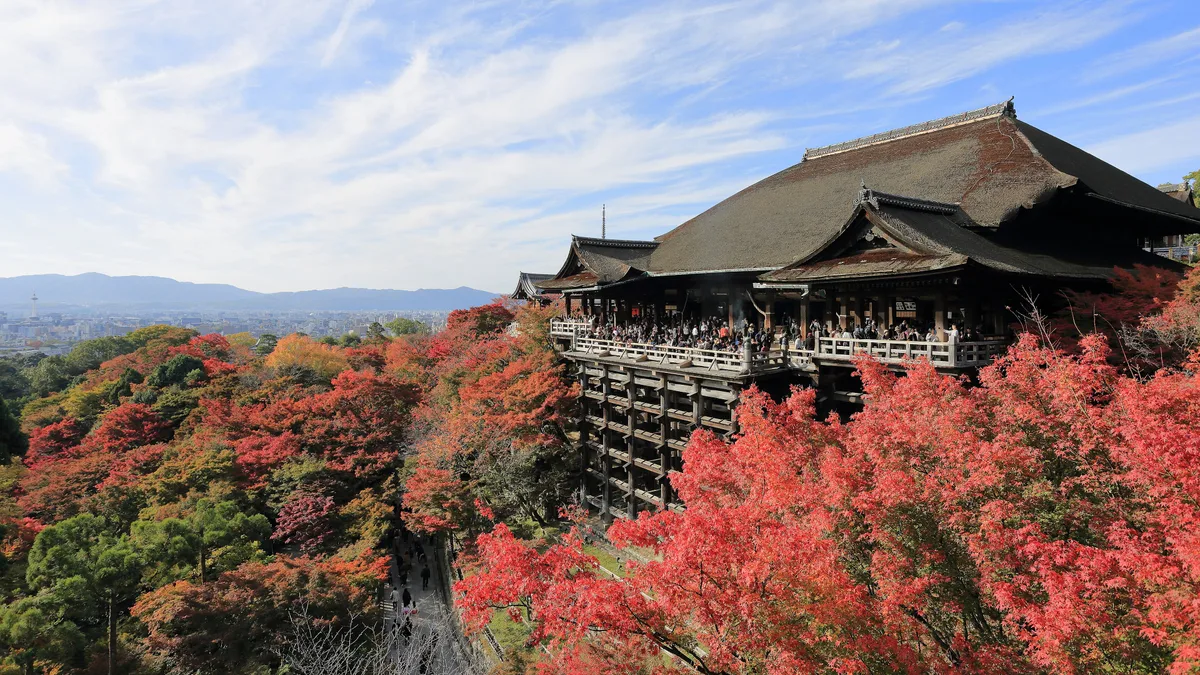
Kiyomizu-dera có đáng đi không? 48% trong 55 tiếng nói quốc tế và 76% trong 111 tiếng nói Nhật nói có, nếu bạn chọn đúng thời điểm. Cẩm nang âm thanh với giờ mở cửa 6 giờ sáng, buổi thắp đèn ban đêm và mẹo viếng thăm.
Kiyomizu-dera Temple
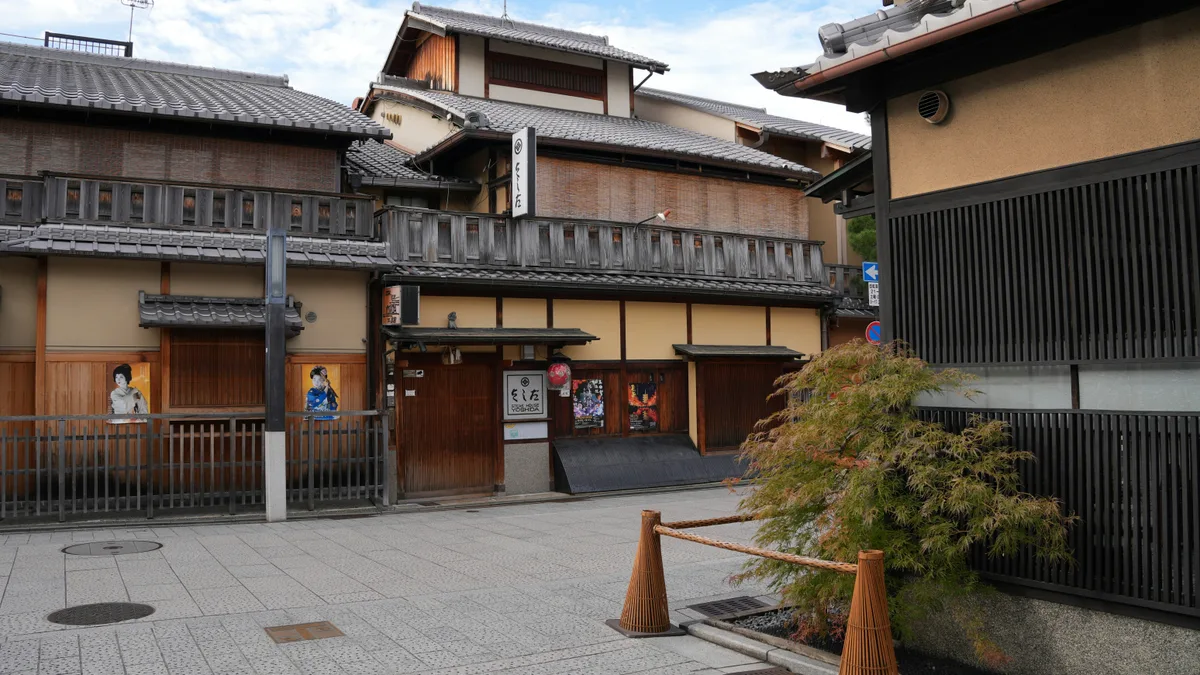
Dạo bước Gion, khu phố hoa của Kyoto: đền Yasaka, phố đá Hanamikoji, kênh Shirakawa và cầu Tatsumi. Hiểu về geiko, maiko và cách ghé thăm một cách tôn trọng.
Gion
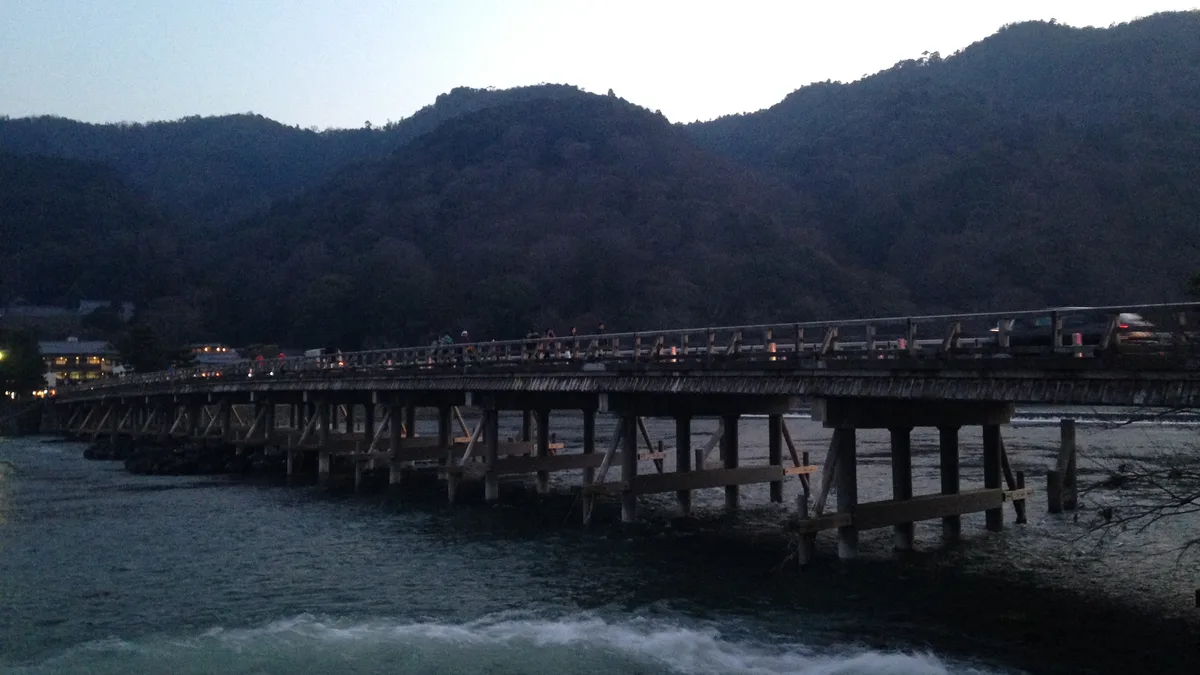
Cẩm nang âm thanh về Arashiyama: rừng tre Sagano có tên trong 100 cảnh âm thanh Nhật Bản chọn gìn giữ, cầu Togetsukyo mang tên vầng trăng đi qua, và khu vườn mượn cảnh núi của chùa Tenryu-ji. Hãy đi chậm lại, đi xa hơn đám đông một chút, rồi nhắm mắt nghe những điều máy ảnh không ghi lại được.
Arashiyama
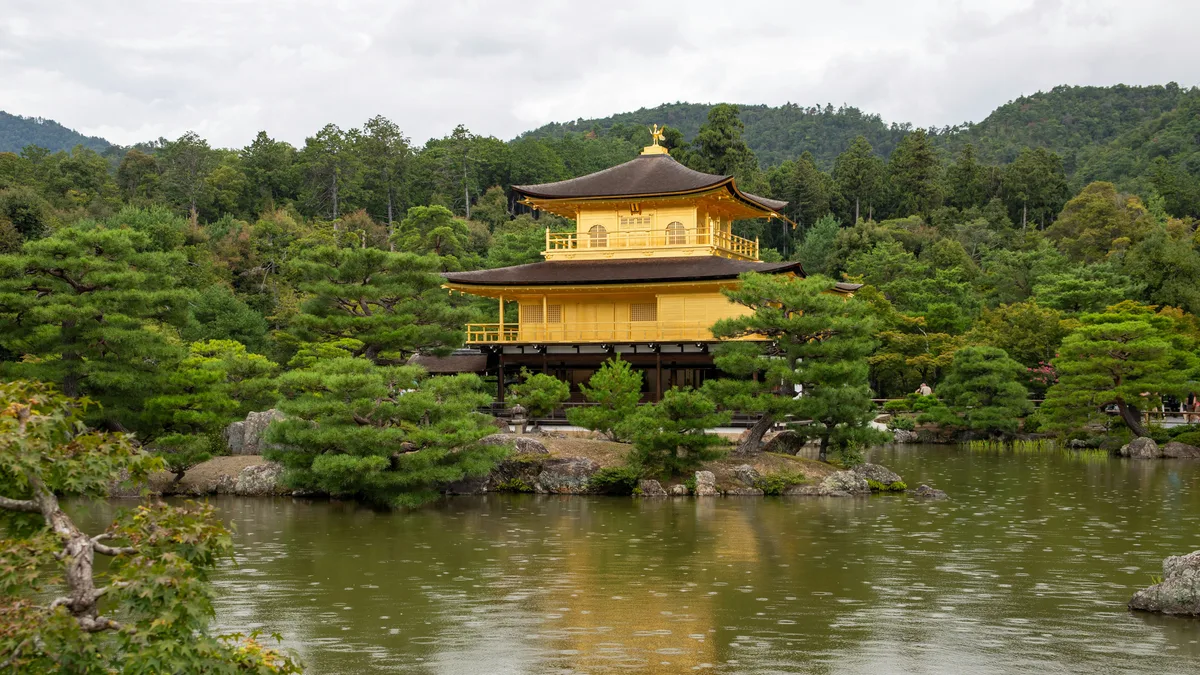
Hướng dẫn thăm Kinkaku-ji (Gác Vàng) ở Kyoto: ngắm gác in bóng từ bên kia hồ Kyōko-chi, đọc kiến trúc ba tầng, giờ mở cửa 9:00–17:00, vé cúng dường 500 yen, và cách đi xe buýt/tàu điện ngầm để tránh đông.
Kinkaku-ji (Rokuon-ji)
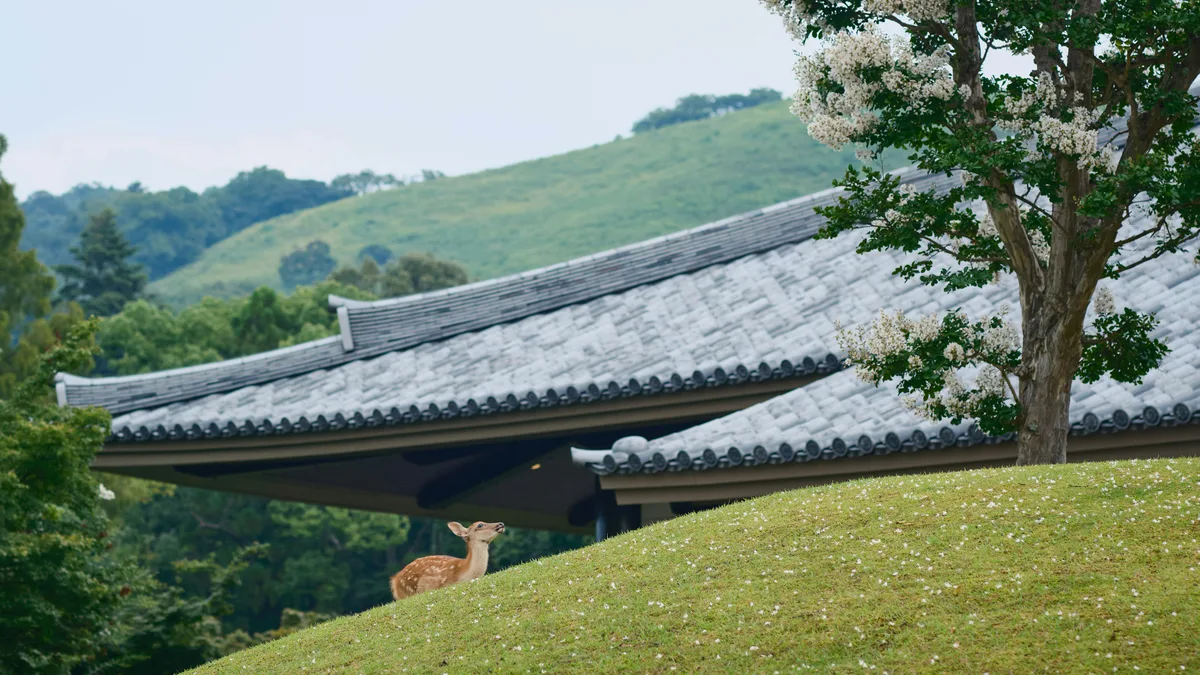
Công viên Nara có đáng đi không? Theo 100 ý kiến du khách đã tính trọng số, 65% nói đáng đi, còn người Nhật đánh giá tích cực hơn, ở mức 80%. Miễn phí, mở cả ngày lẫn đêm, có hơn 1.400 con hươu thiêng, gần tượng Đại Phật ở Todai-ji và con đường đèn lồng đến Kasuga Taisha, kèm hướng dẫn âm thanh.
Nara Park
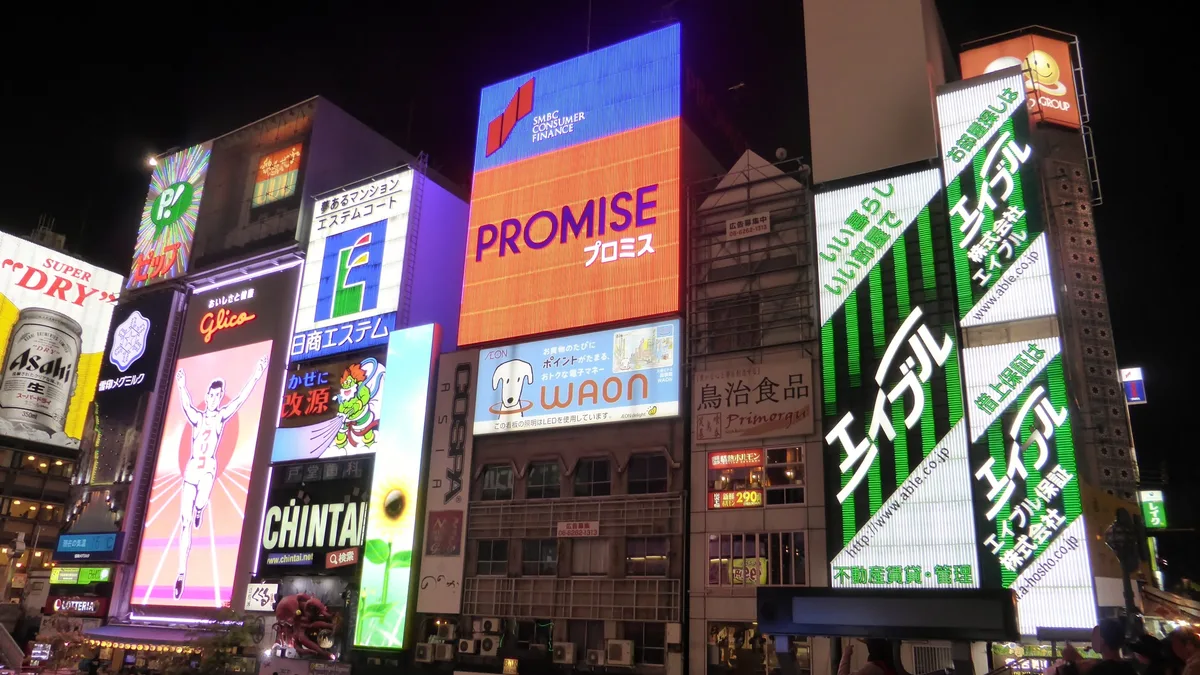
Dotonbori có đáng đi không? Chúng tôi tổng hợp 200 ý kiến du khách: 37% nói hoàn toàn đáng đi, 36% nói đáng ghé ngắm một chút, còn người Osaka đánh giá cao hơn hẳn với 62%. Biển hiệu Glico, takoyaki, quy tắc chấm sốt chung và con hẻm yên tĩnh phía sau, kèm bản hướng dẫn bằng âm thanh.
Dotonbori
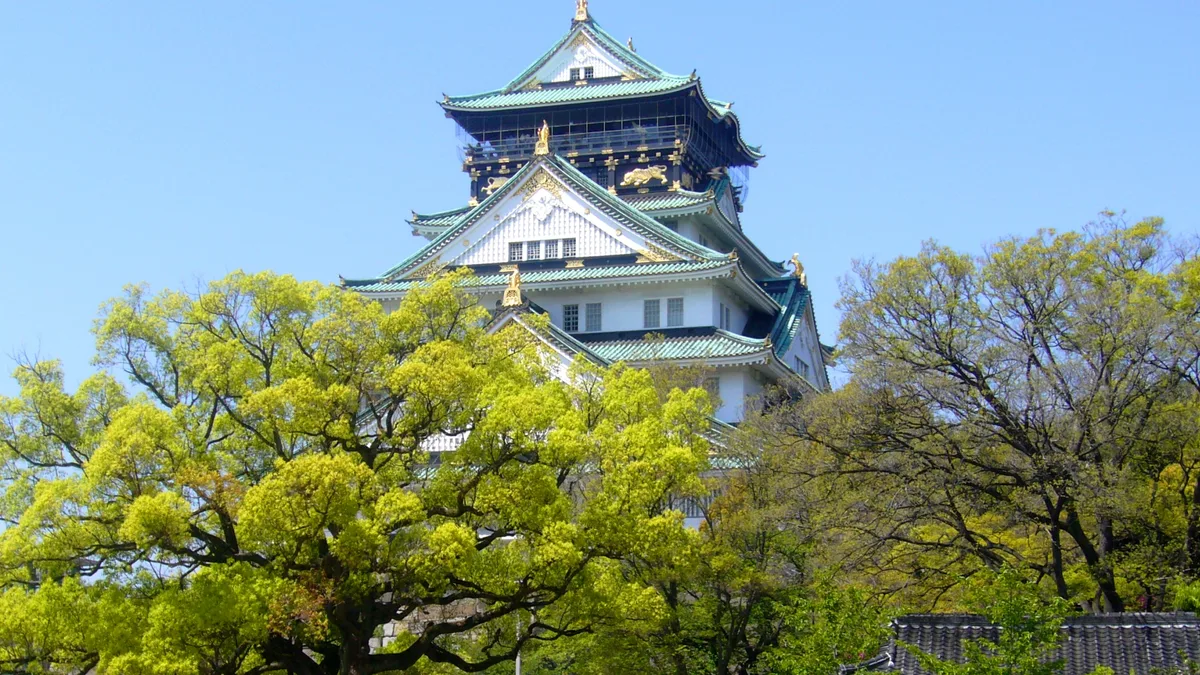
Yêu một tòa tháp được dựng lại: công viên miễn phí và tòa tháp có bán vé, nhưng hào nước cùng những bức tường đá khổng lồ mới chính là tòa thành thật sự bốn trăm năm tuổi của Osaka.
Osaka Castle
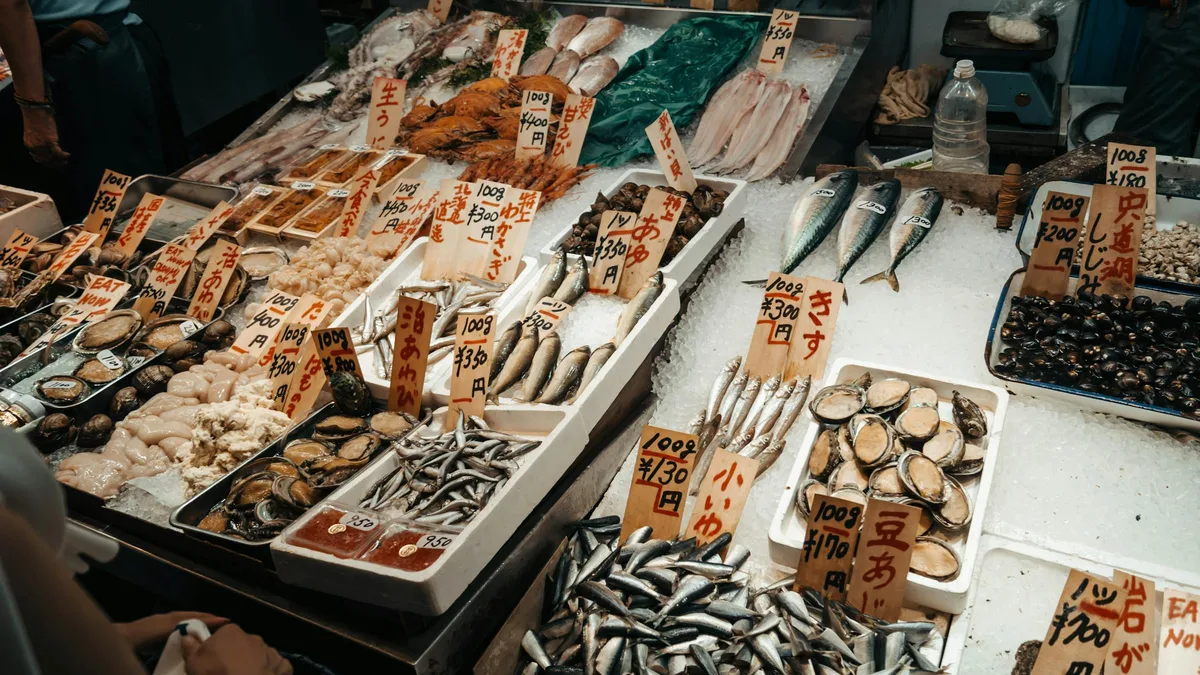
Cẩm nang âm thanh về Chợ Nishiki, con phố ẩm thực 400 năm của Kyoto — nên ăn và mua gì, đi lúc nào, và cách thưởng thức tử tế.
Nishiki Market
Thủ đô và những chuyến đi trong ngày — Tokyo phố cổ, Kamakura bên biển, Nikko trên núi — với nhịp độ thoải mái
Núi non và những thị trấn cổ — Matsumoto, Takayama, Shirakawa-go, Kanazawa — theo một nhịp phải đặt trước
Okayama, một hòn đảo nghệ thuật, Hiroshima và Miyajima — nhẹ nhàng chạy từ đông sang tây
Người mê thành quách thật sự đi như thế nào: hành trình từ Osaka về phía tây tới Shikoku, giúp bạn biết cách ngắm một tòa thành
Cung đường vàng Tokyo–Kyoto đi theo mùa hoa, cùng cách theo dõi làn sóng hoa nở như người địa phương, để việc không thể chốt ngày trước lại thành phần thú vị nhất của chuyến đi
Kyoto vào lúc lá phong đẹp nhất, và cách biết lá đổi màu ở đâu, khi nào, để bạn đến đúng lúc thay vì phải đuổi theo
Ở một chỗ tại Tokyo, mỗi ngày một hoạt động chính, khám phá đất nước chu đáo với gia đình theo nhịp của các bé
Hakodate, Kobe và Nagasaki: ba thị trấn cảng đã mở cửa với thế giới, và những cảnh đêm mà ngọn đồi của chúng đã ban tặng