Skip to content
WMJS
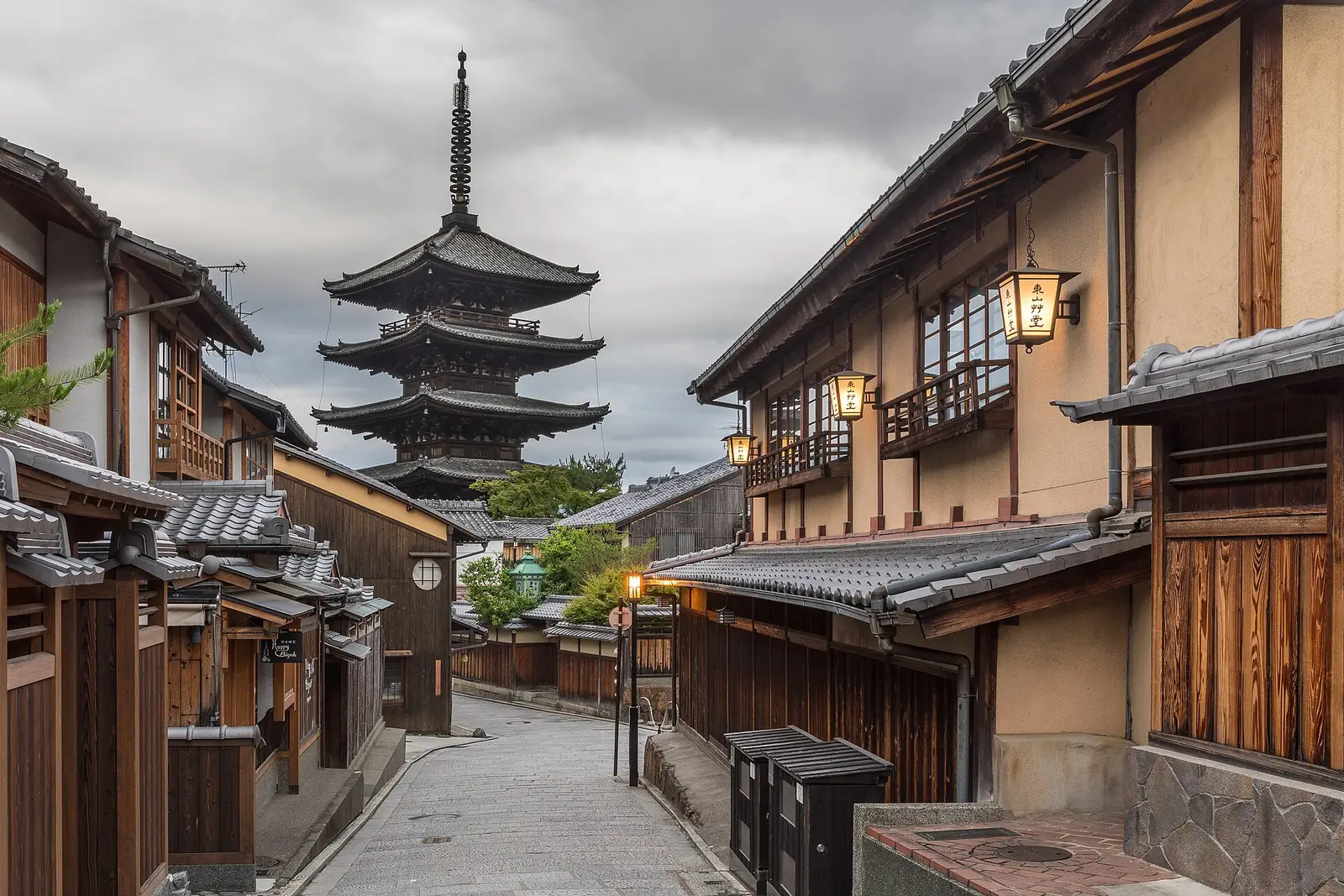
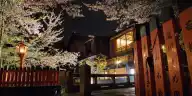
The Yasaka Pagoda rising over a quiet old lane in Higashiyama, Kyoto, at first light
Where to go

Kansai, an easy few days

Japan's older heart — Kyoto, Nara, Osaka — at a comfortable pace

Last verified: 2026-06-08

Days
4 (Kyoto x2, Nara, Osaka) — composable, arrival-in-Kansai to next move
Best season
Spring brings cherry blossom and autumn brings foliage; summer is humid, winter is crisp and quiet. I'm fondest of spring and autumn
Base yourself
One city for the whole trip works — Kyoto Station for day-trip ease, or Osaka (Namba/Umeda) for nights out
Getting around
One IC card (ICOCA/Suica/PASMO) taps on JR, private rail, subway and city buses across all three cities

Who this plan suits

  • First tripGreat fit
  • Been beforeWorks well
  • With kidsWorks well
  • SoloGreat fit
  • As a coupleGreat fit
  • Gentle paceWorks well
When to goYear-round

Beautiful all year; cherry blossom in spring and maple colour in late autumn are the busiest, loveliest windows.

Kansai is the easy part of Japan to fall for — three cities sitting close enough that you can wake up in Kyoto, feed deer in Nara by lunch, and be standing under Osaka's neon by night, all on a single tap of one card. Most people arrive into the region by Shinkansen at Shin-Osaka or Kyoto, or fly into Kansai Airport (KIX) and ride in from there; from any of those doors, the loop below is yours. I'd treat this as a loose four-day frame, not a checklist: Kyoto for two days because the temples reward slowness, Nara for a day because the deer and the Great Buddha are worth the trip out, and Osaka to finish loud and warm.

Everything here is a ride of forty-five minutes or less, so you don't have to be precious about it. If a day runs long, fold it shorter. If you fall in love with one lane in Gion, stay in it. I'll lay out how I'd move and where I'd sleep, and you can pull the pieces apart and put them back together however your trip wants to go.

Where to base yourself

I'd base in one city for the whole trip and let the rail mesh do the commuting — Kyoto, Nara and Osaka are all roughly thirty to forty-five minutes apart, so day-returns from any of the three are routine. The real choice isn't which city so much as which station you sleep near, because the closest line decides how friction-free your mornings feel.

If I wanted day trips to feel effortless, I'd base near Kyoto Station. Every long-distance and regional line converges here, so both Osaka and Nara are one-seat rides from the same spot — no transfers, no thinking. The trade-off is atmosphere: you're south of the historic core, a little removed from the old-Kyoto lanes.

If I wanted to wake up inside old Kyoto, I'd choose Higashiyama or Gion, on the east side. You'd be walking distance to the temple-and-lane cluster — Kiyomizu-dera, Gion, the stone-paved Higashiyama slopes. The Keihan Main Line runs down the east side straight to Osaka, and for Nara you'd hop a few minutes back to a hub first. I'd pick this when temples are the priority and the day trips are the bonus.

If I wanted the balance, I'd stay downtown around Karasuma or Kawaramachi — it sits between the station and Higashiyama, a short walk to the historic district and to Nishiki Market, with the Hankyu line running directly to Osaka's north side. It's the all-rounder: walk to old Kyoto, one-seat ride to Umeda.

Or you could base in Osaka instead. Osaka has two centers, and they point at different day trips. Namba (Minami) puts Dotonbori and the food-and-nightlife heart right outside your door, and the Kintetsu Nara Line runs direct from Osaka-Namba to Nara's park — so if Nara and late dinners matter most, this is a natural launchpad (it's also the direct line to Kansai Airport). Umeda (Kita) is the northern hub built around JR Osaka Station, with Hankyu and Hanshin starting here and the fastest JR Special Rapid up to Kyoto — better if Kyoto and Kobe are your repeat day-returns and you like a climate-controlled, station-to-hotel kind of convenience.

One quirk worth knowing wherever you base: Nara has two stations. Kintetsu Nara is underground, a few steps from the park and the Great Buddha; JR Nara is a fifteen-to-twenty-minute walk west of it. When the line lets you choose, I'd aim for Kintetsu Nara — it drops you right where you want to be.

Getting around & tickets

The single thing I'd sort before anything else is an IC card — and then you can mostly stop thinking about tickets. It's a prepaid, rechargeable smart card: you tap it on the reader entering a station and tap again leaving, and the fare is worked out and deducted automatically. Kansai's home card is ICOCA (issued by JR West), but you don't need a specific one — a Suica or PASMO from Tokyo, or any of the other regional cards, all work here too, because they're mutually interoperable. JR West's own wording is that one card covers "railways, buses, and other purchases" across the ICOCA area and the Suica, PASMO, manaca, TOICA, PiTaPa and other card areas.

What it taps on for this trip: JR lines, the Osaka Metro, the Kyoto subway, and essentially all the major Kansai private railways (Keihan, Hankyu, Kintetsu, Nankai) plus Kyoto and Osaka city buses — anywhere you see the IC mark. That's every short hop in this itinerary.

Buying and topping up: ICOCA is sold at JR West ticket machines (look for the ICOCA mark) and ticket offices, plus some private railways and subways. In my own experience you charge it with cash at the machines, so it's worth keeping a few coins and notes on you for top-ups. There's a small refundable deposit baked into the card (see the fact box for the price breakdown), which you get back when you hand the card in at the end.

Two things an IC card does not do: it won't tap you onto the Shinkansen as a plain card, and you can't ride across two different IC-card areas on a single tap. Neither matters for short Kyoto/Nara/Osaka hops — both only come up if you extend out to Tokyo or Hiroshima.

Do you need a rail pass? For a relaxed Kyoto–Nara–Osaka loop, usually not. The JR Kansai Area Pass is JR-only at its core, but several of the handiest connections here run on non-JR private lines (Kintetsu to Nara, Keihan and Hankyu between Kyoto and Osaka, the subways), and the individual JR hops are short and cheap — so a few rides rarely beat the daily pass price. A pass like that earns its keep mostly when you string several long JR legs into one day, like adding Himeji or an airport run. Otherwise, tapping an IC card is cheaper and works across all the lines without buying a separate ticket for each leg.

Where a day pass genuinely helps: on a bus-heavy Kyoto day, the Kyoto Subway & Bus 1-Day Pass can pay for itself in a few rides, because Kyoto's top sights lean on buses. In Osaka, the Enjoy Eco Card (Osaka 1-Day Pass) is worth a look on a metro-heavy day, and it's priced lower on weekends and holidays. I've put the current prices in the fact boxes — buy these only on days you'll actually ride a lot within one city.

Kyoto — the eastern hills

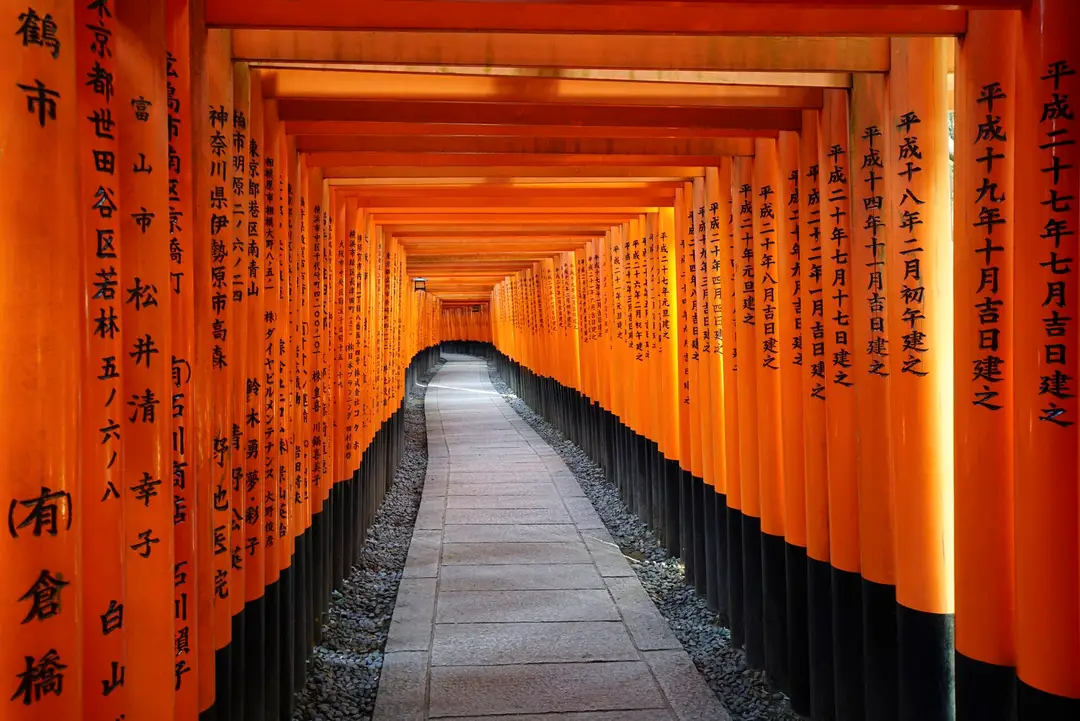
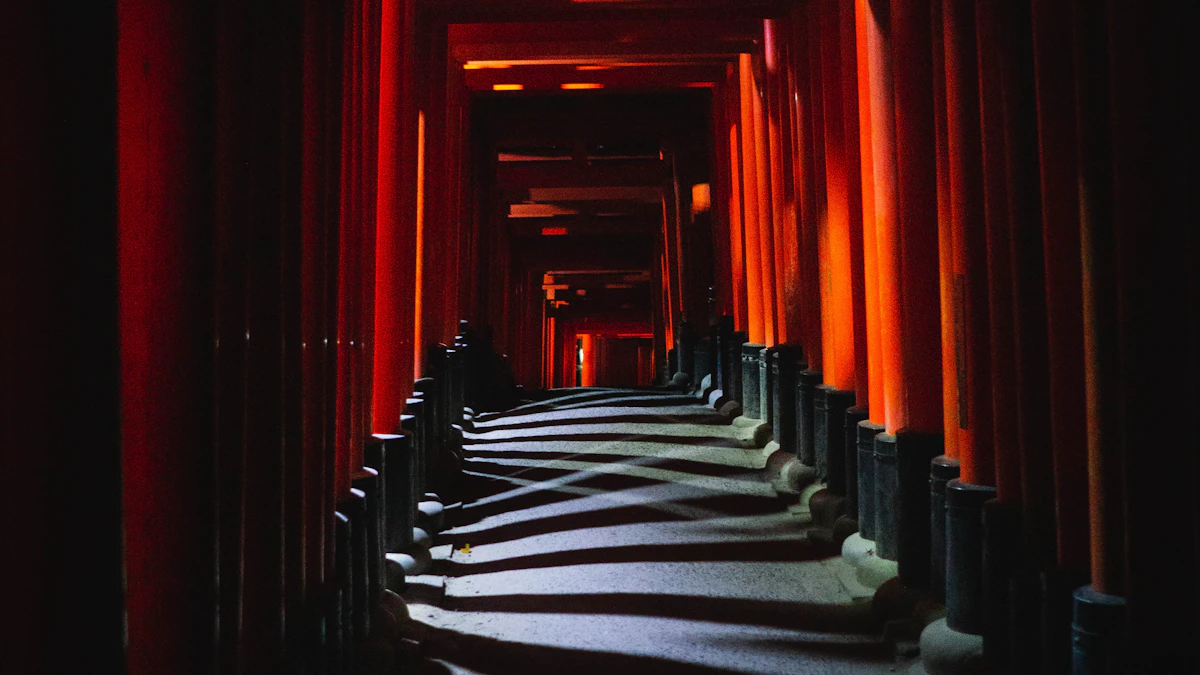
The vermilion torii corridor winding up the hill at Fushimi Inari, Kyoto

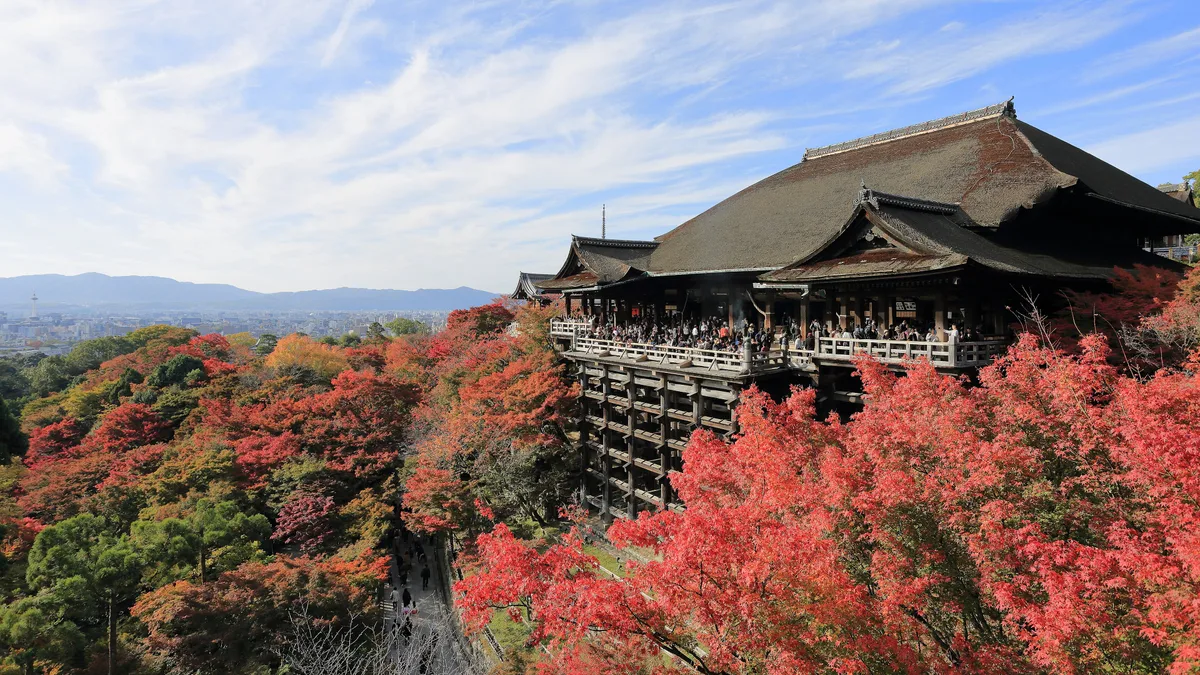
I'd start before the city wakes. The thing about Fushimi Inari is the corridor of vermilion gates climbing the hillside — and for me, it only feels like the photographs early, before the path fills, when your footsteps change on the gravel and the city noise falls away behind you. From there the day tilts toward the old eastern slopes — Kiyomizu-dera's cliff stage reached up stone lanes that have carried pilgrims for centuries — and ends, gently, in Gion as the lanterns come on. A reminder I'd hold onto in Gion: people live and work in these lanes. Walk softly, keep to the public streets, and you'll be welcome.

  1. 08:00Fushimi Inari, earlyKyoto Station -> Inari Station on the JR Nara Line — take a Local train (the faster Rapid services don't stop at Inari), a couple of stops and only a few minutes. The main gate is right at the station. Climb as far up the gate corridor as you like; the higher you go, the quieter it gets. Linked guide: Fushimi Inari.
  2. 11:00Kiyomizu-dera up the slopesBack to a central hub, then a Kyoto City Bus toward the Kiyomizu-michi / Gojozaka stops (bus times here swing a lot with traffic), then a short uphill walk through the souvenir lanes to the cliff stage. Alternatively, ride Keihan to Kiyomizu-Gojo Station and walk up. Linked guide: Kiyomizu-dera.
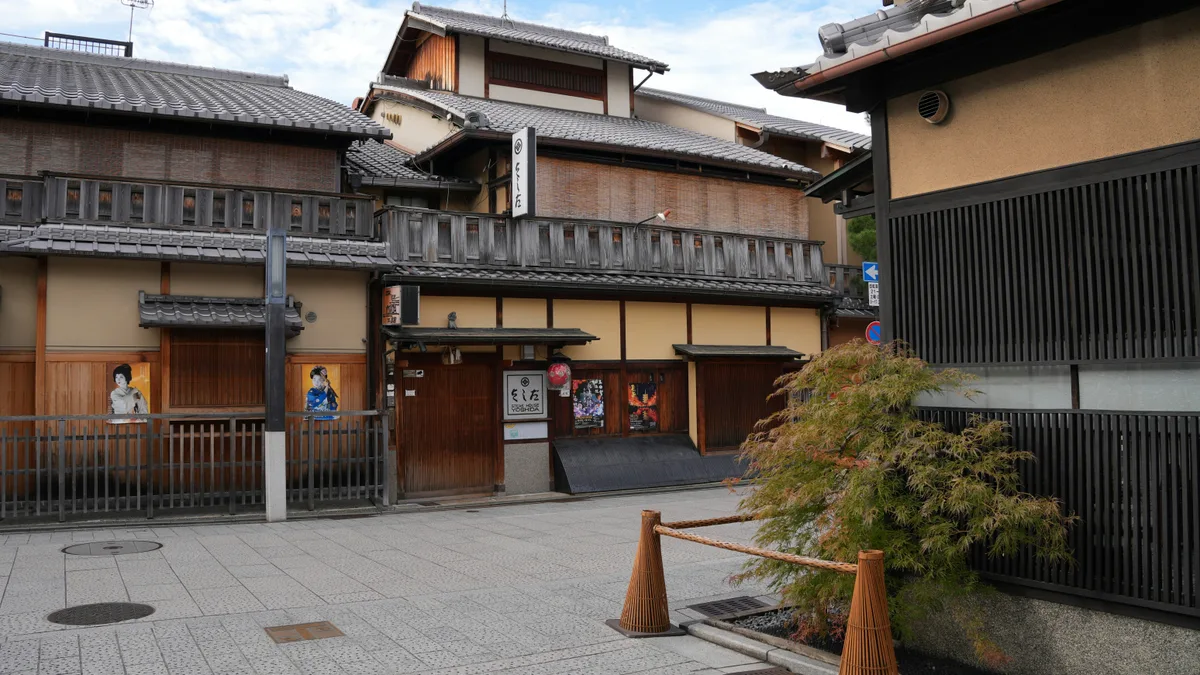
  3. 14:00Wander the Higashiyama lanesFrom Kiyomizu, the stone-paved slopes of Sannenzaka and Ninenzaka drop down through old townhouses on foot — no transit needed, just follow the hill down toward Gion. You'll pass the Yasaka (Hokan-ji) pagoda standing over the lanes, the silhouette on so many Kyoto postcards. This is the slow, on-foot middle of the day.
  4. EveningGion at lantern timeOn foot from Higashiyama, or a few minutes by Keihan to Gion-Shijo Station, the gateway to Gion and Hanamikoji. Drift the lanes as the lights come on — gently, on the public streets, since this is a working neighborhood. Linked guide: Gion.

Kyoto — west and north

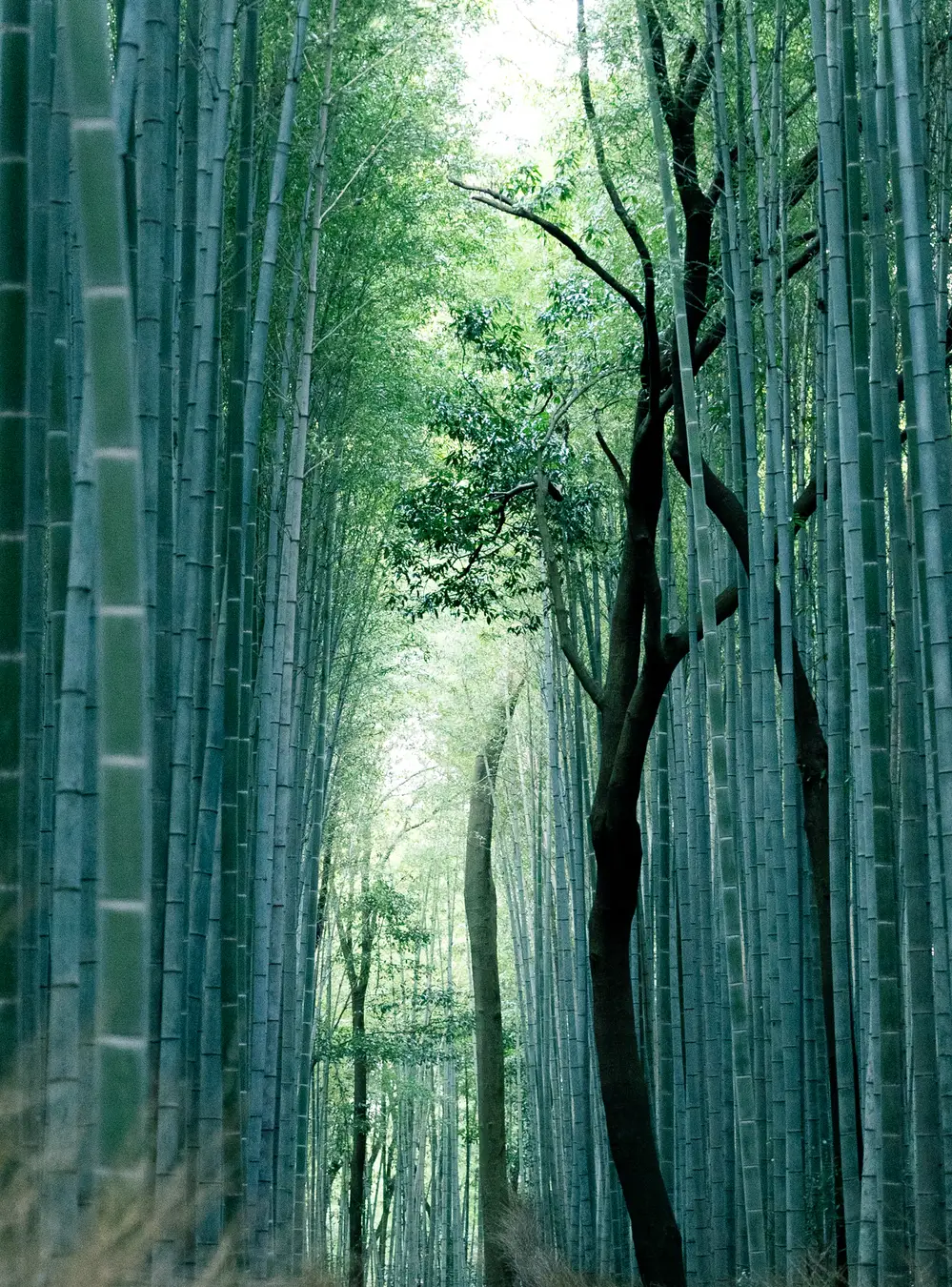
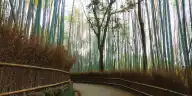
The towering bamboo grove at Arashiyama, Kyoto

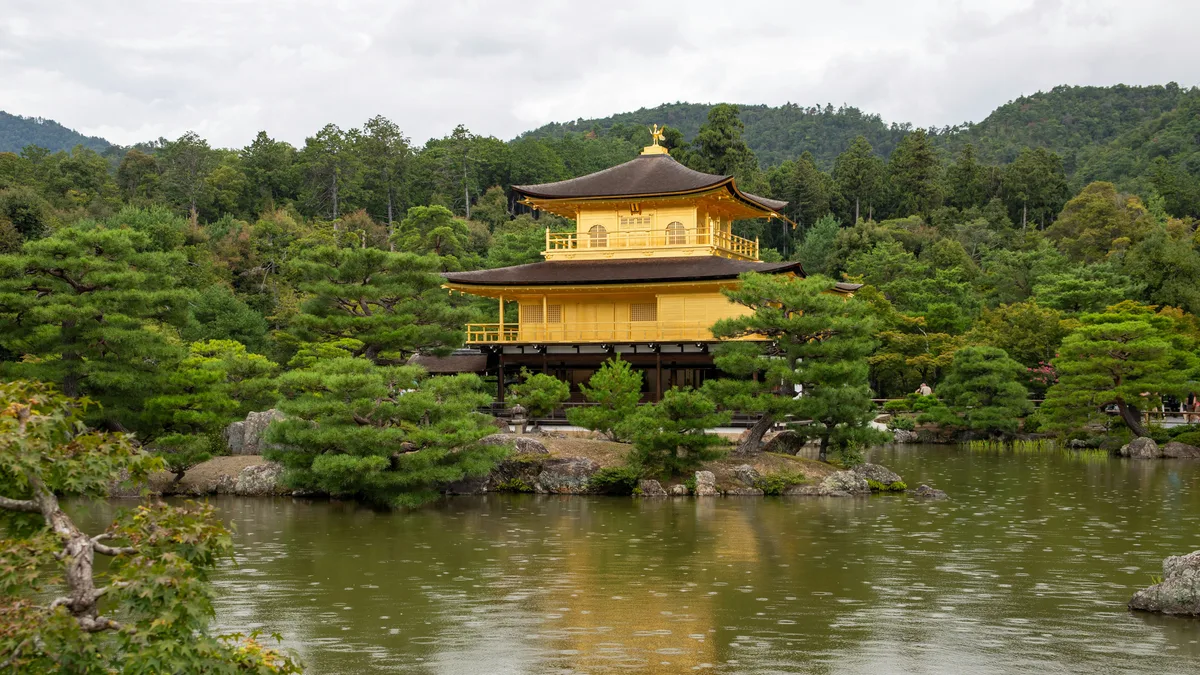
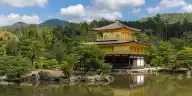
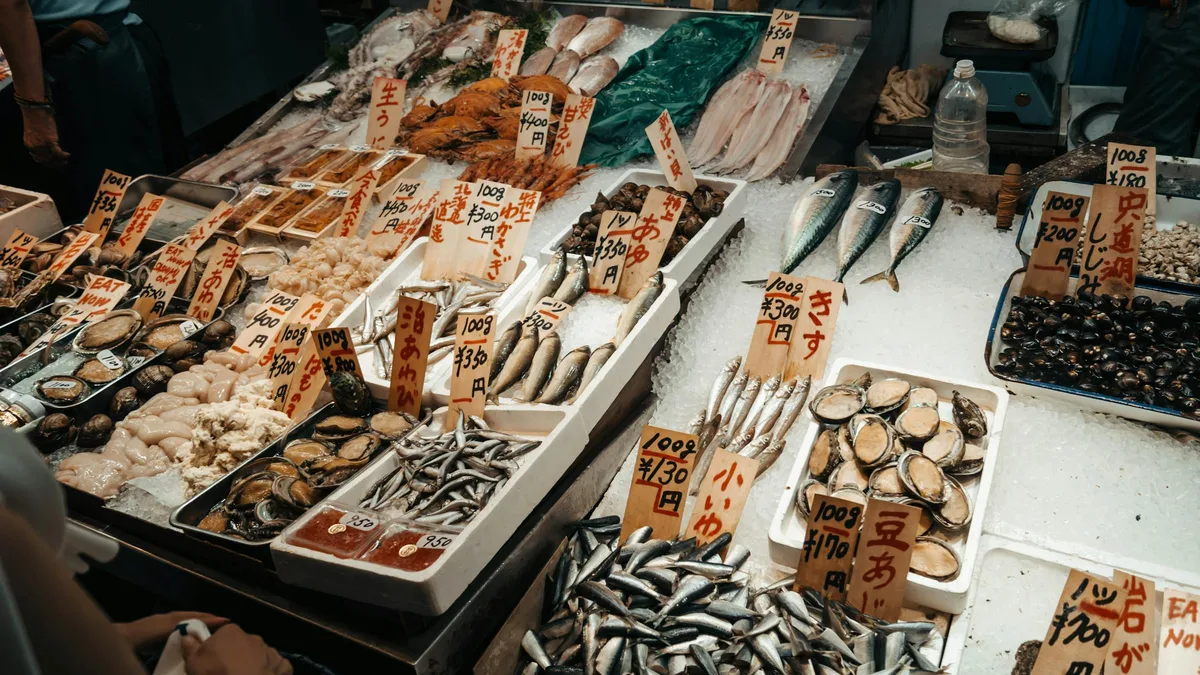
Day two I'd flip to the western and northern edges of the city. Arashiyama's bamboo grove is the one people come to photograph, but I'd go early for how it sounds — the hush and creak of the stalks before the crowds arrive. Then north to Kinkaku-ji, the gold pavilion mirrored on its pond; I'd give it a slow loop rather than a single photo. And I'd close in the middle of town at Nishiki Market, where the local way is to buy something and stand right there to eat it, rather than walk and snack.

  1. 08:00Arashiyama bamboo, for the soundKyoto Station -> Saga-Arashiyama on the JR Sagano (San-in) Line, then a short walk to the grove. Or take the Keifuku 'Randen' tram from central Kyoto (Omiya) into Arashiyama — a slower, prettier approach. Go early; the grove is most itself before the day fills. Linked guide: Arashiyama.
  2. Late morningKinkaku-ji, gold on the pondKinkaku-ji has no rail station, so a Kyoto City Bus is the practical way in (traffic-dependent) to the Kinkakuji-michi stop. Walk the pond circuit slowly — the pavilion reads differently from each angle of the loop. Linked guide: Kinkaku-ji.
  3. AfternoonNishiki Market, buy and eat on the spotTo the city center: the Kyoto subway Karasuma Line to Shijo Station, then a short walk to the west end of the market; Hankyu Kyoto-Kawaramachi is also a few minutes' walk. The local rhythm is to buy a bite and pause right at the stall to eat it. Linked guide: Nishiki Market.

Nara — a day trip

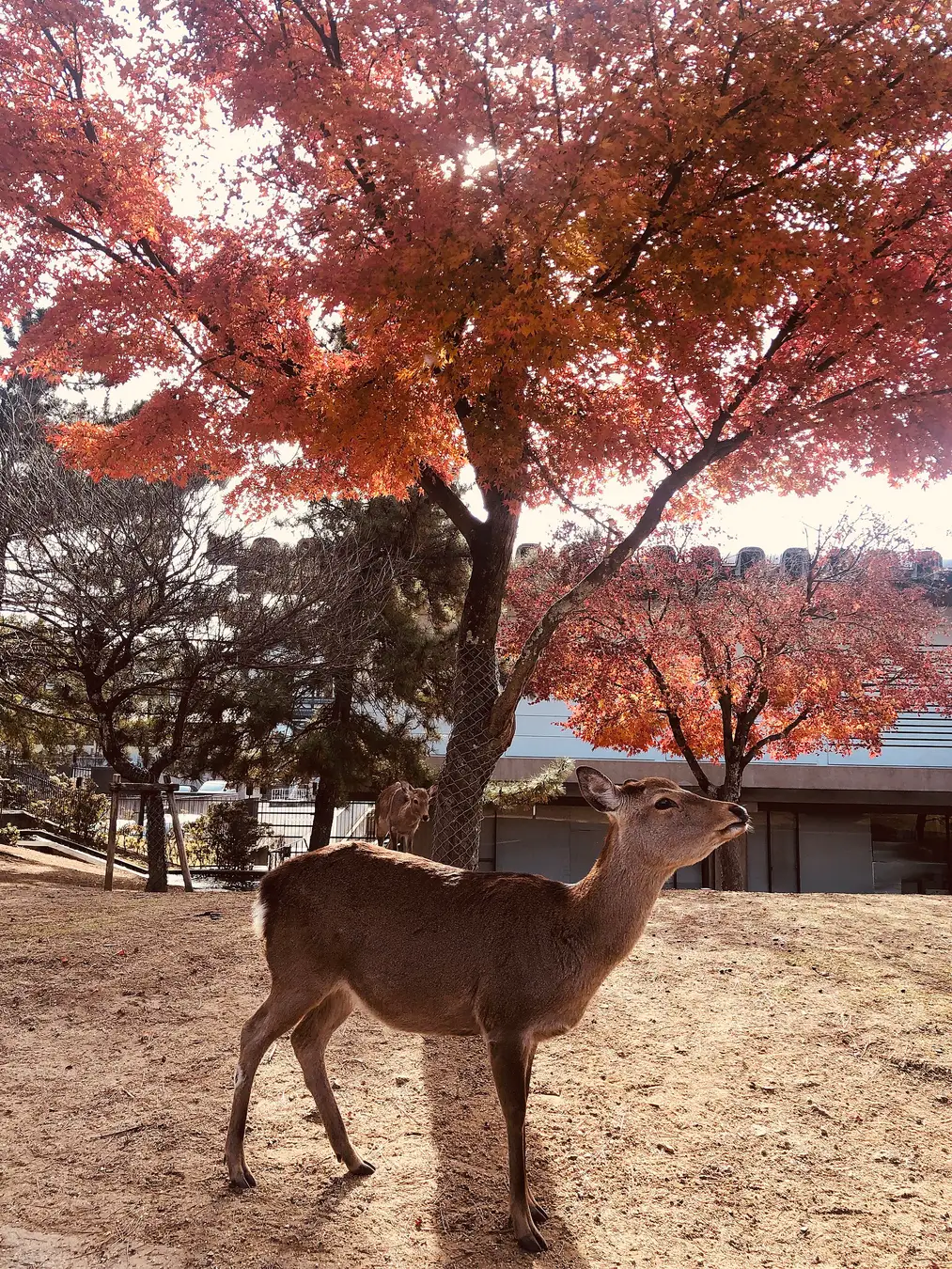
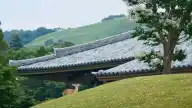
A sika deer standing beneath autumn maples in Nara Park

Nara is the easy day out, and the deer are the heart of it. They're treated as sacred messengers here, free-roaming through the park, and the official deer crackers (shika senbei) sold around the park are the food made for them — I'd stick to those, hand a cracker over, then show your empty palms, and they'll understand the food is gone. Beyond the deer, Todai-ji holds the Great Buddha under one of the world's great wooden roofs, and a lantern-lined avenue leads on toward Kasuga Taisha through the trees. I'd take the whole day; by late afternoon, once the crackers sell out, the deer fold their legs on the grass and the park goes quiet, and that's a lovely note to ride back to Kyoto on.

  1. 09:00Out to NaraFrom Kyoto Station you've got a choice: the JR Nara Line Miyakoji Rapid runs every half hour or so and lands you at JR Nara, a 15-20 minute walk from the park; or Kintetsu from Kyoto (a quicker limited express, or a direct express) lands you at Kintetsu Nara, which is right by the park. When the line lets you choose, Kintetsu drops you closer. Times and fares are in the fact boxes.
  2. 10:30Nara Park and the deerFrom Kintetsu Nara it's a few steps into the park; from JR Nara, walk east. Buy the official shika senbei from the park stalls (the food made for the deer), hand them over, then show empty hands. Linked guide: Nara Park.
  3. MiddayTodai-ji and the Great BuddhaA walk through the park to Todai-ji, where the Great Buddha sits inside the huge wooden hall. The approach is itself part of it — deer along the path, the gate looming ahead.
  4. AfternoonLantern avenue to Kasuga TaishaOn foot from Todai-ji, follow the lantern-lined paths through the wooded park toward Kasuga Taisha. Then retrace to Kintetsu or JR Nara and ride back to Kyoto by evening.

Osaka — castle and neon

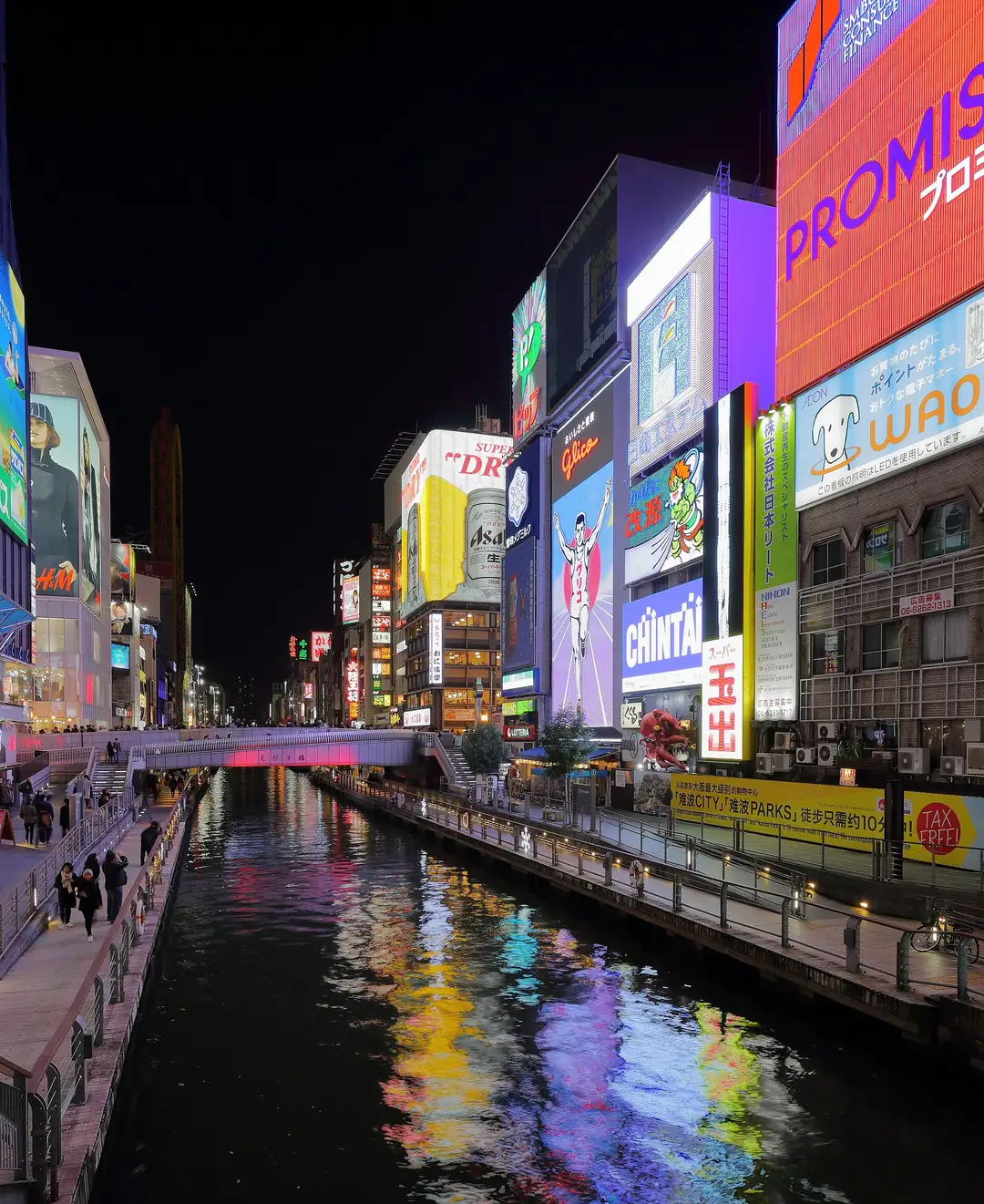
Dotonbori's neon signs reflected in the canal at night, Osaka

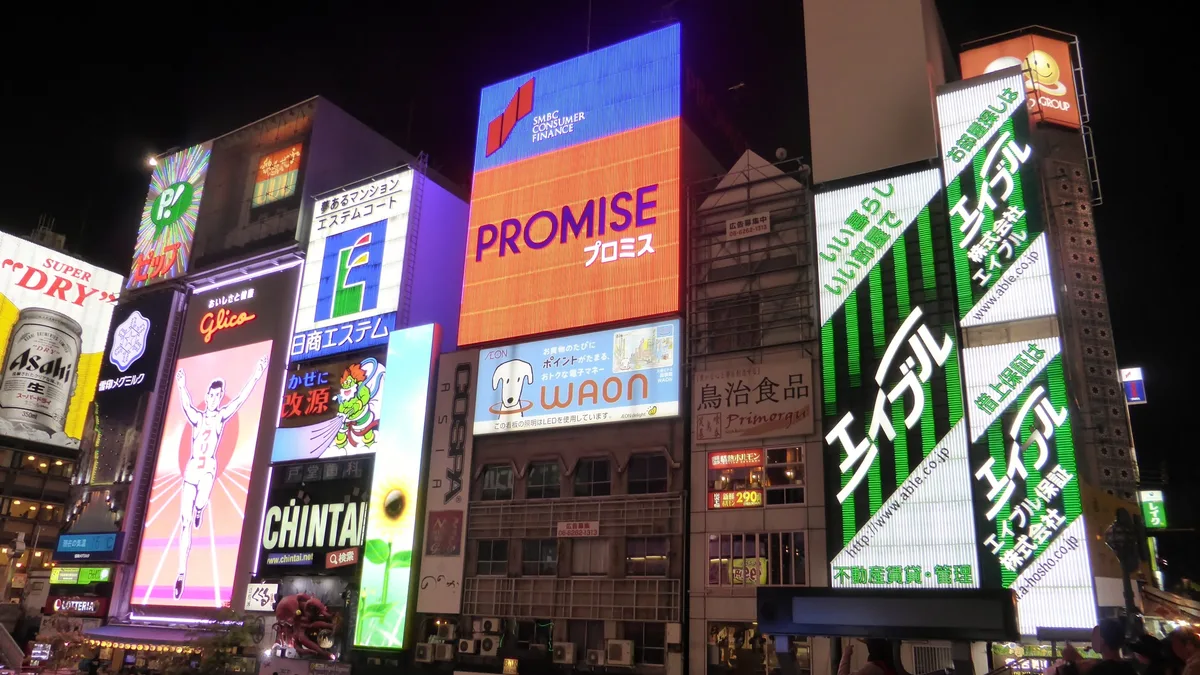
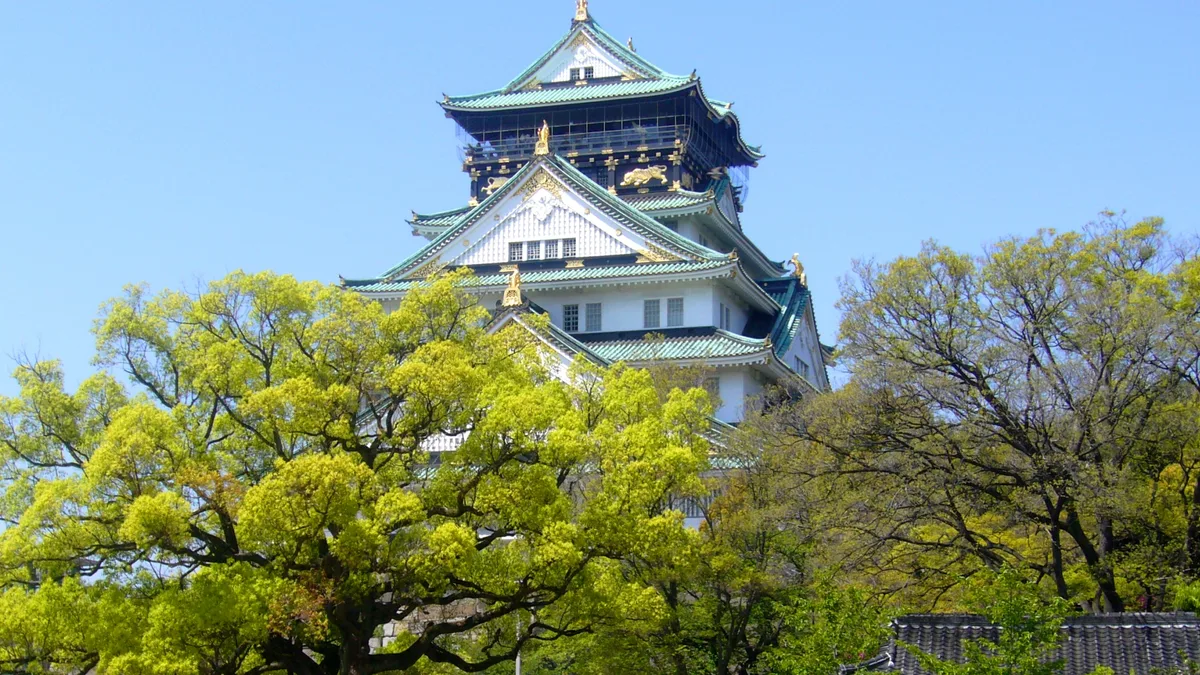
Osaka closes the trip loud and friendly. Osaka Castle is worth understanding before you see it: the keep you walk into is a citizens'-funded modern reconstruction, but the moats and the colossal stone walls around it are the real, old castle — the genuine fortress is the ground, not the tower. Then I'd let the evening pull me down to Dotonbori, where the canal throws neon back at itself — the giant running Glico man sign glowing over the water is the one everyone knows — and the food is the point. Eat small bites on the move if you like — just hold your wrapper until you find a bin.

  1. 09:30Over to OsakaThe city-center-to-city-center run is the JR Special Rapid, Kyoto Station -> Osaka Station (it stops only at Kyoto, Takatsuki, Shin-Osaka and Osaka). There's a Shinkansen option too, but it lands at Shin-Osaka, north of the center, so the Special Rapid is usually the simpler door-to-door choice. Times and fares are in the fact boxes.
  2. Late morningOsaka Castle — the walls are the castleFrom central Osaka, the metro or JR Osaka Loop Line gets you to the castle park; the grounds are broad and open. Walk the moats and the giant stone walls first — that's the original fortress — then the reconstructed keep. Linked guide: Osaka Castle.
  3. 17:30Dotonbori for food and neonDown to Namba/Minami by subway. Dotonbori is the canal-side food and neon heart of the city — small bites on the move are part of it, just carry your wrapper to a bin rather than leaving it. Linked guide: Dotonbori.

If you have one more day

+1 day

If you've got an extra day, I'd offer two very different directions, and neither is the 'right' one — they just suit different moods.

West to Himeji Castle. This is the real thing — an original white keep that survived, the genuine surviving castle that Osaka's reconstruction can only echo. It's an easy run west of Osaka by JR Special Rapid (direct), and the castle is a straight fifteen-to-twenty-minute walk from Himeji Station. A good pairing if Osaka Castle left you wanting to stand inside the real thing.

Or up to Koyasan for a quiet mountain night. This is the opposite energy: a temple town high in the mountains south of Osaka, reached by Nankai train, a short cablecar, and a bus into town. The way to do it is to stay overnight in a temple lodging, eat the vegetarian monks' food, and join the early-morning service — then walk the cedar-lined paths of the Okunoin among the lanterns. It costs you a night, but it's the one that slows the whole trip down.

If you're short a day

−1 day

If you're short on time, the trip folds down without losing its heart. I'd make Nara a half-day rather than a full one — a morning with the deer and the Great Buddha, back to Kyoto for the afternoon — or I'd keep Kyoto to a day and a half and let one of the eastern or western clusters go. The thing I'd resist is cramming all four days into three: a slower trip holds more. Pick the two or three places that pulled at you most and give them room, instead of collecting all nine.

Extend from here

Onward

This block snaps onto the rest of Japan in both directions. East, the Tokaido Shinkansen takes you from Kyoto toward Tokyo and the Kanto region in a couple of hours — a clean handoff to a Tokyo block. West, the Sanyo Shinkansen runs toward Hiroshima and Miyajima, where the floating torii and the Peace Memorial make a natural two-or-three-day extension. Note that IC cards don't tap you onto the Shinkansen on their own — you'll buy a separate ticket (or register a Smart-EX/EX-IC account) for those longer legs.

Good to know — fares & times

Kyoto -> Fushimi Inari (Inari Stn)
JR Nara Line, ~2 stations / about 5 minutes from Kyoto Station; take a Local train, as Rapid services pass Inari. Fare looked up on JR-West's official route search. IC card OK.
Kyoto City Bus (flat fare)
Flat adult fare ¥230 anywhere on Kyoto City Bus — the practical way to Kiyomizu-dera and Kinkaku-ji.
Randen (Keifuku) tram — flat fare
Keifuku 'Randen' Arashiyama Line, flat adult fare per ride regardless of distance; pay as you get off. A slow, scenic way into Arashiyama from central Kyoto. IC card OK.
Kyoto -> Saga-Arashiyama (JR)
JR Sagano (San-in) Line, Kyoto Station -> Saga-Arashiyama, then a short walk to the bamboo grove. Fare and time on JR-West's official route search. IC card OK.
Kyoto <-> Nara (JR Nara Line)
Miyakoji Rapid, Kyoto Station <-> JR Nara, roughly every 30 min; JR Nara is a 15-20 min walk from the park. Fare and time on JR-West's official route search. IC card OK (JR pass valid).
Kyoto <-> Nara (Kintetsu)
Kintetsu Kyoto Line: a quicker Limited Express (reserved-seat surcharge added to the base fare) or a direct Express (no surcharge). Kintetsu Nara is closer to the park than JR Nara. Fares and surcharge on Kintetsu's official route/fare search.
Osaka-Namba -> Kintetsu Nara
Kintetsu Nara Line, Osaka-Namba -> Kintetsu Nara, lands you right at the park; Rapid Express (no surcharge) or a quicker Limited Express (reserved-seat surcharge). Fares on Kintetsu's official route/fare search.
Osaka Tennoji -> JR Nara
JR Yamatoji Line, Tennoji -> JR Nara — the quickest JR run to Nara if you're based around Tennoji/Umeda. Fare and time on JR-West's official route search. IC card OK.
Kyoto <-> Osaka (JR Special Rapid)
JR Kyoto Line Special Rapid, Kyoto Station <-> Osaka Station, stopping only at Kyoto / Takatsuki / Shin-Osaka / Osaka — the fastest local-fare run. Fare and time on JR-West's official route search. IC card OK.
Kyoto <-> Osaka (Hankyu, downtown to downtown)
Hankyu Kyoto Main Line, downtown Kyoto (Kawaramachi) <-> Osaka-Umeda — handy if you're based downtown. Fare and time on Hankyu's official route/fare guide. IC card OK.
Kyoto -> Osaka (Shinkansen)
Tokaido Shinkansen, Kyoto Station -> Shin-Osaka, a very short hop but it lands north of the center, so add a JR leg to reach downtown. IC tap only via Smart-EX / EX-IC. Fare on the official Smart-EX / JR-Central booking site.
Osaka <-> Himeji (JR Special Rapid)
JR Kobe Line Special Rapid, Osaka Station <-> Himeji Station, direct. The castle is a ~15-20 min walk straight from Himeji Station. Fare and time on JR-West's official route search. IC card OK.
Osaka -> Koyasan (Nankai + cablecar + bus)
Nankai Namba -> Gokurakubashi by Limited Express 'Koya' (~1 hr 40 min) or Express (~2 hr), then the cablecar up the mountain (~5 min), then a Rinkan bus into town. Limited Express needs a seat ticket on top of the fare; IC card OK on the rest. Fares on Nankai's official site.
ICOCA card — price & deposit
Sold for ¥2,000, which includes a refundable ¥500 deposit (so ¥1,500 of usable balance), per JR-West's official ICOCA page. Top up and re-use as you go.
Kyoto Subway & Bus 1-Day Pass
Unlimited rides for the activated day on both subway lines + all Kyoto City Bus routes (plus selected Kyoto/Keihan buses). Adult ¥1,100 / child ¥550. Pays off fast on a bus-heavy Kyoto day.
Osaka Enjoy Eco Card (1-Day Pass)
Unlimited rides on all Osaka Metro lines + most Osaka City Buses. Adult ¥820 weekday / ¥620 weekend-holiday, child ¥310. Priced lower on weekends and holidays.
JR Kansai Area Pass
JR-only pass for the Osaka-Kyoto-Kobe-Nara-Himeji area + HARUKA airport express (no Shinkansen), in 1- to 4-day versions. Current prices on JR-West's official pass page. Worth it only on days with several long JR legs.

Go deeper

후시미 이나리 — 만 개의 도리이가 이 산에 계속 세워지는 이유
10 min· 6 ch
떠나기 전에걸으면서

후시미 이나리 — 만 개의 도리이가 이 산에 계속 세워지는 이유

공식 자료를 기반으로 검증된 후시미 이나리 타이샤 오디오 문화 가이드. 약 1만 개의 도리이가 이 산에 세워지는 이유, 여우 사자의 진짜 의미, 1,300년 참배길을 경험하는 방법.

Fushimi Inari Taisha

기요미즈데라 — 사람들은 왜 언덕을 올라 절벽 위에 서서 소원을 비는 걸까
8 min· 5 ch
떠나기 전에걸으면서

기요미즈데라 — 사람들은 왜 언덕을 올라 절벽 위에 서서 소원을 비는 걸까

교토 기요미즈데라 음성 문화 가이드. 공식 자료로 검증한 정보와, 절벽 위 무대가 소원을 비는 곳인 이유, 그리고 방문하는 법을 따뜻하게 안내합니다.

Kiyomizu-dera Temple

기온(祇園) — 교토의 꽃거리를 걷다, 지금도 사람들이 살아가는 마을
6 min· 5 ch
떠나기 전에걸으면서

기온(祇園) — 교토의 꽃거리를 걷다, 지금도 사람들이 살아가는 마을

교토 기온을 걷는 따뜻한 안내. 게이코·마이코는 누구인지, 하나미코지와 시라카와·다쓰미 다리, 야사카 신사, 사진 예절과 골목 매너, 가는 길과 가장 좋은 시간까지.

Gion
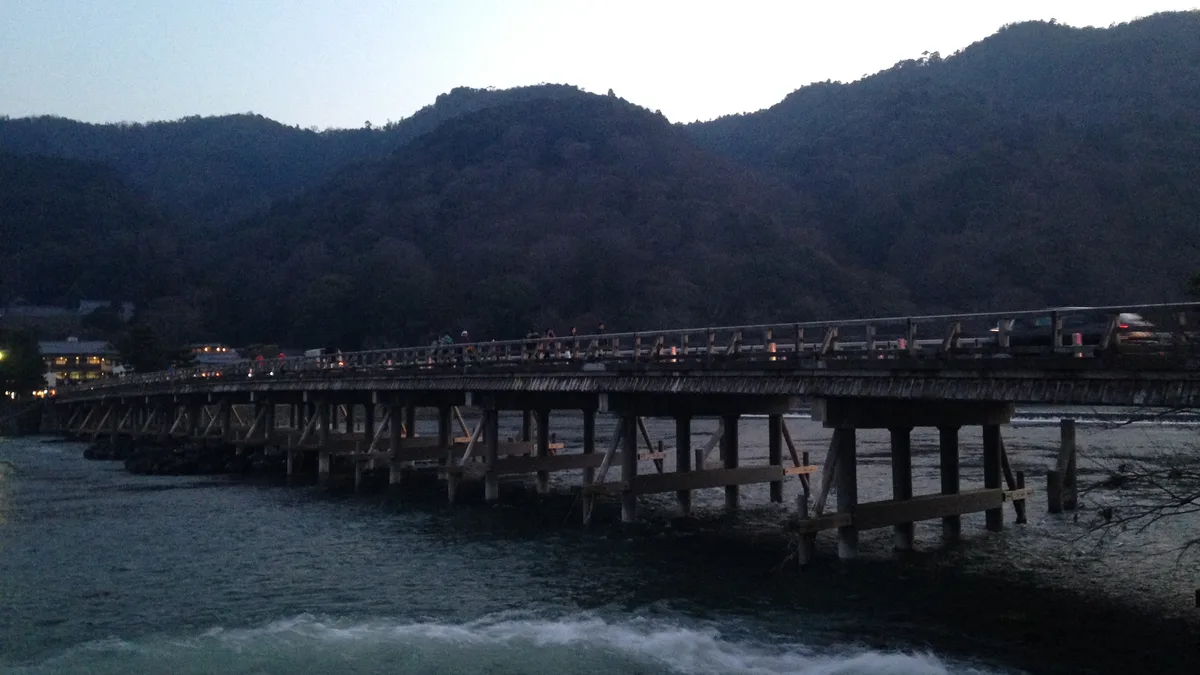
아라시야마 — 일본이 ‘지켜야 할 소리’로 꼽은 대나무 숲
13 min· 6 ch
떠나기 전에걸으면서

아라시야마 — 일본이 ‘지켜야 할 소리’로 꼽은 대나무 숲

아라시야마 오디오 가이드. 사가노의 대나무 숲은 일본이 지키기로 택한 백 가지 소리 풍경 중 하나입니다. 달을 건너는 다리 도게쓰쿄, 산을 빌려 온 덴류지의 차경 정원, 그리고 인파에서 한 걸음 더 멀어진 고요 속으로 천천히 걸어 보세요. 보는 곳이 아니라 듣는 곳, 천 년 동안 사랑받아 온 풍경을 만나는 여정입니다.

Arashiyama

킨카쿠지(금각사) — 왜 모두가 같은 자리에 멈춰 황금 누각을 사진에 담을까
7 min· 6 ch
떠나기 전에걸으면서

킨카쿠지(금각사) — 왜 모두가 같은 자리에 멈춰 황금 누각을 사진에 담을까

교토 킨카쿠지(금각사, 로쿠온지) 방문 가이드. 연못 건너편에서 바라보는 황금 누각과 쿄코치 거울 연못의 반영, 무료 오디오 가이드 구성, 개방 시간 9:00–17:00, 참배료 500엔, 교토역에서 가는 법과 사진 작법까지 따뜻하게 안내합니다.

Kinkaku-ji (Rokuon-ji)
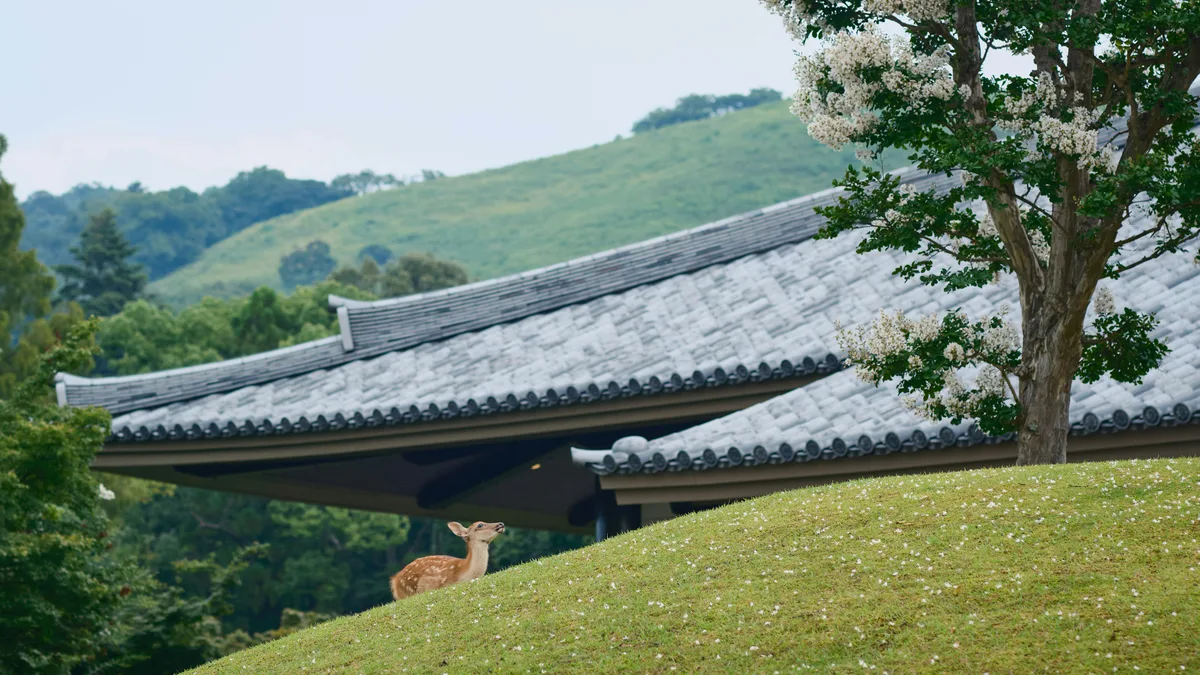
나라 공원 — 사슴은 왜 고개를 숙일까, 그리고 일본은 왜 천 년이나 그들을 지켜왔을까
12 min· 5 ch
떠나기 전에걸으면서

나라 공원 — 사슴은 왜 고개를 숙일까, 그리고 일본은 왜 천 년이나 그들을 지켜왔을까

공식 자료로 검증한 나라 공원 오디오 문화 가이드. 이곳 사슴이 왜 신의 사자로 불리는지, 왜 고개를 숙이는지, 그리고 전병 가판대에서 도다이지 대불과 가스가 대사의 등롱 길까지 사슴과 함께 오후 한나절을 다정하게 보내는 법을 알려드려요.

Nara Park

도톤보리 — 먹다가 망하는 도시, 그래도 즐겁게
11 min· 6 ch
떠나기 전에걸으면서

도톤보리 — 먹다가 망하는 도시, 그래도 즐겁게

오사카는 먹는 데 돈도 자존심도 아낌없이 쏟는 '쿠이다오레'의 도시입니다. 글리코 간판 아래 에비스바시, 타코야키와 쿠시카츠, 운하에 비친 네온, 그리고 그 뒤편 호젠지 요코초의 고요까지 — 다정한 친구처럼 도톤보리의 활기와 즐거움을 안내합니다.

Dotonbori

오사카성 — 오사카가 세 번 세운 천수각
10 min· 6 ch
떠나기 전에걸으면서

오사카성 — 오사카가 세 번 세운 천수각

다시 지어진 천수각을 사랑하는 도시 오사카. 무료 공원과 입장료를 받는 천수각, 두 개의 켜로 오사카성을 읽어 보세요. 진짜 사백 년 된 성은 강철 천수각이 아니라 그 아래 해자와 거대한 석벽입니다. 마음 편히, 있는 그대로의 이야기와 함께 걸어 보세요.

Osaka Castle
니시키 시장(錦市場) — 한 입씩 맛보는 교토의 부엌
10 min· 6 ch
떠나기 전에걸으면서

니시키 시장(錦市場) — 한 입씩 맛보는 교토의 부엌

사백 년 역사의 교토 먹거리 거리, 니시키 시장 오디오 가이드. 무엇을 맛보고 살지, 언제 가면 좋을지, 그리고 다정하게 즐기는 법을 따뜻하게 안내합니다.

Nishiki Market