
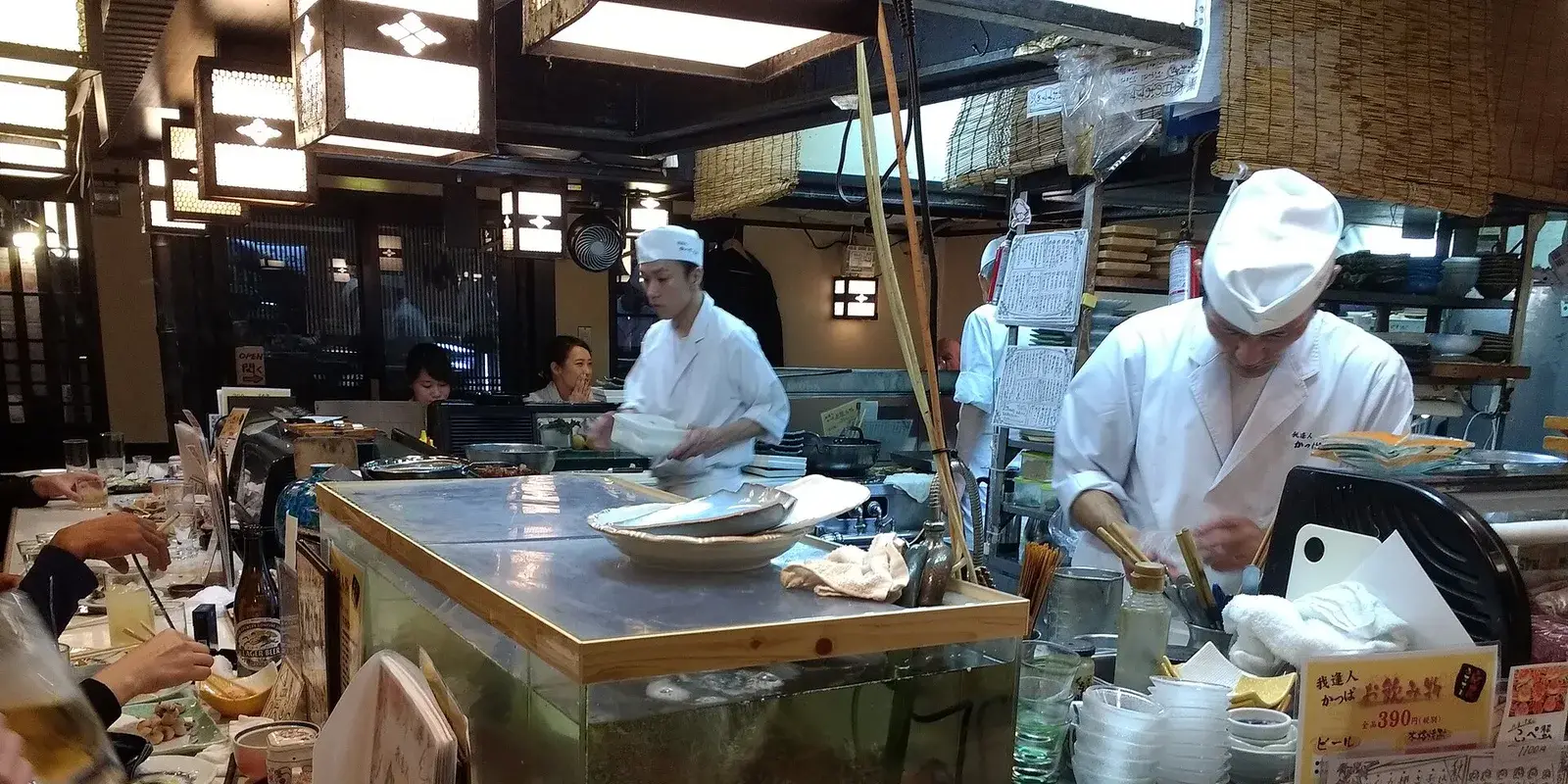
The Art of Being Easy: What Japanese Service Workers Wish Every Customer Knew
What you'll learn in this article:
- What 439 Japanese service workers, chefs, and residents said about gratitude and the "perfect customer"
- Why the number one answer was "just be normal," never extra tips or effusive praise
- How "gochisousamadeshita" completes the circle of a meal, and why nobody is ever bothered by it
- Why chefs say "oishii" means more to them than "arigatou"
- The small signals (finishing your food, making space) that speak louder than words
What's the best way to show gratitude in Japan? We collected 439 public posts by Japanese service workers and residents. The clear answer: be easy. 97% described their ideal customer as "just normal": calm, patient, present. A single "gochisousamadeshita" when leaving means more than any tip. In Japan, enjoying someone's craft is the thank you.
439 Japanese voices on what gratitude really looks like, from the people who serve you
You're sitting in a small restaurant in Tokyo. The ramen was incredible. The chef clearly put care into every bowl. And now you're wondering: How do I show this person I appreciate what they just did for me?
If you come from a tipping culture, the instinct is to add something extra: money, words, a glowing review. The feeling is: They worked hard for me. I should give them something back.
Here's what surprised us: when we read what Japanese service workers wrote about what they actually want from customers, the most common answer wasn't a compliment. It wasn't a tip. It wasn't even a thank you.
It was this: just be easy.
Be calm. Be patient. Enjoy the food. Say "gochisousamadeshita" when you leave. That's it. In Japan, the act of being a smooth, pleasant customer isn't settling for less. It's the highest form of respect for someone's craft.
We collected 439 real voices from Japanese service workers, chefs, and residents to find out what gratitude actually looks like from their side, and the answer might change how you think about every meal you eat in Japan.
Quick Guide
| What to Do | What Japanese Service Workers Say | |
|---|---|---|
| 🟢 The core | Just be easy: enjoy, be patient, be calm | "Normal is fine. Just treat us as humans." 97% said this is the ideal. |
| 🟢 Powerful | Say "gochisousamadeshita" when leaving | "It completes the meal. No one is ever bothered by it." |
| 🟢 Powerful | Say "oishii" when the food is good | "That word means more to me than arigatou." (multiple chefs) |
| 🟢 Bonus | Come back if you can | "The highest compliment is seeing someone return." |
| 🟢 Bonus | Small signals: finish food, make space, tidy up | "We notice everything. A small nod is enough." |
The one thing to remember: In Japan, gratitude isn't something you add on top. It's woven into how you receive what's offered. Being a good guest (calm, present, appreciative) is the thank you.
How We Gathered These Voices
We collected 439 Japanese-language responses across seven topics related to gratitude and customer behavior. Sources include public Japanese Q&A sites, forums, and social posts, industry surveys from Toreta and Inshokuten.com, career sites like CareerGarden, and culinary school publications from Tsuji Group.
Voices came from restaurant servers, hotel staff, ryokan attendants, professional chefs, izakaya operators, café baristas, convenience store workers, and everyday Japanese residents reflecting on their own habits as customers.
A quick note: This isn't a controlled scientific survey. Real Japanese people wrote these words themselves, in their own language, on public platforms. We wanted to show you what gratitude looks like from the other side of the counter.
What Makes a Good Customer?
The most common answer: "Just be normal."
We read what Japanese service workers wrote about their ideal customer. The posts were so consistent it was almost eerie: the same word kept appearing, 普通 (futsuu), meaning normal, ordinary, nothing special.
別に普通に接してくれればいい。人間扱いされたい。 Just treat us normally. We want to be treated as humans.
普通でいい。理不尽なことを言わず、マナーやモラルを守れる人。 Normal is fine. Someone who doesn't say unreasonable things and has basic manners.
穏やかな人、これだけ。 A calm person. That's it.
普通に買い物して帰ってくれればいいお客さん。 A customer who just shops normally and leaves — that's a good customer.
If you're used to a service culture where the customer is expected to express gratitude through tips or praise, this might feel strange. The people serving you aren't asking for anything extra. They're asking for something much simpler: don't make it hard.
And when someone inevitably makes a mistake, because everyone does, the response that staff remember most isn't a complaint. It's this:
失敗した時に「新人さんねー?いいよいいよ」って笑ってくれた人は神。 When I messed up, the customer who smiled and said "Are you new? It's fine, it's fine" — that person is a god.
こちらのミスに対して焦らなくていいよーってニコニコしてくれる人。 The person who smiles and says "no rush, no rush" when we make a mistake.
In Japan, patience with imperfection is its own kind of gratitude. You don't need to perform thankfulness. You just need to be easy to be around.
Just Enjoy It: That's the Whole Point
100% of service workers said: your enjoyment is their reward.
This is where the cultural gap becomes clearest. In many Western service cultures, there's an underlying assumption that serving others is a burden: that staff are "putting up with you" and deserve compensation for the effort. The Reddit post that inspired this article captured it perfectly: the poster worried they were "wasting the server's time."
Japanese service workers see it completely differently. Their craft exists to be received. Your enjoyment completes the work.
自分の作る料理を人に食べてもらい喜んでもらえる仕事なので嬉しいです。 My job is making food for people to eat and enjoy. That's what makes me happy. (French cuisine chef)
食事を食べた方から「今日も美味しかったよ。ありがとう。」この言葉を頂けた時、実際疲れていても吹き飛びます。 When someone says "That was delicious today. Thank you." — even when I'm exhausted, it all disappears. (Chef, 50s)
料理人にしてみたら、「おいしい」に代わる言葉はないのではないでしょうか。 For a cook, there may be no word that can replace "oishii." (Culinary instructor)
Not a single person said they needed anything beyond seeing their customer enjoy the experience. No tips. No reviews. No elaborate praise. Just someone receiving what was offered, with pleasure.
This doesn't mean you need to perform enjoyment. Just being present (eating slowly, looking at the food, pausing to appreciate a flavor) tells the person who made it everything they need to know. For more on how Japanese service culture works from the inside, see The People Behind Omotenashi.
"Gochisousamadeshita": The Word That Closes the Circle
One phrase. Five seconds. No one has ever been annoyed by it.
If there's one actionable takeaway from this entire article, it's this word: gochisousamadeshita (ごちそうさまでした). It literally means "it was a feast," but in practice, it functions as the closing ceremony of a meal. You say it when you're done eating, to the people who prepared or served your food.
「ごちそうさまでした」うれしい一言です。 "Gochisousamadeshita" — those words make us happy. (Restaurant owner)
「いただきます」と「ごちそうさまでした」は、礼儀です。必ずいうのが当然で、それを迷惑に思う人は誰もいません。 "Itadakimasu" and "gochisousamadeshita" are basic courtesy. They should always be said. Nobody is ever bothered by them.
ホールが片付けをする合図になるからです。 It also signals the floor staff that it's time to clear the table.
That last point is worth noting: gochisousamadeshita isn't just an emotional gesture. It serves a practical function too. It tells the staff you're done, that they can clear, that the meal has come to a natural close. It's the period at the end of a sentence.
The 9% who said "doesn't matter" weren't annoyed by the phrase; they simply viewed it as so routine that it didn't register emotionally. No one in our entire dataset said gochisousamadeshita was unwelcome.
How to say it: Go-chee-SO-sa-ma-desh-ta. Don't worry about perfect pronunciation. The attempt itself carries the meaning. For more on why the attempt matters, see Trying to Speak Japanese.
You already know the opening: The Power of "Itadakimasu". Gochisousamadeshita is the closing. Together, they bookend every meal with gratitude: not for the customer, but for the food, the labor, and the exchange itself.
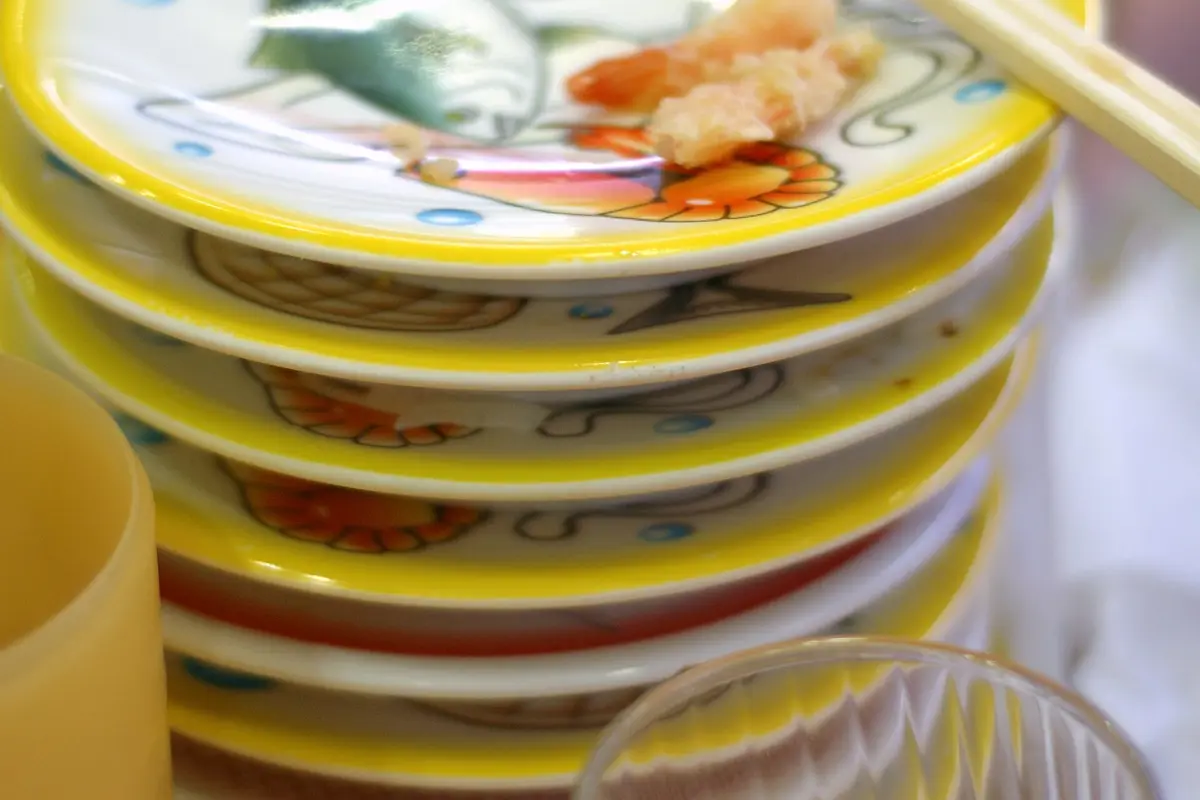
"Oishii": The Word Chefs Love More Than "Arigatou"
One word. No translation needed. Universal impact.
Here's something that surprised us: when Japanese chefs and service workers wrote about which word makes them happiest, "oishii" (おいしい, meaning delicious) consistently ranked above "arigatou" (thank you).
「美味しい」「美味しかったよ」という一言が、「ありがとう」よりも好きな言葉。 "Oishii" and "that was delicious" — those words mean more to me than "arigatou." (Restaurant owner)
とてもありきたりな言葉ですが、やはり「おいしい」と言われるのは嬉しいですね。シンプルに、それに尽きます。 It's a very ordinary word. But being told "oishii" makes me happy. Simply put, that's everything. (Culinary instructor)
その言葉はハッキリとモチベーションに繋がります。 That word directly connects to motivation.
Why does "oishii" outrank "arigatou"? Because "arigatou" acknowledges effort. "Oishii" validates the result. For a craftsperson, hearing that their work achieved what it was meant to achieve is the deepest form of recognition.
You don't need perfect Japanese. You don't need to explain what was good about the dish. Just "oishii," with a genuine expression, lands. If you want to understand why your compliments carry unexpected weight in Japan, see Why Your Compliments Are Changing Japan.
Coming Back Is the Highest Compliment
Return visits speak louder than any words.
If you've traveled to Japan and found a place you love (a ramen shop, a tiny izakaya, a kissaten) and you're wondering whether going back means anything to the people who work there, the answer is overwhelming.
あなたの笑顔見るために来てるのよ。 "I come here to see your smile."
リピーターが自分を目当てに来店してくれた時が一番やりがいを感じる。 When a repeat customer comes specifically for me — that's when I feel the most rewarded. (Itk Co. survey of restaurant staff, 2024: 18% ranked this the second most common answer)
お客さまと仲良くなり、ご来店時に私が出勤していると嬉しがってくれた。 A customer became a regular, and they'd light up when they saw I was working that day.
In a 2019 survey of restaurant workers by Toreta, "a customer remembered my face" ranked as the second most rewarding experience (38.8%). Not tips. Not reviews. Being remembered.
This carries a special weight for international visitors. A foreign customer who returns to the same small shop (maybe months or even a year later) is making an unmistakable statement: your place mattered enough that I came back across an ocean. Staff don't forget that.
Even if you can't return in person, the same sentiment works on a smaller scale. Visiting the same konbini every morning of your trip, going back to a restaurant twice in a week, becoming "the foreigner who always orders the same thing": these patterns register. For navigating your first izakaya or understanding how convenience stores work, you already know the way in.
The Signals You Don't Need Words For
Small gestures that Japanese service workers notice, and remember.
You don't need to speak Japanese to show appreciation. Some of the most meaningful signals have no words at all.
料理提供時に「美味しそう~!!」と肯定的な反応を示してくれるお客さん。提供前にスペースを空けてくれたり、済んだお皿を渡してくれたりする気遣いも嬉しい。 Customers who react positively when food arrives — "That looks amazing!" Making space before dishes come, or handing back finished plates. That consideration makes us happy.
食後に自発的にお皿を重ねてくれたり、ストロー袋のごみや使い終わったお手拭きを1つの袋にまとめておいてくれるお客さんは本当にありがたい。 Customers who stack their plates after eating, or gather their straw wrappers and used hand towels into one spot — we're truly grateful for that.
キレイに完食してくれる人。宴会の後お皿を片付けやすいようにしてくれる。 People who finish everything cleanly. After a group meal, making the plates easy to clear.
Here's what Japanese service workers actually notice:
Finishing your food: In Japanese food culture, eating everything on your plate is one of the strongest compliments you can give a chef. It says: this was worth finishing. If you genuinely can't finish (perhaps the portion was bigger than expected), that's completely fine. But when you do finish, it registers. (Worried about leftovers? You can often take food home; it's more welcome than you think.)
Making space: Moving your glass or bag when you see the server approaching with a dish. This tiny, barely conscious gesture shows you see the server as a real person doing a job.
A small nod or bow: You don't need the perfect angle. A slight nod when your food arrives, or when you catch the server's eye, communicates everything. See The Power of a Small Bow for how much this small gesture means.
Not rushing: Eating at a natural pace, rather than hurrying through a meal, shows you're actually present. Japanese food culture values the act of eating itself, beyond nutrition alone.
A note on stacking plates: while most staff appreciate the gesture, a few mentioned that certain stacking styles can actually make their job harder (nested bowls with sauce, for example). The intent always lands well, even if the execution isn't perfect.
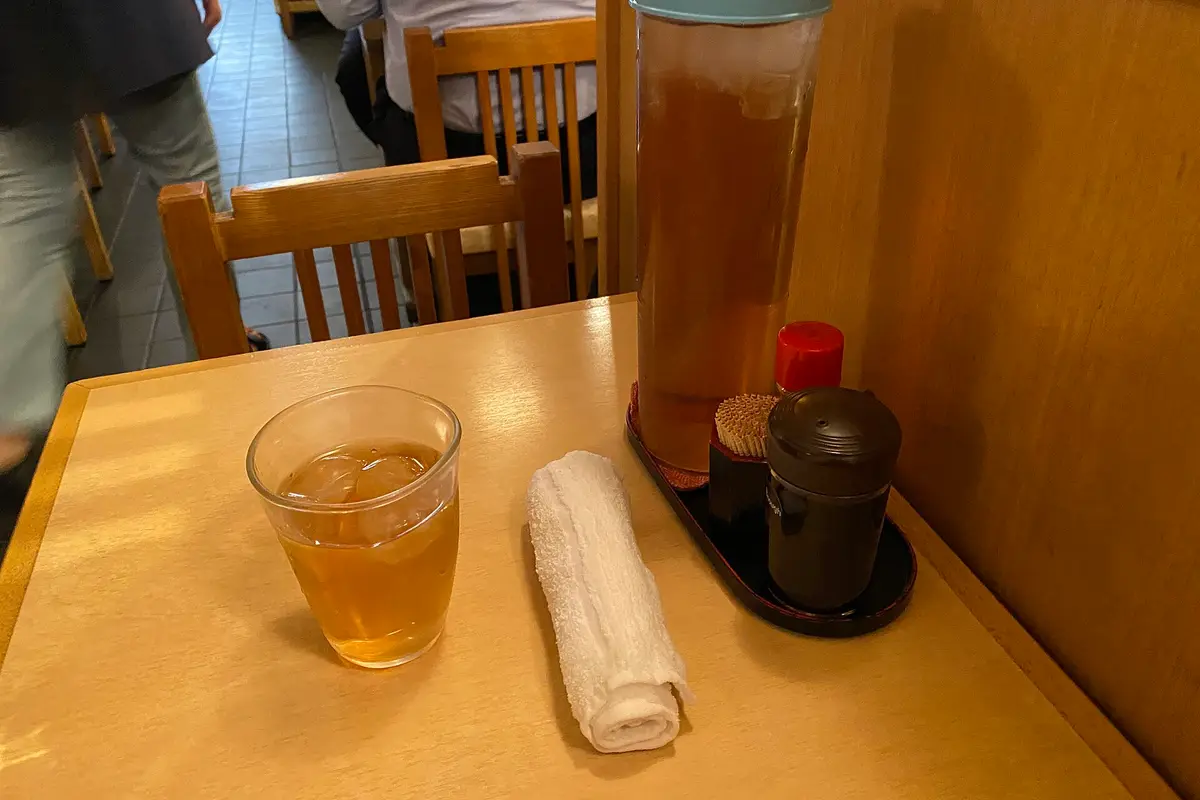
The Generation Shift: "The Customer Is God" Is Dying
Japan is going through a quiet revolution in how service workers and customers relate to each other. And the generation doing the reshaping might surprise you.
For decades, the phrase okyakusama wa kamisama desu (お客様は神様です, meaning "the customer is God") shaped Japanese service culture. It originated with the singer Haruo Minami in 1961, who meant it as his own personal artistic philosophy rather than a customer entitlement charter. But it was widely misinterpreted, and for generations, some customers used it to justify treating service workers as subordinates.
カスハラって基本的に若い人はしないんです。それは若い世代には「お客様は神様です」という意識がないからです。 Young people basically don't do customer harassment. It's because the younger generation simply doesn't have the "customer is God" mentality. (Anger management specialist)
バイトしてる時に若者の方が礼儀正しい。特に一部の中高年のおじさんの態度の悪さが気になるわ。 When I'm working part-time, younger people are more polite. It's certain middle-aged men whose attitude stands out.
「お客様は神様」の元ネタである三波春夫も、生前曲解されたまま世間に広まって心を痛めていたらしいね。 Minami, who coined "the customer is God," was apparently troubled during his lifetime that it spread with a completely wrong interpretation.
A 2023 SP Network survey found that customer harassment (kasuhara) in Japan is overwhelmingly concentrated in the 40-60 age group (80.1% of cases), with men in their 50s the single largest group at 40%. Meanwhile, younger Japanese workers and customers are quietly building a more equal, more human relationship across the counter.
This matters for you as a visitor because Japan's younger service workers (the ones most likely to serve you at restaurants, konbini, and cafés) already operate in a post-"customer is God" world. They don't expect worship. They expect respect. And the quickest way to earn that respect? Be easy. For a deeper look at why Japanese people are polite, including why younger Japanese may be more genuinely so, see our full exploration.
What This Means for You
Here's the beautiful thing about Japanese gratitude culture: it asks less of you, not more.
You don't need to learn elaborate customs. You don't need to calculate a tip. You don't need to write a review or send a thank-you note or make a speech about how amazing the food was.
You need to do three things:
Be present. Enjoy the food. Notice the care. Eat at a pace that says "I'm here for this."
Say the words. "Oishii" during the meal. "Gochisousamadeshita" when you leave. That's the entire script.
Be easy. Patient when there's a wait. Forgiving when there's a mistake. Calm in the face of confusion.
That's it. In Japan, the art of being a good customer is the art of being easy to serve, and that, more than any tip or review, is what the people behind the counter will remember about you.
As one service worker put it: "Normal is fine. Just treat us as humans." That's not a low bar. In a world where "the customer is God" turned into an excuse for cruelty, being normal, being easy, is a radical act of kindness.
If you're worried about the gap between knowing these things and actually doing them in the moment, don't be. That gap is much smaller than you think. For more on why you're worrying too much and how understanding works better than perfection, see what thousands of Japanese people wrote. And if you want the full picture of what actually matters across all of Japanese etiquette, we've mapped it.
More Japanese Perspectives
This article is one piece of a larger conversation. Here are related topics where Japanese people shared their honest views:
- What Happens When You Tip in Japan?: Why staff may chase you down to return it
- The Many Meanings of "Sumimasen": The word that's rarely an apology
- The Power of a Small Bow: Why a simple nod makes Japanese people smile
- The People Behind Omotenashi: What service workers actually think
- Your First Izakaya: A friendly guide to Japan's favorite way to eat
- Why Are Japanese People So Polite?: The answer Japanese people themselves disagree with
- Unwritten Rules of Japanese Convenience Stores: And why they exist
Share Your Experience
Have you experienced a moment of unexpected warmth from a Japanese service worker? Or found your own way to show appreciation? We'd love to hear about it.
Sources
Japanese Voices (439 responses across 7 topics)
"What makes a good customer?" (60 responses)
- Public Japanese Q&A sites, forums, and social posts: first-hand opinions on what makes a good customer
"Does Gochisousamadeshita Matter?" (65 responses)
- Public Japanese Q&A sites, forums, and social posts: first-hand opinions on saying "gochisousamadeshita"
"The power of 'oishii'" (62 responses)
- Tsuji Group culinary school, Chef interviews: https://www.tsuji.ac.jp/career/shigoto/chourishi/yarigai/
- CareerGarden, Food industry worker testimonials: https://careergarden.jp/chourishi/yarigai/
- Public Japanese Q&A sites, forums, and social posts: first-hand opinions on the word "oishii"
"Just Enjoy It: Customer Enjoyment as Reward" (65 responses)
- Tsuji Group culinary school, Chef career features: https://www.tsuji.ac.jp/career/shigoto/chourishi/yarigai/
- CareerGarden, Industry worker reviews: https://careergarden.jp/chourishi/yarigai/
- Public Japanese Q&A sites, forums, and social posts: first-hand opinions on customer enjoyment as reward
"Coming back is the highest compliment" (60 responses)
- Toreta, Restaurant worker survey (2019): https://toreta.in/contents/dx/ranking002/
- Inshokuten.com (Itk Co. survey), Service worker motivation study (2024): https://job.inshokuten.com/foodistMagazine/service/customer_relations/detail/383
- Public Japanese Q&A sites, forums, and social posts: first-hand opinions on repeat customers
"Small signals that speak" (60 responses)
- Public Japanese Q&A sites, forums, and social posts: first-hand opinions on small non-verbal signals
"The generation shift" (67 responses)
- JPrime, Anger management expert interview on kasuhara demographics (2023): https://www.jprime.jp/articles/-/30171
- SP Network, Customer Harassment Survey (2023): https://info.sp-network.co.jp/news/kasuhara_survey2023
- Public Japanese Q&A sites, forums, and social posts: first-hand opinions on the generation shift
Note on Quotations
Quotes from online platforms have been lightly edited for readability (fixing typos, formatting for clarity). The meaning and intent of each comment remain unchanged. Original sources are linked above.
This article is available in languages covering 95%+ of visitors to Japan (based on JNTO 2025 data). Need another language? Let us know through Voice Box.
WMJS is written in Japan, in English, with AI help. We check every page, but English is not our first language. If a sentence reads oddly, tell us. One sentence is enough.
Thank you. A person reads every note.
How well do you know Japan?
Built from 635 public posts by Japanese people
Want to know more? Ask Japanese people
Have a follow-up question about this topic? We'll ask real Japanese people.
Voice Box →