
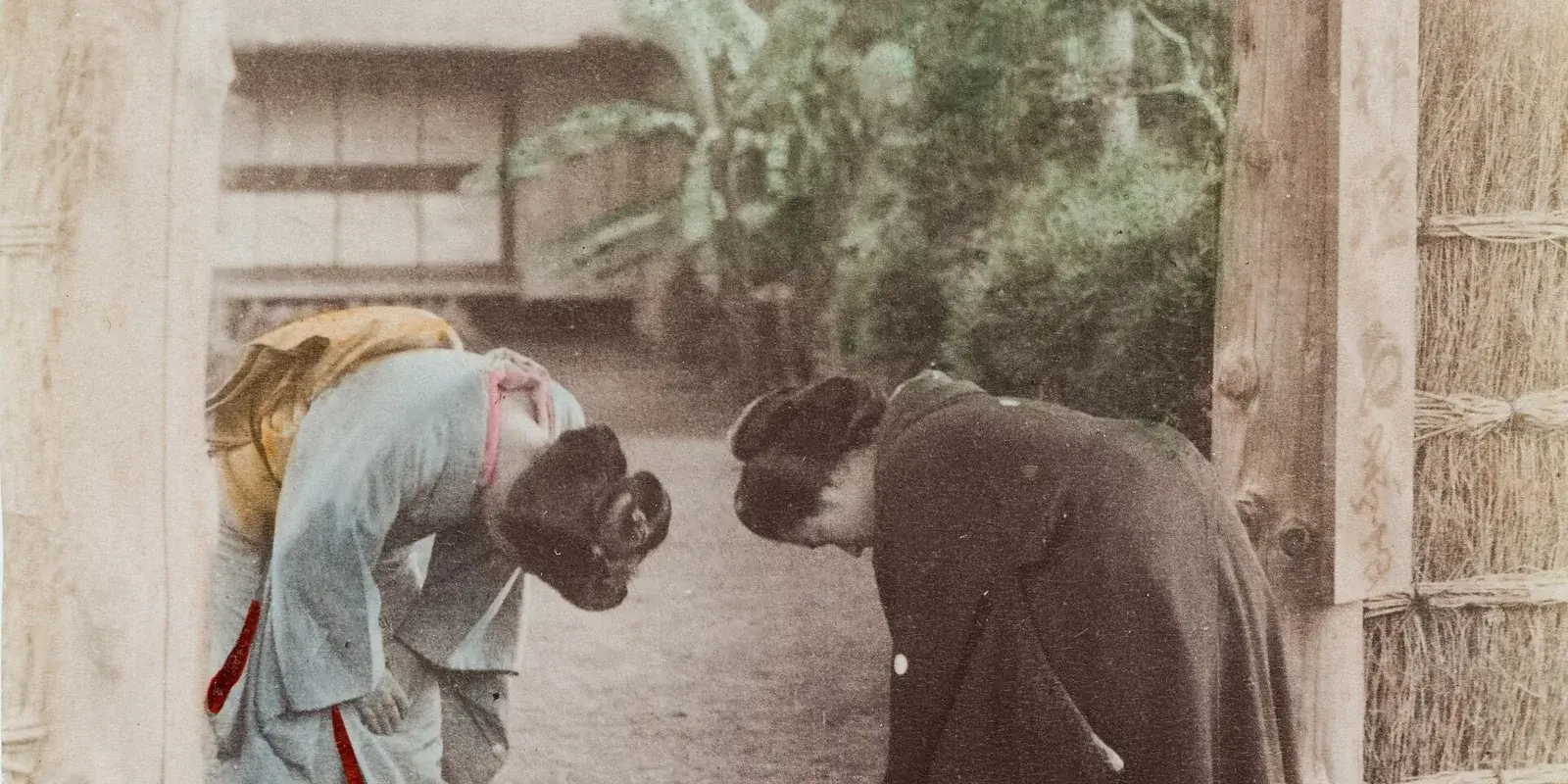
Why Are Japanese People So Polite? The Answer Japanese People Themselves Disagree With
What you'll learn in this article:
- Why the world voted Japan the politest country, and why Japanese people don't quite buy it
- What 317 Japanese people said about whether their politeness is real, performed, or something in between
- The cultural "operating system" behind it all: omoiyari (思いやり)
- The generation reversal that contradicts everything you've heard
Why are Japanese people so polite? The world voted Japan the politest country at 35.15%, more than double second-place Canada. But Japanese people themselves tell a different story. In a 2013 national survey, 77% called politeness a national strength (a record high that eased back by the next wave in 2018), yet in a separate survey over 90% said manners had gotten worse. We collected 317 public posts by Japanese people to see what's really going on. The answer: Japanese politeness isn't a performance or a set of rules. It's a social operating system called omoiyari, consideration for others, that most Japanese people don't even notice they're running.
35.15% of the world voted Japan the #1 politest country. Japanese people rated themselves near the bottom.
You've probably noticed it. The taxi driver who opens the door without you asking. The cashier who handles your change with both hands. The stranger who walks two blocks out of their way to show you where the station is. Japanese politeness isn't subtle. It's one of the first things visitors notice.
But here's what makes it fascinating: ask Japanese people if they're polite, and many of them will look at you sideways. The world's perception and Japan's self-image don't match up, and that gap reveals something much more interesting than any list of cultural rules.
We collected 317 real opinions from Japanese people across five related topics: whether politeness is genuine or performed, how generations differ, what the real "engine" behind Japanese manners is, and what they think about their own reputation. Here's what they wrote.
Quick Guide
| Topic | What Japanese People Said | |
|---|---|---|
| 🟢 The world's view | Japan is #1 in politeness | 35.15% of global respondents chose Japan, 2.6× more than Canada. But most Japanese people don't feel it matches reality. |
| 🟡 The real engine | Omoiyari, not rules | Japanese politeness isn't about memorizing etiquette. It's about omoiyari, anticipating what others need before they ask. "The real etiquette lives in the eyes rather than the angle." |
| 🟡 Genuine or performance? | Both, and that's the point | 42% of service workers say it starts as routine. But when a customer says "thank you," something shifts. The performance becomes real. |
| 🔴 The generation surprise | Young people are more polite | 72 voices overwhelmingly said younger Japanese show better manners than older generations, the opposite of what most people assume. |
The one thing to remember: Japanese politeness isn't fragile, and it doesn't demand perfection from you. In the posts we collected on effort versus perfection, 86.7% put effort ahead of flawless execution. Try, and Japan meets you more than halfway.
How We Gathered These Voices
We collected 317 Japanese-language responses across five topics: whether service politeness is genuine or an act (62 responses), generational differences in manners (72 responses), the "angle myth" of bowing (63 responses), effort versus perfection (60 responses), and how often foreign visitors actually cause offense (60 responses). Sources include public Japanese Q&A sites, forums, and social posts, and articles from Diamond Online, President Online, and other Japanese media.
We also drew on two external data sources: the Remitly "World's Politest Countries" survey (4,697 respondents across 26 countries, March 2026) and the Institute of Statistical Mathematics' Japanese National Character Survey, a face-to-face study run every five years since 1953, from which we cite the 13th wave (2013) and its most recent 14th wave (2018).
A quick note: This isn't a controlled scientific survey. It's a collection of what real Japanese people said in their own words, on public platforms. Most English-language articles about Japanese politeness recycle the same five explanations. We wanted to show you what Japanese people actually think, especially when they disagree with each other.
The Paradox: World's Politest Country, According to Everyone Except Japan
In March 2026, Remitly surveyed 4,697 people across 26 countries with a simple question: which country has the most polite and kind people? Japan won by a landslide: 35.15% of votes, more than double second-place Canada (13.35%).
But here's where it gets interesting.
The Institute of Statistical Mathematics has been surveying Japanese people about their own national character every five years since 1953. In the 2013 wave, 77% chose "polite" as a national strength, the highest the survey had ever recorded in its 60-year run, with every age group above 70%. Tellingly, the very next wave, in 2018, saw "polite" (and "kind") slip back down from that 2013 peak (even Japan's self-image of its own manners doesn't sit still) though both remain among the traits Japanese people most consistently claim.
So Japanese people do think they're polite, in the abstract. But when asked about everyday reality, the picture flips. In a 2008 Asahi Shimbun survey, over 90% of approximately 3,000 respondents said Japanese manners had gotten worse.
How can a clear majority (77% in that 2013 survey) call politeness a national strength while over 90% in another said it was declining? Because Japanese people are doing something the rest of the world isn't: comparing themselves to their own idealized standard, not to other countries.
日本人も海外旅行を始めたころは…日本人は外国人のこと言えないです。 When Japanese people first started traveling abroad... we can't really criticize foreigners.
日本人の、人のいないところでのマナーの悪さは凄まじい。 Japanese people's manners when nobody's watching are surprisingly bad.
私たち日本人も決して完璧ではありません。 We Japanese aren't perfect either.
The world sees the output: the bows, the service, the clean streets. Japanese people see the gap between what they should be and what they are. That self-critical lens is itself a form of politeness: the belief that you should always be doing better.
💡 The paradox explained
The world compares Japan to other countries. Japanese people compare themselves to their own ideal. That's why the same nation can be voted #1 by outsiders and "declining" by insiders: they're measuring against different baselines.
Is Japanese Politeness Genuine? The Double Structure
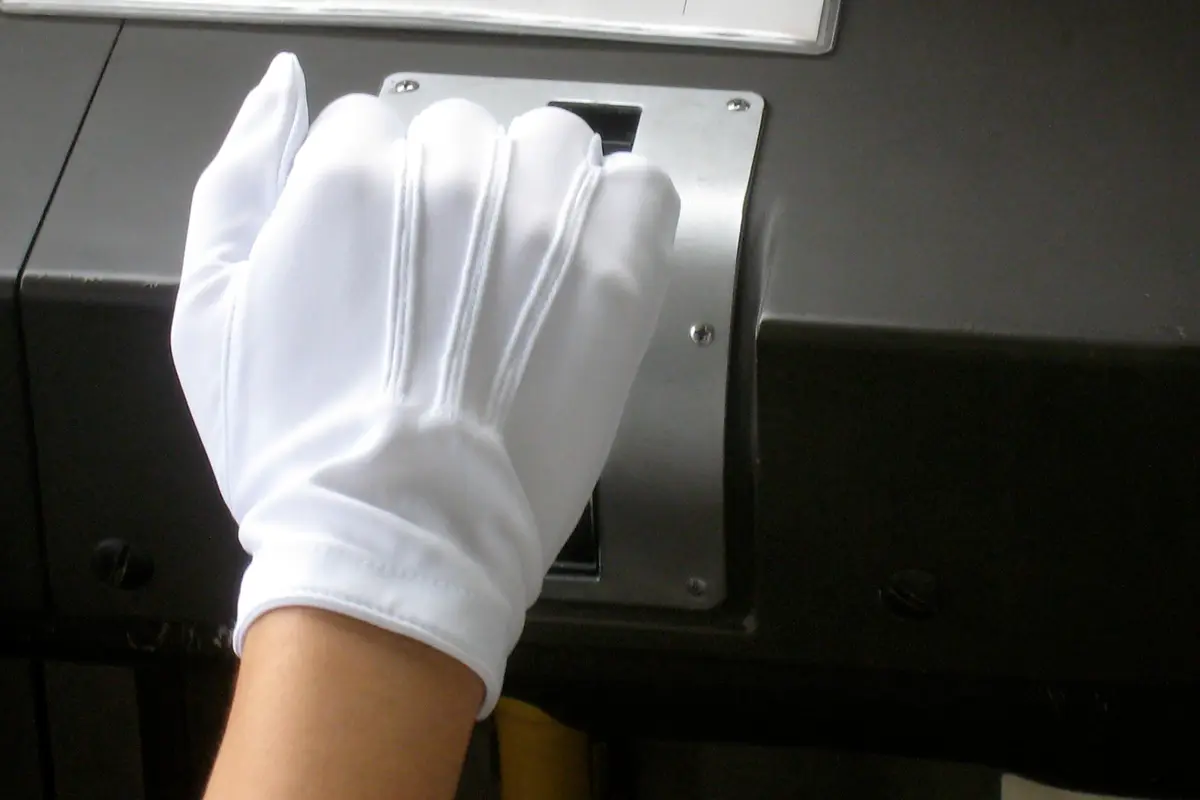
This is the question every visitor eventually asks. When the shop clerk bows deeply, when the hotel staff remembers your name, when the taxi driver wears white gloves: is any of it real?
We collected 62 posts by Japanese people, many with service industry experience, on whether Japanese politeness is genuine or performed. The results were striking.
At first glance, this looks like bad news: 42% calling it performance. But read the actual voices, and something more nuanced emerges.
The "it's performance" voices:
店員はただマニュアルどおりに行っているだけで、本来のおもてなしとはまったく意味が違う。 Staff are just following the manual. It's completely different from real omotenashi.
心の中で悪態ついてる。 I'm cursing inside my head.
営業スマイル得意。でも裏じゃボロクソに客の悪口言う。 I'm great at the business smile. But behind the scenes, we trash-talk customers like crazy.
Sounds damning. But when the posts turn to what happens after a customer says "arigatou," the story changes completely.
The activation moment:
お客様にお礼を言われたり笑顔を返されたりするととても嬉しい。 When customers say thank you or smile back, I feel genuinely happy.
帰り際のありがとうは嬉しい。 A "thank you" on the way out makes my day.
お客様の思っている要望などを察して、さりげなく提供する。そして、押し付けがましくならないように。 You sense what the customer needs and provide it subtly — without being pushy.
This is what we call the double structure of Japanese politeness. It starts as routine: the bow, the greeting, the smile are automatic. But when the other person responds, with a thank you, with eye contact, with their own small gesture, something activates. The performance becomes genuine.
This isn't hypocrisy. It's a system designed to create the conditions for real warmth, even between strangers. The manual provides the floor. Human connection provides the ceiling.
本当のおもてなしはさり気ない気遣いであるべきなのに『今からおもてなしします!』という意思をテレビに取り上げられた店や店員から感じ、本来のあるべき姿を日本人が忘れているように思える。 Real omotenashi should be subtle consideration. But when I see stores on TV declaring 'we're going to omotenashi you now!', I feel like we've forgotten what it was supposed to be.
The people who said "performance" weren't cynical about politeness itself; they were protective of its deeper meaning. They wanted it to be better, not less.
💡 The activation moment
Japanese politeness has a double structure: it starts as performance but becomes real when the other person responds. A simple "arigatou" from you doesn't just acknowledge politeness. It activates it.
The Operating System: Omoiyari
Every article about Japanese politeness lists the same explanations: Buddhism, Confucianism, school education, population density, wa (harmony). These all play a role. But when Japanese people explain their own behavior, one concept keeps surfacing that the English-language internet barely covers: omoiyari (思いやり).
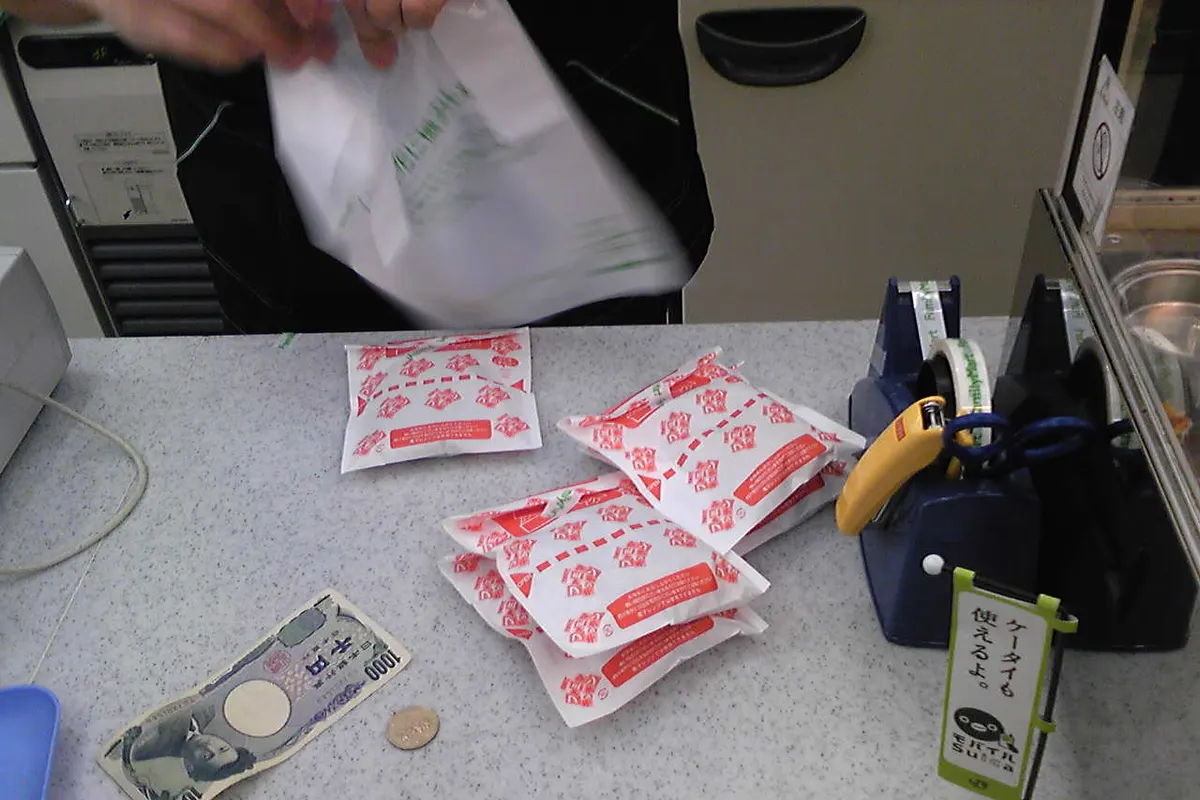
Omoiyari means anticipating what someone else needs before they ask. It's not politeness as a set of rules you follow. It's politeness as a way of seeing. The train conductor bows to an empty car because the act matters regardless of audience. The convenience store clerk wraps your hot and cold items separately because they thought about your walk home.
行きすぎた礼儀はかえって相手に不信感、警戒心を持たせます。 Excessive politeness actually makes the other person suspicious and uneasy.
大事なのは、相手を敬う気持ちや感謝の思いです。そして、それを見た目として伝えやすいのが「目線」です。 What matters is the feeling of respect and gratitude toward the other person. And the easiest way to convey that visually is through your eyes.
マナーで大切なことは、相手への思いやりの心。「必ずこうすべき」という決まりはありません。 The most important thing about manners is omoiyari — consideration for the other person. There are no absolute rules. (Business etiquette instructor Akiyo Ota)
This explains why Japanese people push back against the "angle guide" approach to bowing (15° for casual, 30° for polite, 45° for deep respect). Across the 63 posts we collected on bowing angles, Japanese people wrote that the angle doesn't matter. What matters is the feeling behind it.
例え作法を間違っていようとも、異国で敬意を表そうと努力する人は見ていて気持ちの良いものだ。 Even if you get the etiquette wrong, someone who's trying to show respect in a foreign country is a pleasure to watch.
This connects to one of the strongest patterns across all our data: effort matters more than perfection. Of 60 voices on this topic, 86.7% said the same thing: trying is what counts.
一生懸命に正確に日本語を話そうと努力しているけど、まだうまくいかない…と必死になっている様子をとても好ましく思い、「私がこの人を助けてあげたい」と感じる。 When I see someone desperately trying to speak Japanese correctly but not quite getting there, I find it so endearing that I want to help them.
多少間違っていようが不器用だろうが歓迎こそすれ不快感は覚えない。 Even if they make mistakes or seem clumsy, I feel nothing but welcome — never discomfort.
日本語を話すのが上手か下手かよりも、相手が自分の国の言語で話しかけてきてくれるという行為そのものが嬉しい。 It's not about whether their Japanese is good or bad — it's the act itself, of someone choosing to speak your language, that makes you happy.
Omoiyari explains why Japanese politeness feels different from politeness elsewhere. In many cultures, politeness is about following social protocols correctly. In Japan, it's about reading the situation and giving what the other person needs, sometimes before they know they need it. The protocols exist to make this easier; they were never meant to be ends in themselves.
The Generation Reversal: Are Young Japanese Still Polite?
Here's the question with zero direct answers anywhere on the English-language internet: are younger Japanese people still polite?
The assumption, in Japan and abroad, is that older generations are more polite and younger ones are losing the tradition. We found the opposite.
Of 72 Japanese voices on generational differences in manners, the pattern was overwhelming: people with customer-facing experience say younger Japanese show better everyday manners than older generations.
レジでは意外と若者の方がありがとうございますとか言ってくれる。 At the register, it's actually young people who are more likely to say "thank you."
穏やかで寛容なのは圧倒的に若い人たち。 The overwhelmingly calm and tolerant ones are young people.
若い子たちは…お会計終わったらありがとうございます!って言ってくれる。 Young customers say "arigatou gozaimasu!" after paying.
And the flip side: what service workers said about older customers:
激高して怒鳴ってくんのは99パーセントじいさん。 99% of the people who blow up and start yelling are older men.
50代〜の世代の人ら何かとブーブー言ってくる。 People in their 50s and older are constantly complaining about something.
One voice in their 50s offered a striking self-assessment:
おもてなしや施しは真心をこめて最高レベルを受けるのが当然だと思ってます。三波春夫の「お客様は神様です」って言葉を真に受けて育ってます。 We grew up genuinely believing that we deserve the highest level of hospitality. We took Minami Haruo's "the customer is God" literally.
Meanwhile, a newer generation of managers is changing the script:
「お客様は神様」なんて考えは時代遅れだと思う。従業員の負担になる対応は取らせない。 "The customer is God" is an outdated concept. I won't make employees handle requests that are a burden to them.
What's happening isn't that young people are losing politeness. They're redefining it. The older model treated politeness as an absolute duty toward customers, even at personal cost. The younger model treats politeness as mutual respect: you give it, and you deserve to receive it too.
A 2024 survey by Recruit Management Solutions found that 26% of new employees consider traditional business manners "old-fashioned and rigid." But that doesn't mean they're less polite. It means they reject the hierarchical performance while keeping the underlying consideration. The omoiyari remains. The tatemae (surface performance) is what's changing.
💡 The generation shift
Young Japanese aren't losing politeness. They're keeping the omoiyari (consideration) while dropping the tatemae (hierarchical performance). Service workers overwhelmingly say younger customers are kinder, calmer, and more respectful than older ones.
What Japanese People Actually Think When You Visit
With all this internal complexity, you might wonder: does any of this change how Japanese people treat visitors? The answer is reassuringly simple.
Of 60 voices on how often foreign tourists actually cause offense, the overwhelming majority said: not often.
多くの外国人観光客さんはちゃんとルールを守りますし、配慮を忘れてはいません。 Most foreign tourists follow the rules and don't forget to be considerate.
東京住んでるけど、マナーの悪い外国人は遭遇したことない。 I live in Tokyo and I've never encountered a foreign visitor with bad manners.
A prefectural survey in Saitama found that 75.2% of Japanese respondents had never had a troublesome experience with a foreign resident or visitor.
And one long-term foreign resident offered a perspective that ties everything together:
今の若者はマナーが良くて礼儀正しすぎて逆に気持ち悪いくらいです。 Today's young people are so polite and well-mannered that it's almost unsettling. (Foreign resident in Japan for 50+ years)
What This Tells You as a Visitor
Japanese politeness is real, but it's not what guidebooks tell you it is. It's not a fragile system that breaks when you make a mistake. It's not a performance that hides resentment. And it's definitely not declining.
It's a living, evolving social operating system built on one core principle: think about what the person next to you might need. That principle, omoiyari, is taught from age 6 in Japanese schools, practiced in every shared space, and valued across every generation, even as its outward expression changes.
You don't need to master any of it. You just need to try. As 87% of the posts on effort versus perfection put it: effort is what they notice, effort is what they remember, and effort is what makes them smile.
And here's the beautiful irony: by reading this article and caring enough to understand, you're already doing the most Japanese thing possible: showing omoiyari to a culture that isn't yours.
More Japanese Perspectives
On bowing and small gestures: The Power of a Small Bow →
On what service workers really think: The People Behind Omotenashi →
On the many meanings of "sumimasen": The Many Meanings of Sumimasen →
On why Japan chose these rules: Why Japanese People Choose These Rules →
On what actually matters when visiting: What Actually Matters (And What Doesn't) →
Share Your Experience
Have you experienced Japanese politeness in a way that surprised you? Or noticed something about Japanese manners that didn't match your expectations?
Sources
External Data
Remitly: "The World's Most Polite Countries" (2026)
- 4,697 respondents across 26 countries via Prolific survey platform
- Japan #1 at 35.15%, Canada #2 at 13.35%
- Published: March 2026
- https://www.remitly.com/jp/en/landing/worlds-politest-countries
Institute of Statistical Mathematics: Japanese National Character Survey, 13th Wave (2013) and 14th Wave (2018)
- Stratified multi-stage random sampling, face-to-face interviews; conducted every 5 years since 1953
- 13th wave (2013): 77% chose "polite" as a national strength, the highest the survey had recorded in its 60-year history (a record high at the time, per ISM)
- 14th wave (2018, 3,211 respondents): "polite" and "kind" edged back down from the 2013 peak while remaining among the most-selected traits (ISM, "Results of the 14th Survey," section 4.6)
- https://www.ism.ac.jp/kokuminsei/page2/index.html
- https://www.ism.ac.jp/survey/index_ks14.html
Asahi Shimbun Survey on Japanese Manners (2008)
- Approximately 3,000 respondents
- Over 90% said Japanese manners have worsened
- https://www.taipeitimes.com/News/editorials/archives/2008/03/29/2003407556
Recruit Management Solutions: Survey on Business Manners (2024)
- 684 respondents (284 new employees + 400 senior employees)
- 26% of new employees consider business manners "old-fashioned"
- https://www.recruit-ms.co.jp/news/pressrelease/0000000430/
Saitama Prefecture: Survey on Multicultural Coexistence (埼玉県 多文化共生に関する意識調査)
- 75.2% of Japanese respondents reported no trouble with foreign residents
- https://www.pref.saitama.lg.jp/a0306/tabunkakyousei/
Japanese Voices
Collected from public Japanese Q&A sites, forums, and social posts, and from Japanese media including Diamond Online, President Online, Nikkan SPA!, Toyokeizai, and BuzzFeed Japan.
Note on Quotations
Quotes from online platforms have been lightly edited for readability (fixing typos, formatting for clarity). The meaning and intent of each comment remain unchanged. Original sources are linked above.
WMJS is written in Japan, in English, with AI help. We check every page, but English is not our first language. If a sentence reads oddly, tell us. One sentence is enough.
Thank you. A person reads every note.
How well do you know Japan?
Built from 635 public posts by Japanese people
Want to know more? Ask Japanese people
Have a follow-up question about this topic? We'll ask real Japanese people.
Voice Box →