
Why Your Compliments Are Changing Japan
What you'll learn in this article:
- What 723 Japanese people wrote about receiving direct compliments from foreign visitors
- Why a simple "oishii!" carries more weight than you'd ever guess, and the structural silence it breaks
- The critical difference between genuine personal praise and commercialized "Japan is amazing!" content
- How your words are quietly reshaping the way Japanese people treat each other
Here's something no travel guide tells you: you're already doing something that makes Japanese people's day. You just don't know it.
When you say "This is amazing!" to a ramen chef, or "Beautiful!" to a shopkeeper, or "I love this place!" to a stranger, that lands differently here than it would back home. Not because Japanese people don't want to hear it. But because they almost never hear it from each other.
This article isn't about learning new behavior. It's about understanding what your existing behavior is already doing, and why it carries so much more weight than you'd ever guess.
Do Japanese people like being complimented by foreign visitors? We collected 723 public posts by Japanese people. The answer depends on one thing: whether it is personal or performative. When you directly praise someone's food, 87% feel deeply happy. When you notice someone's craftsmanship, 52% are genuinely moved. Why such strong reactions? Because in a 2019 Dip Corporation survey of 2,000 workers, 65.6% had not been praised by their boss in the past week, and Gallup puts Japan's employee engagement at 7%, among the lowest in the world. Your specific, genuine "oishii!" or "amazing!" fills a silence most visitors never notice.
Quick Guide
| What You're Already Doing | Why It Lands So Differently Here | |
|---|---|---|
| 🟢 Powerful | Complimenting food directly | 87% of Japanese food workers feel deeply happy. Japanese customers usually eat in silence and leave without a word. Your "oishii!" breaks that silence. |
| 🟢 Powerful | Praising someone's work | Japan's workplace engagement is among the world's lowest (Gallup 2025: 7%). In a 2019 Dip Corporation survey, 65.6% of workers hadn't been praised by their boss in the past week. Your "amazing!" may be the first praise they've heard in days. |
| 🟡 Complex | Complimenting appearance | 45% are genuinely happy, 36% are flustered (not unhappy, just unused to it), 18% are uncomfortable. Specific beats vague. |
| 🟢 Powerful | Any direct, specific praise | In a culture where about 90% of managers say they praise good work but about half of employees feel their boss doesn't (Japan Productivity Center), your words fill a gap that Japanese society itself is still learning to fill. |
The key insight: You're not being "too much." You're doing something that the majority of Japanese people wish happened more often between themselves.
First, An Important Distinction
Before we go further, let's address something honestly.
You may have heard that Japanese people don't like being praised by foreigners. There's a popular comedian, Patrick Harlan (Pakkun), who pointed out that Japanese people seeking foreign approval is "embarrassing," and 2,095 people liked that comment on a popular Japanese online forum. YouTube "reaction" videos where foreigners say "Japan is AMAZING!" are widely criticized as exploitative.
So which is it? Do Japanese people like foreign compliments or not?
The answer: it depends entirely on whether it's personal or performative.
Our data from 107 voices on this specific question shows a clear split:
What Japanese people dislike (64% negative):
- Mass-produced YouTube "Japan reaction" content
- Generic, camera-facing "OMG Japan is SO amazing!" performances
- Commercialized praise that feels like "easy money from gullible Japanese viewers"
日本人相手のちょろい小遣い稼ぎ動画。 Easy money videos targeting gullible Japanese people.
皆同じようなネタでリアクション動画撮り出すもんね。 They all start making reaction videos with the same material.
What Japanese people appreciate (genuinely):
- Direct, face-to-face compliments from a real person in a real moment
- Specific observations about their food, work, or effort
- Praise that clearly isn't performed for a camera or monetized
A Russian YouTuber's public confession crystallized this: she admitted that videos praising Japan are "guaranteed 100,000 views," confirming exactly what Japanese skeptics suspected about the commercial motive.
The line is clear: No camera. No money. No generic script. Just you, saying something specific and genuine to a real person. That's what lands.
Everything in this article is about that second category: the personal, the specific, the genuine.
The Cultural Gap: Why Your Compliments Hit Differently
Japan's Structural "Praise Deficit"
Japan has a measurable, documented gap between wanting praise and receiving it. The numbers from our research (88 voices + multiple national surveys):
- 65.6% of workers said their boss had not praised them in the past week (Dip Corporation, November 2019 survey of 2,000 workers)
- About 90% of section managers said they praise subordinates who do good work, while about half of rank-and-file employees felt their boss doesn't praise them (Japan Productivity Center survey of 478 managers and 381 employees, reported in 2012)
- 7%: Japan's employee engagement rate, among the lowest in the world (Gallup, 2025)
This isn't because Japanese people don't want praise. Survey after survey shows they do. It's because the culture has historically treated modesty (kenson 謙遜) as a core virtue, and workplace communication defaults to pointing out flaws rather than celebrating strengths.
How Modesty Became Silence
親に『何本気にしてるんだ。うそに決まってる』と言われた。それ以来、他人からの褒め言葉にも裏があると勘ぐるようになった。 My parent told me "Don't take it seriously. It's obviously a lie." Ever since, I suspect hidden motives behind anyone's compliments.
母親から『真に受けるんじゃない』『社交辞令だ』と鬼の形相で怒られた。だから今も褒め言葉を信じられない。 My mother scolded me with a furious face: "Don't take it at face value! It's just social etiquette!" That's why I still can't believe compliments.
These voices from our flustered research (85 voices) reveal something important: the inability to receive compliments isn't just cultural habit. For many Japanese people, it was actively trained by parents and authority figures. Accepting praise was taught as naive. Denying it was taught as mature.
What This Means for You
When you, carrying a culture where compliments flow freely, say something directly appreciative to a Japanese person, you're not just being nice. You're breaking through a structural silence that surrounds them daily. That's why it hits with unexpected force. This kind of small, genuine interaction is at the heart of what actually matters when you visit Japan: not the sights you check off, but the moments of real human connection.
How We Gathered These Voices
We collected 723 Japanese-language posts across 9 viewpoints related to receiving direct compliments. We gathered these voices from public Japanese Q&A sites, forums, blogging platforms, and social posts, along with workplace surveys (Dip Corporation, Gallup, SHIBUYA109 lab, Japan Productivity Center), restaurant industry publications, personal blogs, and cross-cultural communication research.
A note on method: This isn't a single controlled survey. It's a systematic collection of what real Japanese people said, in their own words, on public platforms, about being directly praised. We organized these voices by theme and measured the emotional temperature of each.
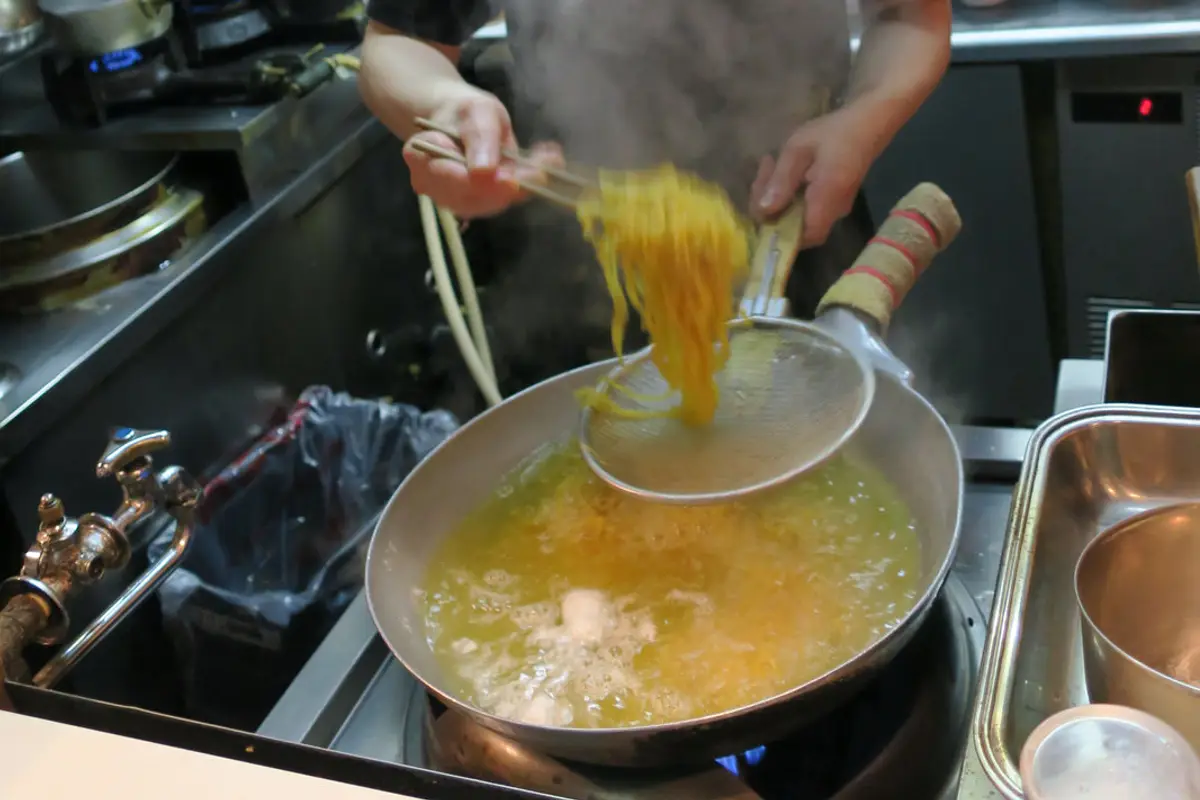
When You Compliment Their Food
The "oishii!" that breaks a silence most visitors never notice.
Of 55 voices from food service workers and home cooks about being directly complimented by foreign guests:
87% positive, the highest of any viewpoint we measured. Why? Because Japanese dining culture has an unspoken rule: you show appreciation by finishing the food, not by saying words about it.
日本人は味の感想を言わない方がほとんどですが、外国人は好みに合わないときも美味しかったときも感想を言っていただけます。 Most Japanese customers don't tell you how it tasted. Foreign customers tell you — both when they like it and when they don't. (Ramen shop owner, "Yō wa Mata Noboru")
私達はラーメンを売っているわけじゃない、この一杯のラーメンを通した体験を売ってるんだ。そしてそれに価値を感じてくれるのは訪日外国人なんだと気づいた。 We're not selling ramen. We're selling an experience through this one bowl. And the people who see value in that are foreign visitors. ("Menbaka" Fire Ramen, serving 50,000 foreign customers annually)
お好み焼きを作ったら、イタリア人達が押し寄せてきて「これものすごく美味いんだけど!何これ?!」と興奮した。 When I made okonomiyaki, the Italians swarmed me: "This is insanely delicious! What IS this?!"
唐揚げを持ち寄りパーティーに持参したら10分以内になくなった。 I brought karaage to a potluck. It disappeared within ten minutes.
The pattern: Japanese customers eat, pay, leave. Foreign customers eat, exclaim, ask questions, take photos of the kitchen, come back next time. For people who chose cooking as their life's work, the second response is fuel. Complimenting the food is one piece of a broader picture: small gestures carry outsized weight in Japan, as you'll find in our piece on the power of a small bow.
When You Praise Their Work
The "amazing!" that lands on people whose daily reality is silence.
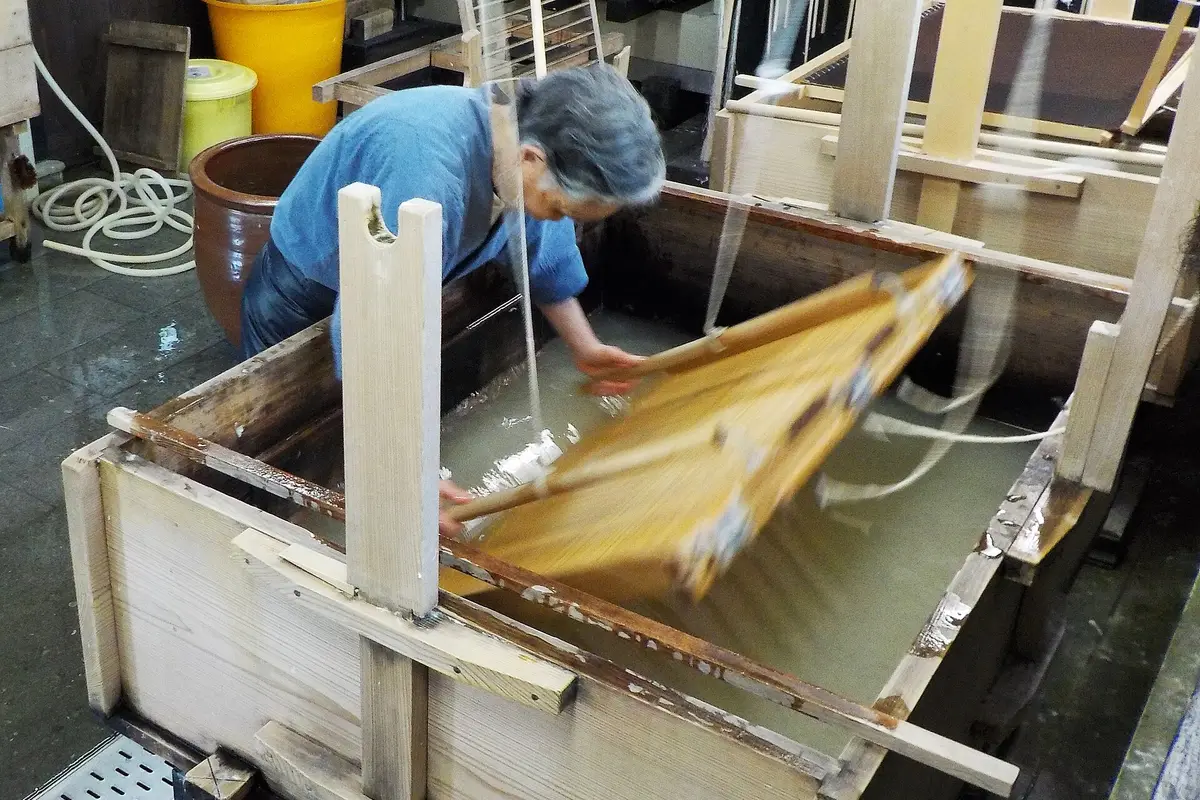
Of 73 voices from service workers, artisans, and professionals about being directly complimented by foreign visitors:
The 29% neutral group is important here. Many Japanese workers genuinely can't tell if foreign praise is real or just social politeness, because they've rarely experienced either in their own workplace. When your baseline is zero praise, even genuine appreciation feels suspicious.
外国人のお客さんが「Your hair looks amazing!」って興奮して言ってくれて、最初は社交辞令かと思ったけど、3ヶ月後に再来店して同じスタイルをリクエストされた時に「ああ、本気だったんだ」と分かった。 A foreign customer said "Your hair looks amazing!" with such excitement — I thought it was just politeness. But three months later they came back and requested the same style. That's when I knew they meant it. (Apparel/beauty staff)
「ここまでするのか」と驚かれることが多い。日本では当たり前のことなのに。でも「当たり前」を認めてもらえると、当たり前じゃなかったんだなと気づく。 Foreign visitors often say "You go THIS far?!" about things that are normal to us. But when someone acknowledges your "normal" — you realize it wasn't normal at all.
When You Compliment Someone's Appearance
The "You're so pretty!" that creates a beautiful confusion.
Of 55 voices from Japanese people (predominantly women) about being directly complimented on their appearance by foreigners:
This is the most complex viewpoint. Unlike food (87% positive) or work (52% positive), appearance compliments create a wider spread of reactions. The 36% "flustered" category is critical to understand.
髪の毛が黒くて太くて多くて羨ましいと金髪の人に言われた。剛毛がコンプレックスだったから最初嫌味かと思ったけど、相手からすると健康そうな髪の毛で本気で羨ましいみたい。 A blonde person told me my thick black hair was enviable. It's my complex — so at first I thought they were being mean. But they genuinely found it beautiful and healthy.
59歳の母親がイタリアで「あなたのママは大変に美しい!」とボーイに言われた。 My 59-year-old mother was told "Your mama is so beautiful!" by a waiter in Italy.
正直に言うと、ビューティフルは100回は言われた。でもbeautifulって内面を含めた褒め言葉で、外見だけを指してないと後で知って少しがっかり。 Honestly, I've been called "beautiful" maybe 100 times. But I later learned that "beautiful" includes inner qualities, not just appearance — and felt a little disappointed.
The strongest positive pattern: when a foreigner praises something the Japanese person considers a flaw (flat nose, thick hair, prominent cheekbones), it creates a powerful reframing. What was a lifelong complex becomes, suddenly, something someone else genuinely envies.
What lands well vs. what doesn't
| Lands well | Doesn't land as well |
|---|---|
| Specific items: "I love your scarf!" | Vague: "You're beautiful" (feels generic) |
| Things they chose: outfit, hairstyle, accessories | Things they can't change: body shape, face |
| Same-gender compliments | Opposite-gender from strangers (pickup wariness) |
| Genuine tone + smile | Overly intense + physical proximity |
Why They Get Flustered (And What It Actually Means)
Decoding the "ie ie, sonna koto nai desu" reflex.
Of 85 voices about the experience of not being able to accept compliments:
This viewpoint is different from the others. The 54% "neutral/analytical" category is the largest, because many Japanese people are aware of their inability to accept compliments and find it frustrating about themselves.
軽いノリで「私馬鹿だからさ〜」みたいなこと言ったら、外国人の友達に「なんで自分の事をそんな風に言うの?」って説教が始まった。 I casually said "I'm such an idiot" and my foreign friend started lecturing me: "Why do you talk about yourself that way?"
「こんな私に良くしてくれてありがとう」って言ったら「何故いつも自分のことを『こんな』私って言うの?貴方はいつでも素晴らしい」と本気で説教された。 I said "Thank you for being kind to someone like me" and was seriously scolded: "Why do you always say 'someone like me'? You are always wonderful."
褒められ慣れてないので嫌味かと勘繰ってしまう。 I'm not used to being praised, so I end up suspecting it's sarcasm.
褒められるのは嬉しいけど「がっかりされたら嫌」というプレッシャーがすごい。 Being praised is nice, but the pressure of "what if I disappoint them next time" is overwhelming.
What This Means for Visitors
When you compliment someone in Japan and they wave their hands, laugh nervously, and say "no, no," they are usually not asking you to stop. They're experiencing a conflict between trained modesty and genuine pleasure. The best response: smile warmly, don't push it, and know your words landed deeper than their surface reaction suggests.
The 19% who genuinely want it to stop do exist. Respect that. But for the vast majority, your praise has been received, it's just being processed through a different cultural operating system.
The Ripple Effect: "I Want to Do That Too"
How your directness is quietly changing Japanese communication habits.
Of 55 voices from Japanese people reflecting on how foreign compliment culture has influenced their own behavior:
71% say they've actually changed their behavior. That's not a small number.
「今日も暑いですねぇ」の代わりに「その日傘、素敵ですね」と言ってみてもいいのかも。 Instead of "Hot today, isn't it?" — maybe I could try "Your parasol is lovely."
「良いものは良いと言うのに許可はいらない」。日本だとなぜか褒めることに対して照れくさいとか、ゴマすりに見えるとか、変なブレーキがかかる。 "You don't need permission to call something good 'good.'" In Japan, there's this weird brake — embarrassment about praising, or fear of looking like a flatterer.
海外の「ほめる」は日本のそれとは段違い。1時間に10回は褒め言葉を口にする。しかも褒め言葉に感情が乗っている。 Overseas praising is on a completely different level from Japan. Ten praise words per hour. And the praise carries real emotion.
こんな風に褒められて嬉しい経験をしてきているので、私もそれなりに人を褒めることができるようになってきた。 Because I've experienced how good it feels to be praised this way, I've gradually become able to praise others too.
The Generational Shift
Our generational research (105 voices) shows this change is accelerating among younger Japanese:
- 62.7% of 15- to 24-year-olds in the Tokyo area would rather be praised one-on-one than in front of a crowd (SHIBUYA109 lab, January 2024 survey of 463 people)
The modesty system is softening. International exposure is one accelerator. But so is simple generational change: young Japanese are questioning why their culture makes praise feel so difficult.
How to Make Your Compliments Land Even Better
Our research on specific vs. generic praise (100 voices) revealed a clear principle: specific praise bypasses the "ie ie" reflex.
Why? Because a specific observation states a fact that cannot be denied. "Your wrapping technique is incredible, I've never seen corners that precise" is harder to wave away than "Amazing!"
| Instead of... | Try... | Why it works |
|---|---|---|
| "Oishii!" (alone) | "The broth, how is it so rich?" | Asking "how" proves genuine curiosity |
| "Beautiful!" | "I love that color combination" | Specificity = you were actually looking |
| "Japan is amazing!" | "This station is so clean, I noticed someone maintaining it" | Personal observation > generic praise |
| "Great service!" | "The way you wrapped this, I want to learn" | Noticing skill > noticing result |
具体的に褒められると否定できない。「すごい」は「いえいえ」で返せるけど、「この出汁の深さは信じられない」と言われたら、事実を述べられてるだけだから否定のしようがない。 When someone praises specifically, you can't deny it. You can brush off "sugoi" with "ie ie" — but when someone says "the depth of this broth is unbelievable," they're stating a fact. There's nothing to deny.
This is perhaps the most actionable finding in all our research: the more specific your praise, the more likely it is to actually be received rather than deflected. And if you've been trying to speak a little Japanese, even an imperfect "oishii!" delivered in Japanese lands with extra warmth, because it shows effort, not performance.
What This All Means
Let's bring it together.
You came to Japan carrying something you probably never thought of as a gift: the habit of saying what you feel, directly, to the person who earned it.
In your culture, that might be unremarkable. In Japan, where 65.6% of workers in a 2019 Dip Corporation survey hadn't been praised by their boss in the past week, where modesty was trained into people by their parents, where workplace engagement among the world's lowest reflects a daily reality of silence around quality work, your words carry weight you can't see.
- Your "oishii!" to a ramen chef may be the only verbal feedback they receive that day (87% said it made them deeply happy)
- Your "beautiful work!" to a shopkeeper makes visible something that decades of Japanese customers never acknowledged aloud (52% felt genuinely moved)
- Your specific observation about someone's craft tells them: I see you. What you do matters.
And 71% of Japanese people who've experienced foreign praise culture say they've started doing it themselves. Your words don't just land on one person, they ripple outward.
That's not tourism. That's cultural exchange at its most genuine.
Voice Box
Have you ever complimented someone in Japan and seen their face change? Noticed that nervous "ie ie" laugh? Or watched genuine surprise at being praised?
We especially want to hear from Japanese readers: has being complimented by a visitor ever changed how you think about praising others?
Sources
Surveys and Quantitative Data
- Dip Corporation (December 2019). Survey of 2,000 working adults on 1on1 adoption (Japanese). Fielded November 2019, N=2,000. 65.6% had not been praised by their boss in the past week; 51.7% had wanted praise from their boss in the past month.
- Gallup Japan (September 2025). Japan's employee engagement rate is just 7% (Japanese press release for the Gallup and Institute of Directors report on Japan). Japan engagement: 7%, among the lowest in the world.
- Japan Productivity Center survey (June 2011 to February 2012; 478 section managers and 381 employees), reported by Diamond Online, April 2012 (Japanese). About 90% of section managers say they praise subordinates who do good work; about half of employees feel their boss doesn't.
- SHIBUYA109 lab (March 2024). Survey on Gen Z approval needs (Japanese press release). Fielded January 2024, n=463, ages 15 to 24 in the Tokyo area. 62.7% would rather be praised one-on-one than in front of many people.
- BIGLOBE (2023). "Approval-Seeking Consciousness Survey." Z-gen: 63.1% vs ages 30-69: 50.3%.
- Unipos. eNPS gap: 40.3 points between gratitude-giving and non-giving workplaces.
Japanese Voice Sources (723 voices across 9 viewpoints)
compliment_food (55 voices):
- Personal blogs: マロニー塾長, Fox Kana
- 創・食Club(日清製粉): e-sousyoku.com
- Gentosha: "外国語が苦手でも外国人リピーターが訪れる店"
- Wantedly: "めん馬鹿" interview
- eigonocafe.com, VELTRA YOKKA, parisimpleco.life
compliment_craft (73 voices):
- MyNavi News, Toyokeizai Online
- Personal blogs (multiple authors)
- Survey data: Dip Corp, Gallup, Ashita no Team
compliment_appearance (55 voices):
- Personal blogs: you_me_co
compliment_flustered (85 voices):
- Personal blogs (9 articles)
- LIMO, Otonanswer, NLP Japan, Hapa Eikaiwa
compliment_want_to_do (55 voices):
- Personal blogs: ryugaku_kumao, machiko2095, igaguri_yokosuka, nihongo109tamaki, kanala22tokyo
- kc-i.jp (Anderson Erika)
- glolea.com, ugokasu.co.jp, seiwanishida.com
compliment_generation (105 voices):
- SHIBUYA109 lab, BIGLOBE, Cabinet Office surveys
- Jiji Press, All About, Japanese Q&A site
- Ashita no Team, JMAM, New R25, Hobonichi
compliment_mass_vs_personal (107 voices):
- Mama Star (3 threads)
- BuzzFeed Japan, Hint-Pot
compliment_specific (100 voices):
- Personal blogs (personal essays), Quora Japan
- Business/psychology articles on effective praise
- Cross-cultural communication research
compliment_workplace_deficit (88 voices):
- Toyokeizai, Diamond, PRESIDENT, Nikkei
- Survey data: Dip Corp, Gallup, SHIBUYA109 lab, Unipos, Kaonavi
- Personal blogs (14 articles), Japanese Q&A site (12 threads)
- Blog posts, academic paper
Note on Quotations
Quotes from online platforms have been lightly edited for readability (fixing typos, formatting for clarity). The meaning and intent of each comment remain unchanged. Original sources are linked above.
- https://www.e-sousyoku.com/pages/guest/news/m_trend/index111.html
- https://gentosha-go.com/articles/-/8741
- https://sg.wantedly.com/companies/company_935254/post_articles/529822
- https://eigonocafe.com/1845.html
- https://www.veltra.com/jp/yokka/article/japanese-cooking-foreigners/
- https://www.kobayashi-foods.co.jp/washoku-no-umami/japanese-food-reaction
- https://www.parisimpleco.life/entry/yorokobareru_kateiryori
- https://ameblo.jp/hanana-us/entry-12676411171.html
- https://chefkuru.jp/media/useful/learn-food/1326/
- https://toyokeizai.net/articles/-/150855
- https://www.dip-net.co.jp/news/1215
- https://www.surece.co.jp/research/1950/
- https://diamond.jp/articles/-/17019
- https://news.mynavi.jp/article/gaikoku-46/
- https://hint-pot.jp/archives/263482
- https://americantokyolife.com/%E5%A4%96%E5%9B%BD%E4%BA%BA%E3%81%8C%E6%84%9F%E5%8B%95%E3%81%A7%E6%B3%A3%E3%81%91%E3%82%8B%E3%81%A8%E5%8F%8D%E5%BF%9C-%E6%97%A5%E6%9C%AC%E3%81%AE%E3%82%B5%E3%83%BC%E3%83%93%E3%82%B9/
- https://intojapanwaraku.com/rock/craft-rock/52878/
- https://limo.media/articles/-/90252
- https://www.ugokasu.co.jp/labo/articles/intercultural_communication_003/
- https://gendai.media/articles/-/57672
- https://g-w.st/blog/?p=7548
This article is available in languages covering 95%+ of visitors to Japan (based on JNTO 2025 data). Need another language? Let us know through Voice Box.
WMJS is written in Japan, in English, with AI help. We check every page, but English is not our first language. If a sentence reads oddly, tell us. One sentence is enough.
Thank you. A person reads every note.
How well do you know Japan?
Built from 635 public posts by Japanese people
Want to know more? Ask Japanese people
Have a follow-up question about this topic? We'll ask real Japanese people.
Voice Box →