
Is Nagasaki Worth the Detour? What Visitors and Locals Actually Say
The question shows up on travel forums almost word for word every few weeks: you're routing through Fukuoka, Hiroshima is already booked, and Nagasaki sits off to the side, a backtrack that costs a night and a train transfer. Is it worth adding, or is it just the atomic bomb museum again, a quieter rerun of a stop you're already making in Hiroshima?
We gathered the voices of international travelers who have actually made that call, weighted by how strongly each opinion resonated with other readers. Here is how they fell.
The red slice is real, and it clusters around one thing: people who treated Nagasaki as a side trip built entirely around the bomb sites, found it similar to Hiroshima, and felt the extra travel time wasn't repaid. One traveler put the comparison bluntly: "Hiroshima is a much more interesting city than Nagasaki... The Dutch trading post was a little underwhleming for me, to be honest." Another who'd just gotten back from a short visit agreed the WWII museum felt more developed in Hiroshima and that "there's just more to do in that city as Nagasaki."
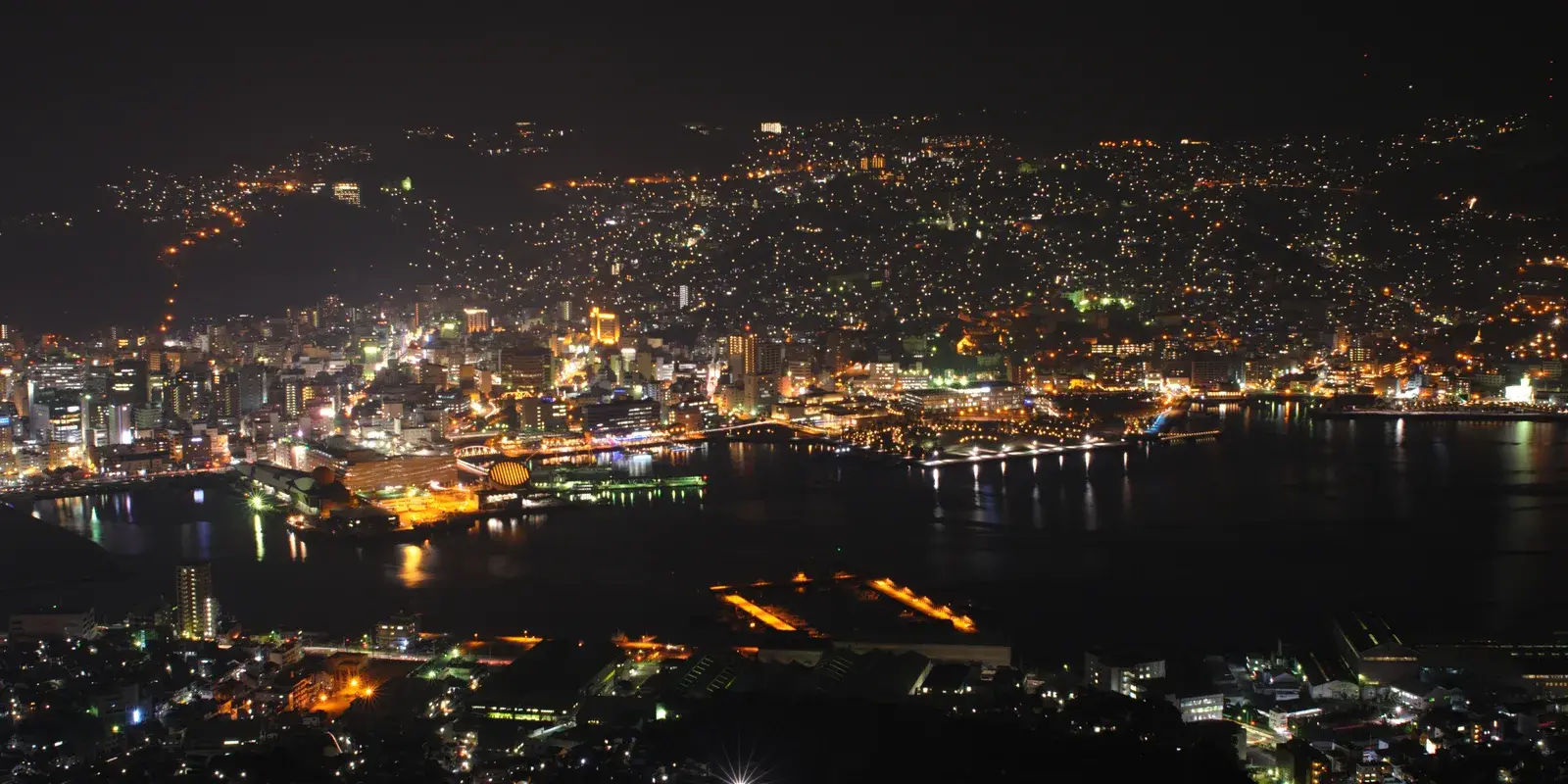
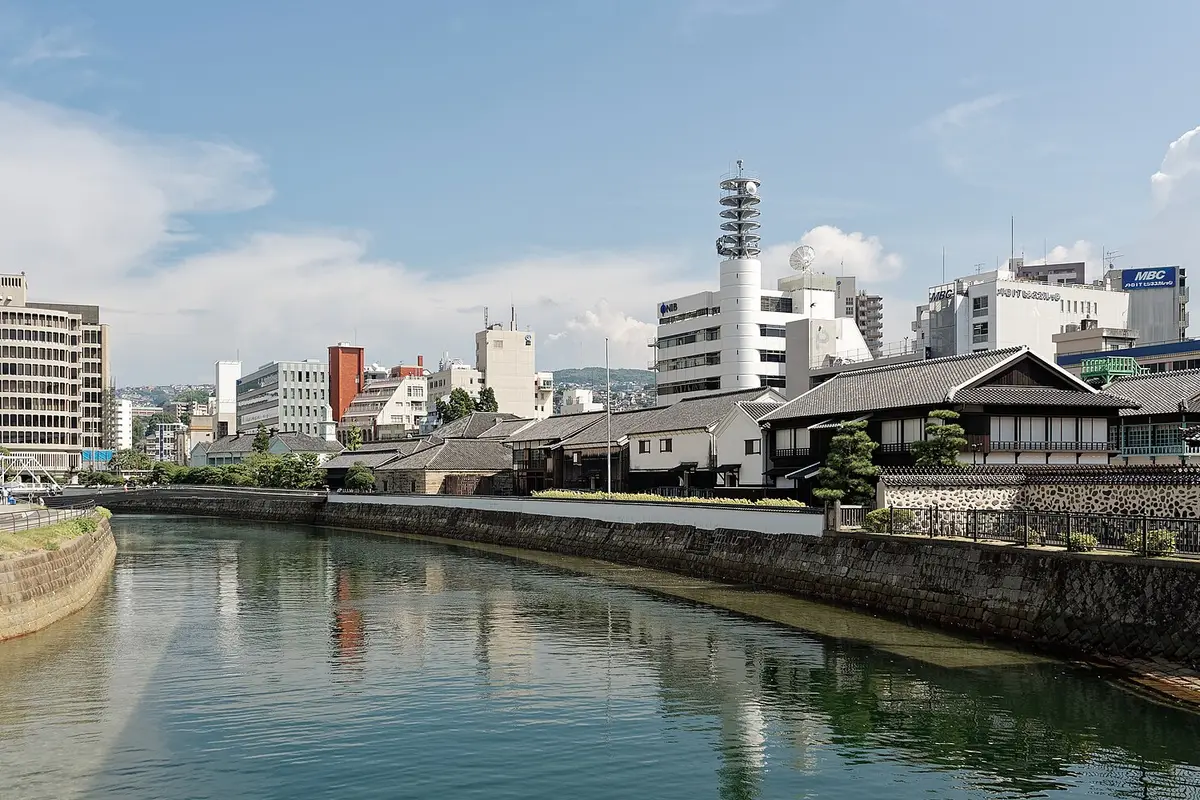
But the much larger green band comes from people who went in expecting one more history stop and found something they weren't looking for: a small, walkable port city with its own food, its own layered foreign history, and, repeatedly, its own night view. "Nagasaki was extremely worth seeing," one visitor wrote. "It is a gorgeous city with a beautiful harbor, one of the best night time views in Japan, and its history (Chinatown, Dejima, etc) was fascinating. Plus the food is really interesting and multicultural... I loved the time I spent in Nagasaki." Another, replying to a popular photo post: "Nagasaki is seriously underrated... a beautiful town with tonnes of interesting things to do, lots of good nightlife, amazing food and beautiful scenery. It also has a super chill vibe and is the closest to a Ghibli-type city that I think you'll find."
And here's the detour math itself, which several commenters got wrong in the threads: Nagasaki isn't stranded. The Nishi-Kyushu Shinkansen connects Nagasaki and Hakata (Fukuoka) in as little as 1 hour 20 minutes, one change of train included. One traveler corrected the record mid-thread: "It only takes one transfer at Hakata or Shin-tosu station which takes only 10 mins... Nagasaki is off the main route if you start from Tokyo or Osaka, but from Fukuoka it isn't that off."
What Nagasaki actually means to the people who live around it
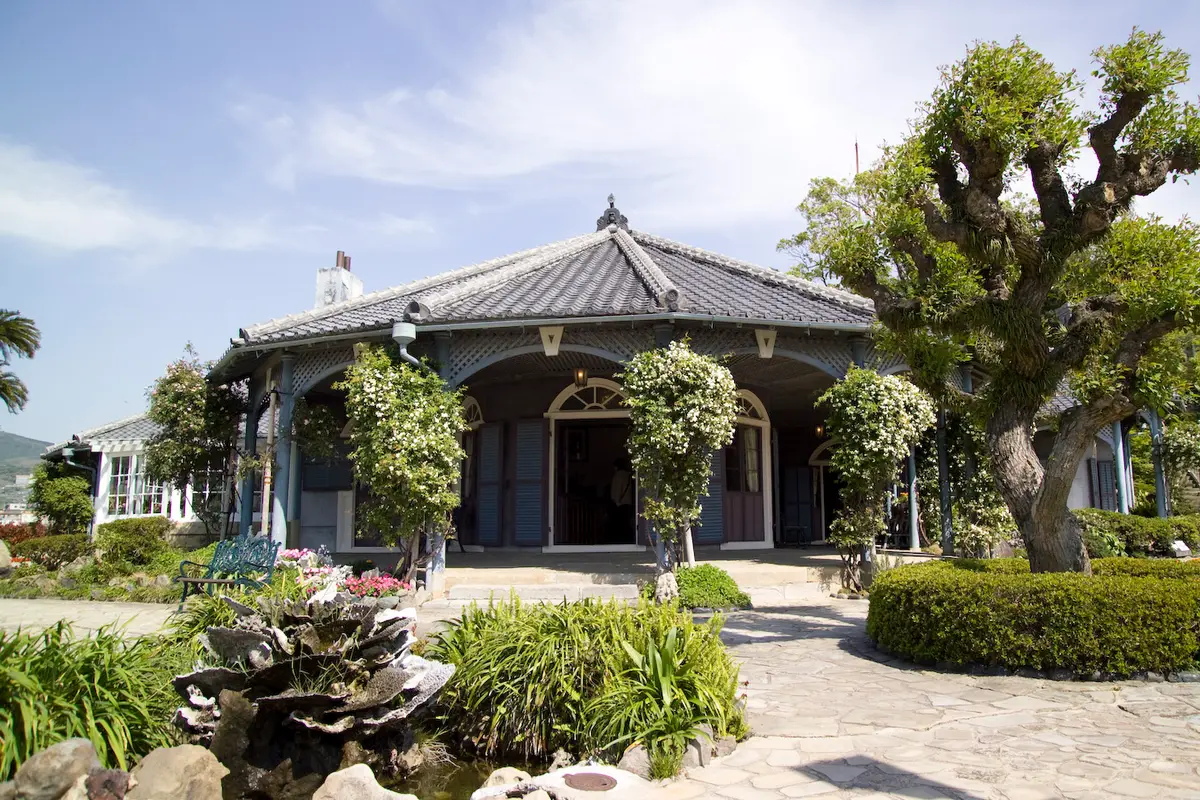
This is the layer most itineraries skip entirely: what Japanese visitors and residents say about the same city, in their own reviews of Glover Garden, Dejima, the Inasayama night view, and the Shinchi Chinatown streets.
Notice the shape here is almost a mirror image of the foreign gauge, with locals showing far less doubt overall. For most Japanese visitors, these aren't once-in-a-lifetime landmarks weighed against a plane ticket. They're where you take out-of-town relatives, where you go back a third or fourth time, where a decades-long gap between visits is common enough that people write about it without much drama. One Glover Garden visitor, back for the first time since a junior-high school trip: "My first visit in about 40 years. It felt so nostalgic, but it also made me think, 'was it really this old...' Glover Garden and I were both young back then. It really made me feel how much time has passed." Another, revisiting half a century later: "There are escalators and moving walkways now. I was surprised to hear the escalator is actually a public road. The view from the garden was lovely too."
The honest red band is smaller here, but it is specific and worth hearing straight. It clusters around two things that rarely make it into the glossy write-ups: Shinchi Chinatown is often quieter than photos suggest, and the Mt. Inasa ropeway can get crowded enough to eat into an evening. On the Chinatown point, a repeat visitor was candid: "I've visited several times, but many shops are closed and it feels lonelier than it looks in photos. It probably used to be livelier... I'm sure I'll go again. I hope it becomes a lively shopping street again." Another, arriving with high expectations: "I had pretty high expectations, but the scale was smaller than I'd expected, and nearly half the shops were closed." On the ropeway, even an upbeat reviewer flagged the same friction that shows up in the foreign voices too: "There were so many people even though it was a weekday, and the ropeway back down was really crowded, so we had to wait."
What we wish you'd noticed
The doubt and the delight are answering two different questions. The skeptical Reddit posts are almost always asking, "is this worth a special trip built around the bomb sites?" The enthusiastic ones are almost always describing something else entirely: a port city where Dutch, Chinese, and Japanese influence collided for two centuries while the rest of the country was closed to the world, and where that collision still shows up today in the food, the architecture, and the shape of the streets. Dejima, Glover Garden, Chinatown, and the Inasayama view aren't a checklist bolted onto the Peace Park. They're the actual reason repeat visitors keep coming back.
Nagasaki is closer than the "detour" framing suggests. The bullet train from Hakata takes about as long as a single subway commute in a big city, and several commenters in the threads were simply working from outdated assumptions about the connection. If you're already routing through Fukuoka, this isn't the multi-hour side quest it can look like on a map.
The two gauges above are pointing at different failure modes, and both are avoidable. Foreign visitors who came away disappointed mostly over-planned around one theme (the bomb museum) and under-planned the rest of the city. Locals who came away less than delighted mostly ran into ordinary friction: closed shops on a quiet weekday, a packed ropeway car at sunset. Neither is really about Nagasaki falling short. It's about which version of the city you showed up expecting.
Making the day work in your favor
- Give it more than a half-day built around one museum. The travelers who loved Nagasaki almost always describe two or three unrelated things in the same sentence: Dejima in the morning, a Chinatown meal, the Inasayama view at night. The ones who felt shortchanged usually planned around a single theme.
- Ride the ropeway earlier, or plan for a wait on the way down. Both Japanese and foreign visitors flag the same friction: the return trip from Mt. Inasa gets crowded around sunset. Going up before the light fades, or simply budgeting extra time for the queue, turns the same evening from frustrating into memorable.
- Eat after dark, and eat the local mix. Champon, sara udon, and castella all trace back to Nagasaki's centuries as a trading port, and locals and visitors both point to Shinchi Chinatown's kitchens (not its shopfronts) as where the city actually shows up.
- Don't expect Chinatown to look like a postcard on a quiet afternoon. Locals are candid that shutters are common outside festival season and weekend evenings. If the shopping street itself is the draw, time it around dinner or an event like the Lantern Festival.
- If you're coming from Fukuoka, the Nishi-Kyushu Shinkansen makes this a genuinely easy add, not the days-long detour older trip reports sometimes describe.
Eight visitors in ten who actually made the trip call it worth it, and the doubt among the other two is mostly about what they expected to find rather than what was actually there. The people who live around Glover Garden's hillside paths and Dejima's rebuilt bridges do not treat this as a once-in-a-lifetime landmark. They treat it as home, and they keep going back.
Wondering how Nagasaki fits into a wider Kyushu or Japan itinerary? The full Nagasaki audio guide walks through Dejima, Chinatown, the Peace Park, Glover Garden, and the Inasayama night view in more depth.
Still deciding where Japan is worth your limited days? Our hub on what actually matters when choosing places in Japan gathers every gauge we have made.
Sources
- JR Kyushu (Nishi-Kyushu Shinkansen, Nagasaki route): fastest Hakata-Nagasaki journey time of approximately 1 hour 20 minutes via one change at Takeo-Onsen.
- Dejima, Official Site (English): History: history of the Dutch trading post and its reconstruction.
- Dejima, Official Site (English): Facility Information: admission and visiting information.
- JNTO, Dejima (Travel Japan): overview for international visitors.
- Nagasaki City Tourism, Shinchi Chinatown: history and overview of Shinchi Chinatown.
- Shikairo, Official History: the restaurant's account of champon's origin as food for Chinese students in Nagasaki.
- Glover Garden, Official Site (About): history of the foreign merchant residences.
- Glover Garden, Hours and Admission: visiting information.
- Glover Garden, Glover Sky Road: the free inclined elevator/escalator route up the hill.
- Inasayama Park / Nagasaki Ropeway, Official: ropeway access to the Mt. Inasa night view.
- Nagasaki Electric Tramway, Fares and One-Day Pass: tram access across the compact city center.
- Nagasaki Lantern Festival, Nagasaki City Tourism: the festival that brings Shinchi Chinatown to its most crowded, colorful state.
WMJS is written in Japan, in English, with AI help. We check every page, but English is not our first language. If a sentence reads oddly, tell us. One sentence is enough.
Thank you. A person reads every note.
How well do you know Japan?
Built from 635 public posts by Japanese people
Want to know more? Ask Japanese people
Have a follow-up question about this topic? We'll ask real Japanese people.
Voice Box →