
Is Kumamoto Castle Worth It? Visitors and Locals on a Castle Still Being Rebuilt
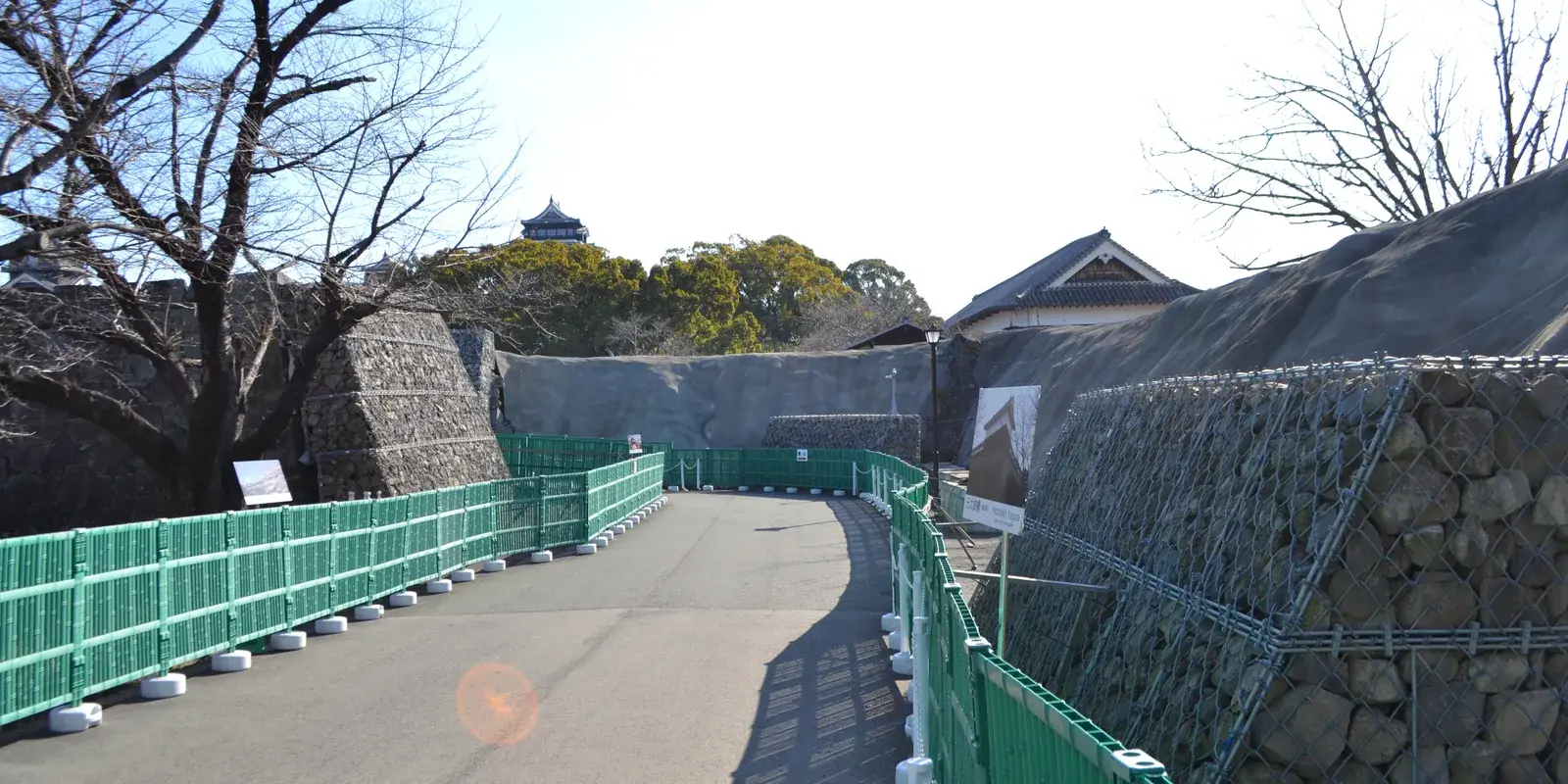
You have probably seen the photo: a black-and-white keep on soaring stone walls, one of the great castles of Japan. Then you read the fine print. The keep you enter is a 1960 concrete rebuild, the 2016 earthquakes brought much of it down, and the full repair is not due until around 2052. So the honest question is less about beauty and more about value: is a rebuilt castle, still wrapped in decades of scaffolding and far out on Kyushu, worth the trip?
Most people who go come away glad, but for one specific reason, and the ones who leave flat almost always arrived expecting a different castle. Here is what the people who have actually stood there say.
One update the voices below predate: on 28 July 2026 another earthquake, magnitude 7.1, damaged the castle's stone walls in 40 more places. The castle closed for safety checks and reopened on 13 August with the keep and the elevated walkway open as before, and the city is now reviewing whether the 2052 date still holds.
Is it worth the trip? (international visitors, in their own words)
We gathered the voices of travelers from outside Japan who have been to Kumamoto Castle, on Reddit and in their own Tripadvisor reviews, and sorted them by whether it earned the visit. Weighted by how strongly each one resonated with other readers, here is where they landed:
That red band is worth reading closely, because the let-down is almost always the same one: people walk in expecting a preserved feudal interior and meet a museum instead. One reviewer was blunt about the payoff inside: "very disappointing & to top it off so hot. If it was me again save the 800 yen & just photograph from the outside." The wider neutral band is a gentler verdict, and it is really about the detour. One visitor, weighing the long haul to Kumamoto, asked "Would I travel to Kumamoto specifically for this castle? No" and then answered their own doubt by calling it "worth seeing" as part of a broader itinerary. The reservation is rarely about beauty. It is about a rebuilt interior and a long trip.
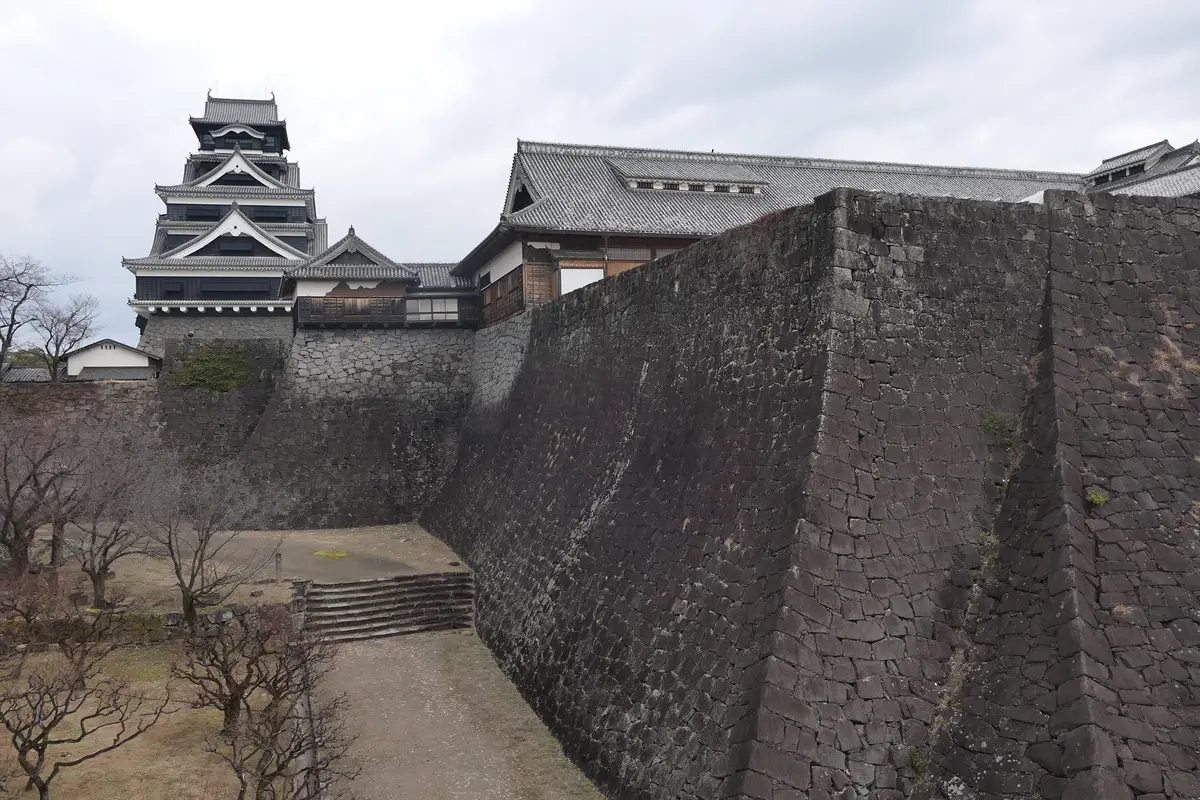
The travelers who loved it tend to relocate the reward, and they keep pointing at the same thing: the stonework. "I think the castle has the greatest walls of all Japanese castles," one wrote; "it's still beautiful and the pride of local people." Even a visitor who found the inside underwhelming stayed warm about the whole: "it's less of a castle experience compared to all the other castles I've been to in Japan. It's more like a museum exhibit encased in a castle," one wrote, then added, "I'd still go again though." The people who arrive to read the walls and the recovery come away full. The people who arrive to tour an old wooden interior do not.
How the people who live with it feel
Here is the layer the guidebooks skip: what Japanese visitors and locals write about the same castle, in their own reviews. The register shifts completely.
Look at the red bars side by side. Among international visitors it runs to twelve percent; among Japanese visitors it is barely one. That gap is the most useful thing on this page. Where a foreign traveler weighs a concrete interior and a long detour, a Japanese visitor is doing something else entirely: watching a beloved landmark heal. One reviewer who has come for sixty years wrote, "Hang in there, castle," and then, quietly, "Whether I'll still be alive to see the full recovery is something only God knows. I'd like to see it through somehow." Another, at seventy-three: "I won't live to see it fully restored, so I went while I can still walk." A third simply liked being able to "see the state of the recovery from above."
The one honest note of regret is small and specific: a visitor found the keep interior "dark, poorly ventilated, cramped." But even the candid reviews carry the warmth. As one put it, the main keep "had been magnificently restored," though they were "honestly surprised that many facilities... are still under restoration." For local visitors, the scaffolding is not a deduction. It is the point of the visit.
What the castle actually gives you
Once you stop looking for a preserved wooden interior, the real Kumamoto Castle comes into focus.
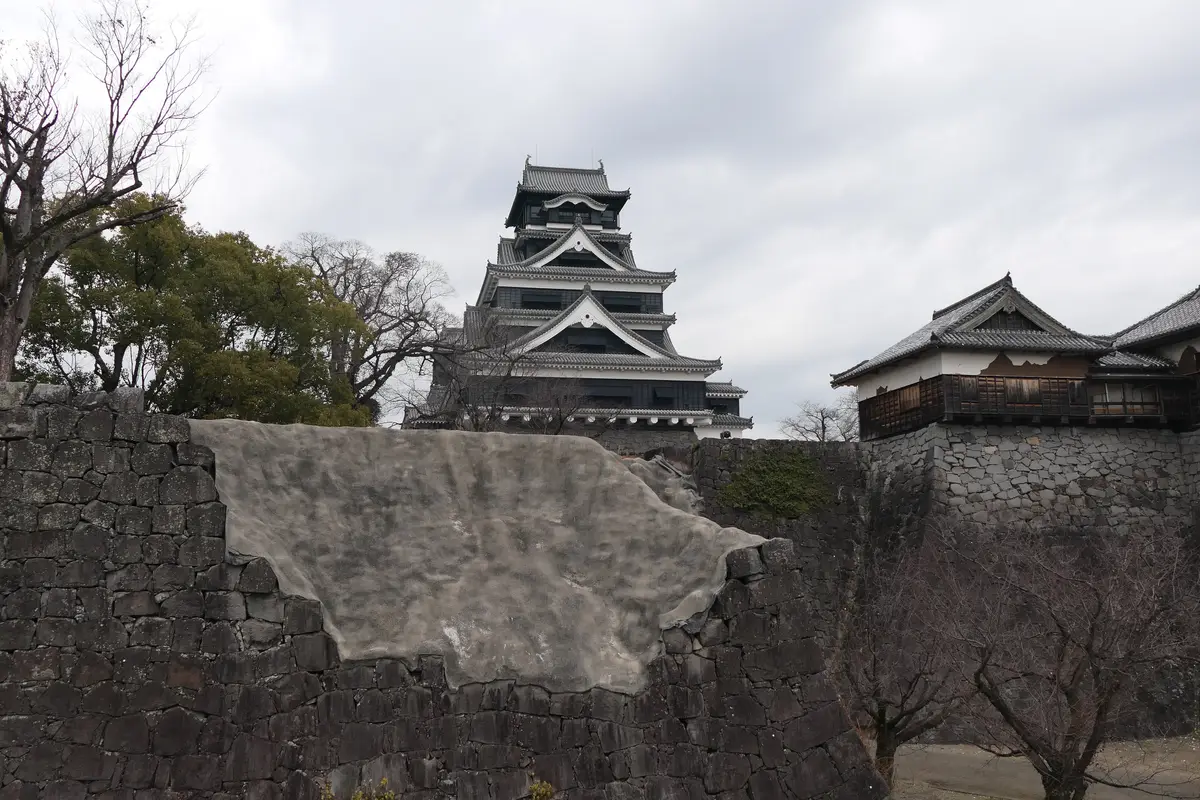
The stone walls are what visitors single out. Kato Kiyomasa finished the fortress in 1607, and its signature is the musha-gaeshi: walls that start as a gentle slope and curve to a near-vertical overhang at the top, built to defeat any climber, the same fan-slope stonework that makes the walls at Himeji Castle worth reading up close. The precinct spreads across some 980,000 square metres with dozens of turrets. Even half-repaired, the walls do the thing photos cannot: they make the scale and the cunning of the place land.
You can watch the repair happen. After the earthquakes, the city built a raised walkway through the grounds so visitors can look down on the live restoration, stone by numbered stone. The most famous sight is the "miracle" one-pillar wall of the Iidamaru turret, which after the quake stood balanced on a narrow stack of corner stones. It is a rare chance to watch heritage conservation while the work is still going on.
The keep is a museum, and the reviews come round to it. The main keeps reopened in April 2021 with floor-by-floor exhibits tracing the castle from Kiyomasa to the 2016 quakes, and a sixth-floor observation deck over the city. Go in knowing it is a modern museum, not a feudal interior, the same expectation that shapes a visit to Osaka Castle, and the honest reviews turn positive. As one local visitor noted in 2026, the keep now holds "worthwhile exhibits and video presentations."
Doing it well: the welcomed way
A few choices separate the people who leave glad from the people who leave flat.
- Come for the walls and the recovery, not a preserved interior. This single expectation decides almost everything. The travelers who treat the stonework and the live rebuild as the main event are the ones who say it was worth it; the ones hoping to tour an old wooden keep are the ones who feel short-changed.
- Start from Sakura-no-baba Josaien. The shop-and-food street at the foot of the castle doubles as the ticket and information hub, and walking up the slope from there to the South Gate sets up the scale before you reach the keep. On weekdays the South Gate is the only way in; the North Gate also opens on weekends and public holidays.
- Budget the climb, or ask about the lift. It is a real walk up, and inside the keep there are stairs between floors. An elevator was added in the rebuild for wheelchair users, stroller families, and those who cannot manage the stairs; ask staff at entry if you need it.
- Time it kindly. Summer in Kyushu is fierce, and the keep interior gets hot and busy; several reviewers were worn down by midday crowds and heat. Morning is calmer, and a clear day rewards the sixth-floor view.
- Know the practical basics before you go. The grounds and keep open 9:00 to 17:00 (last entry to the keep 16:30), closed December 29, with admission 800 yen for adults and 300 yen for children. From Kumamoto Station the tram and the Shiromegurin loop bus reach the castle for a flat 200 yen.
The reframe that makes it worth it
Kumamoto Castle rewards a shift in what you came to see. If the picture in your head is a pristine, centuries-old wooden interior, a concrete museum wrapped in scaffolding will read as a letdown, and a long detour to Kyushu will not pay off. If instead you come to stand under the greatest stone walls in Japan and to watch a city put its landmark back together, one numbered stone at a time, you are seeing something almost nowhere else offers. The locals already know which visit this is. They come, decade after decade, to see it through.
Weighing which famous places actually earn a slot on a short trip? Start with what actually matters in Japan. For the deeper story of the rebuild, the miracle wall, and how to walk the grounds, the Kumamoto Castle guide is just below.
Sources
- Kumamoto Castle Official: Reconstruction: the keeps are a 1960 steel-reinforced concrete reconstruction.
- Kumamoto Castle Official: History: the fortress was completed under Kato Kiyomasa (1607); the musha-gaeshi curved stone walls and the ~980,000 square-metre precinct with dozens of turrets.
- Kumamoto Castle Official: Visitor Information: hours 9:00-17:00, keep last entry 16:30, closed December 29; admission 800 yen adult / 300 yen child / preschool free; keep elevator for wheelchair and stroller users and those unable to use the stairs; weekday entry through the South Gate only, both the North and South Gates on weekends and national holidays.
- Kumamoto City Official Guide: "The Keeps Are Back Open": the main keeps reopened to visitors in April 2021 with floor-by-floor exhibits from Kiyomasa to the 2016 earthquakes, a sixth-floor observation deck, and barrier-free access.
- Kumamoto Prefecture Official Tourism: the "miracle" one-pillar stone wall: the Iidamaru turret balanced on 12 corner stones after the quake, and the ongoing stone-wall reconstruction.
- Kumamoto City: Castle Restoration Basic Plan (Summary, rev. March 2023): of roughly 79,000 metres of stone-wall face, about 30% was damaged and 10% collapsed; full restoration is planned through fiscal 2052.
- Kumamoto City Official Guide: Access: the city tram and Shiromegurin loop bus at a flat 200 yen since June 2025, the free castle shuttle bus, and Sakura-no-baba Josaien as the approach and ticket hub.
- Cabinet Office, Government of Japan: the 2016 Kumamoto Earthquake: the April 14 foreshock (M6.5) and April 16 mainshock (M7.3), both seismic intensity 7.
- Kumamoto City: Disaster Response Headquarters, first meeting (28 July 2026, Japanese): the earthquake at about 16:27 on 28 July 2026, magnitude 7.1 (estimated), with a maximum seismic intensity of 7 in Uki and Hikawa.
- Kumamoto City: Damage to Kumamoto Castle in the 2026 Kumamoto Earthquake (5 August 2026, Japanese): stone walls damaged in 40 places, buildings in 11 and 8 other sites; no one was injured.
- Kumamoto City: Reopening of Kumamoto Castle (10 August 2026, Japanese): the castle, closed for safety checks since the earthquake, reopened on 13 August 2026 through the South Gate.
- KAB Kumamoto Asahi Broadcasting: Kumamoto Castle reopens after 16 days (13 August 2026, Japanese): open as before except part of the small keep's ground floor; the city to review with experts the restoration plan, which aimed at fiscal 2052.
- Jalan visitor review, Kumamoto Castle: a review titled "As of May 2026" describing the main keep's exhibits and video presentations as worthwhile.
WMJS is written in Japan, in English, with AI help. We check every page, but English is not our first language. If a sentence reads oddly, tell us. One sentence is enough.
Thank you. A person reads every note.
How well do you know Japan?
Built from 635 public posts by Japanese people
Want to know more? Ask Japanese people
Have a follow-up question about this topic? We'll ask real Japanese people.
Voice Box →