
Naoshima — The Island That Art Brought Back to Life
Naoshima Island
By Kei · Born and raised in JapanThe Meaning
For most of the twentieth century, Naoshima was a smelting island. A copper refinery worked its northern shore, and the rest was a quiet cluster of fishing and farming hamlets in the Seto Inland Sea. Then, like so many small Japanese islands, it began to lose people. The young left for the cities. The population aged. By the time the rest of the world had never heard its name, Naoshima was an island slowly going quiet.
What happened next is the reason to come. Beginning in the late 1980s, a publishing family and the island's mayor shared the same unlikely idea: that contemporary art, placed not in a gallery but across the island itself, might bring the place back to life. Benesse Art Site Naoshima calls it "the world's first symbiosis between islands and art." Today around three thousand people still live here, and visitors arrive from every continent, not to see a museum, but to walk an island where the art and the daily life share the same ground.
This is the part the guidebooks tend to skip. Naoshima is not a theme park of "Instagrammable" sculptures. The official voice behind the island is unusually clear about it: "Art is not the main focus. The island and the people who live there are the main focus, and art is something that brings out the charm of the island." The organizers even describe the island's elderly residents as the real guides, the ones who, in talking with young travelers, pass on what the island is.
So the frame for this guide is simple. You are not visiting an attraction. You are spending a day on a working island that art brought back, and letting the place (its light, its hills, its lived-in lanes) do the rest.
What Happens When You're There
Step 1: The Crossing, Naoshima Has No Bridge
Naoshima has no bridge. The only way on is by sea, and that crossing is the first part of the experience rather than an obstacle before it.
Two ports send boats here. Uno Port sits on the Honshu side, in Okayama, a short walk from the end of a local train line out of Okayama. Takamatsu Port, on Shikoku, is steps from Takamatsu Station. From Uno the crossing is roughly twenty minutes; from Takamatsu it is closer to an hour by ferry, or about half that on the high-speed boat. The choice of port shapes your whole day: Uno runs the most frequent boats and is the easiest base, while Takamatsu lets you fold the island into a wider Shikoku trip.
There is one thing worth fixing in your mind before anything else: the last boat. Island time is real here, and the final departure back to the mainland can come earlier than you expect: the last Takamatsu-bound service of the day, for instance, is a small high-speed boat rather than the big ferry. Check the timetable for your return before you even step off at the island, and the rest of the day relaxes.
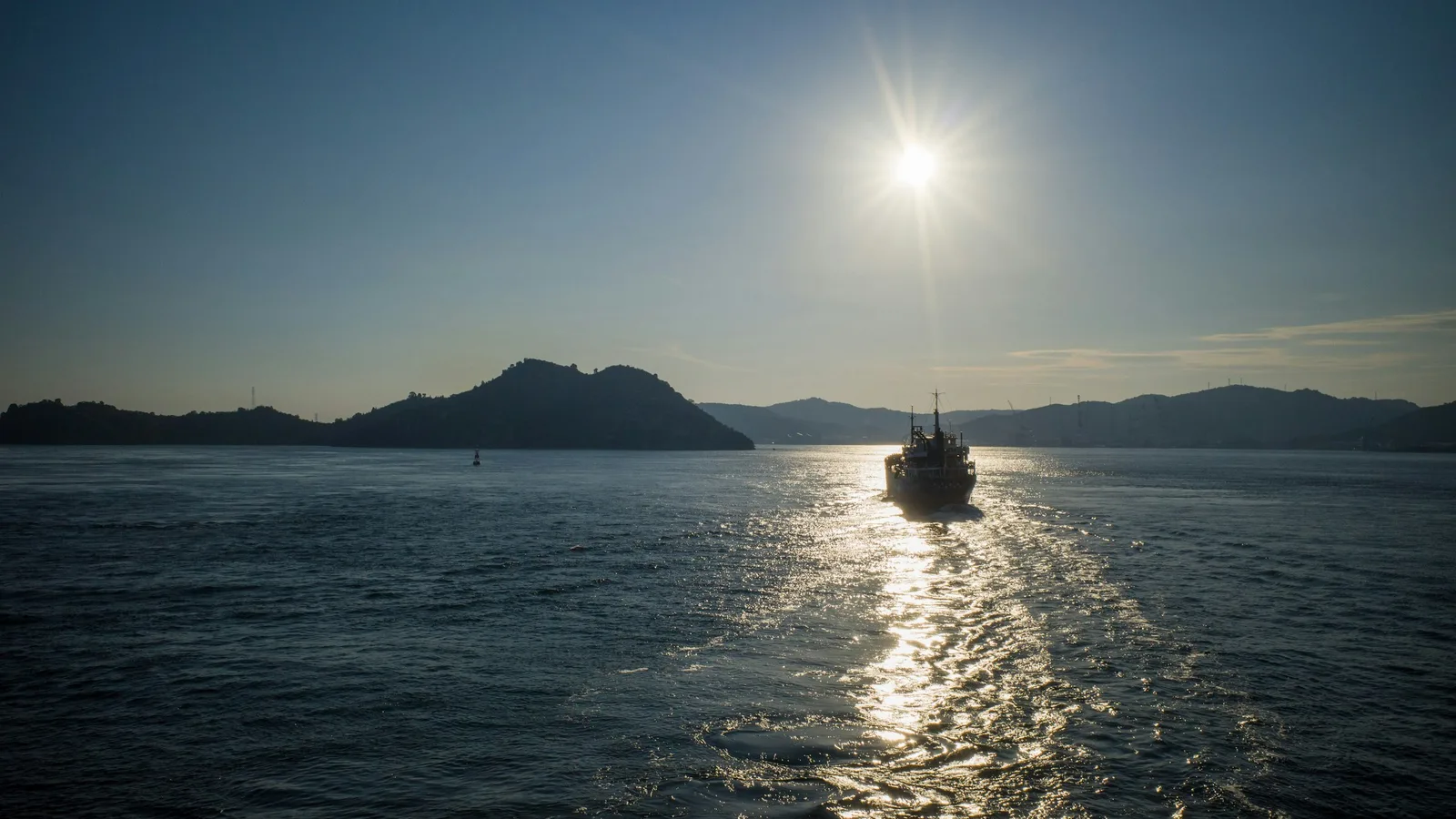
On the deck, the mainland slides away and low green islands rise out of a calm, pale sea dotted with cargo ships and oyster rafts. This stretch of water has carried people, salt, and copper for centuries. You are simply the latest crossing.
Step 2: The Pumpkin by the Sea, Free and Out in the Open
You will meet the first work of art before you have decided to look for one. As the boat eases into Miyanoura, the island's main port on the western shore, a giant red pumpkin covered in black dots sits at the water's edge, set there in 2006. It is outdoors. It is free. No ticket, no queue, no reservation: Yayoi Kusama's polka-dotted gourd is simply the island saying hello.
Its more famous sibling waits on the other side of the island: the yellow pumpkin, perched at the end of a weathered concrete pier that reaches out into the sea below Benesse House. It has become the single image most people carry away from Naoshima. There is a quiet lesson hidden in it, too. The yellow pumpkin you photograph today is not the original: a typhoon swept that one into the sea in 2021, and a newly made pumpkin was set back on the same pier in the autumn of 2022. The island and its art live in the same weather. They get knocked down and put back together side by side.
Both pumpkins are out in the open air, so photographs are welcome; just step aside between shots, because everyone is hoping for the same frame of yellow against the blue. (If you want the gentle, unspoken rules of photographing crowded spots and the people in them, our notes on photo etiquette at tourist spots cover the rest.)
Step 3: The Museum in the Ground, Where You Can't Take a Photo
The most talked-about building on Naoshima is one you can barely see. The Chichu Art Museum (chichu means "in the earth") was built in 2004 and sunk almost entirely underground, so that it would not interrupt the island's hills and skyline. The architect, Tadao Ando, lined its concrete chambers with shafts that let in nothing but daylight.
That daylight is the point. Inside, a room of Claude Monet's Water Lilies is lit by no electric bulb at all. You take off your shoes to enter, and the paintings shift hour by hour, season by season, as the sky outside changes. Elsewhere, James Turrell and Walter De Maria built spaces you don't so much look at as stand inside.
Here is where many first-time visitors feel a small jolt: cameras stay in your bag. Photography is allowed only as far as the reception area, and not in the galleries themselves. After teamLab's open invitation to film everything, Naoshima's quiet "no" can feel strange. But try reading it the way the island means it. With nothing to capture, there is nothing to do but watch the light move across a wall, and let your eyes adjust to a darkness you walked into on purpose. People sit a long time in these rooms. The thing they take home is not on a phone.
The Chichu Art Museum asks you to book a date and time in advance; practical details and the official booking are in Good to Know below.
Step 4: The Houses That Became Art, A Village You Walk Through
Cross to the eastern side of the island, to the old village of Honmura, and the museum walls disappear altogether. Here the art is in the houses: actual former homes, woodworking shops, even a shrine, reworked into artworks one building at a time. The Art House Project began in 1998 with a single restored house and now runs to seven sites, scattered through lanes where people are, at this very moment, living their ordinary lives.
This is the heart of Naoshima, and the part no list of "top attractions" can hold. To find one artwork you walk past someone's laundry, a vegetable patch, a parked bicycle, a cat. The works sit inside a real, working village rather than a preserved set. You step out of a darkened room that took your breath away and back onto a lane where a grandmother is sweeping her step.
So the kindest way through Honmura is also the simplest: walk quietly, stay on the public lanes, and let the everyday life around you stay private. You are not trespassing on a town's privacy if you move through it gently; you are, for an afternoon, slipping into the island's own rhythm. If you find yourself raising a camera toward a doorway or a face, our pieces on being filmed in Japan and photo etiquette are good company. The village is the reason the art feels alive. Treat the village well, and the art keeps living.
Step 5: The Crossing Back, Why People Come This Far
By late afternoon you are at the harbor again, watching the island shrink behind the ferry's wake. You will not have seen everything; almost no one does in a day, and that is fine. The hills are real, the buses are small, and some museums close on Mondays. Naoshima rewards the traveler who picks two or three things and lets them land, not the one who sprints.
And as the red pumpkin slides out of view, a question worth carrying home: why would people fly across the world to a small, half-quiet island in an inland sea, climb its hills, and sit in silence in rooms where they cannot take a single photograph? The island does not answer it for you. It just lets you feel, on the way out, that you didn't visit a place; you spent a day inside one, while it went on living.
Thank you for walking with us.
Good to Know
Getting here: two mainland ports, two island ports. Naoshima is reached only by sea, from Uno Port (Okayama, on Honshu) or Takamatsu Port (Kagawa, on Shikoku). On the island there are two harbors: Miyanoura on the west (the main gateway, where the red pumpkin and most boats are) and Honmura on the east, beside the Art House Project. Most travelers arrive at Miyanoura. Honmura is served by only a few small passenger boats from Uno; there is no direct boat to Honmura from Takamatsu. From Uno the ferry takes roughly 20 minutes; from Takamatsu, about 50–60 minutes by ferry or about 30 by high-speed boat. Cars and bicycles can ride the car ferries but not the small high-speed boats. Times, fares, and which boat lands where change with the season; confirm the current schedule with the operator. Last verified: 2026-06. Official ferry timetable & fares: Shikoku Kisen (see Sources).
Getting around the island. The hills are real, so plan your moves. A small town bus loops between Miyanoura, Honmura, and the Tsutsuji-so area for a flat fare (carry coins; no change machine, and the little bus fills up on busy weekend afternoons). From there, a free Benesse Art Site shuttle reaches the museum area; it runs a limited service and does not run on days the museums are closed. Electric rental bicycles (the hills make the electric kind worth it) are the other popular option and sell out in peak season, so reserve ahead. For how ferries, buses, and bikes string together across a trip like this, see getting around Japan. Last verified: 2026-06. Bus & rental details: Naoshima Tourism Association (see Sources).
The museums: book ahead, and mind Mondays. The Chichu Art Museum requires an advance, date-and-time reservation made online; if the online slots sell out, there is no same-day ticket window. It is open 10:00–17:00 (last entry 16:00) and closed on Mondays (open if Monday is a public holiday, then closed the next day). Photography is permitted only up to the reception area; it isn't allowed in the galleries. Most of the island's other museums and several Art House Project sites also close on Mondays, so a Monday visit means leaning on the outdoor works. Since 2024, the island's art facilities moved to online ticketing; some sites, including the Minamidera house, now also require reservations. Prices, hours, and reservation rules are exactly the kind of thing that changes; check each site before you go. Last verified: 2026-06. Official details: Benesse Art Site Naoshima (see Sources).
The Art House Project. Tickets for the houses in Honmura are sold at the Honmura Lounge & Archive. A multi-site ticket covers most of the houses; a couple of works (Minamidera and Kinza) are ticketed and reserved separately, with Kinza admitting just one visitor at a time. Last verified: 2026-06. Official details: Benesse Art Site Naoshima (see Sources).
The pumpkins are free. Both Kusama pumpkins (the red one at Miyanoura Port, the yellow one on the pier below Benesse House) are outdoors and free to visit any time, no ticket needed.
Day trip or overnight? You can see Naoshima in a focused day: arrive on an early boat, pick two or three places, and watch the last boat. To take the island slowly, or to stay in the museum-hotel at Benesse House or a village guesthouse, stay a night; rooms are limited and fill early in high season. The Setouchi Triennale, the contemporary-art festival held across these islands every three years (the most recent edition was in 2025), brings far larger crowds and extra boats when it runs; check whether your dates fall in a festival season. Last verified: 2026-06. Festival dates: Setouchi Triennale official (see Sources).
Practical bits. Bring cash; ATMs are few and may not run on weekends. Wear shoes you can walk and climb hills in, and pack for sun or rain; much of the day is outdoors and on the move.
If Things Don't Go as Planned
You couldn't get a Chichu reservation. Slots fill fast, especially on weekends and in festival years. If they're gone, the island is still very much worth the trip: the pumpkins, the Art House Project, Benesse House Museum, and the Lee Ufan Museum give you a full, rich day. Book Chichu the moment you fix your dates, and treat it as the bonus, not the whole point.
It's a Monday. Many museums and houses are closed (open if it's a public holiday, then shut the next day). Rather than fight it, make Monday the quiet day: the outdoor works (both pumpkins, the seaside sculptures, the walk through Honmura's lanes) are all yours, with far fewer people around.
The bus was full, or the e-bikes were gone. The town bus is genuinely small and the electric bikes do sell out. If you're left behind, the next bus comes around, the main areas are walkable for the able, and a regular rental or a taxi can bridge the gap. Reserving an e-bike ahead in peak season saves the stress.
You're running out of time before the last boat. This is the most common island scramble, and the fix is dull but reliable: look up your return boat first thing, and build the day backward from it. Locals plan around these timetables too; you are not the only one watching the clock.
You feel rushed and like you're missing things. You probably are missing things, and so does almost everyone. Naoshima is not a checklist. Two artworks you actually sat with will outlast six you jogged past. If the crowds or the festival-season bustle wear on you, our piece on whether Japan is overtouristed puts the busy days in perspective.
The village feels too quiet, almost private. That's because it is a real village: a few thousand people genuinely live here. The hush isn't a closed attraction; it's daily life. Walk softly, keep to the lanes, and you'll find the quiet is the best thing the island has to offer.
Sources:
- Benesse Art Site Naoshima: official site (concept, history, facilities, hours, tickets, reservations): primary source for the island's art project, Chichu Art Museum, Art House Project, Benesse House, and Kusama works.
- Benesse Art Site Naoshima: Chichu Art Museum: opening year, Tadao Ando architecture, Monet/Turrell/De Maria, reservation requirement, hours, closures, photography policy.
- Benesse Art Site Naoshima: Art House Project: Honmura houses, multi-site and single-site tickets, Honmura Lounge & Archive.
- Benesse Art Site Naoshima: photography policy: facility-by-facility photography rules.
- Benesse Art Site Naoshima: Yellow Pumpkin (re-installation): 2021 typhoon loss and 2022 re-creation and re-installation.
- Naoshima Town Tourism Association: access & getting around: town bus, rental cycles, island ports, ferry guidance.
- Shikoku Kisen: ferry timetable & fares: Uno–Naoshima and Takamatsu–Naoshima routes, crossing times, fares, vehicle loading.
- Setouchi Triennale: official site: festival concept ("Restoration of the Sea"), editions and seasons, Naoshima as a venue.
- JNTO (Japan National Tourism Organization): Naoshima: official English overview, standard English names, smelter-town history.
- Kagawa Prefecture Tourism: Naoshima: island size, population, regional context.
Photos: sourced under free commercial-use licenses; see captions where attribution applies.
WMJS is written in Japan, in English, with AI help. We check every page, but English is not our first language. If a sentence reads oddly, tell us. One sentence is enough.
Thank you. A person reads every note.
Real voices
Is it worth it?
Were you there? Share your photos.
Your photo could appear in this guide — with your name and a link to your profile.
Submit a photoRelated Articles


More guides in Shikoku
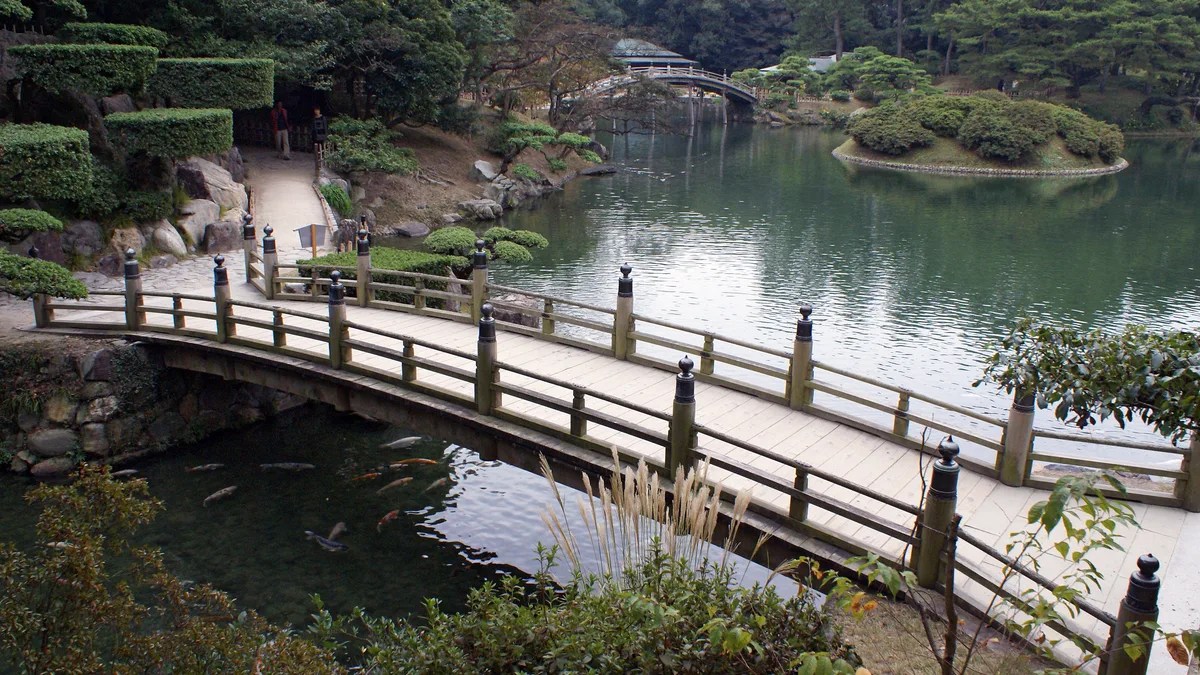
Ritsurin Garden — The Masterpiece Japan Left Off Its Famous List, Because Its Best View Is the Walk
An audio cultural guide to Ritsurin Garden in Takamatsu, verified against official sources. Understand why this daimyo strolling garden — a Special Place of Scenic Beauty with three Michelin stars — is not on Japan's famous list of three great gardens, which station to actually get off at, and why its masterpiece is the walk, not any single view.
Ritsurin Garden
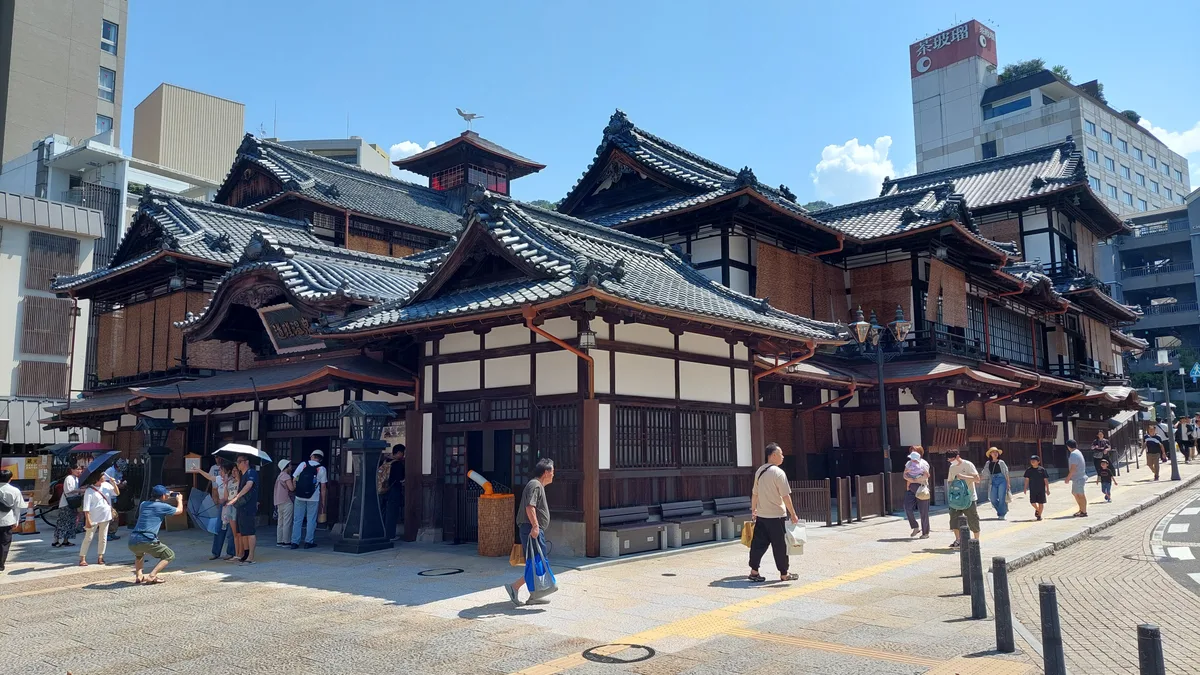
Dōgo Onsen — The 3,000-Year-Old Bath You Step Into, Not Just Look At
An audio cultural guide to Dōgo Onsen in Matsuyama, verified against official sources. Understand why this 3,000-year-old wooden bathhouse — a National Important Cultural Property you can actually bathe in — was repaired without closing, which of the three bathhouses and Honkan tickets to choose, and how the stories of Botchan and Spirited Away wrap around a bath the locals still use.
Dōgo Onsen (Matsuyama)
Kochi Castle — Where the Whole Castle Survived, Not Just the Tower
A cultural audio guide to Kochi Castle — the only original Japanese castle where the keep and its lord's palace both survive. Plus the 300-year Sunday market, hours, fees and how to visit.
Kochi Castle