
This page is also available in English.Read in English →
このページは日本語でも読めます。日本語で読む →
이 페이지는 한국어로도 읽을 수 있습니다.한국어로 읽기 →
這個頁面也有繁體中文版。閱讀繁體中文版 →
这个页面也有简体中文版。阅读简体中文版 →
หน้านี้มีภาษาไทยด้วยอ่านภาษาไทย →
Trang này cũng có bản tiếng Việt.Đọc bằng tiếng Việt →
Halaman ini juga tersedia dalam Bahasa Indonesia.Baca dalam Bahasa Indonesia →
Cette page existe aussi en français.Lire en français →
Diese Seite gibt es auch auf Deutsch.Auf Deutsch lesen →
Questa pagina è disponibile anche in italiano.Leggi in italiano →
Según cómo viajas
Japón con niños, el primer viaje
Una sola base en Tokio, una cosa grande al día y un país construido en silencio para las familias, al ritmo que marquen tus pequeños
Última verificación: 2026-06-22
Días
4: una base en Tokio, una excursión de ida y vuelta, una actividad principal al día al ritmo de un niño
Mejor época
Todo el año. La primavera y el otoño son los más suaves; en verano el calor aprieta con los pequeños, así que yo tiraría de planes bajo techo y empezaría temprano. Los días de invierno son despejados y los trenes van calentitos
Tu base
Una sola base en Tokio todo el viaje: Asakusa es la favorita de las familias (a pie hasta un templo y un parque junto al río)
Transporte
Una tarjeta IC (Suica/PASMO) sirve para toda la ciudad; con una IC infantil se paga media tarifa, y los menores de seis años viajan gratis
A quién le va bien este plan
- Primer viajeIdeal
- Ya has estadoFunciona bien
- Con niñosIdeal
- En solitarioNo es el foco
- En parejaNo es el foco
- Ritmo suaveFunciona bien
Cuándo irYear-round
Good all year. Spring and autumn are kindest for kid-paced days; Japan's summer heat is real with little ones, so lean on indoor stops and start mornings early. Winter days are clear and the trains are warm — pack layers a child can shed indoors.
Si viajas a Japón con niños por primera vez, lo que más me gustaría quitarte de encima es una preocupación: el temor a que un peque cansado o ruidoso provoque miradas de reproche, o a que Japón sea tan ordenado y esté tan lleno de normas que no haya sitio para un niño. Ese temor suele desaparecer nada más aterrizar. Es un país que ha pensado mucho en las familias: salas de lactancia y alquiler de cochecitos en el propio metro, impecables salas para bebés con calientabiberones en todos los grandes almacenes, un plato infantil inventado para hacer sonreír a un niño. Aquí, quien pasa a tu lado se fija en cómo cuidas de tu hijo, no en cuánto ruido hace.
Así que yo planearía este viaje al ritmo de tus hijos y no contra él. Una sola base en Tokio para toda la estancia: nunca vuelves a hacer las maletas, algo que con niños pequeños importa más que cualquier atracción. Una actividad principal al día, un parque donde correr, una cena temprana y el resto en calma. El jet lag despertará a los pequeños al amanecer; yo lo aprovecharía para hacer esa mañana la única excursión del viaje, saliendo temprano. La visita al konbini de la esquina se convierte en un ritual de cada mañana que esperan con ilusión. Más abajo te cuento cómo me movería y dónde dormiría; cámbialo todo lo que haga falta para que encaje con los días reales de tu familia.
Dónde establecer tu base
Con niños pequeños, lo mejor que puedes hacer es establecer una sola base para todo el viaje y salir de excursión desde ella: cada cambio de hotel es rehacer las maletas, una nueva hora de dormir, volver a averiguar dónde está cada cosa, y las familias que cambiaron mucho de alojamiento casi siempre lamentan no haberlo hecho menos. Así que la verdadera pregunta no es qué lugares, sino qué barrio te facilita las mañanas y las noches.
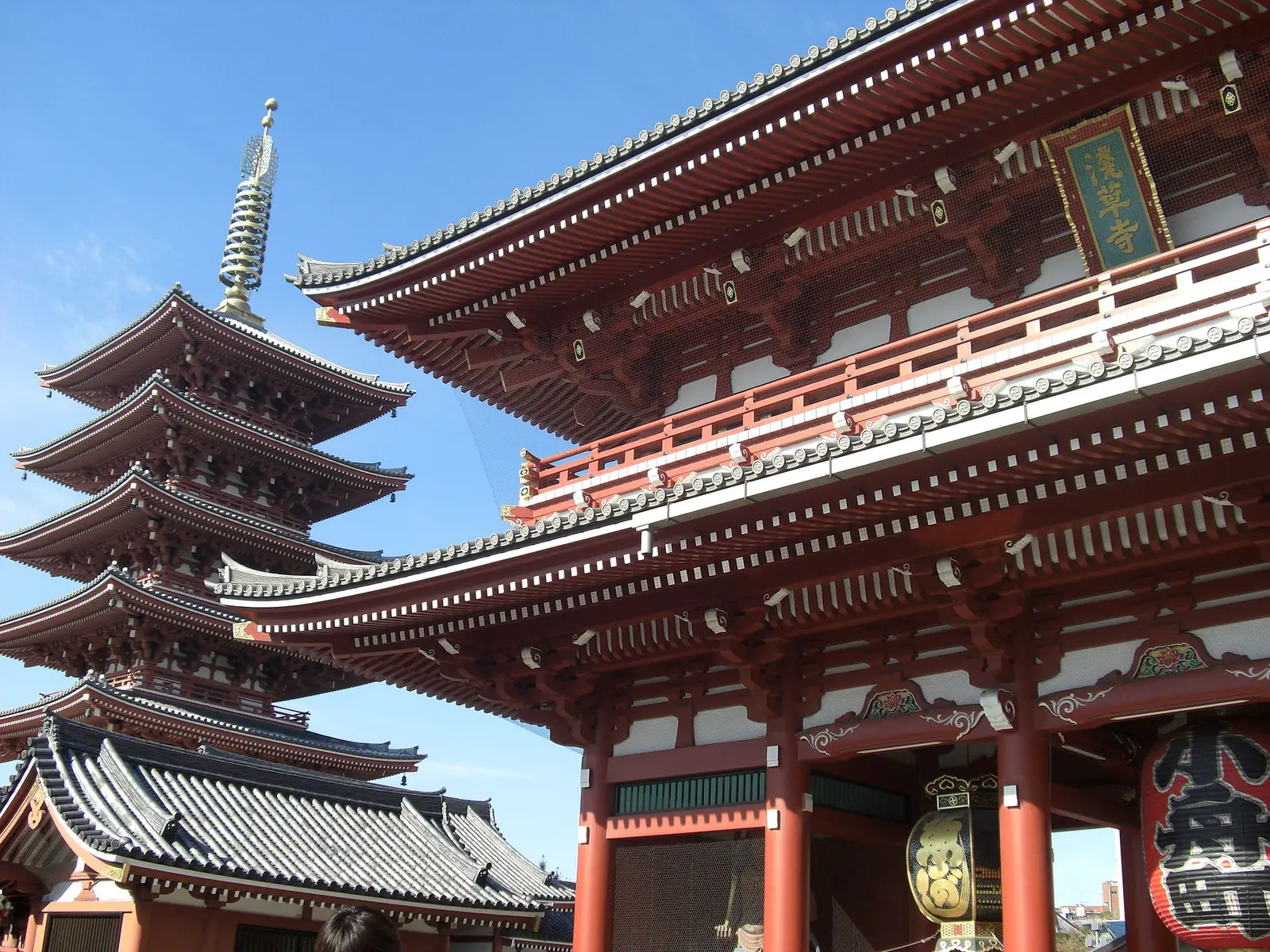
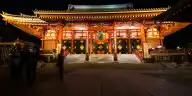
La favorita de las familias es Asakusa. Puedes ir a pie hasta Senso-ji y hasta un parque junto al río, las calles son llanas y los edificios, bajos, y varias líneas de tren arrancan aquí, así que sueles conseguir asiento al salir: un detalle que marca la diferencia con un cochecito y un peque cansado. Por la noche vuelves a un Tokio más antiguo y apacible.
Para lo práctico, yo miraría los alojamientos tipo apartamento: una pequeña cocina para calentar leche y guardar snacks, y una lavadora para lavar la ropa de los niños importan más que unas vistas. Las habitaciones de aparthotel (del estilo que gestiona MIMARU) y las habitaciones familiares con un rincón de tatami para jugar (como el Villa Fontaine Grand Ariake, junto a la bahía) son las opciones que más mencionan las familias. Si te alojas cerca de la bahía, también tendrás a mano los museos y teamLab.
Otras dos zonas que conviene conocer: Odaiba, la isla junto a la bahía, está pensada de punta a punta para las familias: centros comerciales con zonas de juego cubiertas, un museo de ciencias, teamLab Planets, una gran tienda de artículos para bebés; muy útil si llueve o hace demasiado calor y necesitas un plan B bajo techo. Y Roppongi sorprende de día: un parque verde, un pequeño parque infantil y una juguetería, todo ello con buenas conexiones de metro. Te alojes donde te alojes, busca una estación con ascensor y un konbini en la esquina; ambos son fáciles de encontrar.
Tokio (base en Asakusa)
~10 minUeno (zoo y parque)
~25 minBahía de Odaiba y Toyosu
~1 hKamakura y el mar
Transporte y billetes
Consigue primero una tarjeta IC y podrás dejar de pensar en billetes casi por completo. Es una tarjeta inteligente prepago y recargable (tocas al entrar, tocas al salir, la tarifa se calcula sola), y tanto Suica como PASMO funcionan en los trenes JR, el metro, los ferrocarriles privados y los autobuses de Tokio. Para los niños hay dos ventajas que ahorran dinero y complicaciones: una IC infantil cobra automáticamente la media tarifa, y los menores de seis años viajan gratis (hasta dos gratis por adulto que paga), así que los más chiquitines no necesitan tarjeta alguna. Los detalles de las tarifas están en los recuadros de abajo.
Con niños en Tokio, lo difícil no es la gente, sino encontrar ascensores. Lo que de verdad cansa en la ciudad son las escaleras y los largos pasillos subterráneos, y la solución a la que llega toda familia es la misma: en Google Maps, elige la opción de ruta accesible para sillas de ruedas, y te llevará a los ascensores y a las salidas sin escalones. Yo también llevaría un cochecito de viaje ligero que se pliegue y se recline (para que el peque pueda echar la siesta en cualquier parte; si puede dormir fuera, podéis pasar todo el día en la calle) antes que uno grande y pesado; si prefieres no volar con él, al llegar puedes comprar fácilmente una silla paraguas barata en una tienda de artículos para bebés.
Y aprovecha lo que la ciudad ha preparado para las familias. En Tokio, la ayuda a las familias forma parte de la propia red de transporte: un «Rincón de la Sonrisa Infantil» en una estación con sala de lactancia, alquiler de cochecitos y una máquina expendedora de pañales y leche de fórmula; y cada centro comercial tiene una sala para bebés limpia con calientabiberones y microondas para la comida del bebé. Si una persona con una pequeña placa se te acerca mientras lidias con una rabieta, es para ofrecerte ayuda, no para quejarse; esa placa sirve precisamente para eso. Saber que hay de todo esto por todas partes ya te permite viajar mucho más tranquilo.
Asakusa y la ciudad baja: instálate, no corras
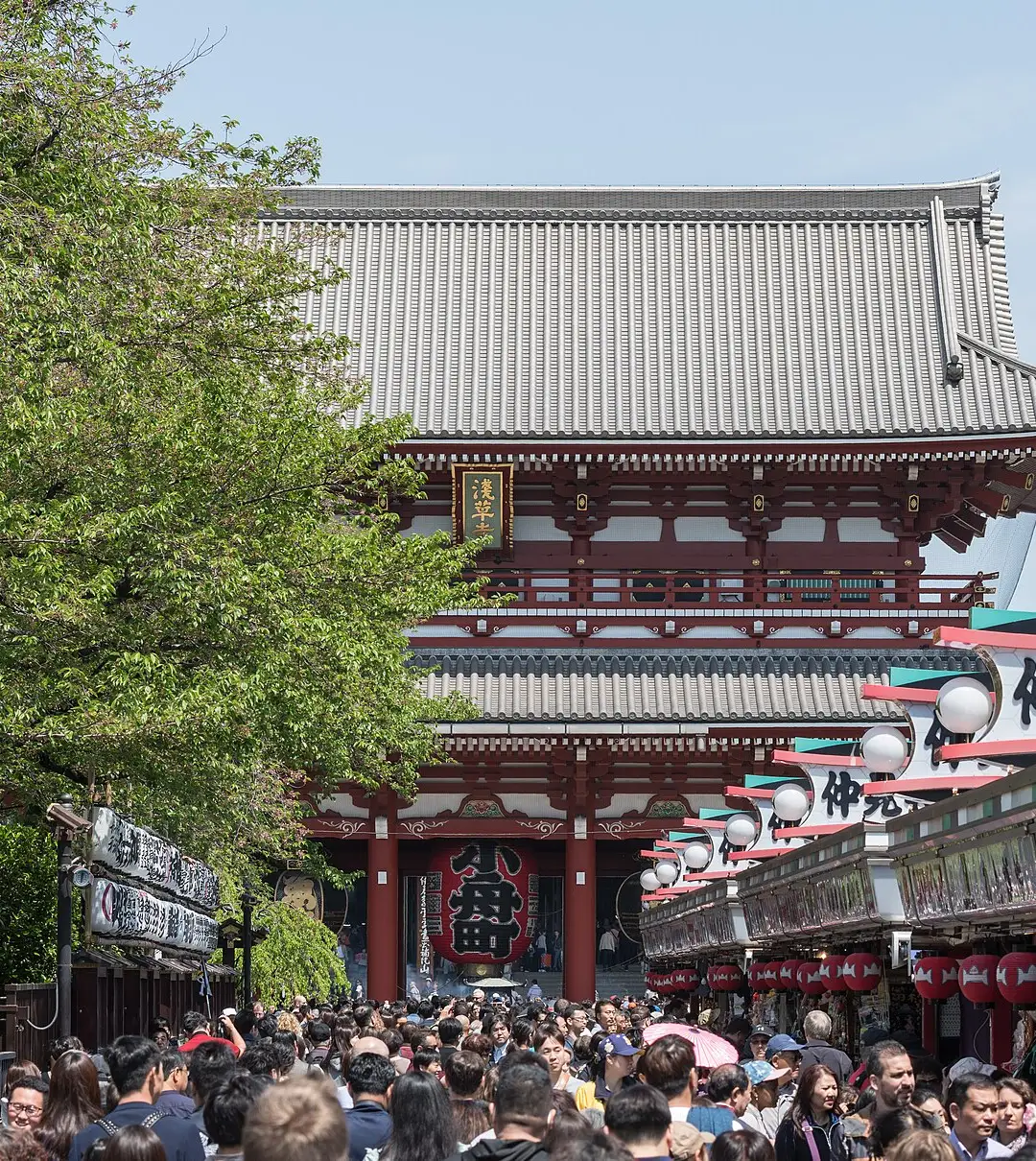
Yo haría a propósito un primer día tranquilo. Con el jet lag, es probable que estéis en pie al amanecer con los niños, así que aprovecha esa energía de primera hora para ir a Senso-ji antes de que se llenen las callejuelas, y luego quédate cerca de tu base y deja que todos se recuperen del vuelo. El templo en sí es más bien cosa de los mayores; a los peques suelen entusiasmarles mucho más las máquinas de cápsulas de juguete que flanquean la entrada y el parque junto al río al otro lado del puente. Y no pasa nada: hay sitio para las dos cosas. Por el camino verás hasta qué punto la ciudad está pensada para tu hijo, y no solo dispuesta a tolerarlo: las salas para bebés, los ascensores, el Rincón de la Sonrisa que usarás toda la semana. Todo está ya ahí.
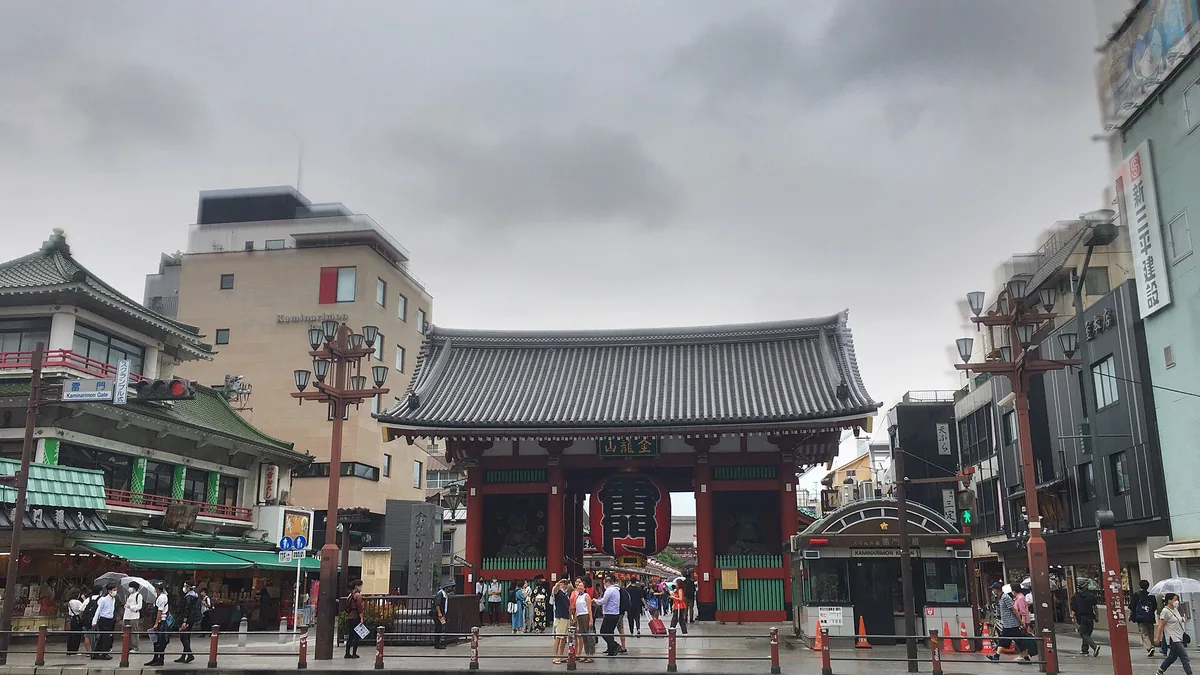
- 08:00Senso-ji, tempranoDesde la estación de Asakusa hay unos minutos a pie hasta el gran farol rojo Kaminarimon y la galería Nakamise que sube hasta el templo. Ve temprano mientras hay tranquilidad. Lleva en el bolsillo unas cuantas monedas de cien yenes para las máquinas de cápsulas de juguete gachapon que hay por el camino: para muchos peques son lo mejor de todo el día. Guía relacionada: Senso-ji.
- A media mañanaParque Sumida, para corretearAl otro lado del río, detrás del templo, el parque Sumida es una zona verde abierta con la Skytree alzándose sobre él: un buen sitio para que los peques corran después del vuelo largo. Es una mañana pensada para quedarse cerca de la base, con poco transporte.
- Por la tardeTiempo tranquilo y el ritual del konbiniDe vuelta cerca de tu base para descansar mientras todos se adaptan al cambio de horario. Aquí empieza una costumbre que os encantará: un paseo a la tienda de conveniencia de la esquina para comprar onigiri, un bollo dulce y un yogur bebible. Es una solución sencilla para los niños quisquillosos con la comida y para aguantar hasta que abren los restaurantes, y a los niños suele encantarles elegir.
- Al anochecerUna cena familiar tempranaYo cenaría temprano y me saltaría las barras diminutas de diez asientos que no van bien con niños pequeños. Un restaurante familiar (un «fami-resu») o una planta de restaurantes de unos grandes almacenes tiene tronas, espacio, barra de bebidas y el okosama-lunch: el plato infantil, con arroz al kétchup a menudo en forma de montañita con una banderita, inventado aquí hace un siglo con el único fin de hacer sonreír a un niño.
teamLab y una tarde en la bahía: el día del gran asombro
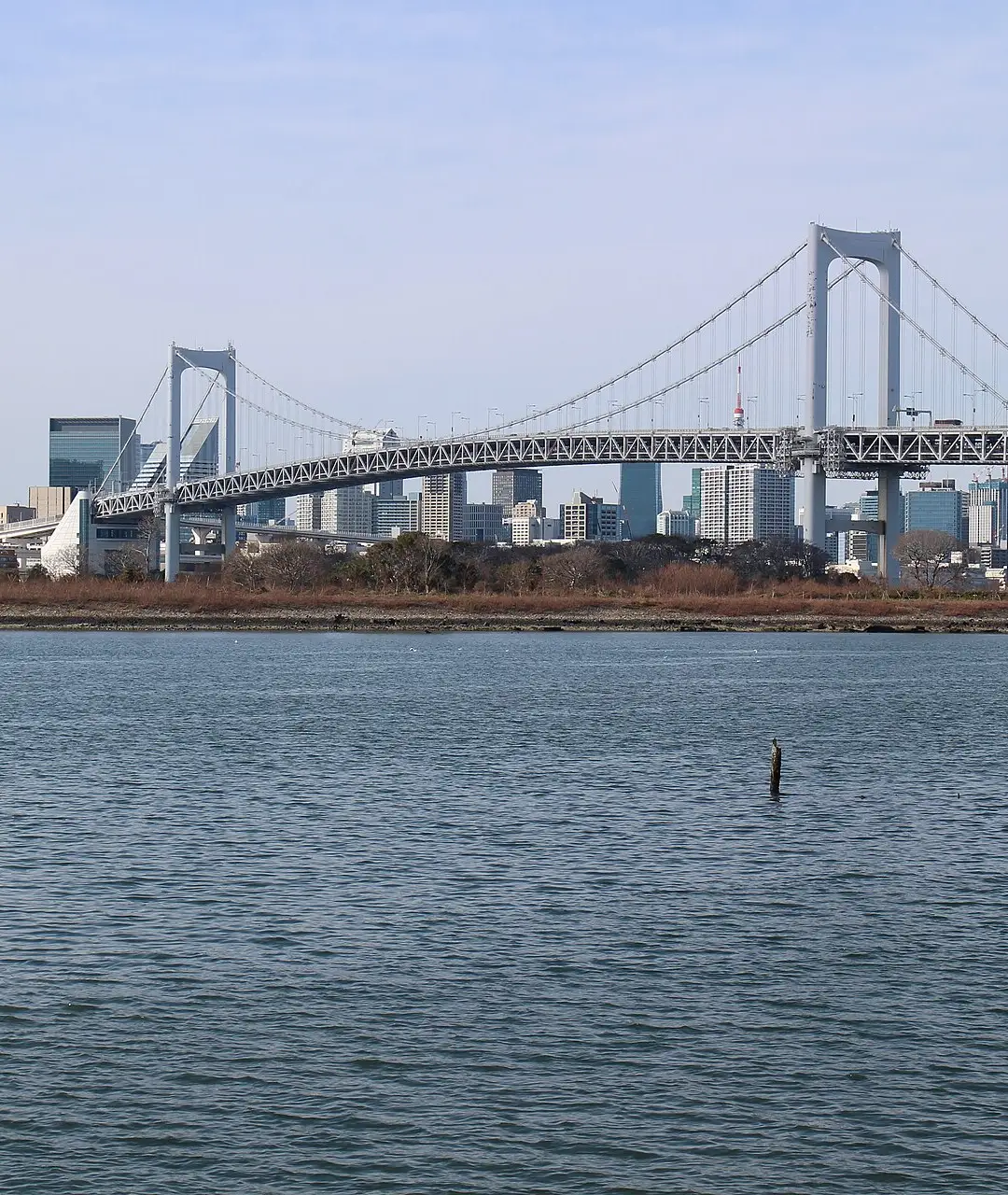
El segundo día es el de los sentidos. Un mundo de arte digital de teamLab es de esas cosas raras que enganchan a todas las edades a la vez, y cuál de los dos elegir depende sobre todo de tus hijos. Para los menores de cuatro años, el trazado abierto y sin agua de teamLab Borderless les deja deambular y explorar a su propio ritmo; para los mayores, a quienes les encantará chapotear, está teamLab Planets, en Toyosu, donde se va descalzo y en algunos puntos el agua llega a la rodilla (los cochecitos no pueden entrar ahí, así que lo suyo es un portabebés y una muda). Sea como sea, reserva con antelación una entrada con hora asignada. Después de tanto asombro por la mañana, yo pasaría una tarde tranquila junto a la bahía. Algo en lo que fijarse hoy: aquí la amabilidad es institucional (la placa de ayuda, las campañas de «amamos a los bebés»), así que la calidez que sientes no es casualidad, es la norma.
- 09:30teamLab (elige según la edad)Un mundo luminoso de espejos y luz que se recorre descalzo y por el que los peques avanzan con los ojos como platos. Borderless (en el complejo Azabudai Hills) va bien para los más chiquitines; Planets (a poca distancia a pie de Shin-Toyosu, en la línea Yurikamome) va bien para niños que disfrutarán chapoteando: sin cochecitos dentro de Planets, solo portabebés, y lleva una muda. Las entradas tienen hora y fecha, así que reserva antes de ir. Guía relacionada: teamLab.
- Por la tardeOdaiba o la bahía de Toyosu, para reponerseLas islas de la bahía están hechas justo para esto: centros comerciales con zonas de juego cubiertas, un museo de ciencias interactivo, sitio para bajar el ritmo y dejar que llegue una siesta. Si estás cerca de Toyosu, la zona del mercado se presta a un paseo fácil y tranquilo. Guía relacionada: Mercados de Toyosu y Tsukiji.
- Al anochecerCena en la planta del centro comercial, tempranoUna planta de restaurantes en uno de los centros comerciales de la bahía mantiene la cena sencilla: tronas, menús infantiles y todo a un trayecto en ascensor. La idea es cenar antes de la hora punta y sin prisas.
Ueno: el zoo y el parque, una apuesta segura
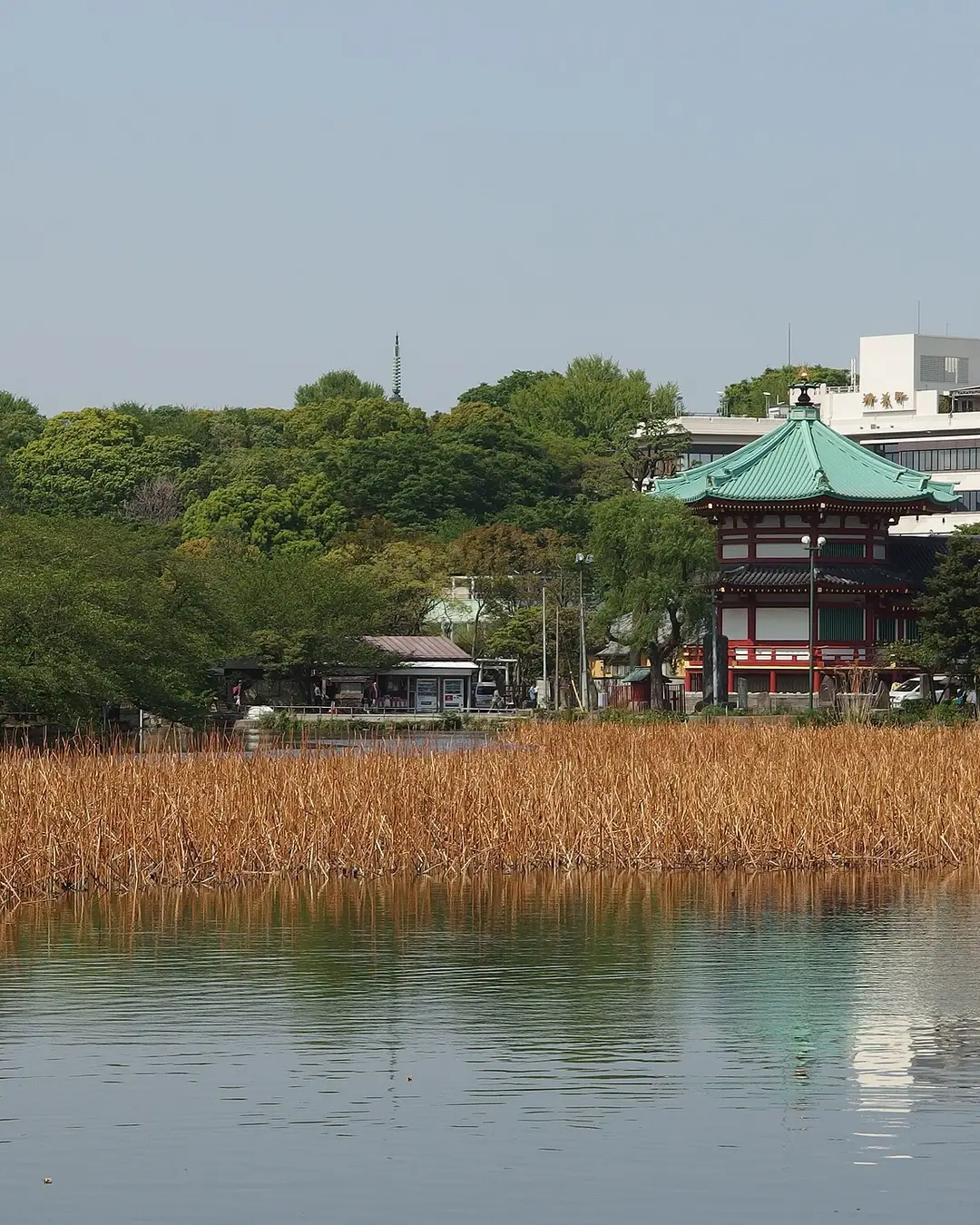
Si buscas un día que salga bien seguro con un peque, lo mejor son los animales y los espacios abiertos. Ueno junta un zoo y un gran parque, ambos verdes y aptos para cochecitos, con las barcas cisne en el estanque y sitio de sobra para correr de una cosa a otra. Un aviso para evitar decepciones: el Zoo de Ueno no tiene ahora mismo pandas gigantes, así que yo destacaría las barcas cisne y la enorme variedad de animales antes que prometer un panda. Hoy la preocupación debería desaparecer del todo: en Japón la gente se fija en el esfuerzo de la madre o el padre, no en el ruido del niño. La imagen que guardo es la de un padre que bajó en silencio a toda su familia del tren para agacharse y hablar con su hijo disgustado en el andén vacío. Cuidar de los hijos con dignidad: eso es lo que la gente ve aquí en los padres.
- 09:30Zoo de Ueno, a la aperturaA poca distancia a pie de la salida del parque de la estación de Ueno. Abre a las nueve y media y cierra los lunes; los niños hasta unos doce años entran gratis (tarifas en el recuadro). Los animales captan la atención de un peque como ninguna otra cosa, y el recinto es llano y apto para cochecitos. (No hay pandas gigantes por el momento: plantéalo como «todos los demás animales» y no habrá caritas de decepción.)
- A mediodíaParque de Ueno y las barcas cisneEl parque que rodea el zoo es amplio y verde, con barcas de pedales en forma de cisne en el estanque Shinobazu y espacio para dejar que todos corran y recarguen pilas. Un mediodía fácil, barato y sin presión.
- Por la tardeTiempo tranquilo y luego una cena tempranaDe vuelta para descansar y luego cenar temprano otra vez en un restaurante familiar o en una planta de restaurantes de unos grandes almacenes: el okosama-lunch es un acierto seguro, y gracias a la barra de bebidas ganarás diez minutos de calma.
Kamakura junto al mar: la excursión temprana
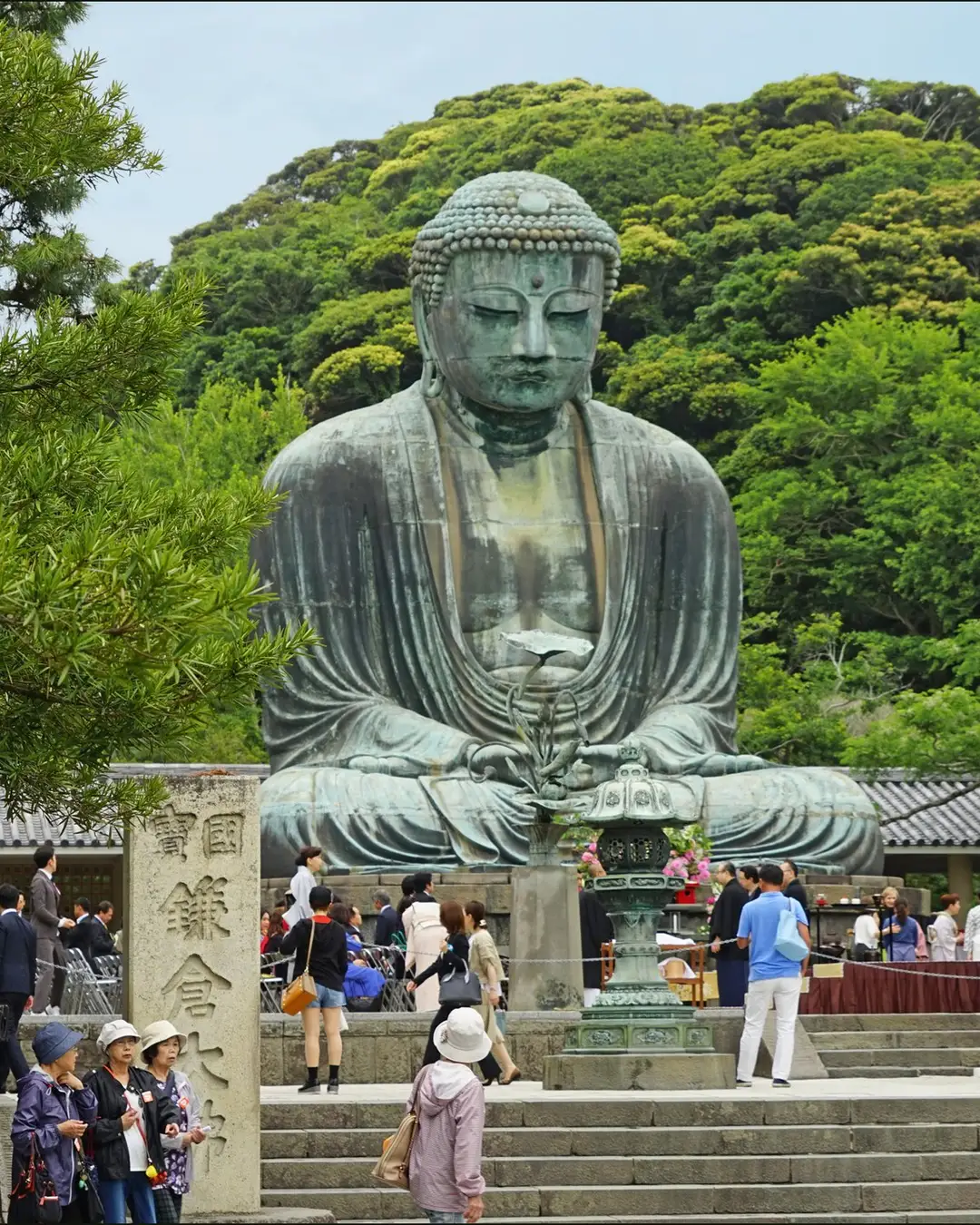
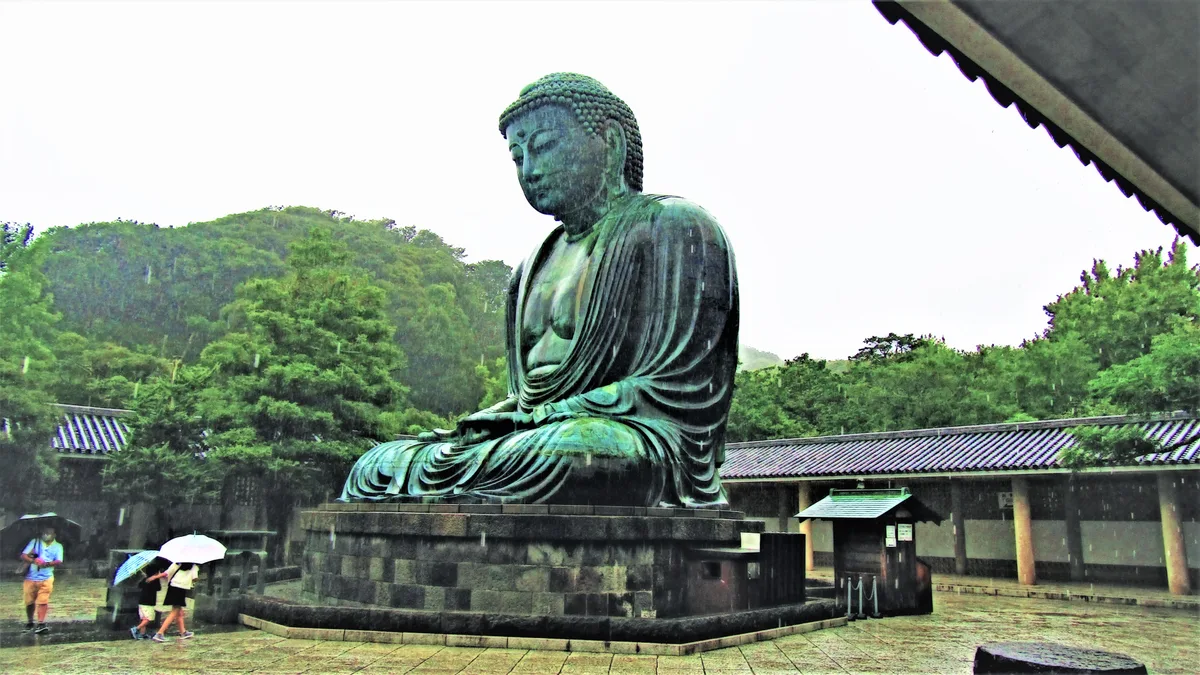
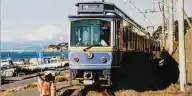
Hoy el jet lag juega a tu favor. Que los peques estén en pie al amanecer significa que puedes coger un tren temprano y llegar al Gran Buda de Kamakura cuando está casi vacío, y aquí hay un placer particular que pocos lugares ofrecen: puedes entrar en el gigantesco Buda de bronce. Añade el pequeño tranvía Enoden traqueteando hacia la costa (un viaje que a los niños les encanta por sí mismo) y el aire de mar de la playa, y es un día más suave y aireado que el de la ciudad. Con este día yo cerraría el viaje, y con lo que las familias repiten al volver: es seguro, y mucho más amable con los niños de lo que temías; perderás la cuenta de cuántas veces alguien sonríe y dice «kawaii» a tus hijos. Podéis hacerlo sin problema, y os lo vais a pasar muy bien.
- TempranoRumbo a Kamakura antes de las multitudesLa línea JR Yokosuka va directa desde el centro de Tokio hasta Kamakura en aproximadamente una hora (si subes temprano, casi seguro encontrarás asiento para que los niños sigan dormitando). Madrugar es el truco que más recomiendan las familias: el Gran Buda casi para vosotros solos. Horarios y tarifas están en los recuadros.
- Por la mañanaEl Gran Buda de Kotoku-in, y por dentroDesde Kamakura, coge el pequeño tranvía Enoden unas paradas hasta Hase y sube a pie. El Buda de bronce lleva siglos sentado al aire libre; por una pequeña tarifa extra puedes entrar dentro de la figura hueca, algo que a los niños les resulta maravillosamente extraño. El trayecto en tranvía ya es parte de la diversión. Guía relacionada: Kamakura.
- A mediodíaPlaya de Yuigahama, aire de marCon un corto trayecto en Enoden desde Hase llegas a la orilla de la bahía de Sagami: arena, aire de mar y sitio para correr, un cambio total de aires respecto a la ciudad. Un mediodía tranquilo y sin horarios antes del viaje de vuelta.
- Por la tardeBambú, o simplemente de vueltaSi quedan ganas, el bosque de bambú de Hokoku-ji se presta a un paseo tranquilo y sombreado; si los niños están agotados, yo me saltaría la abarrotada calle de souvenirs y volvería temprano. Un viaje sin prisas da más de sí.
Si tienes un día más
+1 díaCon un día extra, lo mejor es añadir tiempo, no distancia: yo lo mantendría en Tokio o cerca para que nadie rehaga las maletas. Un segundo día tranquilo en la bahía es buena idea: un desayuno de mercado cerca de Toyosu y luego un gran parque de juegos cubierto (la ciudad donde los niños juegan a desempeñar oficios, o una gran sala de juegos acolchada) para pasar las horas más calurosas o lluviosas. O haz la corta escapada a Yokohama precisamente porque es corta: alberga un museo infantil de Anpanman que a los peques les fascina, y hay varios Pokémon Center repartidos por la ciudad para los fans un poco mayores.
Y si un gran día de parque temático es de verdad el sueño de tu familia, Tokyo Disney Resort queda a un rápido viaje en tren al este, en Maihama; siendo sincero, es lo contrario al ritmo de un niño (días largos, entradas con hora, su propio presupuesto) y en general va bien para niños a partir de unos cinco años, así que le dedicaría un día entero aparte en vez de encajarlo a presión. Es una opción, no una recomendación; ya sabrás si es el tipo de plan que hace feliz a tu familia. Con niños muy pequeños, yo evitaría una excursión de un día a Nikko: los autobuses y las multitudes suelen estropear la experiencia.
Si te falta un día
−1 día¿Vas justo de días? El viaje se puede acortar sin perder lo esencial; solo resiste la tentación de añadir una ciudad. Yo lo dejaría solo en Tokio, sin excursión: Día 1 (Asakusa y el parque junto al río) y Día 2 (un mundo de teamLab y una tarde de bahía), y si tienes un tercero, los animales de Ueno. Las familias que han pasado una semana entera en Tokio volvieron a casa sin aburrirse; con niños pequeños, menos lugares vividos con calma siempre es mejor que muchos lugares con prisas. Elige una o dos cosas que hagan brillar los ojos de tus hijos y dedícales tiempo.
Continúa desde aquí
Más alláSi tienes un viaje más largo, digamos de diez días a dos semanas, puedes prolongar estos días en Tokio hacia el oeste, hasta Kansai, en Shinkansen, y mi único consejo, en el que insisto, es que bajes el ritmo: las familias que corrieron entre ciudades a menudo desearon haber dormido una noche en Kioto en vez de visitarla en el día. Un aviso importante sobre las reservas: una Suica o ICOCA a secas no te dejará pasar al Shinkansen; reserva a través de Smart-EX o compra antes un billete de papel, y reserva plazas en un vagón de asientos reservados para que la familia se siente junta (los menores de seis años viajan gratis en tu regazo).
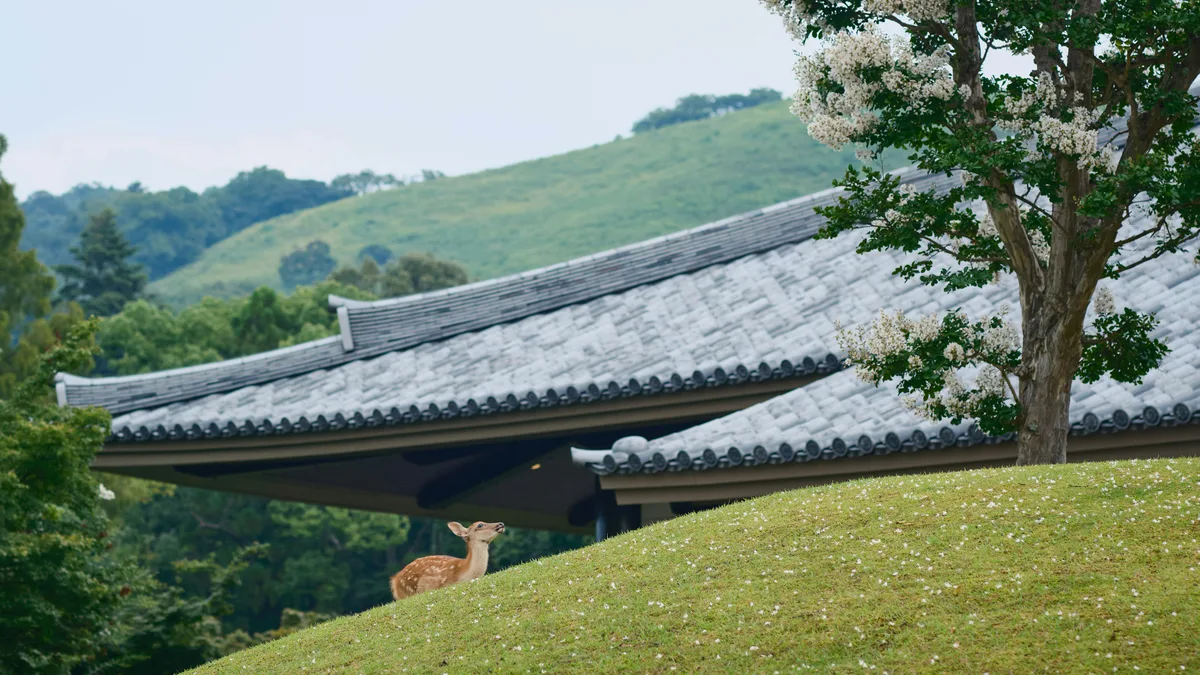
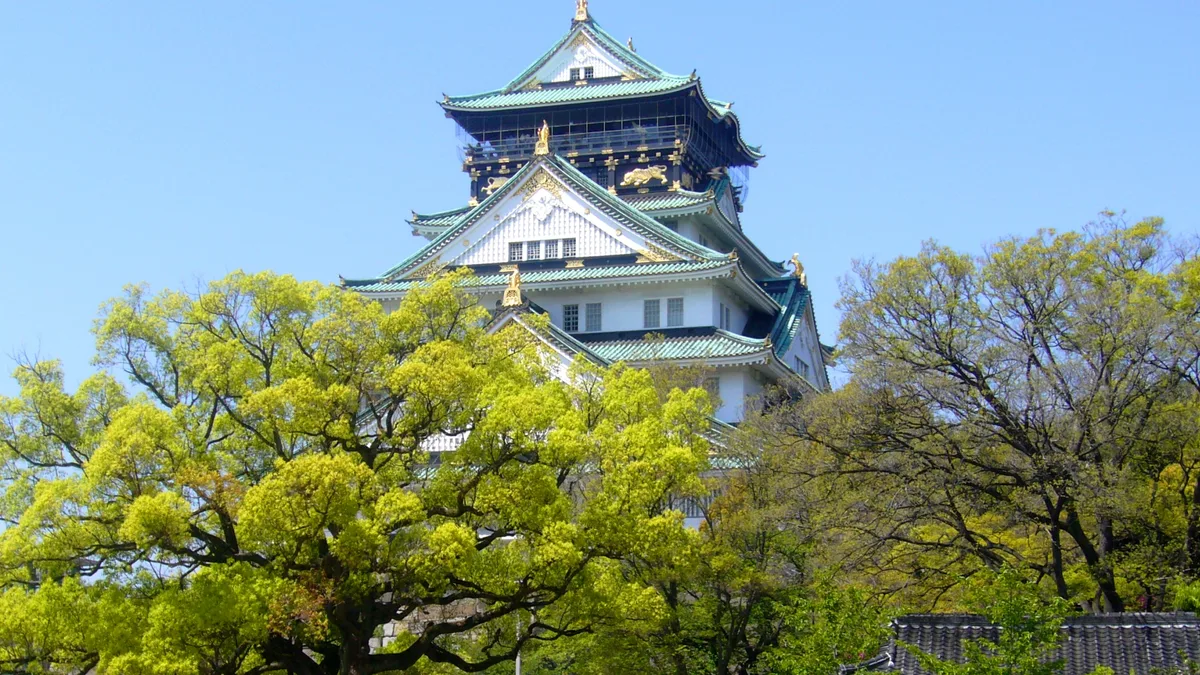
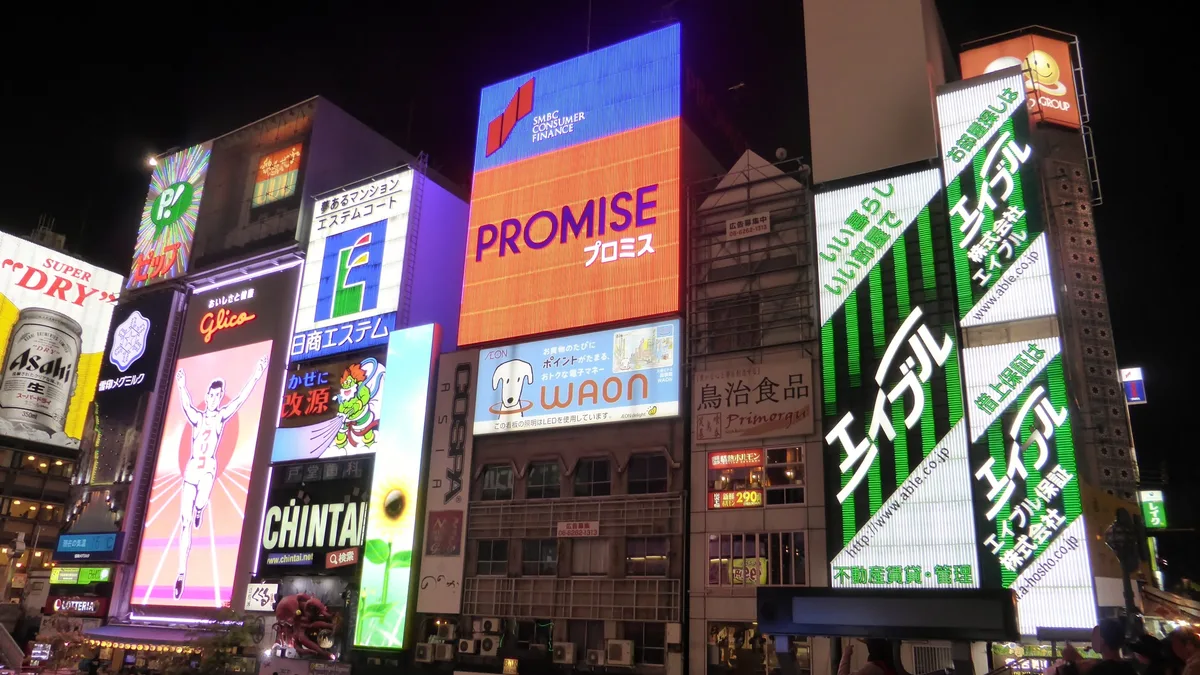
Una vez allí, mantén el mismo ritmo pensado para niños. Los ciervos de Nara son lo que más atrae a los niños: compra un solo paquete de galletas para ciervos, dáselas rápido y luego enseña las manos abiertas y vacías; con los más pequeños, yo mismo sostendría las galletas, ya que un ciervo que huele comida en un puñito puede empujar o dar un mordisco. Osaka tiene el recinto del castillo para correr y el luminoso canal de Dotonbori para una noche, y su acuario, el Kaiyukan, está construido como una única rampa en espiral larga que baja curvándose alrededor de un enorme tanque de tiburones ballena: sin escaleras, sin decisiones, sin dar marcha atrás, justo lo que necesita un niño de cuatro años que se distrae enseguida. Universal Studios Japan también está ahí por si os apetece un gran día de parque, con la misma salvedad que Disney. Elige dos o tres, deja el resto y guarda tiempo libre.
WMJS se escribe en Japón, por un japonés que quiere que conozcas su país un poco mejor, y se traduce al español con ayuda de la IA. Revisamos cada página, pero el español no es nuestra lengua materna. Si una frase suena rara, dínoslo. Con una frase basta.
Gracias. Cada mensaje lo lee una persona.
Bueno saberlo: tarifas y tiempos
Tarifas de tren para niños y menores (norma nacional de JR)
Tarifa de adulto desde los 12 años; el niño de 6 a 11 paga la mitad de la tarifa de adulto; los menores de 1 a 5 años y los bebés de menos de 1 viajan gratis (hasta dos menores de seis gratis por adulto que paga tarifa; un tercero, o un asiento reservado propio, paga la tarifa infantil). Los menores de seis no necesitan tarjeta.
JR-Central: tarifas de adultos y niños (oficial)a fecha de 2026-06
Tarifas del Tokyo Metro por edad
Adulto desde los 12; niño de 6 a 11 media tarifa; menores de 1 a 6 gratis, hasta dos por adulto acompañante (un tercero paga tarifa infantil); bebés de menos de 1 gratis.
Tokyo Metro: tarifas por edad (oficial)a fecha de 2026-06
Child Suica / Child PASMO
Una Child Suica o PASMO descuenta la media tarifa automáticamente. Cómprala en un mostrador atendido con el pasaporte del niño como prueba de edad; el torniquete emite un pequeño sonido de pajarito cuando pasa una tarjeta infantil.
JR-East: Suica (oficial)a fecha de 2026-06
Aeropuerto de Haneda -> Hamamatsucho (Tokyo Monorail)
Unos 13 minutos en el Haneda Express; transbordo a la línea JR Yamanote en Hamamatsucho. Adulto ¥519 / niño ¥259 con IC. Espacio para cochecitos en los extremos del vagón; IC admitida.
Tokyo Monorail (información oficial de tarifas)a fecha de 2026-06
Aeropuerto de Narita -> centro de Tokio (N'EX)
El tren expreso Narita Express llega a la estación de Tokio en unos 53 minutos, todos los asientos reservados (un asiento garantizado para niños cansados). Tarifa actual en la página oficial del Narita Express de JR-East.
JR-East: Narita Express (oficial)a fecha de 2026-06
Senso-ji (Asakusa)
A unos 5 minutos a pie de la estación de Asakusa (líneas Tokyo Metro Ginza, Toei Asakusa, Tobu y Tsukuba Express). El recinto abre a todas horas; el pabellón principal abre de la mañana temprano hasta la tarde; entrada gratuita.
JNTO / Japan.travel: Senso-ji (oficial)a fecha de 2026-06
teamLab Planets (Toyosu): visita con niños
A un minuto aproximadamente de la estación de Shin-Toyosu (línea Yurikamome). Las entradas tienen hora y fecha, así que reserva con antelación; los niños de 4 a 12 años pagan tarifa reducida y los menores de 3 años entran gratis (aun así se necesita una entrada gratuita). No se permiten cochecitos dentro (aparcamiento fuera), pero los portabebés sí; se va descalzo, con agua hasta la rodilla y salas oscuras, así que lleva una muda. Un adulto por cada tres niños, y los menores de 13 no pueden entrar solos. Precios actuales en la web oficial.
teamLab Planets: Ayuda oficiala fecha de 2026-06
Zoo de Ueno
Abierto de 9:30 a 17:00 (última entrada 16:00), cerrado los lunes y del 29 de diciembre al 1 de enero. Adulto ¥600; los niños hasta 6.º de primaria (unos 12 años) gratis. A unos 5-7 minutos a pie de la estación JR de Ueno (salida del parque). El zoo no tiene ahora mismo pandas gigantes.
Tokyo Zoo Net: Zoo de Ueno (oficial)a fecha de 2026-06
Kamakura: el Gran Buda (Kotoku-in)
Línea JR Yokosuka directa desde Tokio/Shinagawa hasta Kamakura (aproximadamente 1 hora), luego la línea Enoden hasta Hase (unos 7 min) y un corto paseo. El recinto abre desde las 8:00 (cierre 17:30 abr-sep / 17:00 oct-mar); adulto ¥300, niño de 6 a 12 ¥150, menor de 6 gratis. Puedes entrar dentro del Buda de bronce (8:00-16:30) por una pequeña tarifa extra.
Kotoku-in (oficial)a fecha de 2026-06
Rincón de la Sonrisa Infantil de Tokio (prueba de una red pensada para familias)
Tokio abrió su primer «Rincón de la Sonrisa Infantil» en la estación de Ueno-okachimachi en 2023: una sala de lactancia (8:00-20:00), alquiler de cochecitos (¥250 la primera hora, ¥100 cada 30 min extra) y una máquina expendedora de pañales y leche de fórmula líquida. Se están añadiendo más estaciones.
Gobierno Metropolitano de Tokio (oficial)a fecha de 2026-06
Tokio -> Shin-Osaka (Tokaido Shinkansen, la ampliación a Kansai)
Unas 2 horas 15-30 minutos (algo más de 2 horas hasta Kioto). Los menores de seis años viajan gratis en tu regazo, sin asiento propio; reserva asientos en un vagón ordinario para que la familia se siente junta. Nota: una Suica/ICOCA a secas no te dejará pasar al Shinkansen; vincúlala a una reserva de Smart-EX o compra antes un billete de papel.
Smart-EX: subir a bordo con una tarjeta IC (oficial)a fecha de 2026-06
Ciervos de Nara (ampliación a Kansai)
Alrededor de 1.300 ciervos salvajes en libertad, protegidos como bienes culturales vivos. Lo único que se les puede dar es shika-senbei (galletas de salvado de arroz, unos ¥200 el paquete; su venta ayuda a financiar la protección de los ciervos). Dáselas enseguida y luego enseña las manos abiertas; los ciervos pueden empujar o dar un mordisco cuando se emocionan, así que vigila a los niños pequeños.
Turismo oficial de la ciudad de Nara (narashikanko.or.jp)a fecha de 2026-06
Acuario Kaiyukan de Osaka (ampliación a Kansai)
A unos 5 minutos a pie de la estación de Osakako (línea Chuo del Osaka Metro). Subes hasta arriba y luego recorres una rampa en espiral continua que baja suavemente alrededor del tanque central de tiburones ballena: sin escaleras y sin dar marcha atrás, lo que va bien para los niños pequeños y los cochecitos.
JNTO / Japan.travel: Acuario Kaiyukan de Osaka (oficial)a fecha de 2026-06
Tokyo Disney Resort (una opción, sin recomendación)
Estación JR de Maihama (líneas Keiyo / Musashino) desde la estación de Tokio en unos 15 minutos; a unos 5 minutos a pie de Tokyo Disneyland, y a DisneySea se llega con el monorraíl Disney Resort Line. En general va bien para niños a partir de unos cinco años. Todos los detalles en la página oficial de acceso.
Tokyo Disney Resort: acceso (oficial)a fecha de 2026-06
Para profundizar
9 min· 6 cap.
Antes de irMientras caminas
Visitar el Senso-ji, el templo más antiguo de Tokio
¿Vale la pena visitar el Senso-ji? Ponderamos 125 voces de viajeros: el 54% dice claramente que sí. Horarios, entrada gratuita, cuánto tiempo necesitas y por qué la multitud siempre ha sido parte de la oración, con audioguía incluida.
Senso-ji Temple

8 min· 6 cap.
Antes de irMientras caminas
Visitar teamLab Tokio: Borderless y Planets
¿Vale la pena teamLab Tokio? Ponderamos 79 voces de viajeros: el 57% dice que sí, las reseñas japonesas son aún más cálidas con un 75%. Cómo elegir entre Borderless y Planets, reservar, vestirse, con audioguía.
teamLab Tokyo
9 min· 6 cap.
Antes de irMientras caminas
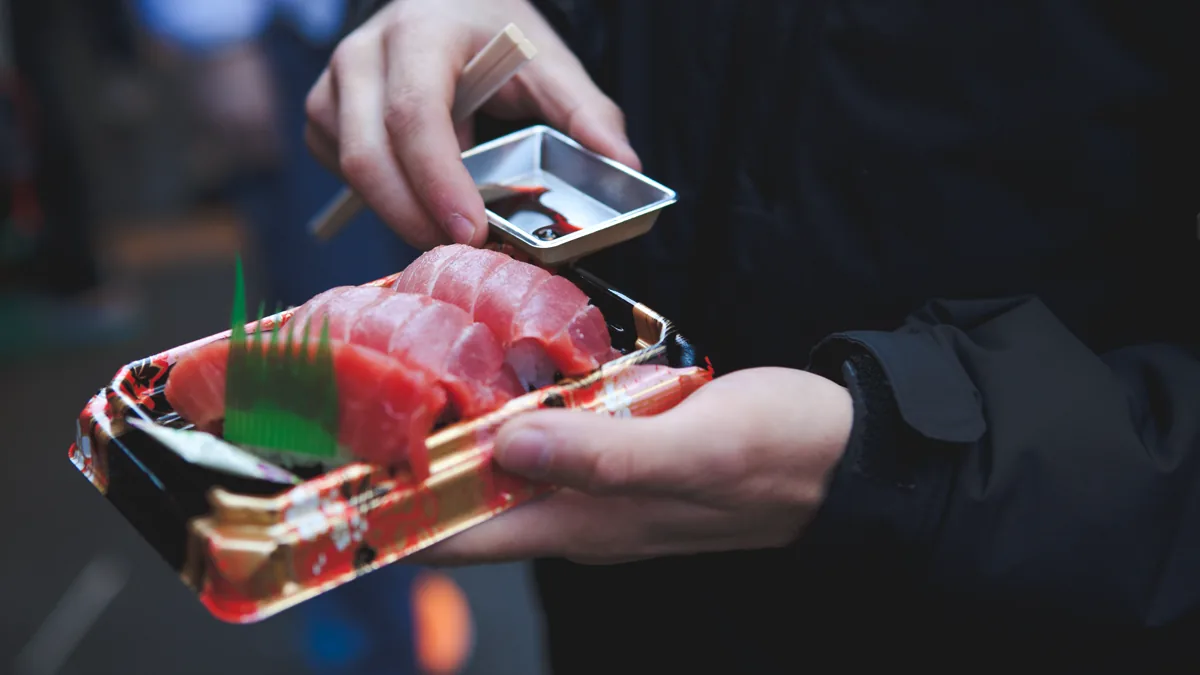
Toyosu y Tsukiji — el mercado de pescado de Tokio que se partió en dos
Toyosu y Tsukiji, los dos mercados de pescado de Tokio: la subasta de atún, el desayuno de sushi y la calle gastronómica. Guía cálida para visitarlos bien.
Toyosu Market & Tsukiji Outer Market
13 min· 5 cap.
Antes de irMientras caminas
Visitar Kamakura, la antigua capital samurái de Japón junto al mar
¿Merece la pena Kamakura? Contamos 177 voces de viajeros: el 73% dice que sí y solo el 5% se sintió decepcionado. El Gran Buda al aire libre, sin la sala que lo cubría, el santuario de la primera capital samurái de Japón y el pequeño tren Enoden hasta el mar, con audioguía incluida.
Kamakura
12 min· 5 cap.
Antes de irMientras caminas
Visitar el parque de Nara, donde los ciervos sagrados de Japón llevan mil años inclinándose
¿Vale la pena visitar el parque de Nara? De 100 opiniones de viajeros ponderadas, el 65 % dice que sí, y las reseñas japonesas son aún más favorables, con un 80 %. Gratuito, abierto día y noche, con más de 1.400 ciervos sagrados, junto al Gran Buda del Tōdai-ji y el camino de faroles del Kasuga Taisha, con audioguía.
Nara Park
10 min· 6 cap.
Antes de irMientras caminas
El Castillo de Osaka — La torre que Osaka construyó tres veces
La guía cálida del Castillo de Osaka: amar un torreón reconstruido, el parque gratuito frente a la torre de pago, y descubrir que el foso y los colosales muros de piedra son el verdadero castillo de cuatro siglos.
Osaka Castle
11 min· 6 cap.
Antes de irMientras caminas
Visitar Dotonbori, el canal de neón donde vive el espíritu kuidaore de Osaka
¿Vale la pena visitar Dotonbori? Ponderamos 200 voces de viajeros: el 37% dice que sí sin duda, el 36% que basta un vistazo, y los viajeros japoneses lo valoran aún mejor, con un 62%. El cartel de Glico, el takoyaki, la regla de la salsa compartida y el callejón tranquilo de atrás, con guía de audio.
Dotonbori
Para leer antes del viaje



Cómo funciona Japón
¿Vale la pena visitar Odaiba? Lo que dicen 169 visitantes reales


Cómo funciona Japón
¿Vale la pena el Acuario de Osaka Kaiyukan? Esto dicen 163 visitantes reales

Combínalo con otro plan
Tokio y alrededores, unos días sin prisa
La capital y sus excursiones de un día — el viejo Tokio, Kamakura junto al mar, Nikko en la montaña — a un ritmo cómodo
Kansai, unos días sin prisa
El corazón más antiguo de Japón — Kioto, Nara, Osaka — a un ritmo cómodo
Okinawa, unos días sin complicaciones
Las islas del viejo Reino de Ryukyu: Shuri, la costa de arrecife, Churaumi y el sur sagrado, a un ritmo cálido y sin prisas
Cerezos en flor, un viaje ajustado a la floración
La Ruta Dorada de Tokio a Kioto al ritmo de los cerezos, y cómo seguir el avance de la floración como hacen los japoneses, para que una fecha que no puedes reservar se convierta en lo mejor del viaje
Fuentes
- JR-Central: tarifas de adultos y niños (oficial)
- Tokyo Metro: tarifas por edad (oficial)
- JR-East: Suica (oficial)
- Tokyo Monorail: tarifas (oficial)
- JR-East: Narita Express (oficial)
- JNTO / Japan.travel: Senso-ji
- teamLab Planets: Ayuda oficial
- Tokyo Zoo Net: Zoo de Ueno (oficial)
- Kotoku-in: el Gran Buda de Kamakura (oficial)
- Gobierno Metropolitano de Tokio: Rincón de la Sonrisa Infantil (oficial)
- Smart-EX: subir a bordo con una tarjeta IC (oficial)
- Turismo de la ciudad de Nara: los ciervos del parque de Nara (oficial)
- JNTO / Japan.travel: Acuario Kaiyukan de Osaka
- Tokyo Disney Resort: acceso (oficial)
- JNTO / Japan.travel: Viajar con niños
- GO TOKYO (oficial): Viajar por Tokio con los más pequeños