
This page is also available in English.Read in English →
このページは日本語でも読めます。日本語で読む →
이 페이지는 한국어로도 읽을 수 있습니다.한국어로 읽기 →
這個頁面也有繁體中文版。閱讀繁體中文版 →
这个页面也有简体中文版。阅读简体中文版 →
หน้านี้มีภาษาไทยด้วยอ่านภาษาไทย →
Trang này cũng có bản tiếng Việt.Đọc bằng tiếng Việt →
Cette page existe aussi en français.Lire en français →
Diese Seite gibt es auch auf Deutsch.Auf Deutsch lesen →
Esta página también está disponible en español.Leer en español →
Questa pagina è disponibile anche in italiano.Leggi in italiano →
Sebagai siapa Anda bepergian
Jepang bersama anak, perjalanan pertama
Menginap di satu tempat di Tokyo, satu kegiatan utama per hari, menjelajahi negeri yang ramah keluarga mengikuti ritme si kecil
Terakhir diverifikasi: 2026-06-22
Hari
4 hari: menginap di satu tempat di Tokyo, satu perjalanan sehari ke luar kota, satu kegiatan utama per hari mengikuti ritme anak
Musim terbaik
Sepanjang tahun. Musim semi dan musim gugur paling nyaman; musim panas benar-benar terik untuk si kecil, jadi aku akan mengutamakan tempat dalam ruangan dan berangkat pagi. Musim dingin biasanya cerah dan di dalam kereta terasa hangat
Basis menginap
Menginap di satu tempat di Tokyo sepanjang perjalanan. Asakusa paling disukai keluarga (bisa jalan kaki ke kuil dan taman tepi sungai)
Transportasi
Satu kartu IC (Suica/PASMO) berlaku untuk seluruh kota; kartu IC anak dikenai setengah tarif, dan balita di bawah enam tahun naik gratis
Rencana ini cocok untuk siapa
- Pertama kaliSangat cocok
- Sudah pernahCocok
- Bersama anakSangat cocok
- SoloBukan fokus utama
- BerduaBukan fokus utama
- Tempo santaiCocok
Kapan berkunjungYear-round
Good all year. Spring and autumn are kindest for kid-paced days; Japan's summer heat is real with little ones, so lean on indoor stops and start mornings early. Winter days are clear and the trains are warm — pack layers a child can shed indoors.
Kalau ini pertama kalinya kamu mengajak anak ke Jepang, hal pertama yang ingin kubantu redakan adalah rasa cemas: takut si kecil yang lelah atau rewel akan dipandangi dengan sinis, takut Jepang terlalu rapi dan penuh aturan sampai tak ada tempat untuk anak-anak. Biasanya, begitu tiba, kecemasan itu hampir langsung hilang. Jepang menyediakan banyak fasilitas untuk keluarga: stasiun kereta bawah tanah punya ruang menyusui dan layanan sewa stroller, setiap department store punya ruang bayi yang bersih lengkap dengan penghangat botol, dan ada menu anak yang memang diciptakan untuk membuat anak-anak senang. Orang-orang di sini lebih memperhatikan bagaimana kamu merawat anak daripada seberapa keras suara anakmu.
Karena itu, aku menyusun perjalanan ini mengikuti ritme anak-anak, bukan memaksa mereka mengikuti jadwal. Menginap di satu tempat di Tokyo selama perjalanan supaya tak perlu berkemas berulang kali; kalau membawa anak kecil, hal ini jauh lebih penting daripada tempat wisata mana pun. Sehari cukup satu kegiatan utama, satu taman untuk berlari-lari, makan malam lebih awal, dan sisanya santai saja. Karena jet lag, si kecil akan bangun subuh-subuh; aku menganggapnya keuntungan dan memakainya untuk perjalanan sehari yang harus berangkat pagi. Mampir ke konbini di ujung jalan setiap pagi akan jadi kebiasaan yang ditunggu-tunggu anak-anak. Di bawah ini rute dan tempat menginap pilihanku; silakan atur ulang sesuai kebiasaan sehari-hari keluargamu.
Tempat menginap sebagai basis
Kalau membawa anak kecil, keputusan yang paling meringankan adalah menginap di satu tempat selama perjalanan dan bepergian pulang-pergi dari sana. Setiap pindah hotel berarti berkemas lagi, menyesuaikan jam tidur lagi, dan mengingat lagi letak barang-barang; keluarga yang sering pindah penginapan hampir selalu bilang seharusnya mereka tidak sesering itu pindah. Jadi, yang perlu dipikirkan lebih dulu adalah kawasan mana yang membuat pagi dan malam hari terasa mudah, baru kemudian tempat wisata mana yang akan dikunjungi.
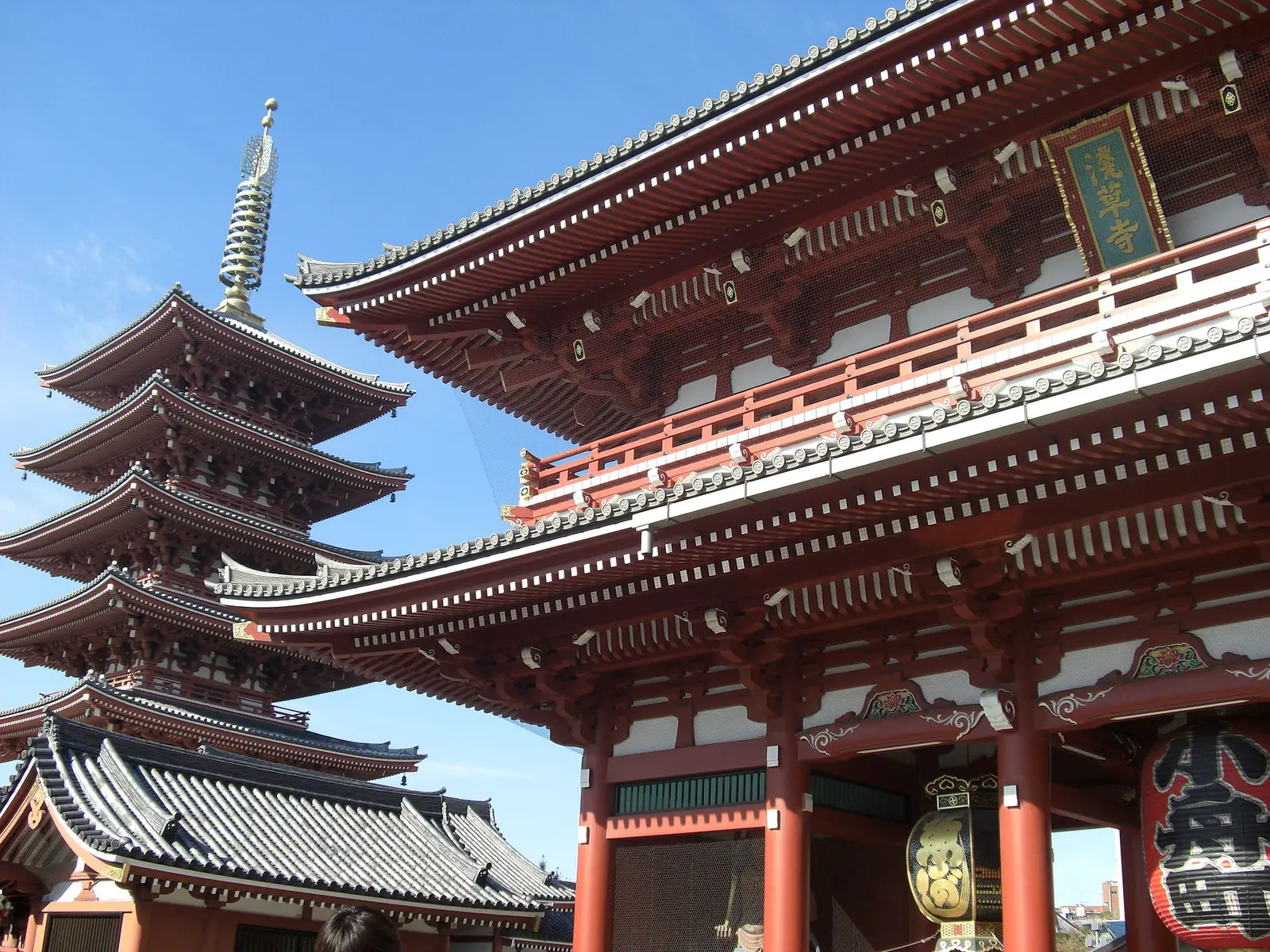
Kawasan yang paling disukai keluarga adalah Asakusa. Kamu bisa berjalan kaki ke Senso-ji dan ke taman tepi sungai, jalanannya datar dan bangunannya rendah, serta beberapa jalur kereta berawal di sini, jadi saat berangkat biasanya kamu dapat tempat duduk; hal kecil ini sangat membantu saat membawa stroller dan balita yang kelelahan. Suasananya seperti Tokyo tempo dulu yang lebih tenang, enak untuk pulang di malam hari.
Soal kepraktisan, aku akan mencari penginapan bergaya apartemen. Dapur kecil untuk menghangatkan susu dan menyimpan camilan, serta mesin cuci untuk mencuci baju anak, lebih berarti daripada pemandangan. Kamar aparthotel (semacam yang dijalankan MIMARU) dan kamar keluarga dengan sudut tatami kecil untuk bermain (seperti Villa Fontaine Grand Ariake di dekat teluk) adalah tipe kamar yang sering disebut para keluarga. Kalau menginap di dekat teluk, kamu juga dekat dengan museum dan teamLab.
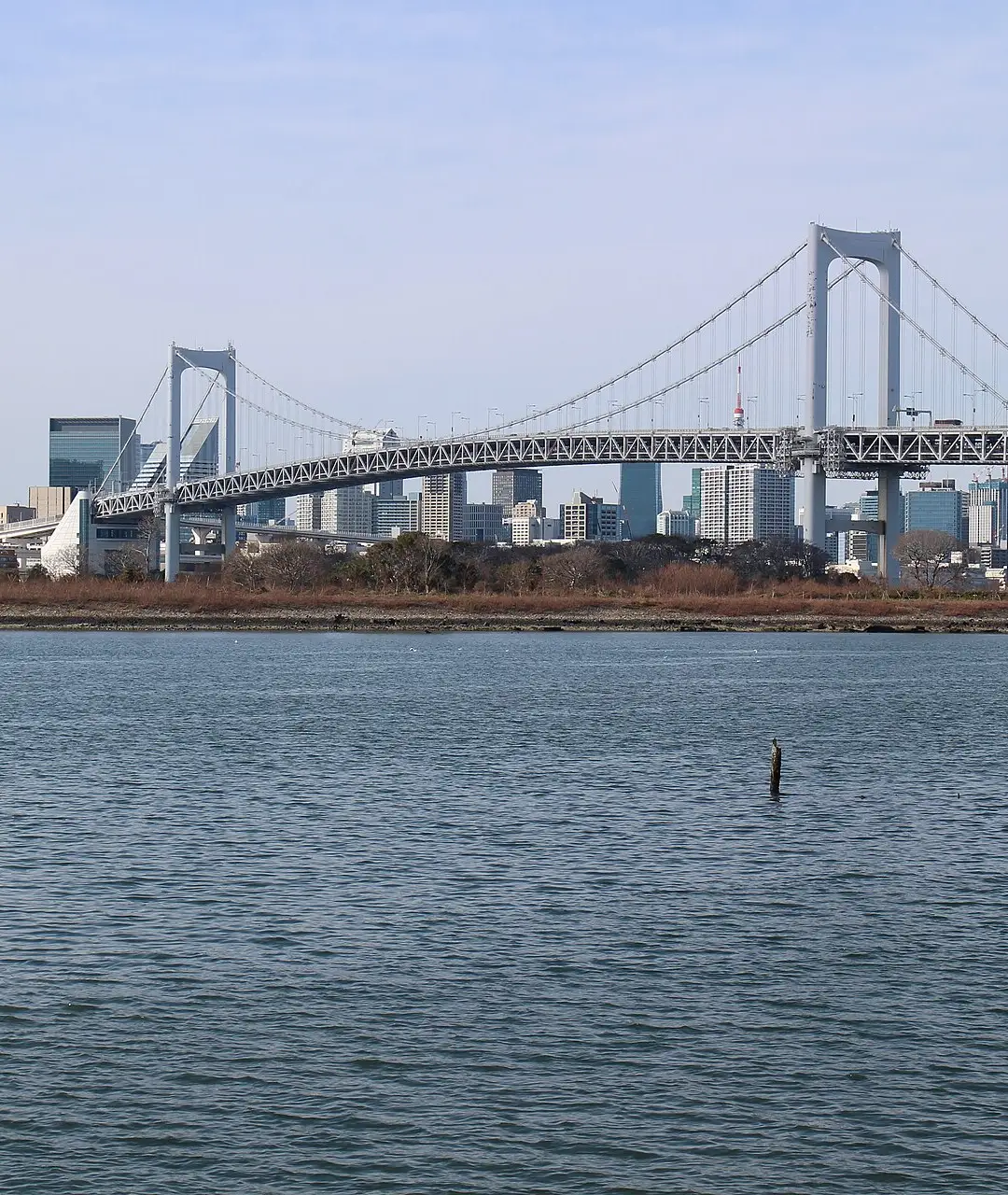
Dua kawasan lain yang perlu kamu tahu: Odaiba, pulau di Teluk Tokyo, penuh fasilitas untuk keluarga: mal dengan area bermain dalam ruangan, museum sains, teamLab Planets, dan toko perlengkapan bayi yang besar. Cocok sebagai rencana cadangan dalam ruangan saat hujan atau terlalu panas. Sementara itu, Roppongi di siang hari ternyata ramah anak: ada taman hijau, taman bermain kecil, dan toko mainan, ditambah beberapa jalur metro yang mudah dijangkau. Di mana pun kamu menginap, carilah stasiun berlift dan konbini di sudut jalan; keduanya mudah ditemukan.
Tokyo (menginap di Asakusa)
~10 mntUeno (kebun binatang & taman)
~25 mntTeluk Odaiba & Toyosu
~1 jamKamakura & laut
Transportasi dan tiket
Siapkan kartu IC lebih dulu, dan kamu hampir tak perlu lagi memikirkan tiket. Ini kartu pintar prabayar yang bisa diisi ulang: tempel saat masuk, tempel saat keluar, tarifnya dihitung otomatis, dan Suica maupun PASMO sama-sama berlaku di JR, metro, rel swasta, serta bus di Tokyo. Untuk anak-anak, ada dua hal yang membuat perjalanan lebih hemat dan praktis: kartu IC anak mengenakan setengah tarif secara otomatis, dan balita di bawah enam tahun naik gratis (hingga dua anak di bawah enam tahun gratis per satu orang dewasa yang membayar), jadi si paling kecil sama sekali tak butuh kartu. Rincian tarifnya ada di kotak-kotak di bawah.
Saat membawa anak di Tokyo, yang merepotkan justru mencari lift, sementara orang-orangnya sama sekali tidak jadi masalah. Kota ini punya banyak tangga dan lorong bawah tanah yang panjang, dan semua keluarga akhirnya memakai cara yang sama: di Google Maps, pilih opsi rute ramah kursi roda, dan aplikasi akan menuntunmu ke lift dan pintu keluar tanpa anak tangga. Aku juga akan membawa satu stroller ringan untuk bepergian yang bisa dilipat dan direbahkan (supaya anak bisa tidur siang di mana saja; kalau anak bisa tidur di luar, kamu bisa jalan-jalan seharian) alih-alih yang besar dan berat; kalau enggan membawanya naik pesawat, stroller payung yang murah mudah dibeli di toko perlengkapan bayi setibanya di Jepang.
Manfaatkan juga fasilitas yang sudah disiapkan kota ini. Di stasiun-stasiun Tokyo ada layanan untuk keluarga, misalnya 'Children's Smile Spot' dengan ruang menyusui, sewa stroller, serta mesin penjual popok dan susu formula, dan setiap department store punya ruang bayi yang bersih lengkap dengan penghangat botol dan microwave untuk makanan bayi. Kalau ada orang tak dikenal yang memakai lencana kecil menghampiri saat kamu sedang menenangkan anak yang tantrum, orang itu ingin membantu, bukan mau mengeluh; lencana itu memang dibuat untuk tujuan ini. Cukup dengan tahu bahwa fasilitas seperti ini ada di mana-mana, perjalanan sudah terasa jauh lebih tenang.
Asakusa & kota lama: santai dulu, jangan buru-buru
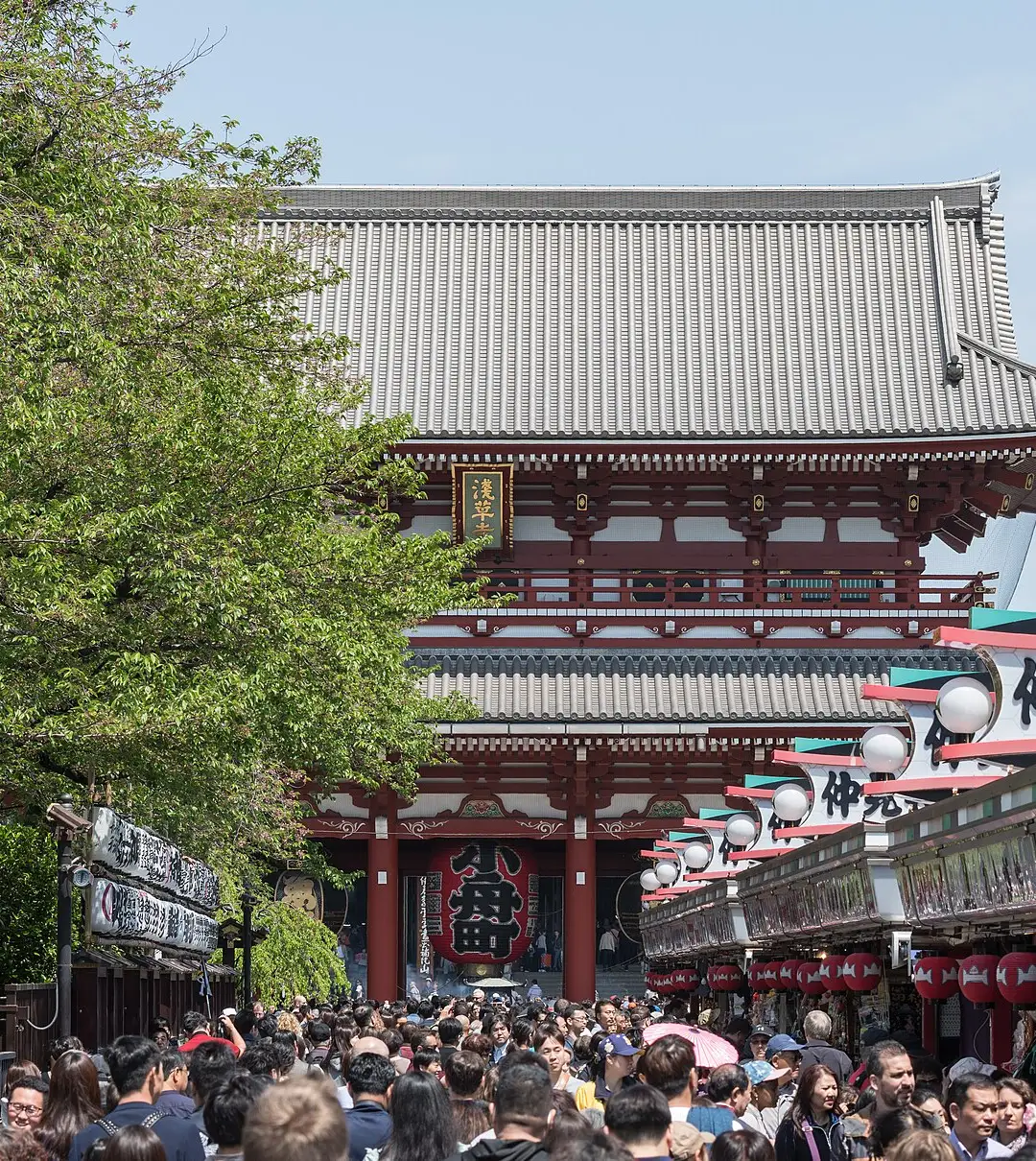
Hari pertama sengaja kubuat ringan. Kemungkinan besar kamu akan bangun saat fajar bersama anak-anak karena jet lag, jadi manfaatkan pagi itu untuk ke Senso-ji sebelum ramai, lalu tetap di sekitar penginapan supaya semua bisa beristirahat setelah penerbangan panjang. Perlu kusampaikan sejak awal: kuilnya lebih menarik bagi orang dewasa, sedangkan anak kecil biasanya lebih senang dengan deretan mesin kapsul mainan di sepanjang jalan menuju kuil dan taman tepi sungai di seberang jembatan. Itu tidak masalah. Orang dewasa menikmati kuil, anak-anak bermain sesukanya. Sambil jalan, perhatikan betapa kota ini dirancang dengan memikirkan anak-anak: ruang bayi, lift, dan Smile Spot yang akan kamu pakai sepanjang minggu sudah tersedia.
- 08:00Senso-ji, pagi-pagiDari Stasiun Asakusa hanya beberapa menit berjalan kaki menuju lampion merah raksasa Kaminarimon dan arkade Nakamise yang menuju ke kuil. Datanglah pagi-pagi selagi sepi. Sediakan segenggam koin seratus yen untuk mesin mainan kapsul gachapon di sepanjang jalan; bagi banyak anak kecil, inilah bagian paling seru hari itu. Panduan terkait: Senso-ji.
- Menjelang siangTaman Sumida, untuk berlari-lariDi seberang sungai di belakang kuil ada Taman Sumida, taman terbuka yang hijau dengan pemandangan Skytree yang menjulang. Anak-anak bisa berlari-lari setelah penerbangan panjang. Pagi ini sengaja dibuat dekat penginapan dan tanpa banyak berpindah tempat.
- SoreWaktu santai + mampir ke konbiniKembali ke sekitar penginapan untuk beristirahat sementara tubuh menyesuaikan diri. Mulailah kebiasaan yang nanti akan jadi favorit: berjalan ke minimarket di sudut jalan untuk membeli onigiri, roti manis, dan minuman yoghurt. Cara ini membantu mengatasi anak yang pilih-pilih makanan, sekaligus mengganjal perut sebelum restoran buka, dan anak-anak biasanya senang memilih sendiri.
- MalamMakan malam keluarga lebih awalAku akan makan lebih awal dan menghindari restoran konter kecil berisi sepuluh kursi yang tak cocok untuk anak kecil. Restoran keluarga ('fami-resu') atau lantai restoran di department store punya kursi tinggi, ruang lega, drink bar, dan okosama-lunch, yaitu menu anak yang biasanya berisi nasi goreng saus tomat berbentuk gunung kecil dengan bendera; menu ini lahir di Jepang sekitar seabad lalu, khusus untuk membuat anak-anak senang.
teamLab & sore santai di tepi teluk: hari paling seru bagi anak-anak
Hari kedua adalah hari untuk memanjakan pancaindra. Seni digital teamLab termasuk sedikit tempat yang disukai semua umur, dan lokasi mana yang kupilih bergantung pada usia anak-anakmu. Untuk anak di bawah empat tahun, teamLab Borderless lebih cocok karena ruangnya terbuka dan tanpa air, jadi mereka bisa menjelajah dengan santai; untuk anak yang lebih besar dan senang bermain air, di teamLab Planets di Toyosu pengunjung berjalan tanpa alas kaki dan di beberapa bagian airnya setinggi lutut (stroller tidak boleh masuk, jadi bawalah gendongan bayi dan baju ganti). Apa pun pilihanmu, pesanlah tiket berjadwal terlebih dahulu. Setelah pagi yang penuh kejutan, sorenya aku akan bersantai di tepi teluk. Yang patut diperhatikan hari ini: kebaikan kepada keluarga di sini didukung sistem, seperti lencana tawaran bantuan dan kampanye 'kami cinta bayi', jadi kehangatan yang kamu rasakan memang hal yang biasa di sini, bukan kebetulan.
- 09:30teamLab (pilih menurut usia)Ruang pameran tanpa alas kaki yang penuh cermin dan cahaya berkilauan; anak kecil menjelajahinya dengan mata berbinar. Borderless (di kompleks Azabudai Hills) cocok untuk yang paling kecil; Planets (jalan kaki singkat dari Shin-Toyosu di jalur Yurikamome) cocok untuk anak yang akan menikmati bermain air. Stroller tidak boleh masuk ke Planets, hanya gendongan, dan bawalah baju ganti. Tiket berjadwal dan bertanggal, jadi pesanlah sebelum berangkat. Panduan terkait: teamLab.
- SoreBeristirahat di Odaiba atau tepi teluk ToyosuPulau-pulau di teluk cocok sekali untuk beristirahat: ada mal dengan area bermain dalam ruangan, museum sains interaktif, dan tempat untuk bersantai sementara si kecil tidur siang. Kalau kamu dekat Toyosu, kawasan pasarnya menjadi tempat jalan-jalan yang mudah dan tenang. Panduan terkait: Pasar Toyosu & Tsukiji.
- MalamMakan malam lebih awal di lantai restoran malMakan malam di lantai restoran salah satu mal di tepi teluk paling praktis: ada kursi tinggi, menu anak, dan kamu cukup naik lift dari tempat bermain. Yang penting hindari jam ramai dan makan dengan santai.
Ueno: kebun binatang dan taman, pasti disukai anak-anak
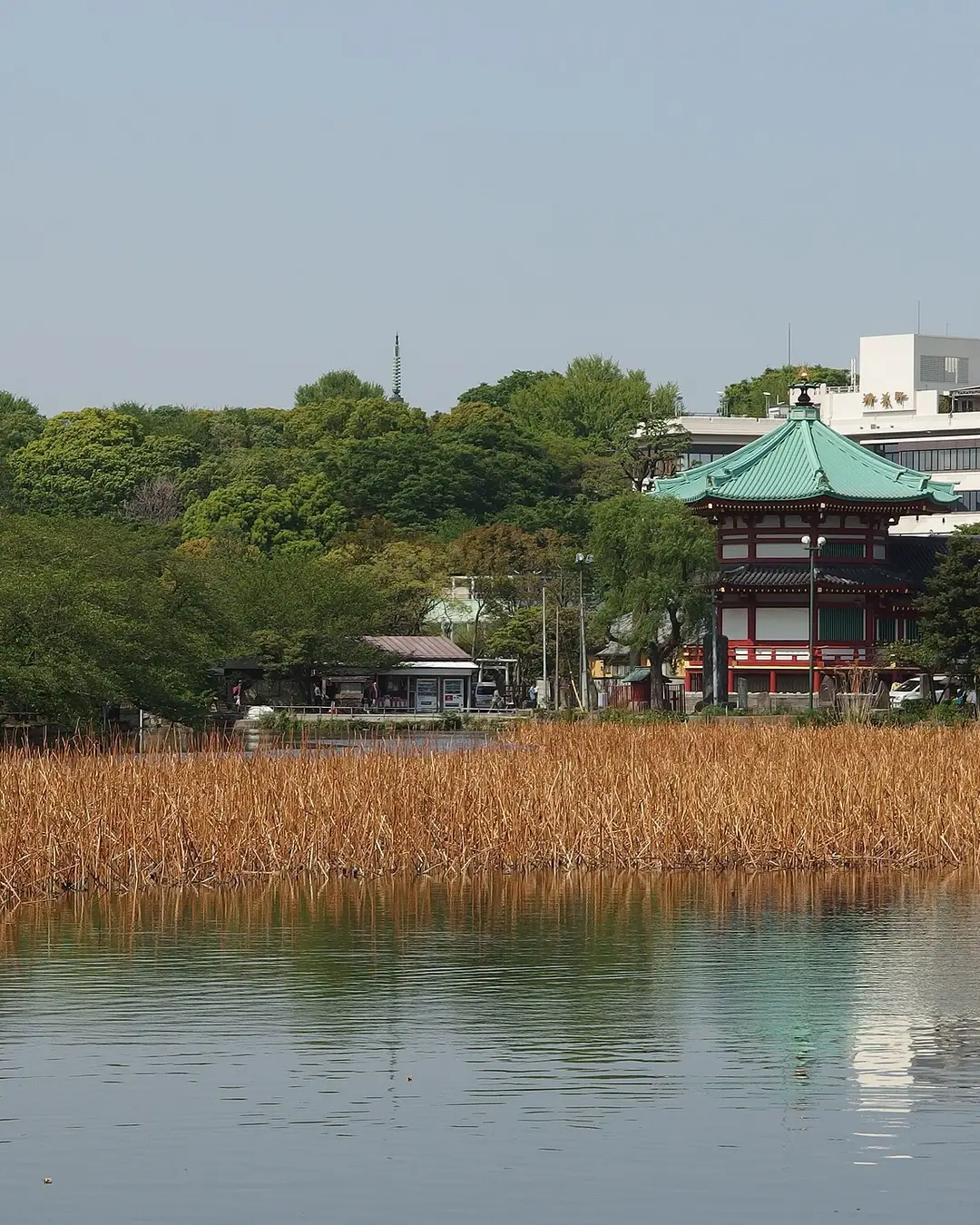
Kalau ingin satu hari yang pasti cocok untuk balita, pilihlah binatang dan ruang terbuka. Di Ueno ada kebun binatang dan taman besar yang bersebelahan, sama-sama hijau dan ramah stroller, dengan perahu angsa di kolam dan banyak ruang untuk berlari-lari. Ada satu hal yang sebaiknya disampaikan ke anak sejak awal: Kebun Binatang Ueno saat ini tidak memelihara panda raksasa, jadi aku akan bercerita tentang perahu angsa dan beragam satwa lainnya alih-alih menjanjikan panda. Hal yang patut diperhatikan hari ini akan membuat kecemasanmu hilang sama sekali: orang Jepang melihat usaha orang tua, bukan keributan anak. Aku masih ingat seorang ayah yang diam-diam mengajak seluruh keluarganya turun dari kereta, lalu berjongkok dan berbicara dengan anaknya yang sedang merajuk di peron yang sepi. Di sini, orang-orang menilai orang tua dari kepedulian yang tenang dan bermartabat seperti itu.
- 09:30Kebun Binatang Ueno, saat bukaHanya beberapa menit berjalan kaki dari pintu keluar Taman Stasiun Ueno. Buka pukul setengah sepuluh dan tutup setiap Senin; anak-anak sampai sekitar usia dua belas tahun masuk gratis (tarif ada di kotak). Tak ada yang bisa menarik perhatian anak kecil sebaik binatang, dan areanya datar serta ramah stroller. (Tidak ada panda raksasa untuk saat ini; bilang saja ke anak 'kita lihat banyak binatang lain', dan si kecil tidak akan kecewa.)
- Tengah hariTaman Ueno & perahu angsaTaman di sekitar kebun binatang luas dan hijau, dengan perahu dayung berbentuk angsa di Kolam Shinobazu dan ruang untuk semua berlari-lari dan melepas lelah. Tengah hari yang mudah, murah, dan tanpa tekanan.
- SoreWaktu santai, lalu makan malam lebih awalKembali untuk beristirahat, lalu makan malam lebih awal lagi di restoran keluarga atau lantai restoran department store; okosama-lunch selalu disukai anak-anak, dan selagi mereka asyik di drink bar, kamu bisa duduk tenang sekitar sepuluh menit.
Kamakura di tepi laut: perjalanan sehari yang berangkat pagi
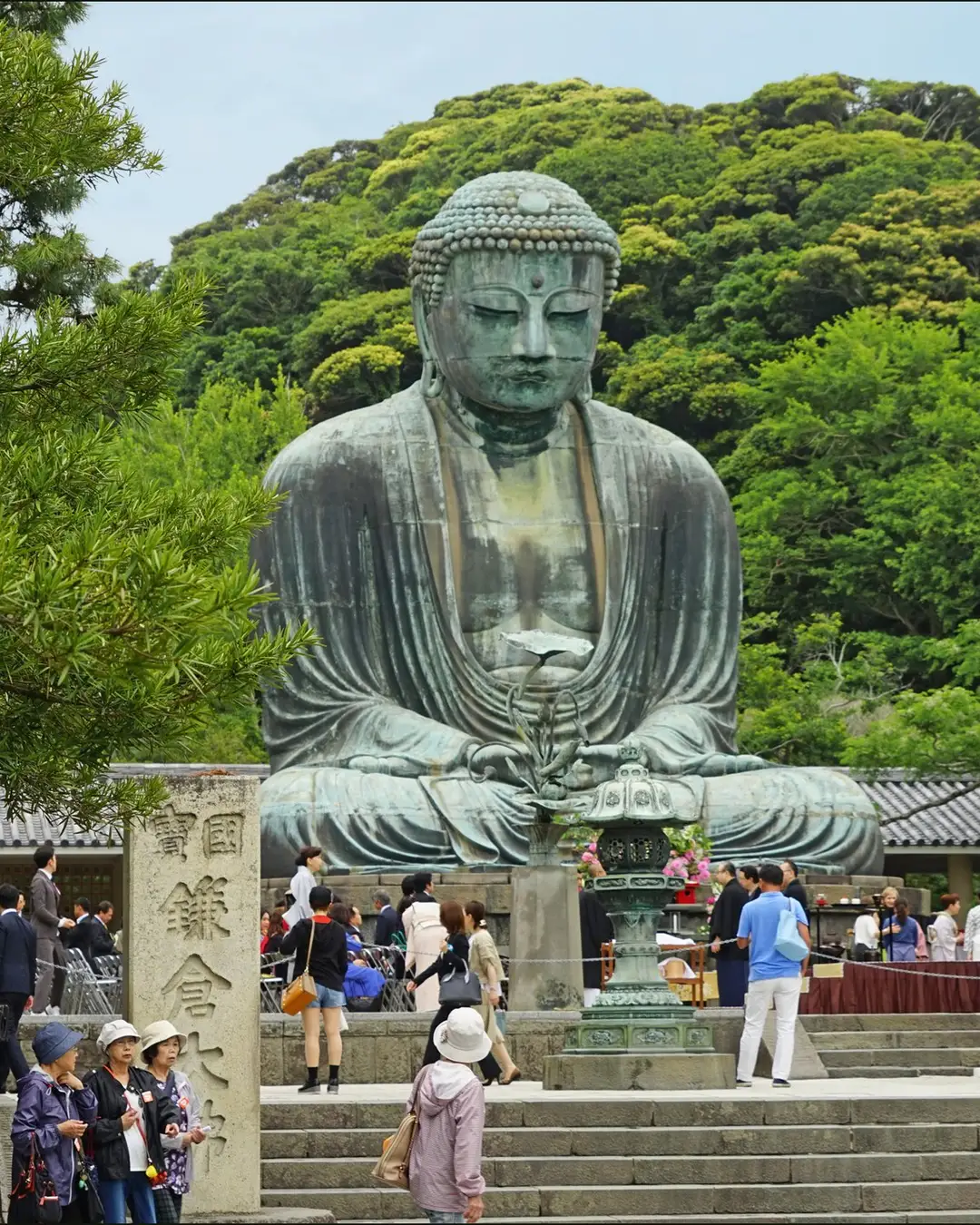
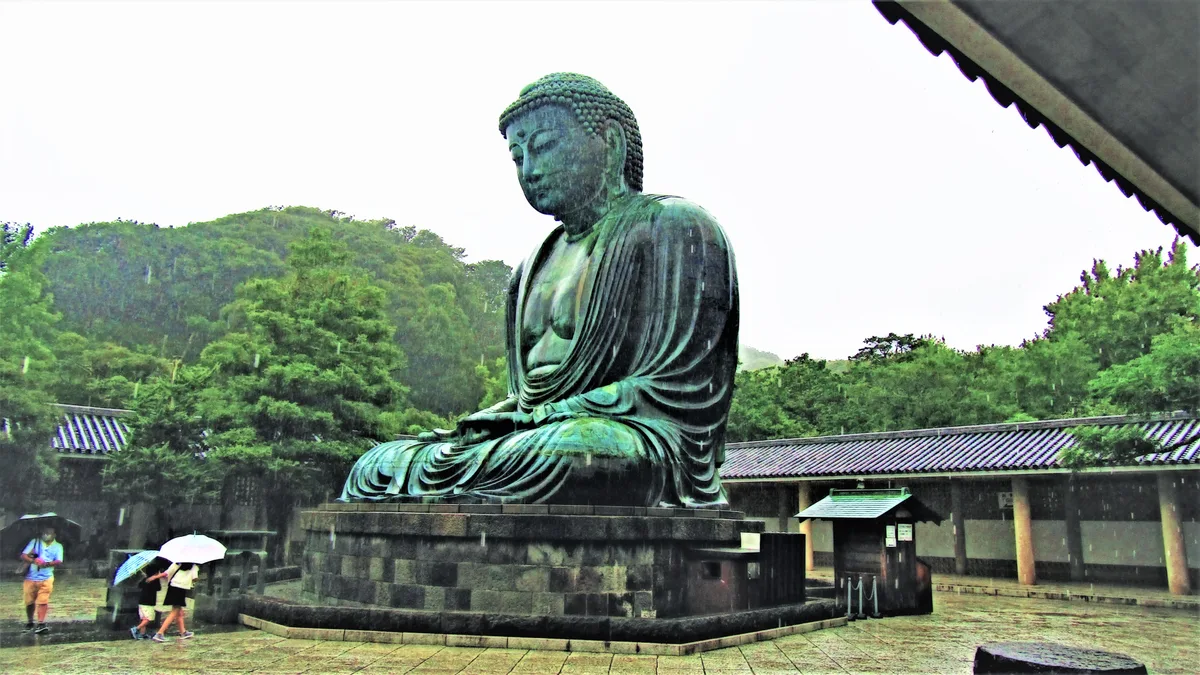
Hari ini jet lag justru menguntungkan. Karena si kecil bangun subuh, kamu bisa naik kereta pagi dan tiba di Buddha Raksasa Kamakura saat masih sepi, dan ada pengalaman istimewa di sini yang jarang ada di tempat lain: kamu bisa masuk ke dalam patung perunggu Buddha raksasa itu. Ditambah naik trem kecil Enoden yang berderak menuju pantai (naik tremnya saja sudah disukai anak-anak) dan menghirup udara laut di pantai, hari ini terasa lebih santai dan sejuk dibanding di kota. Aku ingin menutup perjalanan dengan hal yang sering dikatakan para keluarga sepulangnya: Jepang aman dan jauh lebih ramah anak daripada yang dikhawatirkan, sampai-sampai kamu tak bisa menghitung berapa kali orang tersenyum dan berkata 'kawaii' kepada anak-anakmu. Kamu pasti bisa, dan perjalanannya akan menyenangkan.
- Pagi-pagiBerangkat ke Kamakura sebelum keramaianJR Yokosuka Line melaju langsung dari pusat Tokyo ke Kamakura dalam sekitar satu jam (kalau naik pagi-pagi, biasanya ada tempat duduk agar anak yang masih mengantuk bisa tidur lagi). Banyak keluarga menyarankan berangkat pagi, karena Buddha Raksasa masih nyaris tanpa pengunjung lain. Waktu dan tarif ada di kotak-kotak.
- PagiBuddha Raksasa di Kotoku-in, dan masuk ke dalamnyaDari Kamakura, naiklah trem kecil Enoden beberapa perhentian ke Hase lalu berjalan naik. Buddha perunggu itu telah duduk di udara terbuka selama berabad-abad; dengan biaya tambahan kecil kamu bisa melangkah masuk ke dalam sosok yang berongga itu, dan anak-anak akan merasa takjub sekaligus heran. Naik tremnya saja sudah seru. Panduan terkait: Kamakura.
- Tengah hariPantai Yuigahama, udara lautDari Hase, naik Enoden sebentar sampai di pesisir Teluk Sagami: pasir, udara laut, dan ruang untuk berlari; suasananya benar-benar berbeda dari kota. Siang hari bisa dilewatkan dengan santai tanpa jadwal sebelum pulang.
- SoreBambu, atau langsung pulang sajaKalau masih ada tenaga tersisa, hutan bambu di Hokoku-ji adalah tempat jalan-jalan yang tenang dan teduh; kalau anak-anak sudah kelelahan, aku akan melewati jalan suvenir yang ramai dan pulang lebih awal. Jadwal yang longgar justru membuat perjalanan lebih berkesan.
Jika Anda punya satu hari lagi
+1 hariKalau ada satu hari tambahan, sebaiknya gunakan untuk menambah waktu di tiap tempat, bukan pergi lebih jauh; aku akan tetap di dalam atau dekat Tokyo supaya tak perlu berkemas ulang. Satu hari lagi yang santai di tepi teluk cocok sekali: sarapan pasar di dekat Toyosu lalu ke tempat bermain dalam ruangan (kota tiruan tempat anak bermain peran berbagai profesi, atau arena bermain indoor yang besar) untuk menghindari jam-jam paling panas atau saat hujan deras. Atau lakukan perjalanan singkat ke Yokohama justru karena dekat: di sana ada museum anak Anpanman yang disukai balita, dan ada beberapa Pokemon Center untuk anak yang sedikit lebih besar dan menggemari Pokemon.
Kalau seharian di taman hiburan besar memang impian keluargamu, Tokyo Disney Resort ada di Maihama, di sebelah timur, cukup sekali naik kereta. Terus terang, tempat itu sama sekali tidak mengikuti ritme anak (seharian penuh, jam masuk berjadwal, dan butuh anggaran tersendiri) dan umumnya cocok untuk anak dari sekitar usia lima tahun, jadi aku akan memberinya satu hari terpisah alih-alih menyelipkannya. Ini hanya salah satu pilihan; kamu sendiri yang paling tahu apakah keluargamu menyukai hiburan seperti itu. Perjalanan sehari ke Nikko kurang kusarankan kalau anakmu masih sangat kecil, karena naik bus dan keramaiannya sering membuat perjalanan jadi tidak menyenangkan.
Jika waktu Anda kurang satu hari
−1 hariWaktumu terbatas? Perjalanan ini bisa dipersingkat tanpa kehilangan bagian terbaiknya; asal jangan menambah kota lain. Aku akan tetap di Tokyo saja, tanpa perjalanan sehari ke luar kota: Hari 1 (Asakusa dan taman tepi sungai) dan Hari 2 (dunia teamLab dan sore di tepi teluk), dan kalau ada hari ketiga, melihat binatang di Ueno. Keluarga yang menghabiskan seminggu penuh hanya di Tokyo pun pulang tanpa merasa bosan; bersama anak kecil, sedikit tempat tapi dinikmati pelan-pelan selalu lebih baik daripada banyak tempat tapi terburu-buru. Pilih satu atau dua tempat yang paling disukai anak-anakmu, lalu luangkan waktu yang cukup di sana.
Perpanjang perjalanan dari sini
LanjutKalau perjalananmu lebih panjang, katakanlah sepuluh hari hingga dua minggu, rencana Tokyo ini bisa disambung ke Kansai di sebelah barat dengan Shinkansen, dan satu hal yang sangat kusarankan adalah perlambat tempo: keluarga yang terburu-buru berpindah kota paling sering menyesal tidak menginap semalam di Kyoto dan hanya mampir sehari. Ada satu catatan soal pemesanan: Suica atau ICOCA biasa tidak bisa ditempel untuk naik Shinkansen, jadi pesanlah lewat Smart-EX atau beli tiket kertas dulu, dan pesan kursi di gerbong reserved agar sekeluarga bisa duduk berdekatan (balita di bawah enam tahun naik gratis di pangkuanmu).
Setibanya di sana, tetap ikuti ritme anak seperti sebelumnya. Di Nara, rusa-rusanya pasti jadi favorit anak-anak: beli satu bungkus kerupuk rusa, beri makan cepat-cepat, lalu tunjukkan telapak tangan yang terbuka dan kosong; bersama anak yang paling kecil aku akan memegang sendiri kerupuknya, sebab rusa yang mencium makanan di kepalan tangan kecil bisa menyeruduk atau menggigit pelan. Di Osaka ada area kastil untuk berlari-lari dan kanal Dotonbori yang terang benderang untuk malam hari. Akuariumnya, Kaiyukan, berupa satu jalur landai spiral panjang yang melingkar turun mengelilingi tangki hiu paus raksasa: tanpa tangga, tanpa perlu memilih jalan, tanpa harus berbalik arah, pas sekali untuk rentang perhatian anak empat tahun. Kalau ingin seharian di taman hiburan besar, ada juga Universal Studios Japan, dengan catatan yang sama seperti Disney. Pilih dua atau tiga tempat saja dan lewatkan sisanya, supaya jadwal tidak terlalu padat.
WMJS ditulis di Jepang oleh seorang Jepang yang ingin Anda mengenal Jepang sedikit lebih dekat, lalu dialihbahasakan ke Bahasa Indonesia dengan bantuan AI. Setiap halaman kami periksa, tetapi Bahasa Indonesia bukan bahasa ibu kami. Kalau ada kalimat yang terasa janggal, beri tahu kami. Satu kalimat saja cukup.
Terima kasih. Setiap catatan dibaca langsung oleh manusia.
Perlu diketahui — tarif dan waktu tempuh
Tarif kereta anak & balita (aturan JR nasional)
Tarif dewasa mulai usia 12; anak 6-11 membayar setengah tarif dewasa; balita 1-5 dan bayi di bawah 1 tahun naik gratis (hingga dua anak di bawah enam tahun gratis per orang dewasa yang membayar tarif; anak ketiga, atau yang punya tempat duduk sendiri yang dipesan, membayar tarif anak). Anak di bawah enam tahun tidak butuh kartu.
JR-Central: tarif dewasa & anak (resmi)per 2026-06
Tarif Tokyo Metro menurut usia
Dewasa mulai 12; anak 6-11 setengah tarif; balita 1-6 gratis, hingga dua per orang dewasa yang menemani (anak ketiga membayar tarif anak); bayi di bawah 1 tahun gratis.
Tokyo Metro: tarif menurut usia (resmi)per 2026-06
Child Suica / Child PASMO
Child Suica atau PASMO memotong setengah tarif secara otomatis. Belilah di loket berpetugas dengan paspor anak sebagai bukti usia; saat kartu anak ditempelkan, gerbang akan berbunyi seperti kicauan burung kecil.
JR-East: Suica (resmi)per 2026-06
Bandara Haneda -> Hamamatsucho (Tokyo Monorail)
Sekitar 13 menit dengan Haneda Express; berganti ke JR Yamanote Line di Hamamatsucho. Dewasa ¥519 / anak ¥259 dengan IC. Ruang stroller di ujung gerbong; IC bisa dipakai.
Tokyo Monorail (informasi tarif resmi)per 2026-06
Bandara Narita -> pusat Tokyo (N'EX)
Kereta ekspres Narita Express mencapai Stasiun Tokyo dalam kurang lebih 53 menit, dan semua kursinya reserved (anak yang lelah pasti dapat tempat duduk). Tarif terkini ada di halaman resmi Narita Express milik JR-East.
JR-East: Narita Express (resmi)per 2026-06
Senso-ji (Asakusa)
Sekitar 5 menit berjalan kaki dari Stasiun Asakusa (jalur Tokyo Metro Ginza, Toei Asakusa, Tobu, dan Tsukuba Express). Area kuil buka sepanjang waktu; aula utama buka dari pagi hingga sore; masuk gratis.
JNTO / Japan.travel: Senso-ji (resmi)per 2026-06
teamLab Planets (Toyosu): berkunjung bersama anak
Sekitar 1 menit dari Stasiun Shin-Toyosu (jalur Yurikamome). Tiket berjadwal dan bertanggal, jadi pesanlah lebih dulu; anak 4-12 membayar tarif lebih murah dan anak di bawah 3 tahun gratis (tetap perlu tiket gratisnya). Stroller tidak diperbolehkan masuk (parkir di luar), tetapi gendongan bayi boleh; di dalam bertelanjang kaki dengan air sedalam lutut dan ruangan gelap, jadi bawa baju ganti. Satu orang dewasa paling banyak mendampingi tiga anak, dan anak di bawah 13 tahun tak boleh masuk sendirian. Harga terkini ada di situs resmi.
teamLab Planets: halaman bantuan (resmi)per 2026-06
Kebun Binatang Ueno
Buka 9:30-17:00 (masuk terakhir 16:00), tutup setiap Senin dan 29 Des-1 Jan. Dewasa ¥600; anak sampai kelas 6 (sekitar usia 12) gratis. Sekitar 5-7 menit berjalan kaki dari Stasiun JR Ueno (pintu keluar Taman). Kebun binatang ini saat ini tidak memelihara panda raksasa.
Tokyo Zoo Net: Kebun Binatang Ueno (resmi)per 2026-06
Kamakura: Buddha Raksasa (Kotoku-in)
JR Yokosuka Line langsung dari Tokyo/Shinagawa ke Kamakura (sekitar 1 jam), lalu jalur Enoden ke Hase (sekitar 7 menit) dan sedikit berjalan kaki. Area buka mulai 8:00 (tutup 17:30 Apr-Sep / 17:00 Okt-Mar); dewasa ¥300, anak 6-12 ¥150, di bawah 6 tahun gratis. Kamu bisa melangkah masuk ke dalam Buddha perunggu (8:00-16:30) dengan biaya tambahan kecil.
Kotoku-in (resmi)per 2026-06
Tokyo Children's Smile Spot (bukti infrastruktur untuk keluarga)
Tokyo membuka 'Children's Smile Spot' pertamanya di Stasiun Ueno-okachimachi pada 2023: ruang menyusui (8:00-20:00), sewa stroller (¥250 untuk jam pertama, ¥100 setiap tambahan 30 menit), serta mesin penjual popok dan susu formula bayi cair. Fasilitas serupa sedang ditambah di stasiun lain.
Pemerintah Metropolitan Tokyo (resmi)per 2026-06
Tokyo -> Shin-Osaka (Tokaido Shinkansen, perpanjangan ke Kansai)
Sekitar 2 jam 15-30 menit (sedikit di atas 2 jam ke Kyoto). Balita di bawah enam tahun naik gratis di pangkuanmu tanpa tempat duduk sendiri; pesanlah gerbong biasa agar keluarga duduk bersama. Catatan: Suica/ICOCA biasa tak bisa ditempel untuk naik Shinkansen, jadi tautkan ke pemesanan Smart-EX atau beli tiket kertas dulu.
Smart-EX: naik dengan kartu IC (resmi)per 2026-06
Rusa Nara (perpanjangan ke Kansai)
Sekitar 1.300 rusa liar yang berkeliaran bebas, dilindungi sebagai monumen alam nasional Jepang. Satu-satunya makanan yang diperbolehkan adalah shika-senbei (kerupuk dari bekatul, sekitar ¥200 per bungkus; hasil penjualannya membantu mendanai perlindungan rusa). Beri makan cepat-cepat, lalu tunjukkan telapak tangan terbuka; rusa bisa menyeruduk atau menggigit pelan saat bersemangat, jadi awasi anak kecil.
Osaka Aquarium Kaiyukan (perpanjangan ke Kansai)
Sekitar 5 menit berjalan kaki dari Stasiun Osakako (Osaka Metro Chuo Line). Kamu naik dulu ke lantai paling atas, lalu menyusuri satu jalur landai spiral yang menurun perlahan mengelilingi tangki hiu paus di tengah: tanpa tangga dan tanpa harus berbalik arah, sehingga cocok untuk anak kecil dan stroller.
Tokyo Disney Resort (sebuah pilihan, bukan rekomendasi)
Stasiun JR Maihama (Keiyo / Musashino Line) dari Stasiun Tokyo dalam sekitar 15 menit; sekitar 5 menit berjalan kaki ke Tokyo Disneyland, sedangkan DisneySea dicapai dengan monorel Disney Resort Line. Umumnya cocok untuk anak dari sekitar usia lima tahun. Rincian lengkap ada di halaman akses resmi.
Tokyo Disney Resort: akses (resmi)per 2026-06
Selami lebih dalam
9 menit· 6 bab
Sebelum berangkatSambil berjalan
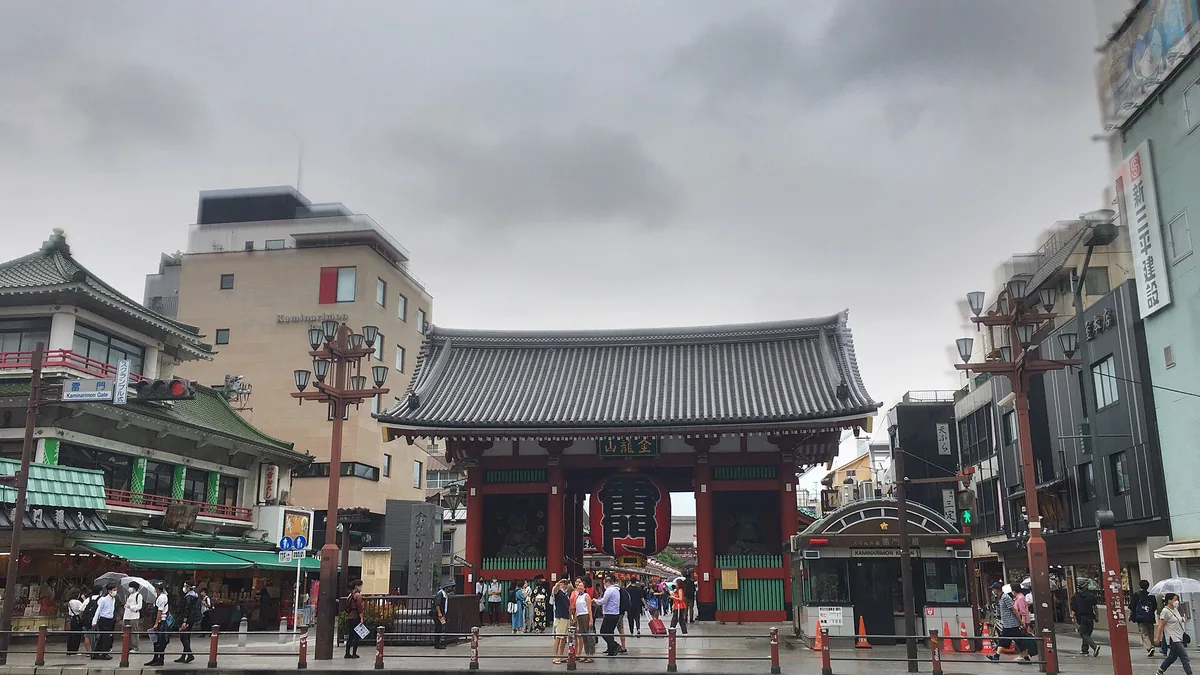
Mengunjungi Senso-ji, Kuil Tertua di Tokyo
Apakah Senso-ji sepadan untuk dikunjungi? Kami menimbang 125 suara pelancong: 54% bilang jelas sepadan. Jam buka, gratis masuk, berapa lama waktu yang dibutuhkan, dan mengapa keramaian selalu menjadi bagian dari doa, lengkap dengan panduan audio.
Senso-ji Temple
8 menit· 6 bab
Sebelum berangkatSambil berjalan
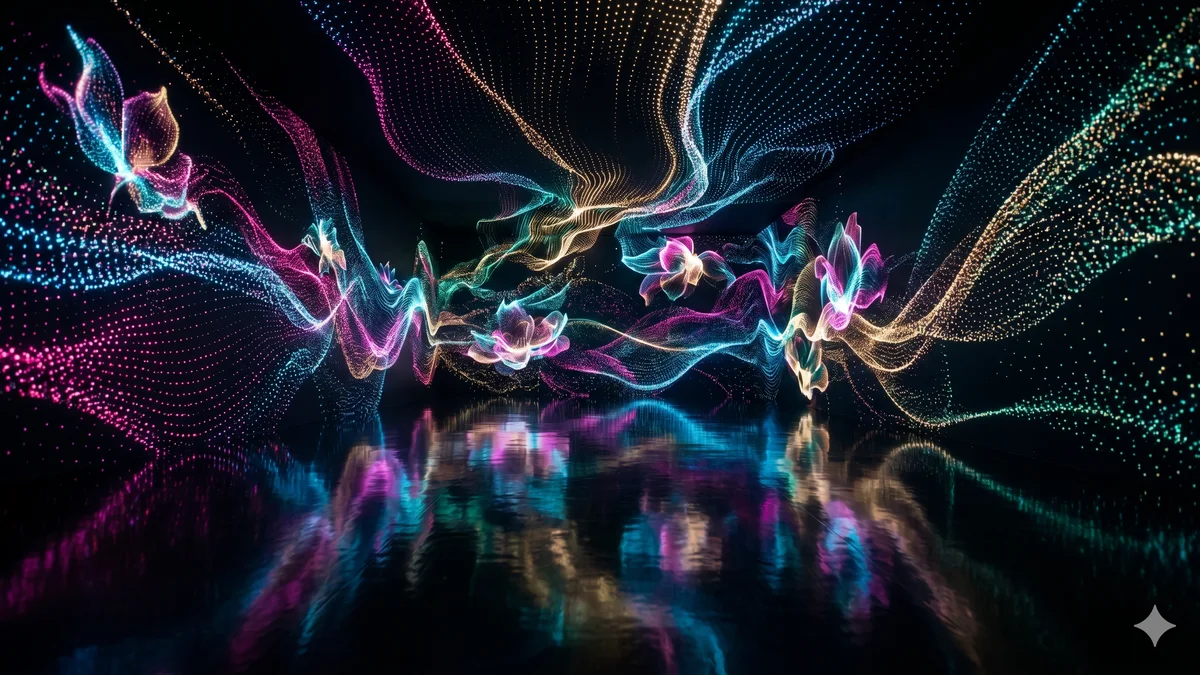
Mengunjungi teamLab Tokyo, Memilih Antara Borderless dan Planets
Apakah teamLab Tokyo sepadan untuk dikunjungi? Kami menimbang 79 suara pelancong: 57% bilang sepadan, pengulas Jepang lebih hangat di angka 75%. Cara memilih Borderless atau Planets, tiket, pakaian, lengkap dengan panduan audio.
teamLab Tokyo
9 menit· 6 bab
Sebelum berangkatSambil berjalan
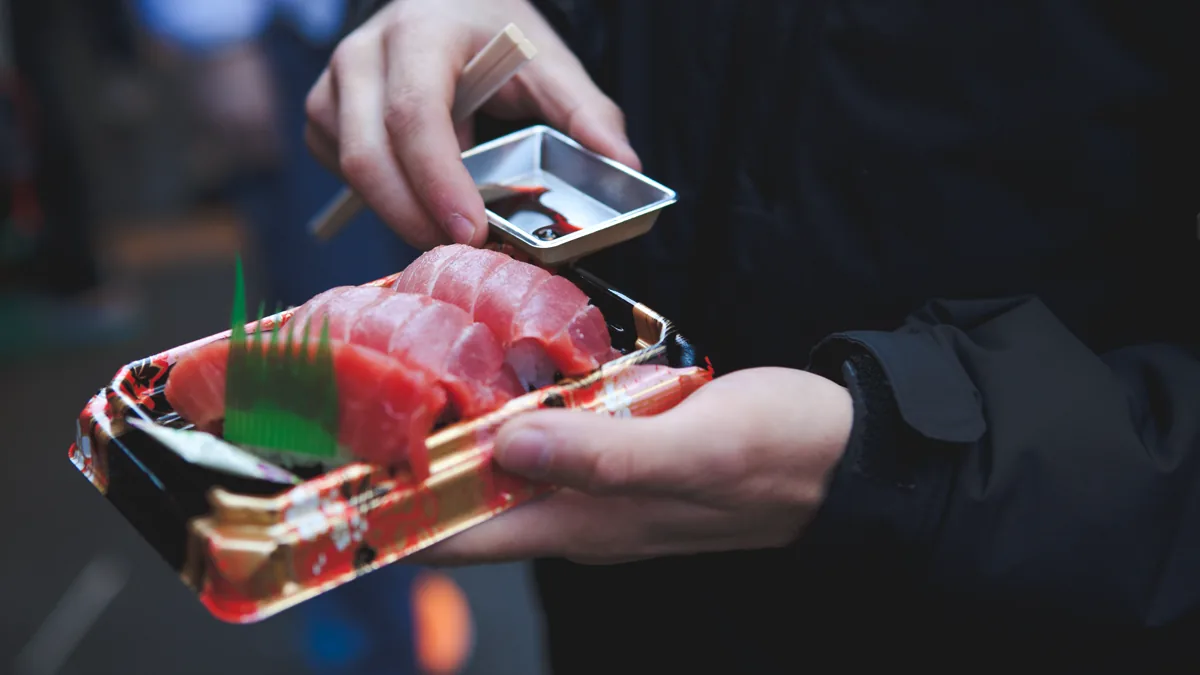
Toyosu & Tsukiji — Pasar Ikan Tokyo yang Terbelah Dua
Toyosu untuk lelang tuna subuh, Tsukiji untuk jajan pagi. Panduan ramah cara menikmati dua pasar ikan Tokyo tanpa bingung dan tanpa harus sempurna.
Toyosu Market & Tsukiji Outer Market
13 menit· 5 bab
Sebelum berangkatSambil berjalan
Wisata Kamakura, Bekas Ibu Kota Samurai di Tepi Laut Jepang
Apakah Kamakura layak dikunjungi? Kami menghitung 177 cerita pelancong: 73% bilang sepadan, hanya 5% merasa kecewa. Buddha Agung yang duduk di udara terbuka sejak aulanya hilang, kuil ibu kota samurai pertama Jepang, dan kereta kecil Enoden ke laut, lengkap dengan panduan audio.
Kamakura
12 menit· 5 bab
Sebelum berangkatSambil berjalan
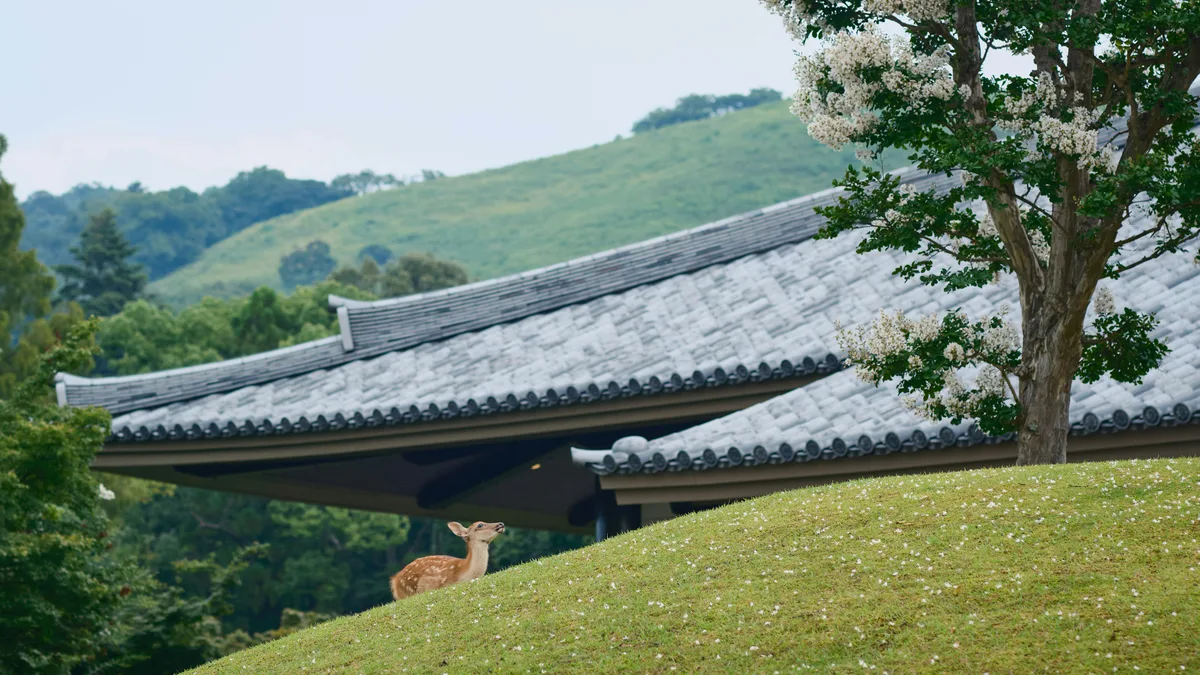
Mengunjungi Taman Nara, Rumah Rusa Suci yang Membungkuk Sejak Seribu Tahun Lalu
Apakah Taman Nara layak dikunjungi? Dari 100 suara pelancong yang kami bobot, 65% bilang layak, dan ulasan orang Jepang bahkan lebih positif, 80%. Gratis, buka siang malam, rumah bagi 1.400+ rusa suci, dekat Buddha Agung di Todai-ji dan jalan lentera ke Kasuga Taisha, lengkap dengan panduan audio.
Nara Park
10 menit· 6 bab
Sebelum berangkatSambil berjalan
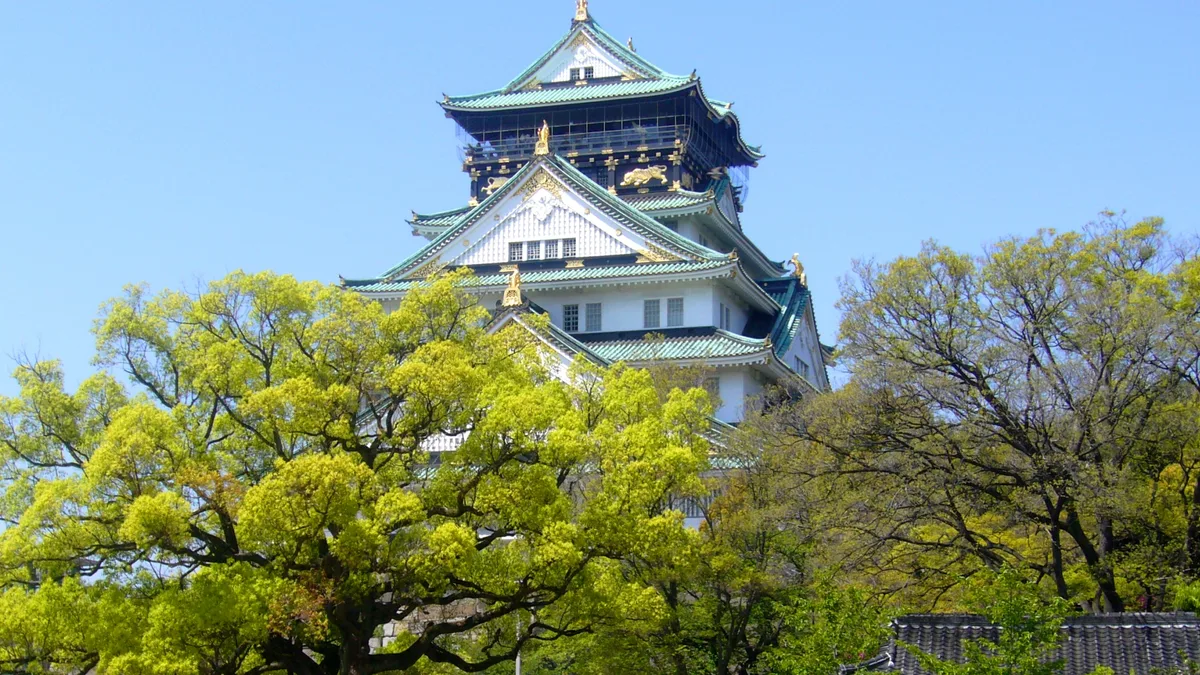
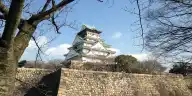
Kastel Osaka — Menara yang Dibangun Osaka Sebanyak Tiga Kali
Mencintai sebuah menara yang dibangun ulang: taman publiknya gratis, naik ke menaranya berbayar. Parit dan tembok batu raksasanya itulah kastel sejati berusia empat abad yang sesungguhnya di Osaka.
Osaka Castle
11 menit· 6 bab
Sebelum berangkatSambil berjalan
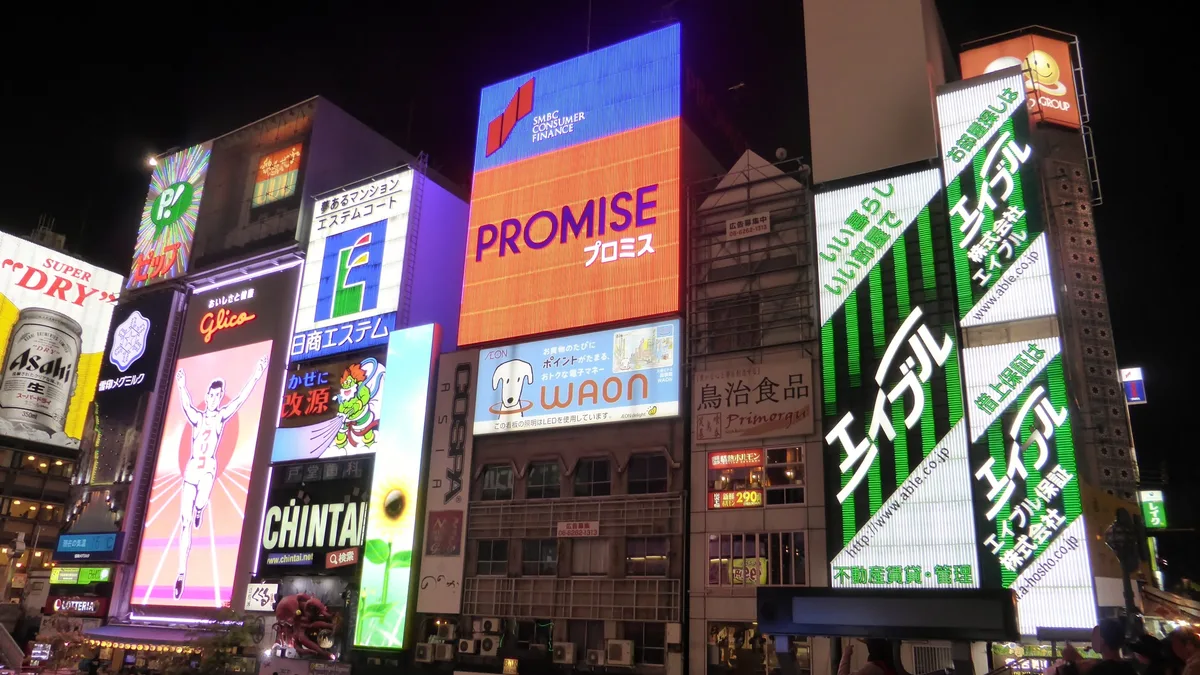
Mengunjungi Dotonbori, Kanal Neon Tempat Semangat Kuidaore Osaka Berpijar
Apakah Dotonbori layak dikunjungi? Kami menimbang 200 suara wisatawan: 37% bilang jelas layak, 36% bilang layak dilihat sebentar, dan warga Osaka sendiri menilainya lebih hangat di angka 62%. Papan Glico, takoyaki, aturan saus bersama, dan gang sunyi di baliknya, lengkap dengan panduan audio.
Dotonbori
Baca sebelum berangkat




Cara Jepang Bekerja
Apakah Odaiba Sepadan? Kata 169 Pengunjung Sungguhan


Cara Jepang Bekerja
Apakah Osaka Aquarium Kaiyukan Sepadan? Ini Kata 163 Pengunjung Sungguhan

Padukan dengan rencana lain
Tokyo & sekitarnya, beberapa hari yang santai
Ibu kota dan perjalanan sehari-nya — Tokyo kota-tua, Kamakura tepi laut, Nikko pegunungan — dengan tempo yang nyaman
Kansai, beberapa hari yang santai
Jantung tua Jepang — Kyoto, Nara, Osaka — dengan tempo yang nyaman
Okinawa, beberapa hari yang santai
Pulau-pulau bekas Kerajaan Ryukyu: Shuri, pesisir karang, Churaumi, dan selatan yang sakral, dalam tempo hangat tanpa terburu-buru
Bunga sakura: perjalanan yang pas dengan musim mekar
Rute emas Tokyo ke Kyoto yang mengikuti sakura, serta cara memantau gelombang mekar seperti warga lokal, sehingga tanggal yang tak bisa dipastikan justru jadi bagian paling seru dari perjalanan
Sumber
- JR-Central: tarif dewasa & anak (resmi)
- Tokyo Metro: tarif menurut usia (resmi)
- JR-East: Suica (resmi)
- Tokyo Monorail: tarif (resmi)
- JR-East: Narita Express (resmi)
- JNTO / Japan.travel: Senso-ji
- teamLab Planets: halaman bantuan (resmi)
- Tokyo Zoo Net: Kebun Binatang Ueno (resmi)
- Kotoku-in: Buddha Raksasa Kamakura (resmi)
- Pemerintah Metropolitan Tokyo: Children's Smile Spot (resmi)
- Smart-EX: naik dengan kartu IC (resmi)
- Pariwisata Kota Nara: rusa Taman Nara (resmi)
- JNTO / Japan.travel: Osaka Aquarium Kaiyukan
- Tokyo Disney Resort: akses (resmi)
- JNTO / Japan.travel: Bepergian Bersama Anak
- GO TOKYO (resmi): Menjelajahi Tokyo Bersama Balita