
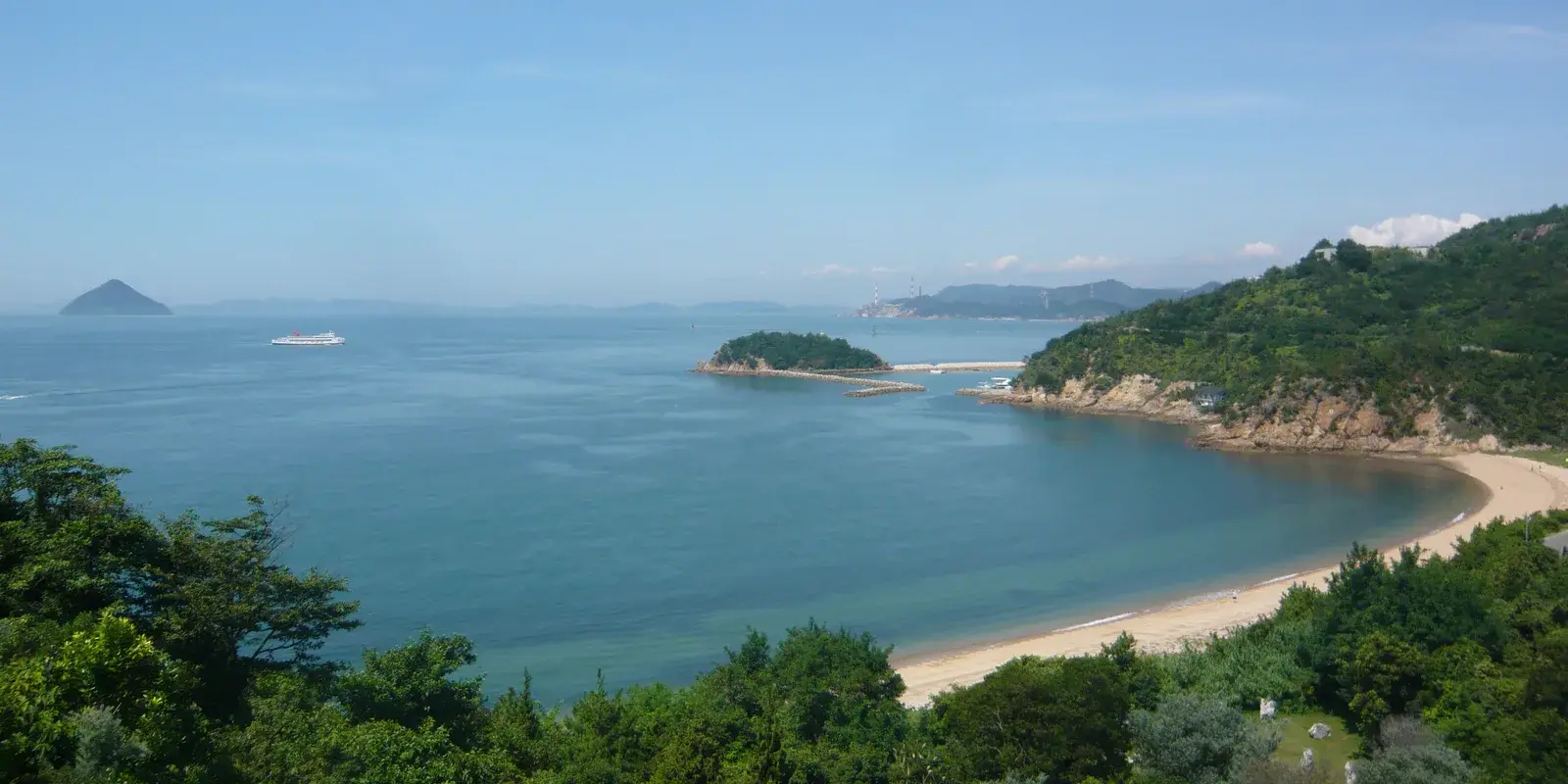
Is Naoshima Worth It? The Honest Answer From Visitors (and the People Who Come Back)
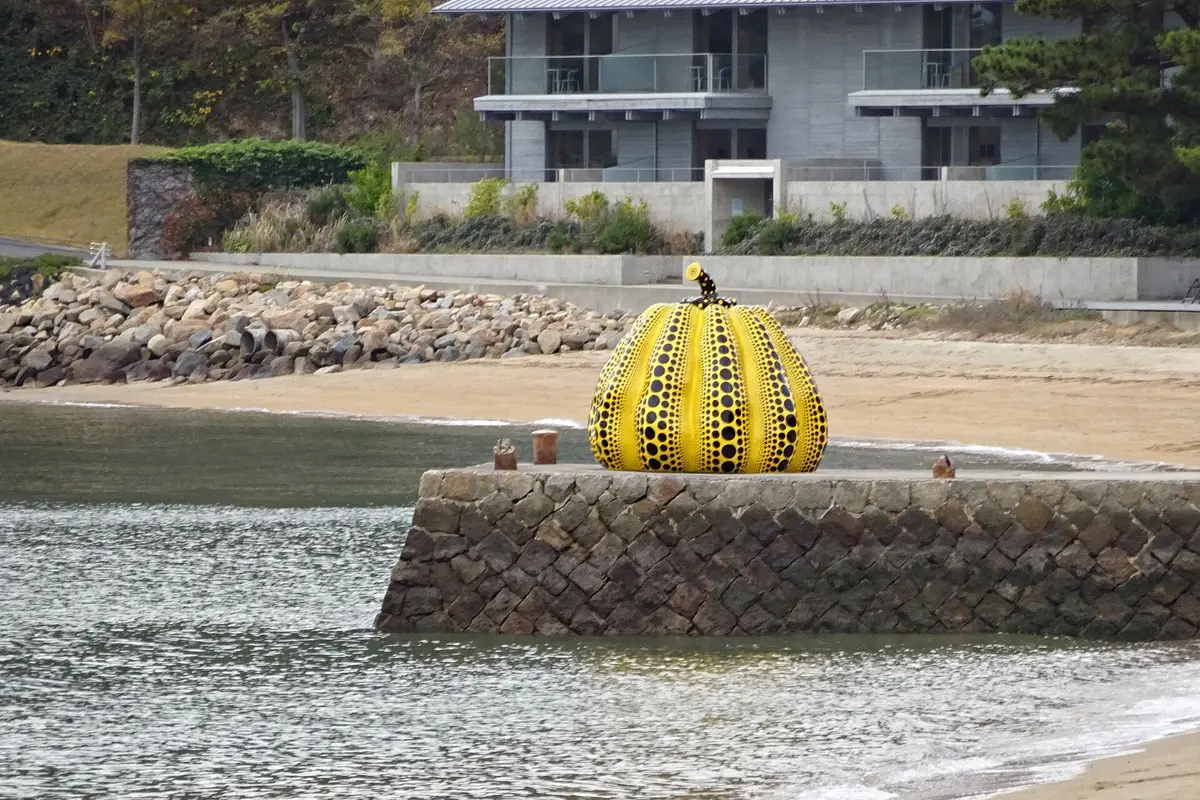
You have seen the photo: a yellow polka-dot pumpkin on a concrete pier, a calm sea behind it, not another soul in the frame. So you picture a quiet day among masterpieces on a small island, and you pencil in a day trip from Kyoto or Osaka. Then you read a review calling it an overpriced tourist trap, another calling it the best day of the whole trip, and you cannot tell which one is yours.
Here is the short answer, and the rest of this page is really the long form of it: yes. But Naoshima is the single most plan-dependent place in this series, and almost no one who felt let down was let down by the art. They were let down by the day they picked, the cost they didn't budget for, and the dense art theme-park they were expecting instead of a small, slow island.
Is it worth it? (in visitors' own words)
We gathered the voices of international travelers who have actually been to Naoshima and asked, in effect, was it worth it? Weighted by how strongly each opinion resonated with other readers, here is how they fell:
Notice the wide middle band, far wider than for most places. That 28% is the real story: for Naoshima, the question is less whether and more how. The travelers who loved it keep saying one word: slow. "Slow down! The slower you go, the richer the experience," wrote one who had spent days on the islands. Another, caught in grey rain: "What a weird and truly amazing place… it was grey, rainy, and incredibly quiet - which seems like it would be a bummer, but somehow worked so perfectly with the feeling of the art." And the simplest verdict of all: "It's SOOO worth it. Rent an electric bike, explore, and you're set."
The red sliver is small, and it is unusually consistent about why. It is almost never "the art was bad." It is logistics and money. One day-tripper described the exact trap: "We did a day trip there and just ended up stressing out about whether we were going to be able to get off the island, given the ferries are limited and capped." Another, on a budget mismatch: "the galleries and restaurants are all quite expensive… it feels like an industry of art has been fabricated around the two pumpkins on Instagram." A third simply booked the wrong day: "we booked the one day of the year that the island is completely closed… a disappointing trip that we couldn't go to any museums." Every one of those is preventable before you board the boat.
How the people who come most often feel
What follows is something most guides leave out: what Japanese visitors and locals say, in their own reviews, about the same island.
Here is the most useful thing on this page. The Japanese red bar is almost the same size as the visitors', and it is made of the exact same things: closures, cost, and a rushed day. One reviewer crossed over hoping to catch a museum and found the worst case: "at the ferry ticket office I learned that all the island's museums were closed for maintenance… the island was deserted, with only foreign visitors wandering around with guidebooks. After all, you do need to do your research beforehand." Another, on money, lands on the same advice, and the same verdict: "It costs a great deal of money. First decide on a budget… But Naoshima is a very attractive place! I recommend it!"
That is the quiet proof. When the people who can come cheaply, easily, and often hit the same hard days as the visitor who flew across the world, it tells you the friction is real and structural rather than a foreigner's misjudgment. And it tells you exactly which friction to plan around.
What we wish you'd noticed
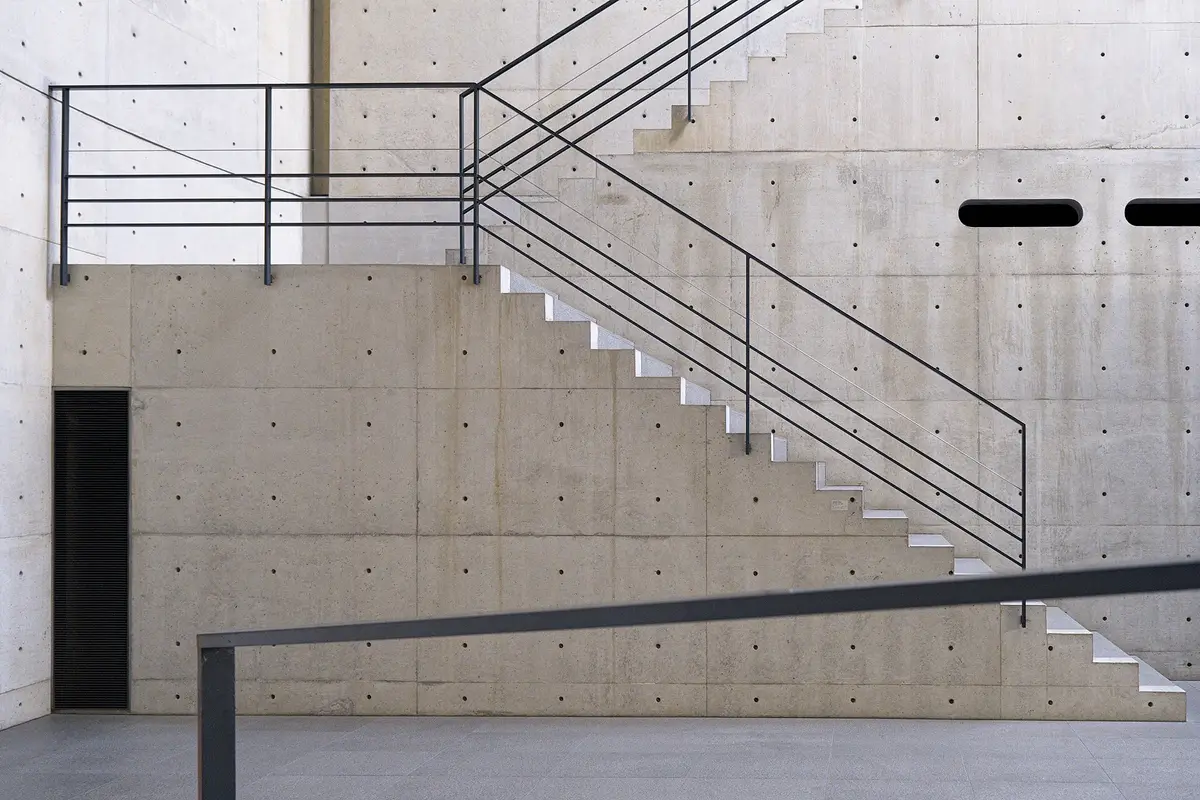
The reward is architecture and light, well ahead of a count of artworks. The people who leave glowing rarely talk about how many things they saw. They talk about a Claude Monet Water Lilies room at the Chichu Art Museum lit by nothing but the changing daylight; about Tadao Ando's concrete chambers sunk into the hill; about the low silver roof of the ferry terminal and the slow green crossing itself. One Japanese visitor put the whole island in a sentence: "At the Chichu Art Museum I was able to enjoy my beloved Monet under natural light." If you arrive counting exhibits, a small island will disappoint you. If you arrive to sit inside two or three spaces and let the light move, it is hard to match anywhere.
It is a tiny, lived-on island, and that is the point. Around three thousand people live here. Outside the three main areas (Miyanoura, Honmura, and the Benesse museum zone) there is not much to "do," and the art is scattered rather than stacked. The Kusama pumpkins by the sea are free and out in the open; the museums are the deep end. The island rewards wandering a working village and a quiet shore over sprinting a checklist.
The Welcomed Way to Enjoy Naoshima
Everything above resolves into a handful of moves that turn the red bar back to green.
- Don't day-trip it from Kyoto or Tokyo if you can help it. This is the single biggest fix. Base yourself in Takamatsu (on Shikoku, steps from the ferry and home to Ritsurin Garden, one of Japan's finest strolling gardens) or Uno / Okayama the night before, or, best of all, stay a night on the island. As one traveler put it: "basing yourself in Okayama… makes a lot more sense than doing Naoshima on the fly."
- Look up the last boat before you do anything else. Island time is real, the ferries are capped in peak season, and the final service back can be earlier than you think. Save the timetable on your phone and build the day backward from your return.
- Pre-book the Chichu Art Museum the moment you fix your dates. It runs on date-and-time online tickets; if the online slots sell out, there is no same-day window. "Chichu was the only one I missed because it was sold out" is one of the most common regrets, and it is entirely avoidable.
- Mind Mondays, and the rare maintenance shutdowns. Most museums and several art houses close on Mondays (open on a public-holiday Monday, then closed the next day), and once or twice a year the whole island's art closes for maintenance. Check before you book your date. If you land on a closed day, make it the outdoor day: the pumpkins, the seaside works, and the walk through Honmura are still yours, minus the crowds.
- Rent an electric bike, and reserve it. The hills are real and the e-bikes sell out in season. They are the island's favorite way around. Reserve ahead and the day relaxes.
- Bring cash and a budget. ATMs are few; admission is charged per site and adds up. Decide your number in advance so your wallet doesn't follow you around all day.
- Pick two or three things and sit with them. Almost no one sees everything in a day, and that is fine. Two spaces you actually settled into will outlast six you jogged past.
Do these, and the day tends to go the way the glowing reviews describe rather than the way the stressed ones do. Naoshima isn't a theme park that owes you a hundred photos. It is a small island that art brought back to life, and it gives its best to the traveler who arrives unhurried, plans around the boat, and comes for the light.
Is it worth it, then? If you day-trip it on a Monday with no Chichu ticket and no budget, maybe not. But come slow, come prepared, and sit a while in a dark room where the daylight does all the work, and a quiet island in an inland sea will be one of the things you remember longest.
Still deciding which famous places actually earn a slot on a short trip? Start with what actually matters in Japan, and for the full island, port by port, the Naoshima walking guide and its audio are just below. For how the ferries, buses, and bikes string together, see getting around Japan.
Sources
- Benesse Art Site Naoshima, official site: the island's art project, museums, Art House Project, Benesse House, and the Kusama works; online ticketing for all the islands' art facilities.
- Benesse Art Site Naoshima, Chichu Art Museum: built 2004, Tadao Ando architecture, Monet/Turrell/De Maria, date-and-time reservation required (no same-day sales if sold out), 10:00–17:00, closed Mondays, photography only to reception.
- Naoshima Town Tourism Association, access & getting around: island ports, town bus, rental cycles, and ferry guidance.
- Shikoku Kisen, ferry timetable & fares: Uno–Naoshima and Takamatsu–Naoshima routes, crossing times, fares, and which boats carry vehicles.
- Setouchi Triennale, official site: the contemporary-art festival held across these islands, its editions and seasons, and Naoshima as a venue.
- JNTO (Japan National Tourism Organization), Naoshima: official English overview, standard English names, and the island's smelter-town history.
- Kagawa Prefecture Tourism, Naoshima: island size, population, and regional context.
- Jalan visitor review, Naoshima: a January visitor's account of learning at the ferry ticket office that all the island's museums were closed for maintenance that day.
WMJS is written in Japan, in English, with AI help. We check every page, but English is not our first language. If a sentence reads oddly, tell us. One sentence is enough.
Thank you. A person reads every note.
How well do you know Japan?
Based on 51,218+ real Japanese voices
Want to know more? Ask Japanese people
Have a follow-up question about this topic? We'll ask real Japanese people.
Voice Box →