
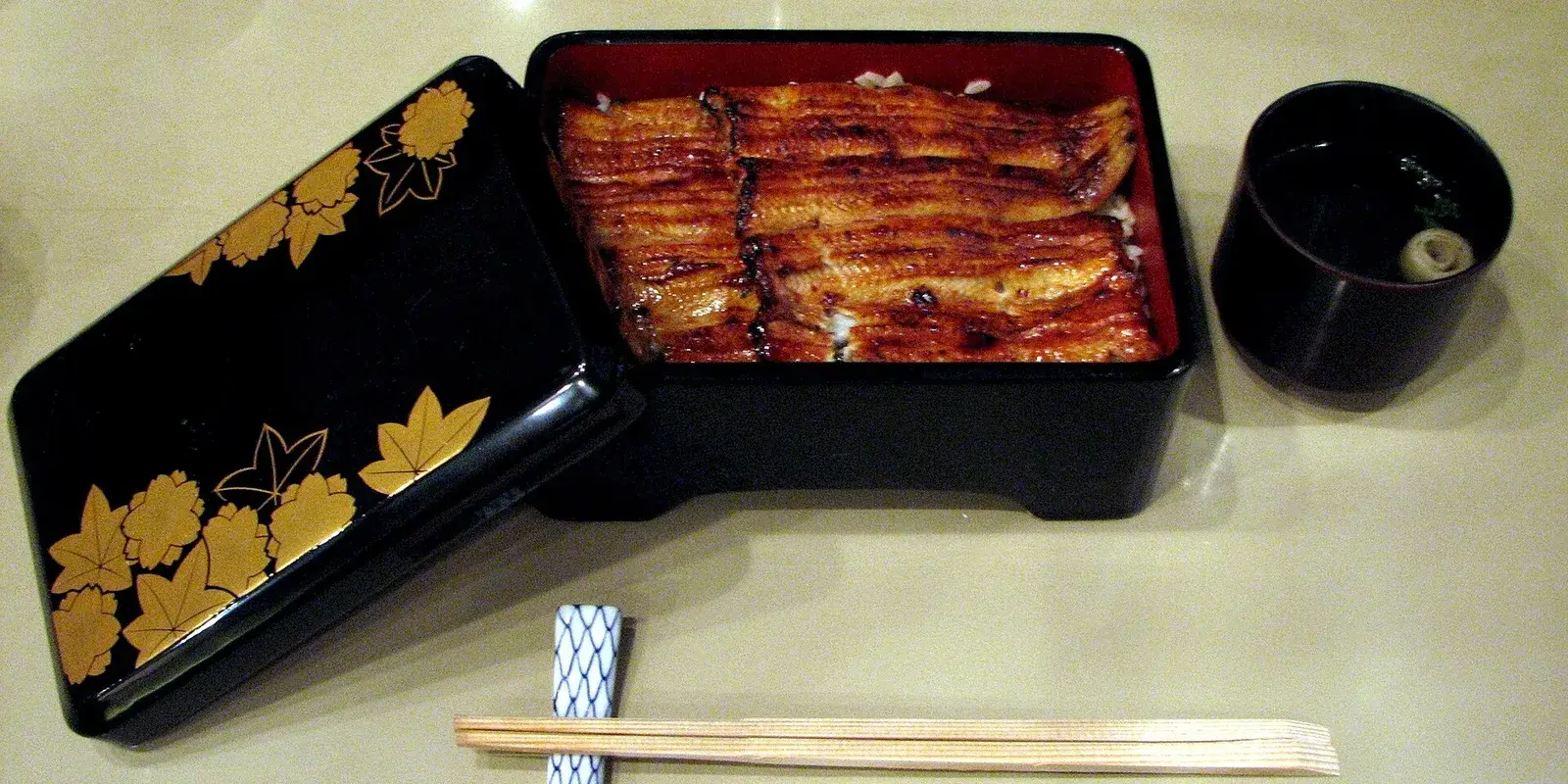
Why Japanese People Eat Eel in Summer: And Why Joining In Makes Them Smile
What you'll learn in this article:
- Why millions of Japanese people line up for grilled eel on one specific summer day
- How Japanese people feel when foreigners join this tradition
- The surprising truth: many Japanese people can barely afford it themselves, and that shared struggle is part of the bond
Why do Japanese people eat eel in summer? On Doyo no Ushi no Hi (土用の丑の日), a midsummer tradition dating back to the 1700s, roughly 37% of Japanese people eat eel, despite prices that have doubled in the past decade (mitoriz 2024 survey, n=3,007). We gathered Japanese voices from forums, social media, and consumer surveys to find out how they feel about this tradition today. The clear finding: most Japanese people light up when a foreigner knows about this day. The surprise? Many Japanese people themselves are priced out (60% who skip cite price as the reason), and sharing that reality creates an unexpected connection.
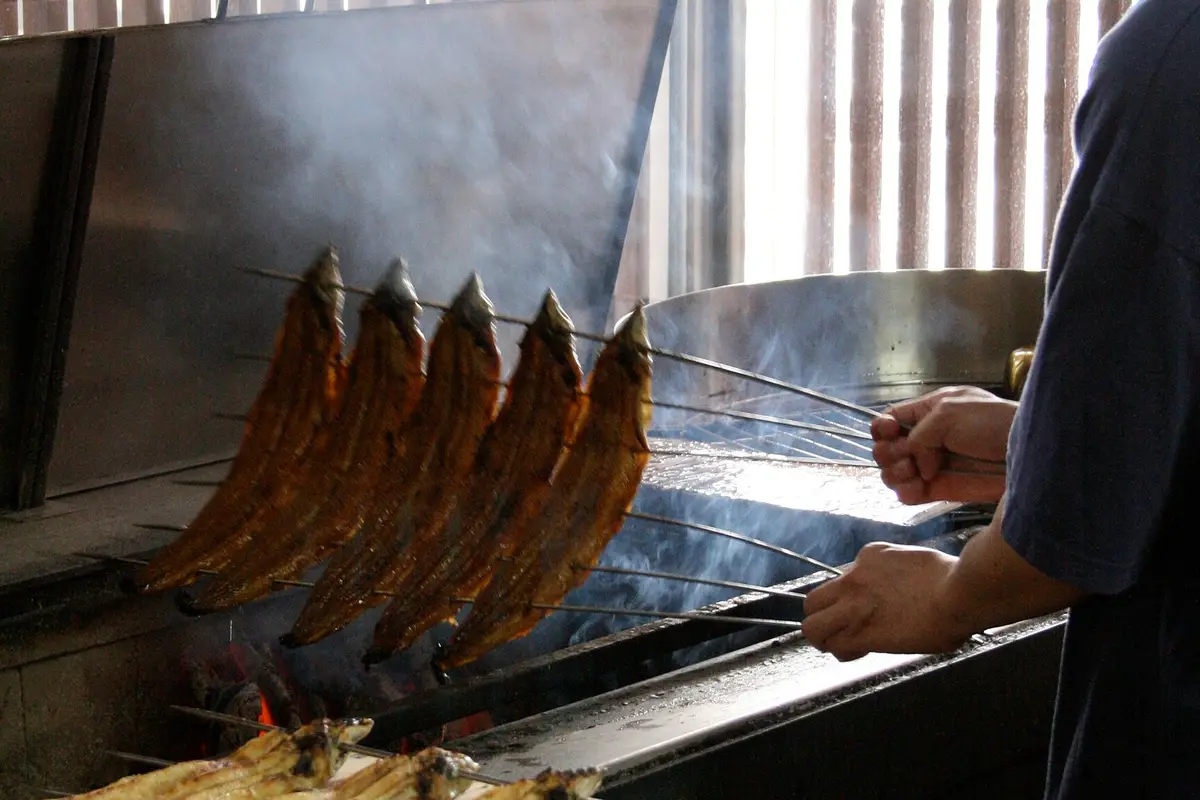
If you happen to be in Japan on a late July day and notice impossibly long lines outside small restaurants with smoke billowing from their doorways, congratulations. You've stumbled into one of Japan's most beloved food traditions.
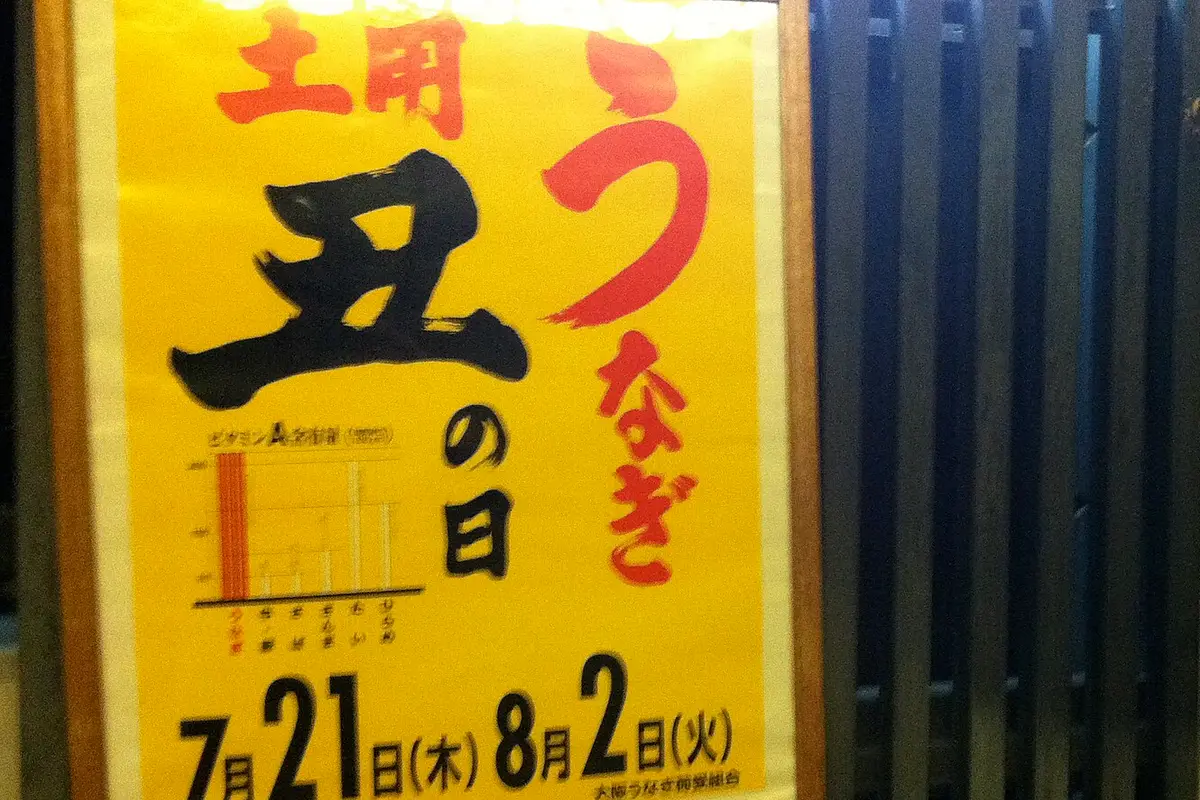
This is Doyo no Ushi no Hi (土用の丑の日): literally "the day of the ox during the midsummer transition." And on this day, an entire country collectively decides: today, we eat unagi (eel).
This isn't some exclusive cultural ceremony you need permission to join. It's closer to the Japanese version of Thanksgiving dinner: a shared moment where everyone participates in the same ritual, complains about the same prices, and feels the same satisfaction when that first bite of sweet-savory grilled eel hits.
And if you join in? Japanese people notice. And they love it.
Quick Guide
| Situation | What Japanese People Said | |
|---|---|---|
| 🟢 Do this | Say "today is Ushi no Hi, right?" to anyone | Mentioning you know about the tradition opens conversations instantly. "It's like when someone knows your birthday without being told." |
| 🟢 Do this | Eat eel, anywhere, any budget | Convenience store eel counts. Supermarket eel counts. Nobody judges where you buy it. The act of participating is what matters. |
| 🟡 Good to know | Eel is expensive, and Japanese people know it | A proper eel meal costs ¥3,000-5,000+. Many Japanese people joke about checking their bank account first. You're not alone in hesitating. |
| 🟡 Good to know | "U" foods are the real tradition | The original custom was eating anything starting with "u" (う): udon, ume (plum), uri (melon). Eel was a marketing addition: brilliant, but not the only option. |
The one thing to remember: Doyo no Ushi no Hi isn't about eating expensive food perfectly. It's about sharing a seasonal moment with 125 million people who are all doing the same thing on the same day. Join in however you can. That's what makes Japanese people smile.
How We Gathered These Voices
We collected Japanese-language opinions from public Japanese Q&A sites, forums, and social posts, focusing on how people feel about eel prices, alternatives, and generational changes. We also drew on consumer survey data from mitoriz (2024, n=3,007), Gurunavi Research (2024), and Datacom's 20-30s eel consumption survey (2024).
A quick note: The forum voices aren't a scientific poll: they're what real Japanese people said in their own words about a tradition they've practiced their whole lives. The survey data provides the statistical backbone. Some love it, some can't afford it, some have replaced eel with catfish. All of it is real.
The Story Behind the Smoke
First, a quick origin story, because it's genuinely entertaining.
In the 1700s, an eel restaurant owner was struggling with summer sales. Eel is actually a winter fish (fattiest in autumn), so selling it in July was a tough pitch. He asked Hiraga Gennai, a famous inventor, writer, and all-around genius of the Edo period, for marketing advice.
Gennai's suggestion? Put up a sign that said: "Today is the Day of the Ox" (本日 土用丑の日).
That's it. No explanation. No discount. Just a sign connecting the existing folk belief that eating foods starting with "u" (う) on the Day of the Ox brings stamina to get through the summer heat, with unagi (うなぎ), which also starts with "u."
It worked so spectacularly that 250 years later, Japan still lines up for eel every summer on this exact day.
平賀源内の発想がすごすぎて、令和になってもまだ効いてるのがウケる。日本最古のバズマーケティングだよね。 Hiraga Gennai's idea was so brilliant that it still works in the 2020s. It's basically Japan's oldest viral marketing.
When Is It?
Doyo no Ushi no Hi falls on a different date each year (it's based on the old Chinese zodiac calendar). In 2026, it's July 26 (Sunday). Some years have two dates: the first is called ichi no ushi and the second ni no ushi.
When a Foreigner Joins In
Here's what we really wanted to know: does it actually matter to Japanese people when a visitor participates in this tradition?
The voices we found were consistently warm. Across Japanese Q&A and forum threads about introducing foreigners to eel, and broader discussions about seasonal food culture, the pattern was clear: Japanese people genuinely light up when a foreigner demonstrates knowledge of their seasonal traditions.
外国人が「今日、土用の丑の日ですよね?」って言ってきたら、めちゃくちゃ嬉しい。日本の季節の文化を知ってくれてるんだって思う。 If a foreigner said to me "today is Ushi no Hi, right?" — I'd be so happy. It means they know about our seasonal culture.
一緒にうなぎ食べてくれたら、もうそれだけで仲間。高い安い関係なく、「今日はうなぎの日だよね」っていう空気を共有してくれるのが嬉しい。 If they eat eel with us, that alone makes them one of us. Expensive or cheap doesn't matter — sharing the feeling of "today's the eel day" is what makes us happy.
コンビニのうな重でも全然いい。大事なのは「あ、この人わかってるんだ」って感じること。 Even a convenience store eel bowl is totally fine. What matters is feeling "ah, this person gets it."
Why so warm? Seasonal awareness (kisetsukan / 季節感) runs deep in Japanese culture. When someone from abroad demonstrates knowledge of a specific seasonal tradition, not just cherry blossoms or autumn leaves, but a food tradition on a specific date, it signals a deeper level of cultural understanding. It's the difference between knowing Japan has seasons and knowing how Japanese people live those seasons.
On these Japanese Q&A sites, multiple users described feeling happy to take foreign friends to eel restaurants: "Everyone ate it deliciously and cleaned their plates," wrote one user about bringing foreign coworkers to an eel shop. The warmth isn't about eel specifically, it's about sharing a seasonal moment.
The Price Elephant in the Room
Here's something no travel guide tells you: many Japanese people themselves struggle to afford eel on this day.
36.7% of Japanese people eat eel on this day regularly, but 60.2% of those who skip it say price is the reason.
Source: mitoriz Consumer Survey 2024 (n=3,007)
According to the mitoriz 2024 survey (n=3,007), only 36.7% eat eel regularly on this day ("every year without fail" 14.0% + "almost every year" 22.7%). Among those who skip it, 60.2% cite price as the main reason.
うな重3,500円とか見ると、「これ…ランチ?」ってなる。でも年に1回だけだから…って毎年自分を説得してる。 When I see unaju for ¥3,500, I think "this is... lunch?" But it's only once a year... I convince myself every time.
正直、スーパーの半額シール待ちです。丑の日の翌日が本当の勝負。 Honestly, I wait for the half-price stickers at the supermarket. The day AFTER Ushi no Hi is the real battle.
昔は一人前1,500円くらいだったのに、今は3,000円超え当たり前。庶民の行事だったのに、いつの間にか贅沢品になった。 It used to be about ¥1,500 per serving. Now ¥3,000+ is normal. It was a common person's tradition, but somewhere along the way it became a luxury.
Why this matters for visitors: If you're hesitating because eel is expensive, know that millions of Japanese people are having the exact same internal debate. The shared "should I splurge?" feeling is actually part of the modern experience of this tradition. You're not an outsider looking in; you're having the same conversation as everyone else.
A turning point in 2025. After a decade of near-constant increases, 2025 brought the first real sign of relief. Japan landed its biggest catch of shirasu unagi (the baby glass eels that stock every eel farm) in years, and the wholesale price of those young eels roughly halved from a year earlier, reaching its lowest in over a decade. The relief was slow to reach the dinner table, though: through the summer of 2025, restaurant and supermarket prices stayed close to the previous year, because rice, labor, and energy costs kept climbing. At the time, the industry expected eel prices to soften only gradually, as this cheaper generation of eels reached the market from late 2025 onward.
Price Reference (2026)
| Where | Price Range | The Reality |
|---|---|---|
| Specialty restaurant (unagi-ya) | ¥3,000-6,000+ | Long queues on the day. Reserve if possible. |
| Family restaurant chain | Noticeably less than a specialty shop | Reasonable quality, no wait. |
| Supermarket bento | ¥1,000-2,000 | How 80% of Japan actually buys eel. |
| Convenience store | The most budget-friendly option | Perfectly acceptable. Nobody judges. |
For reference: ¥1,000 ≈ about $7 USD / €6 / £5. Current rates →
Eel Alternatives: And Why Nobody Judges
Remember Hiraga Gennai's marketing trick? The original tradition was about eating "u" (う) foods, anything starting with that sound. Eel just happened to win the branding war. Today, a growing number of Japanese people embrace alternatives, and they do it with creativity and humor.
Japanese voices on alternatives split into three camps: traditionalists who insist on real eel, pragmatists who happily embrace substitutes, and a creative minority who actively prefer the alternative culture. From what we observed across forums, the pragmatists are the largest group, and growing every year as prices rise.
うな次郎(かまぼこで作ったうなぎ風)で全然満足。400円で「丑の日参加した」気分になれるのは最高。 Una-jiro (eel-style kamaboko) is totally satisfying. Getting the "I participated in Ushi no Hi" feeling for ¥400 is amazing.
うちは毎年さんまの蒲焼。子供たちは「今日うなぎの日だね!」って言いながらさんまを食べてる。それでいいと思う。 Our family eats grilled sardine kabayaki every year. The kids say "today's eel day!" while eating sardines. I think that's perfectly fine.
「う」のつく食べ物なら何でもいいって聞いて、うどん食べた。これで夏を乗り切れるなら安いもん。 I heard anything starting with "u" is fine, so I ate udon. If that gets me through summer, it's a bargain.
Popular Alternatives
| Alternative | Why It Works | Price |
|---|---|---|
| Una-jiro (うな次郎) | Fish-paste "eel" with remarkably realistic texture and sauce | ~¥400 |
| Sanma kabayaki (さんま蒲焼) | Pacific saury in sweet soy glaze, same flavor profile | A fraction of eel's price |
| Catfish kabayaki (ナマズ蒲焼) | Developed by Kindai University as sustainable eel alternative | Roughly a family-restaurant meal |
| Udon (うどん) | Original "u" food. Cool noodles in summer are practical too | Cheap, always available |
| Umeboshi (梅干し) | Traditional "u" food for beating summer fatigue | pantry staple |
| Gyudon (牛丼) | "Ushi" (牛) means ox/cow, literally "ox day" food | Inexpensive fast food |
The Generation Gap
How you observe Doyo no Ushi no Hi in Japan increasingly depends on when you were born.
The mitoriz 2024 survey (n=3,007) revealed a clear generational pattern:
- 60+ generation: 39.3% eat eel every year. They remember when eel was affordable. For them, it's dentou (伝統/tradition).
- 20s and younger: Only 25.0% participate. Nearly 40% say they "never or almost never" eat eel on this day.
おばあちゃんが毎年「今日は丑の日よ!」って朝から張り切ってた。その記憶があるから、自分も続けてる。味より思い出。 My grandmother would get excited every year saying "today is Ushi no Hi!" from the morning. I keep the tradition because of that memory. It's about the memory more than the taste.
正直、20代で自分から「今日うなぎ食べよう」ってなる人少ないと思う。親に言われて食べるか、SNSで見て「あ、今日か」って思い出すか。 Honestly, I think few people in their 20s think "let's eat eel today" on their own. Either your parents remind you, or you see it on social media and think "oh, that's today."
コンビニのうなぎおにぎりで済ませてる。専門店に行く時間もお金もない。でも「参加した」感は一応ある。 I just get a convenience store eel onigiri. No time or money for a specialty shop. But I still feel like I "participated."
What the generation gap tells us: The tradition isn't dying. It's democratizing. Younger Japanese people participate in lighter, cheaper ways. A ¥400 Una-jiro or a convenience store eel onigiri "counts." The spirit of shared seasonal participation survives even as the specific food grew expensive. For visitors, this means there's no wrong way to join in.
How to Participate (The Practical Bits)
You don't need to find a centuries-old eel restaurant or spend a fortune. Here's your actual playbook:
If You Want the Full Experience
- Check the date: In 2026, it's July 26. Mark it.
- Find a specialty shop (unagi-ya うなぎ屋): Look for restaurants with 「うなぎ」signs and smoke coming from charcoal grills. Many have takeout windows on Ushi no Hi.
- Expect a wait: 30-60 minutes is normal at popular spots. Japanese people consider this part of the ritual.
- Order unaju or unadon: Grilled eel over rice in a lacquer box (unaju/うな重) or a bowl (unadon/うな丼). That's all you need to know.
If You Want to Keep It Simple
- Walk into any convenience store (7-Eleven, Lawson, FamilyMart) on the day
- Buy whatever eel product they're promoting; they'll have special displays
- Eat it. You've now participated in a 250-year-old tradition.
If You Can't Eat Eel (or Don't Want To)
- Eat udon: it starts with "u" and you're following the original tradition
- Eat umeboshi (pickled plum): traditional summer stamina food
- Get gyudon (beef bowl): "ushi" means ox, so it's literally "ox day food"
- Tell a Japanese person what you chose and why; they'll probably laugh and say "that works!"
The Magic Words
Say any of these and watch faces light up:
- 「今日、丑の日ですよね?」 (Kyou, Ushi no Hi desu yo ne?): "Today is Ushi no Hi, right?"
- 「うなぎ食べました!」 (Unagi tabemashita!): "I ate eel!"
- 「高かったけど、おいしかった!」 (Takakatta kedo, oishikatta!): "It was expensive, but delicious!"
That last one, mentioning the price, will get you an instant knowing smile. You've just shared the universal Japanese Ushi no Hi experience.
Why This Day Matters: Beyond the Food
Doyo no Ushi no Hi isn't really about eel. It's about something Japan does better than almost any country: turning a calendar date into a shared experience.
In most cultures, seasonal food traditions happen naturally: you eat watermelon in summer because it's available. In Japan, the entire food industry, media, and social rhythm conspire to make sure that on one specific day, 125 million people are all thinking about the same thing.
The supermarket has a special display. The news does a segment. Your coworker says "kyou wa Ushi no Hi da ne" (today's Ushi no Hi, huh). Social media fills with eel photos. Even people who can't afford eel post about their alternatives.
For visitors, this is a rare window into how kisetsukan (季節感 / seasonal awareness) actually operates in daily Japanese life. It's not abstract philosophy. It's a Tuesday in July when everyone eats the same food and complains about the same prices and feels the same satisfaction.
And when you join that conversation, even with the cheapest convenience-store option, you're not a tourist observing a culture. You're participating in it.
Share Your Experience
Did you try eel on Doyo no Ushi no Hi? Or did you find a creative "u" food alternative? We'd love to hear about it.
Sources
Survey Data
- mitoriz Consumer Survey on Doyo no Ushi no Hi Eel Consumption (2024, n=3,007): https://www.mitoriz.co.jp/pressrelease/20240717-4952/
- Gurunavi Research Department: Unagi Consumer Survey (2024): https://corporate.gnavi.co.jp/release/2024/we8o0y5fen/
- Datacom Inc: Eel Consumption Survey for Ages 20-30 (2024): https://www.datacom.jp/2914/news-release/
- TBS News: "Doyo no Ushi: 20s generation 40% don't eat" (2024): https://news.yahoo.co.jp/articles/05b8c933546243e45866c953a6cb2e5ed3518926
Cultural Background
- Intojapanwaraku: "Doyo no Ushi no Hi 2025: History and Basics": https://intojapanwaraku.com/rock/gourmet-rock/11623/
- Wikipedia Japan: 土用の丑の日: https://ja.wikipedia.org/wiki/%E5%9C%9F%E7%94%A8%E3%81%AE%E4%B8%91%E3%81%AE%E6%97%A5
- Kintetsu Fan: "Doyo no Ushi no Hi 2026": https://kintetsu-rs.com/magazine/230616-2/
Price and Alternatives
- RSK Special: "Doyo no Ushi 2025: Price Surge and Affordable Alternatives": https://www.rsk.co.jp/special/hot-info/20250717.html — reports a long-established unagi-ya charging 3000-4000 yen (written without thousand-separator commas; 3,000-4,000 yen) for a sit-down unaju, and kamaboko-style eel substitutes at around 400 yen, matching the ranges cited in this article's body
- Minami-Nippon Shimbun: "Eel prices hold firm this summer despite a record glass-eel catch" (2025-07-18): https://373news.com/news/local/detail/217353/
- Ichimasa Kamaboko: Una-jiro product page: https://www.ichimasa.co.jp/products/unajiro/
- Kakaku.com Magazine: "Eel Substitute Taste Test": https://kakakumag.com/food/?id=15686
Japanese Voices
- X (Twitter): Seasonal posts about eel day participation and price complaints
Note on Quotations
Quotes from online platforms have been lightly edited for readability (fixing typos, formatting for clarity). The meaning and intent of each comment remain unchanged. Original sources are linked above.
This article is available in languages covering 95%+ of visitors to Japan (based on JNTO 2025 data). Need another language? Let us know through Voice Box.
WMJS is written in Japan, in English, with AI help. We check every page, but English is not our first language. If a sentence reads oddly, tell us. One sentence is enough.
Thank you. A person reads every note.
How well do you know Japan?
Built from 635 public posts by Japanese people
Want to know more? Ask Japanese people
Have a follow-up question about this topic? We'll ask real Japanese people.
Voice Box →