
The Gift That Isn't About the Gift: Why Choosing a Small Omiyage Makes Japanese People Feel Seen
What you'll learn in this article:
- What 286 Japanese people said about omiyage, and why a ¥500 regional sweet outranks a luxury item
- The invisible message hidden inside every small gift: "I was thinking of you while I was away"
- Why expensive gifts can backfire in Japan, and the cultural mechanism behind it
- Who to give omiyage to, when it's welcome, and when it crosses a line
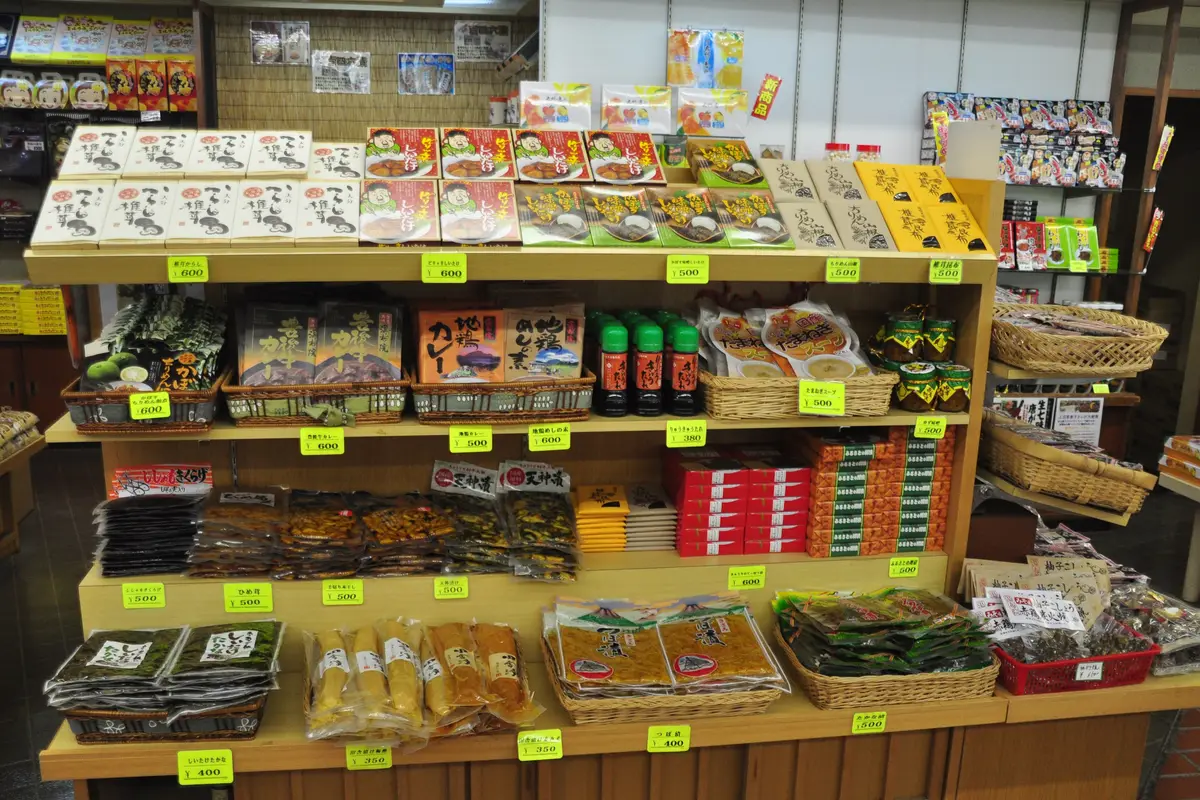
What is omiyage really about? We collected 286 public posts by Japanese people about it. Of the 62 that weighed price against thought, the lean was overwhelming: 68% said the thought behind choosing the gift matters more than its price. In a Cross Marketing survey, the top criterion wasn't brand or cost; it was "can only be bought in that place" (54%). A ¥500 pack of regional sweets chosen with someone in mind carries more relationship weight than a department store luxury item, because Japanese people aren't reading the price tag. They're reading whether you thought of them.
You've probably seen the travel advice: "Bring omiyage when visiting Japan." But what you might not know is that omiyage isn't really about the gift at all.
It's about a message, one that Japanese people read instantly but rarely explain to visitors. When you hand someone a small bag of sweets from the place you just visited, you're not giving them a souvenir. You're telling them: I was somewhere, and while I was there, you crossed my mind. I thought about what you might like. And I carried it back for you.
That's it. That's the whole thing. And it changes relationships in ways that money never could.
We collected 286 Japanese-language opinions across four topics: what matters more between price and thought, who should receive omiyage, how foreign gifts are received, and the obligation side of gift-giving. The goal was to find out what Japanese people actually feel when someone hands them a small gift. The answer is more nuanced, more beautiful, and more useful than any souvenir shopping list.
Quick Guide
| Topic | What Japanese People Said | |
|---|---|---|
| 🟢 Relax | Does price matter? | Not really. 68% said the thought behind choosing matters most. A ¥500 regional sweet chosen for someone specific outranks a ¥3,000 department store box every time. "Even a 100-yen item is delightful if it was chosen while thinking about me." |
| 🟢 Good to know | Does something from your country work? | Yes, and it might work better than you expect. 65% were delighted by foreign gifts, especially items unavailable in Japan. "I don't know this snack, and that makes it exciting." The story behind the item matters more than the item itself. |
| 🟡 Worth knowing | Who should I give to? | Context is everything. Close connections (host families, friends, recurring contacts): absolutely. Workplace: common but evolving. Strangers you just met: proceed with care. The gift signals "I acknowledge our relationship," so the relationship needs to exist first. |
| 🔴 Worth noting | Can it go wrong? | Yes, if you go too expensive. 75% of responses about gift obligation were negative. Expensive gifts trigger okaeshi (return-gift obligation), turning your kindness into pressure. The sweet spot is ¥500–¥1,500, enough to show thought without creating debt. |
The one thing to remember: Omiyage isn't about impressing anyone. It's about showing that someone was on your mind. The act of choosing, not the object, is what Japanese people are reading. Get that right, and the rest takes care of itself.
How We Gathered These Voices
We collected 286 Japanese-language responses across four omiyage topics: price vs. thoughtfulness (62 responses), who should receive gifts (62 responses), how foreign gifts are received (52 responses), and the obligation/burden of reciprocation (55 responses). We also collected 55 responses on generational differences in gift-giving attitudes. Sources include public Japanese Q&A sites, forums, and social posts, plus multiple national surveys (Cross Marketing 2024, Halmek Holdings 2025, Office no Mikata workplace survey, Walker Plus consumer survey).
A quick note: This isn't a controlled scientific survey. It's a collection of what real Japanese people said in their own words, in their own language, on public platforms. Most English-language guides give you a shopping list of "best souvenirs from Japan." We wanted to show you what's actually happening beneath the surface, because the shopping list misses the point entirely.
First, the Biggest Surprise
Here's something that reshapes the entire conversation about gift-giving in Japan: the #1 thing Japanese people value in an omiyage isn't quality, taste, or brand. It's that the item can only be bought in that specific place.
In a Cross Marketing survey, 54% of respondents said regional exclusivity was the most important factor when choosing omiyage. A JTB survey (2013) found that "can only be bought by going there" topped the list at 28.1%.
Why does this matter for you? Because it means a ¥500 bag of local cookies from a small town you visited carries more cultural currency than a ¥3,000 box from a Tokyo department store. The local item proves something the department store item can't: you were actually there.
自分では購入できないエリアのものをもらって嬉しかった I was happy to receive something from an area I can't access myself.
駐在員が本当に飢えているのは、ナショナルブランドではない、その土地の味です! What people genuinely crave is not a national brand — it's the taste of that particular place!
This flips the Western gift-giving logic. In many cultures, more expensive = better gift. In Japan, more specific = better gift. A cookie you can buy anywhere says "I grabbed something." A cookie from a particular town says "I went there, and I thought of you."
What Actually Matters: The Temperature Gauge
Not every aspect of omiyage carries the same weight. Some things will genuinely warm someone's heart. Some depend on context. And one thing can actually create stress instead of joy. Here's what 286 Japanese people wrote.
🟢 Why a ¥500 Sweet Beats a ¥5,000 Brand
The honest answer: Japanese people are reading the act of choosing, not the price tag.
Of 62 responses about what matters more (price or thought), the answer was clear:
わたしのことを考えながら購入してくれたっていう事実が嬉しい What makes me happy is the fact that they were thinking of me while buying it.
自分が喜ぶと思って考えて選んでくれた物は100円でも嬉しいですよ Even a 100-yen item is delightful if it was chosen while thinking about what would make me happy.
覚えてくれたことがまず嬉しい The first thing that makes me happy is simply that they remembered me.
That last one captures something essential. Before the recipient even opens the gift, the message has already been received: you were on someone's mind.
Several responses described this in terms of emotional security:
旅行中も考えていたということで、相手の心に安心感を届けられる Being thought of even while the person was traveling delivers a sense of emotional security.
相手が「ちゃんと自分のことを見てくれている、覚えていてくれた」と感じる The recipient feels: "They really see me — they remembered me."
And here's where the price issue gets interesting. Multiple voices actively warned against going too expensive:
高すぎると気を遣わせてしまう If it's too expensive, it makes the recipient feel obligated.
1000円はバラマキ感があるし、2000円以上は相手に気を遣わせる ¥1,000 feels like a bulk handout, but ¥2,000 or more can feel burdensome to the recipient.
高級デパートのものが未開封のまま賞味期限を迎えることもある一方、スーパーの日常品が心から喜ばれる High-end department store gifts sometimes expire unopened, while everyday items bring genuine joy.
💡 The real signal
The value of omiyage isn't in the object. It's in what the object proves. A regional sweet from a small town proves you went there and thought of someone while you were there. A department store box proves you have money. Japanese people can tell the difference instantly.
🟡 Who Gets Omiyage, And When It Crosses a Line
This is where context becomes everything.
Omiyage doesn't work the same way across all relationships. Of 62 responses about who should receive gifts and when, a clear hierarchy emerged:
Where omiyage shines brightest:
Survey data revealed a clear recipient hierarchy: family (82%), friends (54%), colleagues (49%), acquaintances, neighbors (12%). The pattern tells you something important: omiyage flows along relationship lines.
お土産文化は日本独特のもので、必須ではありません。が、海外ゲストや受け入れ先のホストとの距離がぐぐぐっと縮まります Omiyage culture is uniquely Japanese and not mandatory, but it closes the emotional distance with foreign guests and hosts — quite dramatically. (Japanese host mother who welcomed 8 international students in one year)
ホストファミリーへのお土産は「話のきっかけ」になるのは間違いないです Omiyage for a host family is definitely a great conversation starter.
A guesthouse staff member in Japan shared a moment that captures how small gifts can transcend the guest-staff boundary:
中国からのゲストが「これ、中国のお土産です」と小さなパンダのキーホルダーをチェックイン前に渡してくれた。言葉以上の温かさを感じた A guest from China presented a small panda keychain before check-in, saying "this is a souvenir from China." I felt a warmth beyond words.
アメリカ人ゲストと誕生日を共に過ごした縁で、数か月後にアメリカからクリスマスの荷物が届いた。ミッフィーのグッズと心のこもったカードが入っていて、ゲストとスタッフという関係を超えた繋がりを感じた After sharing a birthday moment with an American guest, a Christmas package arrived from America months later — Miffy merchandise and a heartfelt card. I felt a connection that transcended the guest-staff relationship.
Where it gets complicated:
Giving omiyage to strangers you've just met can send a confusing signal. On Reddit, a visitor planning to give gifts to "locals I meet" was pushed back hard, because omiyage signals "I acknowledge our relationship," and you can't acknowledge a relationship that doesn't exist yet.
The simple rule: if you've shared time with someone (a host, a bartender you've visited more than once, a teacher, a neighbor), a small gift is welcome and often deeply appreciated. If you've just met someone for the first time, a genuine compliment or a thank-you is the better move.
💡 The relationship test
Before giving omiyage, ask yourself: have we shared time together? If yes, a small regional sweet or something from your country is almost always welcome. If no, your words, your smile, and your effort to speak a few words of Japanese carry the same warmth without the ambiguity.
🟢 When Something From Home Becomes a Story
Here's something visitors don't expect: a gift from your country might mean more than a Japanese one.
Of 52 responses about receiving foreign gifts, the reaction was warmer than you'd think:
What stands out is why foreign gifts land so well. It's not about the item being exotic. It's about the story it carries.
海外からのお土産で、誰もが知っている有名なお菓子と、日本では無名な珍しい良質なお菓子のどちらが嬉しいか——私も圧倒的に後者ですね。私が知らないお菓子だと興味をそそられますので Between a famous snack everyone knows vs. a rare quality one unknown in Japan — for me it's overwhelmingly the latter. If I don't know the snack, it piques my curiosity.
ドイツから帰国した同僚がリッター・スポーツのチョコを持ってきてくれた。普通のチョコに見えて日本では手に入らない味ばかりで、みんなで話が盛り上がった A colleague returning from Germany brought Ritter Sport chocolates. They looked ordinary but had flavors unavailable in Japan — everyone got excited talking about them.
That second example is gold. The chocolates weren't expensive or fancy. They were just from somewhere else. And they became a conversation. That's exactly what omiyage is designed to do: not to impress, but to give people something to talk about together.
A Japanese blogger described her childhood memory in a way that captures this perfectly:
祖父母が海外旅行から帰ってきたとき、リンドールチョコレートを買ってきてくれた。色とりどりの紙に包まれた小さな何種類ものチョコレート。子どもの頃のあの嬉しさは今でも覚えている When my grandparents returned from overseas, they brought Lindor chocolates — multiple varieties wrapped in colorful papers. The joy I felt as a child, I still remember it vividly.
And a note about what doesn't work as well: items that are too unfamiliar in taste (very sweet, very strong spices) or too large to share easily. The safest foreign gifts are small, individually wrapped items that a group can try together, because sharing is built into omiyage culture.
💡 Why foreign gifts work
Something from your home country works as omiyage because it carries a story nobody else can tell. It proves the same thing a Japanese regional sweet proves: "I was somewhere, and I brought back proof." The origin is different, but the message is identical, and Japanese people read that message fluently.
🔴 When Generosity Becomes a Burden
This is where gift-giving in Japan goes from heartwarming to genuinely stressful, and it's something visitors need to understand.
Of 55 responses about the obligation to reciprocate gifts, the feelings were intense:
The mechanism works like this: in Japanese culture, receiving a significant gift creates an unspoken obligation to return approximately half its value, a system called okaeshi (お返し). What's meant as a beautiful gesture of reciprocity can become a source of real anxiety.
人に何かをもらうと、すぐ「お返ししなきゃ」と思ってしまいます。友人からディズニーランドのおみやげを貰うと、すぐさま何かしらお返しをしないといけない気になります。人の好意を素直に受け取れません Whenever I receive something, I immediately think "I have to return the favor." When a friend brings me a Disney souvenir, I instantly feel I must give something back. I can't just accept someone's kindness gracefully.
要らないもの貰ってその半額の要らないもの買って相手に送るって本当ばかばかしい You receive something you don't want, then spend your own money buying something they probably don't want, and send it back. The whole thing is genuinely absurd.
義務感によるプレゼントは、あげる方ももらう方も不幸になるから、もうやめようよ! Gifts given from a sense of obligation make both giver and receiver unhappy — let's just stop!
Even public figures have spoken out. Comedian Yamanouchi Kenji said on television:
お祝い返しという文化が嫌い。あげる側は返してほしいとも思わないじゃないですか。なのに、返さなかったらちょっと失礼な奴みたいな I hate the gift-return culture. The giver doesn't actually want anything back. But if you don't reciprocate, you look rude.
What this means for visitors:
This is where the connection to tipping in Japan becomes crystal clear. Just as a monetary tip creates confusion because Japanese service workers don't know how to process unsolicited money, an overly expensive gift creates stress because the recipient immediately starts calculating what they owe you in return.
The sweet spot, which came up repeatedly across multiple data sources, is ¥500 to ¥1,500. At this level, a gift says "I thought of you" without saying "now you owe me." One respondent put it perfectly:
お土産を贈るという行為に意味があります。「相手にエクストラの費用と時間をかけてくれた」その心遣いに価値がある The act of giving omiyage itself has meaning. The value lies in the consideration of spending extra time for the other person.
The value is in the act more than the amount. Get that equation right, and your gift becomes pure warmth with zero burden.
💡 The obligation trap
Your generous ¥5,000 gift might create ¥2,500 of stress, because the recipient now feels obligated to return roughly half the value. This isn't about your intention. It's about a cultural system that automatically converts large gifts into social debts. Stay in the ¥500–¥1,500 range, and your gift stays in the "pure warmth" zone.
The Cultural Engine: Why This Works
So what makes omiyage different from regular gift-giving? Three things, and they connect to the deeper cultural values that shape daily life in Japan.
1. Omiyage Is a Communication Tool
In a culture where people don't always say "I missed you" or "I was thinking of you" directly, omiyage says it through action. This connects to omoiyari, the Japanese concept of anticipating what someone needs before they express it. Choosing an omiyage requires you to imagine the recipient: what do they like? What would surprise them? What would make them smile?
日本人は感謝の気持ちをお土産で表現する Japanese people express gratitude through omiyage rather than direct verbal expression.
贈る相手の好みを考えて選んだお土産は、モノから特別な「贈り物」に変わる An omiyage chosen by thinking about the recipient's preferences transforms from a mere "thing" into a special "gift."
The act of choosing is the message. This is why a generic box doesn't land the same way. It skips the thinking step, which is the whole point.
2. Omiyage Proves You Were Somewhere
The word omiyage (お土産) literally contains the character for "earth" or "land" (土). It's etymologically tied to place. An omiyage is proof of displacement: evidence that you left your normal world, went somewhere else, and brought back a piece of it.
This is why regional exclusivity matters so much to Japanese people. A local specialty from Hokkaido proves you were in Hokkaido. A sweet from a small town in Kyushu proves something even better: you went somewhere off the beaten path, and you still thought of the person back home.
And here's the connection that ties everything together: when you bring something from your home country to Japan, you're proving the same thing in reverse. You were in America, or Germany, or Thailand, and while you were there, your Japanese friend crossed your mind. The distance the item traveled is itself a measure of how much you thought about them.
3. Small Is Beautiful, By Design
The ¥500–¥1,500 sweet spot isn't just about avoiding obligation. It reflects a deeper value: in Japan, showing that you're easy to be around matters more than showing you're generous. A small gift says "I'm not trying to impress you or put you in an awkward position. I just wanted you to know I thought of you."
This is the opposite of cultures where bigger gifts signal stronger feelings. In Japan, a perfectly calibrated small gift signals something even better: you understand how this works. And that understanding, that cultural fluency, is itself a form of respect.
結論、一番嬉しいのはあなたが来てくれるという事実です In the end, the most precious thing is simply the fact that you came.
A Generational Shift Worth Knowing
One more thing worth understanding: omiyage culture is changing, especially among younger Japanese people.
Our data showed a clear split. Older Japanese people tend to view omiyage as essential social lubrication, a way to maintain relationships and show respect. But among people in their 20s and 30s, a different feeling is emerging:
- 63% of people in their 20s-30s have never given ochugen (mid-year formal gifts)
- Formal gift-giving (ochugen and oseibo) has declined 18.1% since 2017
- About 30% of workplace omiyage recipients say they'd rather the custom stopped
- Some younger workers admit to hiding their travel plans to avoid the expectation of buying office omiyage
毎年形式的にモノを送りあうことに意味ってあるのかな Does it really make sense to keep exchanging items every year in such a formulaic way?
But here's what's fascinating: the decline is in obligatory gift-giving, rather than in meaningful gift-giving. Young Japanese people aren't rejecting the idea of bringing something back for a close friend. They're rejecting the system where you have to buy 30 boxes of cookies for every department at work because you dared to take a vacation.
The omiyage that matters (the small, chosen-with-care, I-thought-of-you kind) is as powerful as ever. Maybe even more so, because in a world drowning in obligations, a gift that comes from genuine feeling stands out.
What Actually Works: A Practical Guide
Based on 286 voices, here's what Japanese people actually appreciate:
The ideal omiyage:
- Regional food from where you were (the more local, the better)
- Individually wrapped (so it can be shared at a table or office)
- ¥500–¥1,500 range (shows thought without creating obligation)
- Something you chose because it reminded you of the person
From your home country:
- Local or regional sweets that aren't available in Japan
- Small, shareable items (a bag of chocolates beats a single large item)
- Items with a story you can tell ("This is from the town I grew up in")
- European chocolate, American craft snacks, regional specialties from anywhere: all work beautifully
What works less well:
- Food in the ¥500–¥1,500 range lands most consistently, since higher prices can trigger okaeshi obligation
- Regional food items travel better than keychains or accessories (food topped every "happiest to receive" survey)
- Small, shareable items that a group can try together get the warmest reception
- Gifts shine brightest when given to someone you've shared time with: the relationship gives the gift its meaning
When receiving omiyage from Japanese people:
- Accept it graciously; saying "that's too much" or "you shouldn't have" repeatedly can make the giver feel awkward
- A warm thank-you is all that's needed; you don't need to rush out and buy something in return
- If someone brings you something from their trip, it means you were on their mind. That's a beautiful thing. Just let it be beautiful
The people behind Japan's hospitality operate on this same principle. Just as tipping creates confusion because the motivation for excellent service isn't money, an expensive omiyage creates confusion because the motivation for gift-giving isn't displaying wealth. Both systems run on the same fuel: genuine care, calibrated small.
More Japanese Perspectives
Curious about other aspects of gift-giving and relationship-building in Japan? These articles explore what Japanese people actually think, based on hundreds of real voices.
- What Happens When You Tip in Japan?: 411 Japanese people explain why your tip might be chased down the street, and what they'd rather you do instead.
- Omoiyari: The Concept That Explains Everything: 358 Japanese people define the untranslatable word behind Japan's invisible thoughtfulness.
- Why Your Compliments Change Japan: How a simple "this is delicious" can make someone's whole week.
- The Art of Being Easy: Why the highest compliment in Japan isn't "impressive." It's "easy to be around."
Share Your Experience
Have you given omiyage in Japan? Did someone's face light up? Have you received omiyage and felt the warmth behind it? We'd love to hear your story; it helps build a bridge between cultures.
Share your experience on Voice Box →
Sources
Primary Research Data
Price vs. Thoughtfulness (62 voices)
- Public Japanese Q&A sites, forums, and social posts: first-hand opinions on price vs. thoughtfulness in omiyage
- Cross Marketing 2024 Omiyage Survey: report
- Kanko Keizai Regional Omiyage Survey: report
- Walker Plus consumer survey: article
- PR Times omiyage selection criteria: report
- JTB Omiyage Survey (2013), via FGN Mpac: data
- Rikunabi Journal: article
- Marco Polo blog: article
Gift Recipient Context (62 voices)
- Public Japanese Q&A sites, forums, and social posts: first-hand opinions on who should receive omiyage (host families, friends, workplace)
- Office no Mikata workplace survey: report
- CanCam survey on unwanted gifts: article
- Lisa Lisa 50 gift recipient hierarchy survey: report
- Meiji University cultural research on omiyage: Eijun Senaha, "The Culture of Omiyage" (明治大学紀要)
Foreign Gift Reception (52 voices)
- Public Japanese Q&A sites, forums, and social posts: first-hand reactions to receiving gifts from abroad
- Mynavi News foreign residents interview: article
- Vollmond German omiyage guide: article
Obligation and Reciprocation (55 voices)
- Public Japanese Q&A sites, forums, and social posts: first-hand opinions on the okaeshi (return-gift) obligation
- AllAbout on uchiniwai: article
- Yamanouchi Kenji TV comments: ecnavi
- Halmek Holdings 2025 gift-giving survey: report
- Cross Marketing 2024 ochugen/oseibo survey
- PR Times workplace gift survey
Generational Differences (55 voices)
- Cross Marketing 2024 generational gift survey
- Halmek Holdings 2025 survey on ochugen/oseibo decline
- CanCam 640-person workplace survey
- Public Japanese Q&A sites, forums, and social posts: first-hand opinions on changing gift culture across generations
Note on Quotations
Quotes from online platforms have been lightly edited for readability (fixing typos, formatting for clarity). The meaning and intent of each comment remain unchanged. Original sources are linked above. Price figures used in this article (500, 800, 1000, 1500, 2000, 2500, 3000, and 5000 yen) are respondent-quoted or respondent-implied price points drawn from the collected voices in the Q&A sites, forums, and social posts disclosed above; the 1000/2000 yen threshold matches the Walker Plus survey, and the 1500 and 2500 yen figures are the article's own rounding/illustration of the quoted figures rather than independently reported by an external source.
WMJS is written in Japan, in English, with AI help. We check every page, but English is not our first language. If a sentence reads oddly, tell us. One sentence is enough.
Thank you. A person reads every note.
How well do you know Japan?
Built from 635 public posts by Japanese people
Want to know more? Ask Japanese people
Have a follow-up question about this topic? We'll ask real Japanese people.
Voice Box →