
Surviving Japan's Summer: What Japanese People Actually Do (And Why They Worry About You)
Key Takeaways:
- Japan's summer heat defeats even people from tropical countries: in a 2016 Japan Weather Association survey, 60% of people from Singapore, Thailand, and Indonesia living in Japan said Japan's summer was harder than home
- Japanese people have built an entire survival ecosystem: parasols, cooling neck rings, convenience store pit stops, and shopping malls that officially welcome you to cool down for free
- In a 2020 Japan Weather Association survey, 57% of people who had visited Japan in summer reported heat stroke symptoms. Japanese people are genuinely worried about you, and their summer wisdom can keep you safe
- The real enemy is humidity, and temperature alone doesn't explain it. At 70-80%, your sweat can't evaporate, and your body loses its main cooling mechanism
Japan's summer is hotter than you think, and temperature alone isn't the reason. With humidity regularly exceeding 80%, even people from the Philippines, India, and Ghana say Japan's heat is worse than home. But Japanese people have spent generations developing a survival toolkit that works. Here's what 344 of them have said publicly.
Let's get this out of the way: Japan's summer is brutal. Even Japanese people will tell you that. They'll also, in the same breath, tell you they're worried about you experiencing it unprepared.
They're not just worried, though. They've spent generations developing an incredibly detailed system for surviving their own summers: specific foods, specific gear, specific places to cool down, and even a national debate about whether summers were always this bad (spoiler: they weren't). And almost all of it is available to you, for free, the moment you step off the plane.
This article is built on 344 real voices from Japanese people: what they actually eat, carry, and do to survive their summers, what they think when they see tourists struggling in the heat, and the practical wisdom that most travel guides never mention. You don't need to avoid Japan in summer. You just need to know what Japanese people know.
Quick Guide
| Topic | What Japanese People Said | |
|---|---|---|
| 🟢 | The heat is real, and Japanese people know it | Even people from the Philippines, India, and Ghana say Japan is worse. Humidity is the culprit far more than the temperature. Japanese people aren't surprised you're struggling; they are too. |
| 🟡 | Japanese people have a survival toolkit | Parasols, cooling neck rings, frozen water bottles, convenience store pit stops, and shopping malls that officially invite you to cool down. This gear works. |
| 🔴 | They worry about you | Japanese people genuinely worry when they see tourists in the heat. They know visitors don't understand the humidity, and they wish they could tell every one of you: carry water, find shade, and don't be tough about it. |
How We Gathered These Voices
We collected 344 Japanese-language responses across six summer topics: the reality of Japan's humidity (62 responses), cooling items and gear (55 responses), places to cool down (62 responses), what Japanese people think about tourists in the heat (55 responses), summer survival foods (55 responses), and how different generations experience summer heat (55 responses). Sources include online discussion platforms, surveys by Daikin, Uniqlo, the Japan Weather Association, and the Ministry of Environment, as well as interviews published by LIVE JAPAN, Toyo Keizai, and other Japanese media.
A note on method: This isn't a controlled scientific survey. It's a collection of what real Japanese people said in their own words, in their own language, on public platforms. Most English-language travel sites simply tell you "it's hot, bring water." We wanted to show you how Japanese people actually think about, cope with, and feel about their summers.
Why Japan's Heat Defeats Even the Tropics
This is the section where everything you thought you knew about heat gets rearranged. Japan's summer temperatures, typically 30-35C, don't look extreme on paper. But the humidity regularly exceeds 80%, and that changes everything.
The numbers tell a clear story. In a Japan Tourism Agency survey of 630 visitors leaving from Narita and Haneda airports in August 2019, 89% found Tokyo's summer muggy, with North Americans hitting 99%. A 2018 Daikin survey of 150 foreign residents of Tokyo found that 97% called Tokyo's summer "hot," and 48% said "unbearably hot." The top reason cited by 88%? Humidity.
But what really brings this home is hearing from people who come from countries you'd assume are hotter.
日本より暑いと思ってたフィリピン人が『日本アツスギルヨーー!日本の夏だけチガウヨー』って叫んでました A Filipino who thought their country was hotter was screaming 'Japan is TOO HOT!! Japan's summer is DIFFERENT!!'
フロリダ州出身の友人が「日本に来るまで私は【humid(湿度が高い)】の意味がわかっていなかった」と言っています My friend from Florida said 'I didn't understand the meaning of humid until I came to Japan.'
砂漠でテスト合格した新型車が東京の渋滞でオーバーヒートした A new car model that passed desert testing overheated in Tokyo traffic.
That last one says it all. A car engineered to survive desert conditions couldn't handle Tokyo in August. The difference is the humidity. In dry heat, your sweat evaporates and cools you down. In Japan's 70-80% humidity, sweat can't evaporate; it just sits on your skin, and your body's main cooling system stops working.
バイト先の南アジア人たちから「暑すぎる、国へ帰りたい」という発言が飛び出して、いやいや何をおっしゃる…とそれぞれの首都の気温を調べたらいずれも30℃以下だった South Asian coworkers at my part-time job said 'It's too hot, I want to go home.' I thought 'come on...' but when I checked their capitals' temperatures, they were all under 30C.
あまりに暑いので、時々サウナに入っているように感じます It's so hot that sometimes it feels like being in a sauna. (Beninese resident of Tokyo)
In a 2016 Japan Weather Association survey of 200 foreign residents, about 80% found Japan's summer as hard to bear as their home country's or harder. Even among those from tropical countries like Singapore, Thailand, and Indonesia, 60% said Japan's summer was harder to bear than home. Japan combines Egyptian-level temperatures with Amazonian-level humidity, a combination that's rare anywhere else on Earth.
And there's one more thing visitors from dry climates don't expect: Japan stays hot at night.
バージニア州の乾いた気候では、夜になると気温が下がる。日本は暑いまま In Virginia's dry climate, temperature drops at night. Japan stays hot.
The Japanese Survival Kit
Japanese people don't just endure summer; they've built an entire arsenal of tools to fight it. And almost everything they use is available to you at the nearest convenience store or drugstore.
The Parasol Revolution
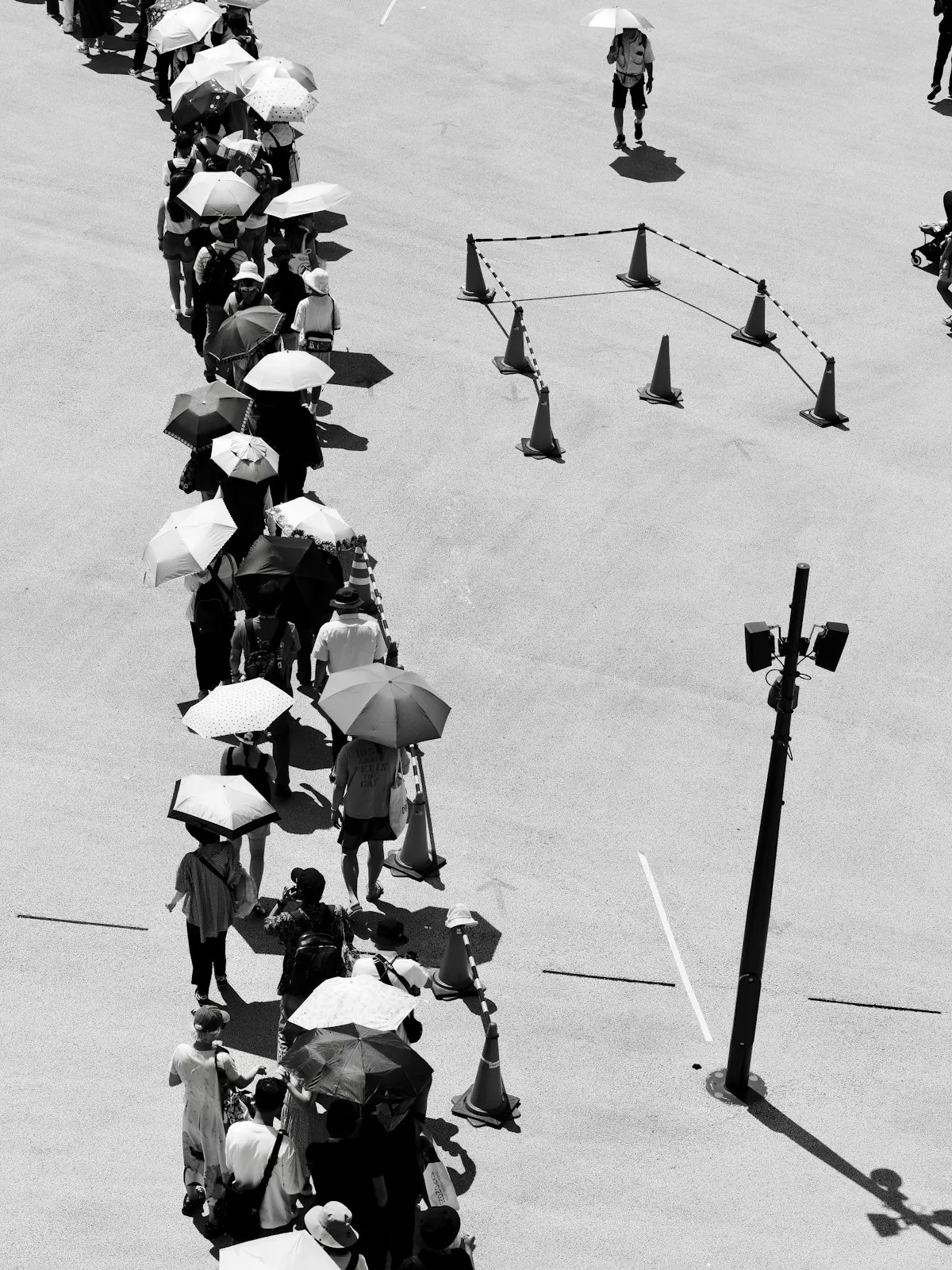
If you only take one thing from this article, let it be this: get a parasol. Japan's Ministry of Environment tested them and found that parasols reduce the heat index (WBGT) by 1-3C and decrease sweating by about 17%. That's measurable, government-verified protection, not a placebo.
What's fascinating is that men using parasols is a relatively new phenomenon in Japan, and it's changing fast. A Saitama Prefecture survey found over 90% of male participants reported feeling cooler with a parasol. But there's still a social barrier some men feel:
2年連続で熱中症になり、命の危機を感じたため日傘を使い始めました。思っていた以上に涼しさに驚き快適でした After getting heatstroke two years in a row and fearing for my life, I started using a parasol. The coolness surprised me far beyond expectations. (45-year-old man)
まさか自分が日傘を使う日が来るなんて思っていなかったです。男性が日傘を差すことにマイナスな意見もあるのかなと思っていたのですが、実際は肯定的な意見ばかりでした I never imagined the day would come when I'd use a parasol. I assumed there'd be negative opinions about men using them, but in reality it was all positive feedback. (24-year-old man)
日傘は女性のものという考え方がナンセンスだし、炎天下で涼しく過ごせるなら、使った方がいい The idea that parasols are only for women is nonsense. If it keeps you cool in the blazing sun, you should use one.
For visitors, there's zero social barrier at all; nobody bats an eye at a tourist with a parasol. You can find them at convenience stores, 100-yen shops, and department stores everywhere.
Handy Fans, With One Critical Warning
Portable fans (handy fans) are everywhere in Japan. Nearly 70% of Japanese teenagers own one, and they've become a standard summer accessory. They work well, but there's an important safety caveat that most visitors don't know:
気温が35度以上になるとハンディファンは逆効果になります。明らかに気持ち悪い熱風になったら使用を控えてください When temperatures exceed 35C, handy fans become counterproductive. If the air clearly feels like hot wind, stop using them. (ELECOM, electronics manufacturer)
Above 35C, the maker's own advice is to give the fan a rest and cool down another way. Below 35C, they're excellent. Check the temperature and switch accordingly.
Cooling Neck Rings, Frozen Bottles, and Sweat Sheets
Japanese convenience stores and drugstores stock an entire ecosystem of cooling tools that visitors usually walk right past:
Cooling neck rings (PCM type) automatically get cold below 28C and can provide gentle cooling for two hours or more. Just chill them in the fridge or hold them under cold water.
首につけるだけで、体感温度がすごく変わるので、暑い日も快適に過ごすことができました Just wearing it drastically changes how hot you feel, making even hot days comfortable.
Frozen bottles from any convenience store freezer serve double duty: hold one against your neck or armpit to cool down, then drink it as it melts. About 150 yen for instant relief.
Sweat-wiping sheets are one of Japan's most uniquely Japanese inventions. While Western countries focus on preventing sweat (antiperspirants), Japan developed a whole category of products for managing the sweat that's already happened:
日本の汗拭きシートは革命的な商品。汗を拭き取ったあと肌がさっぱりする Japanese sweat-wiping sheets are revolutionary. Your skin feels refreshed after wiping away the sweat. (Vietnamese visitor)
清潔好きで、また他人に迷惑をかけたくないという意識が強い。汗を拭くことは社会的マナー Japanese people are cleanliness-oriented and strongly conscious of not inconveniencing others. Wiping sweat is a social courtesy.
You'll find all of these at any convenience store or drugstore, no Japanese language needed.
Where to Cool Down (And Why Nobody Minds)
One of the most important things to know about surviving Japan's summer is that Japanese people have built an entire network of places where you're explicitly welcome to cool down, even if you don't buy anything.
The Convenience Store That Went Viral
In 2024, a Seven-Eleven store owner in Niigata Prefecture put up a sign that received over 420,000 likes on social media:
体調不良(熱中症)と思ったら無理をせず店内で涼んでいってください。気を使って不必要な物の購入は不要です。体力回復だけに集中してください。元気な時にまたいつかお越しください If you feel unwell (heat stroke), don't push yourself; please come inside and cool down. No need to feel obligated to buy anything. Just focus on recovering your energy. Come back when you're feeling better. (Seven-Eleven store owner, Niigata)
This wasn't a corporate PR stunt. It was a store owner telling you: don't buy anything, just cool down. The response from Japanese people was overwhelming:
逆にここで買いたくなる This actually makes me want to buy something here.
困っている人への気遣い。大人だな。また行きたいって思わせてくれるお店だな Such consideration for people in trouble. That's real maturity. It's the kind of store that makes you want to come back.
Seven-Eleven Japan has since made this an official company-wide initiative, encouraging all stores to welcome people seeking heat relief.
Shopping Malls as Official Cooling Shelters
Aeon Mall, Japan's largest shopping mall chain with 162 malls nationwide as of August 2026, has partnered with local governments to serve as official "Cooling Shelters." This isn't just marketing. Under Japan's revised Climate Change Adaptation Act (2024), municipalities can designate facilities with proper cooling as free public cooling shelters.
気兼ねなく暑い時には家の冷房を消していただいてイオンモールに来て猛暑を乗り切っていただきたい Please feel free to turn off your home AC and come to Aeon Mall to get through the heat. (Aeon Mall Kochi General Manager)
イオンに住み付こうと思う I'm thinking of just moving into the Aeon Mall.
That second comment is a joke, but it captures something real. Japanese people routinely spend entire summer days in shopping malls. It's less about shopping and more about the fact that malls are cool, have food courts, seats, restrooms, and free WiFi. For tourists, they're the perfect midday retreat.
Libraries, Museums, and Traditional Spots
Libraries are the most commonly registered "Cool Share" spots in Japan. They're climate-controlled to protect the books, which means they're consistently comfortable. Museums work the same way. Both are free or inexpensive, quiet, and welcome everyone.
And then there are Japan's traditional cooling spots, places that have been helping people escape the heat for centuries:
風鈴の音が聞こえるところには悪いことが起こらない、なんて言われていましたね They used to say nothing bad happens where you can hear wind chimes.
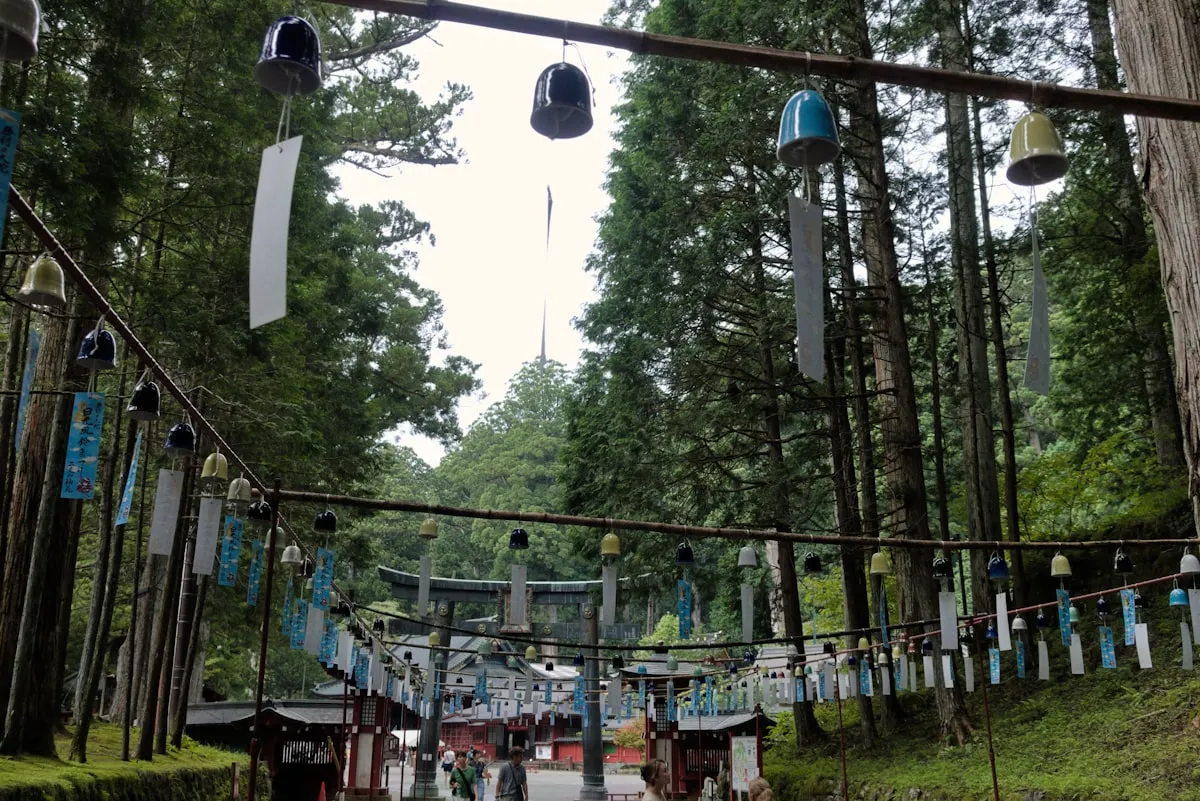
Kawadoko (river terraces) in Kyoto's Kibune area maintain an average temperature of 23C, about 10 degrees cooler than downtown Kyoto. Caves near Mount Fuji stay at 0-3C year-round. And throughout summer, temples host wind chime festivals with thousands of chimes creating a soundscape designed to make you feel cooler.
What Japanese People Think When They See You in the Heat
This is the section that gets to the heart of what WMJS is about. When Japanese people see tourists struggling in the summer heat, their overwhelming reaction is worry. Annoyance and indifference barely register.
Only 7% expressed frustration. The rest were a mix of genuine concern and empathetic understanding. Read what they actually said:
今週、来日した観光客は気の毒だな I feel sorry for the tourists who arrived in Japan this week.
海外の人は日本の湿度を知らない Foreigners don't know about Japan's humidity.
日本人も耐えられんからな… Even Japanese people can't endure it, you know...
カラッとした気候の国の人が来たら体調崩すと思う I think people from countries with dry climates would get sick coming here.
That last point is important. Japanese people understand something that most visitors don't: knowing the temperature alone doesn't prepare you. A person from Phoenix, Arizona (where summer hits 45C but humidity stays at 10%) has no physical reference point for 35C at 80% humidity. Japanese people know this, and it worries them.
Some express their concern with humor:
この暑さだけはどうにもならんねん、ごめんやでイニエ This heat is the one thing we can't fix — sorry about that, Iniesta.
名古屋に来てください。本当に不快な夏を経験させてあげますよ Come to Nagoya. I'll show you a truly unbearable summer.
日本も夏さえなければいい国なのに Japan would be a great country if only it didn't have summer.
Behind the humor, there's something genuinely touching: many Japanese people feel a sense of responsibility (almost guilt) about the climate their visitors have to endure.
And some people go beyond words:
真夏で暑い中、バスまで5分間一緒に猛ダッシュしてくれました In the scorching midsummer heat, he sprinted with me for 5 minutes to catch the bus.
The Japan Weather Association's "Heat Stroke Zero" project actively encourages Japanese people to check on anyone showing signs of distress in the heat, including tourists. They've published guidelines on recognizing the symptoms: abnormal sweating, unsteady walking, crouching in apparent distress.
汗のかき方がおかしい、歩き方がおかしい、しゃがみ込んでツラそうだ、などは周りの人から見ても分かるため、勇気を出して声を掛けることが大切です If someone is sweating abnormally, walking oddly, or crouching in distress — these are signs visible to bystanders, so it's important to have the courage to speak up and check on them.
Japanese people also want you to know about their own survival tools. A French YouTuber's video praising Japanese parasols went viral, and the reaction from Japanese viewers was warm:
わかるぅ~日傘文化は男性女性関係なく広めたい I totally get it — I want to spread parasol culture regardless of gender.
まさか珍しいアイテムだったとは知りませんでした I had no idea it was considered a rare item in other countries.
Summer Food That Keeps You Going
Japanese summer food is a survival strategy refined over centuries, not just a matter of taste. When appetite disappears in the heat (and it will), Japanese people have a whole toolkit of foods designed to get you through.
Somen: Japan's Love-Hate Summer Noodle
Cold, thin, and slippery, somen is the default summer food in Japanese households. It's also the food that divides Japanese people most sharply.
暑くて食欲ない時にはそうめんよ。それ以外何食べろっていうの When it's hot and you have no appetite, somen is the answer. What else are you supposed to eat?
お家で死ぬほど出てきたから...!!!夏=そうめんの方程式はもう成立しない It appeared at home so relentlessly...!!! The equation 'summer = somen' no longer holds for me.
素麺は値段で味が変わるので安いのは買いません Somen flavor really changes with price, so I never buy the cheap ones.
If you try somen in Japan, look for Ibonoito brand: it's what Japanese people consider the premium standard. And try nagashi somen (flowing noodles caught with chopsticks from a bamboo waterslide) if you can find it. In Kyoto's Kibune area, 70% of customers are now foreign tourists coming for this experience.
Mugicha: The Universal Summer Drink
Every Japanese household has mugicha (barley tea) in the fridge during summer. It's caffeine-free, so children, pregnant women, and elderly people all drink it. In a Suntory survey, 88% of households said their mugicha consumption increases in summer.
冷蔵庫に麦茶が残り1cmほどしかないのが一番ストレス。飲むなら少しだけ残すな! The most stressful thing is finding only 1cm of mugicha left in the fridge. If you're going to drink it, don't leave just a little!
That frustration, the "who drank all the mugicha" debate, is one of the most universally shared summer experiences in Japanese families. You can buy bottled mugicha at any convenience store for about 100 yen. It's refreshing, subtly toasty, and the single most Japanese thing you can drink in summer.
Unagi, Kakigori, and Hiyashi Chuka
Unagi (grilled eel) has been Japan's summer stamina food since at least the Edo period. The tradition of eating it on Doyo no Ushi no Hi (a specific midsummer day) is said to have been invented by Hiraga Gennai, essentially Japan's first marketing campaign. About 50% of annual eel spending in Japan is concentrated in July and August.
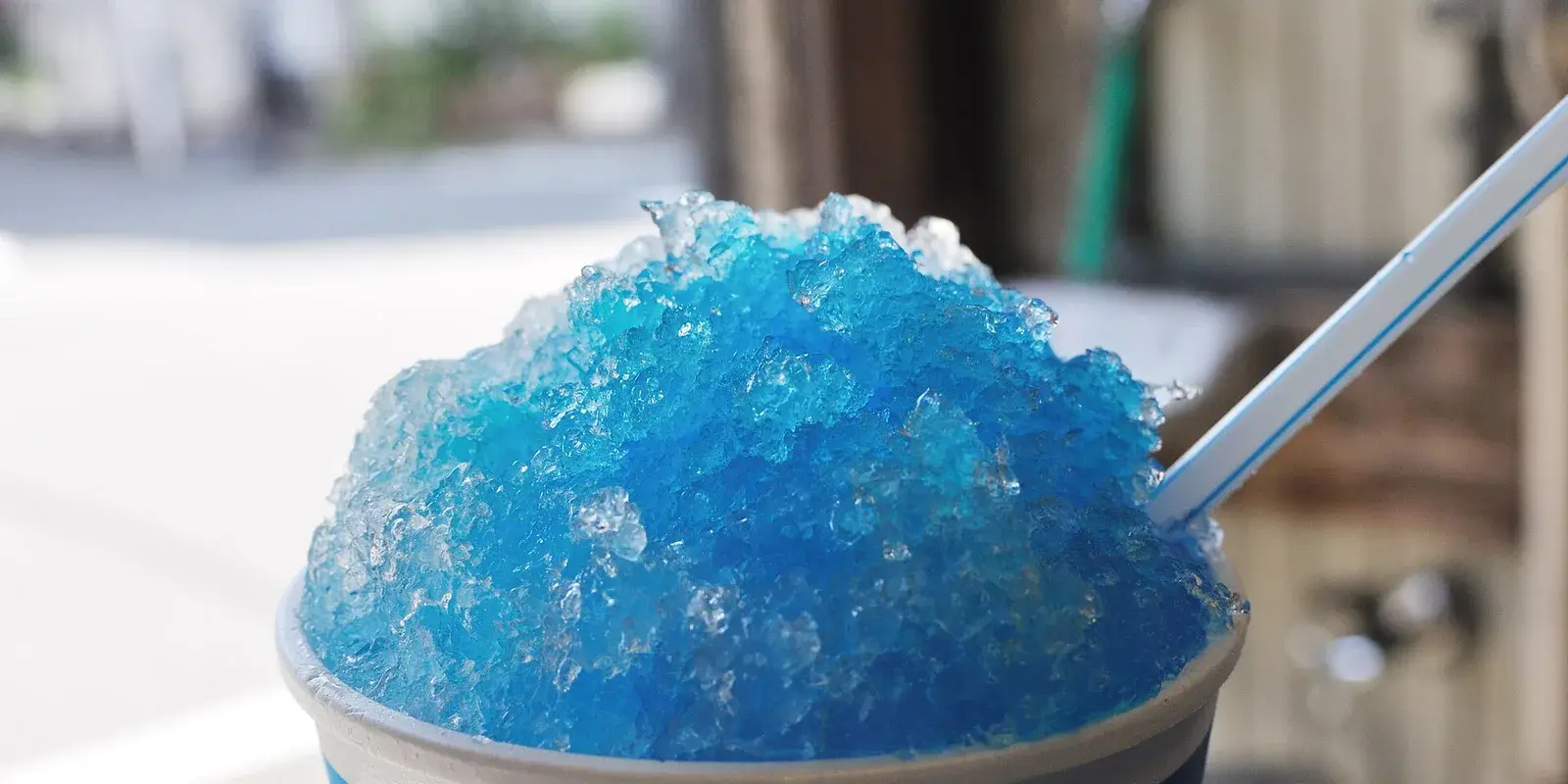
Kakigori (shaved ice) goes back over a thousand years. Sei Shonagon wrote about eating shaved ice with sweet syrup in her Pillow Book during the Heian period. Today's artisanal kakigori shops serve versions with hand-shaved ice that melt differently from the festival variety. Matcha flavor is the most popular with foreign visitors.
Hiyashi chuka (cold Chinese noodles) is a seasonal marker: the sign "Hiyashi Chuka Hajimemashita" (Cold noodles now available) appearing at restaurants is Japan's unofficial announcement that summer has arrived. It divides opinion almost as much as somen:
冷やし中華ってうまいですよね?ごま油と酢の香りで、夏を強烈に感じる Hiyashi chuka is delicious, right? The aroma of sesame oil and vinegar makes me feel summer intensely.
冷やし中華嫌いの第一人者として言わせてもらう。冷やし中華はじめなくて良い As the foremost authority on hating hiyashi chuka, let me say: you don't need to start serving it.
A counterintuitive tip from Japanese people
Don't eat only cold foods. It sounds backward, but multiple Japanese people emphasized this:
温かいお味噌汁で胃腸を温めるのが良い。冷たいものばっかり食べてると余計にバテる Warming your stomach with hot miso soup is the way to go. Eating only cold things actually makes the fatigue worse.
味の濃い、食欲そそる系のほうが夏バテには効く。さっぱりしたものだけだと逆に体力落ちる Rich, appetite-stimulating foods work better against summer fatigue. Eating only light foods actually drains your stamina.
A Quick Note on Generations
There's a debate that comes up every summer in Japan: "Were summers always this bad?" The answer, backed by data, is no.
In 1963, Tokyo's summer vacation temperatures averaged around 26C, with only one day reaching 30C. Today, Reiwa-era summers are about 50 days longer than Showa-era ones: summer starts 20 days earlier and ends 30 days later. Tokyo's average temperature has risen 3 degrees over the past century: 2 degrees from the urban heat island effect and 1 degree from global warming. The term "moushobi" (extreme heat day, 35C+) didn't even exist as an official weather term until 2007.
昔は30度いったら暑い暑いと言って、33度になったら大騒ぎだったよね Back in the day, we'd say 'it's so hot!' when it hit 30 degrees, and 33 degrees was cause for a real commotion.
30度だと少しマシだと思う Now 30 degrees feels like a bit of a relief.
This generational shift creates a real tension in Japanese families: younger people urging their elderly parents to use air conditioning, and older people, who grew up when summers were genuinely milder, insisting they don't need it. An 80-year-old father's reaction when his daughter showed him the thermometer reading 40C:
えっ、本当に?俺…気が付かなかった、感じなかったんだ! Wait, really? I... didn't notice, I couldn't feel it!
This isn't stubbornness. As people age, their skin's temperature sensors become less sensitive, and that medical reality makes Japan's heat even more dangerous for the elderly.
Heatstroke Prevention: What You Actually Need to Know
Here's the number that should change how you plan your summer days in Japan: according to a 2020 Japan Weather Association survey, 57% of foreign visitors have experienced heat stroke symptoms during their stay. The most common symptom was dizziness and facial flushing (27.5%), and the most common trigger was simply walking outdoors (36.8%).
This isn't about being tough or not. Japanese people themselves struggle, and they have home-field advantage. Here's what actually helps:
Hydrate before you're thirsty. By the time you feel thirsty, you're already mildly dehydrated. Carry a bottle at all times. Vending machines with cold drinks are everywhere: there are over 2 million of them across Japan.
Take cooling breaks every 30-45 minutes. Duck into a convenience store, a department store, or a subway station. This is what Japanese people do too, and it has nothing to do with laziness. As one person put it:
暑い日の外出は目的地に着くまで、スーパーやコンビニで体を冷やさないと無理 On hot days, it's impossible to reach your destination without stopping at supermarkets or convenience stores to cool down along the way.
Carry a parasol, a towel, and a frozen bottle. This is the basic Japanese summer survival kit. The parasol blocks direct sun, the towel wipes sweat, and the frozen bottle cools your pulse points while providing hydration as it melts.
Watch for warning signs. Dizziness, nausea, muscle cramps, headache, excessive sweating (or sudden lack of sweating), and confusion are all signals to stop immediately, find shade and AC, and drink water.
Know the emergency number: 119. This is Japan's equivalent of 911 for ambulance and fire services. If someone collapses from heat, don't hesitate: call 119. Most fire departments can bring an interpreter onto the call in English and other languages, though coverage varies by area. Give your location first and speak slowly.
Be especially careful during your first 3 days. Your body hasn't acclimatized yet, and the combination of jet lag, walking more than usual, and unfamiliar humidity creates a perfect storm. Plan lighter schedules for your first few days.
And one thing that surprises many visitors: in Japan, you can get heat stroke even at 25C if the humidity is high enough. Don't use temperature alone to judge safety.
日本だと、気温25度でも湿度のせいで熱中症になるものなあ In Japan, you can get heat stroke even at 25C because of the humidity.
More Japanese Perspectives
Curious about more aspects of life in Japan? These articles explore what Japanese people actually think, based on hundreds of real voices.
- Best Time to Visit Japan: When to come, what each season is really like, and what Japanese people wish you knew about timing your trip.
- Japan's Rainy Season: The season right before summer that most travel guides tell you to avoid. Japanese people have a more nuanced view.
- Surviving Japan's Winter: the opposite season, where the same summer-first building logic leaves the indoors cold.
Share Your Experience
Survived a Japanese summer? Have a story about the heat, a kind stranger who helped you cool down, or a konbini that saved your life? We'd love to hear it. Your experience helps future visitors prepare, and it shows Japanese people that their concern was noticed.
Share your experience on Voice Box →
Sources
Primary Research Data
- WMJS summer survival research data (344 Japanese-language responses collected May 2026)
- Humidity reality: 62 responses
- Cooling items and gear: 55 responses
- Cooling spots: 62 responses
- Tourist concern: 55 responses
- Summer food: 55 responses
- Generational perspectives: 55 responses
Statistical Data
- Japan Tourism Agency survey of departing visitors at Narita/Haneda airports (n=630, August 2019; published November 2019): 89% of visitors found Tokyo muggy; 99% of North Americans
- Daikin survey of foreign residents in Tokyo (n=150, 2018): 96.7% found Tokyo's summer hot; 87.6% cited humidity as the main reason
- Japan Weather Association "Heat Stroke Zero" survey (n=200, 2020): 57% of foreign visitors experienced heat stroke symptoms
- Japan Weather Association "Heat Stroke Zero" survey (n=200 foreign residents, 2016): 60% of those from tropical countries found Japan's summer harder than home
- Japan Ministry of Environment: Parasol use reduces WBGT by 1-3C and decreases sweating by ~17%
- Saitama Prefecture: 90%+ of male parasol trial participants reported feeling cooler
- Suntory survey (n=500 parents): 88% increase mugicha consumption in summer
- Panasonic survey (n=1,084, 2022): Generational divide in AC usage attitudes
- Kirin Holdings survey (2024): 93.4% of parents have stopped children's outdoor play due to heat
- Toyo Keizai / Daikin: Reiwa-era summers are ~50 days longer than Showa-era
- Weathernews: Nearly 70% of Japanese teenagers own a handy fan
- Japan Vending System Manufacturers Association: over 2 million beverage vending machines in Japan (as of December 2025)
- Fire and Disaster Management Agency: 673 of 720 fire departments offer three-way phone interpretation for 119 calls (as of January 1, 2025)
- AEON MALL: 162 malls in Japan (as of August 2026)
- Japan National Tourism Organization (JNTO): Narusawa Ice Cave near Mount Fuji stays around 0-3C year-round
Opinion Collection Sources
The following sources were used to collect Japanese people's opinions and sentiments. These are not cited as factual authorities but as platforms where real Japanese people expressed their views on summer in Japan.
Humidity reality:
- Public Japanese Q&A sites, forums, and social posts: first-hand opinions on Japan's humidity
- https://yukashikisekai.com/?p=65128
- https://news.mynavi.jp/article/20160906-a074/
- https://livejapan.com/ja/in-tokyo/in-pref-tokyo/in-tokyo_train_station/article-a0003509/
- https://livejapan.com/ja/article-a0004685/
- https://livejapan.com/ja/article-a0004578/
- https://www.j-cast.com/trend/2019/07/29363767.html
- https://www.fancl.co.jp/clip/healthcare/feature/2308/index.html
Cooling items and gear:
- https://www.felissimo.co.jp/monokotolabo/enq/039831.php
- https://www.untule.jp/f/column240612
- https://kikiblog.net/parasol-handyfan/
- https://kufura.jp/life/zakka/529798
- https://kufura.jp/life/zakka/671209
- Public Japanese Q&A sites, forums, and social posts: first-hand opinions on cooling items and gear
- https://x.com/elecom_pr/status/1685916319722651648
- https://www.itmedia.co.jp/news/articles/2308/01/news169.html
- https://toyokeizai.net/articles/-/611626?display=b
- https://www.mizu.gr.jp/kikanshi/no58/05.html
- https://tetsudo-ch.com/9599546.html
- https://melo-blog.com/hot-summer-goods
Cooling spots:
- Public Japanese Q&A sites, forums, and social posts: first-hand opinions on places to cool down
- https://limo.media/articles/-/93692?page=1
- https://news.yahoo.co.jp/articles/04aa08cf93a093b72a531f226c90bbc066118bd1
- https://www.sunsuntv.co.jp/news/2024/07/2747827
- https://www.nikkei.com/article/DGXZQOUC174B70X10C24A6000000/
- https://www.hokto-kinoko.co.jp/kinokolabo/trend/14215/
- https://kinarino.jp/cat6/26683
- https://txbiz.tv-tokyo.co.jp/you/news/post_301605
- https://souda-kyoto.jp/blog/01274.html
- https://www.jalan.net/news/article/174253/
Tourist concern:
- Public Japanese Q&A sites, forums, and social posts: first-hand opinions on tourists in the heat
- https://yukashikisekai.com/?p=65120
- https://yukashikisekai.com/?p=65128
- https://www.nikkei.com/article/DGXMZO33375420V20C18A7AC1001/
- https://www.excite.co.jp/news/article/E1531151796117/
- https://hint-pot.jp/archives/179958
- https://www.buzzfeed.com/jp/kylaryan/japan-omoide
- https://encount.press/archives/828611/
- https://netizen-voice.blog.jp/archives/45291505.html
Summer food:
- Public Japanese Q&A sites, forums, and social posts: first-hand opinions on summer survival foods
- https://ranking.net/rankings/summer-features
- https://limo.media/articles/-/91119?page=1
- https://www.chibaraumen.com/posts/1198231/
- https://news.yahoo.co.jp/expert/articles/4ee70af5af4466acf56452b6ec91bc1200d7e207
- https://www.hotpepper.jp/mesitsu/entry/atsushi-hakuo/18-00174
- https://www.rsk.co.jp/special/hot-info/20250717.html
- https://shinryokuen.net/nihoncha_news/mugicya
- https://www.tv-tokyo.co.jp/plus/gourmet/entry/2017/014067.html
- https://gendai.media/articles/-/152537
- https://intojapanwaraku.com/rock/gourmet-rock/17343/
- https://ja.wikipedia.org/wiki/%E5%9C%9F%E7%94%A8%E3%81%AE%E4%B8%91%E3%81%AE%E6%97%A5
- https://www.hakubaku.co.jp/omugi-lab/hyakka/mugicha/
- https://www.satonoyuki.co.jp/column/4851/
- https://cbj.earth/goodsdiscovery/hiyashicyuka/
- https://uchi.tokyo-gas.co.jp/topics/5904
- https://www.maff.go.jp/j/keikaku/syokubunka/k_ryouri/search_menu/menu/47_11_okinawa.html
Generational perspectives:
- Public Japanese Q&A sites, forums, and social posts: first-hand opinions on how generations experience the heat
- https://www.yamakyup.jp/pages/106/detail=1/b_id=339/r_id=19515/
- https://news.yahoo.co.jp/expert/articles/d542f49290041e9121b76882198e30e97ed27ba4
- https://topics.smt.docomo.ne.jp/article/shueisha/nation/shueisha-254332
- https://maidonanews.jp/article/14930360
- https://prtimes.jp/main/html/rd/p/000000641.000024101.html
- https://prtimes.jp/main/html/rd/p/000000002.000163843.html
- https://gooddo.jp/magazine/climate-change/intense-heat/10599/
- https://www.clinic-nishikawa.com/news/column/%E7%86%B1%E4%B8%AD%E7%97%87%E3%81%8C%E5%A2%97%E5%8A%A0%E3%81%97%E3%81%A6%E6%97%A5%E5%B0%84%E7%97%85%E3%82%92%E8%81%9E%E3%81%8B%E3%81%AA%E3%81%8F%E3%81%AA%E3%81%A3%E3%81%9F%E3%81%AE%E3%81%AF%E3%81%AA
Note on Quotations
Quotes from online platforms have been lightly edited for readability (fixing typos, formatting for clarity). The meaning and intent of each comment remain unchanged. Original sources are linked above.
WMJS is written in Japan, in English, with AI help. We check every page, but English is not our first language. If a sentence reads oddly, tell us. One sentence is enough.
Thank you. A person reads every note.
How well do you know Japan?
Built from 635 public posts by Japanese people
Want to know more? Ask Japanese people
Have a follow-up question about this topic? We'll ask real Japanese people.
Voice Box →