
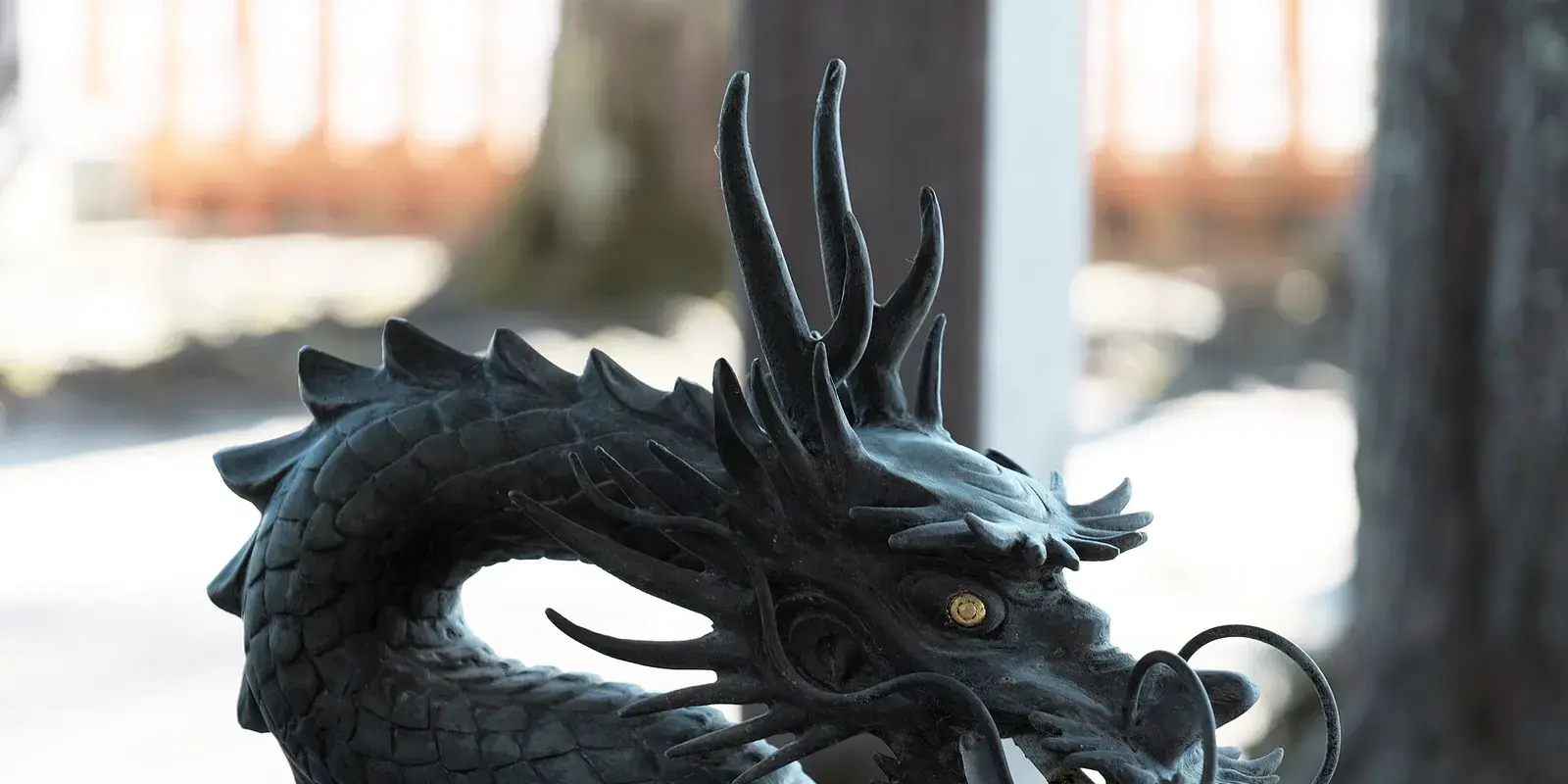
Am I Just Cosplaying Their Religion? What Japanese People Actually Think
What you'll learn in this article:
- Why the fear of "faking it" (at a shrine, in a kimono, with a Japanese tattoo) mostly dissolves once you understand one thing about Japanese tradition
- What over 100 Japanese people said about non-believers and outsiders joining in
- The single line that does read as off, and it's the same line in every case
Is it cultural appropriation to bow at a Japanese shrine, wear a Japanese-style tattoo, or collect goshuin when you don't believe in any of it? We collected more than 100 Japanese voices across worship, tattoos, and shrine stamps. The clear answer: most Japanese traditions have no membership card you could fake: sincere participation is the respect. The only thing that reads as off is turning a sacred act into a costume, a photo prop, or a trophy to collect.
Here's a worry that shows up, quietly, in a lot of heads on the flight over. I'm going to stand at a shrine and clap my hands like I mean it, but I don't believe in any of this. Isn't that disrespectful? Aren't I cosplaying their religion? The same unease attaches to a kimono, to a dragon tattoo, to writing your name in katakana. It's a thoughtful worry. It comes from a good place: from not wanting to treat someone's culture like a costume.
What we found when we went looking surprised us too: in Japan, the very category of "faking it" barely exists for most of this. There's usually nothing to fake. Let's look at why, and at what real Japanese people said.
Quick Guide
| What you're worried about | What Japanese People Said | |
|---|---|---|
| 🟢 Relax | Praying at a shrine or temple as a non-believer | About 81% said belief simply isn't required. "Pray at a shrine and from that moment you're a believer." There's no conversion to fake. |
| 🟢 Relax | A Japanese-style or kanji tattoo | Most felt happy you love the culture enough to wear it. The only gentle wish: get the meaning right before it's permanent. |
| 🟡 Worth knowing | Collecting goshuin (shrine/temple stamps) | Welcome, if you actually visit and pay your respects. The objection is never "non-believer"; it's "trophy-hunter who skips the prayer." |
| 🔴 The real line | Turning any of it into pure costume / collection | The one thing that reads as off across every case: doing it at the culture (a backdrop, a stamp to brag about) instead of with it. |
The one thing to remember: You can't gatecrash a party that has no guest list. Shinto has no creed, no baptism, no "are you really one of us" test. The moment you bow at the torii and put your hands together sincerely, you're already doing the whole thing. Sincerity isn't the entry fee. It is the participation.
How We Gathered These Voices
We collected more than 100 Japanese-language responses across three situations where outsiders most often feel that "am I allowed?" twinge: worshipping at shrines and temples without believing (43 responses), wearing Japanese-style and kanji tattoos (24 responses), and collecting goshuin (36 responses). Sources include public Japanese Q&A sites, forums and social posts, blog comment sections, and answers from working Buddhist priests. We also drew on official statements from Jinja Honcho (the Association of Shinto Shrines) and on government and academic statistics for the cultural background.
A quick note: This isn't a controlled scientific survey. It's a collection of what real Japanese people said, in their own words, often while talking among themselves about whether outsiders joining in was a problem. The short version of what we found: they're far less precious about it than the internet's "cultural appropriation" debate would lead you to expect. And the few firm lines they do draw turn out to be the same line every time.
The Thing No Guidebook Tells You: There's No Membership to Fake
To understand why Japanese people are so relaxed about outsiders joining in, you have to understand something structural about the traditions themselves.
Shinto (the practice behind the torii gates, the hand-clapping, the New Year shrine visit) has no founder, no official scripture, and no fixed dogma. That's not a WMJS opinion; it's how reference scholarship describes it. As the Encyclopædia Britannica puts it, Shinto "has no founder, no official sacred scriptures in the strict sense, and no fixed dogmas," and is "more readily observed in the social life of the Japanese people... than in a pattern of formal belief." There is no conversion ceremony. There is no creed you affirm. There is no moment where someone checks your credentials.
You can see this in the numbers, and they're genuinely strange. According to Japan's Agency for Cultural Affairs (its official Religious Yearbook, 2024 edition), religious-group membership in Japan totaled about 172 million as of the end of 2023, in a country of roughly 124 million people. Shinto accounts for 83.4 million "followers," Buddhism for 81.1 million. The total is larger than the population because most people are quietly counted as both: they'll visit a shrine at New Year, hold a Buddhist funeral, and never once think of themselves as "members" of either.
And when you ask Japanese people directly whether they personally believe, the number drops through the floor. In a 2018 international survey by NHK's Broadcasting Culture Research Institute, only about 36% said they follow any religion at all, and just 26% said they have "religious faith." Yet tens of millions of those same people will line up at a shrine on January 1st. (Japan's New Year shrine visits were so large that the National Police Agency used to tally them. Its final count, in 2009, reached nearly 100 million visits over three days.) If you're weighing whether to go yourself at New Year, we collected 420 public posts by Japanese people to see how they feel about visitors at hatsumode, and what actually stays open over those days.
Sit with that for a second. The average Japanese person at the shrine next to you most likely doesn't "believe" in the conventional sense either. They're not faking. They're doing what their culture has always done: showing up with respect, without a doctrine. So when you (a visitor, a non-believer, an outsider) bow and clap with a sincere heart, you are not performing a belief you lack. You're doing the exact same thing the locals are doing.
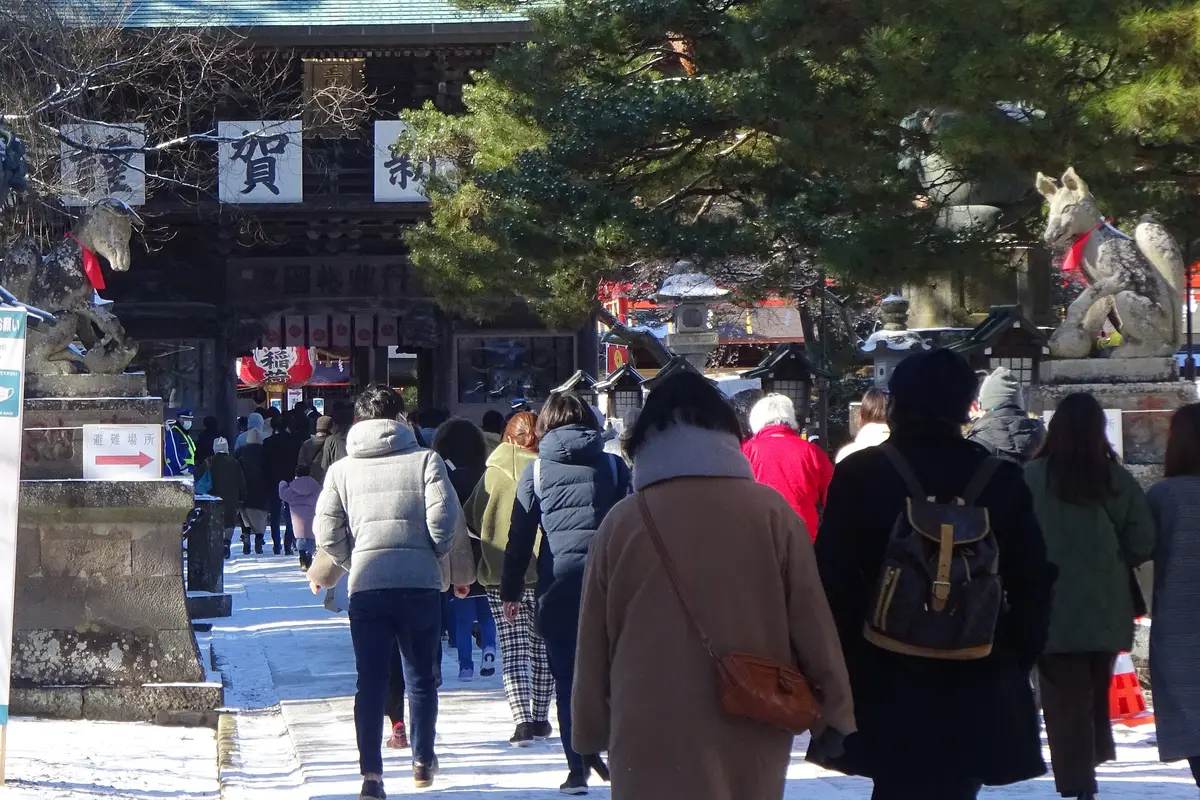
One Japanese person online captured the whole idea better than any textbook, drawing a distinction between two kinds of religion:
思うにキリスト教とかイスラームは「入会必須、入退会とも手続きの面倒くさい会員制サービス」で、神道や仏教は「祈ってる間だけ契約してることになる期間限定サブスク的サービス」なんだと思う。 I think Christianity and Islam are like a membership service — joining is mandatory, and both signing up and leaving involve a hassle. Shinto and Buddhism are more like a limited-time subscription: you're only "subscribed" for as long as you're praying.
If there's no membership, there's nothing to fake your way into. You're not crashing the gate. There is no gate.
🟢 Worshipping When You Don't Believe
The honest answer: belief isn't the price of admission. Showing up sincerely is the whole thing.
This is the worry at the center of the whole question: the one that gets phrased online as "isn't a non-believer doing the bow and the clap basically cosplaying their religion?" We gathered 43 Japanese responses on it. The result was lopsided in the most reassuring direction.
Over 80% said, in one way or another, that there's nothing to worry about, because there's no belief requirement to begin with. The most common response wasn't "it's allowed." It was closer to "what would there even be to allow?"
昔、外国人に「神道に入信したいんだけど何すればいい?」って言われて「神社でお参りすればその瞬間から神道信仰者だろ」って言ったら「??」って顔されたことがあってな。 Years ago a foreigner asked me, "I want to convert to Shinto — what do I have to do?" I said, "Pray at a shrine and from that moment you're a Shinto believer." They gave me the most confused look.
外国人:神道に入信したい 日本人:入信? 別に洗礼も、誓いの儀式も無いしなぁ…。戒律も聖典も無いし。祭りに参加したり、地域社会のより良い隣人として過ごしてりゃ良いんじゃないか? Foreigner: I'd like to convert to Shinto. Japanese: Convert? There's no baptism, no oath ceremony... no precepts, no scripture. Isn't it enough to join the festivals and be a good neighbor?
60年日本人やっているが、入信手続きを行った覚えはない。神社にお参りし、神棚に手を合わせているので自然と認められているのでは無いかな? I've been Japanese for sixty years, and I don't recall ever doing a conversion procedure. I pray at shrines and put my hands together at the household altar, so I figure I'm just... naturally counted in.
There's a quiet punchline in those answers: the locals can't tell you how to "join," because they never joined either. One person offered the gentlest possible reframe of what worship even is:
その場合の説明は「挨拶と同じです。友人の家に遊びに行って友人の父と会ったら挨拶するでしょ?『あなたは私の父ではない』とは言わないでしょう?」くらいで良いと思います。 The way I'd explain it: it's just a greeting. When you visit a friend's house and meet their father, you say hello, right? You don't announce, "You are not my father."
That's the heart of it. A bow at the torii isn't a profession of faith. It's a hello: to the place, to whatever the place holds. You don't have to believe your friend's father is your father to greet him warmly. And Japanese hosts notice the warmth rather than the theology. Several pointed out that the doors have always been open:
まったく問題はありません。また過去にも外国人の参拝制限をしたこともありません。それに外国人の神主や住職も存在しています。 No problem at all. There's never been any restriction on foreigners worshipping — and there are even foreign Shinto priests and head temple priests.
外国由来の神をも祀る神道。仏教はガチで外国由来・・・。日本(人)は、懐が深いのです。問題無いですよ。 Shinto even enshrines gods of foreign origin — and Buddhism is straight-up foreign in origin. Japanese people are big-hearted about this. It's genuinely no problem.
What about that 2% red sliver? It's worth hearing, because it tells you what the actual worry is, and it isn't "you're not allowed":
外国人は、日本は無宗教と思っており、神社が何か分からないので、アトラクション感覚でマネしてますね。そもそも参拝と言う行為がわかりません。 Some foreigners think Japan is non-religious, don't know what a shrine is, and copy the motions like it's a theme-park attraction. They don't really get what worship is.
Notice what bothers this person. It's not belief. It's attitude. The complaint is about treating a place of prayer like a ride. Which means the fix isn't faith; it's a moment of sincerity. Pause. Be present. That's the entire difference between "imitating an attraction" and "worshipping." And if you'd like the practical how-to (the bow, the rinse, the coin), that's a separate question we cover in Visiting Temples and Shrines: What Japanese People Notice, where, reassuringly, the verdict is the same: spirit over form.
💡 You can't fake your way past a gate that doesn't exist
There's no conversion, no creed, no membership test in Shinto. Most Japanese people don't "believe" in the strict sense either. So a sincere bow from an outsider isn't a performance of borrowed faith. It's the same hello the locals are offering. Sincerity isn't the ticket in; it's the whole event.
🟢 Wearing the Culture: Tattoos, Kanji, and the Reciprocity Surprise
The honest answer: most Japanese people are touched that you'd wear their culture on your skin. The one gentle ask is to get the meaning right.
If worship is the spiritual version of the worry, tattoos are the physical one. A dragon, a koi, a wave in the wabori style, a kanji down your forearm: is a Japanese person going to see this as appropriation? We gathered 24 Japanese voices on this, and the texture of the answers is its own kind of reassurance.
The dominant feeling was warmth. When the singer Ariana Grande got a kanji tattoo that came out meaning "small charcoal grill," Japan, unlike parts of the English-speaking internet, mostly smiled:
私は「七輪」というタトゥーが全く不快になりませんでした。むしろ、日本文化に興味を持ってくれて嬉しいと思いました。そう思った人も多いのではないでしょうか。 That "shichirin" (charcoal grill) tattoo didn't bother me in the slightest. If anything, I was happy she's interested in Japanese culture — and I think a lot of people felt the same.
だから街中で変な漢字タトゥーやプリントTシャツを見ても、それだけ日本語を好きでいてくれているんだなということで温かい目で見守ってあげてください。……でもやっぱちょっとだけ笑っちゃうのは許してね。 So when you see a weird kanji tattoo or printed T-shirt around town, please watch over it warmly — it just means they like Japanese that much. ...But forgive us for giggling a little anyway.
That last line is the whole vibe: affection with a grin, never contempt. And here's the part that should dissolve the appropriation guilt entirely: Japanese people kept bringing up that they do the exact same thing in reverse:
でも実はコレって日本人の自分たちにも同じことが言えるんですよね。皆さんが何気に着てる英語で書かれたTシャツの意味が結構ヤバイって事があるんです。 Honestly, the same is true of us. The English on the T-shirts we wear without a second thought can be pretty wild too.
It's mutual, and everyone knows it. The traffic of admiration runs both ways, and nobody's keeping score. A few people drew the one distinction that actually matters, and it's not about ethnicity, it's about intention:
タトゥーをファッション感覚で彫る人も多いだろうが、自らの信念や生き様を魂に刻む思いで、肉体に彫る人もいる。 Plenty of people get tattoos as fashion, sure — but some carve them into their bodies as a way of engraving their beliefs and their way of living onto their soul.
どちらにも言えることは、言葉はただの「デザイン」ではない。言葉には「意味」があるんだよ~ということです。英語も漢字も、もう一歩興味を持って、よ~く意味を調べてから取り入れましょうね。 What goes for both English and kanji: words aren't just "design." Words have meaning. Take one more step of curiosity and really look it up before you wear it.
So the line here isn't "don't get a Japanese tattoo." It's "if you're going to carry our characters for life, care enough to know what they say." That's not a wall against outsiders. It's an invitation to do it with the culture rather than at it, and several people practically cheered the idea of a visitor wearing fine wabori:
洋柄か和柄の違いだけで西洋人も和柄に憧れて全身一杯にされている方も多く見かけます。せっかくなので日本の和彫りの繊細な素晴らしさをアピールしてください。 It's just the difference between Western and Japanese styles — I see plenty of Westerners who admire Japanese designs and cover their whole bodies in them. So go for it: show off the delicate beauty of Japanese tattoo art.
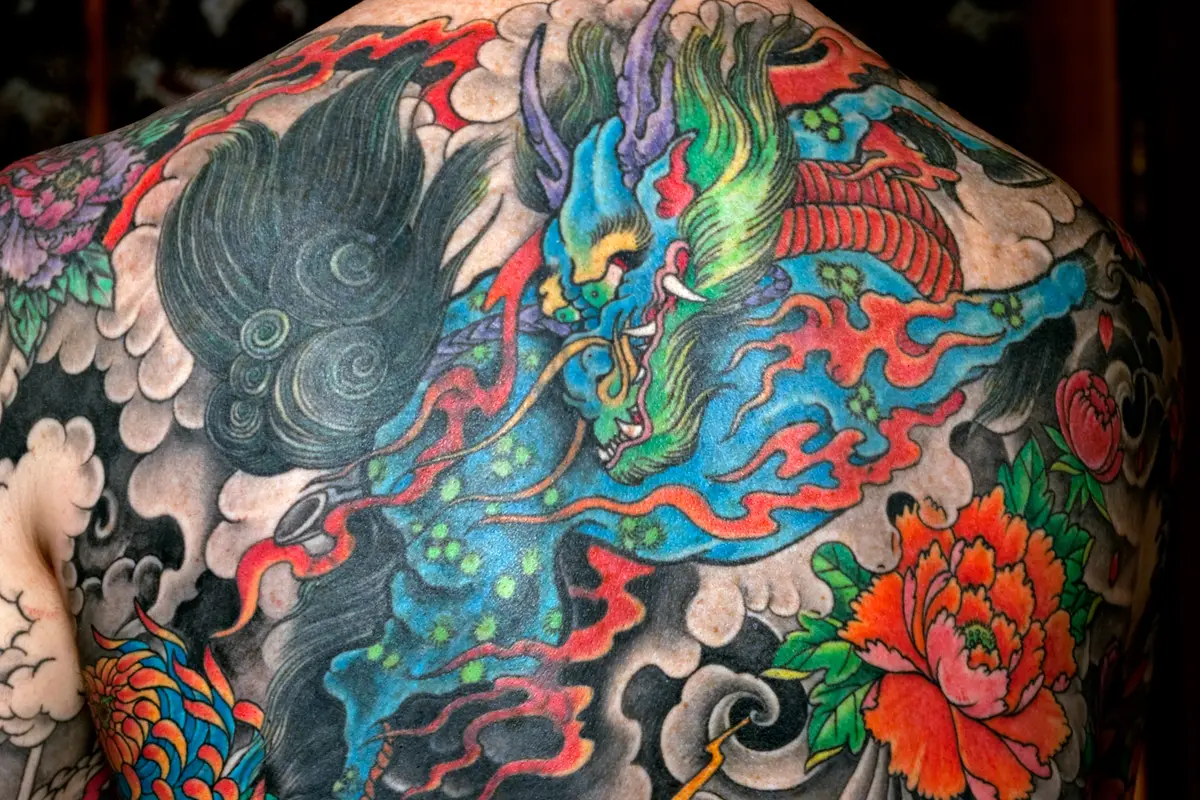
(One practical, non-cultural footnote: tattoos of any kind, Japanese or not, can still affect entry to some hot springs and pools. That's a logistics thing, not a respect thing, and we cover it in Onsen and Tattoos: What's Really Allowed.)
The kimono version of this exact question (appreciation or appropriation?) turns out to land the same way, which is why we gave it its own deep dive. The City of Kyoto has openly called kimono a culture to be shared, and Japanese voices overwhelmingly read a visitor in kimono as a quiet thank-you. If that's your specific worry, Wearing a Kimono as a Foreigner has the full picture. It's one more instance of the same principle: the garment isn't a costume if you wear it with care.
💬 What do you think?
Japanese readers: How do you feel about this?Visitors: Have you experienced this in Japan?
Share your voice →🟡 Goshuin: Where the Real Line Finally Appears
The honest answer: collecting shrine stamps is welcome, as long as the visit comes first. The objection is never "you're a non-believer." It's "you're a trophy-hunter."
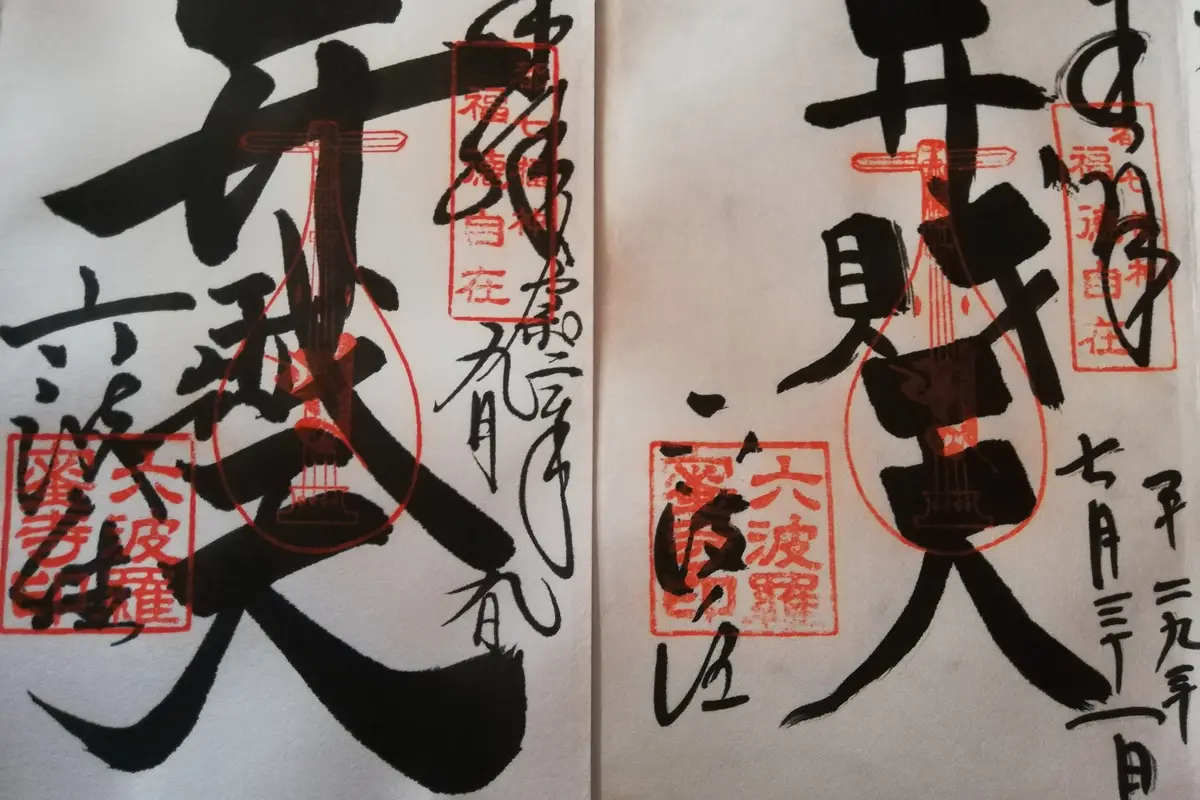
Of all three situations, this is the one where Japanese people actually push back, and it's the most useful, because it shows you exactly where the line sits. A goshuin is the inked, hand-brushed seal you receive at a shrine or temple. Recently they've boomed as collectibles, and a recurring worry among visitors is the flip side: am I being a nuisance, treating something sacred like a sticker album? We gathered 36 voices, and for the first time the gauge tips toward concern.
Listen to where the frustration actually points:
「寺社参り」より「御朱印集め」が先に立ち、それで回って過熱している…お参りしないで御朱印だけ貰って帰ってしまうとかいうマナー違反もあるらしく。 "Stamp collecting" has come to come before "visiting the temple"... apparently some people even get the goshuin and leave without praying at all.
御朱印あくまで「参詣・参拝の証」であって、ミニカーやフィギュア等の「コレクション」とは違うのだと。見せびらかすものじゃない。 A goshuin is "proof that you visited and paid your respects" — it's not a "collection" like toy cars or figurines. It's not for showing off.
The word that comes up again and again is 証: proof, evidence. A goshuin is proof you were there, present. Buy one without the visit and you've bought a proof of something that never happened. That's the off-ness, and notice it has nothing to do with belief. One person drew the line with surgical clarity:
御朱印が欲しくて寺社に行く→スタンプラリー。神仏を拝み繋がりを持ちたい→参拝の証。 Going to a temple because you want a goshuin → a stamp rally. Going to pray and form a connection → proof of worship.
Same stamp. Same person, even. The only variable is whether you participated. And here's the beautiful part: the people who run these places, the priests themselves, are the most welcoming of all, precisely because they understand that the visit is the point and the belief is not. A Soto Zen priest, asked about this directly, answered with striking warmth:
仏様との御縁結びにいくらかでも繋がればと思って、御朱印を希望される方が見えた場合笑顔も以って対応するように努めております。 Hoping it might form even a small bond with the Buddha, I make a point of greeting anyone who comes wanting a goshuin with a smile.
The same priest, on the people who skip the hall and ask only "how much?":
せっかく寺に見えたのですから、本堂の本尊様をお参りして、本堂の賽銭箱にお気持ちを入れて戴けば結構です。 Since you've come all the way to the temple, just go and pay your respects to the main image in the hall, and put a little something in the offering box. That's all I ask.
That's the entire instruction, from the person with the most right to be precious about it: just come in. Not "believe." Not "be Japanese." Not "perform the ritual flawlessly." Walk up to the hall, pause, mean it. Many were explicit that a goshuin is a perfectly good reason to come: the door, not the gatecrash:
ご朱印がきっかけでも構わないので、せっかく来たんですから、是非本殿の前にたたずんで、静かに手を合わせて… It's totally fine for a goshuin to be your reason for coming — so since you're here, do stand before the main hall and quietly put your hands together...
最初はスタンプラリーであつたとしても、集めている内に…関心を持つようになると思います。私はと言えば、どんな形ででも若い方が神仏に向き合われるのは喜ばしい事と考えています。 Even if it starts as a stamp rally, I think you come to care about it as you go... For my part, I find it joyful whenever someone engages with the gods and buddhas, in any form at all.
So the worried visitor and the irritated local actually want the same thing, and they don't realize it. Both want the stamp to mean something. You're not on opposite sides. Get the stamp, and take the ninety seconds at the hall first. That ninety seconds is the difference between a trophy and a memory.
💡 The only line, made visible
Across worship, tattoos, and goshuin, the line that reads as "off" is always the same one, and it's never about identity. It's about whether you engaged. A non-believer who pauses to pray is fully inside it. A collector who never enters the hall is outside it. With the culture, or at it. That's the whole test.
The Cultural Engine: Costume vs. Participation
Step back and the three situations snap together into one principle.
Western worries about cultural appropriation are largely built on a membership model of culture: a group "owns" a practice, outsiders "take" it, and the taking is the harm. That model is real and it matters in plenty of contexts. But it maps poorly onto most of what a visitor encounters in Japan, because the practices in question were never set up as exclusive membership in the first place.
There's no Shinto you "join." There's no belief you must hold to clap at a shrine. Kimono has been actively framed by the City of Kyoto as a shared culture. A wabori tattoo is a craft people are flattered to see admired. Even your name in katakana is just... how Japanese writes foreign sounds; there's nothing to take. When there's no fence, you cannot trespass.
So Japanese people don't really evaluate outsiders on a who-owns-this axis. They evaluate on a different one entirely. Call it costume versus participation. And it cuts across Japanese and foreigner alike:
- Participation is doing the thing with the culture: bowing because you want to greet the place, wearing the kimono because you find it beautiful, getting the stamp because you came to the shrine. The bar is sincerity, and it's a bar locals clear without "believing" anything.
- Costume is doing the thing at the culture: striking the prayer pose for the camera and walking off, wearing the sacred as a Halloween look, buying the stamp you never earned. The off-ness isn't that you're an outsider. It's that the act has been hollowed out.
The same gesture can be either one, and the difference is never your passport or your faith. It's your attention. This is exactly the pattern WMJS keeps finding in other corners of Japanese life: with trying to speak Japanese, the broken attempt earns more warmth than perfect silence; with the small bow, the awkward nod lands because it's meant. Effort and presence are the currency. Perfection and pedigree are not.
Which is also why the appropriation guilt, however kind its intentions, can quietly point the wrong way. A couple of Japanese voices said this more bluntly than we would:
どこの国の衣服でも、文化であり、歴史があり、その国の人たちの思いがある。そこに敬意を払うことが最も大事。 Clothing from any country carries culture, history, and the feelings of its people. Paying respect to that is what matters most.
Respect, here, doesn't mean keeping your distance. It means coming close, carefully. The most respectful thing you can do with a living tradition is take part in it like it's alive, which is precisely what the locals are doing, belief or no belief.
A small honest footnote, because it's the one place outsiders sometimes do feel a flicker on the Japanese side: things like adopting a Japanese personal name as an everyday alias can occasionally read as trying a little too hard: again, not because of who you are, but because a name is the one item on this list that's tied to an individual rather than to an open, shared practice. The fix is the same as everywhere else: lean toward genuine participation (learning, showing up, getting the meaning right) and away from performance. When in doubt, ask the costume-versus-participation question, and you'll almost always have your answer.
What Japanese People Actually Want You to Know
After reading all of these voices, the thing that came through wasn't a list of permissions. It was something warmer, and a little surprised that you were ever worried.
You're already in, if you mean it.
なんならわざわざ今の信仰捨てなくてもいいよ。自分は神道やでって思った瞬間から神道だし… You don't even have to give up your current faith. The moment you think "I'm Shinto," you're Shinto...
The love is the point, and it runs both ways.
もし誰かが日本の文化を愛してくれたら私はそれを全力で応援したい。 If someone out there loves Japanese culture, I want to cheer them on with everything I've got.
And the only thing to drop is the fear, not the participation.
The visitor standing at the shrine, hands together, wondering "is it okay that I don't believe?" The Japanese person beside them is, statistically, wondering the same thing about themselves, and has decided it doesn't matter, because that was never what this was about. Lower your hands. Take the breath. You're not cosplaying anyone's religion. You're doing the thing it was always for: showing up, with respect, as yourself.
If you're still carrying a backpack of "am I doing Japan wrong" worries, You're Worrying Too Much is the companion piece to this one: a whole catalogue of fears Japanese people gently wish you'd put down.
More Japanese Perspectives
Curious how this plays out in specific moments? These are built the same way, on real Japanese voices.
- Visiting Temples and Shrines: What Japanese People Notice: The practical how-to (and why even Shinto priests say spirit beats form every time).
- Wearing a Kimono as a Foreigner: Appreciation or appropriation? 175+ Japanese voices, and a clear answer.
- Onsen and Tattoos: What's Really Allowed: The logistics of tattoos and hot springs, minus the panic.
- You're Worrying Too Much: The big collection of visitor fears Japanese people wish you'd let go of.
Share Your Experience
Ever stood at a shrine and wondered if you "counted"? Got a Japanese tattoo and braced for a reaction that never came? Felt that flicker of "am I allowed to love this?" We'd love to hear it. Your story helps build a bridge between cultures.
Share your experience on Voice Box →
Sources
Primary Research Data
- WMJS belonging-and-participation research data (112 Japanese-language responses collected June 2026)
- Worshipping as a non-believer: 43 responses
- Japanese-style and kanji tattoos: 24 responses
- Collecting goshuin: 36 responses
- Generational attitudes: 9 responses
Cultural & Statistical Background (Tier 1–2)
- Encyclopædia Britannica, "Shinto": Shinto has "no founder, no official sacred scriptures in the strict sense, and no fixed dogmas."
- Jinja Honcho (Association of Shinto Shrines): on ujiko and sukeisha, and that one person may revere both (non-exclusive belonging); and on intent over precise form in worship.
- Agency for Cultural Affairs (Japan), Religious Yearbook (Shukyo Nenkan), 2024 edition: religious-group membership totaled 172,232,847 (~172 million) as of Dec 31 2023; Shinto 83,371,429 (48.4%), Buddhism 81,069,419 (47.1%), Christian 1,246,742 (0.7%), other 6,545,257 (3.8%), reflecting multiple affiliation.
- Statistics Bureau of Japan, population estimate (Oct 1, 2023): total population ~124.35 million (124,352,000), exceeded by the religious-membership count above.
- NHK Broadcasting Culture Research Institute, ISSP 2018 survey on religion: about 36% say they follow a religion; about 26% report "religious faith."
- National Police Agency New Year hatsumode tallies (final count 2009, ~99.4 million visits over three days), via documented reporting.
- Nippon.com, "Believe It or Not! Religious Adherents Outnumber People in Japan": neither Shinto nor Buddhism has a conversion ceremony; adherent totals exceed the population.
Opinion Collection Sources
The following platforms were used to collect Japanese people's opinions and sentiments. They are not cited as factual authorities, but as places where real Japanese people expressed their views.
Worshipping as a non-believer:
- Public Japanese Q&A sites, community forums, blogs, and social posts.
Japanese-style and kanji tattoos:
- Public Japanese Q&A sites, community forums, blogs, and social posts.
Collecting goshuin:
- Public Japanese Q&A sites, community forums, blogs, and social posts.
Note on Quotations
Quotes from online platforms have been lightly edited for readability (fixing typos, formatting for clarity). The meaning and intent of each comment remain unchanged. Original sources are linked above.
WMJS is written in Japan, in English, with AI help. We check every page, but English is not our first language. If a sentence reads oddly, tell us. One sentence is enough.
Thank you. A person reads every note.
How well do you know Japan?
Based on 51,218+ real Japanese voices
Want to know more? Ask Japanese people
Have a follow-up question about this topic? We'll ask real Japanese people.
Voice Box →