
What Makes Japan Smile
This page is also available in English.Read in English →
このページは日本語でも読めます。日本語で読む →
이 페이지는 한국어로도 읽을 수 있습니다.한국어로 읽기 →
這個頁面也有繁體中文版。閱讀繁體中文版 →
这个页面也有简体中文版。阅读简体中文版 →
หน้านี้มีภาษาไทยด้วยอ่านภาษาไทย →
Trang này cũng có bản tiếng Việt.Đọc bằng tiếng Việt →
Halaman ini juga tersedia dalam Bahasa Indonesia.Baca dalam Bahasa Indonesia →
Cette page existe aussi en français.Lire en français →
Diese Seite gibt es auch auf Deutsch.Auf Deutsch lesen →
Esta página también está disponible en español.Leer en español →
Un viaggio scandito dal calendario dei matsuri, dal Gion di Kyoto al fiume di fuochi d'artificio di Osaka fino alle strade danzanti di agosto, letto come lo legge chi ama un'estate giapponese, dove il caldo non è il prezzo del viaggio ma la ragione per cui le feste risplendono, e la festa stessa è una porta tenuta aperta più che uno spettacolo che guardi
Ultima verifica: 2026-06-26
A chi è adatto questo piano
The festival calendar is the point: Kyoto's Gion runs across July, Osaka's Tenjin is July 24-25, then Aomori's Nebuta (early Aug) and Tokushima's Awa Odori (mid-Aug). It is genuinely hot and humid, and the festivals are evening events because of it, so the days lean on shade and cool. Mid-August is Obon, the country's busiest travel week — magic for festivals, but book long-distance trains early. What you trade: no cherry blossom or autumn colour, and real heat.
Tanti liquidano l'estate giapponese come «troppo calda»: una stagione da sopportare stringendo i denti, o da evitare del tutto. Io la vedo in un altro modo, come chi l'estate giapponese la ama: il caldo fa parte della stagione, e tutto il resto si organizza attorno a lui. In Giappone non si cerca tanto di sfuggire all'estate quanto di conviverci: con il ghiaccio tritato leggerissimo, con i campanelli al vento, con le terrazze di legno sospese sui fiumi per cenare al fresco e, soprattutto, con i matsuri, le feste estive. E queste feste hanno una particolarità: non si guardano da dietro una transenna, si è invitati a partecipare. Un canto dell'Awa Odori, vecchio di quattrocento anni, lo riassume alla perfezione, odoru aho ni miru aho, onaji aho nara odorana son son, che più o meno vuol dire: sciocco chi balla, sciocco chi guarda, e allora tanto vale ballare. Indossa lo yukata di cotone, scendi dal marciapiede, prendi il piccolo amuleto che qualcuno ti porge, rispondi battendo le mani al ritmo che arriva dall'altra sponda, e per una calda sera non guarderai più la festa da fuori, ma la vivrai da dentro.
Quindi, prima di ogni altra cosa, confronta le tue date con il calendario delle feste, perché i grandi appuntamenti dell'estate cambiano città di settimana in settimana. Metà luglio? Il tuo appuntamento è il Gion Matsuri di Kyoto, una festa di millecento anni che si impossessa dell'intera città: le sere di Yoiyama illuminate dalle lanterne, quando ti aggiri tra carri altissimi, e la grande processione che li trascina per le strade. Questo piano si apre proprio lì. Fine luglio? È il periodo più ricco dell'estate, e questo piano è pensato proprio per lui: la seconda processione dei carri del Gion e il Tenjin Matsuri di Osaka, una festa fluviale millenaria con barche illuminate e migliaia di fuochi d'artificio, si tengono a un giorno o due di distanza, in due città a circa mezz'ora l'una dall'altra. Così puoi vedere quasi di fila due delle tre grandi feste del Giappone. Arrivi ad agosto? Le feste continuano, solo altrove. A inizio agosto si sale a nord fino ad Aomori, dove i giganteschi carri illuminati del Nebuta sfilano nel buio e chiunque indossi il costume può unirsi ai ballerini come haneto; a metà agosto c'è l'Awa Odori di Tokushima, la festa da cui viene il canto dello sciocco che balla, e ci sono i cerchi di bon-odori dei quartieri, in cui puoi entrare senza esitazione. Un avvertimento: a metà agosto c'è l'Obon, quando gran parte del paese viaggia tutta insieme, perciò io prenoterei presto ogni treno a lunga percorrenza (di più in «se hai un giorno in più»). Temi che faccia semplicemente troppo caldo? Sì, fa caldo ed è umido, e lo patiscono anche i giapponesi. Ma è proprio per questo che le feste si tengono di sera: di giorno si cerca l'ombra, un tempio fresco, una coppa di kakigori, e in strada si esce quando è buio. Se organizzi le giornate in base al caldo invece di combatterlo, lo sopporterai molto meglio, e alla fine è proprio il caldo a dare fascino alle sere d'estate.
Io baserei il viaggio nel Kansai: a fine luglio Kyoto e Osaka ospitano due grandi feste a pochi giorni di distanza, e le due città sono vicinissime. Organizzerei ogni giornata seguendo il calendario dei matsuri, non una lista di luoghi da spuntare. Come sempre, questo è solo il mio modo di farlo; adattalo liberamente alle tue date e alla festa che vuoi vedere.
Questo viaggio nel Kansai ha due basi: prima Kyoto per il Gion Matsuri, poi Osaka per il Tenjin. D'estate conta a che ora esci quanto il posto in cui dormi. Le feste si tengono di sera, quando l'aria diventa finalmente sopportabile; nelle ore centrali del giorno si sta all'ombra.
A Kyoto, io alloggerei nella zona centrale di Shijo-Karasuma o vicino alla stazione di Kyoto, perché i carri del Gion Matsuri vengono esposti e sfilano proprio tra le vie del centro: potrai andare a piedi alle sere dello Yoiyama e rientrare allo stesso modo. (Di più sulle strade della festa nel Giorno 1.)
A Osaka, qualsiasi punto centrale, il lato Umeda/Kita oppure Namba/Minami, ti lascia a pochi minuti sia da Osaka Tenmangu, il santuario al centro del Tenjin Matsuri, sia dalla riva dell'Okawa, dove passano le barche e si sparano i fuochi. La sera della festa io arriverei presto, scendendo a una stazione più tranquilla (la trovi nel Giorno 3).
In ogni caso, d'estate l'importante è vivere di sera e alzarsi presto. Si cammina bene solo al mattino presto e la sera tardi; le feste riempiono le serate; il mezzogiorno rovente è per un tempio all'ombra, un lungo pranzo al chiuso, una coppa di kakigori. Porta acqua, indossa il cotone più leggero che hai, e regola la tua giornata su quella della città: tranquilla a mezzogiorno, animata la sera.
Procurati prima una carta IC, una tessera prepagata contactless (ICOCA, Suica e le altre valgono in tutto il paese), e nel Kansai non avrai quasi più bisogno di comprare biglietti: basta appoggiarla al lettore all'entrata e all'uscita sulle linee JR, sulle ferrovie private e in metropolitana, senza sovrapprezzo sui treni ordinari (l'essenziale sulle carte IC è nel riquadro informativo).
Kyoto e Osaka distano circa mezz'ora, con una scelta di linee a seconda di dove ti trovi: il JR Special Rapid collega più in fretta le due stazioni principali, mentre le linee Hankyu e Keihan corrono da centro a centro. Per questo viaggio la più comoda è la linea Keihan, perché corre proprio lungo l'Okawa, il fiume su cui si svolge il Tenjin Matsuri, e ti porta quindi anche verso i fuochi d'artificio (le linee e i tempi indicativi sono nei riquadri informativi).
Due cose specifiche dell'estate. Primo, le sere di festa attirano folle enormi: attorno allo Yoiyama del Gion e ai fuochi del Tenjin gli autobus arrancano e le stazioni più vicine si intasano, perciò io conterei sui treni, arriverei presto e sceglierei un'uscita più tranquilla (il Giorno 3 ne nomina una). Secondo, se una tratta del tuo viaggio ricade sull'Obon di metà agosto, con i treni a lunga percorrenza è tutta un'altra storia: sono pieni e prenotati con largo anticipo, e gli Shinkansen più veloci hanno solo posti riservati. È l'unica volta in cui prenoterei presto invece di presentarmi in stazione all'ultimo momento (riquadro informativo). Contro il caldo servono gli abiti più leggeri che hai, una borraccia da riempire spesso e una pausa al fresco, al chiuso, ogni ora o due: è da questo che dipende la riuscita di una giornata d'estate.
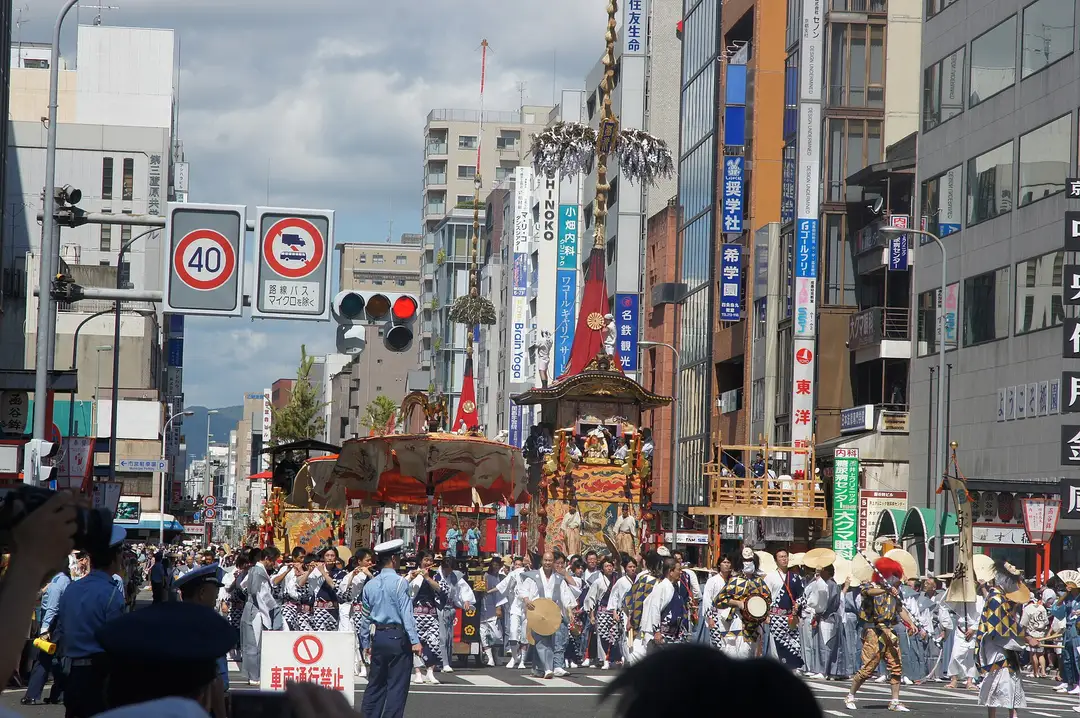
Io comincerei dal luogo in cui l'estate giapponese ha più storia: Kyoto, nel pieno del Gion Matsuri, una festa che la città celebra da oltre mille anni. Nacque come preghiera per allontanare una pestilenza, e da allora si svolge ogni luglio. L'immagine da cartolina è la sfilata diurna dei carri, ed è meravigliosa; ma il momento più vivo della festa è la sera precedente, lo Yoiyama, quando le strade del centro si chiudono al traffico, i grandi carri si ergono illuminati dall'interno e l'intera città esce a camminare tra loro. Tutto questo viaggio sta in quest'idea: il Gion non si guarda da una tribuna, ci si passeggia dentro. Questa giornata detta anche il ritmo dell'estate: il pomeriggio rovente si passa al fresco, la sera in strada.
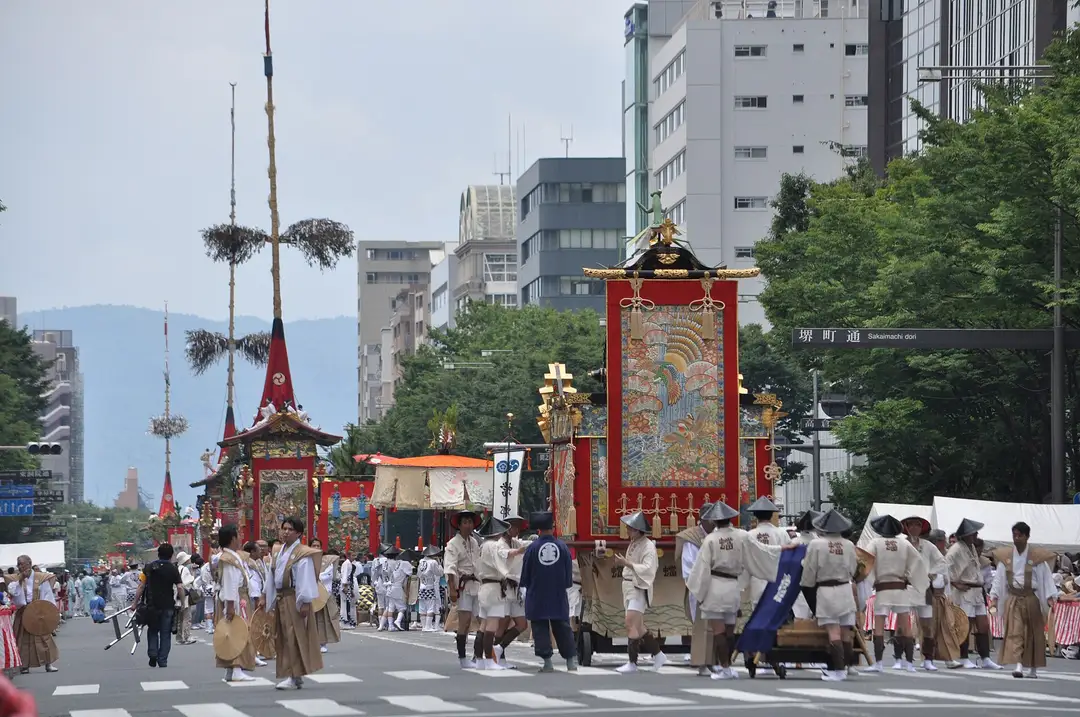
Il secondo giorno riprende la stessa idea da un'altra angolazione. La mattina c'è la grande processione della festa, lo Yamaboko Junko: i carri che a Kyoto chiamano «musei ambulanti» sfilano per le strade, e a ogni incrocio la folla trattiene il fiato mentre le squadre li fanno girare a forza di braccia e di corde. Il resto della giornata è dedicato a un'arte che Kyoto affina da mille anni: stare al fresco nel caldo, e perfino trarne bellezza. La festa al mattino, finché è fresco, e nel pomeriggio rovente gli antichi rimedi della città contro il caldo: così la gente del posto vive una giornata d'estate.
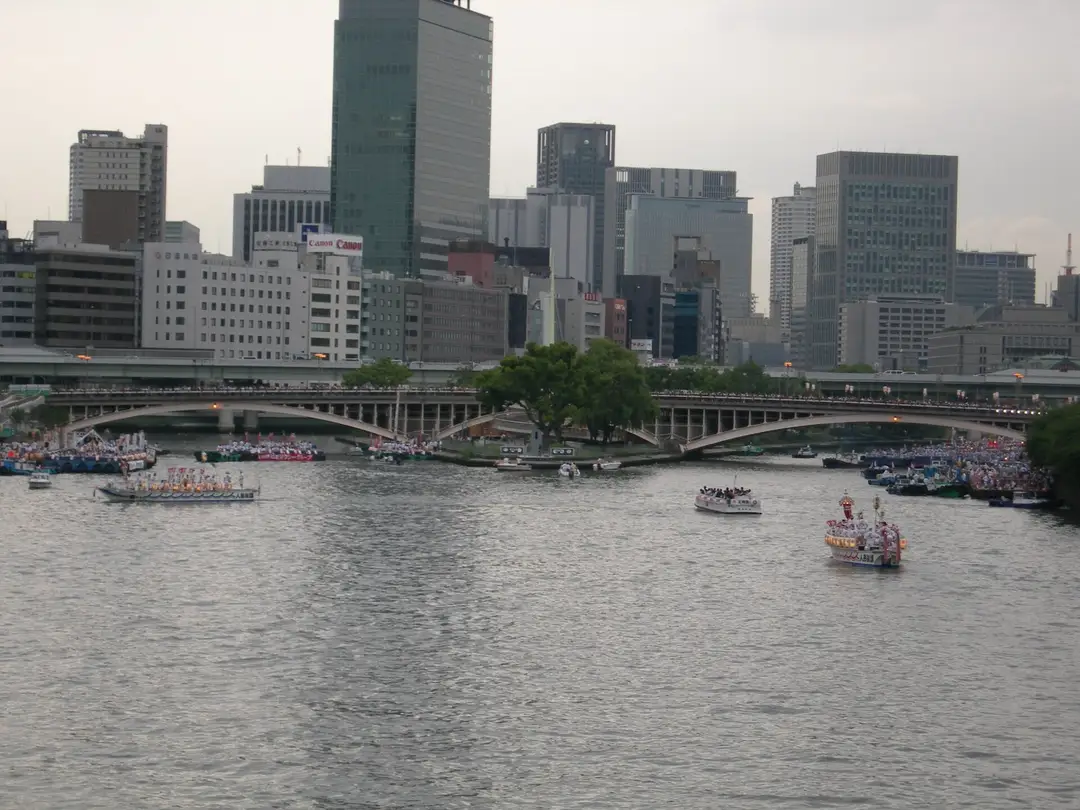
Il terzo giorno ci si sposta a Osaka, a circa mezz'ora da Kyoto, per la seconda delle due grandi feste, con un'atmosfera tutta diversa. Il Tenjin Matsuri ha più di mille anni ed è organizzato dal santuario dedicato a Sugawara no Michizane, lo studioso che il Giappone venera come dio del sapere. C'è una cosa da sapere che cambia il modo di vivere la serata: in fondo non si tratta di uno spettacolo pirotecnico, ma di un dio portato in processione per la città, prima via terra e poi sul fiume, e i fuochi d'artificio sono un'offerta a lui durante il viaggio. Sapendolo, non ti limiti più a guardare, ma partecipi a modo tuo: rispondi battendo le mani al ritmo che arriva dalle barche, fai silenzio quando passa la barca sacra, esulti quando il cielo si accende. Basta osservare la folla per capire cosa fare e quando.
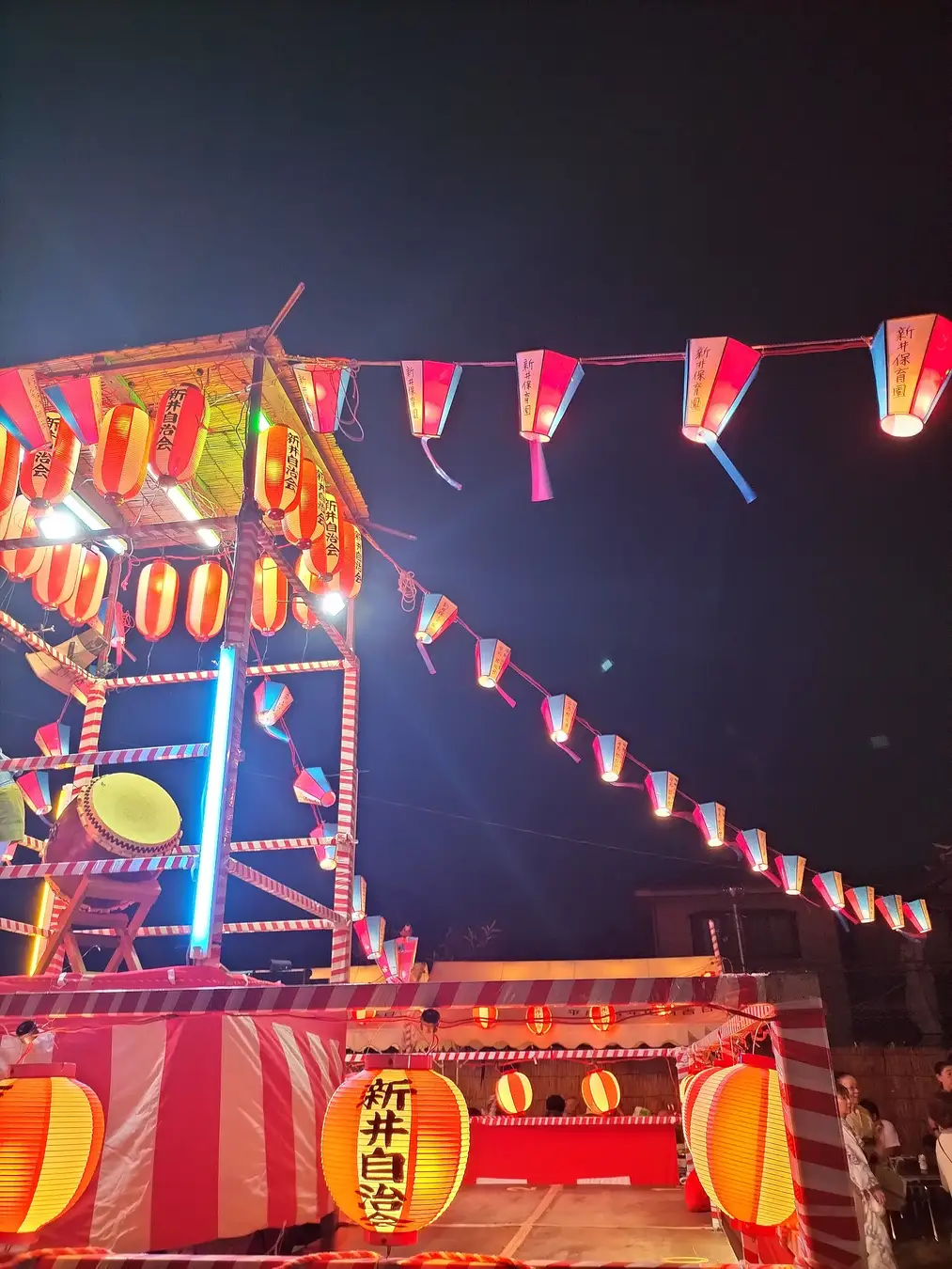
A questo punto hai passeggiato tra i carri del Gion e battuto le mani sul fiume del Tenjin, e ogni sera sei entrato un po' di più nella festa. Il quarto giorno fa l'ultimo passo: feste che non guardi più, perché ci partecipi. A seconda delle date, potrà essere un bon-odori di quartiere, nel cui cerchio può entrare chiunque, una serata di fuochi d'artificio (hanabi) su una riva o un piccolo matsuri locale; io dedicherei questa giornata a partecipare fino in fondo, in yukata, come invita a fare il canto dello sciocco che balla.
Il modo migliore per prolungare questo viaggio è seguire il calendario delle feste oltre il Kansai: ad agosto i matsuri si tengono in altre regioni, e con loro arrivano altre occasioni per smettere di guardare e mettersi a ballare.
Inizio agosto, a nord fino ad Aomori. Il Nebuta Matsuri (circa 2-7 ago.) porta di notte per la città enormi carri illuminati dall'interno, con feroci figure di guerrieri, e qui partecipare va preso alla lettera: chiunque indossi il costume bianco degli haneto può unirsi alla processione e ballare, senza iscrizione né esperienza, trascinato dalle compagnie (il costume si noleggia sul posto). È anche l'occasione per scoprire il Tohoku: il Castello di Hirosaki, poco distante, è il luogo più celebre della regione, e un itinerario più completo per il nord è in preparazione (non c'è ancora un piano WMJS per il Tohoku). Il Tohoku Shinkansen raggiunge Aomori in circa tre ore da Tokyo (riquadro informativo).
Metà agosto, la festa dello sciocco che balla. Dall'Awa Odori di Tokushima (circa 12-15 ago.) viene, da quattrocento anni, il canto citato in tutto questo piano, e la festa mantiene ciò che promette: il niwaka-ren, una compagnia aperta a cui chiunque può unirsi, senza costume, senza quota, ti insegna i passi in pochi minuti e poi balli su un vero palco insieme a tutti gli altri. Tokushima si raggiunge sui ponti Seto-Ohashi via Okayama, oppure con l'autobus espresso attraverso lo stretto da Osaka (riquadro informativo).
Un avvertimento se segui le feste di agosto: a metà agosto c'è l'Obon, una delle settimane dell'anno in cui in Giappone si viaggia di più, quando i treni a lunga percorrenza si esauriscono e gli Shinkansen più veloci vanno a soli posti riservati. È l'unica volta in cui prenoterei i posti con largo anticipo invece di improvvisare (riquadro informativo).
Se hai poco tempo, una o due sere bastano per vivere l'essenziale dell'estate giapponese: una notte di festa, vissuta fino in fondo, in yukata. Se il calendario te ne concede una sola, io sceglierei una sera di Yoiyama passeggiando tra i carri illuminati del Gion, oppure una notte di hanabi su una riva. In entrambi i casi vivrai lo spirito della stagione, la notte calda e il cielo condiviso con la folla, senza dover correre per nessuna coincidenza. D'estate conviene molto di più fermarsi in un unico luogo illuminato che correre da una parte all'altra sotto il caldo.
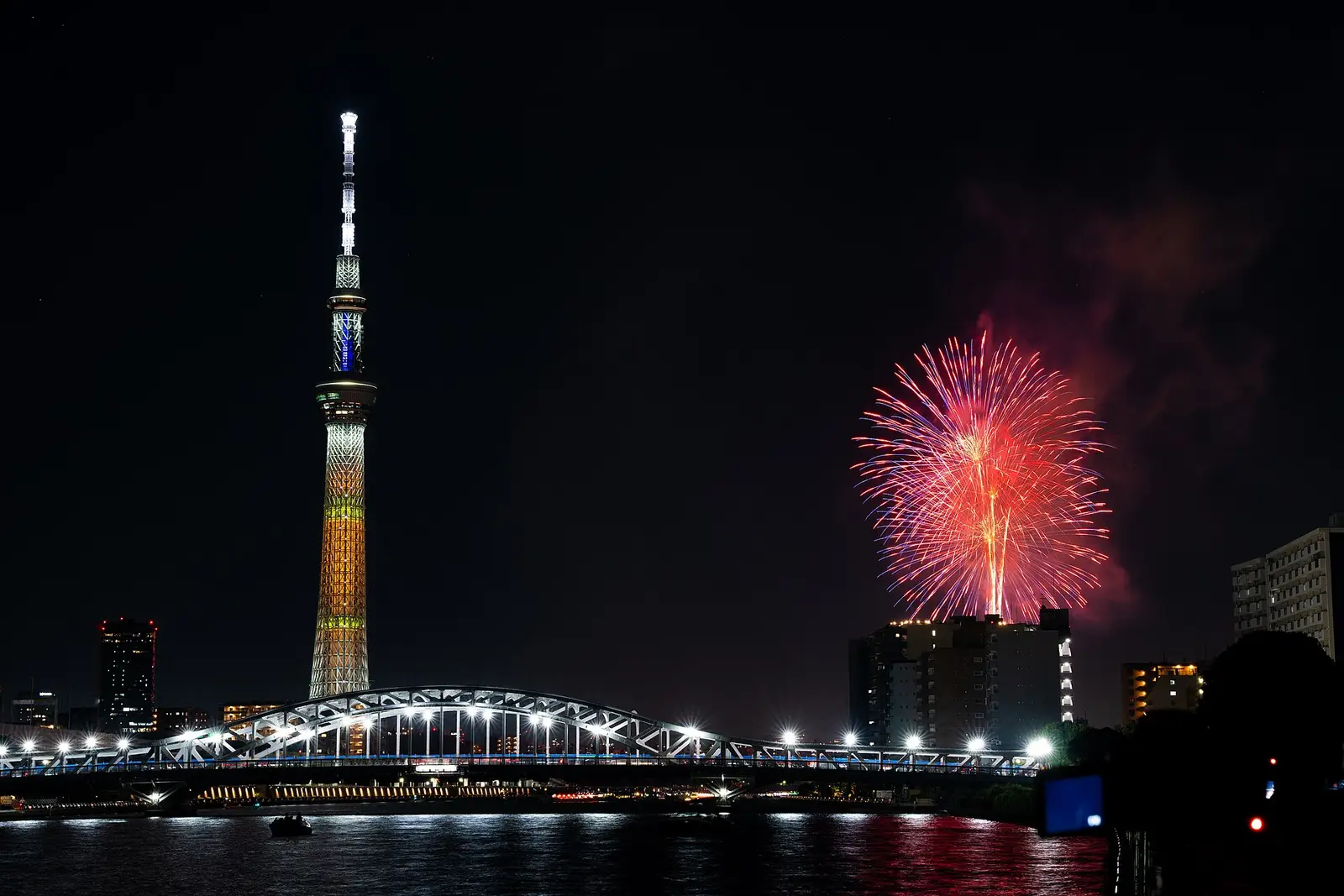
In realtà questo viaggio è la versione estiva degli itinerari del Kansai e del Kanto: le stesse città, ma seguendo il calendario dei matsuri. Per questo si inserisce facilmente in un giro più ampio, se hai più giorni; Tokyo ha le sue grandi notti d'estate, come i fuochi d'artificio del fiume Sumida a fine luglio. Questo piano ha anche i suoi equivalenti per le altre stagioni: il viaggio dei ciliegi in fiore, il viaggio delle foglie d'autunno e il viaggio d'inverno raccontano lo stesso paese nel corso dell'anno.
WMJS è scritto in Giappone da un giapponese che vorrebbe farti conoscere un po' meglio il suo paese, e portato in italiano con l'aiuto dell'IA. Rileggiamo ogni pagina, ma l'italiano non è la nostra lingua madre. Se una frase suona strana, diccelo. Basta una frase.
Grazie. Ogni messaggio viene letto da una persona.
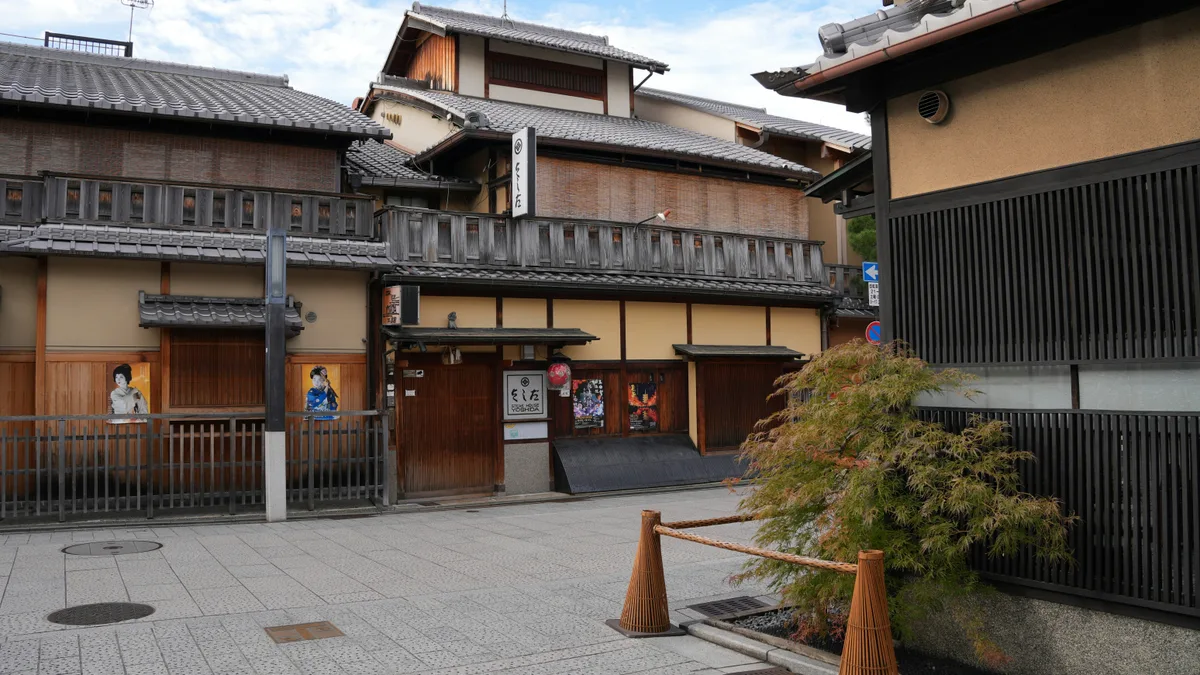
Gion non è un'attrazione ma un hanamachi vivo di Kyoto: scopri Hanamikoji, il canale Shirakawa, il Santuario Yasaka e geiko e maiko, con rispetto e gentilezza.
Gion
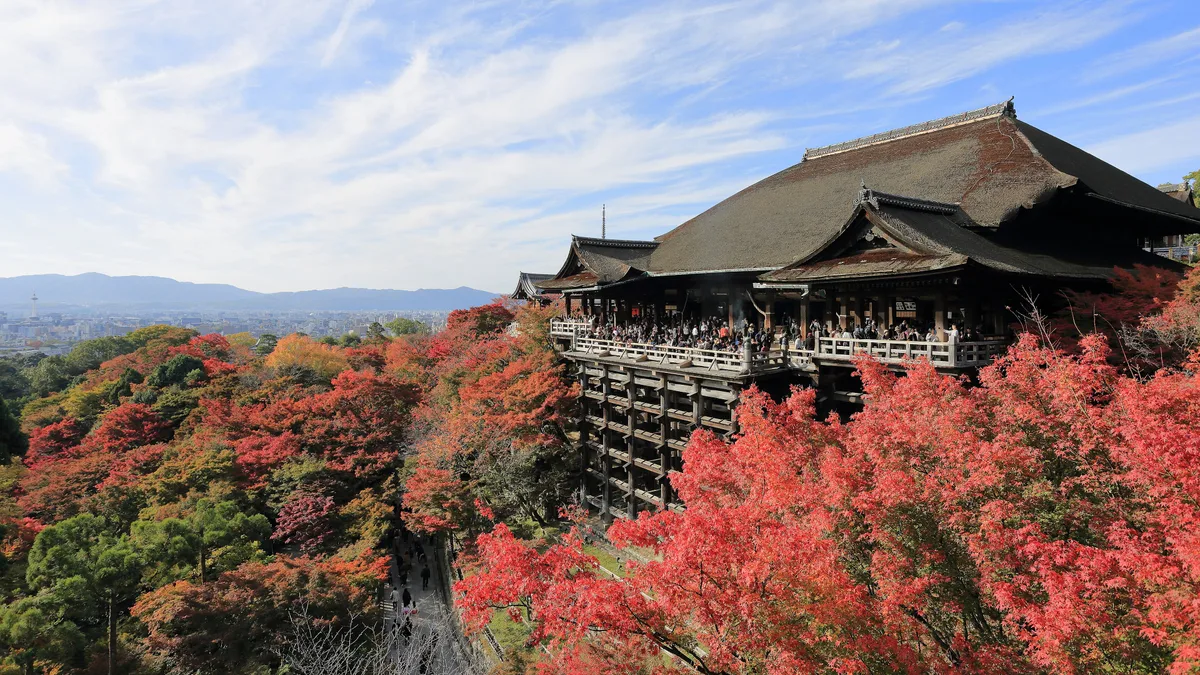
Vale la pena visitare il Kiyomizu-dera? Il 48% di 55 voci internazionali e il 76% di 111 voci giapponesi dicono di sì, se scegli l'orario giusto. Guida audio con l'apertura alle 6, le illuminazioni notturne e consigli pratici.
Kiyomizu-dera Temple
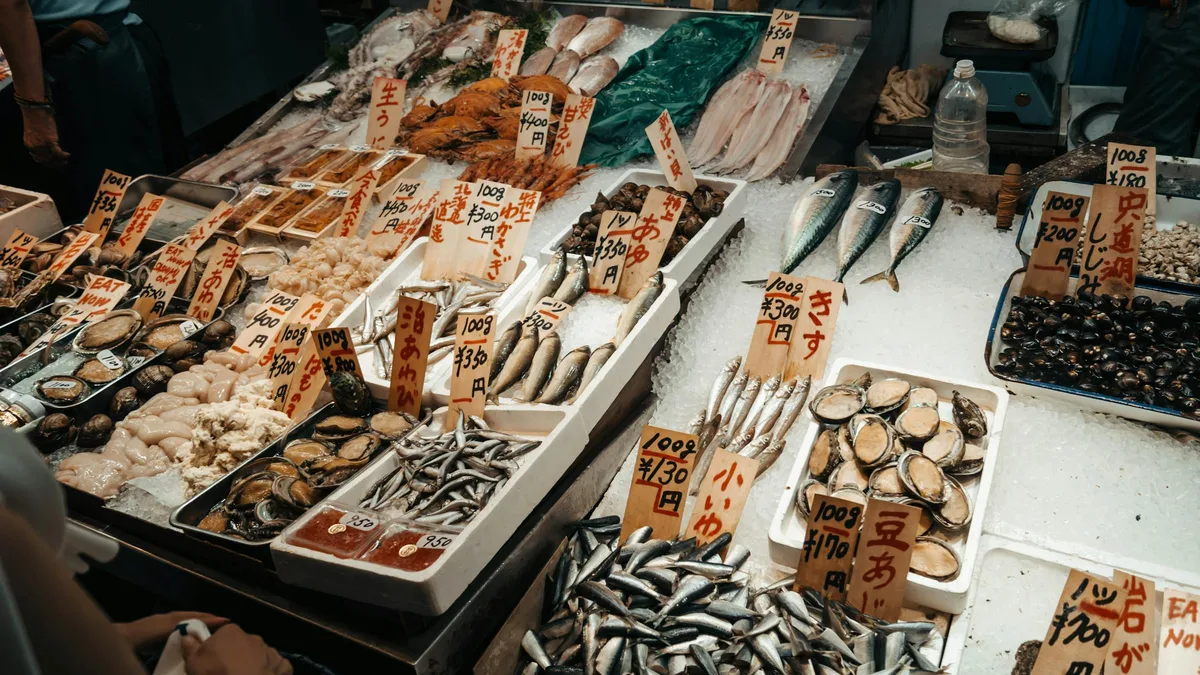
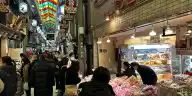
Audioguida al Mercato di Nishiki, la strada gastronomica di Kyoto da 400 anni: cosa assaggiare e comprare, quando andare e il modo gentile di goderne.
Nishiki Market
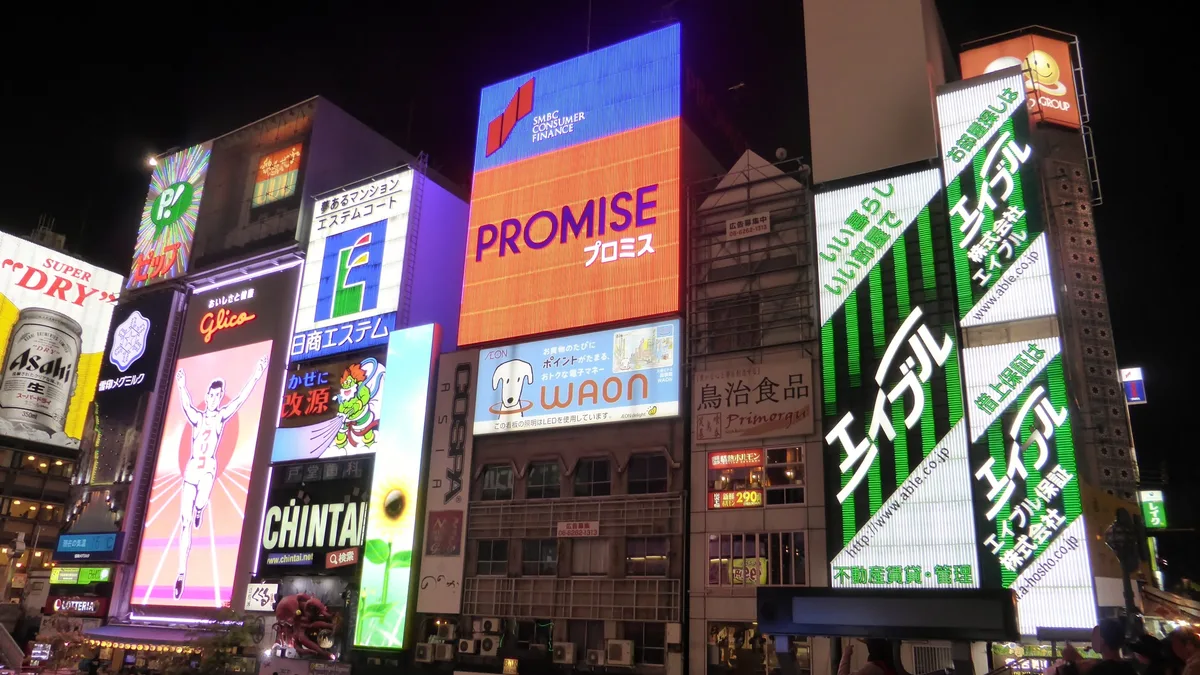
Vale la pena visitare Dotonbori? Abbiamo pesato 200 voci di viaggiatori: il 37% dice di sì senza dubbio, il 36% che basta un'occhiata, e i visitatori giapponesi ne parlano ancora meglio, con il 62%. L'insegna Glico, il takoyaki, la regola della salsa condivisa e il vicolo silenzioso lì dietro, con audioguida.
Dotonbori
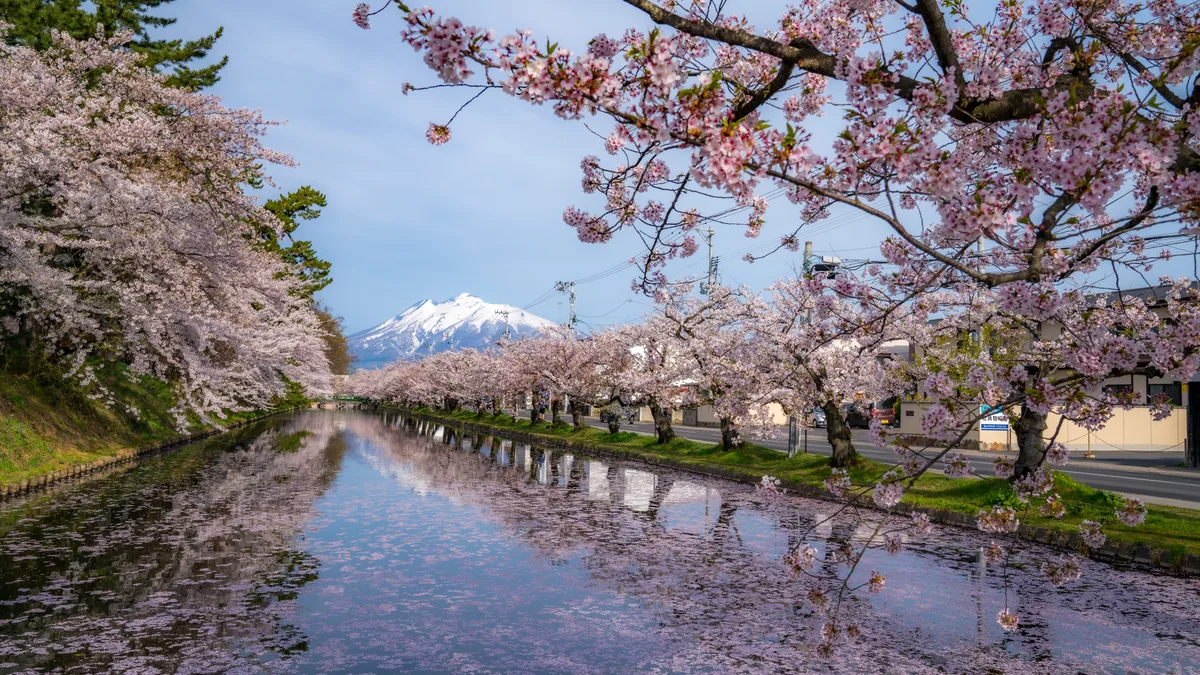
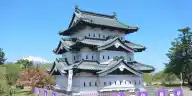
Il castello di Hirosaki custodisce l'unico mastio originale in legno di tutto il Tohoku, ricostruito più piccolo nel 1810 dopo un incendio. Scopri i 2.600 ciliegi piantati dagli ex vassalli e potati come meli, le «zattere di fiori» hana-ikada sui fossati e il restauro straordinario che ha spostato l'intera torre di 78 metri. Orari, ingresso ¥320, come arrivare da Tokyo e il festival 2026 (10 aprile–5 maggio).
Hirosaki Castle







L'antico cuore del Giappone — Kyoto, Nara, Osaka — a un ritmo comodo
La capitale e le sue gite in giornata — la vecchia Tokyo, Kamakura sul mare, Nikko di montagna — a un ritmo comodo
Il quieto nord del Giappone, letto come lo lesse Bashō: Sendai e la baia che lo ammutolì, un tempio di montagna e una notte termale Taishō, le rovine dorate di Hiraizumi, e il paese-castello dell'estremo nord, con calma, e secondo la stagione
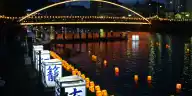
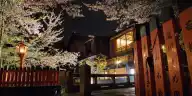
La Golden Route da Tokyo a Kyoto al ritmo dei ciliegi, e come seguire l'avanzata della fioritura come fa la gente del posto, così una data che non puoi prenotare diventa la parte più bella del viaggio
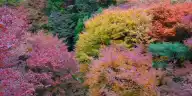
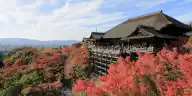
Kyoto al picco degli aceri: come leggere l'orologio su cui corre il colore, così da starci dentro invece di rincorrerlo
Un'unica linea verso ovest, dall'aria più limpida di Tokyo alle montagne innevate e giù fino alla quiete di Kyoto, per vivere l'inverno giapponese come chi lo ama: per loro il freddo non è il prezzo del viaggio, è ciò che dà senso a tutta la stagione