
Ghibli Park: A Forest You Walk Into, Not a Theme Park You Ride
Ghibli Park
By Kei · Born and raised in JapanThe Meaning
Most places that carry a famous name sell you a gate, a queue, and a ride. Ghibli Park does something quieter. It takes the world of Studio Ghibli's films, builds it at full size and by hand into the woods of a public park that was already there, and then lets you walk until you meet it.
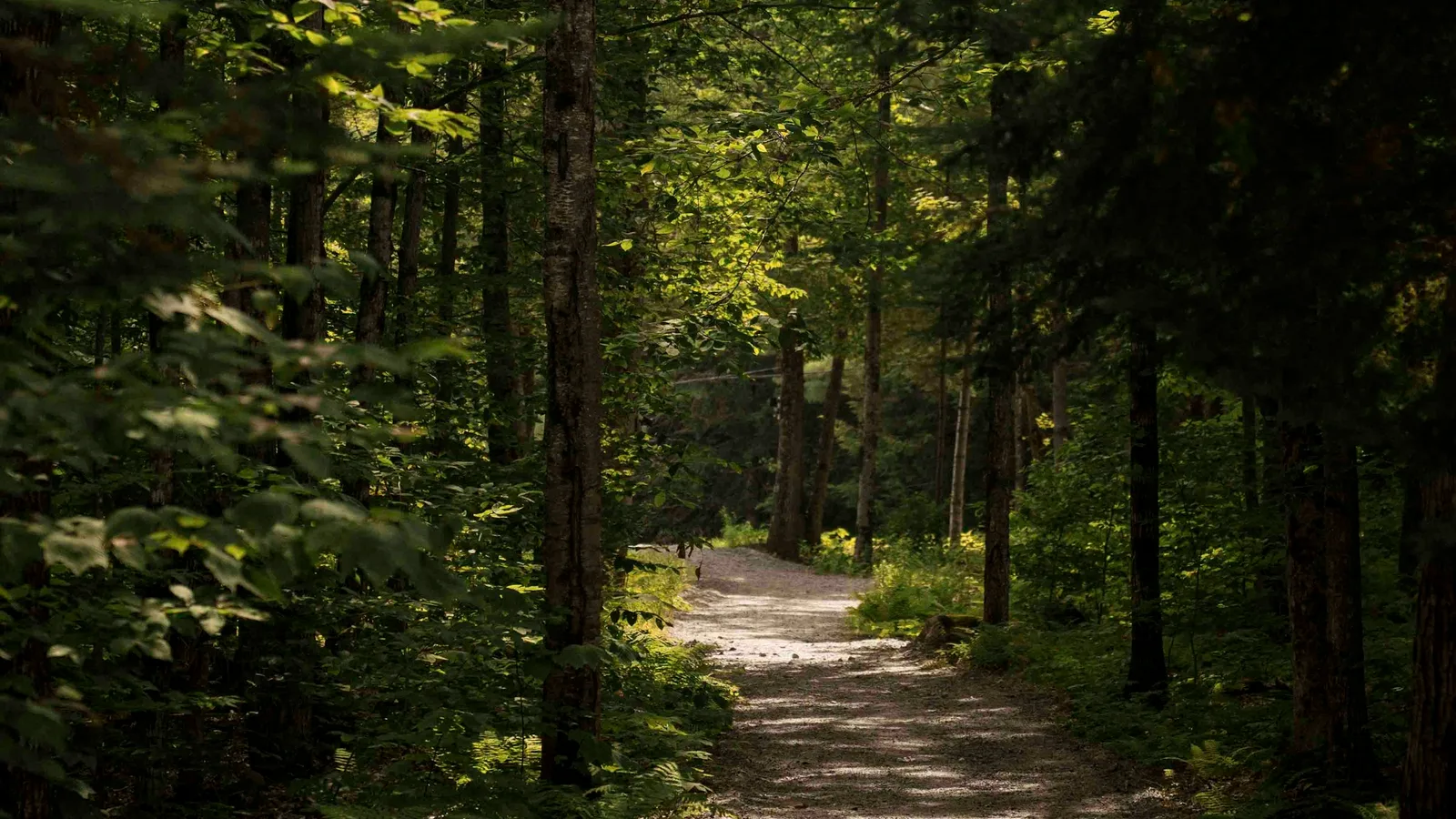
That verb matters. You do not ride Ghibli Park. You walk into it, on foot, along paths through the trees. The five areas sit scattered across the wide grounds of the Expo 2005 Aichi Commemorative Park near Nagoya, a green space that was free and open to the public long before Ghibli arrived. There are forest trails between the areas, and a ferris wheel and a cycling course that have nothing to do with the films, and a house from My Neighbor Totoro standing at the top of a wooded hill as if it had always been there. Japan's national tourism board puts it plainly: no thrill rides, no glitzy distractions, just the invitation to slow down. The story here is set into the landscape rather than projected onto you, and you go looking for it.
This is the opposite instinct from a place like teamLab in Tokyo, where digital art surrounds you inside a dark, engineered room. Ghibli Park is outdoors, in daylight, spread thin on purpose.
One clarification first, because the two are easy to confuse. This is Ghibli Park in Aichi, near Nagoya. It is a completely separate place from the small Ghibli Museum in Mitaka, Tokyo, and the tickets are not interchangeable. Book the one you actually mean to visit.
What Happens When You're There
Step 1: Reserving, and Getting There
Your visit begins weeks before you arrive, because you cannot simply show up. Admission is by advance reservation only, with nothing sold at the gate. Each month's tickets are released two months earlier, on the 10th at 2 p.m. Japan time, through Lawson Ticket or Klook for visitors from overseas. Popular dates can go quickly, and it is completely normal to feel a little anxious as you refresh the page. Japanese visitors feel it too, and Aichi residents even get a head start on the 27th of each month. If your first choice is gone, another date usually opens up. Because everything runs on reservation, many visitors set the day into their plans early instead of fitting it in at the last minute.
Getting there is part of the calm. From Nagoya, take the Higashiyama subway line to Fujigaoka, then change to the Linimo, a short magnetic-levitation line that glides out to Ai-Chikyuhaku Kinen Koen Station. The whole trip runs about 45 minutes, and the park begins just outside the station, with the five areas spread a short walk further into the grounds. There is no car park for Ghibli Park itself, so the train is simply the plan. If the connections feel like a lot, our guide to getting around Japan walks through this kind of transfer.
Step 2: The Grand Warehouse
Most visits start at Ghibli's Grand Warehouse, the one indoor area and the only one with a timed entry printed on your ticket. It was built inside a heated swimming pool that closed in 2018, which is a very Ghibli thing to know: little here was cleared away and rebuilt from nothing. Inside is a covered town of staircases and painted signs, a small cinema showing short films made only for this room, and set pieces you are encouraged to touch. Staff will tell you to open the drawers and take the books down off the shelves. A lot of what you do here is simply notice, the wear painted onto a doorframe, the handwriting on a label.
One practical grace note. Photography is restricted through much of the park, permitted only in certain spots and never with flash, a tripod, or a selfie stick. It can feel strange to lower the phone at first. It is part of why the rooms stay calm, and there is a quiet pleasure in letting a place be seen rather than captured. If you want the fuller picture on this, we wrote about photo etiquette at Japanese sights.
Step 3: Into the Forest
From the Warehouse, the rest of the park asks you to walk. The areas are several hundred meters apart along wooded paths, so you spend real time among the trees between one and the next.
Dondoko Forest holds Satsuki and Mei's house from My Neighbor Totoro, recreated down to the wooden posts and the veranda, at the top of a small hill you climb on foot. Hill of Youth gathers the antique shop from Whisper of the Heart and an elevator tower styled after old science-fiction machines. None of it is walled off from the ordinary park around it. Families cycle past, a teahouse serves matcha nearby, and the film sets stand among all of it without a fence between them.
You do not need to know the films to feel this. People who have seen everything Studio Ghibli made will catch small details that stop them in place. People who have seen nothing can still walk through a beautifully built house in the woods and sense that someone cared enormously about every board and hinge. Bring the friend who shrugged when you mentioned the trip. There is enough here for them too.
Step 4: Choosing What You'll See
Here is where the ticket you bought has quietly shaped your day. Ghibli Park does not sell a single gate ticket. The Premium pass opens all five areas and every building interior, including the houses you can step inside. The cheaper Standard pass covers three areas and lets you see the others only from the outside, and it does not include Hill of Youth or Dondoko Forest at all, which means it does not include the Totoro house. In the Valley of Witches, the largest area, going inside Howl's moving castle or the witches' houses can take a small extra ticket bought on the day.
None of this is a trap once you know it going in. Because the Standard pass leaves out the walk-in houses and two of the areas, it helps to decide first which worlds you most want to stand inside, then buy the ticket that opens them. And if you only reach a few of the areas in your day, that is fine. The park is large by design, and one area, taken at your own pace, is enough to have truly been here.
Step 5: Leaving Through the Woods
On the way back to the station, it is worth asking why the park was built this way. A studio with this much devotion could have packed the grounds with rides and queues and sold far more tickets. Instead it chose forest paths, long walks between the areas, and houses you enter one at a time. The trees, the wide distances, the ordinary public park breathing all around the film sets: that space is the shape the park chose for itself.
You will not have seen all of it. Almost no one does in a single day. But if you walked up the hill to one house, opened its door, and stood for a moment inside a room from a film built with impossible care, then you have understood Ghibli Park. Thank you for walking with us.
Good to Know
Ticket prices, reservation dates, and opening hours change; always confirm on the official site before you book.
Tickets. Ghibli Park sells timed passes rather than one gate ticket. The two most relevant for visitors from abroad are the O-Sanpo ("stroll") Day Pass Premium, which covers all five areas and every building interior, and the Standard, which covers three areas (Ghibli's Grand Warehouse, Mononoke Village, and Valley of Witches). The Standard pass does not include the Hill of Youth or Dondoko Forest areas at all, and inside the Valley of Witches the walk-in houses (Okino Residence, Howl's castle, and the House of Witches) need an additional same-day ticket. Premium is ¥7,300 on weekdays and ¥7,800 on weekends and holidays for adults; Standard is ¥3,300 and ¥3,800. Children aged 4 to 12 are roughly half. Last verified: 2026-07. Official tickets
Reservations. Advance reservation only, with no tickets at the gate. Each month's tickets are released two months earlier, on the 10th at 2 p.m. Japan time, via Lawson Ticket or Klook for overseas buyers. Tickets are non-refundable and non-transferable, and your name may be checked, so carry ID. Last verified: 2026-07. Official tickets
Hours. Generally 10 a.m. to 5 p.m. on weekdays and 9 a.m. to 5 p.m. on weekends and holidays, with last entry to the walk-in areas at 4:30 p.m. Closures are usually on Tuesdays. Check the monthly calendar. Last verified: 2026-07. Official calendar
Getting there. From Nagoya, take the Higashiyama subway line to Fujigaoka, then the Linimo to Ai-Chikyuhaku Kinen Koen Station, about 45 minutes in all; the park begins just outside the station, with the Ghibli areas a short walk further in (the Grand Warehouse is about 400 meters, the farther areas up to around a kilometer). A Linimo one-day ticket is ¥800 for adults. There is no parking for Ghibli Park. Last verified: 2026-07. Linimo access
Photography. Restricted through much of the park, permitted only in designated spots and never with flash, a tripod, or a selfie stick. Last verified: 2026-07. Official FAQ
What to wear, how long. You walk a good deal outdoors between the areas, so comfortable shoes and weather-ready clothes matter. A full day is realistic with a Premium pass; many people happily spend it on the Grand Warehouse and one or two other areas.
If Things Don't Go as Planned
The date you want is sold out. This is common. Watch for the monthly release on the 10th, consider a weekday, and treat the park as the anchor of your plans rather than an add-on. Aichi residents get earlier access, so some public dates fill fast.
You bought the Standard pass and want to enter the houses. The Standard pass does not include the building interiors, nor the Hill of Youth and Dondoko Forest areas. If stepping inside the recreated houses matters to you, the Premium pass is the one that opens them, so check before your visit whether you can still change.
You were expecting rides. Ghibli Park has almost none, and that is on purpose. If you arrive ready to walk through the hand-built places rather than queue for attractions, the day rewards you. Set that expectation for anyone traveling with you, especially children who love a fairground.
One day doesn't feel like enough. The areas are spread across a large park and you will not see everything. Pick the areas you care about most and see them properly. There is no need to cover all five in one visit.
It rains. Ghibli's Grand Warehouse is entirely indoors and can hold several hours, which makes it a natural anchor on a wet day. The surrounding public park also has an indoor children's center.
You mixed it up with the Ghibli Museum. They are different places. Ghibli Park is in Aichi near Nagoya; the Ghibli Museum is in Mitaka, Tokyo. A ticket to one does not work at the other, so make sure you booked the place you meant to visit.
Sources
- Ghibli Park Official Site: areas, reservations, access, hours, photography rules
- Ghibli Park Official Tickets (overseas): ticket types, prices, sales schedule
- Ghibli Park Official FAQ and Directions: access distances, photography, parking
- Aichi Now, Aichi Prefecture official tourism: five areas, opening timeline, ticket structure
- Expo 2005 Aichi Commemorative Park / Moricoro Park: the host park, free public grounds, facilities
- JNTO, Japan National Tourism Organization: framing, park scale, access
- Linimo access, Aichi Prefecture Public Transportation: route, times, one-day ticket
Photo by Frederick Shaw on Unsplash (Unsplash License).
WMJS is written in Japan, in English, with AI help. We check every page, but English is not our first language. If a sentence reads oddly, tell us. One sentence is enough.
Thank you. A person reads every note.
Real voices
Is it worth it?
Were you there? Share your photos.
Your photo could appear in this guide — with your name and a link to your profile.
Submit a photoRelated Articles

"Excuse Me, Can You Take My Photo?": What Japanese People Really Think

Getting Around Japan: The Tiny Things That Earn You a Nod

More guides in Chubu
Visiting Mount Fuji, the Mountain That Hides for Half the Year
Is Mount Fuji worth seeing? We weighed 53 traveler voices: 36% saw it clear and call it unforgettable, and Japanese reviewers land warmer at 64%. The Fuji Five Lakes, the Fifth Station without climbing, and the short climbing season, with an audio guide.
Mount Fuji

Visiting Jigokudani Snow Monkey Park, and Why the Monkeys Bathe Only When It's Cold
Is Jigokudani Snow Monkey Park worth visiting? We weighed 70 traveler voices: 38% call it a highlight, another 42% say yes in winter, and Japanese locals rate it warmer at 64%. Wild macaques bathe only in the coldest months, Dec-Feb, to survive the cold, not to charm you. The walk in, hours, and the one season mistake to avoid, with an audio guide.
Jigokudani Yaen-koen (Snow Monkey Park)
Matsumoto Castle — Why a Fortress Built for War Has a Room for Watching the Moon
A cultural audio guide to Matsumoto Castle, verified against official sources — one of Japan's twelve original wooden keeps, why a black war-fortress on the plain grew a moon-viewing tower, plus hours, tickets and how to climb it well.
Matsumoto Castle
Kanazawa — The Castle Town That Turned a Fortune Into Gardens and Gold Leaf, Not Armies
A cultural audio guide to Kanazawa, verified against official sources — why the Maeda domain spent a million-koku fortune on gardens, gold leaf and crafts instead of armies, plus Kenroku-en hours, access and how to visit well.
Kanazawa