
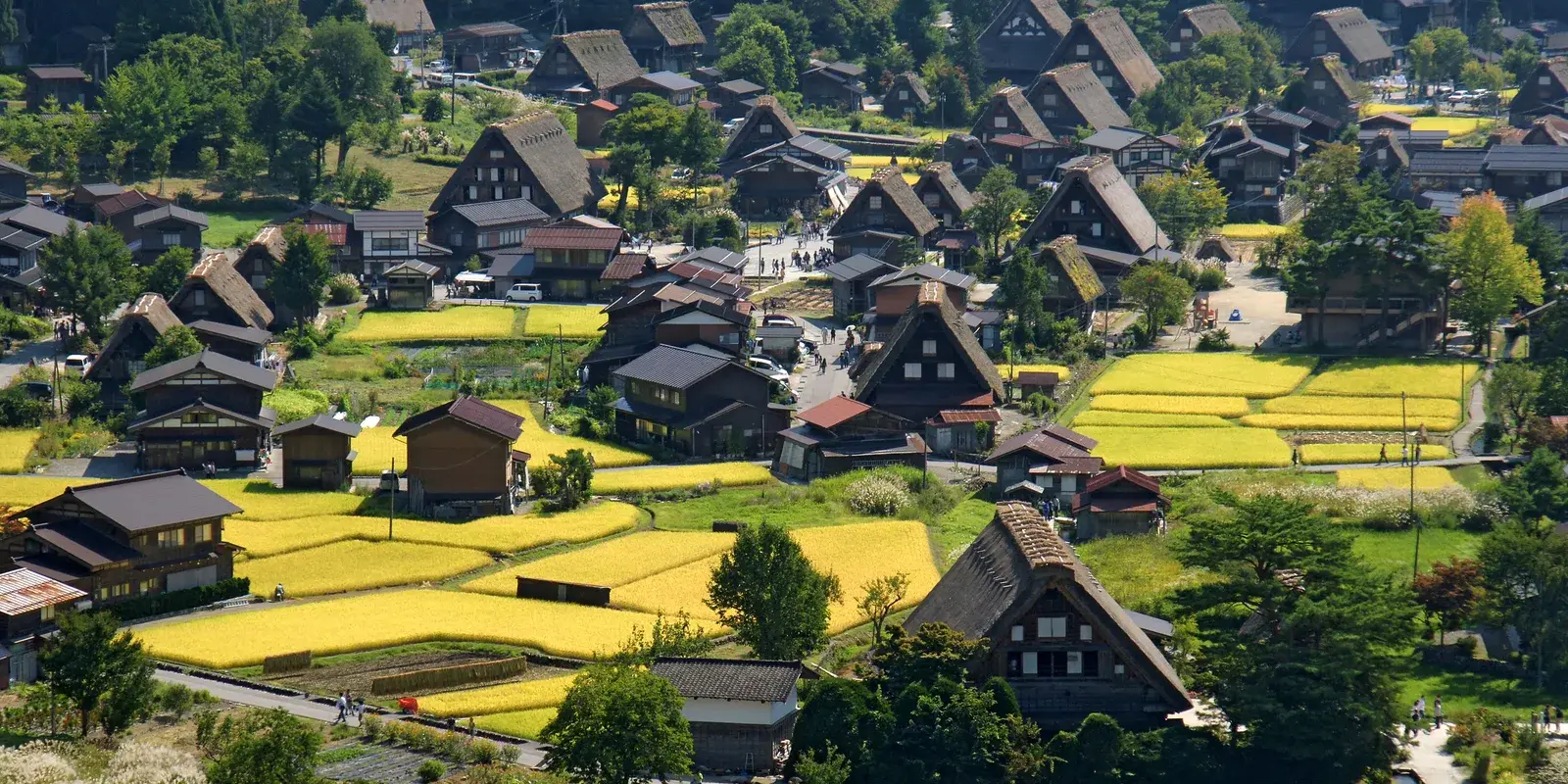
Is Shirakawa-go Worth It? Two Villages, and Which One You'll See
The photographs make a promise: steep thatched roofs in a snowed-in valley, smoke curling from a chimney, a place that looks lifted straight out of a folk tale. Then you read the reviews and they seem to contradict each other: magical, says one; a tourist trap, over in two hours, says the next. Both people went to the same village. So which is true, and is it worth the long detour off the Tokyo–Kyoto line?
Almost nobody actually regrets going. Only about one visitor in sixteen comes away feeling let down, and the section below shows exactly why. The real question isn't whether Shirakawa-go is worth it, but which Shirakawa-go you visit, because there are two, and you get to choose.
Is it worth the trek? (in visitors' own words)
We gathered the voices of international travelers who have actually been to Shirakawa-go and asked, in effect, was it worth it? Weighted by how strongly each opinion resonated with other readers, here is how they fell:
Look at the shape of that. The biggest bar by far is the middle one, it depends, and that is the whole story of this place. Shirakawa-go isn't a "yes" or a "no." It's a "depends on when you came and how long you stayed." The thin red sliver at the bottom is what disappointment actually looks like here, and it is almost always the same picture: a midday arrival, on a weekend, off a tour bus, for ninety minutes. "Beautiful and snow covered, but I would honestly not go back," wrote one traveler who day-tripped in from Takayama; "even on an extremely snowy, cold day, it was packed with so many tourists coming in by buses."
But listen to how the people in that enormous middle bar talk, because they hold the key. "'Tourist trap' for a World Heritage site is pushing it a little," said the most up-voted voice of all; "it's a touristic World Heritage site." Many of them name the exact same limitation: "the village is very small, and once you hike up to the vantage point you've kinda seen it all," and then, in the same breath, the exact same fix: "a perfect day trip. Good food. Don't go during the busiest time," or "a very peaceful area to walk around in the evening if you decide to spend a night." The difference between the green bar and the red one is rarely the village. It's the hour you chose to meet it.
How the people who live nearest it feel
Fewer guides bother to ask what Japanese visitors and locals say, in their own reviews, about the very same valley.
Two things are worth noticing. The first is that the green bar is much taller: Japanese visitors land on treasured far more often than international ones land on worth it. The second is the more useful one: the red bar here is actually a touch larger than the visitors' red. The Japanese reviews are the most candid on this page about the truly hard moments, the crowds, and the cost. "On holidays it's extremely crowded," one writes, "and with the heat on top of that we beat a hasty retreat," before adding that the thatched roofs seen up close were still magnificent. Another, who'd waited years to go, loved the houses and then noted the ¥2,000 car park and pricey souvenirs and wondered aloud whether the place was reading visitors' wallets a little too closely.
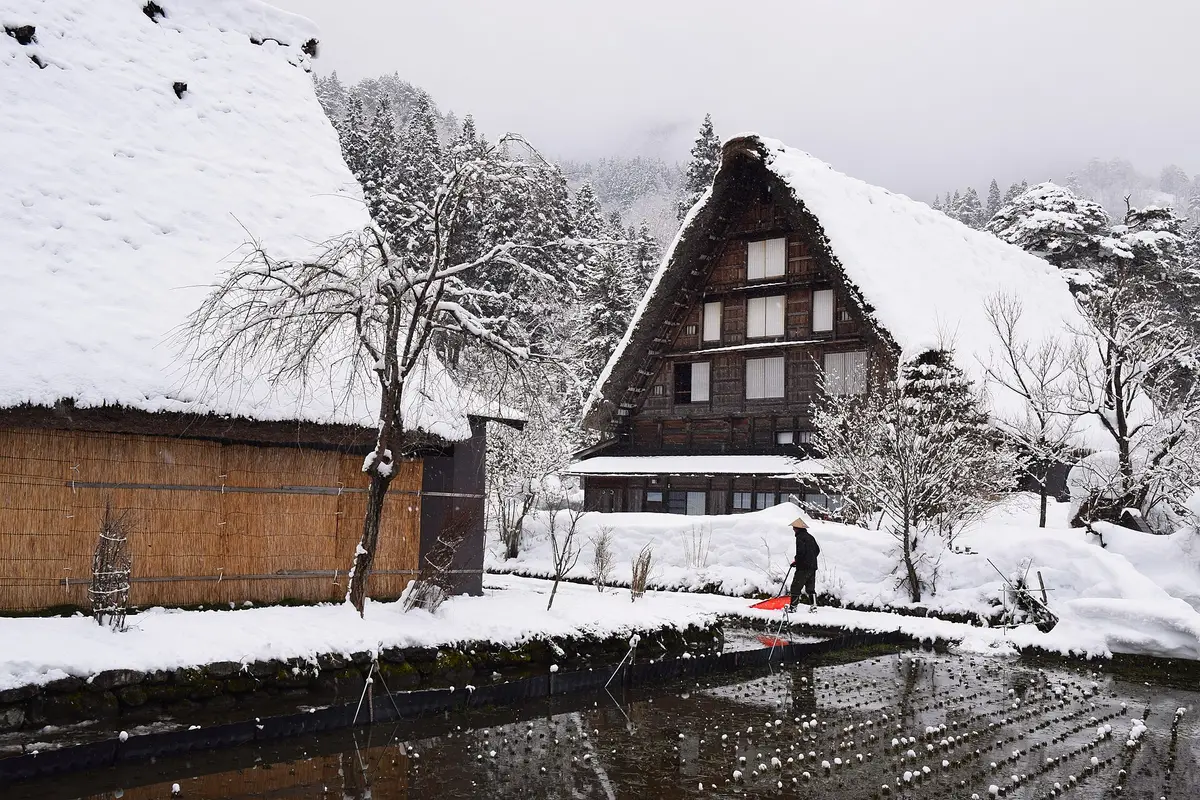
That candour is worth more than a hundred five-star raves, and it points at the same fix the international middle bar found. Because look at what the Japanese green voices describe: it is never midday. "In the morning sun, the steam rising from the gassho-zukuri roofs was magical." "I visited the day after it snowed... it felt as if I had slipped back in time." And the line that quietly answers the "tourist trap" worry from the inside: "People sometimes say it's become too touristy, but no matter when I visit, the humility and earnest dedication of the people working in the village makes me glad." The villagers who are more candid about the cost are the same ones who tell you, plainly, that the magic is real, if you meet it at the right hour.
What we wish you'd noticed
There are, genuinely, two Shirakawa-go. The first is the one most day-trippers see: a single touristy main street, packed with coaches from late morning, walkable end-to-end in well under an hour, "seen it all" once you've climbed to the viewpoint. The second begins the moment the buses leave. By late afternoon the car parks close, the lanes empty, and the windows of the farmhouses turn yellow one by one. The valley you came for, the silent one, the steam-off-the-roofs one, exists in the early morning and the evening, on either side of the crush. Same village. Different hours. The disappointed reviews are nearly all reports from the first one.
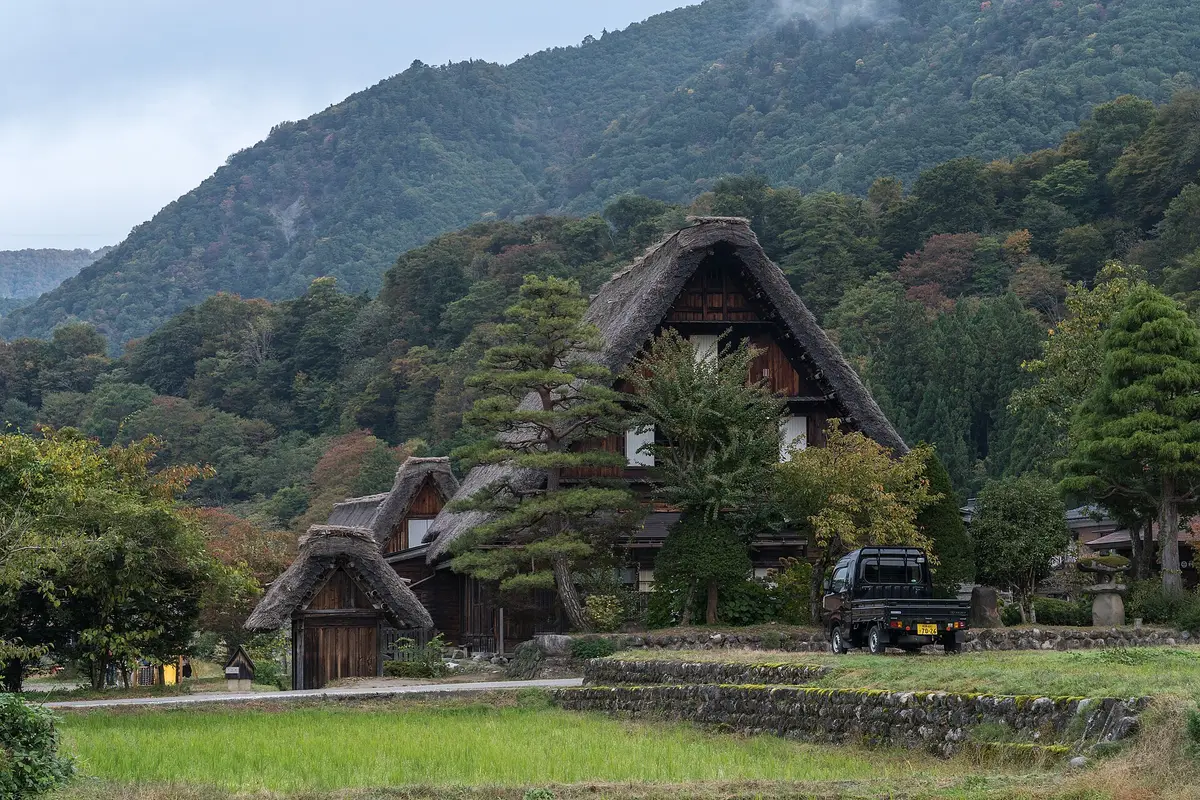
It is a living village, not an open-air museum. Roughly five hundred people still live in Ogimachi, in farmhouses that are real homes with families inside. That single fact reframes almost everything the let-down voices complain about. The "main street" is touristy because it's the one commercial strip in a place where people actually reside; the quiet you're chasing is just the village being itself once the visitors thin out. (The separate Gassho-zukuri Minka-en open-air museum, at the south end, gathers relocated farmhouses you can wander freely, and one visitor called the near-empty museum across the bridge "the thing that made it for me" if you want the architecture without walking past anyone's front door.)
"Small" is the feature here. Visitor after visitor calls it tiny and quickly walked, and they're right, and the ones who loved it simply slowed down to match. "Shirakawa-go is all about the vibes," as one put it; "just go, take pictures, learn the history of silk farming." It is not a checklist of sights. It is one atmospheric hour in a 250-year-old village, and it rewards being unhurried.
The season is half the photograph. The iconic images are deep winter, and the visitors who arrive expecting snow and find green paddies or bare trees account for a real share of the shrugs. Winter is the most magical and the most crowded; spring, summer and autumn are far quieter and still lovely, but go knowing which one you're getting. And the famous winter light-up is no longer a turn-up event: it now runs only a handful of reservation-only, ticketed evenings each January and February, booked months ahead.
The cost is real, and worth planning for. The main Seseragi Park car park runs about ¥2,000 per car and closes in the late afternoon, the same closing time that empties the village so beautifully for those who stay. If you're driving, factor it in; if the parking queue (which can back up by late morning) sounds stressful, the bus from Takayama or Kanazawa drops you a minute's walk from the houses.
Doing it well: the welcomed way
Everything above resolves into a handful of moves that turn the second Shirakawa-go from a gamble into a plan.
- Pick your hour as carefully as your day. Come on the first bus, or stay until the last. Walk the lanes before about ten in the morning or after the day-trippers leave in the late afternoon; that's when the village is quietest and most itself, and gentlest on the people who live there.
- If you can, stay the night. A handful of the farmhouses take guests as minshuku, and the travelers who did almost uniformly call the after-dark village the best part: "so quiet after all the tour buses left, and the next morning was so peaceful." They book up far ahead and they're family homes, not hotels; if even one night isn't possible, an evening arrival and an early-morning walk capture much of the same magic. (Here's what staying somewhere like this feels like before you go.)
- Right-size your expectations and you'll right-size your visit. Plan for one unhurried atmospheric stretch rather than a full day of attractions. Go inside one farmhouse, climb to the viewpoint, eat something, sit by the river. People who came for vibes left happy; people who came for a checklist left early.
- Read the season before you book. Want the postcard? That's deep winter, with crowds and weather to match, and a light-up you must reserve far in advance. Want the same village with room to breathe? Any other season delivers it.
- Treat the lanes as someone's neighborhood. Where a house is a home rather than a marked exhibit, enjoy it from the lane; take your rubbish with you; keep flames well away from the thatch. These aren't rules so much as the ordinary grace of being a good guest in a place where people are at home, and they're exactly what keeps the second Shirakawa-go worth visiting at all.
So is it worth it? If your idea of worth it is a quick midday tick off a list, the reviews say you may shrug. But if you'll give it the early light or the evening hush, or one night with the lamps coming on and the smoke rising, then you'll have seen the village the photographs were actually promising, and the answer the voices give, in both languages, is a quiet and almost unanimous yes.
Still deciding which famous places actually earn a slot on a short trip? Start with what actually matters in Japan. And for the full meaning of this living village, its yui roof-raisings and the suspension bridge into Ogimachi, the Shirakawa-go guide goes deeper.
Sources
- UNESCO World Heritage List: Historic Villages of Shirakawa-go and Gokayama: the mountain villages inscribed as a World Heritage Site in 1995 as a rare surviving example of human adaptation to a harsh, snowbound environment.
- Shirakawa-go & Gokayama World Heritage Site Center: The Village of Ogimachi: the gassho-zukuri preservation district, its households, and the 1995 inscription.
- Shirakawa Village Office: Responsible Tourism: nearly 500 residents still living in the village; "this is not a theme park"; the village's requests of visitors (designated parking, no open flames, take your rubbish home, no drones).
- Shirakawa Village Office: Parking Information: the Seseragi Park car park (around ¥2,000 per car), its roughly 8:00–17:00 hours with no reservations for ordinary cars, and the two-minute walk across the Deai-bashi suspension bridge; written without thousand-separators, that is 2000 yen per car.
- Shirakawa Village Office: Winter Light-Up Event: the small number of reservation-only, ticketed light-up evenings each winter, with same-day tickets unavailable.
- Shirakawa-go Tourist Association: Access: no train access; about 1.5 hours by highway bus from Kanazawa and Toyama and about 3 hours from Nagoya.
- Nohi Bus: Takayama–Shirakawago Line: about 50 minutes from Takayama, around ¥2,800 one way, with reservation requirements on some routes.
- JNTO (Japan National Tourism Organization): Shirakawa-go: gassho-zukuri ("like praying hands"), houses built without nails, and access best made by bus from Takayama.
WMJS is written in Japan, in English, with AI help. We check every page, but English is not our first language. If a sentence reads oddly, tell us. One sentence is enough.
Thank you. A person reads every note.
How well do you know Japan?
Built from 635 public posts by Japanese people
Want to know more? Ask Japanese people
Have a follow-up question about this topic? We'll ask real Japanese people.
Voice Box →