
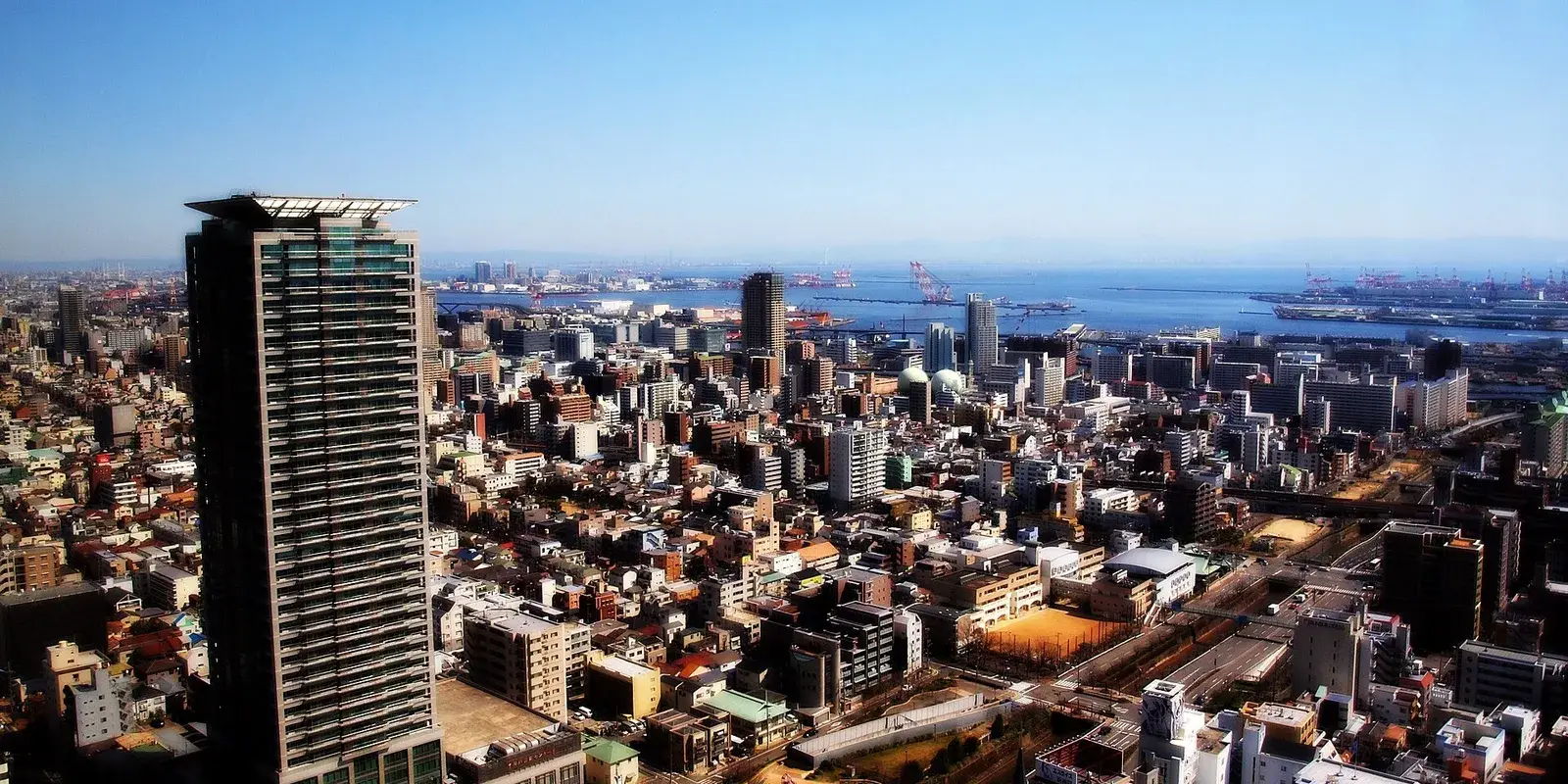
Is Kobe Worth It? What Visitors and Locals Really Say
You have probably filed Kobe under one word: beef. It sits there on the map just west of Osaka, famous for a single expensive thing, and the question almost writes itself. Is a whole day worth it for a plate of steak you can order in Osaka anyway? Is there anything else to do?
The honest short answer, drawn from people who have actually gone, is yes, Kobe is worth it. But the doubt is aimed at the wrong target. Almost nobody who came away flat was disappointed by the city itself. They were disappointed by treating a designed port city as a single lunch.
Is it worth it? In visitors' own words
We gathered the voices of international travelers who have been to Kobe and asked, in effect, whether it earned its place in the trip. Weighted by how strongly each opinion resonated with other readers, here is how they fell:
Look at where the weight sits. The big middle band is not really disagreement about Kobe. It is people separating two questions that get tangled together. One traveler untangled them cleanly:
Is it worth going to Kobe? Yes. Is it worth going to Kobe to eat? Yes. Is it worth going to Kobe to eat Kobe beef specifically? Probably not.
That is the whole gauge in three lines. You can get certified Kobe beef in Osaka, Kyoto, or Tokyo, and plenty of visitors said so plainly: "You don't have to go to Hamburg to eat hamburger... You don't have to go to Kobe to eat Kobe beef." The city is a place, not a restaurant you travel to, and the people who treated it as a place tended to love it. One who lives there put it simply when asked whether a first-timer should bother: "I'm a little biased because I live in Kobe, but yes." Another pushed back on the whole framing: "There's a lot more to Kobe than just Kobe beef, but most people aren't interested in researching further about places that aren't popular on social media?"
What locals and Japanese visitors say
Here is the layer most guides skip: how Japanese visitors and locals talk about Kobe, in their own reviews. It is a warmer register, and a more practical one, because for them Kobe is not a wagyu pilgrimage. It is a hillside of old foreign houses, a harbor, a Chinatown to eat your way through, and hot springs up the mountain.
Now put the two red bars side by side. They are almost the same size, ten percent and nine, and neither one says "not worth it." The disappointment on both sides is specific and avoidable. And the most useful voice on this whole page is a local one that quietly says the same thing the visitors were circling. Writing about the historic Kitano houses, where each mansion charges its own admission, one reviewer decided the tickets were beside the point:
In a word, the admission fees are too high. The overall atmosphere of the town is good, but no matter how many houses you enter it doesn't change; you can be perfectly satisfied with the atmosphere from the outside, and that's more stylish. Better to spend that money on a Kobe beef lunch instead.
A Japanese visitor and a first-time foreigner arrive at the identical instinct from opposite directions: the headline thing you pay for, the beef or the ticketed house, is optional. The neighborhood, the walk, the view, the harbor air, all of it free, is the actual experience.
Where the two sides genuinely differ
The gap between the audiences is not in the red bars. It sits in that wide neutral band on the visitors' gauge. Foreigners spend real energy deliberating a question locals never pose: is the beef worth the special trip, and is a whole day too much? The Japanese reviews almost never frame Kobe that way. They are already talking about which slope tired them out, whether Nankinmachi is too crowded for a proper sit-down meal, how the Arima baths were on a busy weekend. They skipped straight past "is it worth it" to "how do I do it well," because they know what the city is.
The travelers who felt let down are nearly all the ones who did not make that jump. One described the trap exactly:
We went with the intention of having "Kobe beef in Kobe" and didn't really look at what else to do there, so after an early lunch we wandered around and ended up heading back to Osaka early.
That is the ten percent, almost to a person. No fault of the city. Just a day pointed at the wrong thing.
What you actually find when you look up
So what is the fuller Kobe that the locals take for granted? A resident laid out the whole spread in one breath:
It has amazing seafood, it's next to the sea and you can relax in harbour side parks or even go on a harbour cruise, if you have time. Meanwhile, just a short distance, behind the city, are forested hills behind Kobe with some lovely walking trails.... Arima Onsen isn't far away up in the hills... and over in the eastern part of Kobe, there's a sake-making district and a number of the sake breweries offer tours.
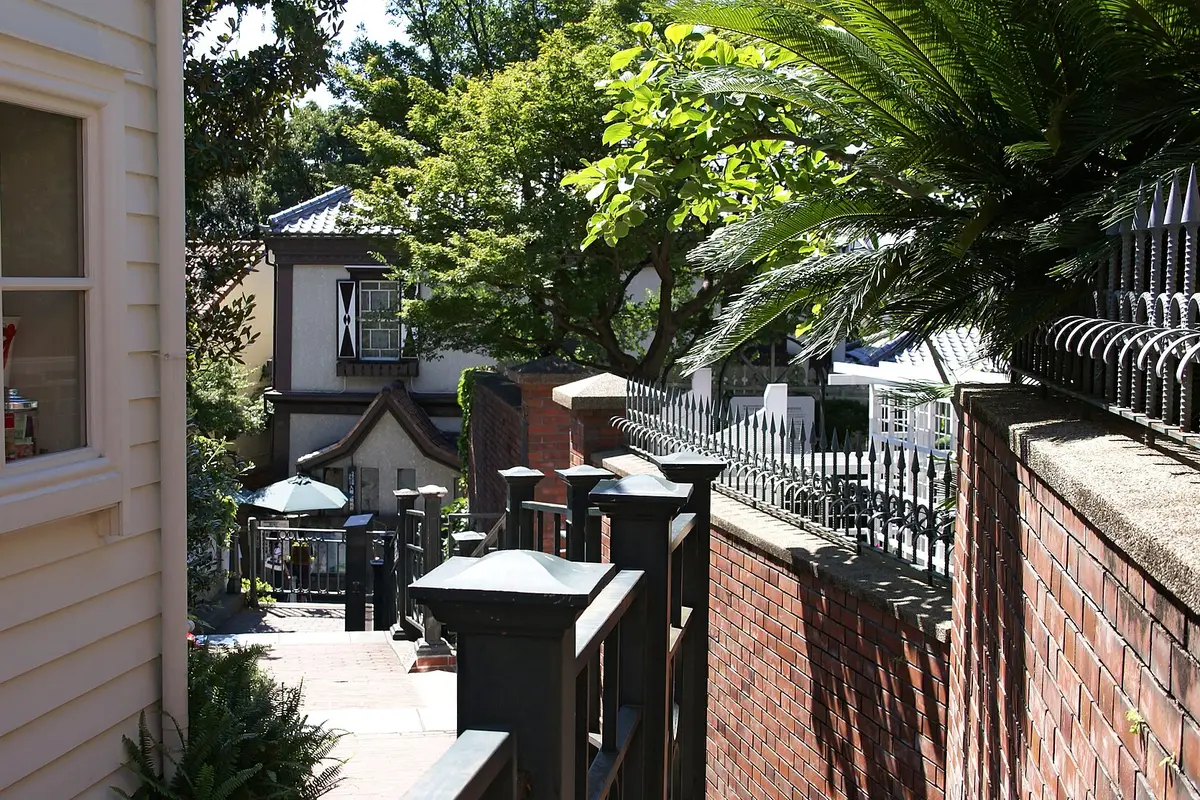
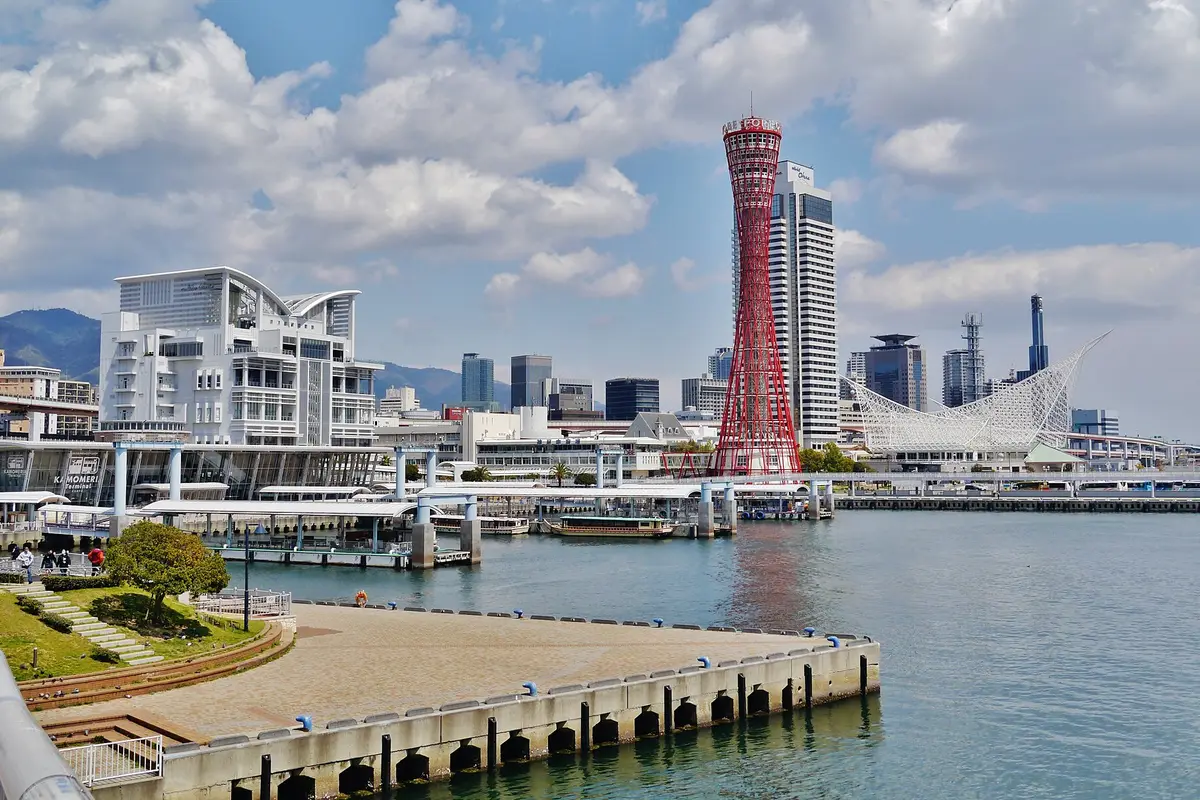
Held between a steep green mountain wall and the sea, Kobe packs an unusual amount into a small, walkable strip. Up on the Kitano slopes stand the ijinkan, the Western-style homes built by foreign merchants after the port opened in 1868; you can pay to enter a house or two, but as the locals note, walking the lanes and reading the rooflines is free and is much of the pleasure. Down at the water, Meriken Park and Harborland open onto the harbor, with the red lattice of the Kobe Port Tower over the quay. In between, Nankinmachi, one of Japan's three great Chinatowns, is built for eating on your feet. And behind and above the city, Arima Onsen, one of Japan's oldest hot spring towns, sits inside Kobe's own city limits, while from the Mt. Maya overlook the city spreads out at night as one of the country's three great night views.
How to give Kobe the day it deserves
You do not need to do this perfectly, and there is really only one gentle shift that turns a flat Kobe into a day you remember: come for the city, and let the beef be one good course of it rather than the whole reason you came.
A half-day is genuinely enough for the spine of it. Come into Sannomiya, walk up into Kitano, come down through Motomachi and Nankinmachi, and out to the harbor at Meriken Park. Add a Kobe beef lunch, which locals point out is far cheaper than the same grade at dinner, and you have seen the shape of the city. Several Japanese reviewers mention the steep Kitano slopes, so wear comfortable shoes and take them slowly; one who walked them with parents in their seventies noted the benches and rest spots along the way.
A full day or an overnight buys you the two best hours. With more time you can ride up to Arima Onsen or take the ropeway toward the hills, and stay for the night view from Mt. Maya or Mt. Rokko. If you do, plan your way down before you go up: the mountain cable cars stop on a fixed schedule, and the last car can leave surprisingly early on some weekdays. That single missed timing is the most common Kobe mishap, and it is entirely avoidable.
If you only want the beef, eat it in Osaka and save the day for elsewhere. That is no knock on Kobe. It is the same advice the locals give. Come to the city when you want the city.
The lens: which Kobe, and how long
The useful question is not really whether Kobe is worth it, but which Kobe you came for and how much time you gave it. Point a rushed half-day at a single famous lunch and the city can feel thin. Give it a walk from the slopes to the sea, a Chinatown snack, and an evening on the mountain, and it hands back the thing its whole history is about: a port that a closed country opened on purpose, and an international city that poured through in a single generation. Order the beef if you like it, and it will be very good. But what you carry home from Kobe is the walk itself: the foreign houses on the hill, the harbour opening at the foot of the slope, and the long river of lights when the mountain gives the city back to you after dark.
If you are weighing this the way many travelers do, deciding what actually earns a day in a packed itinerary, we keep a fuller guide to reading those choices in what actually matters when you visit Japan. And when you are ready to plan the day itself, the streets, the stations, the timing of that last cable car, our Kobe city guide walks you through it.
Sources:
- FEEL KOBE, Kobe Official Travel Guide (Kobe Tourism Bureau): Kitano ijinkan district, Nankinmachi as one of Japan's three great Chinatowns, Meriken Park and Harborland, Arima Onsen within Kobe, the Nada sake district, and the Mt. Maya Kikuseidai night view as one of Japan's three great night views
- Kobe Beef Marketing and Distribution Promotion Association, official definition and certification: Kobe Beef as certified Tajima cattle raised in Hyogo meeting strict marbling, yield, and weight thresholds; the certification stamp and certificate of authenticity
- Kobe Beef Association, FAQ: Kobe Beef as fewer than about 0.2% of Japan's beef, and the individual ten-digit traceability number
- City of Kobe, Kitano-cho and port history: the port opened January 1, 1868, the foreign settlement laid out as a planned European-style grid, and merchants building on the Kitano slopes
- Maya Viewline (cable car and ropeway), official operator: Mt. Maya Kikuseidai access, Tuesday closures, seasonal last-descent times, and fares
- JNTO (Japan National Tourism Organization), Kobe: Kobe between the mountains and the sea, Kobe beef and Tajima cattle, the Kitano ijinkan, Nankinmachi, and the night view from the Rokko range
WMJS is written in Japan, in English, with AI help. We check every page, but English is not our first language. If a sentence reads oddly, tell us. One sentence is enough.
Thank you. A person reads every note.
How well do you know Japan?
Built from 635 public posts by Japanese people
Want to know more? Ask Japanese people
Have a follow-up question about this topic? We'll ask real Japanese people.
Voice Box →