
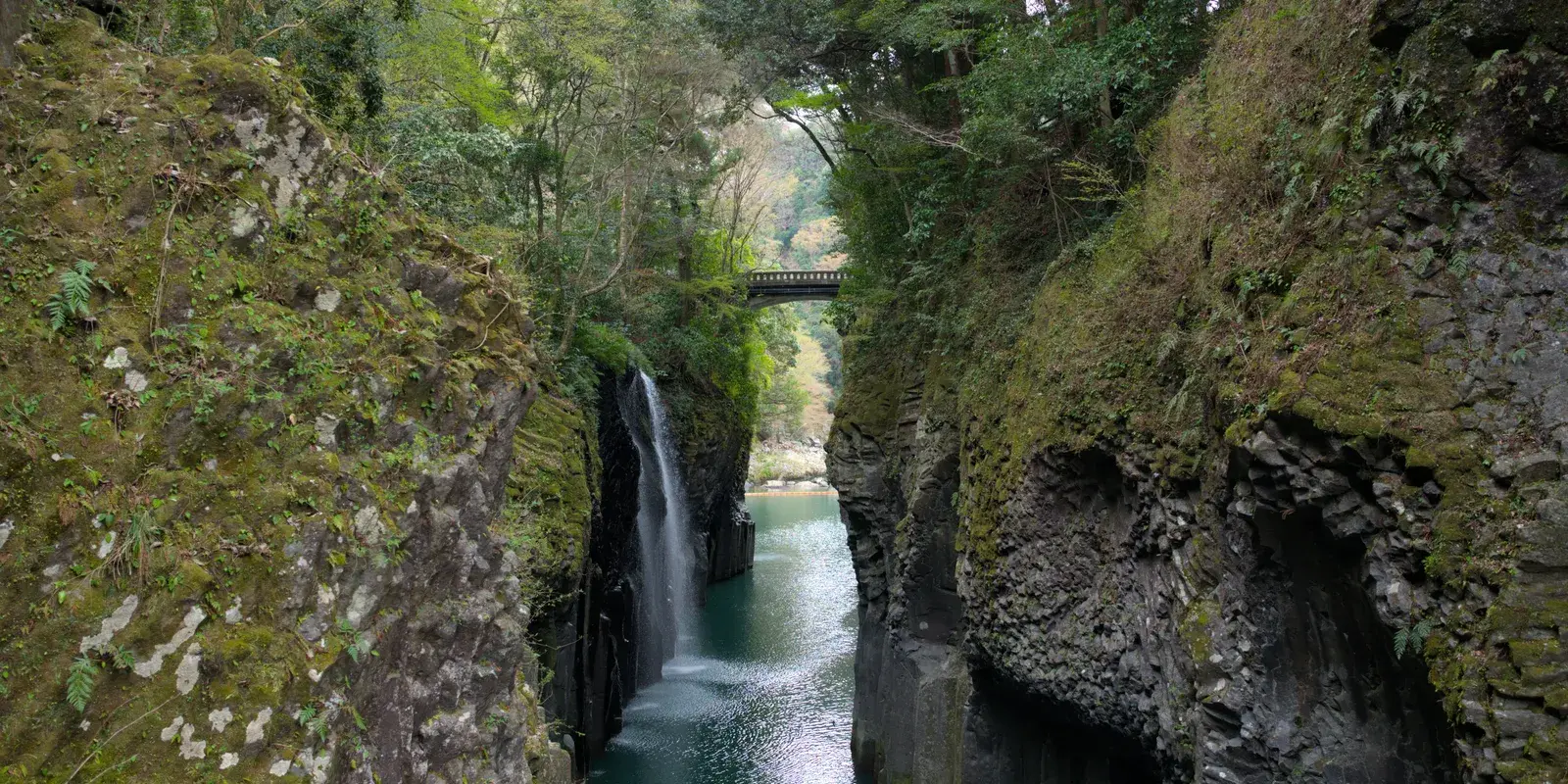
Is Takachiho Worth It? The Boat Lottery, the Long Drive, and What the Myth Country Gives Back
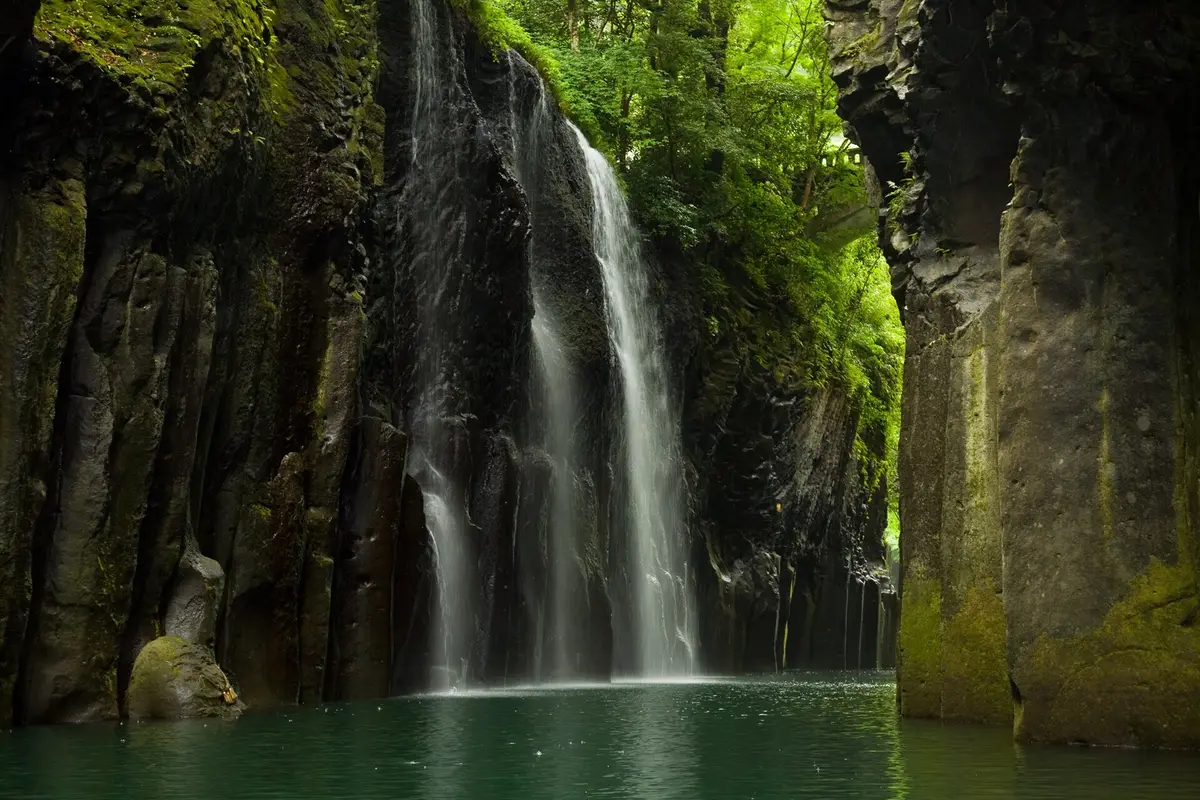
You have probably seen the one photo: a small wooden rowboat drifting under a slim waterfall, emerald water walled in by columns of black rock, the whole scene looking like a screensaver for a country that runs on old legends. Then you try to actually plan it. The boat sells out within minutes when booking opens two weeks ahead, the gorge sits a two-and-a-half-hour drive from Kumamoto with almost no useful trains, and to fit it in you may have to give up a night somewhere else. So the question quietly changes from "is it beautiful" to "is it worth all of that."
The honest answer is not a clean yes, and the people who have been will tell you why.
Is it worth the trip? (in visitors' own words)
We gathered international travelers who have actually made it to Takachiho, sharing on Reddit and on Taiwanese travel forums, and sorted what they said by how strongly it resonated with other readers.
Only a little over four in ten came away with an unqualified "worth it," a low share for a place this photogenic, and the reason is written across the other two bars. Almost nobody calls Takachiho ugly or a tourist trap. They say it is far, that the boat is a gamble, and that the weather has to cooperate. "Really depends on your preferences," one visitor wrote. "If you can drive, or do not mind spending hours in public transportation+connections, then Takachiho... is definitely worth a look. If you prefer a faster paced trip focused on attractions only, and relying only in transit, you might be better off somewhere else instead." Another did the math and walked away: he skipped it because "the risk of rain, 30 min limit on the boat ride, and lack of other things to do there made me reconsider."
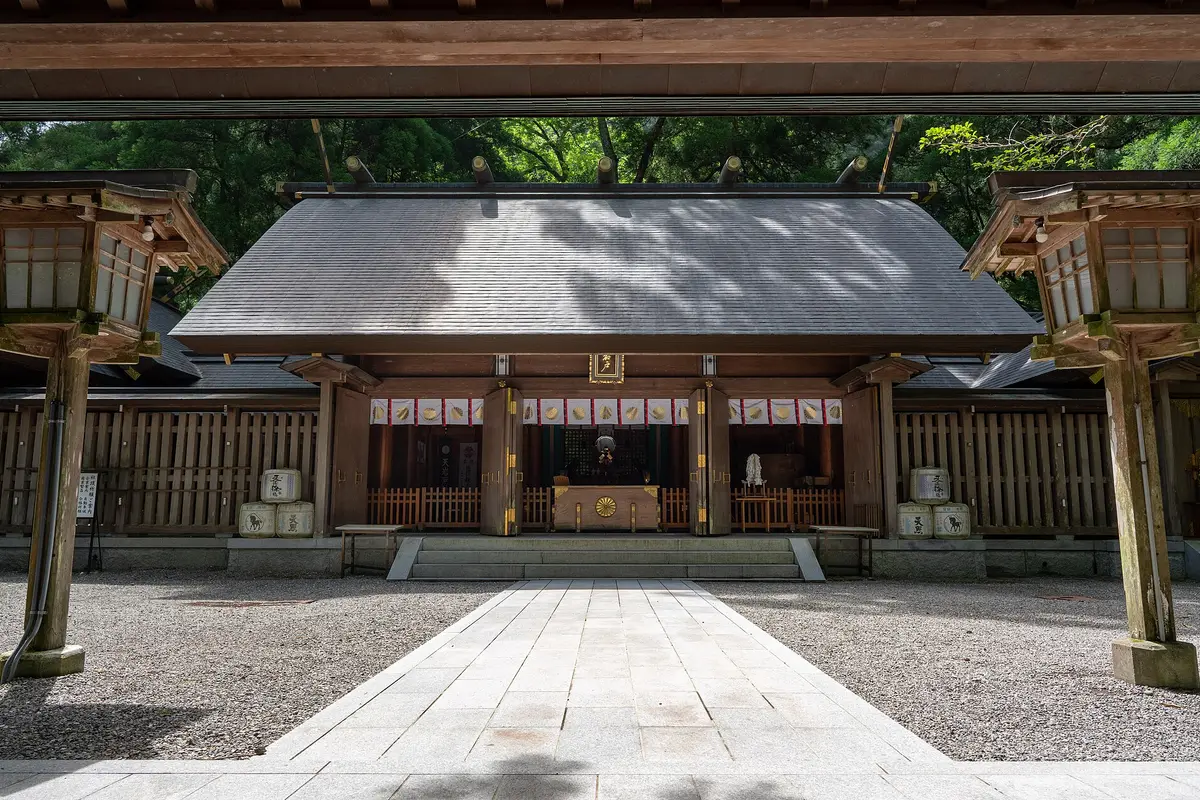
And the travelers who loved it rarely loved it for the reason you would guess. "The boats aren’t worth it unless the weather is idyllically perfect which is hit or miss hour to hour," wrote one visitor who drives out every few months, before adding: "Takachiho is my absolute very favorite place in Japan, and it’s mostly because of Amanoiwato Shrine." The boat is the picture on the poster. It is often not the reason people stay in love with the place.
How the people who grew up with the myth feel
Here is the layer the travel threads never show you: what Japanese visitors say about the very same gorge, in their own reviews.
Put the two red bars next to each other. One traveler in four from abroad lands on "not worth the detour." Among Japanese reviewers it is one in twenty-five. That gap tells you more than either bar on its own. Locals are not somehow easier to please; they simply arrive already knowing what the place is for. Takachiho is the mythological heart of Japan, the country where the sun goddess Amaterasu is said to have hidden herself in a cave and plunged the world into darkness, and Japanese visitors come for that story, the shrines, and the firelit night dances as much as for the water. They also know the one secret that trips up first-timers. As a local wrote, patiently, to someone panicking about missing the boat: "only some of the tourists who visit the gorge actually ride the boat. Many enjoy it just from the scenery along the walking path... it's also a fact that Takachiho's charm isn't just the boat."
The small Japanese red bar is honest, though, and worth hearing out. It is almost entirely a single complaint: the gorge can look smaller in person than the poster led you to expect. "Takachiho Gorge has less height and impact than you'd imagine," one reviewer wrote, "a 'huh, this is it?' kind of disappointing tourist spot." Another found that beyond the one famous photo angle, "it didn't seem much different from other gorge scenery." Arrive braced for a vast canyon and the compact, jewel-box scale can catch you off guard. Arrive for the myth and the light on the water, and it rarely does.
What the boat lottery is really about
The one thing that reliably sours a Takachiho day is treating the rowboat as the whole trip and then not getting it. So it pays to know exactly how the boat works, because the rules are strict and they cause most of the stress.
Booking is online only. The slots open at 9:00 sharp, exactly two weeks before your date, and close two days out. There is no phone booking and no waiting list, and on the busiest stretches (July and September weekends and holidays, and every single day through August) it runs as a fully reserved system, so once the online slots are gone there are no same-day tickets at all. A boat holds up to three people, costs around ¥5,100, and the ride lasts 30 minutes. If heavy rain lifts the river, the boats stop running whether or not you hold a booking. Travelers describe fighting for a slot "like it's a Taylor Swift concert," or finally arriving to find the water too high to launch.
And you do not actually need the boat to see the gorge. A roughly one-kilometre walkway runs free along the top, looking straight down onto the 17-metre Manai Falls and the columns of the cliff, and the reviewers who missed the boat almost always say the walk alone was plenty. "I wanted to ride the boat, but... I gave up on it this time," one wrote, "but just strolling around is plenty enjoyable." The boat gives you the falls from below. The walkway gives you the same falls from above, and it never sells out.
Doing it well, the welcomed way
Takachiho rewards the visitor who comes for the myth country and treats the boat as a welcome extra. A handful of moves make the difference:
- If you want the boat, set an alarm. Reservations open at 9:00 Japan time exactly two weeks out, on the official association site, and the good slots go in minutes. Grab it the moment booking opens, or let it go gracefully and plan around the free walkway.
- Arrive early for the parking, too. There is no boat-only car park, the nearest lots fill first, and a calm early arrival is the difference between a tense shuffle and an easy one. Reviewers describe cars unable to pass each other on the narrow approach by late morning.
- Give it an overnight rather than a day-trip dash. Travelers and locals agree this is where the regret lives. Stay the night and you get what most day-trippers miss: the nightly kagura at Takachiho Shrine, an hour of sacred firelit dance from 8pm, and the deep quiet once the tour buses leave.
- Come for the whole myth landscape. Amano-Iwato Shrine and the cave-shrine of Amano-Yasukawara, where the legend is set, sit only minutes from the gorge, and for many visitors those become the memory that lasts.
- Watch the sky, and do not gamble blind. Rain closes the boats and clouds the water. A clear morning is worth building the whole day around.
- Fold it into a wider Kyushu drive. Nearly everyone who enjoyed the trip paired Takachiho with the nearby Aso caldera rather than asking the gorge to carry a whole day by itself.
Do these, and the day tends to unfold the way the heart-lifted reviewers describe rather than the way the disappointed ones do.
So, is Takachiho worth it? For a quick, easy, guaranteed photo, the travelers who came home unconvinced point to the same things: a very long drive, and a gamble on a boat and the weather. For the country where Japan's oldest story is set, walked slowly along the free clifftop path, with the shrines and a night of kagura in it, the people who go there for that almost never come home sorry they did. One Japanese visitor summed up the whole calculation before landing on the far side of it: the access is awkward and you have to weigh the weather and the crowds, so it is a high-hurdle place, "but it's absolutely worth going."
Still working out which famous places actually earn a slot on a short trip? Start with what actually matters in Japan. And because Takachiho pairs so naturally with the caldera on the same inner-Kyushu route, it is worth reading whether Mount Aso is worth it right alongside this one.
Sources
- Takachiho Tourist Association: Takachiho Gorge (高千穂峡): the roughly 1 km riverside walkway is free to enter; the 17 metre Manai Falls, the columnar joints formed by ancient Aso pyroclastic flow, and the three stacked arch bridges; the gorge's ties to the descent-of-the-gods myth.
- Takachiho Tourist Association: Takachiho Gorge Rental Boats (高千穂峡貸しボート): official booking rules, online reservation only, opening two weeks before at 9:00 and closing two days before; no phone booking or waiting list; fully-reserved days on July and September weekends and holidays, and throughout August; ¥5,100 per boat (written without thousand-separators, that is 5100 yen), a 30-minute ride for up to three people; suspensions for high water and scheduled safety inspections (January, April, July, October).
- Takachiho Tourist Association: Takachiho Kagura (高千穂神楽): the nightly kagura at Takachiho Shrine's dance hall, from 8pm for one hour, presenting four representative dances of the 33-dance cycle; the winter "Takachiho no Yokagura" (mid-November to early February) is designated a National Important Intangible Folk Cultural Property.
WMJS is written in Japan, in English, with AI help. We check every page, but English is not our first language. If a sentence reads oddly, tell us. One sentence is enough.
Thank you. A person reads every note.
How well do you know Japan?
Built from 635 public posts by Japanese people
Want to know more? Ask Japanese people
Have a follow-up question about this topic? We'll ask real Japanese people.
Voice Box →