
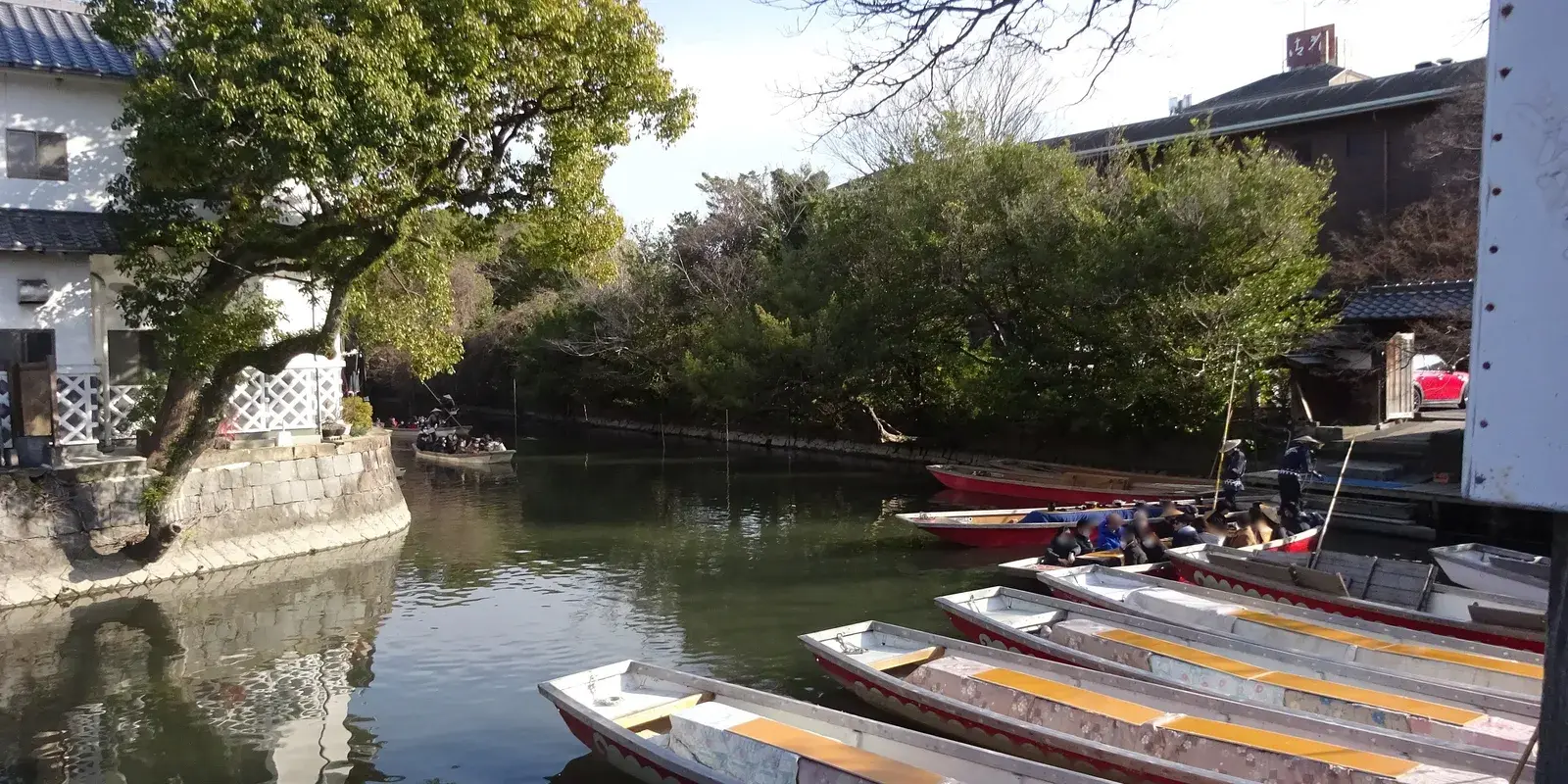
Is the Yanagawa River Cruise Worth It?
Yanagawa turns up on a lot of Fukuoka day-trip plans, almost always bolted onto Dazaifu, and it draws a very particular kind of doubt. The town's whole reputation rests on one slow activity: a wooden punt-boat poled through old canals for about an hour. On a Fukuoka forum one traveler said simply, "I'm skipping this." Another who did ride it was blunter: "It's pretty boring."
So the real question is whether an hour on a slow boat, narrated in a language most visitors do not speak, earns half a day of a short trip. And there is a gap worth noticing before you decide: the international travelers who felt let down and the Japanese visitors who ride it every year are, quietly, bothered by very different things.
Is the cruise worth it? (in visitors' own words)
We gathered the voices of international travelers who have actually taken the Yanagawa boat, from Reddit and from TripAdvisor reviews, and read them for one question: was it worth it? Weighted by how strongly each opinion landed with other readers, here is how they fell.
Read the red slice closely and it is remarkably consistent about why. Three things come up again and again, and all three are about expectation. The first is heat. One reviewer warned that on the one-hour ride "if the sun is out you will bake as the entire trip is in the sun," and signed off with "save your money and your sunscreen." A Reddit regular put the same thing bluntly: "If the weather is too hot, then no." The second is the slowness itself, felt as boredom by anyone who boarded hoping for something to happen. The third, and the quiet key to the whole gap, is language. The boatman narrates the entire trip in Japanese, and a visitor who cannot follow it loses the layer the trip is actually built around. As one traveler admitted, "I couldn't understand anything since the boatman was speaking in Nihongo," before adding the part that saves it: "yet his enthusiastic delivery, melodic passages and humorous spirit kept all of us amused."
That is the fork the whole gauge turns on. The green band is people who settled into the slowness and the singing. One had a simple yardstick: "I've done Venice and this was more fun and much much much more affordable." Another separated the ride from the town and still came out ahead: "maybe it is not worth it just for the river cruise, but Yanagawa in general is one of my favourite places to relax." Even a resident of ten years, who honestly rated the cruise "not worth the trip in itself" because parts of it run past traffic and parked cars, pointed straight to where the real reward waits: "you can come get some fantastic unagi."
How the people who ride it every year feel
Here is the layer a day-trip planner rarely sees: what Japanese visitors write about the same boat ride in their own reviews. The warmth runs far higher, and the doubts that fill the foreign red band barely appear.
Set the two gauges together and the gap becomes the story. The foreign doubt lands mostly on heat, boredom, and lost narration. Japanese reviewers name the very same risks, and then say how they are avoided. On the fear that an hour is too long, one visitor wrote the whole arc in a single review: at the dock she and her husband worried "the one-hour course might be too long, maybe thirty minutes would have been enough," and then, after the ride, "not at all: with the boatman's storytelling and wonderful singing, the hour flew by." The narration that a non-Japanese speaker loses is exactly what the local reviews treasure most. One rider discovered mid-trip that the boatman "was so good at singing that it turned out he is also a working opera singer," and came away feeling she got "both the songs and the cruise."
Even the one genuinely divisive detail gets named honestly. Several boatmen perform a bridge-crossing stunt, hopping onto the low bridge as the boat glides under and landing back on board the other side. A Japanese reviewer noted that "opinions on the bridge stunt seem to be divided, but as a tourist you really want to see it, don't you." That is the honest read: not everyone loves the theatrics, and the reviews say so out loud.
What the warm reviews point to
Everything the warm reviews point to comes down to four things the boat is really offering, none of them a spectacular view.
The boatman carries the hour. The scenery is gentle and, in stretches, ordinary; one honest reviewer called the water "quite ordinary" in the same breath as recommending the trip. What carries the hour is the person poling the boat. Yanagawa is the hometown of the poet Kitahara Hakushu, and the boatmen sing his songs and old folk tunes as they go, threading in local history and jokes. If you can catch even a little of it, or ride with someone who can, the ride changes character completely. If you expect a narrated attraction in English, set that expectation now: the commentary is the reward, and it comes in Japanese.
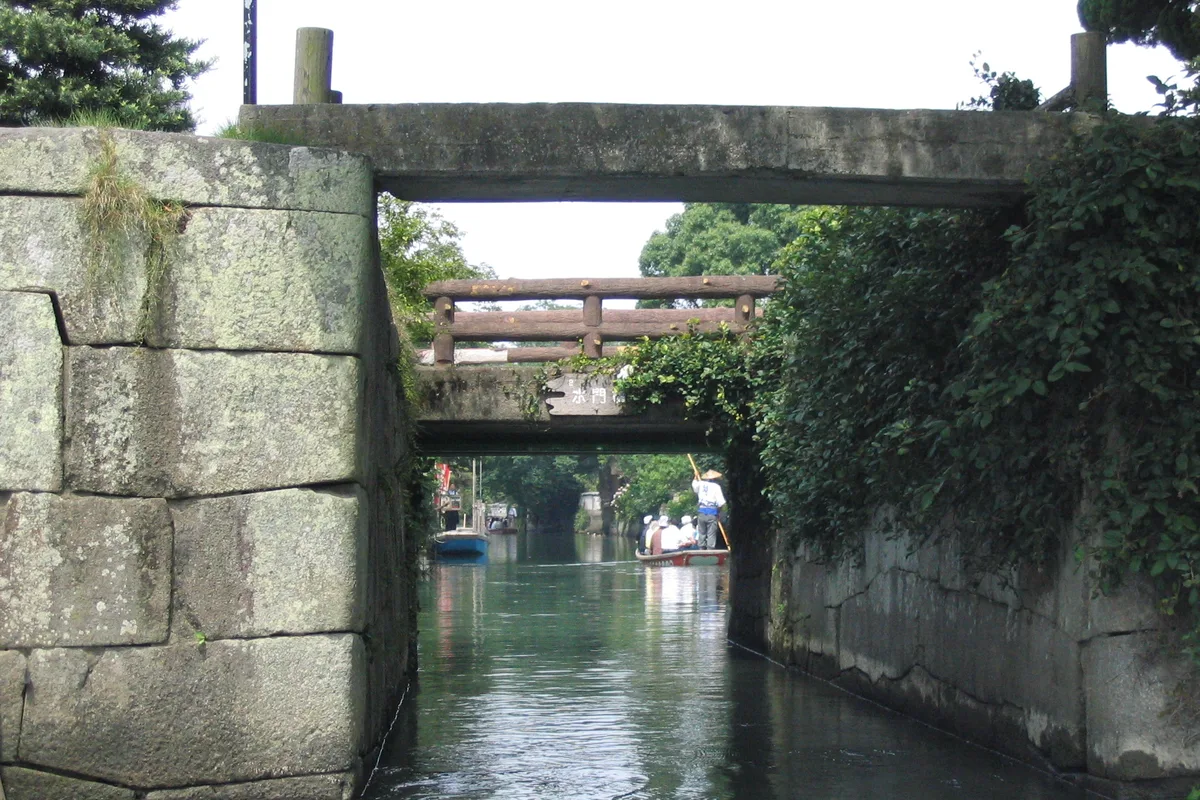
The low bridges turn a calm ride into a small adventure. The canals run under a string of very low stone bridges, and passengers duck, and sometimes lie flat, to slide beneath them. Reviewers who found the water plain still light up describing this part. It is the moment the slow ride earns a laugh.
The season changes the whole trip. The reviews that gush and the reviews that shrug often differ only in when they went. Locals prize the cherry blossoms along the banks in spring, the autumn colour, and, best loved of all, the winter kotatsu-bune, a boat with a heated table under a quilt to keep your legs warm. A regular summed the calendar up neatly: every season works "except summer," and winter under the kotatsu is a favourite. From mid-July into October some operators also run evening akari-bune, lantern-lit boats, when the heat has gone out of the day.
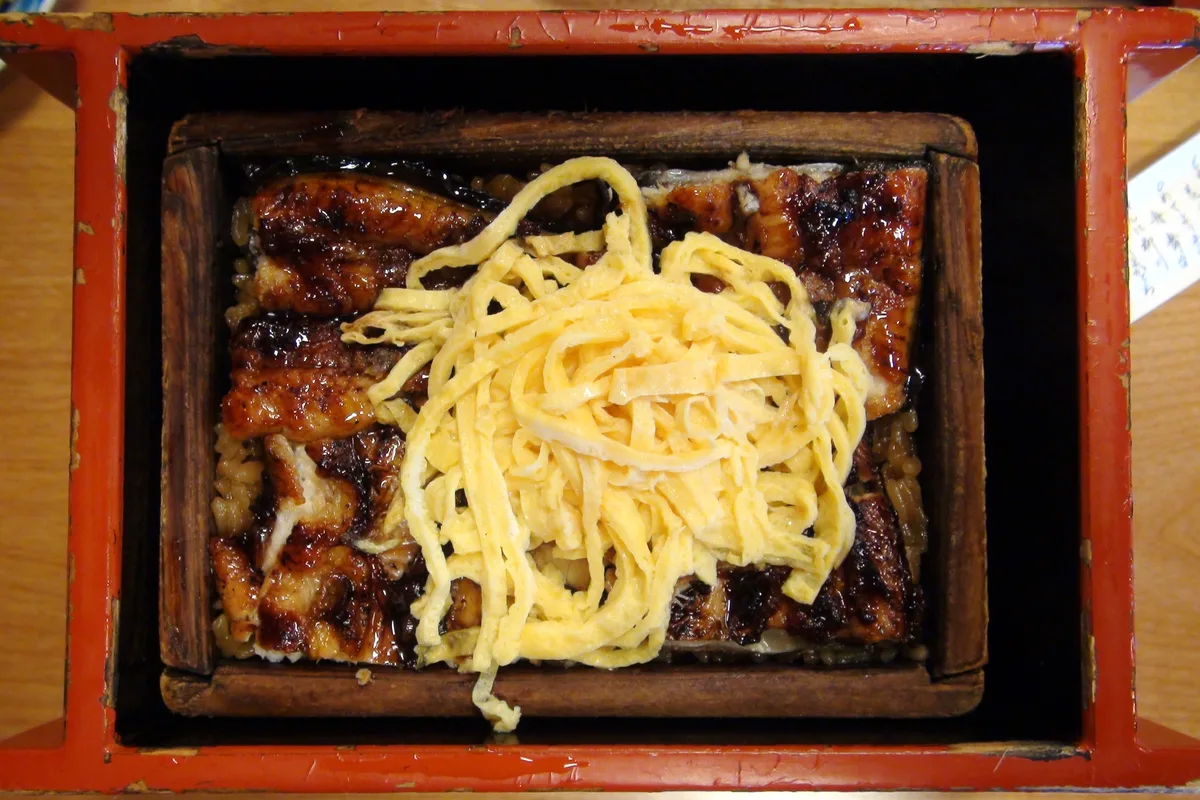
The eel is the other half of the ticket. Yanagawa's signature dish is unagi seiro-mushi, grilled eel and shredded egg over seasoned rice, steamed together in a bamboo box so the rice soaks up the sauce. In review after review, foreign and Japanese alike, the lunch afterward is remembered as fondly as the boat. Treat the ride and the eel as one experience and the half-day makes far more sense than the boat alone.
Doing it well: the welcomed way
The whole thing turns into a simple plan built around the one truth both gauges share. The ride rewards the person who comes for a gentle hour and its songs, and frustrates the person who came for a spectacle.
- Do not go on a hot summer midday. Heat is the single biggest source of regret, and it is the most avoidable. Aim for spring, autumn, or a winter kotatsu boat, or take an evening lantern boat in late summer. Every operator rents a straw hat for about ¥100 if the sun is out, and it is worth taking.
- Lean into the narration and the songs. The boatman's stories and songs are the point. If nobody in your group reads Japanese, you can still enjoy the singing and the calm, but knowing that in advance is the difference between a lovely rest and a boring hour. Sit low and forward if you want the best of the low-bridge moments.
- Pair it with Dazaifu and the eel, and keep the day loose. Nishitetsu sells a Dazaifu and Yanagawa Sightseeing Ticket that bundles the round-trip train from Fukuoka (Tenjin) with a cruise boarding ticket and coupons, valid across two days, which is both the cheapest and the simplest way to do both towns. Leave time for the unagi seiro-mushi afterward.
- Pick your operator by the boarding point. Seven companies run the cruise, most boarding a five to ten minute walk from Nishitetsu Yanagawa Station, with a standard course of about sixty minutes and shorter thirty to forty minute loops available. The differences between them are small; as one traveler shrugged, "I'm not sure it matters which one you use." Check whether your ride ends back at the start or downstream, because some finish at a different dock served by an infrequent shuttle.
So, is the Yanagawa cruise worth it? On a slow boat, in a language you may not speak, under a hot sun if you pick the wrong day, it is easy to see how a fifth of foreign visitors came away flat. And the Japanese who ride it every year almost never do, because they come for the boatman's song, the season, and the eel rather than for a view. Come the way they do, and the doubt in that red band mostly answers itself.
Still working out which famous places actually earn a slot on a short trip? We counted sixty of them one at a time. Start with what actually matters in Japan.
Sources
- Yanagawa City Tourism Association: Canal cruise guide (お堀めぐり). Standard course about 60 minutes; adult fares roughly ¥1,800 to ¥2,200 and shorter 30 to 40 minute loops from about ¥1,000, varying by operator; seven cruise companies, most boarding 5 to 10 minutes from Nishitetsu Yanagawa Station. Last verified 2026-08.
- Yanagawa City Tourism Association official site. Kitahara Hakushu (北原白秋), the poet celebrated as Yanagawa's own, whose songs the boatmen sing; the roughly 930 km network of canals (horiwari) the boats travel.
- Fukuoka Prefecture Tourism Federation: Yanagawa river cruise. Cruise duration of 60 to 70 minutes; the boatman's commentary and songs; winter kotatsu-bune heated boats as a seasonal tradition and akari-bune lantern boats from mid-July into October; unagi seiro-mushi, grilled eel and shredded egg over seasoned rice steamed in a bamboo box, as the town's signature dish.
- Nishitetsu: Dazaifu and Yanagawa Sightseeing Ticket (太宰府・柳川観光きっぷ). Adult ¥3,620 (digital) from Fukuoka Tenjin or Yakuin, including round-trip Nishitetsu train to both Dazaifu and Yanagawa plus a river-cruise boarding ticket and attraction coupons; valid for two days. Last verified 2026-08.
- Yanagawa Kanko Kaihatsu (柳川観光開発), Shogetsu boarding point. Operator detail on the inner-moat course, roughly 3 km and about 60 minutes, ending at Okinohata or Ohana; a sunny-day straw hat rental (貸し笠) at 100 yen. Last verified 2026-09.
WMJS is written in Japan, in English, with AI help. We check every page, but English is not our first language. If a sentence reads oddly, tell us. One sentence is enough.
Thank you. A person reads every note.
How well do you know Japan?
Built from 635 public posts by Japanese people
Want to know more? Ask Japanese people
Have a follow-up question about this topic? We'll ask real Japanese people.
Voice Box →