
Is Akihabara Worth It? The One Tokyo Stop Where the Honest Answer Is "It Depends Who's Asking"
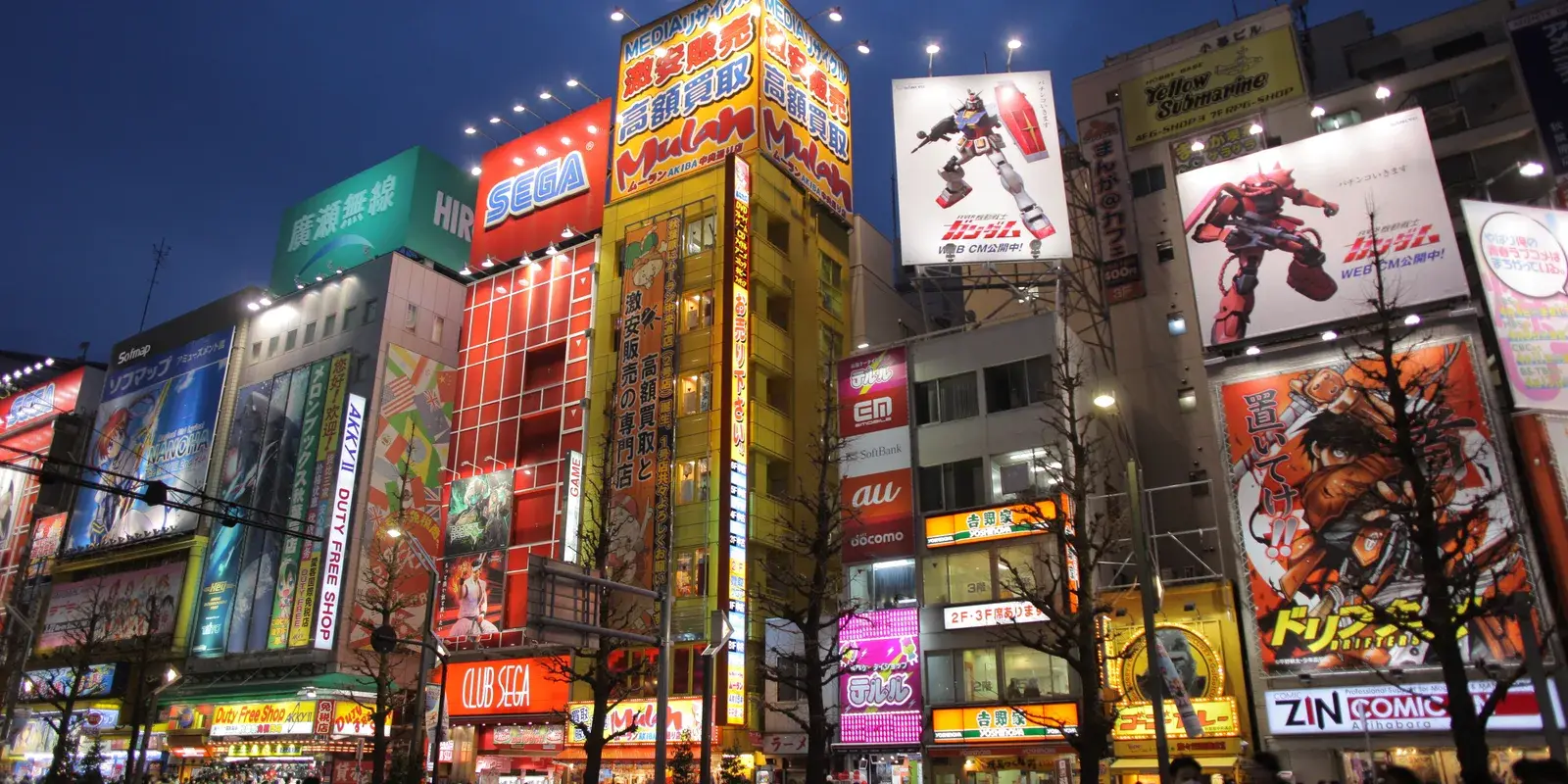
Akihabara arrives on your list with a label already attached: Electric Town. Otaku paradise. Cheap gadgets. Weird, neon, on every list. So you go, you walk the wide main avenue under the three-storey anime walls, and a surprising number of people come away thinking the same flat thought: I walked the main street and felt nothing. Then the doubt sets in: did I miss something, or is this place just overrated?
Here is the short version, and the rest of this page is the long one: whether Akihabara is "worth it" is almost the wrong question. It's the one famous Tokyo stop where the real answer has almost nothing to do with the place itself. It's about you. If anything on a short list lights you up, it's one of the best afternoons in the city. If none of it does, an hour's stroll at night is plenty, and skipping it costs you nothing.
Is it worth it? (in visitors' own words)
We gathered the voices of international travelers who have actually been to Akihabara and asked, in effect, was it worth it? Weighted by how strongly each opinion resonated with other readers, here is how they fell:
Look at the shape of that, because it's unlike almost any other famous place. There's no clear "yes" and no clear "no." The biggest band by far is the middle one, and the middle band isn't about when to go or how to do it. It's about who you are. Over and over, the most-upvoted comments say a version of the same sentence. "If you like anime and/or video games, absolutely. If you're just doing it as a sightseeing thing, there is really no point," wrote one. Another, more bluntly: "It's targeted to people who really really like anime, games, and electronics. If you don't know anything about [those], you're just standing there." A third simply noted that "a lot of people who go do love anime and manga; some others just want to see it because they heard about it" and it's that second group who fill the red bar.
So read the red bar carefully, because it isn't really saying Akihabara is bad. It's saying two specific things. One is a value point, and it carries the heaviest votes on the whole topic: if you came to buy (cheap electronics, bargain retro games), that edge is gone. "Don't buy your retro games in Akihabara," runs the single most-upvoted comment we found; "it just became an attraction park for tourists." Another: "All the deals are online now." The other half of the red is pure audience mismatch: "If you're not especially interested in anime or electronics, I don't think you'll find anything you wouldn't have already seen at Shibuya or Shinjuku." Neither of those is a complaint about the place failing. They're descriptions of a place meeting the wrong person.
How the people who go again and again feel
Now the layer most guides skip: what Japanese visitors say, in their own reviews, about the very same streets.
The contrast is the most useful thing on this page. Japanese visitors are far warmer (a red bar of just 6% against the visitors' 27%), and the reason is hiding in how they describe their own trips. They almost never arrive as general sightseers. They come for something. "For me this is a fun spot; I mainly come to source electronic parts and wander through niche shops," one writes. "You can stay here all day," says another; "it's so big I always struggle with where to start, but I can always find what I want, so it's really handy." They are, by definition, the audience, and people who turn up for a specific thing they love rarely leave disappointed.
What should settle the argument is this: the Japanese voices agree with the disappointed visitors about the facts. They are the ones narrating, in past tense and with the names attached, the death of the bargain era. "There was a time when electronics were so cheap that people said it was cheaper to take the bullet train to Akiba to shop than to buy locally," one remembers, describing a time now gone. Another, flatly: "I went to buy electronics like everyone, but now Yamagiwa is gone, Ishimaru Denki is gone, and the atmosphere of the town has changed." A third, sadder: of the old radio-and-parts stalls, "there are only about three shops left now." The let-down visitor and the lifelong local are looking at exactly the same street and seeing exactly the same change. They only differ on one thing: the local updated their reason for going. The street stopped being a place to score cheap gadgets, so they come to hunt parts, niche shops, a specific obsession, and it still says yes.
What the disappointment is actually telling you
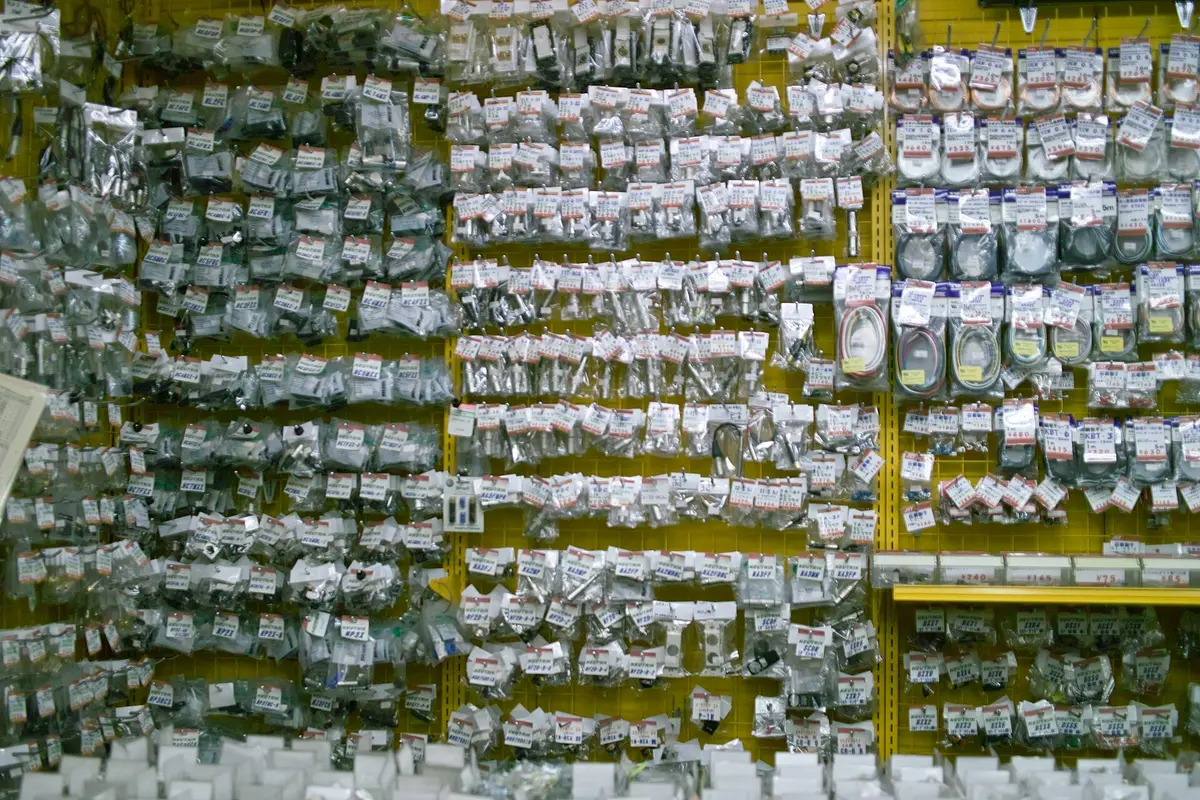
"I walked the main street and felt nothing" almost always means you never went up. Akihabara doesn't reward the wide avenue; it rewards the vertical. Tokyo's official guide spells it out: the real finds are in "the niche specialty shops in the back alleys," and inside the buildings, "each floor is a different world." The ground floor might be new figures, the third floor secondhand, the fourth self-published works; the model-train shops, one regular notes, are "hidden away on the third or fourth floor." If you only ever saw the street, you saw the billboard, not the shop. The cure for "felt nothing" is an elevator button.
It is no longer a cheap-electronics destination, and that's not a secret: it's the consensus. Both gauges say it. If your plan was to fly home with a suitcase of discounted gadgets or a haul of bargain retro games, lower that expectation before you go and you'll save yourself the sting. Go for the browsing, the density, the strangeness, the one shelf that's yours; skip the price tag.
The maid-café flyers on the pavement aren't a scam, and they aren't for everyone. You'll pass staff in costume holding signs, inviting you in. They're people at work, often newcomers putting in long hours on a cold sidewalk; a smile and a small "no, thank you" is all that's ever required, and you walk on. Veteran visitors are blunt that the cafés themselves are a very particular taste: "don't go if you're not into this stuff, you'll just feel awkward", which is exactly the point of this whole page: it's a place of specific pleasures, and saying "not mine" is a perfectly good answer.
Deciding it well: the worth-it way
It comes down to one honest question you can answer before you ever board the train.
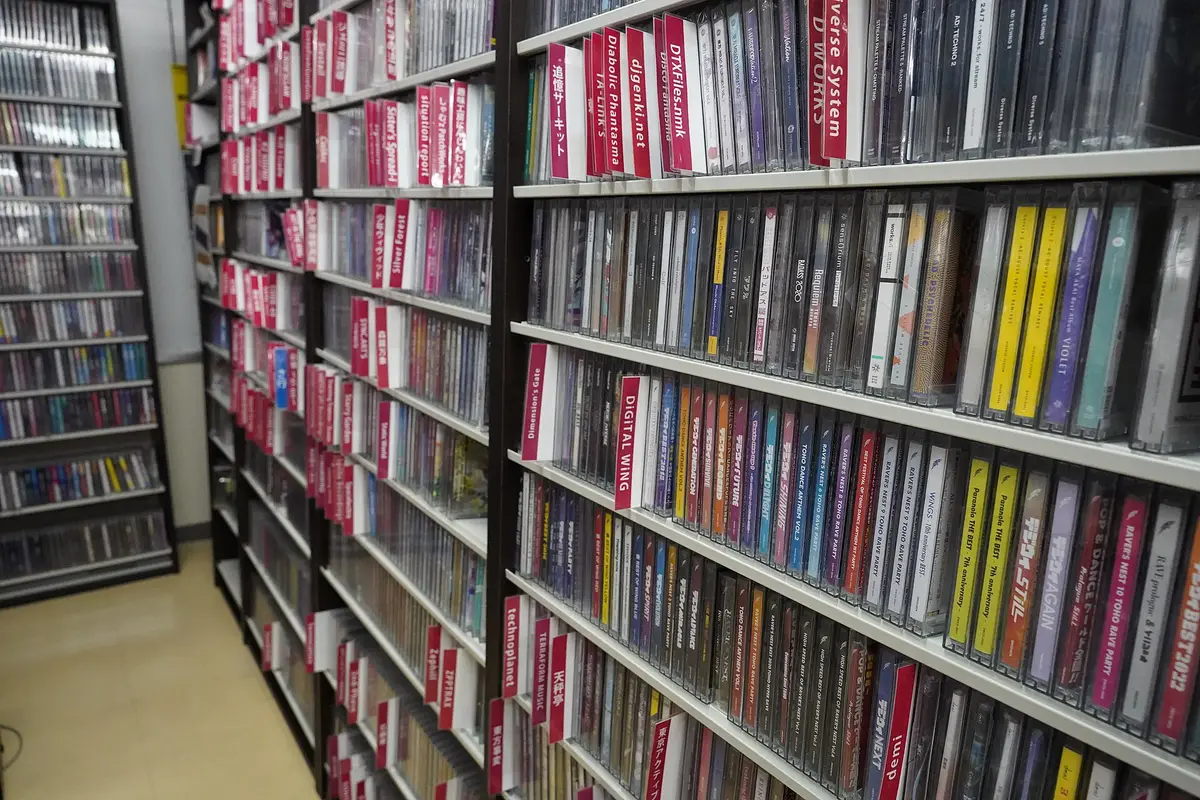
- First, are you the audience? Read this list and watch yourself: anime, manga, retro and modern video games, arcades, collectible figures, trading cards, model kits, electronic parts, capsule toys (gachapon), niche fandoms of almost any shape. If even one of those made you lean in, Akihabara is yours, and you should go without a second thought.
- If yes, go vertical and go narrow. Don't try to "do Akihabara." You can't, and trying is how the day turns into noise. Pick your one like, find the building or the back lane that serves it, and ride the floors. Let everything else go. A half-day among the right shelves beats a full day skimming the avenue.
- If you're unsure, give it an hour, at night. The main strip is worth one walk for the spectacle: "colorful, fun, weird and safe, and you can see it all in an hour, easily," as one visitor put it. It's a couple of stops up the Yamanote loop, so it asks very little of your day. Pair it with Kanda Myojin, the handsome shrine a few blocks off the main drag, and you've had a fine, low-stakes evening even if the shops aren't your world.
- If none of it moves you, skip it with a clear conscience. This is the rarest piece of travel advice and one of the truest: a third of seasoned visitors will tell you that, for the non-fan, "you are missing out on absolutely nothing" you won't see elsewhere in Tokyo. Your short trip is better spent on the thing that is yours.
- Don't come to shop for bargains, and mind the hours. Akihabara is a late riser and an early closer: many shops are shut by 8 p.m. and the streets quieten fast, so it's an afternoon-and-early-evening place rather than a late-night one.
So, is Akihabara worth it? The only honest answer is the one this page opened with: it depends who's asking, and that isn't a dodge. It's the most useful thing anyone can tell you about a district built, floor by floor over seventy years, for people who love one particular thing more than is strictly reasonable. Find your shelf and it's unforgettable. Find no shelf and that's information, not failure. Either way, you now know which one you are before you go, which is the whole point.
Still deciding which famous places actually earn a slot on a short trip? Start with what actually matters in Japan, and once you know Akihabara is yours, the Akihabara audio guide just below walks you up the avenue, into the vertical buildings, and down the lanes under the tracks. And if the real pull is the stories themselves, the towns where anime is actually set tend to welcome fans more warmly than you'd expect: see how the locals there feel about anime pilgrims.
Sources
- GO TOKYO, Akihabara Electric Town (Tokyo Metropolitan Government official travel guide): the district began as roughly 1,000 electronics stores packed into about one square kilometre and transformed into a worldwide pop-culture destination selling computers, anime, manga, games and figures; the richest finds are the niche specialty shops in the back alleys; nearby Kanda Myojin Shrine and the Sunday pedestrian street.
- The Mainichi, Akihabara, the district known as a "pilgrimage site" for anime fans and otaku (Chiyoda Ward, Tokyo): a national daily describing Akihabara's dual identity as a famous electronics district and an internationally recognised pilgrimage site for anime, otaku and maid-café culture.
WMJS is written in Japan, in English, with AI help. We check every page, but English is not our first language. If a sentence reads oddly, tell us. One sentence is enough.
Thank you. A person reads every note.
How well do you know Japan?
Built from 635 public posts by Japanese people
Want to know more? Ask Japanese people
Have a follow-up question about this topic? We'll ask real Japanese people.
Voice Box →