
Is Furano Worth It? What Changes With the Calendar
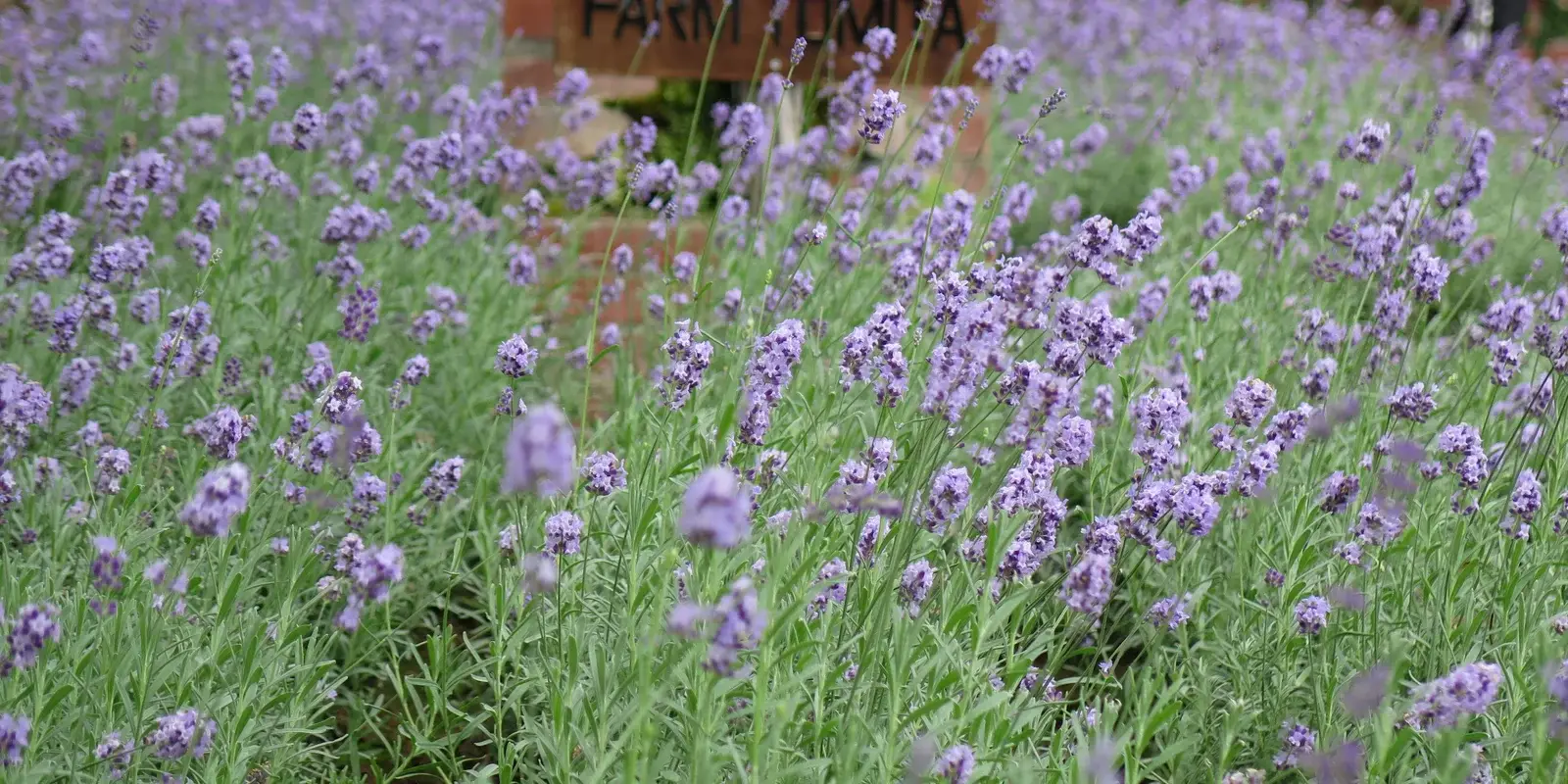
Everyone has seen the photo: a hillside striped purple, a small figure standing in it, Hokkaido somehow looking like Provence. Most of the year, Furano does not look like that photo at all. We gathered the voices of travelers who went anyway, across every season, and set them against what Japanese visitors say about the same three stops: Farm Tomita's lavender fields, the craft cottages of Ningle Terrace, and the ski resort on the hill above town.
Is it worth the trip? (foreign visitors' gauge)
We gathered the voices of international travelers on Reddit, most of them writing from their own trips to Furano, and asked, in effect, was it worth it? Here is how they fell:
Thirty-seven percent in the red bucket is a lot. One traveler summed up the trap in a single line: "Furano is only worth it in either the summer (lavender everywhere) or in winter (if you're into wintersports). I once went to Furano during Golden Week (April/May) and it was extremely boring." A traveler who made the trip anyway later wrote: "I regretted not spending more time in daisetsuzan and I also regretted going to blue pond, and spending a whole day in the furano/biei area." Another, whose verdict sits in the middle band, found the lavender farm itself lovely but overrun: "Tomita Farm was beautiful of course but incredibly busy to the point it wasn't so enjoyable."
Some of the sharpest letdowns weren't about flowers at all. Ningle Terrace, the cluster of handmade-craft cottages by the ski hotel, drew real frustration: "Ningle Terrace was a big disappointment. Too crowded with bus-loads of tourists when we went around sunset... Half the shops were closed. Some bits of the walkway were super icy and people (including my kids) fell." Some skiers said something similar about the mountain: "Furano is good for two or three days, but then you'll get bored."
Line it up with the right week, though, and the same place produces some of the most enthusiastic voices in this collection. A skier who grew up in Alaska, after finding untouched powder all day in the side country, put it plainly: "Best powder of my life." A snowboarder who'd been coming to Japan since the mid-2000s and had sworn off Niseko put it this way: "Furano is much more chill than Niseko, fewer people go there, it's not the place to go for partying and nightlife." A traveler who visited without a rental car still called the farms "one of my fondest memories of Japan."
How Japanese visitors feel about the same stops
What those Reddit threads never show you is what Japanese visitors say about the same three stops, in their own reviews, on the Japanese travel site 4travel. It's a far gentler register, and several of these reviewers mention having been before, in one case thirty years apart, rather than flying in once for one specific bloom window.
Look at the size of that red bar: 1 percent here against 37 percent in the foreign-visitor gauge. Out of 144 reviews, only two read as a genuine letdown, and even those are mild by the standard of the Reddit complaints. One reviewer, visiting Farm Tomita at the very end of October, wrote the plainest description of the off-season in the whole corpus: "It felt quietly, sparsely open at the end of October, hardly any tourists; I suppose that's how it is this close to the winter closure." That is the single lowest-rated Farm Tomita review in this collection, and it still reads like a shrug.
The real difference from the foreign-visitor gauge shows up among visitors who came before or after the bloom and rated the trip solidly anyway. Twenty-six of the Farm Tomita reviews say in their own words that they missed the lavender at its best, and 19 of those 26 still sit in the green bar. "It wasn't lavender season, but a beautiful flower field still spread out before us," one visitor wrote. Another, who'd arrived in May before anything had opened: "I went during Golden Week, so the lavender and most other flowers weren't blooming yet." A third review is titled simply "Still too early," and its first line calls the farm a wonderful facility. They're the Japanese reviews' version of the Reddit complaints about bad timing, just landing as a good day instead of a write-off. The 23 percent middle band is mostly something else: Ningle Terrace accounts for 19 of its 33 reviews.
What's actually worth seeing
Three places anchor most of what both sets of voices talk about, and they reward different seasons.
Farm Tomita, in neighboring Nakafurano, is the lavender farm in the photo. It's free to enter, and one reviewer calls its lavender field by far the largest of the many around Furano. Bloom timing varies by variety and by year: the farm says its early varieties start to color in late June, the peak comes in early to mid-July, and the lavender is cut in stages until the harvest ends in early to mid-August. The reviews line up with that: mid-June visitors found the fields still sparse, July visitors wrote most of the full-bloom reports, and August visitors found the lavender over or already cut. The farm stays open all year; in winter the fields are under snow, but lavender still blooms in the greenhouse.
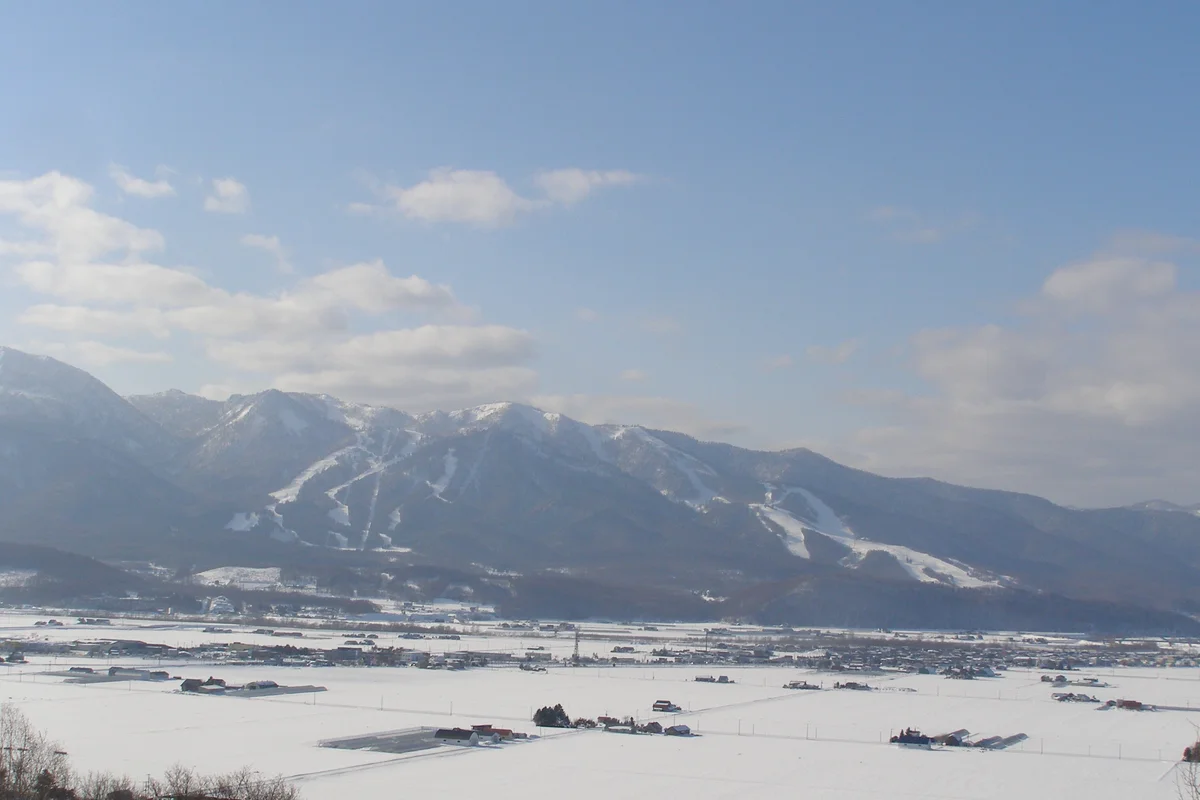
The ski resort, also run by the Prince hotel chain, gets some of the warmest praise in this collection for snow quality and for being calmer than Niseko, Hokkaido's far more famous resort. It also has its own side-country gates, separate from the longer day trip some visitors make to Mount Asahidake. But it draws real detractors too, for reasons that have nothing to do with timing: visitors who found the layout confusing, felt the lift price didn't match a middling day, or ran out of new terrain after two or three days on the same mountain.
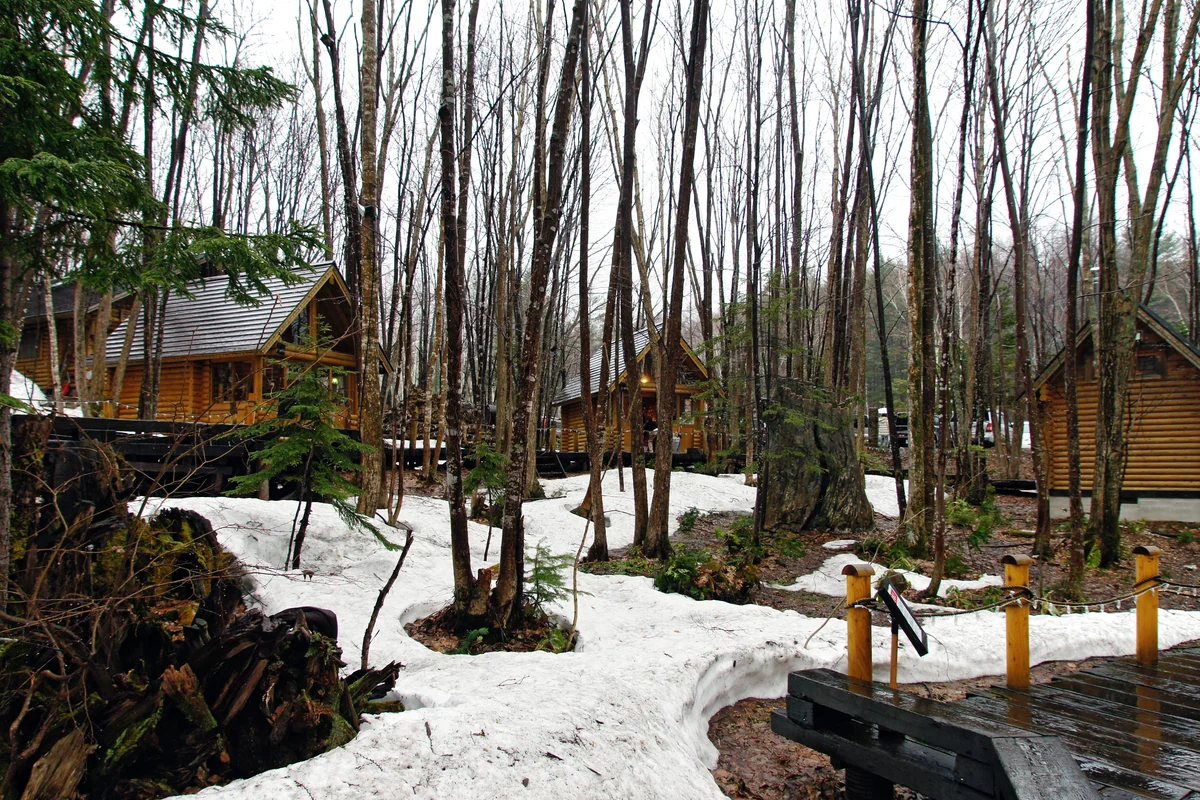
Ningle Terrace is a cluster of about fifteen log cabins selling handmade crafts on the grounds of the New Furano Prince Hotel, named for the forest fairies in a book by the screenwriter Sō Kuramoto, who moved to Furano in 1977, wrote the TV drama that turned it into one of Japan's major tourist destinations, and died in September 2026. It gets the lowest average rating of the three stops in the Japanese reviews, and the foreign-visitor complaints single it out too. In the Japanese reviews, what people say tracks the clock more than the season: those who came in the daytime or before dark found many shops not yet open or guessed it would be better after dark, while those who came in the evening, once the cabins were lit, called it magical. The one foreign family who went around sunset found it crowded with tour-bus groups, with half the shops closed.
Doing Furano the welcomed way
Decide which single thing brought you here, lavender or snow, and build the trip around hitting that window rather than Furano in general. For the flowers, the farm puts the peak in early to mid-July; arriving in May or June before the bloom, or after the August harvest, is where most of the flower disappointment in this corpus comes from. For skiing, pair the resort with a day elsewhere, toward Asahikawa or the Asahidake backcountry, rather than skiing the same slopes for a full week; one traveler who spent eight days in Furano loved it, with a car to get around.
For Ningle Terrace, go in the evening, once the cabins are lit, rather than squeezing it in during the day. It's a brief browse in daylight and a different experience after dark.
One practical note on getting there: the open-air "Furano-Biei Norokko" sightseeing train that used to carry visitors to a seasonal stop by the lavender fields made its final run on September 23, 2026, after nearly three decades. JR Hokkaido plans to run its replacement, an enclosed train called the Blue Star, between Asahikawa and Furano from early June to late September 2027, though it calls every date provisional and says the stops may still change. Until then, the way in is JR to Nakafurano station, about 25 minutes on foot from Farm Tomita, or to Furano station, then a local bus, taxi, or rental car.
Line those two gauges up and the gap stops looking like a disagreement about Furano and starts looking like two different kinds of trip. A traveler who flew in once, chasing one photo or one good snowfall, has almost everything riding on it showing up. A visitor who can come back next July, or next winter, counts a quiet October afternoon as barely a loss, because the trip was never staked on one bloom window to begin with.
Still deciding which famous places actually earn a slot on a short Hokkaido trip? Start with what actually matters in Japan.
Sources
- Furano Tourism Association, Sayonara Norokko Train (2026-09-26): the open-air Furano-Biei Norokko sightseeing train's final run on September 23, 2026, after nearly three decades, and JR Hokkaido's named replacement train, the Blue Star (Aoihoshi), with large windows instead of open-air cars.
- Furano Tourism Association, Farm Tomita: Farm Tomita's location in Nakafurano, seven minutes on foot from the JR Lavender Field station, open all year, with lavender in the greenhouse even in midwinter.
- Farm Tomita, Frequently asked questions: the lavender season (early varieties from late June, peak in early to mid-July, harvest finished by early to mid-August) and free admission and parking.
- Farm Tomita, Access: getting to the farm by JR (Nakafurano station, about 25 minutes on foot), local bus, or taxi.
- HOKKAIDO LOVE! (official Hokkaido travel site), Ningle Terrace: about 15 log cabins of handmade crafts, a name taken from the forest fairies in Sō Kuramoto's book "Ningle," and the cabins lit up at night.
- The Yomiuri Shimbun, Famed Japanese Screenwriter So Kuramoto Dies at 91 (2026-09-28): Sō Kuramoto's death on September 18, 2026, aged 91, and his TV drama series "Kita no Kuni Kara (From the Northland)."
- The Yomiuri Shimbun, Kuramoto's death mourned in Furano (2026-09-28, Japanese): his move to Furano in 1977, and "Kita no Kuni Kara" as the drama that set off Furano's rise to one of Japan's major tourist destinations.
- JR Hokkaido, Red Star and Blue Star sightseeing trains: the Blue Star's planned Asahikawa–Furano service, two round trips a day from early June to late September 2027, with every date and stop provisional.
WMJS is written in Japan, in English, with AI help. We check every page, but English is not our first language. If a sentence reads oddly, tell us. One sentence is enough.
Thank you. A person reads every note.
How well do you know Japan?
Based on 51,218+ real Japanese voices
Want to know more? Ask Japanese people
Have a follow-up question about this topic? We'll ask real Japanese people.
Voice Box →