
Comment fonctionne le Japon
This page is also available in English.Read in English →
このページは日本語でも読めます。日本語で読む →
이 페이지는 한국어로도 읽을 수 있습니다.한국어로 읽기 →
這個頁面也有繁體中文版。閱讀繁體中文版 →
这个页面也有简体中文版。阅读简体中文版 →
หน้านี้มีภาษาไทยด้วยอ่านภาษาไทย →
Trang này cũng có bản tiếng Việt.Đọc bằng tiếng Việt →
Halaman ini juga tersedia dalam Bahasa Indonesia.Baca dalam Bahasa Indonesia →
Diese Seite gibt es auch auf Deutsch.Auf Deutsch lesen →
Esta página también está disponible en español.Leer en español →
Questa pagina è disponibile anche in italiano.Leggi in italiano →
Okayama, une île d'art, Hiroshima et Miyajima — à parcourir en douceur d'est en ouest
Dernière vérification : 2026-06-16
À qui ce plan convient
The Setouchi ferries and art islands are at their best outside winter; some island museums close on Mondays and in early January.
C'est le Japon tranquille, celui de l'eau : la mer intérieure de Seto, qu'on prend facilement pour une simple zone de passage sur la route d'un lieu plus célèbre. Pourtant, c'est ce couloir lui-même qui vaut le voyage : le pays se resserre entre deux côtes, et l'itinéraire suit une seule ligne, d'est en ouest. La plupart des voyageurs arrivent d'Osaka ou de Kyoto par le Shinkansen Sanyo : on descend d'abord à Okayama, puis on avance vers l'ouest, jour après jour, jusqu'à Hiroshima. Je le vois comme un cadre souple de quatre jours plutôt que comme une liste à cocher : Okayama pour un début tout en douceur, avec un jardin célèbre, un château noir et une ville de canaux ; puis une journée entière, sans se presser, sur une île consacrée à l'art ; ensuite cap à l'ouest sur Hiroshima, une ville qui s'est reconstruite autour de la paix ; et pour finir, Miyajima, où un grand portique vermillon se dresse dans la mer.
Ce qui est agréable dans cette région, c'est que vous n'avez jamais à revenir sur vos pas. Le Shinkansen relie les deux villes en un peu plus d'une demi-heure, les îles sont juste au large, et chaque journée vous mène un peu plus à l'ouest que la précédente. Voici comment je me déplacerais et où je dormirais ; à vous ensuite de reprendre les étapes et de les réorganiser selon votre voyage : garder tout l'itinéraire, seulement sa moitié ouest, ou le prolonger jusqu'à Kyushu.
Comme le voyage va d'est en ouest, je le répartirais entre deux points de chute plutôt que de faire des allers-retours depuis un seul : vous dormez près de ce que vous visitez, et vous ne changez d'hébergement qu'une seule fois.
Pour la première moitié, je m'installerais autour de la gare d'Okayama. C'est le nœud régional : le Shinkansen Sanyo et toutes les lignes classiques s'y croisent, dont la ligne Uno qui descend vers le ferry de Naoshima et la ligne Sanyo, qui mène en quelques minutes à Kurashiki, à l'ouest. Les deux premières journées deviennent ainsi de simples allers-retours depuis le même hôtel, sans correspondance à organiser le matin. Le quartier de la gare est plus pratique que pittoresque, mais toutes les lignes partent de là.
Pour la seconde moitié, je m'installerais à Hiroshima, en choisissant entre deux quartiers bien reliés par le tramway. Les abords de la gare de Hiroshima sont le choix le plus pratique pour les transports : c'est là qu'arrive le Shinkansen et que part le train JR pour Miyajimaguchi. Le quartier central de Hondori / Kamiyacho, organisé autour d'une galerie marchande couverte, est à quelques minutes à pied du parc du Mémorial de la Paix, et les mêmes lignes de tramway vous ramènent à la gare ou vous emmènent vers le ferry. Je choisirais le centre si le parc de la Paix est ce qui compte le plus pour vous à Hiroshima, et la gare si vous arrivez tard et repartez tôt.
Une remarque pratique pour Kurashiki : visez la gare JR de Kurashiki, à quelques minutes à pied de l'ancien quartier des canaux, et non Shin-Kurashiki, la gare du Shinkansen, qui se trouve bien à l'écart du centre historique.
Je commencerais par me procurer une carte IC : ensuite, vous n'aurez presque plus à penser aux billets. C'est une carte à puce prépayée et rechargeable : on la valide en entrant dans une gare, on la valide en sortant, et le prix du trajet est calculé automatiquement. La carte de la région est ICOCA (JR West), mais une Suica ou une PASMO de Tokyo fonctionne aussi ici ; elles sont toutes interopérables.
Ce qu'elle permet pour ce voyage : les trains JR locaux et rapides (Okayama–Kurashiki, la ligne Uno vers le ferry de Naoshima, Hiroshima jusqu'à Miyajimaguchi), les tramways Hiroden à Hiroshima, et le ferry JR de Miyajima vers l'île. Cela couvre presque tous les petits trajets du voyage.
Deux choses qu'une carte IC ne couvre pas. Elle ne suffit pas pour le Shinkansen : pour les trajets en train à grande vitesse (Shin-Osaka–Okayama, Okayama–Hiroshima), il faut acheter un billet ou réserver via Smart-EX/EX-IC. Et le petit ferry d'Uno pour Naoshima fonctionne à part : le billet papier s'achète au guichet du port, alors gardez un peu d'espèces.
Un point à connaître sur Naoshima avant de partir, car toute la journée sur l'île en dépend : les musées et les maisons d'art fonctionnent avec des billets en ligne à créneau horaire, souvent complets. Réservez en particulier le Chichu Art Museum avant le voyage, car une fois complet, il n'y a plus de vente le jour même, et presque tout ferme le lundi sur l'île (si le lundi est férié, c'est le mardi qui est fermé). Je prévoirais l'île n'importe quel jour sauf le lundi.
Avez-vous besoin d'un pass ferroviaire ? Pour ce seul couloir, en général non : les trajets individuels sont courts. Un pass devient rentable quand vous enchaînez les longs tronçons du Shinkansen, et ici le choix compte : le JR Setouchi Area Pass couvre le Shinkansen Sanyo depuis Shin-Osaka jusqu'à Hakata (plus le ferry de Miyajima et certains ferrys du Setouchi), tandis que le JR Okayama–Hiroshima–Yamaguchi Area Pass ne commence sa couverture du Shinkansen qu'à Okayama : il ne couvre pas le trajet depuis Osaka. Si votre voyage passe par le Kansai, c'est le pass Setouchi qui couvre le trajet jusqu'à Shin-Osaka. J'ai mis les deux dans les encadrés pratiques ; n'achetez un pass que si vos longs trajets le rendent vraiment rentable.
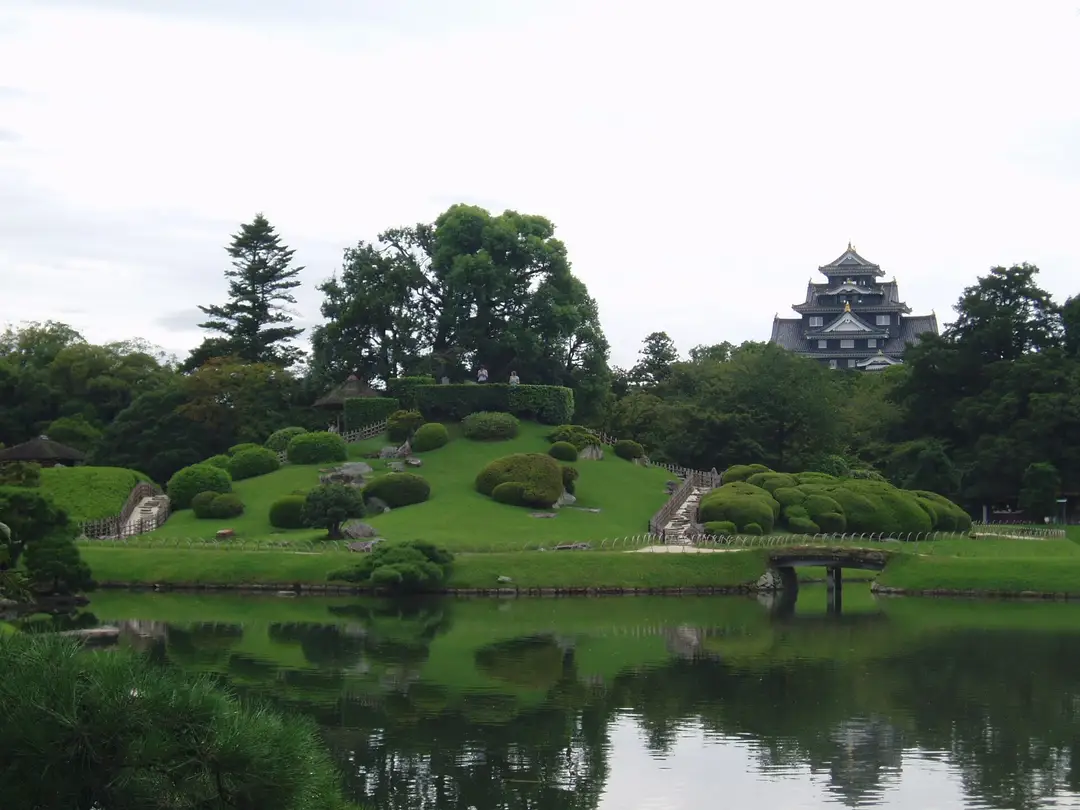
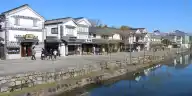
Okayama est une entrée en douceur par l'est, et je garderais un rythme lent pour cette première journée. Son cœur, c'est Korakuen, compté parmi les trois grands jardins du Japon : un jardin de promenade fait de larges pelouses, de bassins et de pavillons de thé, conçu pour intégrer au paysage, selon le principe du paysage emprunté, le donjon noir du château d'Okayama, de l'autre côté de la rivière. Les bardages sombres du château lui ont valu le surnom d'Ujo, le Château du Corbeau, tout l'inverse du château blanc de Himeji, surnommé le Héron blanc ; le donjon que vous visitez est une reconstruction d'après-guerre, mais les douves et le site au bord de la rivière sont anciens. Puis, quand la lumière décline, je glisserais vers l'ouest jusqu'à Kurashiki, où un canal bordé de saules serpente entre des entrepôts de marchands aux murs blancs : un quartier commerçant de l'époque d'Edo bien préservé, particulièrement joli quand les lanternes s'allument et que le canal s'illumine. Aucun de ces trois lieux n'a encore de guide approfondi WMJS, alors je me contente ici des indications pratiques : le reste, vous le découvrirez sur place.
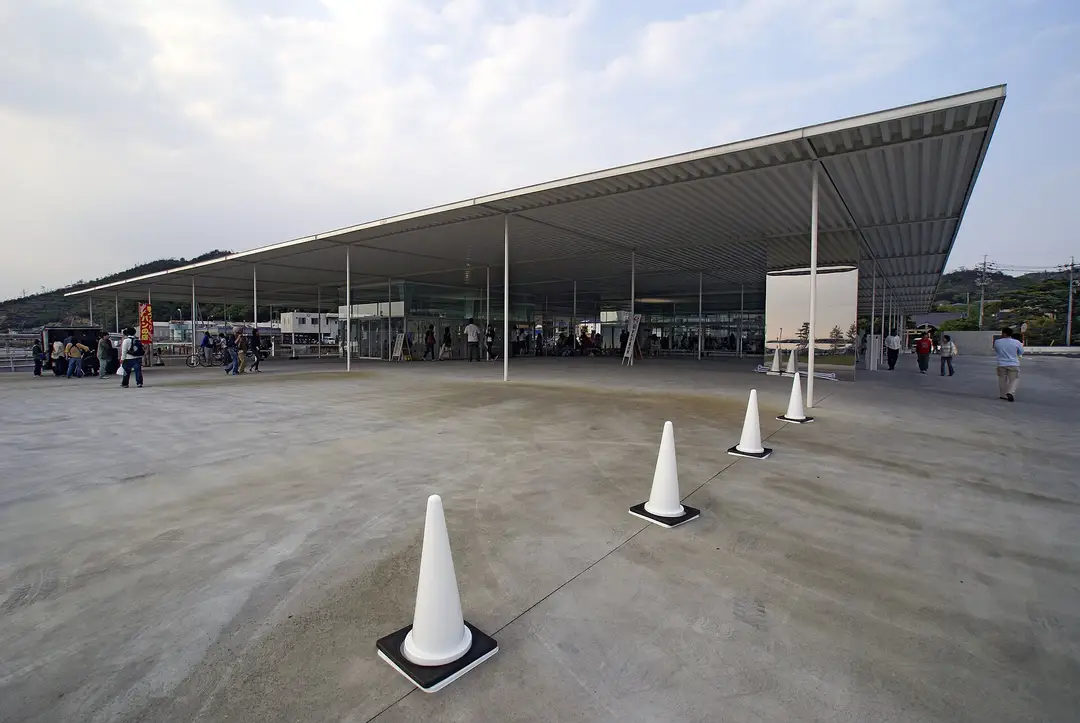
La deuxième journée, je la donnerais tout entière à Naoshima, une petite île de la mer intérieure transformée peu à peu en une vaste œuvre d'art. Des musées de béton sont enfouis dans les flancs de colline (à Chichu, quelques Monet, une salle de lumière de Turrell et une salle de De Maria se trouvent sous terre), à Honmura, de vieilles maisons du village ont été entièrement transformées en œuvres d'art, et les citrouilles à pois de Yayoi Kusama trônent sur les jetées, en accès libre pour tous ceux qui descendent du bateau. Ici, tout va au rythme de l'île : le ferry pour traverser, un petit bus qui relie les sites, et la mer toujours en vue. Deux choses à prévoir pour cette journée : réservez vos billets à créneau horaire à l'avance (Chichu affiche vite complet), et ne venez pas un lundi, jour où presque tout est fermé sur l'île.
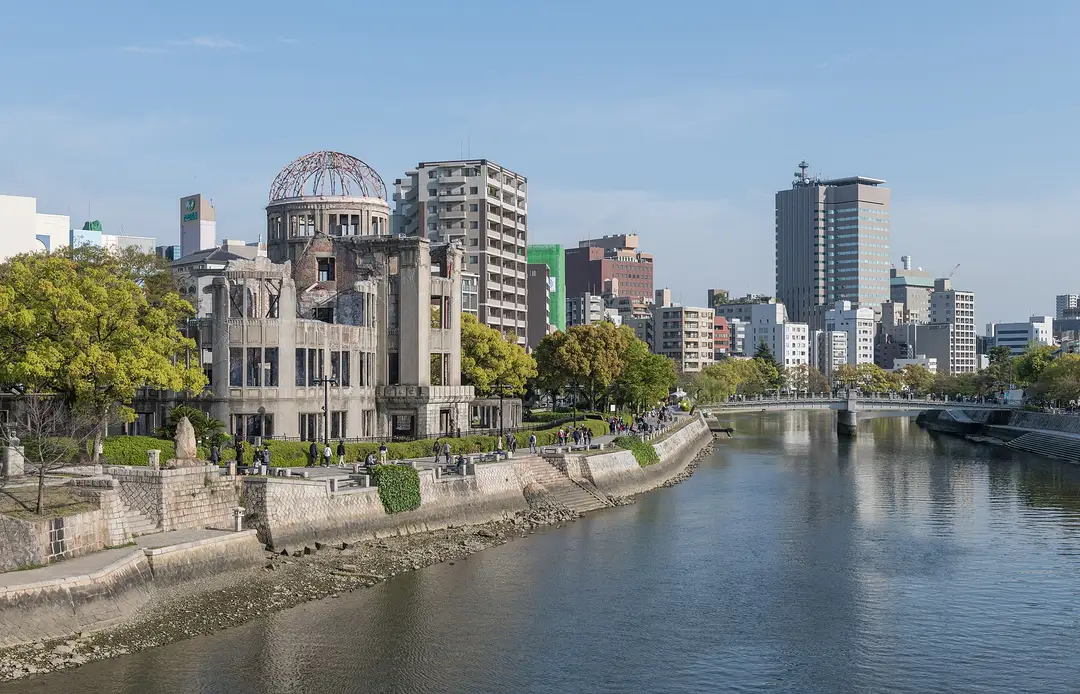
Aujourd'hui, un peu plus d'une demi-heure de Shinkansen vers l'ouest, et le voyage change de ton. Hiroshima est une ville chaleureuse, où la vie de tous les jours suit son cours, et qui a choisi, après 1945, de faire de la paix le centre de sa reconstruction. Le parc du Mémorial de la Paix s'étend le long des rivières, au cœur du quartier que la bombe a détruit ; le Dôme de Genbaku, inscrit au patrimoine mondial de l'UNESCO, est resté exactement dans l'état où l'explosion l'a laissé ; et le musée du Mémorial de la Paix, à l'extrémité sud du parc, est une visite exigeante, dont on ressort avec quelque chose comme de la détermination. J'irais sans me presser, en gardant du temps pour m'asseoir ensuite au bord de la rivière ; et n'oubliez pas qu'autour du parc, la ville est douce et bien vivante. Guide associé : Hiroshima Peace Memorial.
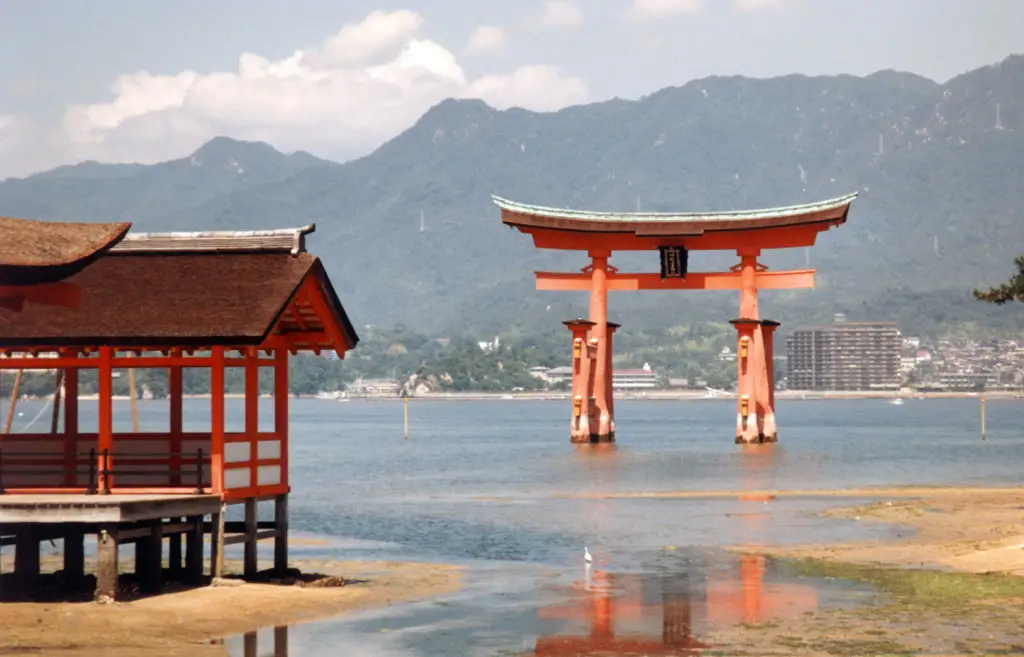
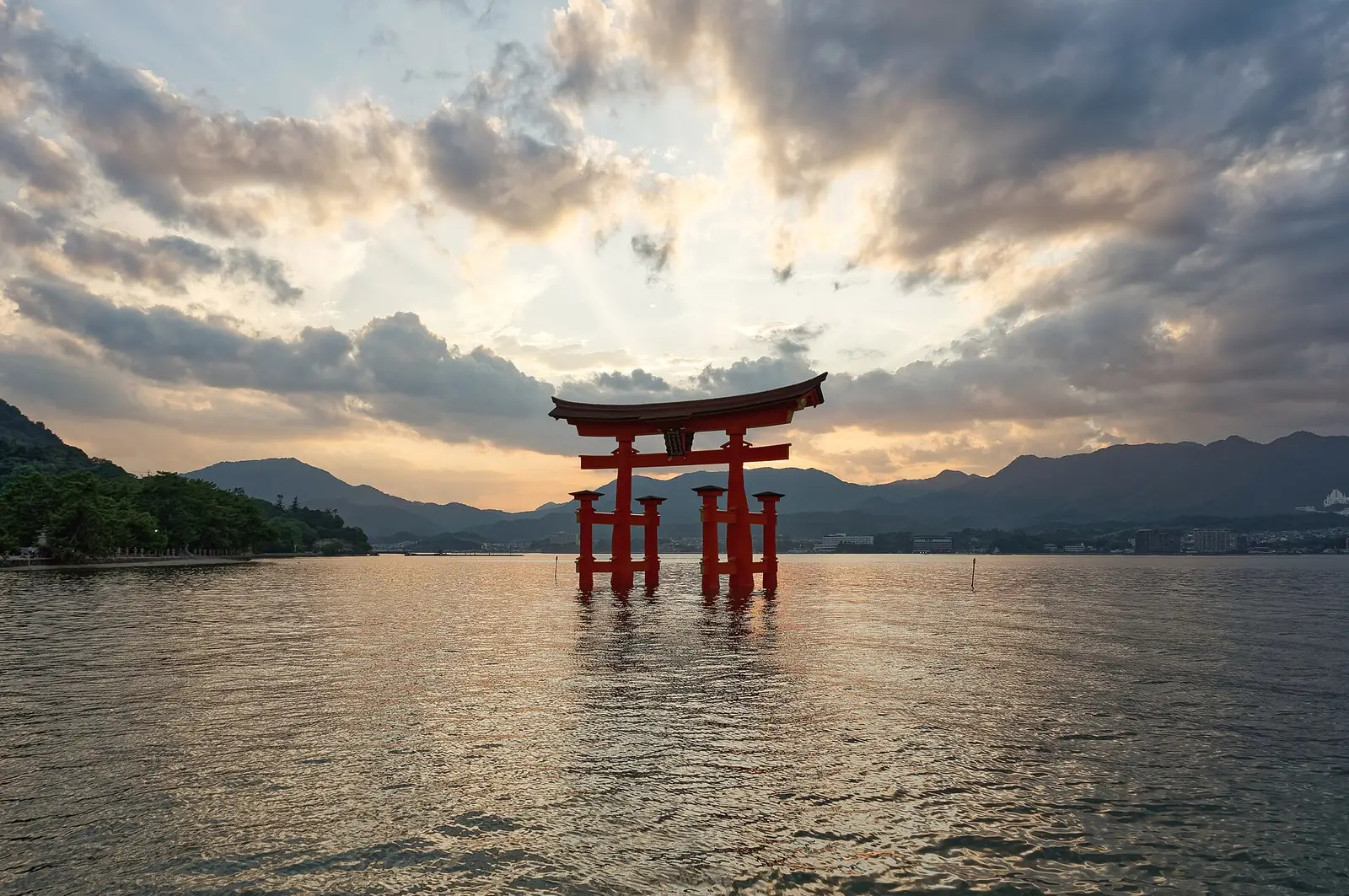
La dernière journée appartient à Miyajima, l'île juste au sud-ouest de Hiroshima où le sanctuaire d'Itsukushima est bâti sur pilotis au-dessus de la mer, de sorte qu'à marée haute le sanctuaire et son grand torii vermillon semblent flotter. L'île tout entière est tenue pour sacrée : des cerfs sauvages se promènent aussi sur le rivage ; ils sont plus tranquilles quand on les laisse aller à leur guise, alors je les regarderais d'un peu loin. L'expérience dépend entièrement de la marée : venez à marée haute et le portique flotte ; venez à marée basse et vous pouvez marcher sur les vasières jusqu'à ses pieds. L'un comme l'autre est ravissant ; consultez simplement un horaire des marées pour savoir lequel des deux vous attend. Au-dessus du village, un téléphérique grimpe vers le mont Misen, d'où la vue porte loin sur la mer intérieure. Guide associé : Miyajima.
Si vous avez un jour de plus, je vous proposerais deux directions très différentes, et aucune n'est la « bonne » : elles correspondent simplement à des envies différentes.
Onomichi et la Shimanami Kaido. Onomichi est une ville de temples à flanc de colline sur la ligne Sanyo, entre Okayama et Hiroshima, si bien qu'on peut facilement l'intégrer à la journée vers l'ouest, et c'est le point de départ, côté Honshu, de la Shimanami Kaido, un itinéraire cyclable d'environ 70 km qui relie les îles jusqu'à Shikoku par une série de longs ponts. Vous pouvez louer un vélo (des vélos électriques aussi) et le rendre à l'arrivée, sans revenir au point de départ, et vous n'êtes pas obligé de faire tout le trajet : beaucoup de cyclistes vont jusqu'à une ou deux îles, puis font demi-tour. Nous n'avons pas encore de guide WMJS pour cet itinéraire, alors je m'appuierais sur les ressources cyclables officielles de la Shimanami dans les encadrés pratiques.
Ou plein nord vers Izumo Taisha, pour une tout autre ambiance. C'est l'option lente, à travers les montagnes : le limited express Yakumo roule quelques heures vers le nord depuis Okayama jusqu'à la côte du San-in, le « pays des dieux », plus calme et plus brumeux. Izumo Taisha est le grand sanctuaire de l'en-musubi, les liens de toutes sortes, et pas seulement amoureux. Il se prête mieux à un voyage à part sur la côte nord qu'à cet itinéraire ensoleillé le long de la mer, sur la ligne Sanyo ; je ne le ferais donc en long aller-retour que s'il vous tient vraiment à cœur. Guide associé : Izumo Taisha.
Si le temps vous manque, ce voyage se raccourcit sans perdre l'essentiel : comme il suit une seule ligne, il suffit d'en garder une extrémité. Avec deux ou trois jours, je garderais Hiroshima et Miyajima (la ville reconstruite autour de la paix et le sanctuaire dressé dans la mer suffisent à faire un voyage complet et marquant) et je laisserais Naoshima de côté, puisque l'île demande une journée entière sans hâte et qu'elle est la plus facile à retirer du programme. L'inverse marche aussi : gardez Okayama et Naoshima pour un duo tranquille, entre art et jardins, et réservez l'ouest pour un autre voyage. Si vous arrivez tard, Kurashiki est la première étape que je supprimerais. Ce que j'éviterais, en revanche, c'est de tasser les quatre jours en deux : un voyage moins chargé laisse plus de souvenirs.
Ce bloc se raccorde facilement au reste du Japon, dans trois directions. À l'ouest, le Shinkansen Sanyo continue de Hiroshima vers Hakata en un peu plus d'une heure, pour enchaîner facilement avec un bloc Kyushu. À l'est, la même ligne repart vers Shin-Osaka en moins d'une heure, vers le bloc Kansai. Au nord, le limited express Yakumo traverse les montagnes jusqu'à Izumo et la côte tranquille du San-in. Rappelez-vous qu'une carte IC seule ne suffit pas pour le Shinkansen : vous achèterez un billet ou utiliserez Smart-EX/EX-IC pour ces tronçons plus longs. Et si vous enchaînez plusieurs longs tronçons de train à grande vitesse depuis le Kansai, le JR Setouchi Area Pass est celui qui inclut le Shinkansen Shin-Osaka–Hakata (le pass Okayama–Hiroshima–Yamaguchi ne commence qu'à Okayama).
WMJS est écrit au Japon par un Japonais qui aimerait vous faire connaître un peu mieux son pays, puis porté en français avec l'aide de l'IA. Nous relisons chaque page, mais le français n'est pas notre langue maternelle. Si une phrase sonne faux, dites-le-nous. Une seule phrase suffit.
Merci. Chaque message est lu par une personne.
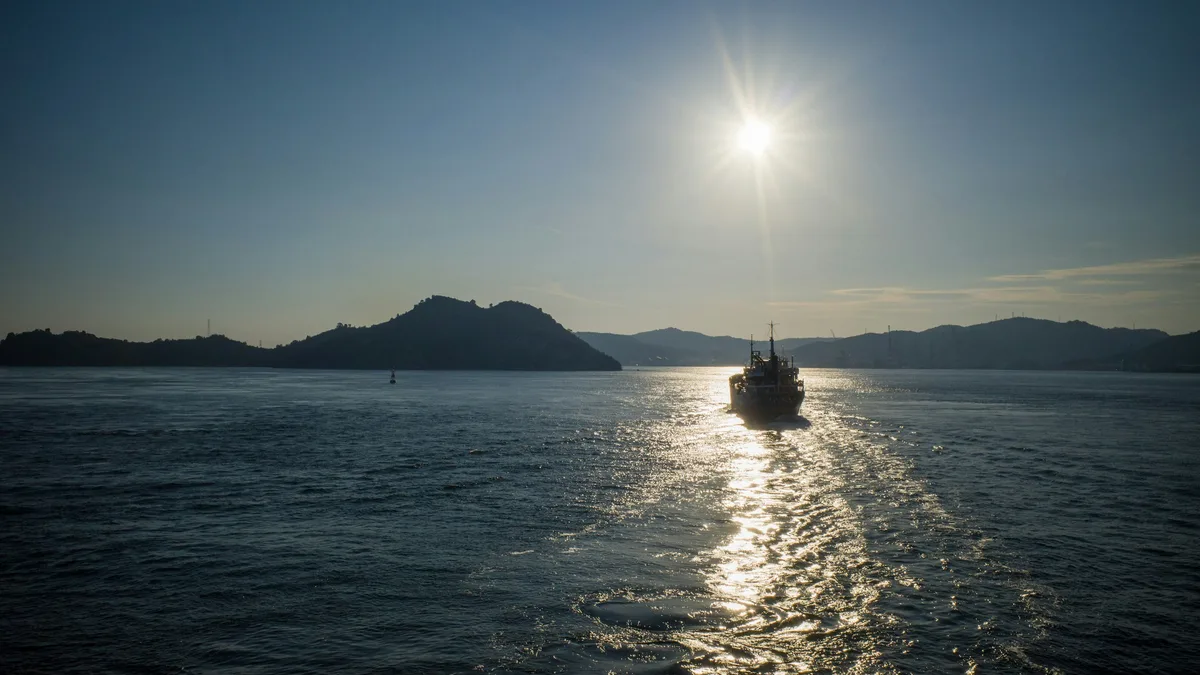
Naoshima à pied, île d'art de la mer intérieure de Seto : les citrouilles de Kusama, le musée souterrain Chichu, des maisons devenues œuvres dans un village.
Naoshima Island
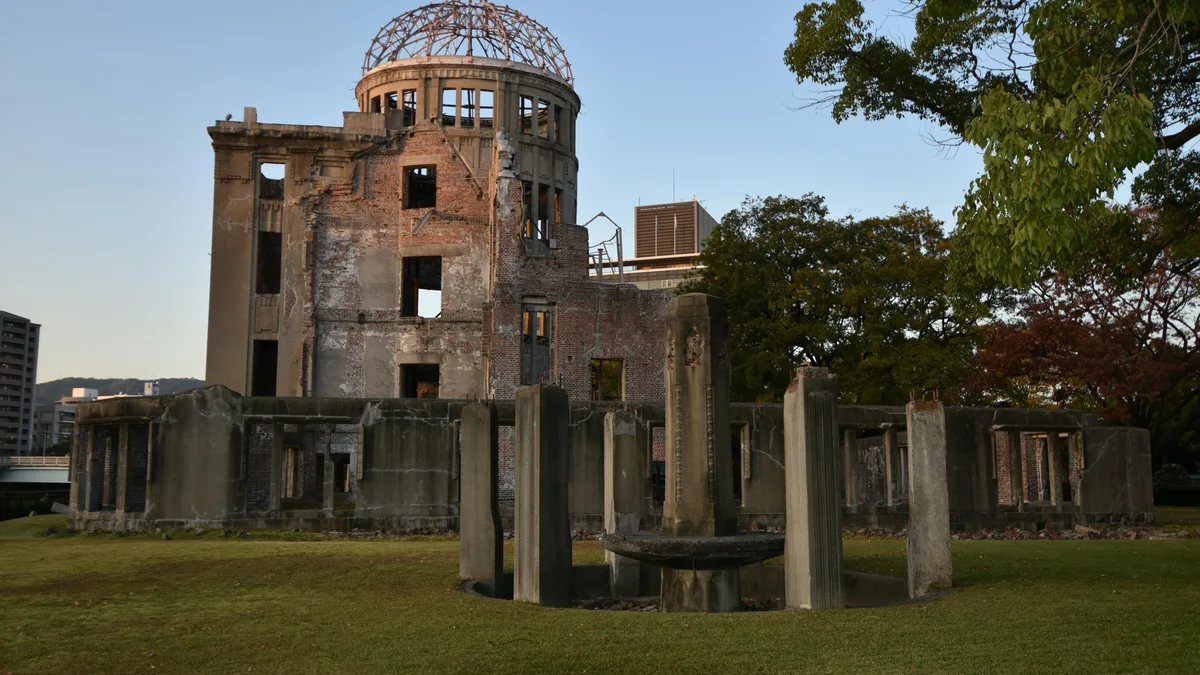
Guide audio pour visiter dans le calme et le respect le Parc du Mémorial de la Paix d'Hiroshima : le Dôme de la bombe atomique, le Cénotaphe et la Flamme de la paix, le Monument des enfants couvert de grues en papier, et le Musée du Mémorial. Horaires, tarifs, accès en tramway et conseils pour se recueillir en silence.
Hiroshima Peace Memorial Park
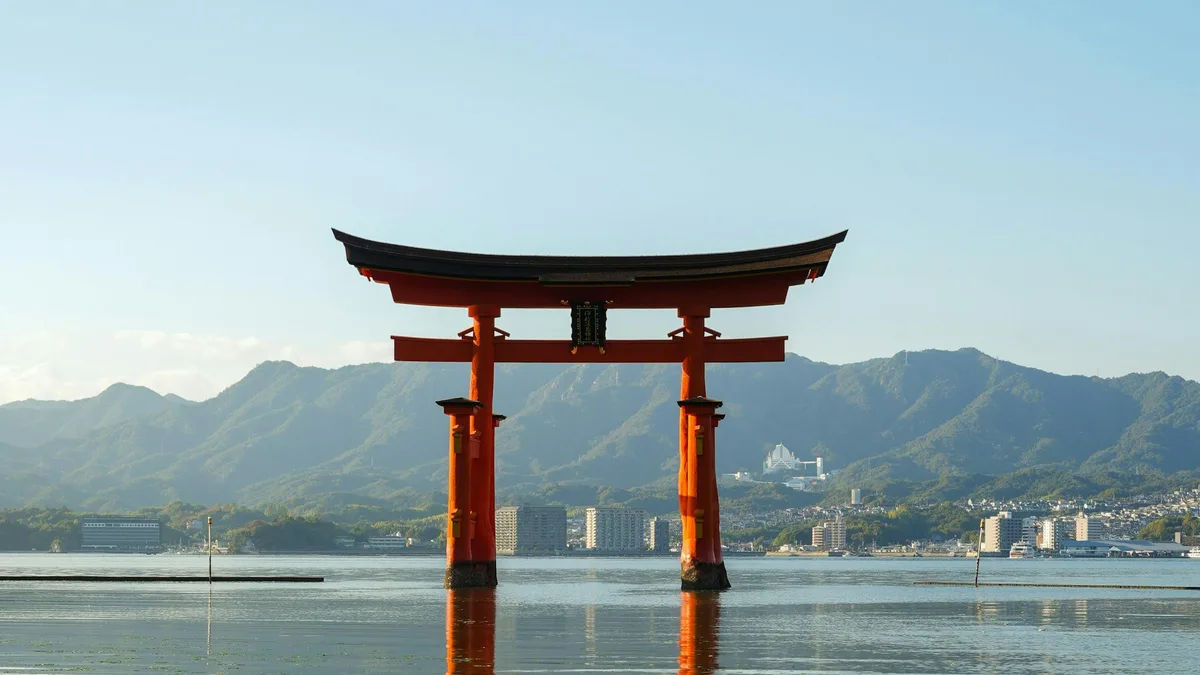
Miyajima vaut-elle la visite ? Nous avons pesé 165 voix de voyageurs : 58% disent que oui, seulement 7% déçus. Le sanctuaire et le torii flottant bâtis sur l'estran au large d'Hiroshima, comment lire la marée, quel ferry prendre, et le mont Misen, avec un guide audio.
Itsukushima Shrine
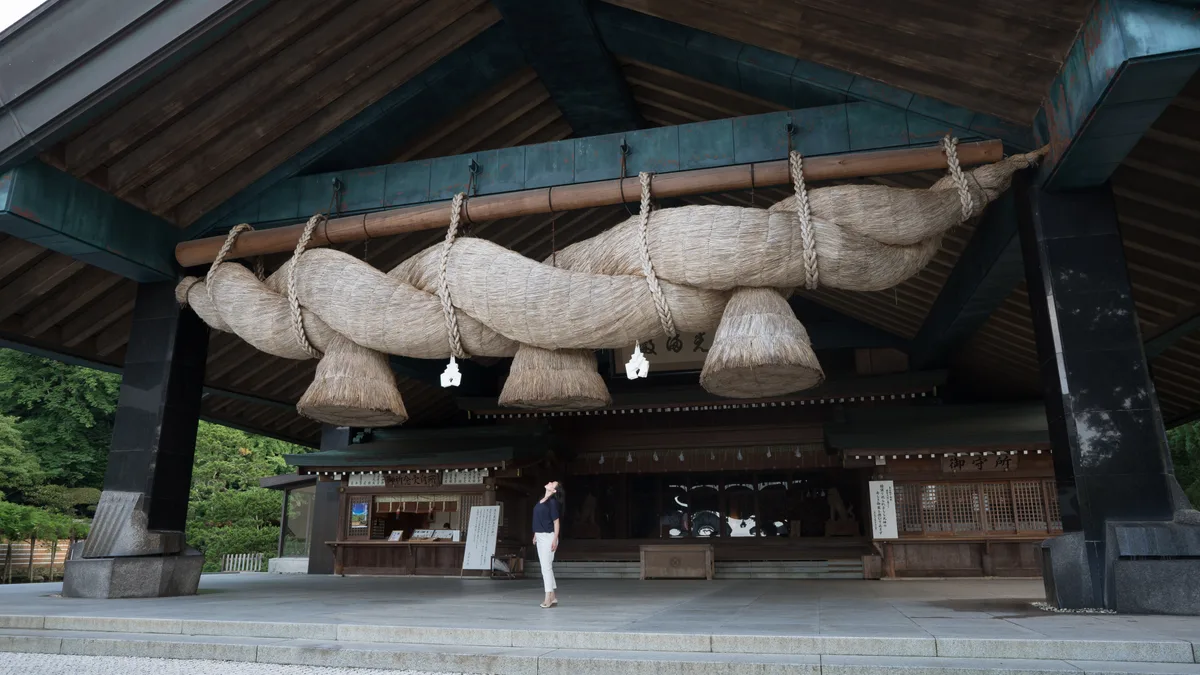
Izumo Taisha en vaut-il la peine ? Sur 60 voyageurs, 52 % disent oui pour le sanctuaire et son calme, 43 % estiment que tout dépend de l'organisation de la journée, et les fidèles japonais en parlent encore plus chaleureusement (61 %). Les quatre claquements de mains, l'endroit où pend vraiment la corde géante et le mois où les dieux du Japon se réuniraient, avec un guide audio.
Izumo Taisha (Izumo Oyashiro)
Le vieux cœur du Japon — Kyoto, Nara, Osaka — à un rythme paisible
Une colonne vertébrale nord-sud le long de l'île : un sanctuaire de l'espoir, un port à la fenêtre ouverte, un château que l'on soigne, et une ville sous un volcan
La côte de la mer du Japon, restée à l'écart du versant ensoleillé, a gardé intact le Japon le plus ancien : un sanctuaire plus vieux que les capitales, où les dieux se rassemblent encore, l'un des douze donjons d'origine du pays, une mine d'argent dont la montagne a gardé sa forêt, et des couchers de soleil classés parmi les cent plus beaux du Japon. À parcourir tranquillement d'est en ouest, des grandes dunes jusqu'à Izumo et au soleil couchant.
Comment voyagent vraiment les amoureux des châteaux : un pèlerinage qui vous apprend à lire un château, vers l'ouest depuis Osaka jusqu'à Shikoku
Un voyage réglé sur le calendrier des matsuri, du Gion de Kyoto à la rivière de feux d'artifice d'Osaka, puis jusqu'aux rues dansantes d'août, lu comme le lisent ceux qui aiment l'été japonais, là où la chaleur n'est pas le prix du voyage mais la raison pour laquelle les festivals rayonnent, et où le festival lui-même est une porte tenue ouverte plutôt qu'un spectacle qu'on regarde